Egg-Shaped Fruit Hanging On Alabama Fences Right Now Is A Wild Snack With A Tropical Flavor
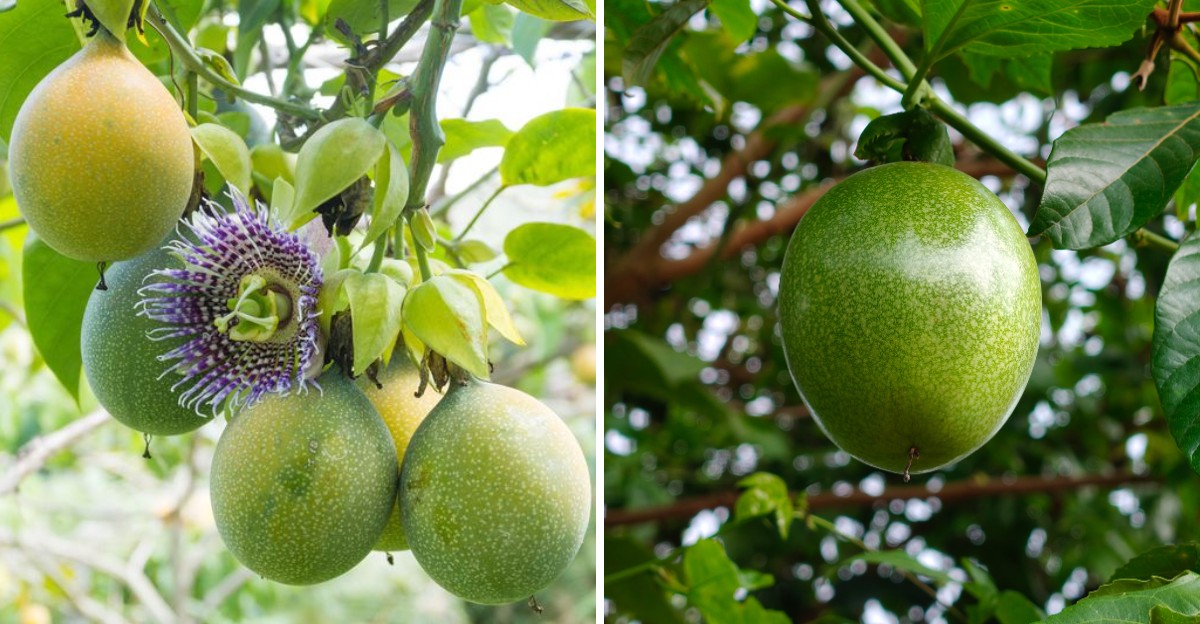
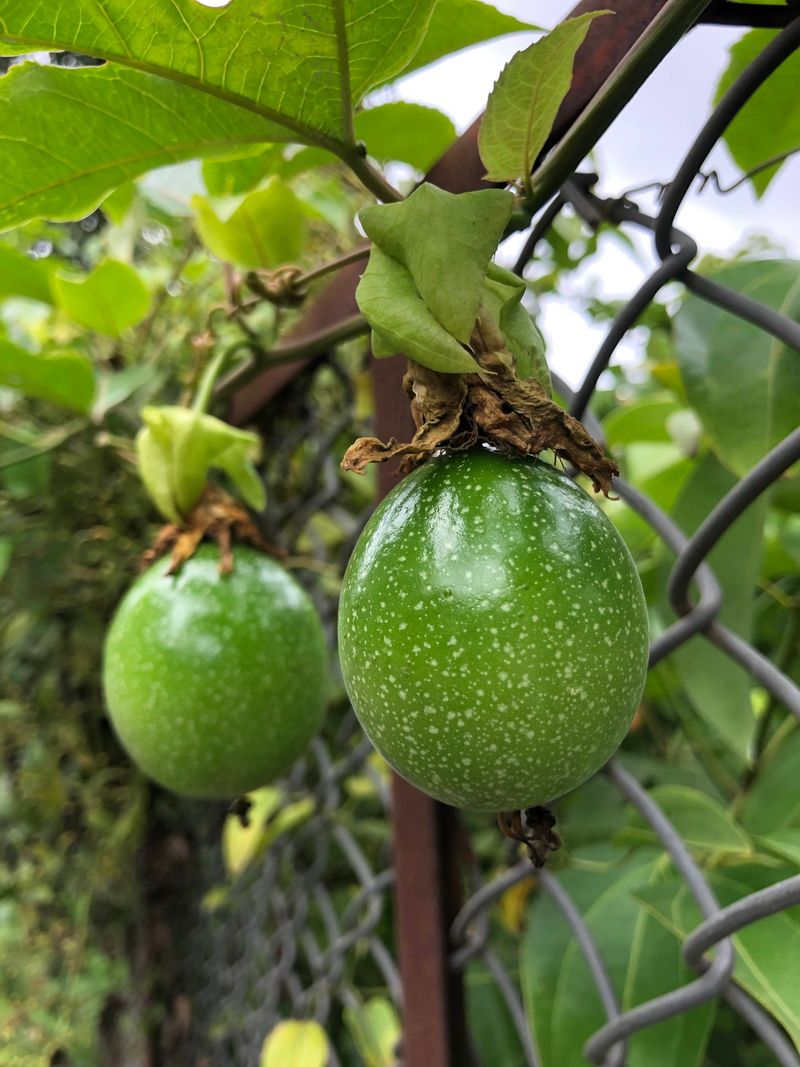
Picture a lumpy yellow-green egg dangling from a rusty fence wire on a crisp, cool October morning. It looks like something a very confused chicken left behind after a long, strange day.
Give a ripe one a gentle squeeze, and it feels light and hollow, almost like a tiny party balloon. Shake it close to your ear, and you might hear the seeds rattling around like maracas.
Crack it open, and a sweet smell drifts out, just like a fruit cup on a beach vacation. Many families across rural Alabama have enjoyed this sweet backroad find for generations.
Grandparents still remember grabbing warm handfuls off the fence on their slow walk home from school. Somewhere out there, that confused chicken is probably still searching for its missing green eggs.
Whether you grew up around these vines or are just meeting them, spotting one of these odd little fruits can bring a smile.
Maypop Passionflower Fruit Ripening Along Southern Fence Lines
Those green eggs belong to the maypop, a native passionflower vine known to scientists as Passiflora incarnata. It grows wild across Alabama, climbing fences, ditches, and old fields with curly tendrils.
Back in early summer, the vine shows off wild purple flowers with frilly fringe. Many people say the blooms look like something from another planet, or maybe a fancy party hat.
After bees visit those flowers, small fruits start to swell. By fall, each one grows to about the size of a chicken egg, with smooth green skin.
The name maypop has a playful story behind it. One popular story says kids discovered the fruits make a loud pop when stomped, so the nickname stuck around.
Native Americans in the Southeast ate the fruit long before European settlers arrived. They also brewed the leaves into tea, and some families may still do that, though a doctor can advise on safety.
The vine is a close cousin of the tropical passion fruit sold in grocery stores. Unlike its fancy relative, the maypop handles cold winters and pops back up each spring.
In fact, the passionflower has been named a state wildflower of Tennessee. Alabama folks enjoy it as a roadside snack that grows without planting or watering.
Look for vines along sunny fences, power line clearings, and the edges of hayfields. Once you spot one, you will likely start noticing them in many places on your drives.
Spotting the vine is a small joy for walkers and drivers alike, and many families have a favorite fence where it returns each year.
The Tropical Taste Hidden Inside A Wrinkled Shell
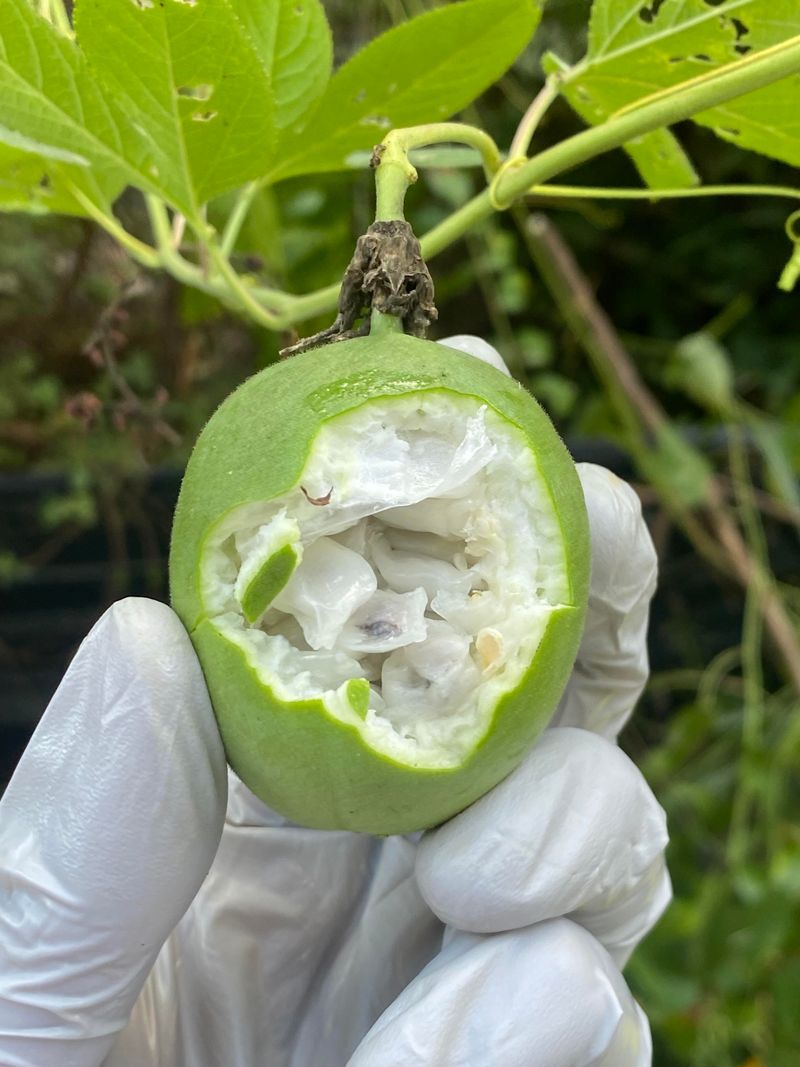
Imagine a fruit cup mixed with lemonade, then add a splash of guava. That is a good way to describe the flavor tucked inside a ripe maypop.
The inside surprises most first-timers. Instead of solid fruit, you find dozens of seeds, each wrapped in a soft, juicy sac of pale pulp.
Some tasters pick up hints of apricot, banana, or pineapple. Others say it reminds them of a sour candy that slowly turns sweet on the tongue.
Your Alabama Garden Changes Every Week. Your Plan Should Too.
Gardening in Alabama changes quickly throughout the season. Every Friday you’ll receive a simple weekly plan showing exactly what to plant, prune, fertilize, harvest, and protect so you never miss the right timing.
Sweetness depends a lot on ripeness and weather. Fruits from sunny spots tend to taste richer, while shady vines give a tangier, more lemony bite.
The texture is slippery and a bit like jelly. You suck the pulp off the seeds, then set the seeds aside, much like eating a pomegranate.
Plenty of people swallow the seeds too, and that is fine. They add a little crunch, though some find them a bit too bitter for snacking.
The aroma is part of the appeal. A ripe maypop smells so tropical that it feels out of place in an Alabama cow pasture.
Many kids enjoy the treasure hunt feeling of cracking one open. Each shell holds about a spoonful of pulp, so plan on gathering several for a real snack.
Each fruit can taste a little different from the next, which makes every tasting feel like a friendly surprise.
October Timing For Picking A Ripe Maypop
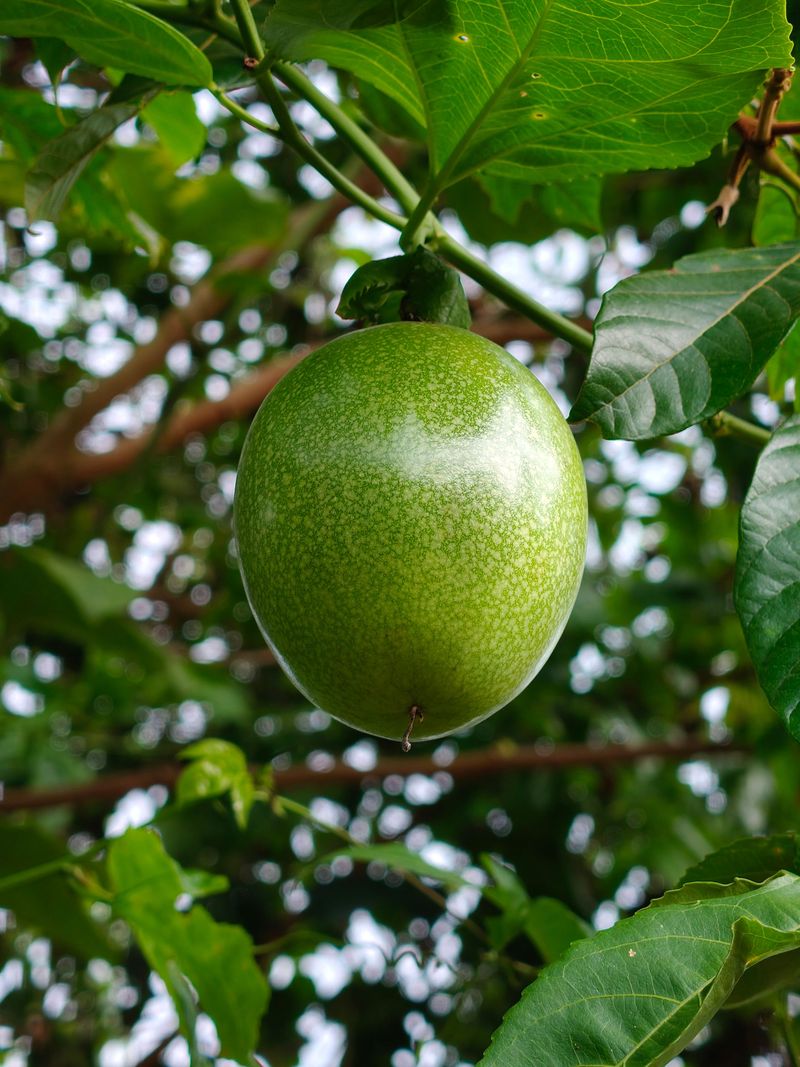
Right now is a great time to look. October brings cooler nights to Alabama, and those chilly evenings help maypops finish sweetening on the vine.
Ripening usually starts in late August and stretches into October. In northern Alabama, the first frost wraps things up, while southern counties may enjoy fruit a bit longer.
Color offers the first clue. A ripe maypop turns from bright green to a yellowish or olive shade, sometimes with a slight wrinkle.
Weight matters too, but in a surprising way. Ripe fruits tend to feel light for their size, since the pulp inside often shrinks as the sugars develop.
Many fruits simply drop to the ground once they are ready. Checking under the vine each morning is an easy way to find the ripest ones.
A gentle tug test also helps. If the fruit lets go of the stem easily, it is ready, but if it resists, give it a few more days.
Early morning picking works well on warm days. The fruit stays cool, and you keep clear of insects that sometimes gather around fallen, soft maypops.
Bring a small bag or basket on walks this month. Ripe maypops often keep for about a week on the counter, and they may wrinkle more as they sweeten.
Cool air, morning light, and a basket on your arm make the search feel peaceful, and many families enjoy it as a fall outing.
The Common Mistake Of Picking Fruit Too Early
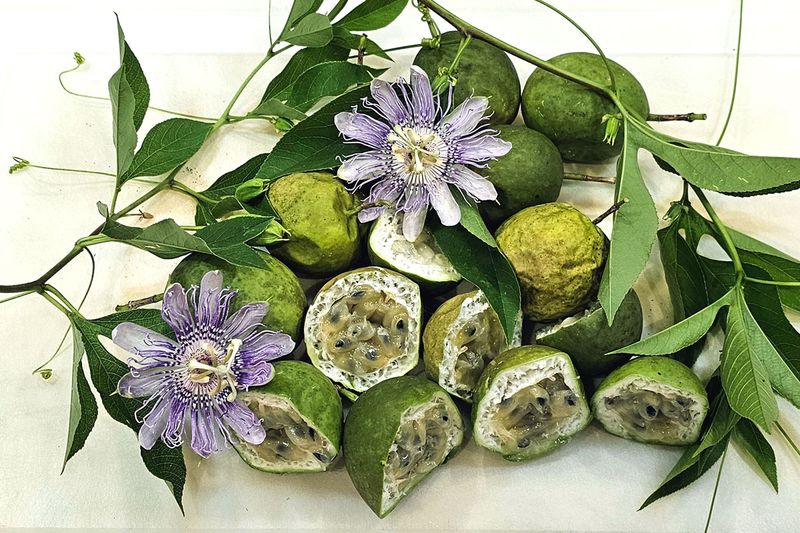
Plenty of eager foragers learn this lesson through experience. They spot a plump, shiny green maypop, pick it right away, and get a tart, mild first bite.
Unripe maypops look tempting because they are firm and pretty. Inside, though, the pulp is often pale, dry, and mild in flavor, with a tart edge.
Green fruit also feels heavy and solid. That weight comes from thick inner flesh that has not turned into sweet juice yet.
A picked maypop can ripen a little more on your kitchen counter. Still, fruits pulled way too early may stay rather bland even after sitting for a while.
Patience pays off with this snack. Waiting until the skin yellows and softens often makes the difference between tart and pleasantly sweet.
Another slip involves confusing the maypop with other vines. Make sure the plant has three-lobed leaves and those distinctive fringed purple flowers earlier in the year.
Only eat wild food when you feel sure about what it is. Asking an experienced neighbor or local extension office is a smart move for beginners, and enjoying only fully ripe fruit is wise.
Finally, skip vines growing along busy highways or sprayed fields. Fruit from cleaner spots, like a friend’s pasture fence, is a much safer choice for snacking.
A little patience and a careful look at the leaves can help you enjoy a better bite and get to know the plant.
Easy Kitchen Uses For Fresh Maypop Pulp
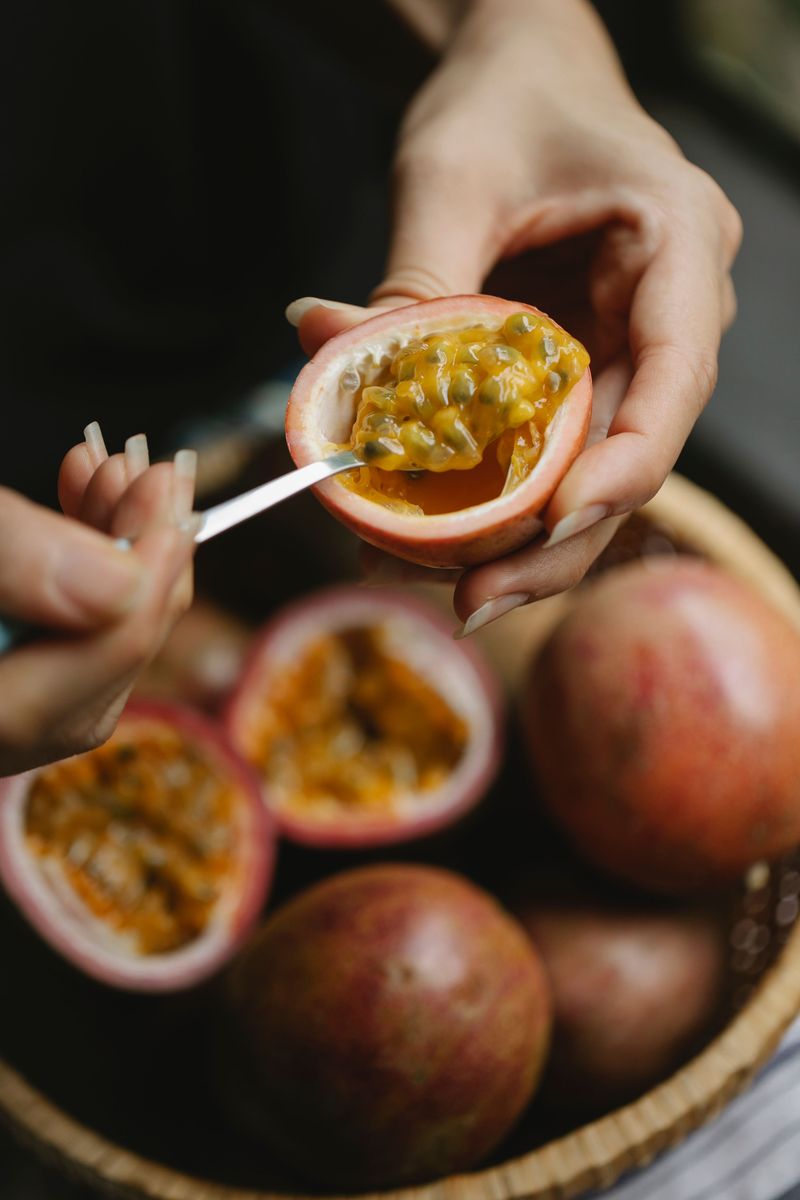
Grandma had the right idea when she turned her fence-line haul into jelly. Maypop pulp works in lots of simple recipes that even beginner cooks can handle.
Start by cutting the fruit in half with a small knife. Scoop the pulp and seeds into a bowl, much like scooping out a soft-boiled egg.
For juice, press the pulp through a mesh strainer with the back of a spoon. The seeds stay behind, and you get a fragrant golden liquid.
Mix that juice with water and a little sugar for a quick homemade drink. It tastes like a tropical lemonade, perfect after raking October leaves.
Jelly is the classic choice for bigger harvests. Many cooks blend maypop juice with sugar and pectin, then spread it on warm biscuits.
Spooning fresh pulp over vanilla ice cream or yogurt is even easier. The tangy flavor brightens up plain desserts in seconds.
Bakers sometimes stir the strained juice into cake frosting or pie fillings. A small amount goes a long way because the flavor is strong.
Extra pulp freezes well in ice cube trays. Pop out a cube later for smoothies, and enjoy a taste of fall long after the vines go quiet.
Share a jar of homemade jelly with a neighbor, and the recipe may become a cherished tradition on your street.
A Backyard Vine For A Future Harvest
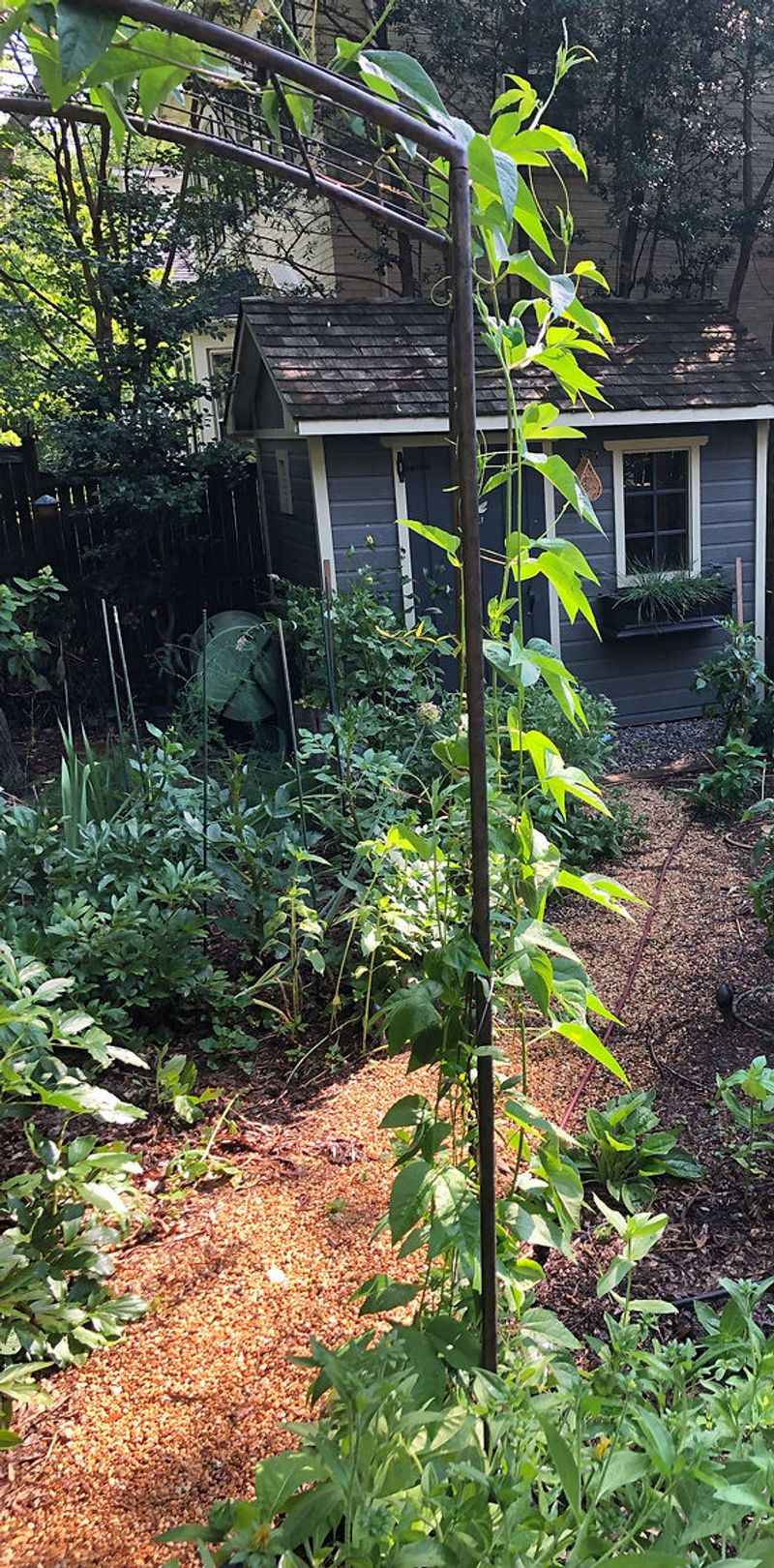
Why wait for a lucky roadside find? Growing your own maypop vine can be fairly simple, and October is a great time to save seeds for spring.
Pick a few fully ripe fruits and scoop out the seeds. Rinse off the pulp, let them dry on a paper towel, then store them somewhere cool.
Seeds sprout slowly, so soaking them overnight before planting helps. Some gardeners also tuck them in the fridge for several weeks first.
The vine loves full sun and well-drained soil. A chain-link fence, trellis, or old garden arch gives it plenty of room to climb.
Maypops spread by underground runners, popping up a few feet away. Give them space, or plant them where wandering shoots will not bother you.
In winter the vine typically fades to the ground, which surprises new growers. It returns in late spring, often later than you expect, so be patient.
Your garden gains more than snacks. The purple blooms feed bees, and the leaves host Gulf fritillary caterpillars that become bright orange butterflies.
Many vines need a buddy for good fruit. Planting two or more vines grown from different seeds can improve pollination, since offshoots are copies of one vine, and it may give you a fence loaded with green eggs in time.
Starting a vine from seed is a gentle project for children, who often enjoy watching the first shoots climb each week.