Protect Your Plants With These Garden Jobs Before The First Frost Arrives
Can you spot the cold threat heading toward your garden tonight? Frost arrives uninvited, and tender basil blackens before you wake.
Your peppers, tomatoes, and dahlias react badly to cold snaps. Water your beds by early afternoon, because damp soil releases stored warmth overnight.
Drape bedsheets over tender plants, since plastic traps moisture against leaves. Prop stakes underneath so the fabric floats above the foliage.
Pick mature green tomatoes and let them blush on a windowsill. Haul potted herbs and citrus indoors before evening settles in.
Mulch roots once soil cools, because insulation shields them from sudden swings. Check your forecast at noon, since clear skies invite the sharpest drops.
Windless evenings deserve extra suspicion, because cold settles heavily near the ground. You hold the power to rescue a season of effort. Act now, and your garden greets tomorrow unbruised.
1. Bring Tender Potted Plants Indoors Before Nights Turn Cold
Picture your favorite geranium sitting outside on a crisp October night with no jacket. Tropical and tender plants feel the cold much faster than tough garden shrubs.
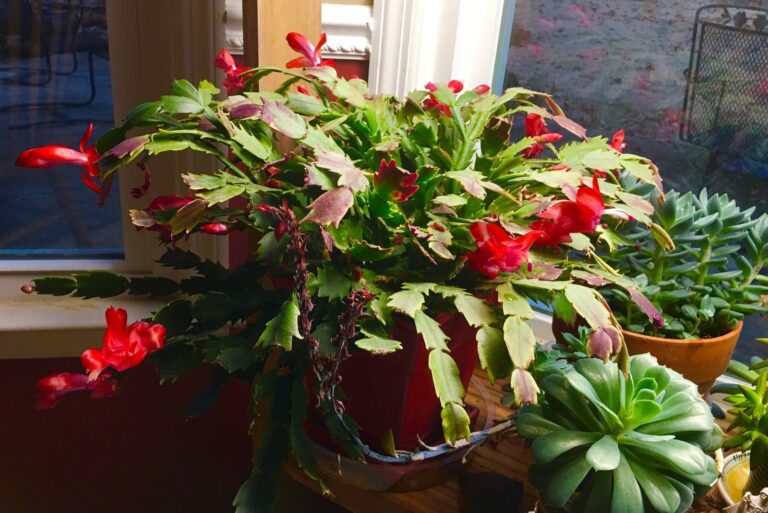
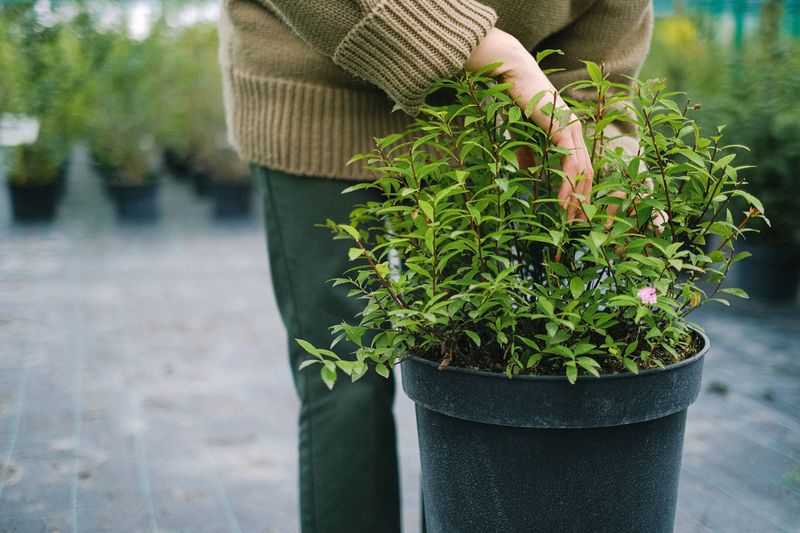
Start by moving potted plants like citrus, hibiscus, and begonias indoors when nights dip near 50 degrees. Waiting until frost hits often means damaged leaves and a slow recovery.
Check every pot carefully for bugs before it crosses your doorstep. Aphids, spider mites, and tiny slugs love hitching a ride into a warm house.
A quick rinse with the garden hose clears off many hidden pests. You can also wipe leaves gently with a mild insecticidal soap solution, testing one leaf first.
Find a bright spot near a sunny window for your indoor guests. Citrus and hibiscus want at least six hours of light to stay healthy through winter, while foliage plants need less.
Expect a few yellow leaves during the first couple of weeks inside. Plants need time to adjust, much like you after a long summer vacation.
Water less often once they settle in, since indoor plants grow slower in winter. Soggy soil in cool rooms can cause root rot quickly.
Keep plants away from heaters, fireplaces, and drafty doors that swing open often. Sudden temperature swings stress them more than a steady cool room does.
Group pots together to raise humidity slightly around the leaves. A pebble tray adds a small extra boost.
Your living room may look like a jungle for a while. Come spring, those happy plants will thank you with fresh growth.
2. Cover Vulnerable Beds With Frost Cloth On Chilly Nights
Grandma had an old bedsheet trick, and she was onto something smart. Covering plants overnight traps warm air rising from the ground beneath them.
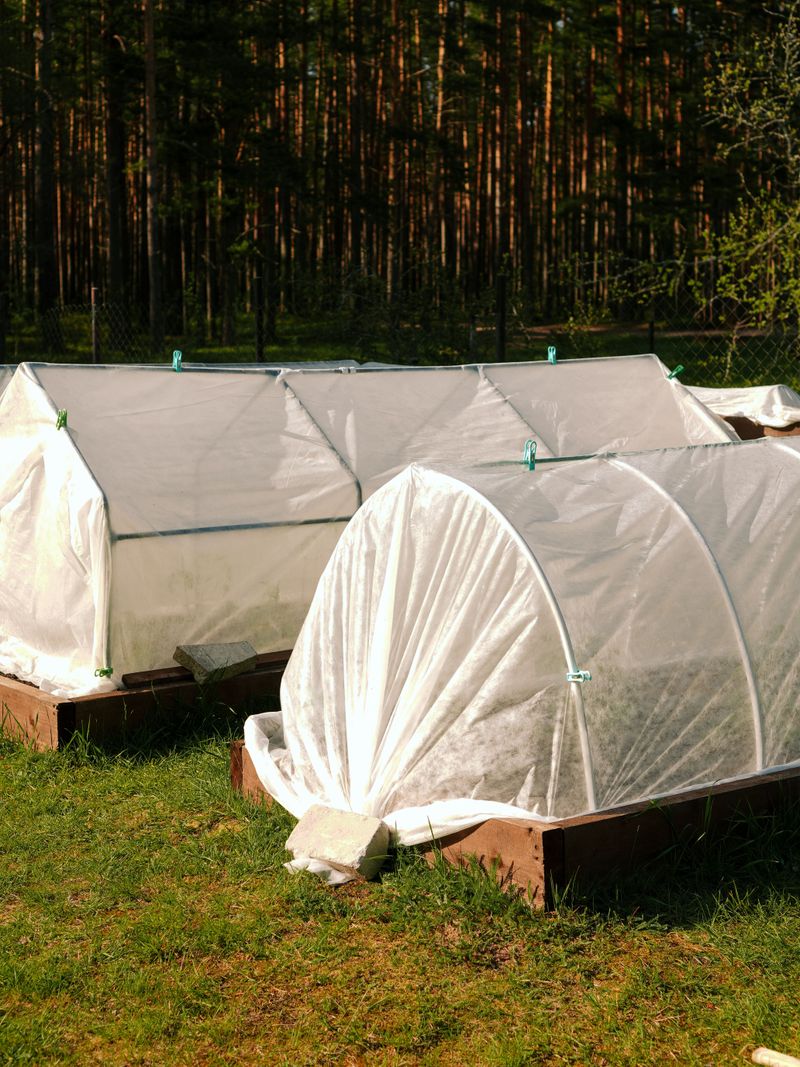
Frost cloth, also called row cover, is a light fabric made for this job. It lets in air and some light while holding heat close to your plants.
Drape the cloth over beds in the late afternoon, before the sun goes down. The soil stores warmth all day, and you want to catch it.
Let the fabric reach all the way to the ground on every side. Weigh down the edges with bricks, rocks, or garden pins against wind.
Avoid plastic sheets touching leaves directly, since plastic can transfer cold right through. If plastic is all you have, prop it up with stakes first.
Hoops made from bent wire or PVC pipe make a handy little tunnel. The fabric stays off the leaves, and plants stay snug underneath.
Remove covers the next morning once temperatures climb above freezing. Plants need sunlight and fresh air during the day to stay strong.
Old blankets, towels, and even cardboard boxes work in a pinch. Just avoid anything too heavy that might crush delicate stems.
Keep a stack of covers near the back door through October and November. Quick access makes it easy when the forecast suddenly drops.
Gardeners in Michigan can see a first frost anywhere from mid-September in the north to mid-October or later near the lakeshore. That timing catches late tomatoes and peppers still hanging on the vine.
A stack of covers by the door means you are ready before the first cold night. Along the Lake Michigan shoreline, warm water often delays frost, while spots farther inland can chill sooner.
On clear, calm nights the temperature can drop fast, so a quick look at the forecast before dusk pays off.
A few minutes of covering can protect plants through light frosts and extend your harvest. Late tomatoes and peppers get extra time to ripen this way.
3. Spread A Thick Layer Of Mulch Around Roots
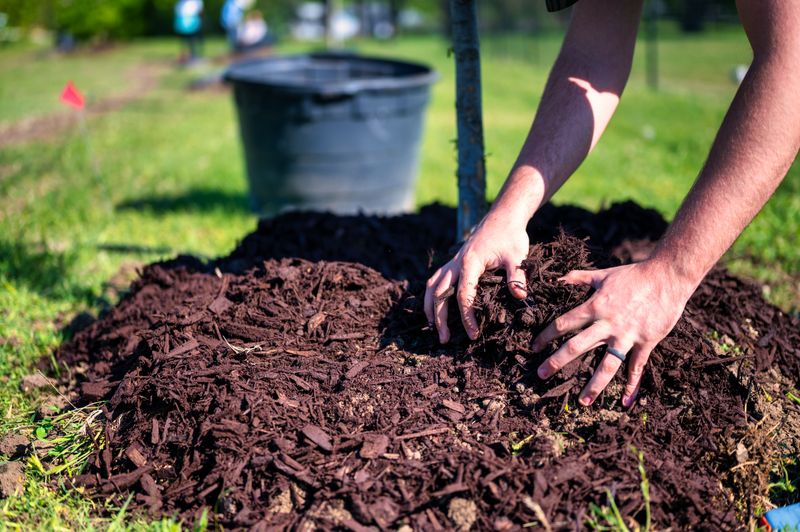
Roots hide underground, but they still feel the sting of a hard freeze. A cozy layer of mulch works like a fluffy winter coat for them.
Spread two to four inches of mulch around perennials, shrubs, and young trees. Shredded bark, straw, pine needles, and chopped leaves all work nicely.
Mulch keeps soil temperatures steady instead of letting them bounce up and down. That bouncing causes frost heave, which pushes plants right out of the ground.
Michigan winters swing between freeze and thaw often, so that steady cover earns its keep there.
Wait until the soil has cooled a bit before adding your final layer. Mulching too early can invite mice to build warm nests near stems.
Leave a small gap of a few inches around tree trunks and stems. Piling mulch against bark traps moisture and can lead to rot.
Fallen leaves from your own yard are a free and wonderful option. Run them over with a mower first so they do not mat down.
Straw makes a great pick for strawberry beds and vegetable patches. It stays light and airy while keeping soil snug beneath.
Mulch also slows down weeds that sneak in during early spring. You will spend less time pulling them when the weather warms up.
As the mulch breaks down over winter, it feeds the soil too. Worms happily pull bits underground and improve the earth for you.
Think of this job as a gift that keeps on giving. Your spring garden will thank you with stronger and healthier plants.
4. Water Deeply Before A Freeze Hits The Forecast
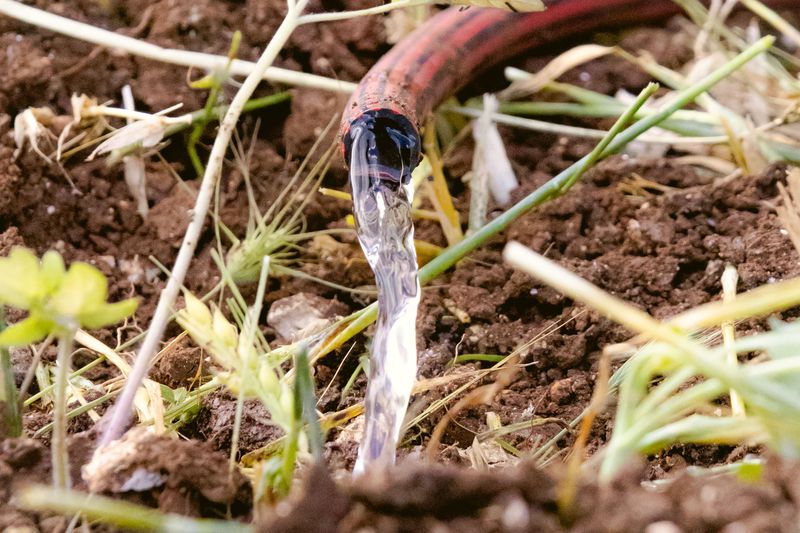
Watering before a frost may sound counterintuitive. Yet moist soil actually holds heat far better than dry, dusty soil.
Give your garden a deep drink a day or two before cold weather arrives. The damp ground slowly releases warmth overnight, protecting roots and lower leaves.
Thirsty plants struggle more with frost because their cells are already stressed. Well-watered plants handle cold snaps with much more strength and bounce.
Water in the morning or early afternoon instead of late evening. Leaves should dry before dark, since lingering moisture on foliage invites disease in cool weather.
Focus the water at the base of each plant rather than spraying leaves. A soaker hose or watering can makes this simple and tidy.
Evergreens like boxwood, holly, and rhododendrons need extra attention in fall. They keep losing moisture through their leaves all winter long.
Newly planted trees and shrubs also need plenty of water before winter. Their roots are still young and working hard to settle in.
Keep watering every week or so until the ground freezes solid. Autumn can be surprisingly dry, even when the air feels damp and cool.
Skip soaking soil that is already muddy from recent rain. Too much water in heavy clay can waterlog roots instead of helping.
A simple finger test tells you a lot about soil moisture. Push it two inches down, and water if it feels dry.
5. Harvest Frost-Tender Vegetables Before Cold Damage Occurs
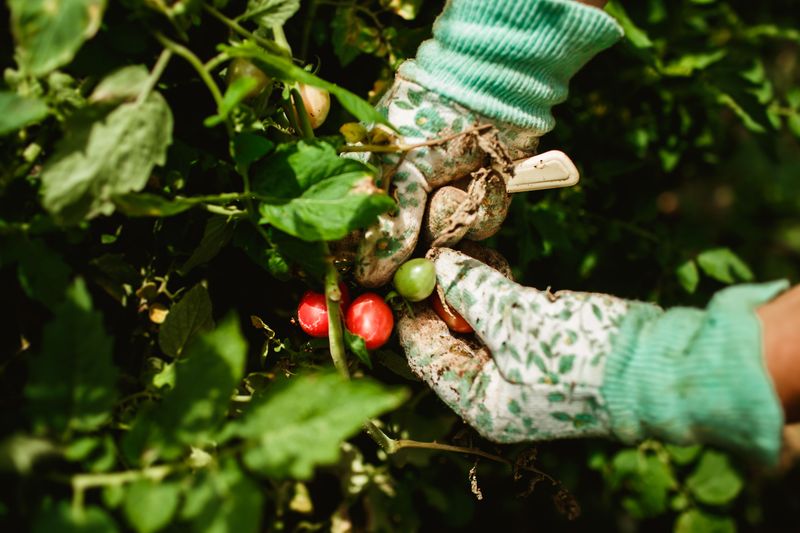
Few things match the smell of a sun-warmed tomato picked in October. Waiting one night too long, though, can leave tomatoes soft and unusable.
Tomatoes, peppers, squash, beans, and cucumbers are all damaged by freezing weather. Pick them before temperatures fall near 32 degrees for the best results.
Mature green tomatoes can still ripen indoors with a little patience, but fully immature ones ripen poorly. Wrap them loosely in newspaper and store them in a cool, dark spot.
Adding a ripe banana to the box speeds things along nicely. Bananas release a natural gas that tells tomatoes it is time to blush.
Winter squash and pumpkins need a hard rind before storage. Cut them with a few inches of stem still attached for longer keeping.
Some crops actually taste better after a light frost kisses them. Kale, Brussels sprouts, carrots, and parsnips turn sweeter as cold arrives.
That sweetness happens because plants turn starch into sugar for protection. It works like a natural antifreeze inside their leaves and roots.
Herbs like basil should come in early, since they blacken fast. Make pesto or freeze chopped leaves in ice cube trays with oil.
Hardier herbs such as thyme and sage can stay out longer, while rosemary needs cover once temperatures drop well below freezing. A little cover on cold nights keeps them going even further.
Turn your harvest day into a family event with baskets and snacks. Kids love hunting for the last hidden zucchini under big leaves.
6. Dig Up And Store Summer Bulbs For Next Year
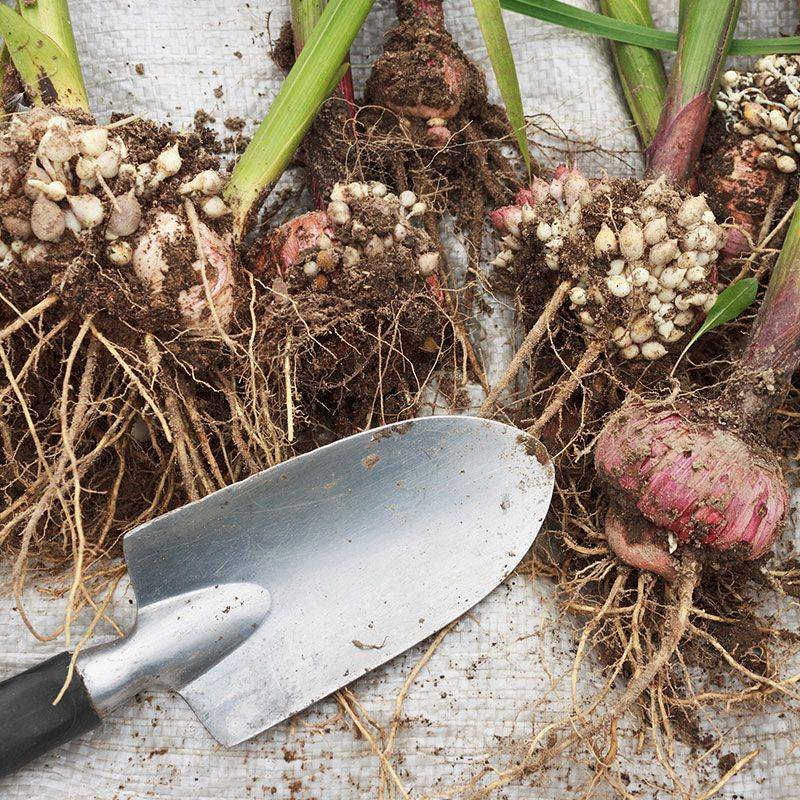
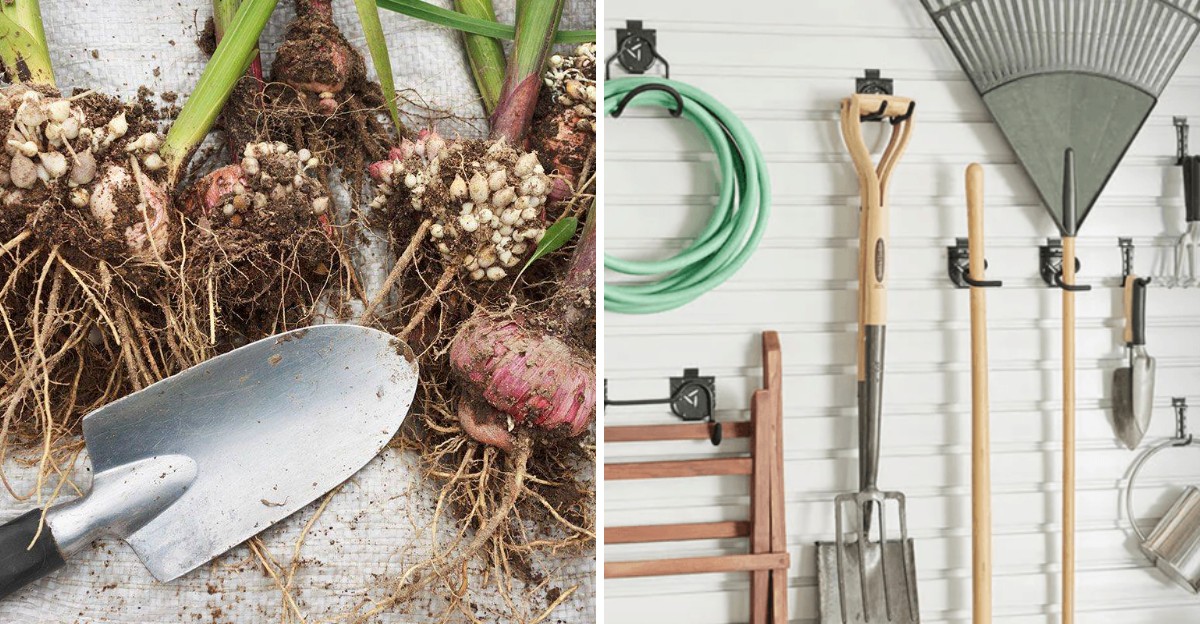
Dahlias are not winter-hardy in cold climates, so they need to be lifted and stored. In cold climates, frozen soil will rot tubers left in the ground.
In most of Michigan, winters are cold enough that tubers left outside will not make it, so lifting them is the safe choice.
In colder climates (roughly zone 7 and below), bulbs like dahlias, cannas, gladiolus, and begonias need lifting each fall. Wait until frost blackens the leaves, then dig carefully within a week.
Use a garden fork instead of a shovel to avoid slicing tubers. Start digging several inches away from the stem and lift gently upward.
Shake off loose soil and let the bulbs dry for a few days. A garage or covered porch works nicely, out of rain and sun.
Trim old stems down to about two inches above the tuber. Label each variety with a marker so spring planting stays organized.
Pack bulbs in boxes filled with dry peat moss, sawdust, or shredded paper. Paper bags with small holes also let them breathe well.
Store them somewhere cool and dark, between 40 and 50 degrees. Basements and unheated closets often hit that sweet spot perfectly.
Check your stash once a month throughout the winter season. Toss any soft or moldy pieces before trouble spreads to the rest.
A light mist of water helps if tubers start looking shriveled. They should feel firm, like a fresh potato from the store.
Gardeners have saved tender bulbs and tubers this way for generations. One small dahlia clump can multiply into many tubers over a few seasons.
7. Wrap Young Trees And Shrubs In Protective Burlap
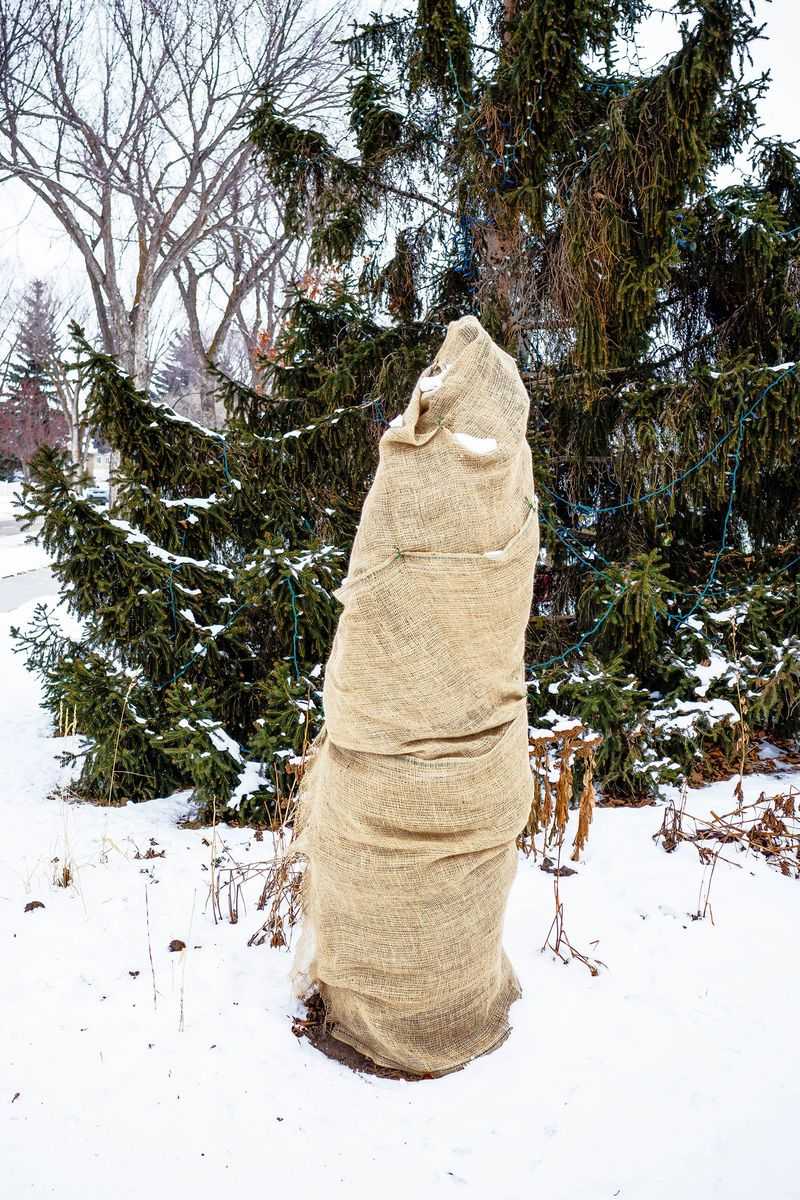
Young trees are a bit like toddlers heading out into winter weather. They need extra layers until their bark and branches grow tougher.
Burlap makes a fantastic shield against harsh winds and freezing temperatures. It breathes well, so plants stay protected without trapping too much moisture.
Hammer three or four wooden stakes into the ground around each shrub. Wrap burlap around the stakes to form a loose fence or screen.
Avoid wrapping burlap tightly against leaves and branches whenever possible. A little space allows air to move and prevents mold from forming.
Evergreens like arborvitae and boxwood benefit especially from this treatment. Winter sun and wind can scorch their foliage, turning it brown.
Thin-barked trees such as maples and fruit trees face another problem. Sunny days followed by icy nights can crack their bark.
Tree wrap or plastic guards around the trunk help prevent that cracking. They also stop hungry rabbits and voles from nibbling on tender bark.
Tall shrubs may need gentle tying to keep snow from breaking branches. Use soft twine and spiral it loosely from bottom to top.
Remove all wraps in early spring once the hard freezes pass. Leaving them on too long can invite bugs and slow new growth.
A neighborhood full of burlap bundles might look odd for a while. Still, those quirky shapes mean healthier trees standing tall next summer.
8. Clean And Store Garden Tools And Hoses
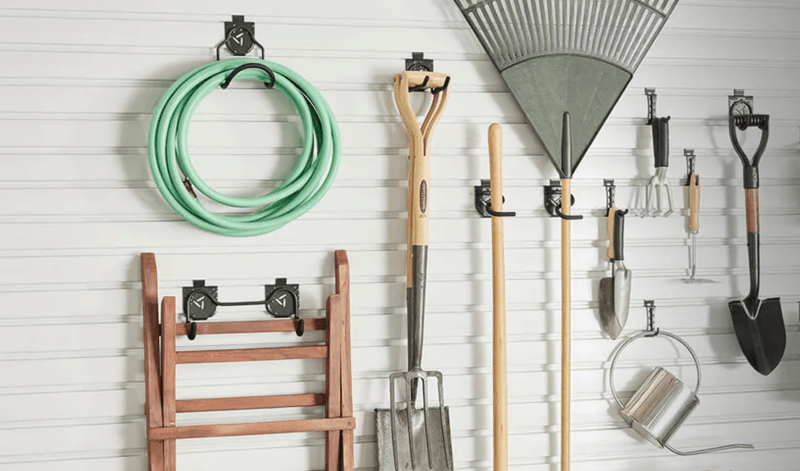
Ever found a cracked hose in spring and wondered what happened? Water left inside froze, expanded, and split it open.
Drain every hose fully after your final watering of the season. Stretch it out on a slope so gravity pulls the water away.
Coil hoses loosely and store them in a shed or garage. Cold sunlight and ice can make rubber brittle and full of cracks.
Disconnect hoses, shut off outdoor water valves, and open spigots to let them drain. Frozen pipes can burst and cause costly repairs inside your home.
Garden tools deserve some attention before their long winter nap. Scrub dirt from shovels, rakes, and pruners with a stiff brush.
Dry everything well to prevent rust from creeping onto the metal. A light coat of mineral or camellia oil adds extra protection.
Sharpen pruners and hoes now while you have time to spare. Spring gets busy, and sharp tools make every job easier.
Wooden handles enjoy a rub of boiled linseed oil too. It keeps them smooth, strong, and free from splinters in your hands.
Spread oily rags flat outdoors, away from buildings, until dry, since they can ignite on their own.
Empty clay pots and bring them inside before freezing weather arrives. Wet clay can crack when the trapped water turns to ice.
Hang tools on hooks or a pegboard for easy spotting later. Future you will feel grateful when spring planting day finally rolls around.