7 Things To Do If A Coyote Shows Up In Your North Carolina Yard (And 3 To Avoid)
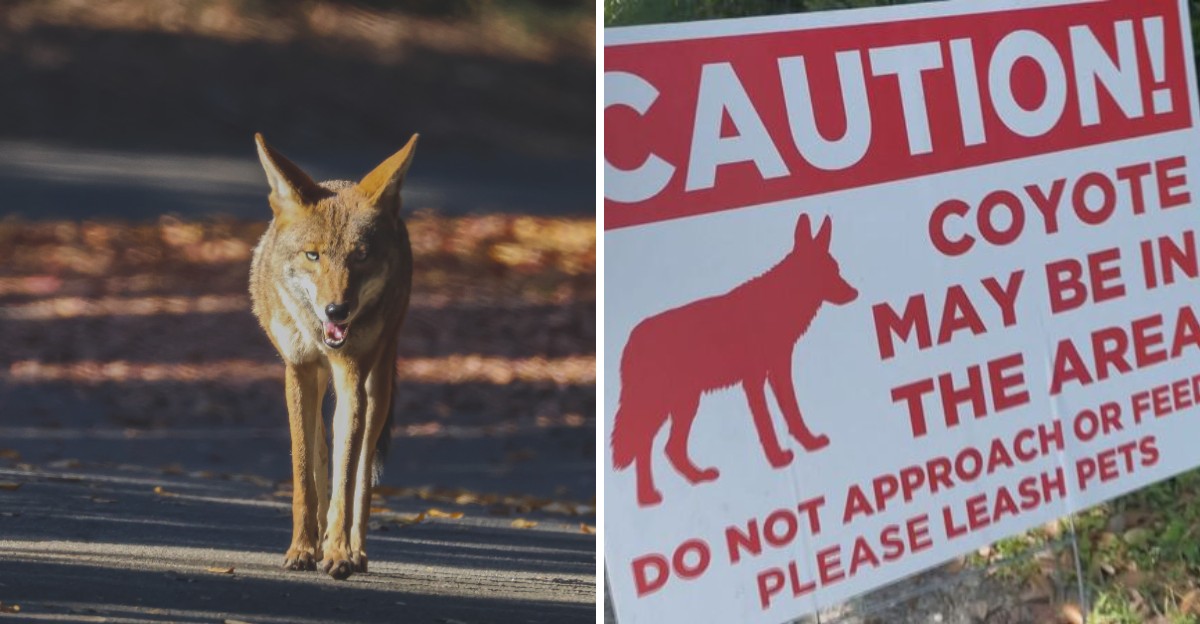
Seeing a coyote in your yard is startling. Most of the time, it is also harmless. Coyotes live across North Carolina, in cities as well as the countryside.
They usually avoid people, but they do get bolder when food is easy to find. Your response matters more than the animal’s size. Some actions send a coyote on its way and teach it to stay wary.
Others make it more comfortable around homes. Small pets need special attention, especially at dawn and dusk. Fall is the season when young coyotes leave their families and wander, so sightings rise.
Knowing some smart moves, and the common mistakes to avoid, lets you stay calm and protect your family, pets, and the coyote too.
1. Stay Calm And Remember They’re Common
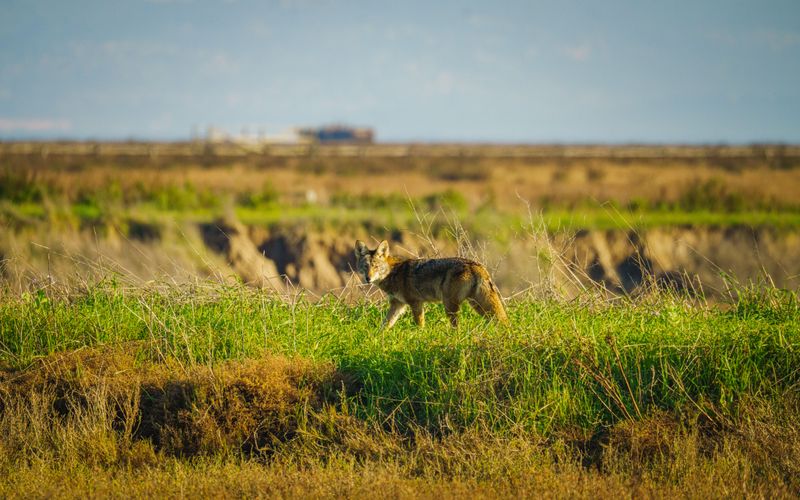
Believe it or not, that coyote in your yard is probably just passing through. Coyotes are not native to North Carolina, but they spread here over the past several decades. Today they live in all 100 counties, including big cities like Charlotte and Raleigh.
Most coyotes are shy around people. They come into neighborhoods because food is easy to find, especially mice, rats, rabbits, squirrels, and other small animals. In a way, a passing coyote is doing some free pest control while it hunts in your grass.
So what should you do first? Take a breath and stay calm. Panic rarely helps, and a calm mind lets you make smart choices for yourself, your kids, and your pets.
Next, keep a safe distance. Watch from a window or doorway if you can, and pay attention to how the animal acts. Does it trot away quickly after noticing you? Or does it linger, sniff around, or stare back without moving?
A coyote that moves along is acting normally. One that hangs around, returns often, or seems too relaxed near people may need a stronger response, which the next tips cover.
Taking a mental note of the time of day and where it went can also help you spot patterns later. Here in North Carolina, coyote sightings have become a regular part of life in many neighborhoods.
Seeing one now and then simply means you share your area with a clever, adaptable wild animal. Staying calm and observant sets the stage for handling the visit the right way.
2. Scare It Away With Noise And Size
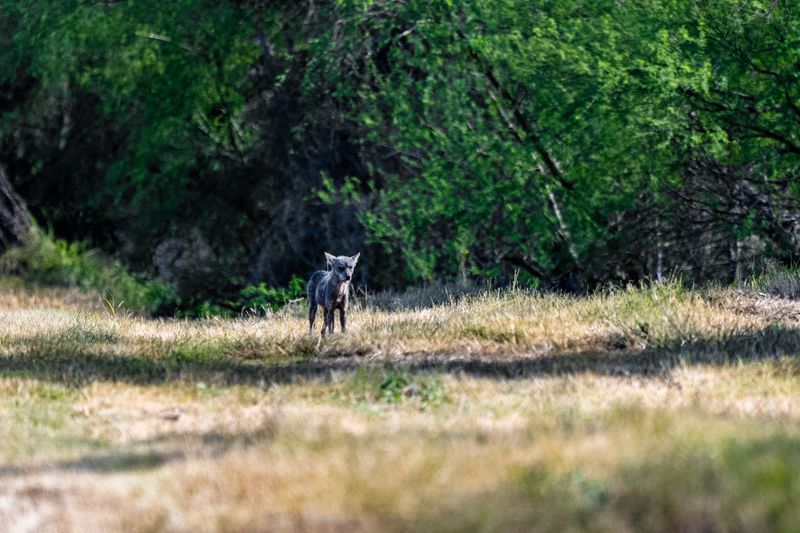
Wave, yell, and stomp like you mean it. Wildlife experts call this hazing, and it is one of the best tools you have for keeping coyotes wary of people.
Here is the idea behind it. A coyote that gets chased off again and again learns that yards and humans mean trouble. On the other hand, a coyote that never gets bothered can grow comfortable and start acting bolder over time.
Hazing is simple and does not cost much. Stand up tall and wave your arms over your head so you look bigger. Shout in a firm, loud voice, something like “Go away, coyote!” works just fine.
Your North Carolina Garden Changes Every Week. Your Plan Should Too.
Gardening in North Carolina changes quickly throughout the season. Every Friday you’ll receive a simple weekly plan showing exactly what to plant, prune, fertilize, harvest, and protect so you never miss the right timing.
Noise makers help a lot too. Clap your hands, bang two pots together, blow a whistle, or shake a can filled with coins or pebbles. A spray from the garden hose can send a coyote running, and so can opening an umbrella quickly toward it.
The secret is to keep going until the coyote actually leaves the area. Stopping too soon teaches it that a little waiting will make you quit. Be steady and persistent, and step toward it a bit if you feel safe doing so.
Getting your neighbors involved makes hazing even stronger. When every yard on the street gives the same loud message, coyotes figure it out faster.
The North Carolina Wildlife Resources Commission encourages residents to haze coyotes for exactly these reasons.
It is a safe, humane way to remind these wild animals that people are best avoided. Plus, it gives you a way to take action instead of just watching nervously.
3. Bring Pets Inside And Supervise Them
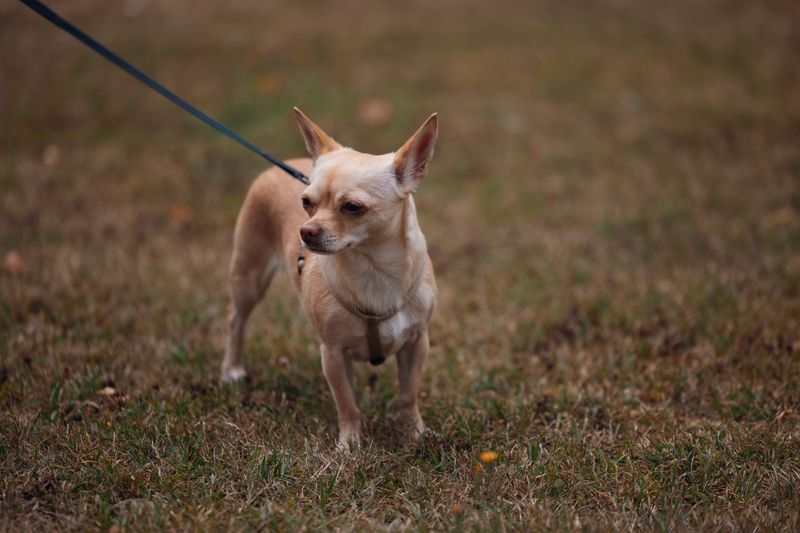
Your fluffy cat may rule the house, but to a coyote, it can look like dinner. Cats and small dogs fit right into the size of prey coyotes naturally hunt, so protecting them matters most.
Bigger dogs face a different risk. Coyotes may see them as competition, especially during breeding season from about January through March and while raising pups in spring and early summer.
During those months, coyotes guard their space more closely and can confront dogs that wander too near.
Luckily, a few habits keep pets much safer. Keep cats indoors, which also protects birds and keeps your cat away from cars and other dangers. For dogs, go outside with them instead of just opening the door and walking away.
Timing is a big deal. Coyotes are most active at dawn, dusk, and during the night, so pay extra attention at those hours. Turning on a porch light and staying close by can make a coyote think twice.
On walks, use a short leash rather than a long retractable one. A short leash keeps your dog right beside you, so you can react quickly if a coyote appears. Carrying a whistle or small air horn adds another layer of protection.
If anyone spots a coyote nearby, bring the pets inside right away. Feeding them indoors helps too. Plenty of North Carolina households let pets roam freely, especially in neighborhoods that back up to woods or creeks.
Those leafy edges are prime coyote travel routes. A little extra supervision keeps your furry family members happy, healthy, and right where they belong.
4. Remove Food That Draws Them In
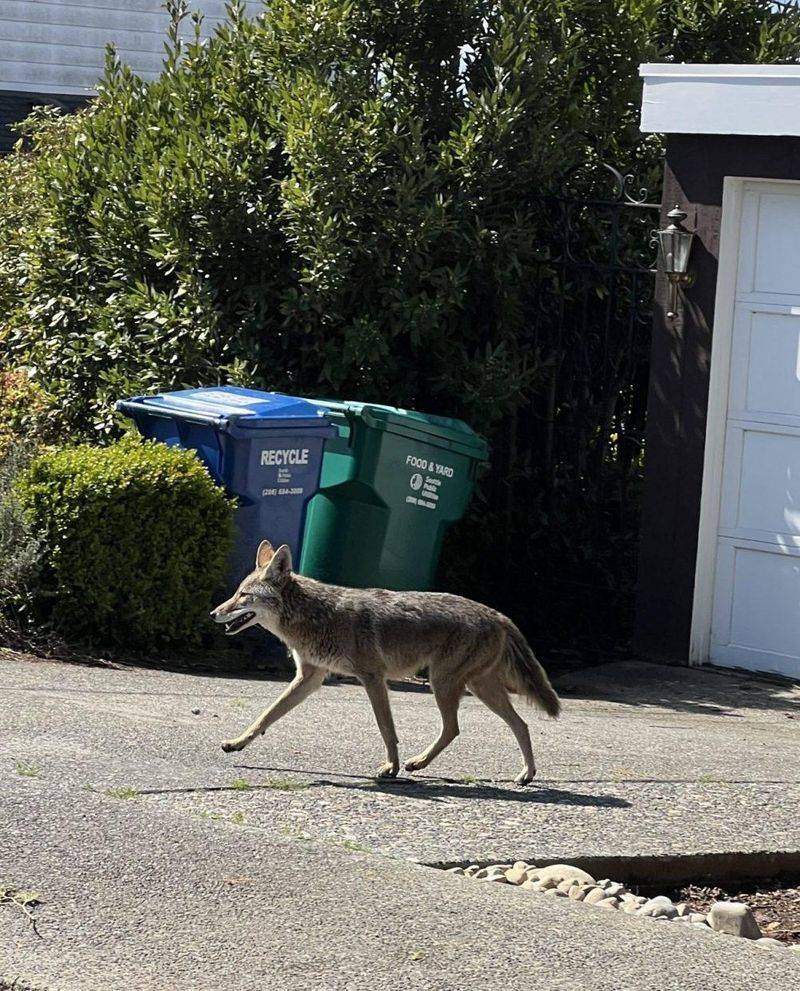
Think of your yard as a restaurant. If the menu is good, coyotes will keep coming back for more meals.
Coyotes are opportunistic feeders, which means they eat whatever is easy to grab. Pet food left on the porch, smelly garbage, open compost, and fallen fruit all count as free snacks.
Even spilled bird seed plays a role, because it pulls in mice and rats, and those rodents attract hungry coyotes.
The good news is that closing the restaurant is fairly easy. Start by feeding pets indoors and storing their food inside. A bowl of kibble on the back step is basically an open invitation.
Garbage needs attention next. Use cans with tight lids, and consider a bungee cord or a locking lid if animals keep tipping them over. Putting trash out the morning of pickup instead of the night before also helps.
Compost bins should be fully enclosed, not open piles. Skip meat, bones, and dairy in your compost, since those smell especially tempting to wildlife.
Fruit trees are a common draw in late summer and fall. Pick up fallen apples, pears, figs, and persimmons regularly so they do not pile up under the branches.
Bird lovers can still enjoy their feeders. Choose feeders with seed catchers or trays, and sweep up spilled seed every few days to keep rodents away.
For North Carolina homeowners, cutting off food is one of the most effective ways to stop coyote visits. No snacks means fewer reasons to stop by, and your yard becomes just another boring stop on the route.
5. Secure Chickens And Other Small Animals
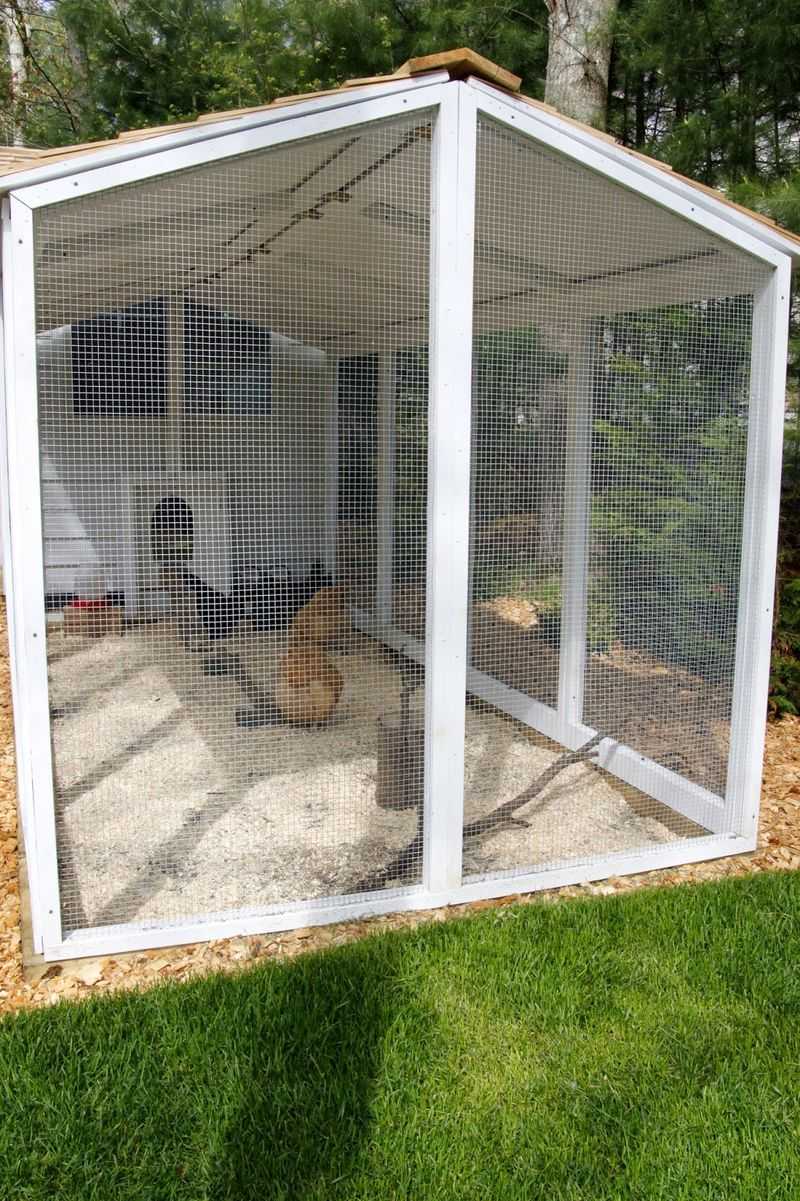
Ask any backyard chicken keeper about their worst night, and coyotes often show up in the story. Chickens, ducks, rabbits, and small goats are easy targets, especially when they roam loose or live in flimsy pens.
A coyote only needs one weak spot. A torn corner, a gap under a gate, or a door left open after dark can be enough. That is why a solid setup matters so much.
First, lock your birds inside a sturdy coop every single night. Automatic coop doors can be a lifesaver for busy families, since they close at dusk even when you forget.
Next, swap out chicken wire for hardware cloth. Chicken wire keeps chickens in, but it does not keep strong predators out. Half-inch hardware cloth is much tougher and harder to rip open.
Coyotes are also skilled diggers. Bury fencing about 12 inches into the ground, or lay a wire apron that stretches outward along the soil around the pen. When a coyote tries to dig at the wall, it hits wire and gives up.
Covering the top of the run helps, too. Coyotes can climb and jump surprisingly well, and a roof also blocks hawks and owls.
For extra protection, consider electric fencing around coops, rabbit hutches, and goat pens. A low strand placed near the ground can stop coyotes before they even reach the main fence.
Backyard chickens are hugely popular across North Carolina, from farms in the countryside to neat little coops in suburban yards. A secure setup protects your flock and your fresh breakfast eggs.
6. Clear Hiding Places Around The Yard

Every sneaky visitor needs a good hiding spot. For coyotes, that might be a tangle of brush, a patch of tall grass, or a cozy gap under your shed.
Coyotes like cover because it lets them rest, watch, and move around without being seen. In spring, a female may even choose a quiet, sheltered space to dig a den and raise her pups. Those spots are often in thick brush or under structures.
Making your yard more open takes away that comfort. Begin by trimming thick shrubs, especially low branches near the ground. Mow tall grass and keep weedy edges under control.
Brush piles should go next. Leftover branches and yard waste can quickly become a shelter for rabbits and rodents, which then draws coyotes in for a meal. Haul piles away or break them down.
Firewood is another popular hideout. Stack it neatly, off the ground if possible, and keep it away from the house. A tidy stack gives fewer rodents a place to live.
Finally, check under decks, porches, and sheds. Close off those openings with sturdy wire mesh or lattice, and bury the bottom edge a few inches so animals cannot dig underneath. Do this when you are sure nothing is living there yet.
Many North Carolina homes sit near woods, creeks, or greenways, which naturally offer plenty of cover.
You cannot change the forest behind your house, but you can make your own yard feel exposed. Coyotes much prefer places where they can stay hidden, so an open, tidy space sends them looking elsewhere.
7. Report Aggressive Or Unusual Behavior

Normal coyote behavior looks like this: the animal sees you, then quickly slips away. Anything very different from that deserves a closer look.
A coyote that walks toward people, follows someone, growls, snaps, or acts aggressive is not behaving normally.
The same goes for a coyote that seems sick or hurt. Warning signs can include limping, stumbling, walking in circles, odd lack of fear, or patchy fur from mange.
Healthy coyotes rarely cause trouble for people, so unusual actions may mean the animal has been fed by humans or has a health problem. In either case, experts can help figure out the next step.
Your first call for guidance should be the NC Wildlife Helpline, run by the North Carolina Wildlife Resources Commission.
The number is 866-318-2401, and staff can answer questions, explain your options, and offer advice for your specific situation. Saving that number in your phone now is a smart move.
If there is an immediate threat, such as a coyote acting aggressively toward a person, call local animal control or law enforcement right away. Do not wait for a callback when safety is on the line.
While you wait, keep children and pets inside or far away from the animal. Never try to approach a coyote that looks sick, even if it seems weak.
One helpful bonus is that the Commission tracks coyote reports across the state. Your call adds useful information, and local officials can share tips that fit your county, your neighborhood, and the kind of trouble you are seeing.
8. Avoid Feeding Coyotes In Any Way
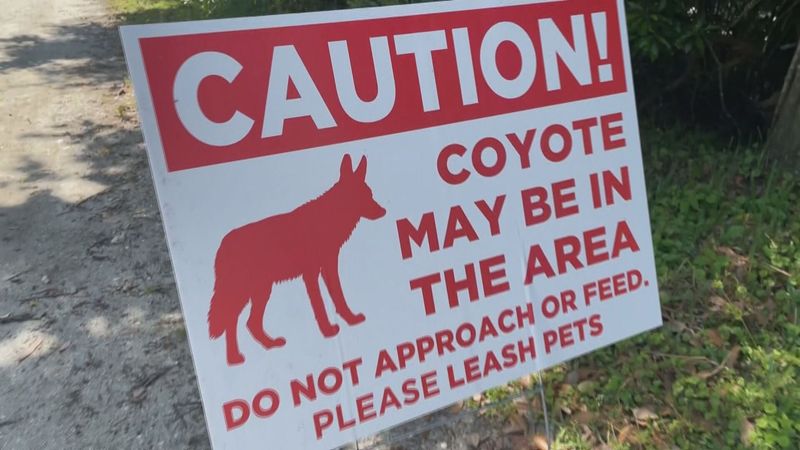
Tossing a hot dog to a skinny coyote might feel kind. Sadly, that one snack can cause big problems for the coyote, your family, and everyone on your street.
Coyotes that get food from people quickly lose their natural fear. They start linking houses, yards, and humans with easy meals. Over time, those animals may approach homes, pets, and even people more boldly, and that is when real conflicts begin.
Feeding on purpose is the obvious mistake, so never leave food out for coyotes. But accidental feeding happens all the time, and it can be just as harmful.
Pet food is the biggest sneaky culprit. A dish left outside overnight works like a magnet, so keep feeding times indoors whenever possible.
Backyard cookouts are another common source. After a summer barbecue, clean up scraps, bones, and leftovers right away. Grease drippings from the grill smell amazing to a coyote, so empty the grease trap and wipe things down before heading to bed.
Even small habits add up. Tossing food scraps into the woods, leaving a bag of trash on the porch, or dumping old bread for the birds can all bring a coyote back night after night.
In North Carolina, a single coyote that connects people with food can become a headache for an entire neighborhood.
Once a coyote gets too bold, it is hard to undo that lesson. Sharing this tip with neighbors helps everyone, because one household feeding wildlife can undo all the hard work of the rest of the street.
9. Avoid Running Away Or Turning Your Back
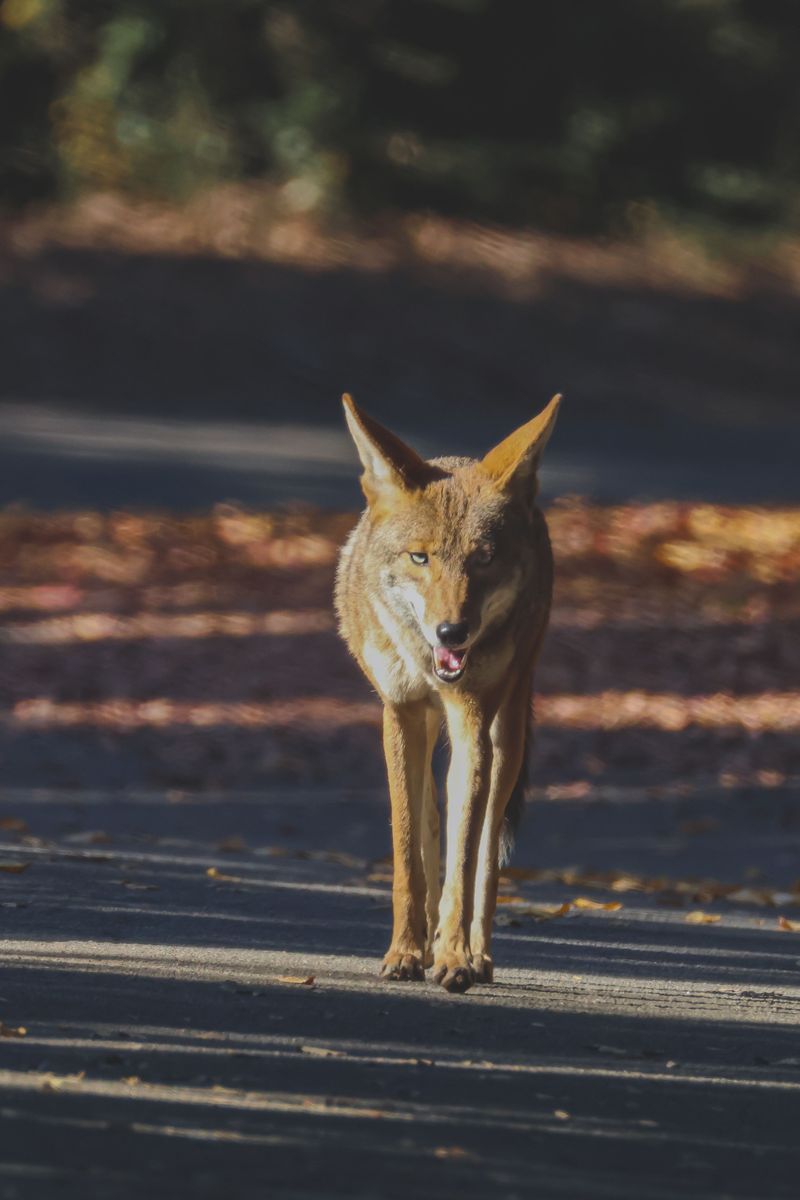
Your heart pounds, and every instinct shouts, “Run!” Fight that urge, because running is exactly the wrong move around a coyote.
Coyotes are hunters, and fast movement away from them can trigger a natural chase response. It is the same reason a dog bolts after a squirrel. Standing your ground, on the other hand, tells the coyote you are not prey and not worth the trouble.
Instead of fleeing, face the coyote directly. Keep your eyes on it so you always know where it is. Turning your back makes you look less confident and lets you lose track of the animal.
Then make yourself look big. Raise your arms high, open your jacket wide, or hold a stick or umbrella above your head. Shout loudly, clap, or blow a whistle to make sure the coyote knows you mean business.
If you need to leave, back away slowly while still facing the animal. Slow, steady steps keep you in control without sparking a chase.
Small children and small pets need extra protection. Pick them up right away so they cannot run, and hold them close as you stand tall. Teaching kids ahead of time to stay still and yell instead of running is a great family safety lesson.
North Carolina families often meet coyotes while walking dogs in the evening, playing in parks, or exploring greenways. Practicing these steps before a meeting makes them feel natural. A calm, bold stance usually sends the coyote trotting off within seconds.
10. Avoid Cornering Or Trying To Catch It
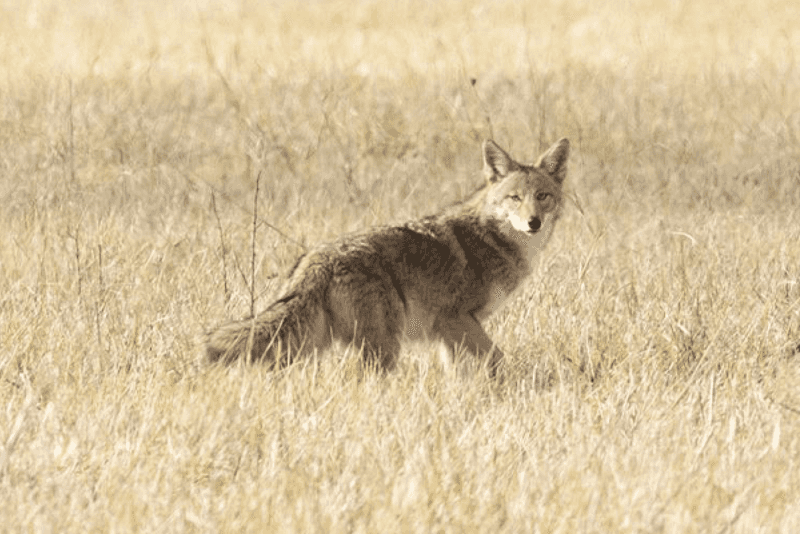
Playing hero with a wild coyote is a plan that almost always backfires. Trying to corner, catch, or handle one puts you in serious danger.
Any wild animal that feels trapped may defend itself. A coyote that normally would run off might bite or lunge if it has no way out. That is why giving it space matters more than anything.
Trapping and moving coyotes sounds like an easy fix, but it rarely works. When one coyote leaves an area, others often move into the empty territory, sometimes quickly. Coyote populations can even bounce back with larger litters when their numbers drop.
Trapping is also regulated in North Carolina, with rules about seasons, methods, and who can do it. A homemade attempt could break the law and still fail to solve your problem.
What works better? Always leave the coyote a clear escape route, such as an open gate or an unblocked path to the woods. Then focus on the steady basics: hazing, removing food, securing animals, and clearing hiding spots.
If a coyote keeps causing trouble despite your best efforts, reach out to the NC Wildlife Resources Commission.
They can advise you and point you toward a licensed wildlife damage control agent, who has the training and permits to handle tough cases legally and safely.
Across North Carolina, long-term peace with coyotes depends on keeping them wary rather than trying to remove every one. Coyotes are here to stay. With smart habits and a little backbone, your yard can stay a place they would rather skip.