7 Things To Do For Your Lavender Before Winter Arrives In North Carolina
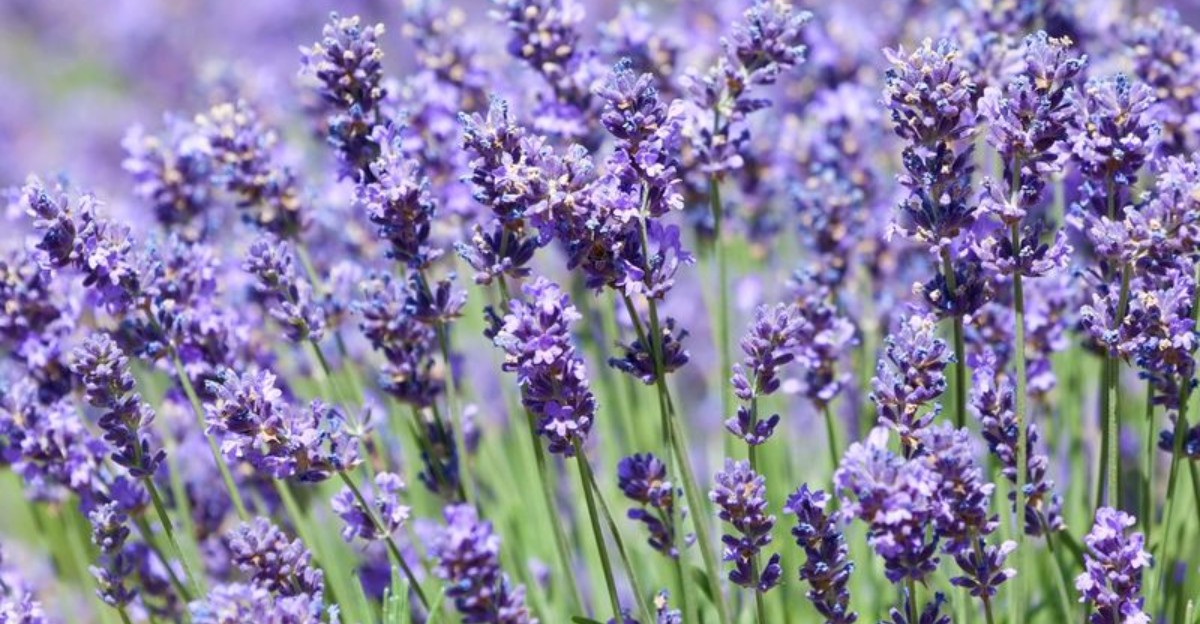
Lavender does not mind cold. What it cannot stand is wet roots in winter. North Carolina’s damp, humid climate makes that a real danger, which is why autumn care matters.
A few small jobs now can protect the plant for months. Good drainage comes first. Pruning needs a light touch, because cutting into old wood can prevent new growth.
Mulch is another place where gardeners go wrong. The wrong kind holds moisture against the stems. Weather can help or hurt, and this fall’s patchy rain makes timing tricky.
Seven simple steps cover everything you need. Do them in order, and your lavender has a much better chance of coming through winter healthy and ready to fill the garden with scent next summer.
1. Make Sure Water Drains Away From The Roots
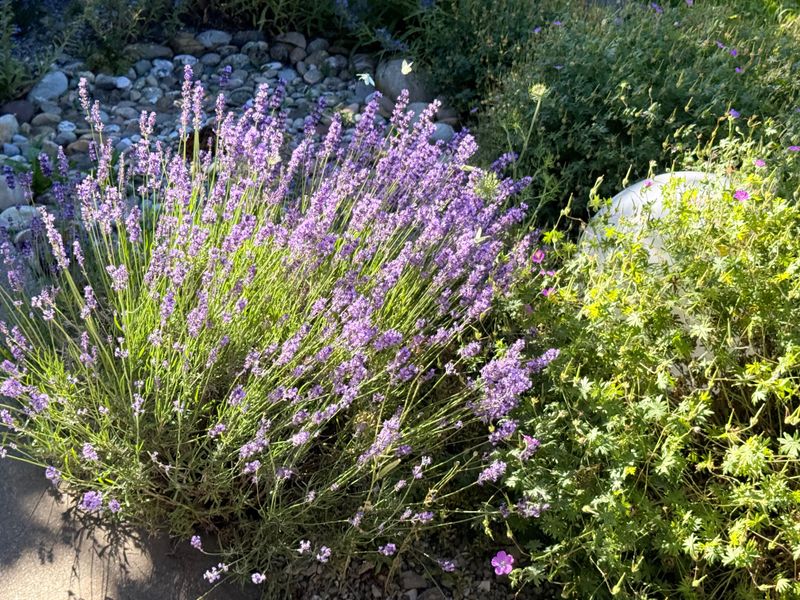
Cold weather rarely bothers lavender (Lavandula) as much as soggy soil does. This tough little shrub comes from dry, rocky hillsides around the Mediterranean, where rain drains away fast.
Wet feet in winter are the number one reason lavender plants fade before spring. When roots sit in cold, waterlogged soil for weeks, they can’t breathe.
Rot sets in quietly below the surface, and you may not notice anything is wrong until the plant turns gray and limp in March. Good drainage is your best defense, and it matters even more than cold protection.
Start by watching your garden after a heavy rain. Do puddles form around your lavender, or does water soak in quickly? If water stands for more than an hour, your plants are at risk.
Next, take a walk around your house and check the downspouts. Rain from a roof can pour gallons of water right onto a flower bed. A simple downspout extension or splash block can send that water somewhere safer, away from your lavender.
Planning new beds for the future? Choose raised beds, mounds, or gentle slopes where water runs off naturally. Mix in sand, small gravel, or crushed stone to loosen the soil so it drains well.
Many growers plant lavender on mounds about 8 to 12 inches high for this reason. North Carolina gardeners face a special challenge here. Much of the Piedmont sits on thick red clay that holds water like a sponge.
Add in the steady rains that often arrive from December through February, and you have exactly the conditions lavender dislikes most. Fixing drainage now gives your plants a real chance to thrive.
2. Trim Lightly, But Don’t Cut Into Old Wood
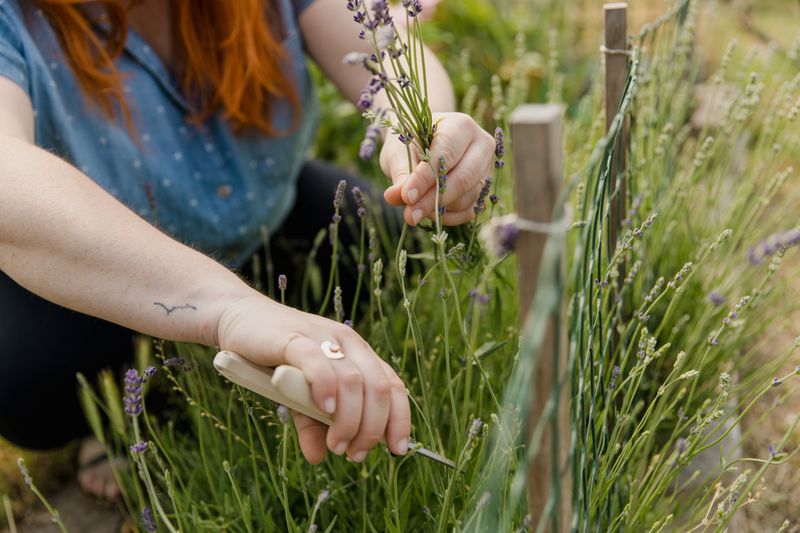
Grab your pruners, but go easy. Fall is a time for a gentle haircut, not a dramatic makeover. A light trim keeps lavender neat and helps air move through the plant, which is a big plus during damp months.
Here’s the catch that surprises many gardeners. Lavender has a woody base, and those bare, brown stems often won’t sprout new leaves if you cut into them. Chop too low, and you may be left with a stubby plant that never fills back in.
Your North Carolina Garden Changes Every Week. Your Plan Should Too.
Gardening in North Carolina changes quickly throughout the season. Every Friday you’ll receive a simple weekly plan showing exactly what to plant, prune, fertilize, harvest, and protect so you never miss the right timing.
Timing matters too. Heavy pruning in fall can wake the plant up and push out soft, tender shoots. Those fresh shoots don’t have time to toughen before the first hard freeze, so they often get damaged.
So what’s the right way to do it? In early fall, snip off the old flower stalks down to where the leaves begin. Then lightly shape the foliage, taking off only an inch or so. Always leave plenty of green, leafy growth on every stem.
A good rule is to look before you cut. If a stem has no leaves where you plan to snip, stop and move higher. Leaves are a sign the stem can still grow.
Save bigger shaping jobs for spring. Once you spot new green growth near the base, you’ll know exactly which parts are healthy and which need tidying. North Carolina lavender growers learn this lesson quickly, often the hard way.
Our mild autumns can tempt plants into new growth, and that woody base rarely bounces back from a deep cut. Gentle pruning keeps your plants full, healthy, and ready for another season of blooms.
3. Swap Organic Mulch For Gravel
Mulch feels like a cozy blanket for plants, right? For most of your garden, that’s true. Lavender, though, has very different taste.
Wood chips, pine straw, and shredded leaves all hold moisture. Pile them around a lavender plant, and they keep the crown and lower stems damp for days or even weeks. That steady wetness invites rot, which can weaken or ruin a plant by spring.
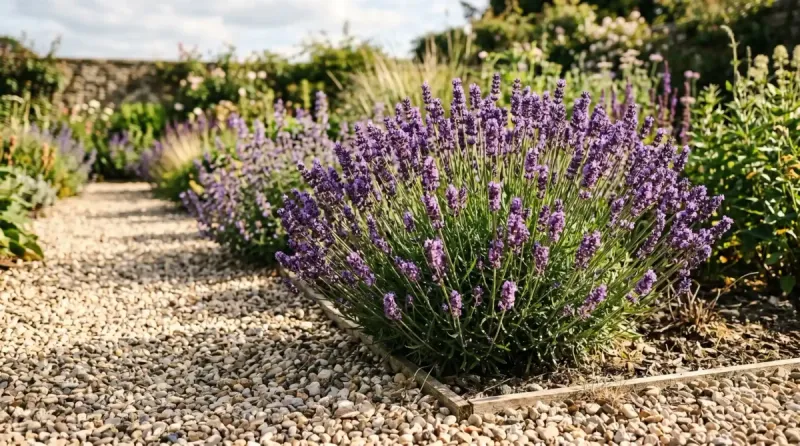
Gravel works in a smarter way. A thin layer of pea gravel or coarse sand lets water slip right through to the soil below. It also reflects sunlight and warmth back up onto the plant, keeping the base drier and a little warmer.
Lavender farms in France and other dry regions often grow plants in stony ground for this very reason.
Ready to make the switch? Start by pulling any organic mulch back from your lavender, leaving a clear ring of several inches around each plant. Then spread about an inch of pea gravel or coarse builder’s sand around the base.
Light-colored gravel works especially well because it bounces back more heat.
Keep an eye out as autumn rolls along. Fallen leaves love to blow into flower beds and pile up around plants. A quick sweep with your hand or a small rake every week or two keeps the crown clear.
In North Carolina, this step makes a huge difference. Our oaks, maples, and sweetgums drop mountains of leaves each fall.
Combine that with gray, drizzly winter weeks, and organic mulch can stay soaked for a long time. Gravel keeps your lavender high and dry, exactly how it likes to live.
4. Stop Fertilizing For The Season
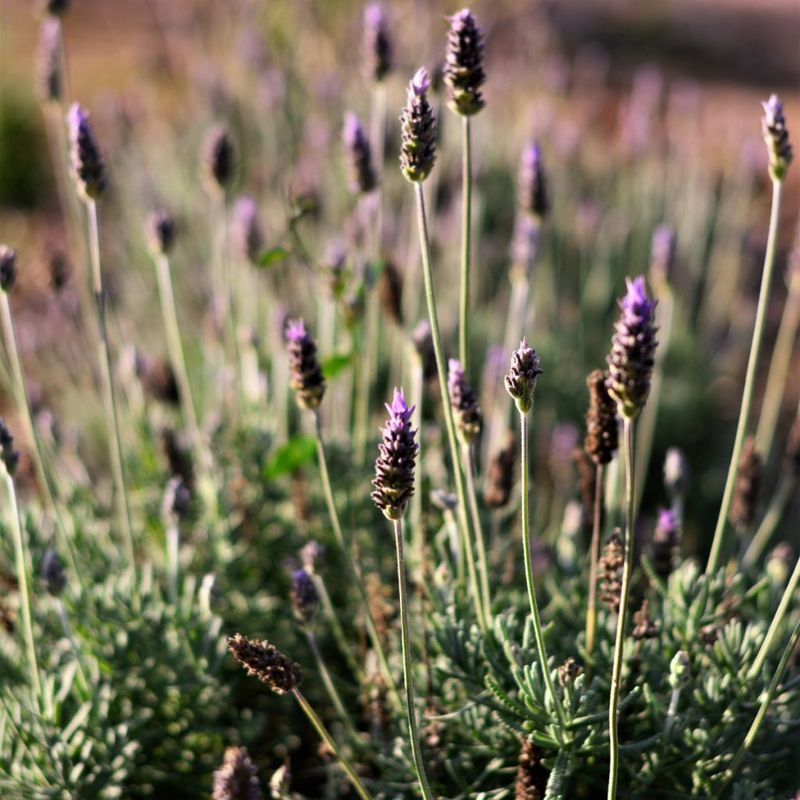
Some plants are hungry all the time. Lavender is the opposite, a plant that actually prefers a simple, skimpy diet.
In the wild, lavender grows in poor, rocky soil with very few nutrients. Rich soil can make it floppy and leafy with fewer flowers and less of that famous scent. Too much food is often worse than too little.
Fall feeding causes an extra problem. Fertilizer tells a plant to grow, so it pushes out soft, juicy shoots. Those new stems need weeks of steady weather to harden up, and late in the season they simply run out of time.
When the first hard freeze hits, that tender growth gets damaged, and the whole plant can suffer.
The fix is easy and even saves you money. Skip fertilizer completely from late summer all the way through winter. Put the bag on the shelf and leave it there until spring.
Be careful with compost, too. Rich compost or manure spread around a lavender bed acts like slow-release food and also holds extra moisture. Use it on your vegetables and roses instead, where it will be much more welcome.
Does your lavender seem pale or weak? Wait until spring, when fresh growth begins. Then give it a light dose of a balanced, slow-release fertilizer, using less than the label suggests.
North Carolina gardeners have a good reason to hold back. Our falls often stay warm well into October and even November.
With a little encouragement from fertilizer, lavender may keep growing right up until a sudden cold snap catches it unprepared. Letting the plant slow down naturally helps it toughen up for winter.
5. Water Only During Long Dry Spells
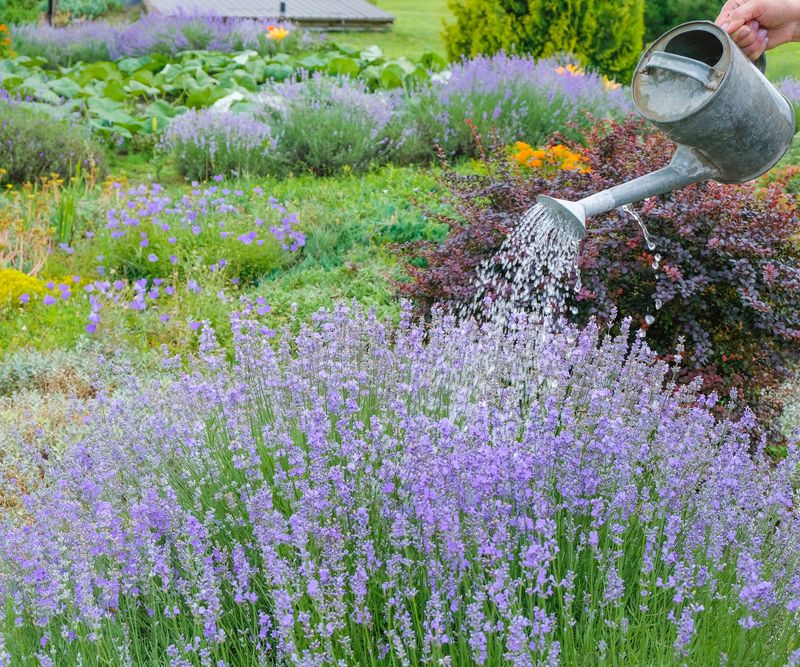
Put down the hose for a moment. Once lavender has been in the ground for a year or so, it becomes amazingly drought tolerant. In fall and winter, it needs very little help from you.
Cooler temperatures slow the plant down, so it uses much less water. Extra watering during this time often does more harm than good, especially in heavy soil. Still, there’s an exception worth knowing about.
Sometimes autumn brings weeks without a drop of rain. During those long dry stretches, roots can dry out completely, and even tough lavender can struggle. A deep drink now and then keeps the roots healthy until rain returns.
Before you water, check the soil. Push your finger or a small trowel about two to three inches down near the plant. If it feels dry at that depth, it’s time to water. If it’s cool and damp, wait.
When you do water, go deep instead of frequent. Soak the soil slowly so moisture reaches the lower roots, then wait until it dries again. One good soaking every week or two during a drought is usually plenty.
Morning is the best time, especially on mild days above freezing. The soil has time to drain, and the leaves dry off before chilly nights arrive. Never let plants sit in soggy, muddy ground. North Carolina weather loves to keep gardeners guessing.
One month might bring a dry spell that cracks the ground, and the next might deliver soaking rains from a passing storm. Paying attention to the soil, not the calendar, helps you give lavender just what it needs.
6. Clear Debris To Improve Airflow
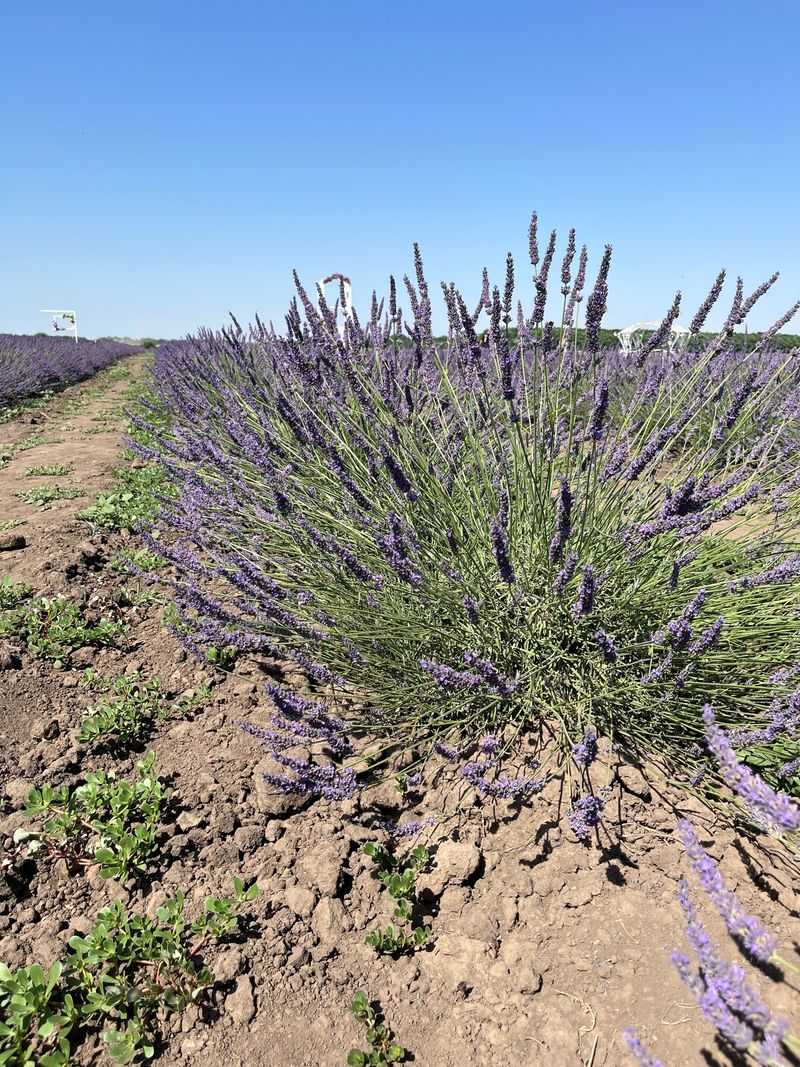
Think of lavender as a plant that loves a fresh breeze. Give it room to breathe, and it stays healthier through the damp months. Crowd it or let junk pile up, and trouble often follows.
Old leaves, fallen petals, and other bits of garden debris can get trapped inside and around the plant. That material soaks up moisture and stays wet long after a rain. Fungal diseases, such as root rot and leaf spot, thrive in those soggy, still pockets.
Crowding makes the problem worse. When other plants lean in close, they block air and sunlight from reaching the lavender. The leaves stay damp longer, giving fungus an easy place to settle in.
A little tidying goes a long way. Gently reach into the center of each plant and pull out any brown, crispy foliage. Wearing gloves helps, and you can shake the plant lightly to loosen trapped bits.
Next, rake away fallen leaves from around the base. Try to do this every week or so during peak leaf season, since leaves can pile up surprisingly fast.
Finally, look at the neighbors. Are tall perennials, spreading groundcovers, or shrubs pressing in on your lavender? Trim them back or thin them out so there’s clear space all around.
Many experts suggest spacing lavender about two to three feet apart for good air movement.
North Carolina’s climate makes this step extra valuable. Our humid air hangs on even into fall, and foggy mornings keep leaves wet for hours. Those are perfect conditions for fungus to grow. Keeping things clean and open is a simple way to protect your plants.
7. Give Potted Lavender Extra Protection
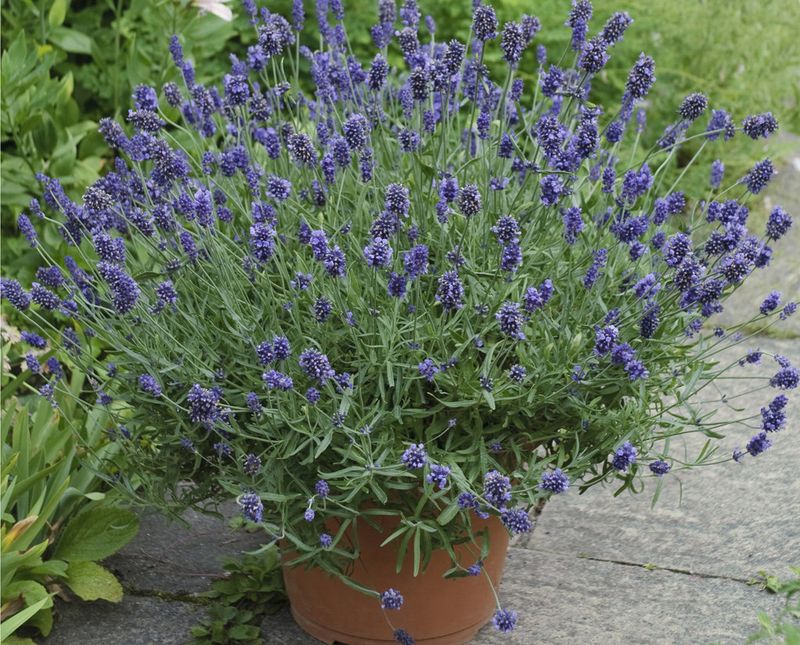
Container lavender lives a more exposed life than its friends in the ground. Soil in a pot can’t hold heat the way the earth does, so roots feel cold snaps much more sharply. Poor drainage can also turn a pot into a cold, muddy bathtub.
Not all lavender handles winter the same way, either. Spanish lavender (Lavandula stoechas), with its cute rabbit-ear petals, is less cold hardy.
English lavender (Lavandula angustifolia) and tough lavandin hybrids like Phenomenal stand up to cold much better.
First, flip your pots over and check for drainage holes. No holes means trouble, so repot into a container that has them. Empty any saucers underneath, because standing water keeps roots soaked.
Location makes a big difference. Move containers against a south-facing wall, where they soak up winter sun and stay out of harsh wind. A spot under an overhang also keeps heavy rain from drenching the soil.
Grouping helps more than you might expect. Clustering pots close together creates a small pocket of shelter, and the containers help insulate one another.
When forecasts call for a hard freeze, act fast with tender types like Spanish lavender. Carry them into an unheated garage, shed, or enclosed porch for a few nights. Bring them back outside once temperatures rise, since they still need sunlight.
North Carolina winters can swing from sunny and 60 degrees to icy and wet in a single week.
Potted lavender often struggles more with that cold, soggy mix than plants in well-drained beds. A few smart moves now help your containers come through winter looking great.