
10 Reasons The Fiddle Leaf Fig Is Gaining Ground Next To Monstera As A Favorite Houseplant
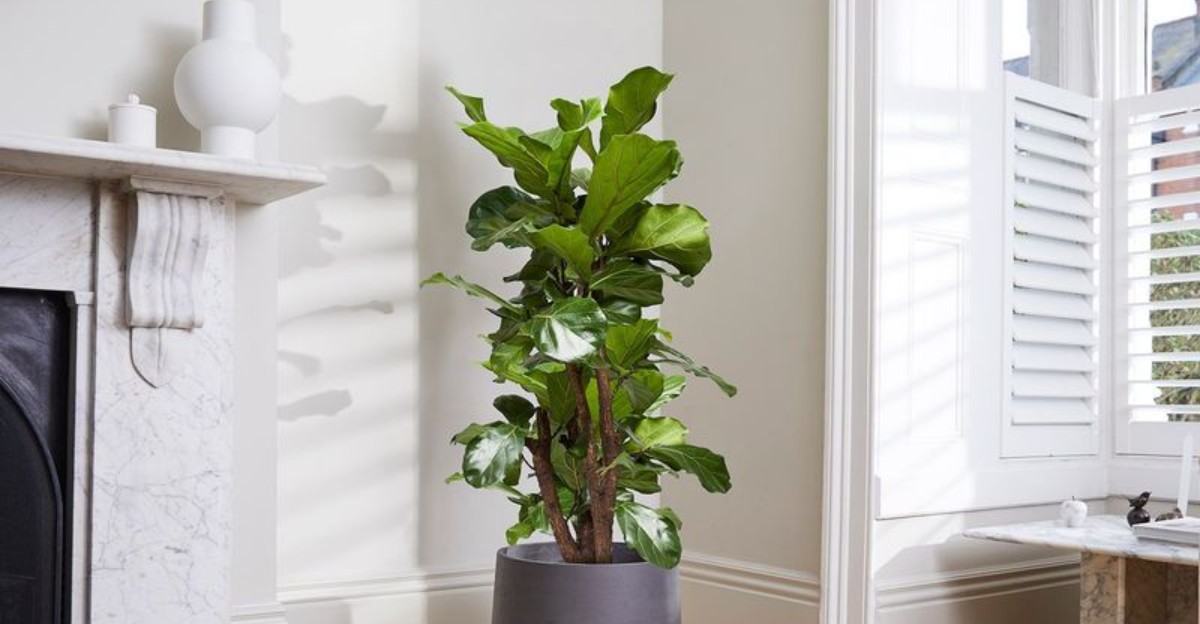
One famous houseplant has leaves shaped like a violin, and some grow wider than a dinner plate indoors. I remember spotting one in a bookstore window and stopping so fast my coffee nearly sloshed over.
For years, a holey green vine with split leaves ruled every trendy shelf and cozy apartment photo online. Lately, I believe a taller, leafier rival has been quietly stealing some of that bright spotlight away.
Nobody keeps an official scoreboard for houseplant fame, so this shift is more of a friendly hunch. Still, you can spot the change in design magazines and in plenty of sunny living rooms this fall.
October is a smart time to talk about it, since indoor plants adjust to shorter days and drier air. You’re in for a surprise when you learn how much this tree loves a steady, predictable routine.
I can’t imagine a better season to welcome a dramatic new plant friend into your cozy home. So what exactly makes this leafy diva worth the buzz, and could it earn a spot near your window?
1. Those Giant Violin Leaves Are Hard To Ignore
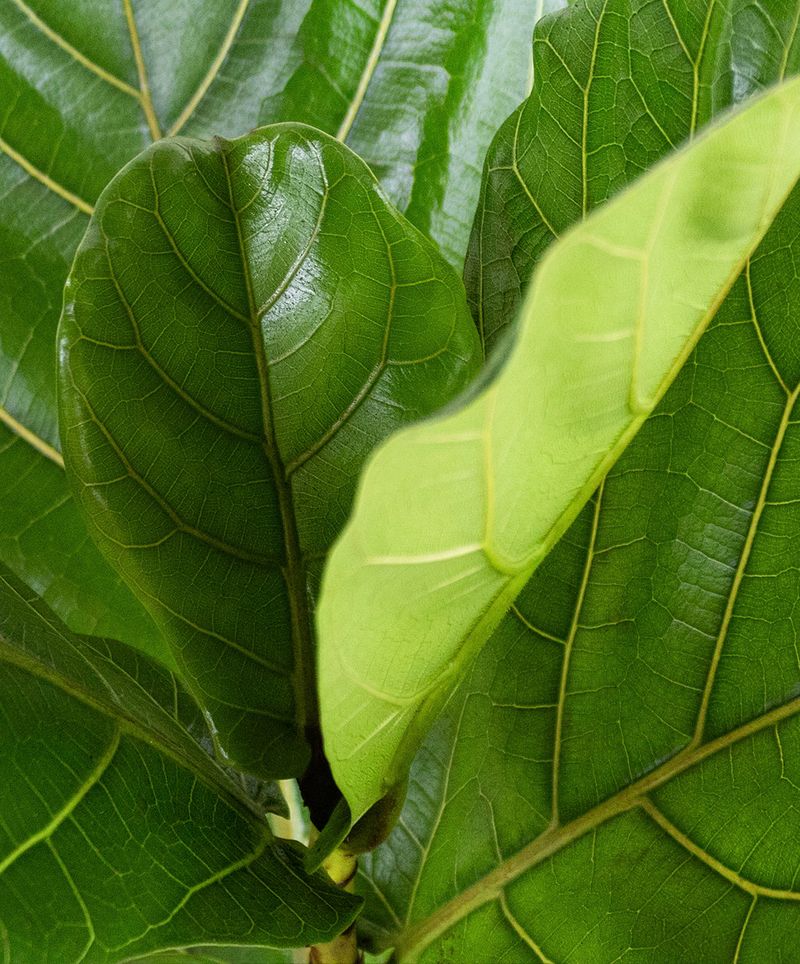
Leaves on this plant can stretch more than a foot long, with wavy edges that look hand-carved from wood. Botanists named it Ficus lyrata because the shape reminded them of a lyre, an old string instrument.
Each leaf has thick, glossy skin and pale veins that catch the light like ripples on a pond. Monstera leaves are lovely too, but their holes and splits create a busier, more tropical jungle feeling.
Many decorators seem to prefer the calmer, solid surface of a fiddle leaf in modern rooms lately. No survey proves a full takeover, but the trend shows up in many home tours and shop displays.
You can keep those big leaves looking sharp by wiping them gently with a damp cloth each month. Dust blocks sunlight, and indoor fall air often carries more dust once windows stay shut for the season.
Support the underside of each leaf with your free hand, since the stems can snap under pressure. Skip leaf shine sprays, because many extension experts say they can clog the tiny pores on leaves.
A clean leaf looks like polished green leather, and guests mostly notice it before anything else nearby. Honestly, that bold first impression explains a big part of the fiddle leaf’s rising star power.
2. Instant Height Without Much Effort
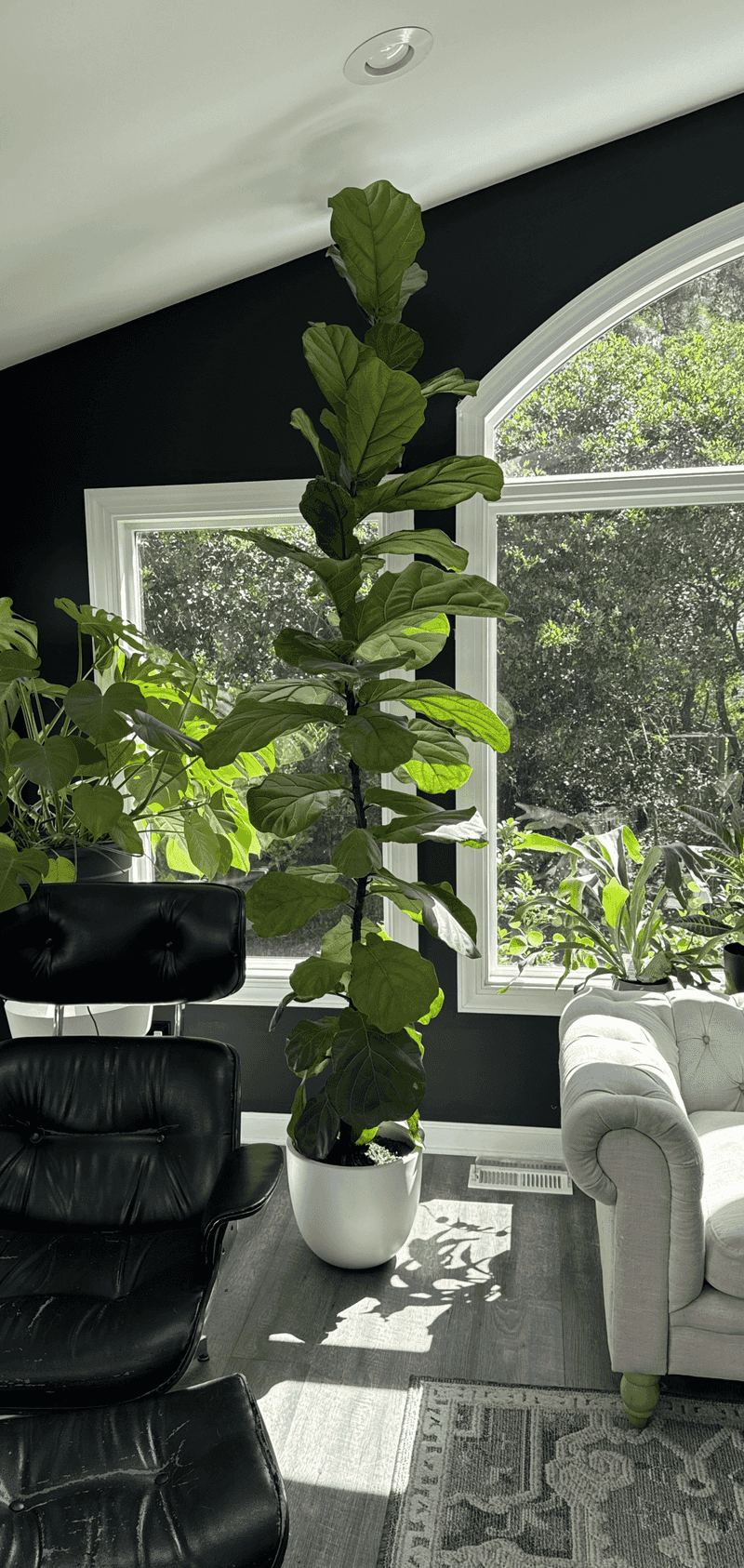
Walk into a stylish living room this fall, and a fiddle leaf fig may well be the tallest green thing in it. Indoors, healthy plants commonly reach six to ten feet when they get enough light and space.
In their native West African rainforests, these trees can climb over forty feet toward the bright canopy. That natural urge to grow upward is what makes them fill empty corners so beautifully at home.
Monstera tends to spread sideways, reaching out with long stems that can crowd a small apartment quickly. A fiddle leaf grows up instead of out, so it uses vertical space without swallowing your floor.
Growth slows down a lot in October, so do not expect a big growth spurt until spring returns. Use these cooler months to choose the perfect spot, since the plant dislikes being moved around later.
Pick a corner near a bright window, but keep it a few feet away from chilly glass. Cold drafts in late fall can cause brown spots and sudden leaf drop on sensitive young plants.
A tall plant also draws the eye upward, making low ceilings feel higher and rooms feel roomier. Designers love that trick, and you can enjoy it for the price of one leafy tree.
3. A Real Tree Instead Of A Sprawling Vine
Monstera deliciosa is a climbing vine from Mexico and Central America, built to scramble up tall tree trunks. Indoors, that climbing habit often means moss poles, ties, and aerial roots poking out in odd directions.
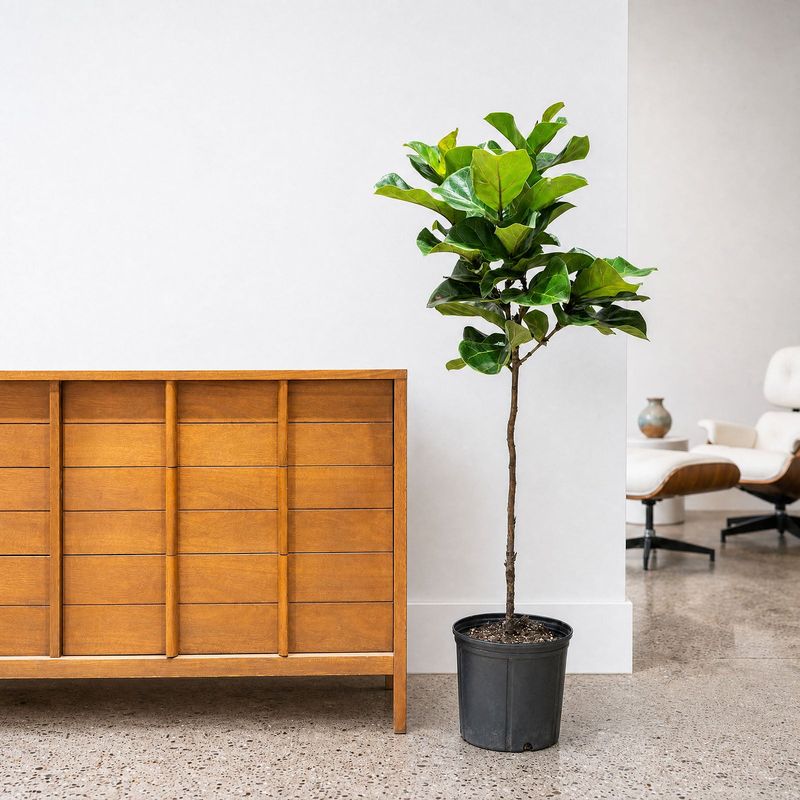
A fiddle leaf fig is a true tree in the fig family, with a woody trunk and branches. Once it matures, it mostly stands on its own without extra supports cluttering up your living space.
Some people find that tidier look easier to style, especially in small rooms with clean modern furniture. Fewer wandering stems also mean fewer surprises when you come home and find leaves blocking a doorway.
Young fiddle leaf plants can lean toward light, so a simple stake helps in the first year. Rotating the pot a quarter turn every week or two also keeps the trunk growing straight and strong.
Gently swaying the trunk for a minute each day can help it thicken, much like wind outdoors. Several growers swear by this trick, and it costs nothing except a quiet moment with your plant.
A sturdy trunk feels grown-up and calm, almost like bringing a small piece of forest indoors. Vines have their charm, but plenty of plant fans now crave that solid, steady tree presence instead.
4. A Bold Focal Point For Any Design Style
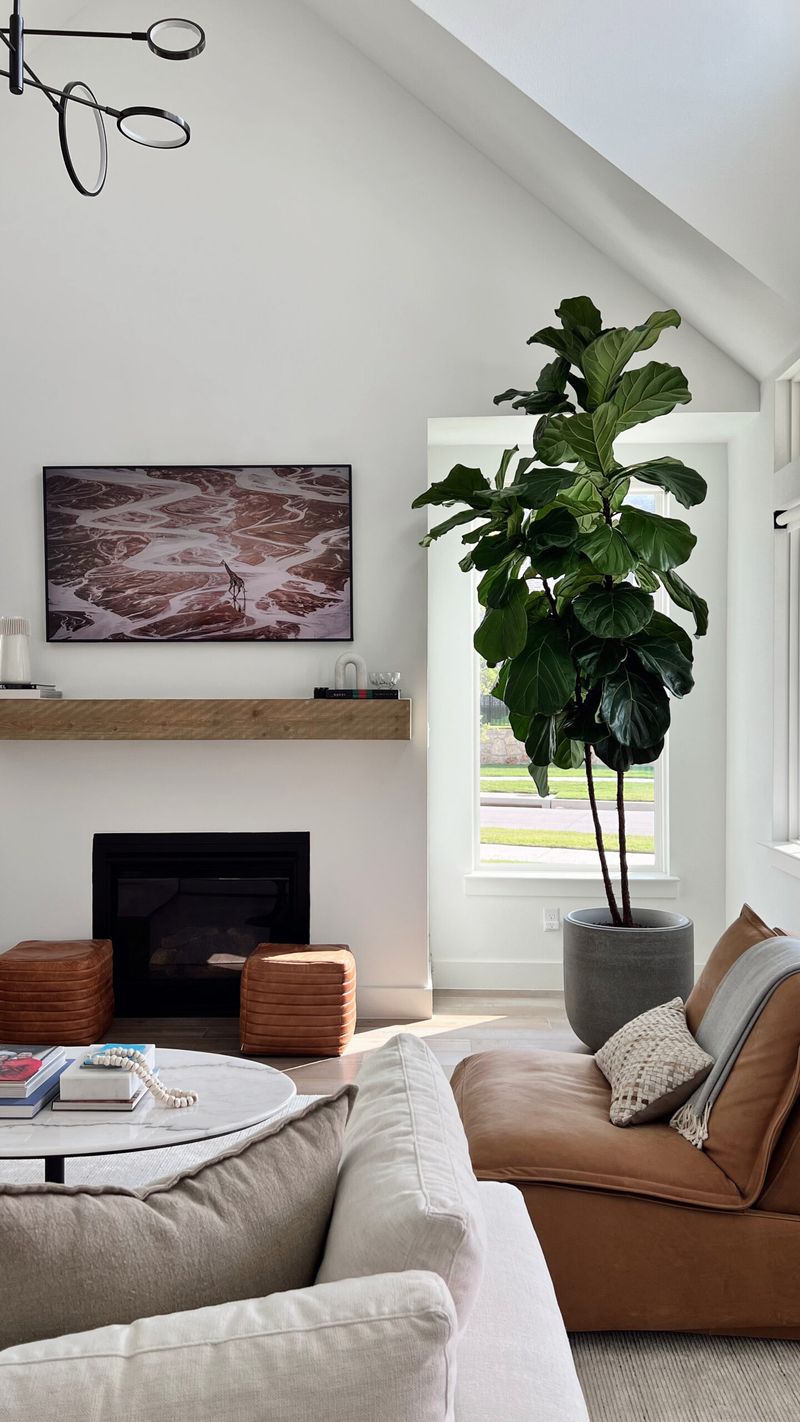
Interior designers have leaned on fiddle leaf figs for years because one plant can anchor a whole room. Its upright shape works like living art, standing tall beside a sofa, bookshelf, or cozy reading chair.
Monstera brings a lush, tropical feeling, which fits beach styles and bold jungle-themed rooms quite nicely. Fiddle leaf figs feel more polished, blending well with farmhouse, minimalist, and classic decor styles alike.
That flexibility may explain part of the current buzz, although tastes in houseplants shift every few years. Trends come and go, so it helps to pick plants you love rather than chasing every craze.
For a fall refresh, pair your fig with warm textures like a woven basket or chunky knit throw. The deep green leaves look extra rich against rust, mustard, and soft cream tones this season.
Choose a pot with drainage holes, even if it sits inside a prettier decorative container for looks. Soggy roots are a top cause of trouble, according to many university extension houseplant care guides.
A single well-placed fig can make a plain room look finished, like the final brushstroke on a painting. You get big style impact with very little effort, which feels like a smart decorating win.
5. It Can Become A Tiny Indoor Tree
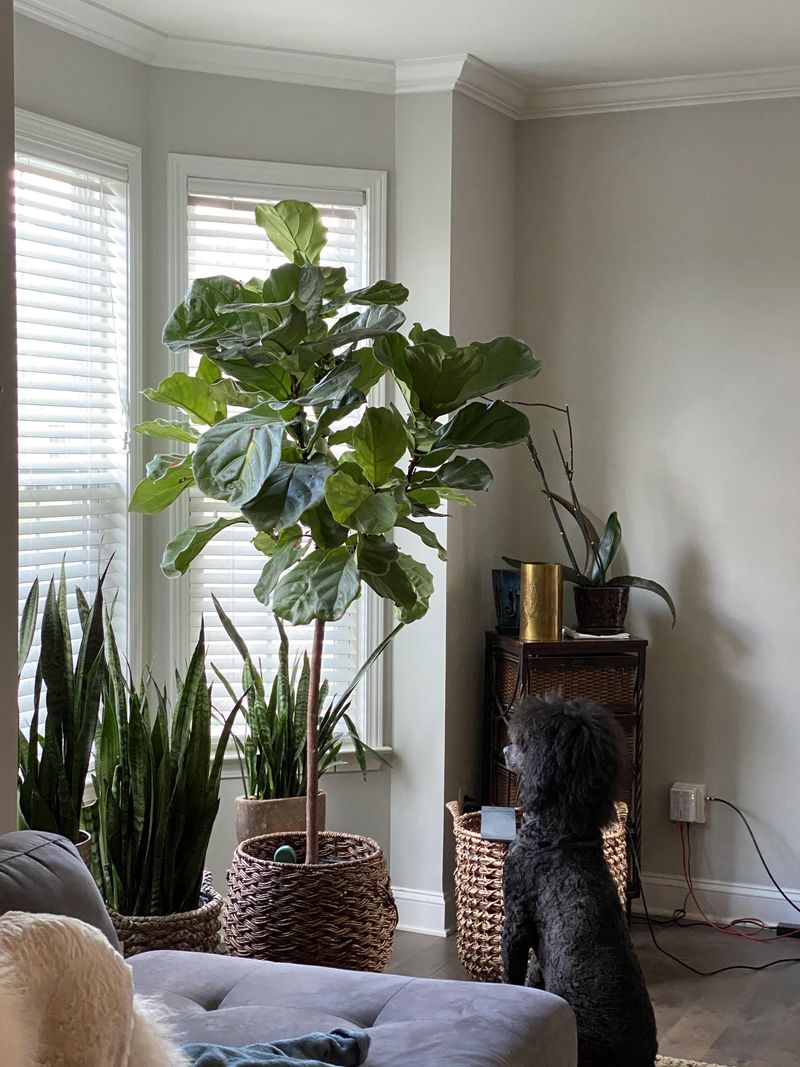
Gardeners call it a standard when a fig has a bare trunk topped by a leafy, rounded crown. Shops often sell fiddle leaf figs already shaped this way, and they look like tiny lollipop trees.
Monstera is rarely shaped like that, since its stems creep and climb instead of forming trunks. That sculpting freedom gives fig owners a fun creative project that grows more impressive each year.
Pruning is best saved for late winter or early spring, when the plant is ready to push growth. In October, simply plan your cuts and watch where the plant naturally wants to branch out next.
When the time comes, use clean, sharp pruners and cut just above a leaf node on the stem. New branches often sprout right below the cut, which helps the crown look fuller and bushier.
Wear gloves, because the milky white sap can irritate skin and may bother sensitive eyes too. Keep a paper towel handy to catch drips before they land on your floor or rug.
Shaping a fig feels a bit like bonsai on a larger scale, slow but deeply rewarding. Over a few seasons, you can guide a gangly plant into a graceful tree that turns heads.
6. This Leafy Star Keeps Showing Up Online
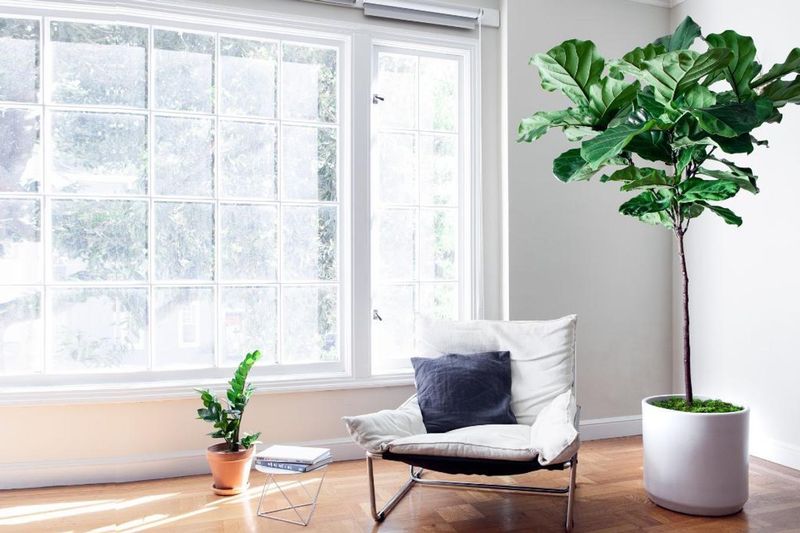
Scroll through home decor photos online, and a fiddle leaf fig pops up fairly often. Its big, simple leaves photograph well, even with a basic phone camera and natural window light.
Monstera had its moment as the poster plant, showing up on pillows, mugs, and wallpaper in many shops. Some people simply feel ready for a fresh look after seeing those split leaves on so many products.
To be fair, popularity is hard to measure, and both plants still sell well at many garden centers. The fiddle leaf comeback is more of a visible vibe than a proven fact backed by hard numbers.
If you want your own plant photos to shine, shoot near a window in soft morning light. Fall sunshine sits lower in the sky, which creates warm, golden glows across those wide glossy leaves.
Remove any yellow or torn leaves before taking pictures, using clean scissors to snip them near the trunk. A tidy plant looks healthier on camera, and it also directs energy toward fresh, strong new growth.
Sharing your plant journey online can connect you with friendly growers who swap tips and encouragement daily. Just remember that real plants have flaws, and a few brown edges are part of the story.
7. A Size That Fits Almost Any Space
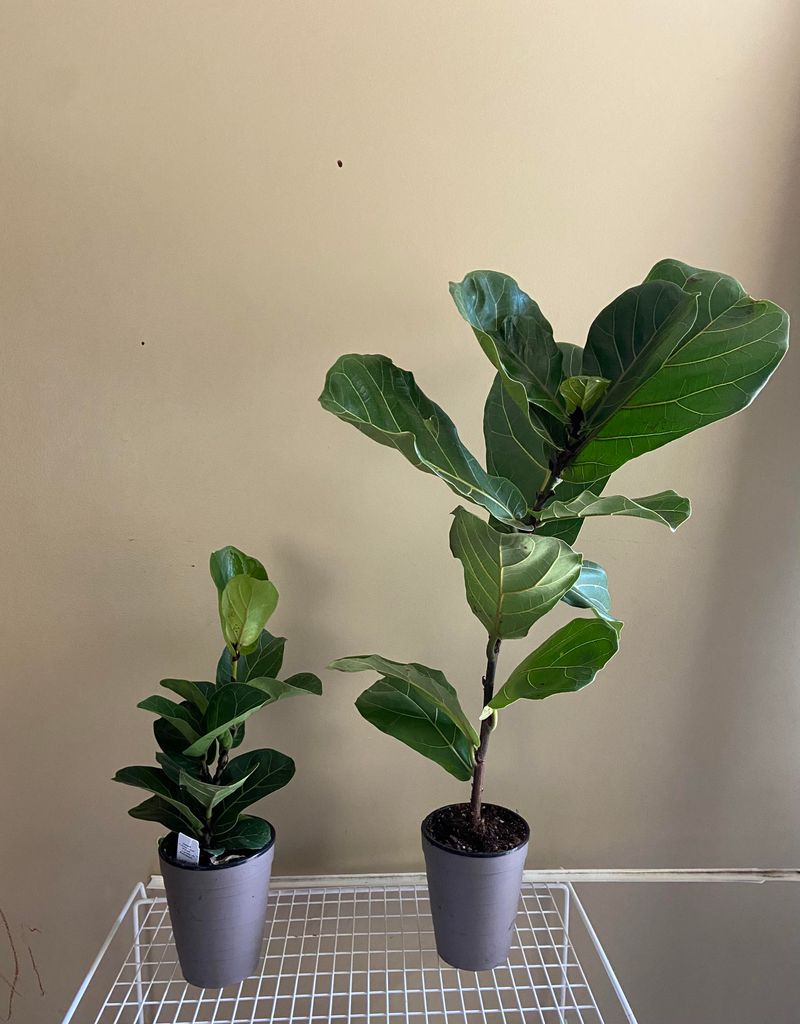
Not everyone has room for a ten-foot tree, and growers have noticed that problem for a while now. Compact varieties like Bambino stay much smaller, with tighter leaves that suit a tabletop or a small corner.
You can also buy young plants in small pots, then let them grow alongside you for years. That range makes the fig friendly for dorm rooms, tiny apartments, and big open family homes alike.
Monstera can be compact when young, but mature leaves often grow huge and wide very quickly indoors. A fiddle leaf that slows down in fall gives you more control over how fast it takes over.
When shopping this month, look for firm leaves, no brown spots, and soil that is not soggy. Check under the leaves for tiny pests like spider mites or scale before bringing the plant home.
Expect a few dropped leaves after the trip, since figs often sulk when their surroundings suddenly change. Give it two to three weeks to settle before you decide something has gone wrong with it.
Wait until spring to repot a new plant, because roots grow slowly during the shorter days of fall. Picking the right size from the start saves you from wrestling an oversized tree around later.
8. The Brightest Window Becomes Its Happy Place
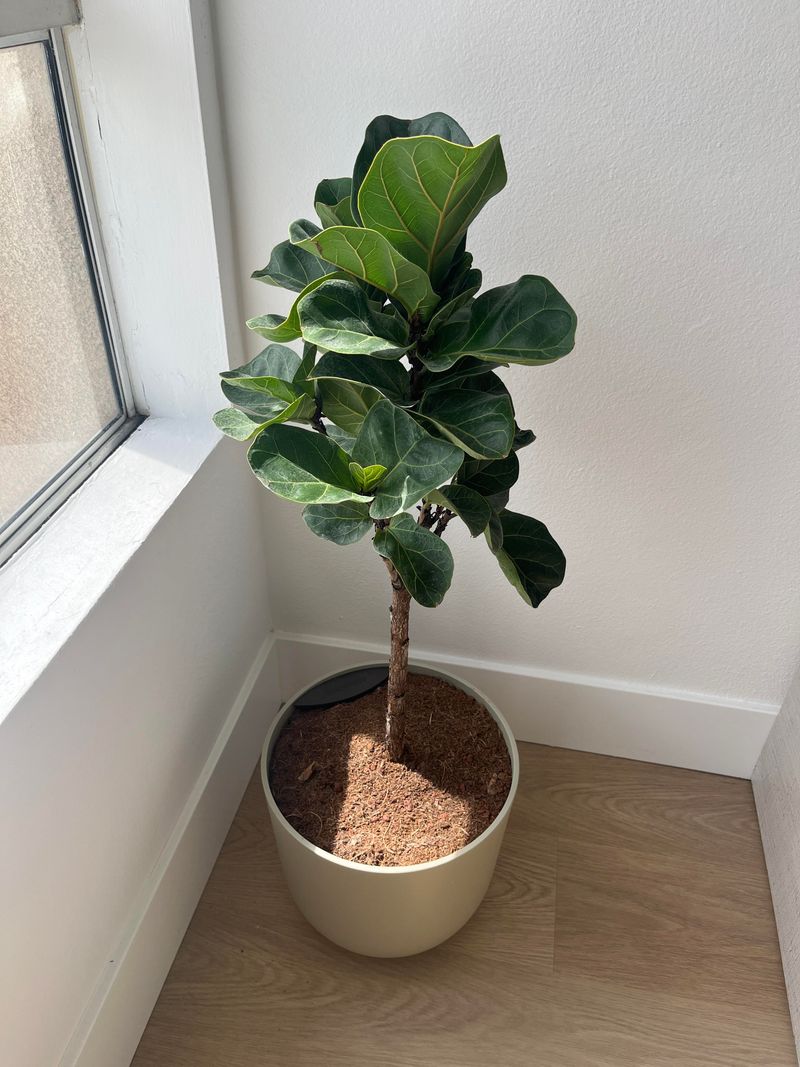
Fiddle leaf figs crave light, and university extension guides recommend bright, indirect sun for most of the day. A few hours of gentle direct morning sun usually keeps them strong and growing at a steady pace.
Monstera tolerates dimmer rooms a little better, which is one reason it became a beginner favorite. Fig fans accept that trade, because a well-lit fig rewards them with bigger, glossier leaves over time.
October brings shorter days, so your plant may suddenly need a brighter spot than it did before. South or east facing windows often work best in fall, as long as cold glass stays a bit away.
If your home stays dim, a full spectrum grow light can fill the gap during gray afternoons. Set it on a timer for about twelve hours, so your fig enjoys a reliable daily schedule.
Leaning branches or small, pale new leaves are clues that your plant wants more sunshine soon. Move it gradually, shifting just a foot or two each week, to avoid shocking those sensitive leaves.
Watching a fig soak up sunlight feels oddly satisfying, like seeing a cat stretch in a warm patch. Give it the best window you have, and it will thank you with healthy, upright growth.
9. Respect Its Picky Personality
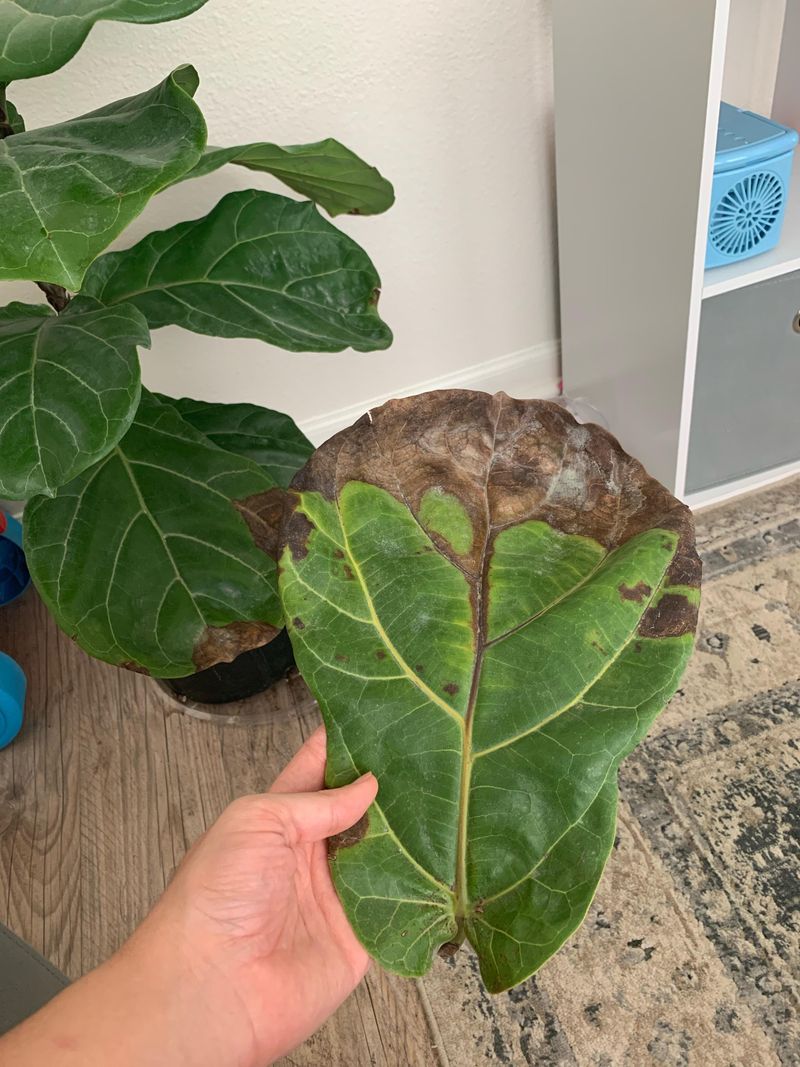
Ask any fig owner, and you will hear stories about dramatic leaf drops after one tiny change. Oddly, that fussy streak is part of the charm, since caring for it feels like a fun challenge.
Monstera is more forgiving, which is great for beginners but less exciting for plant people seeking a project. Many hobbyists enjoy mastering a fig, much like learning a tricky recipe that finally turns out right.
In fall, water only when the top inch or two of soil feels dry to your finger. Plants drink less in cooler weather, so overwatering becomes a bigger risk until warm days return.
Stop feeding with fertilizer this month, and wait until spring when new leaves start unfolding again. Keep the pot away from heating vents, because hot, dry blasts can crisp leaf edges very quickly.
Pet owners should know the sap is listed as an irritant for cats and dogs by the ASPCA. Monstera carries a similar warning, so place either plant where curious pets cannot chew the leaves.
Once you learn its quirks, the fig settles into a calm rhythm and rarely throws big tantrums. That sense of earning its trust might be the sweetest reward any houseplant can offer you.
10. Monstera Still Deserves A Spot Nearby
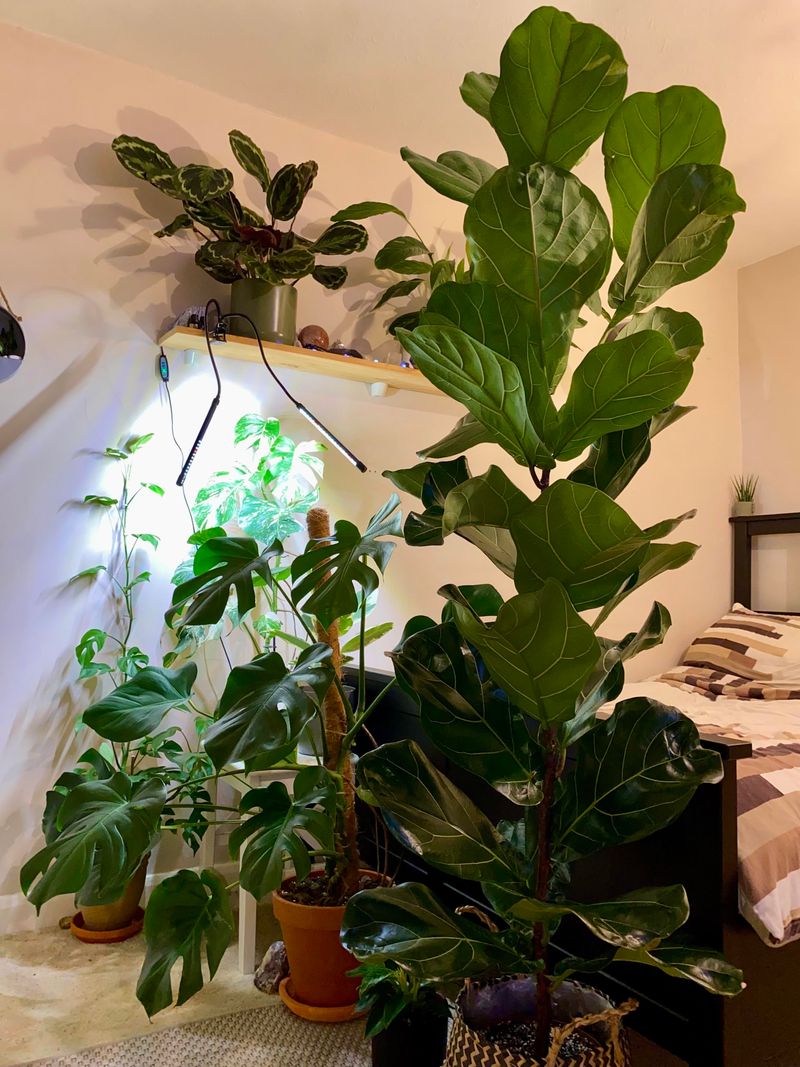
Nothing says you must pick a side, and plenty of happy homes grow both plants side by side. Their leaf shapes contrast nicely, with smooth violin curves sitting beside dramatic split leaves full of holes.
Both plants enjoy similar indoor temperatures, roughly sixty-five to seventy-five degrees, so they make easy roommates. Group them together in fall, and they can share a little extra humidity as the furnace runs.
A pebble tray filled with water under each pot also adds moisture without soaking the roots. Just make sure the pot bottoms sit above the water line, so roots stay airy and healthy.
Trends in the plant world swing like a pendulum, and today’s darling may fade within a few years. Monstera could easily bounce back into the spotlight, so there is no reason to give yours away.
Use October to check both plants for pests, since bugs can sneak indoors on porch plants coming inside. Wiping leaves and inspecting stems weekly helps you catch small problems before they spread to neighbors.
In the end, the best it plant is the one that makes you smile every single morning. Fiddle leaf or monstera, a thriving green friend makes your home feel warmer as cooler weather arrives.


