The Watering Mistake That’s Keeping Your Zinnias From Blooming
You are tripping up your buds with the very spray meant to help them. Damp petals attract unwelcome microbes, and overhead spraying rolls out the welcome mat.
Gray mold on buds needs damp petals and cool, still nights to spread. Gardeners water foliage at sunset, then wonder why buds turn brown.
Spores germinate on wet tissue within hours, and tight buds hold the moisture. Water lingering on petals past dusk invites trouble you cannot see yet.
Humid stretches make those problems spread faster. Aim low instead, and deliver water straight to the roots.
Roots drink, buds stay dry, and flowers finally get room to open. Dry petals resist gray mold because its spores need a thin film of water.
Even careful watering falters when evening spray wets buds. The hour you switch on the hose often shapes whether buds open.
Wet Leaves Instead Of Thirsty Roots
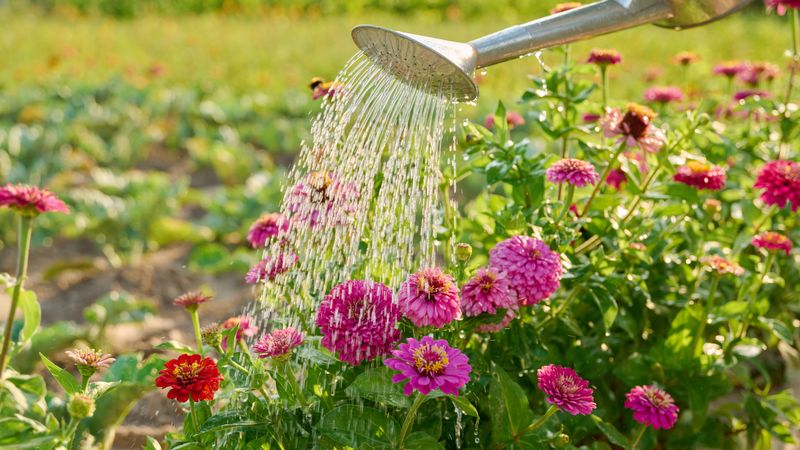
Imagine pouring a glass of water over your head when you feel thirsty. That is basically what happens when zinnias get sprayed from above instead of at the base.
Roots do the drinking for a plant, not leaves. Water that lands on foliage mostly sits there, rolls off, or dries up in the sun.
Wet leaves also create favorable conditions for fungus, and zinnias are prone to it. Once disease spreads, the plant loses leaf area and has less energy for flowers.
Think of it like a kid with a cold skipping soccer practice. Your zinnia may not have the strength to push out big, bright blooms.
Another related issue is shallow watering, which often comes along with spraying the leaves. A quick spray looks generous, but very little water soaks deep into the ground.
Shallow moisture keeps roots near the surface, where they heat up and dry out fast. Weak roots mean fewer buds and smaller flowers through the season.
The fix starts with aiming lower, right at the soil around each stem. Let the water soak in slowly so it reaches six inches or more below the surface.
Your leaves will stay dry, your roots will grow deeper, and your plants can focus on blooming. It is a small change in where you point the hose, with a noticeable payoff.
Some gardeners notice more buds within a few weeks, though results vary. Patience pays off, and the colors are worth the wait. Zinnias also need direct sun and moderate nitrogen to bloom well.
Powdery Mildew And Leaf Spot Trouble
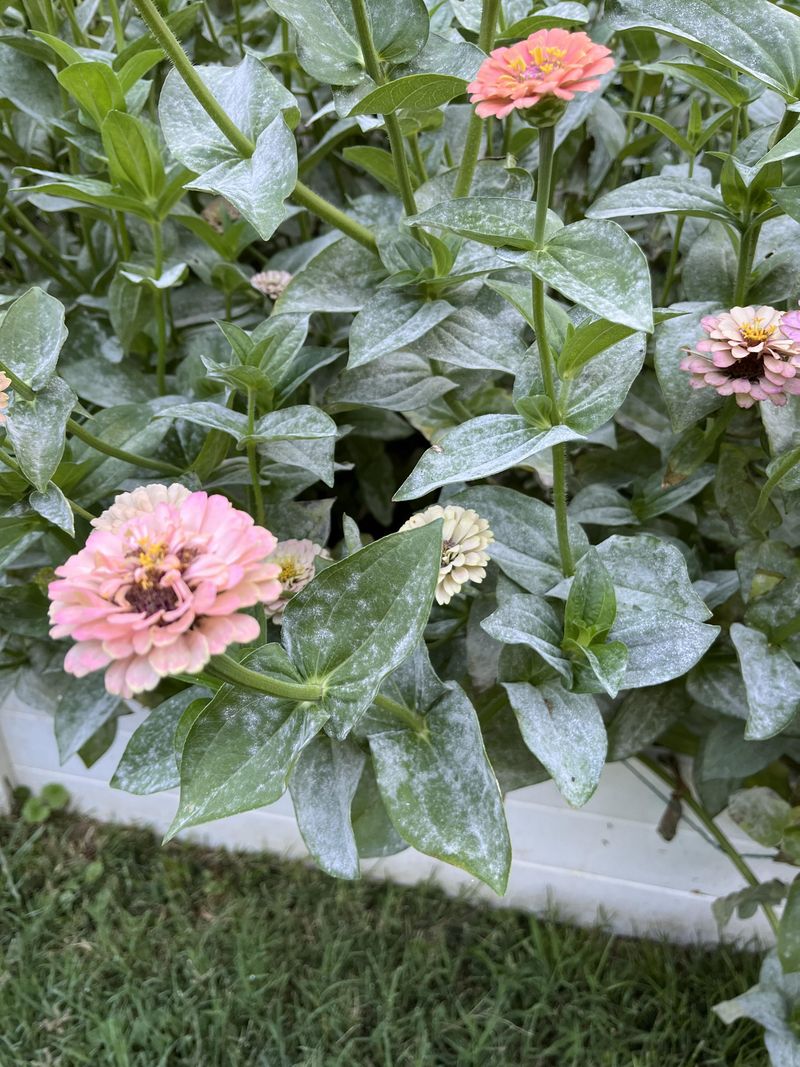
White dust on zinnia leaves looks a bit like someone sprinkled flour over your garden. That powder is powdery mildew, a fungus that thrives in humid air, even when leaves stay dry.
Zinnias rank among the more mildew-prone flowers in American gardens. Their wide leaves and dense growth trap humid air, which favors mildew.
Spores land on the leaves and can start growing quickly in humid conditions. Soon, the white film spreads from lower leaves up toward the buds.
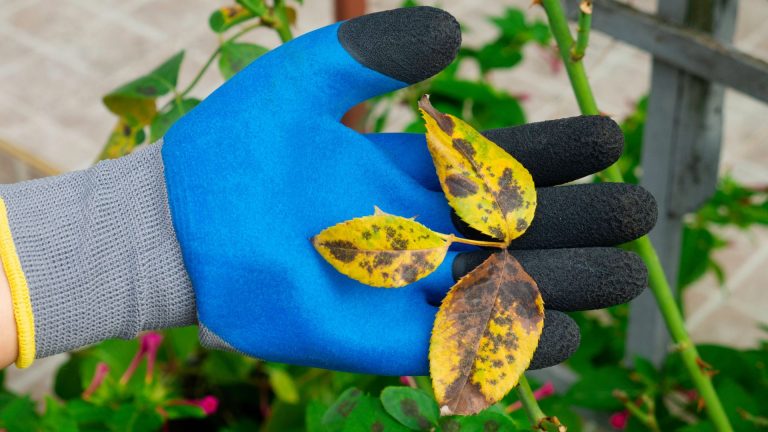
Bacterial leaf spot and alternaria leaf spot also hurt zinnias, and both spread when leaves stay wet. Brown or reddish spots with yellow halos show up, then leaves curl and drop.
Each sick leaf means less sunlight turned into food for the plant. With less food, zinnias make fewer buds, and some buds stay small or fail to open.
Mildew rarely causes sudden plant loss, which is why many gardeners ignore it at first. That slow creep is exactly what makes it so frustrating.
Pinch off badly spotted leaves and toss them in the trash, not the compost pile. Give plants enough space so breezes can flow between the stems.
A baking soda spray may slow mild cases, but test it on a few leaves first. Still, prevention, such as good airflow and dry leaves, usually beats treatment.
Some seed companies sell mildew-resistant types, like the Profusion and Zahara series. Planting these gives you an extra shield against fungus.
Healthy leaves feed healthy flowers, plain and simple. Protect the foliage, and the blooms will follow.
Evening Sprinkles And Why Timing Matters

After a long October day, standing in the yard with a hose feels relaxing. Evening watering is often a poor choice for zinnias when it wets the leaves.
Fall nights grow cooler and longer, so moisture lingers on leaves for hours. Dew adds even more wetness by dawn, creating favorable conditions for fungus.
Warm afternoon sun is gone by then, so little helps dry the foliage. Leaves can stay damp for many hours, which favors spore growth. With soaker hoses or drip lines, evening watering carries far less risk.
Morning watering works better for zinnias in most seasons. Aim for early in the day, ideally before ten, while the air is mild.
Any stray splashes evaporate quickly once sunlight hits the leaves. Roots also get a full drink before afternoon heat pulls moisture from the soil.
October brings its own timing tricks, too. Plants need less water now than in July, since days are shorter and evaporation slows down.
Poke a finger about two inches into the soil before grabbing the hose. If it feels damp, skip watering and check again tomorrow.
Overwatering in fall can lead to root rot, which can reduce flower production quickly. Roughly one inch of water per week, including rain, is usually plenty this time of year.
A rain gauge from the hardware store makes tracking easy and is inexpensive. Peek at it after storms so you know when to skip a session.
Good timing feels like a small detail, yet it matters. Water with the sunrise, and your late-season blooms will thank you.
The Overhead Sprinkler Habit Many Gardeners Share
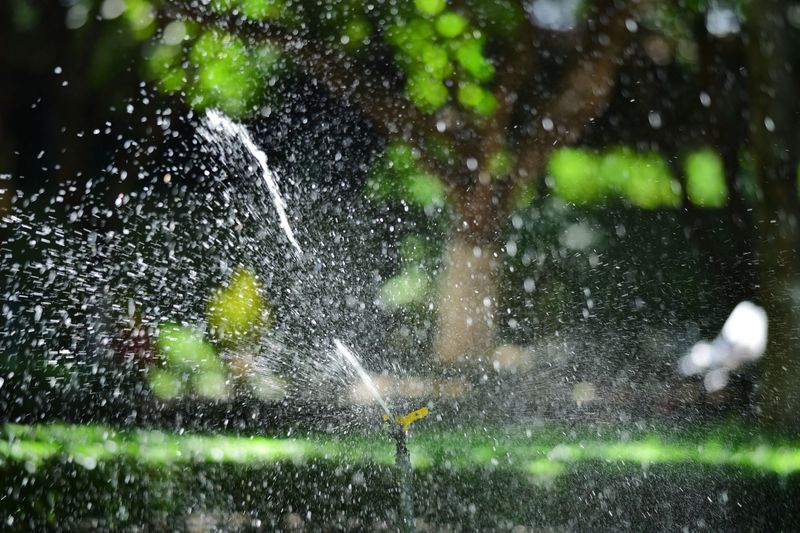
Ask a few neighbors how they water their flowers, and many will mention a sprinkler or spray nozzle. It makes sense, since these tools are cheap, fast, and easy to set up.
Lawn sprinklers are designed for grass, though, not for flower beds. Grass tolerates wet blades better, but zinnia leaves react very differently.
Spray nozzles on hoses cause similar trouble when used carelessly. A strong spray can bend tender stems and splash dirt onto lower leaves.
Splashed soil is a bigger deal than it sounds. Fungal spores and bacteria live in the dirt, and splashing droplets can carry them upward.
Picture a raindrop hitting bare ground and bouncing back up like a tiny trampoline jump. Now multiply that by thousands of droplets during one sprinkler session.
Many gardeners also water everything at once, flowers and lawn together, on the same schedule. Zinnias end up soaked far more often than they actually need.
Breaking this habit does not mean tossing your favorite tools. Switch the nozzle to a gentle shower setting and hold it low near the base of each plant.
Move lawn sprinklers so their spray stops short of the flower bed. A small adjustment in angle can keep your zinnias dry while the grass still gets its drink.
Old habits feel comfortable, especially ones we picked up from parents or grandparents. Changing just this one can make your garden look like it got a fresh upgrade. Neighbors may notice the difference, and that is fine. Share your method if they ask.
Root Zone Watering As A Simple Fix
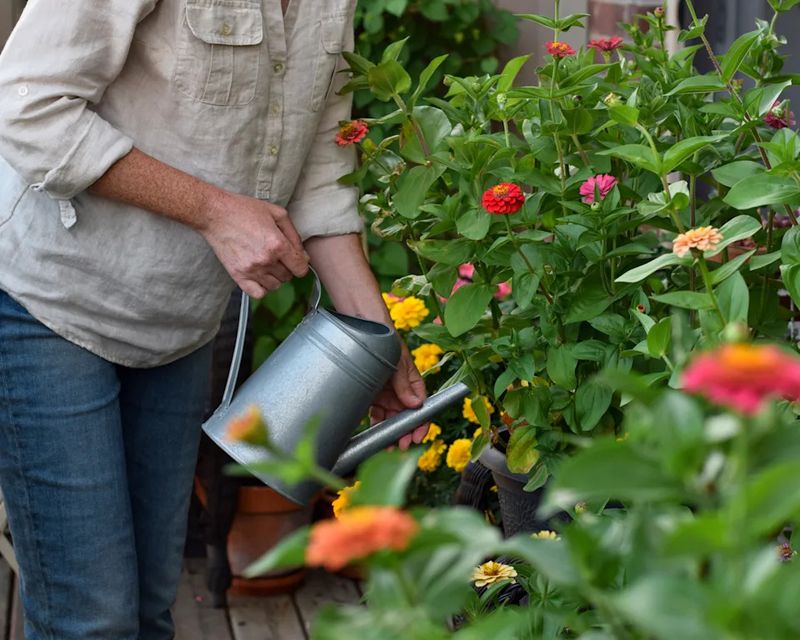
Gardeners who switch to soil-level watering often say their zinnias seem to wake up. Buds start forming again, and leaves look greener within a couple of weeks.
Soaker hoses are one of the easiest tools for the job. They weep water slowly along their length, soaking the ground with little or no leaf wetting.
Drip irrigation kits work the same way with small emitters placed near each plant. Many beginner kits are affordable and snap together without tools.
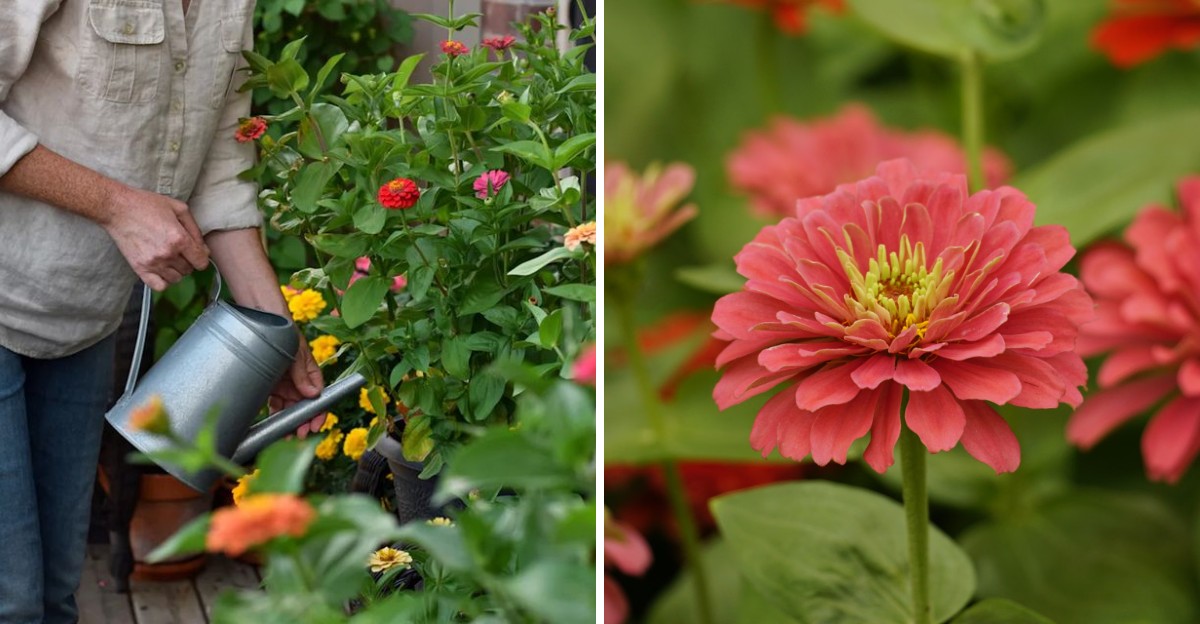
Prefer hand watering with something simple and old-fashioned? A watering can with a long spout lets you reach right under the foliage.
Pour slowly so water sinks in instead of running away. A steady, deep soak twice a week beats a quick sprinkle every day.
Mulch is the secret partner in this plan. A two-inch layer of shredded leaves or straw keeps soil moist and blocks dirt from splashing up.
October makes mulching extra easy since free leaves are falling everywhere. Run them over with a mower first so they break down faster and do not mat.
Keep mulch an inch or two away from the stems themselves. Piling it against the base can trap moisture and invite rot.
Finally, check that water reaches deep by digging a small hole after watering. Moist soil about six inches down means your roots are getting a proper drink.
Once this routine sticks, it takes less time than spraying ever did. Your zinnias get exactly what they need, right where they need it.
October Blooms And Next Year’s Prevention Plan
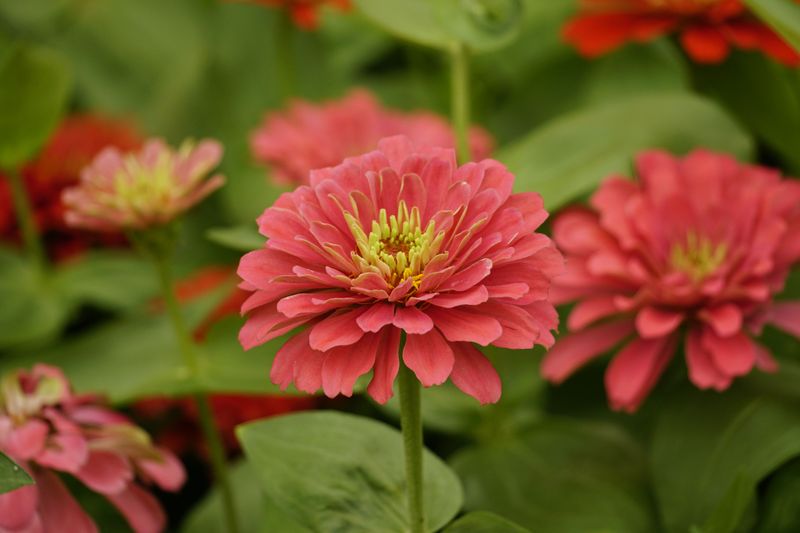
Late-season zinnias have a special glow, with deep oranges and pinks shining against cool autumn air. Even in October, a corrected watering routine can bring a final burst of color.
Plants stay productive until the first frost in most regions. Every week of dry leaves and deep roots gives them another chance to push out fresh blooms.
Keep cutting flowers for bouquets, since snipping encourages new buds to form. Remove faded heads, too, so energy goes toward blossoms instead of seeds.
Once frost arrives, pull the plants and bag any leaves showing mildew or spots. Some fungi can survive winter in garden debris and return next summer.
Saving seeds is a fun October project for families. Choose them only from healthy, spot-free plants with your favorite colors.
Planning ahead makes next year’s garden much easier. Pick a sunny spot with good airflow, and space plants about twelve inches apart.
Lay soaker hoses or drip lines right after planting, before the zinnias grow bushy. Setting things up early means you will not be tempted to grab the sprinkler later.
Think about rotating your flower bed, too. Planting zinnias in the same spot every year can let disease build up in the soil.
Jot down notes in a garden journal about what worked this season. Future you will appreciate the reminder when spring fever hits.
Next summer, picture rows of bright blooms standing tall with clean, healthy leaves. All it takes is pointing the water where it belongs.