The Winter Weeds That Show Up in Arizona Yards After the First Fall Rain
The first good fall rain in the desert feels like a gift, and then a week later your gravel yard turns green with tiny sprouts. Those little plants are winter weeds, and they wake up fast once cool nights and wet soil arrive.
Some feed early bees and quail, while others crowd out natives, raise fire risk, or give scorpions a shady place to hide. Knowing which is which helps you keep a yard that saves water and works for wildlife.
1. Stinknet
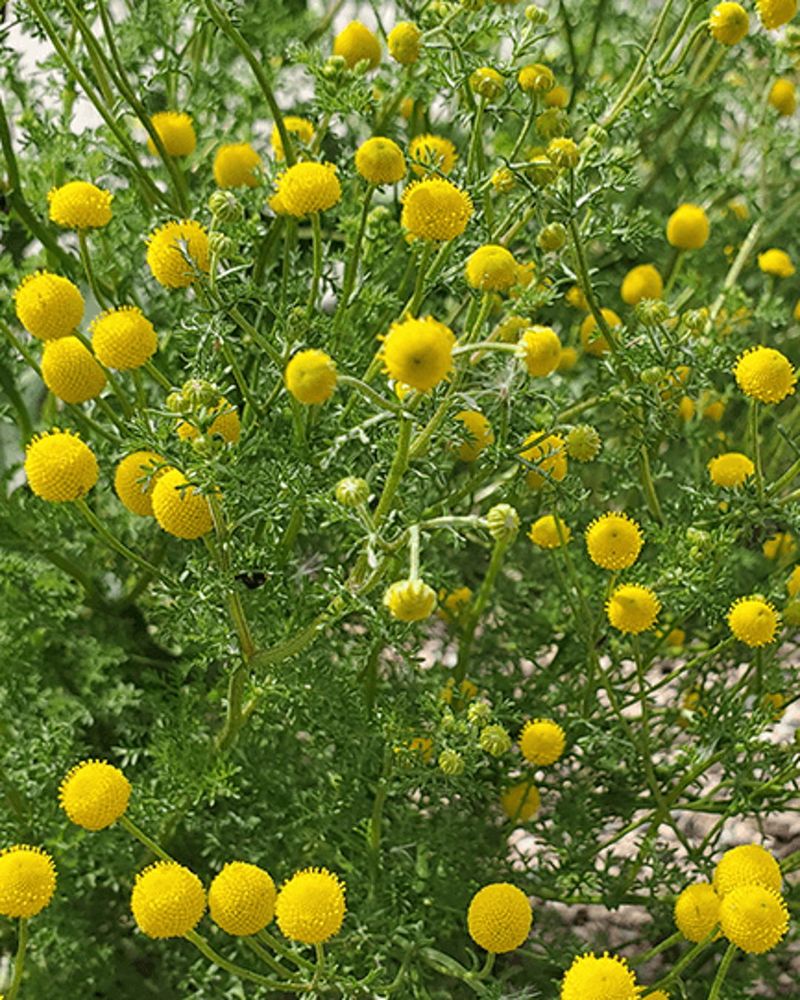
Picture a field of cheerful yellow buttons that smells like turpentine when you brush past it. Meet stinknet, also called globe chamomile, and it may be the most unwelcome guest on this list.
Seedlings show up as soft, feathery rosettes a few weeks after the first fall soaking.
Why the fuss? Stinknet spreads into thick carpets that push out native wildflowers like desert marigold and lupine, which leaves less food for pollinators and quail.
When it dries in late spring, it burns hot and fast and puts off harsh smoke. Many people also get itchy skin or sneezing fits from handling it.
The good news is that young plants pull out easily from moist soil. Wear gloves, long sleeves, and a mask, then bag the plants instead of tossing them in compost, since seed heads can still ripen.
Aim to remove patches before those yellow globes form in February or March.
Once a spot is cleared, sow native wildflower seed in late fall or tuck in a few brittlebush or globe mallow plants. Filling bare ground with desert natives may help keep stinknet from moving back in, and it gives bees and butterflies something worth visiting.
2. London Rocket
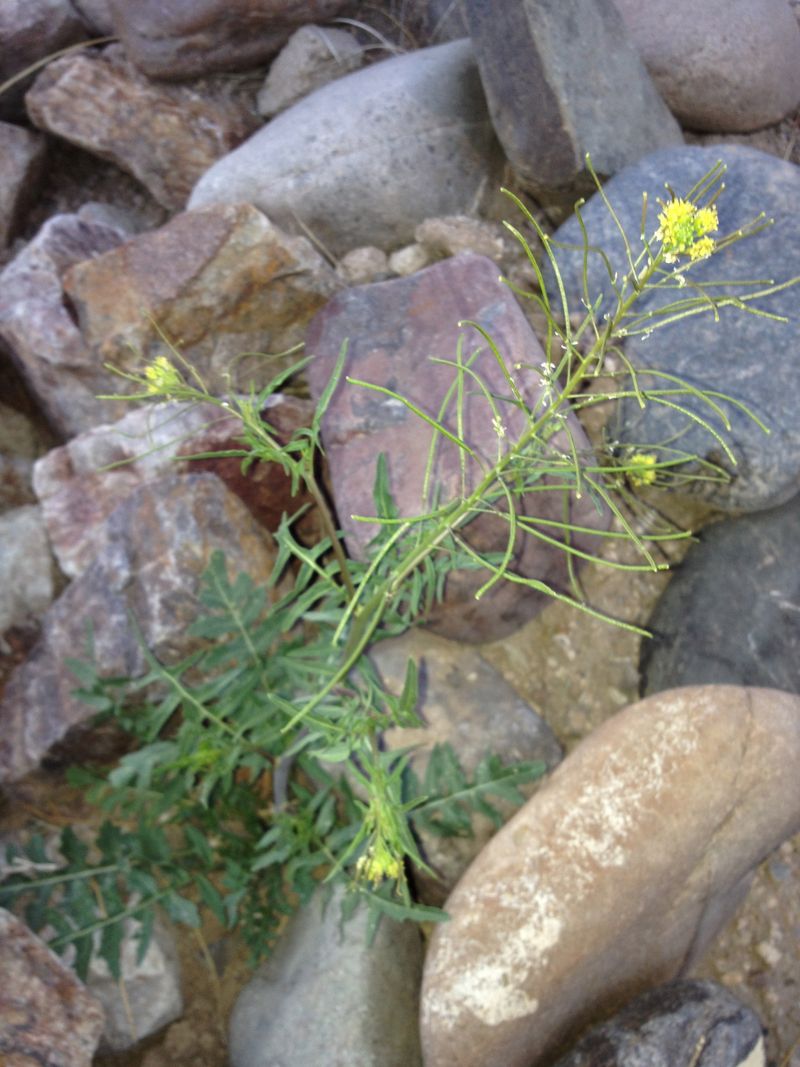
Ever notice a lanky plant shooting up almost overnight along a sidewalk crack or wash? London rocket earns its name with speedy growth, reaching up to two feet tall in a matter of weeks.
It loves the disturbed soil you find near new construction, irrigated beds, and gravel edges.
Fun fact: the name is said to come from the way it sprang up across London after the Great Fire of 1666. Here in the low desert, it plays a similar role, rushing into any open patch after winter rain.
To be fair, its small yellow flowers do offer early nectar to bees and beetles when little else is blooming. That said, it competes hard with native annuals for limited water.
Once it finishes flowering, it dries up and leaves bare, crusty soil behind, which can invite even more weeds.
A simple plan works well here. Let a few plants bloom far from the house if you enjoy the bee traffic, but pull most of them before the skinny seed pods split open.
Replacing them with desert senna or penstemon gives pollinators a longer-lasting buffet with a lot less mess.
3. Cheeseweed Mallow
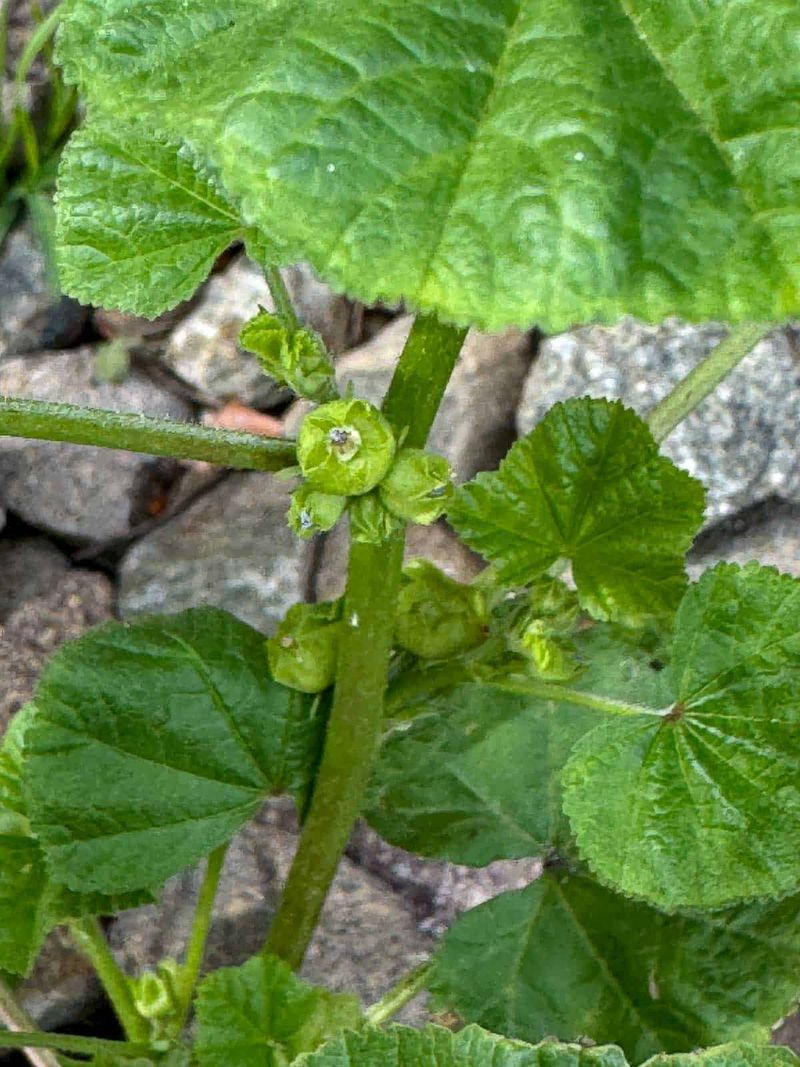
Kids in older Arizona neighborhoods used to nibble the tiny round seed pods of this plant and call them cheeses. Look closely and you will see why, since each pod looks like a miniature wheel of cheese.
Your Arizona Garden Changes Every Week. Your Plan Should Too.
Gardening in Arizona changes quickly throughout the season. Every Friday you’ll receive a simple weekly plan showing exactly what to plant, prune, fertilize, harvest, and protect so you never miss the right timing.
Cheeseweed mallow is a common sight under drip emitters and along block walls.
Leaves are round and scalloped, almost like a geranium, with small white to pale pink flowers tucked near the stems. Plants can sprawl flat or stand up to three feet tall.
Generalist bees will stop by, but it is not a standout pollinator plant.
Here is the tricky part. Cheeseweed grows a deep taproot quickly, so a plant left until spring can feel welded into caliche soil.
Pull seedlings while they are still small, ideally the day after a rain or a deep watering. A narrow weeding tool helps you get the whole root.
Dense mallow patches near the house can also create cool, shady cover that scorpions and crickets may find inviting. Clearing them from foundations is a practical move.
For a tidier, wildlife-friendly swap, try native globe mallow, which brings bright orange blooms and feeds native bees with very little water.
4. California Burclover
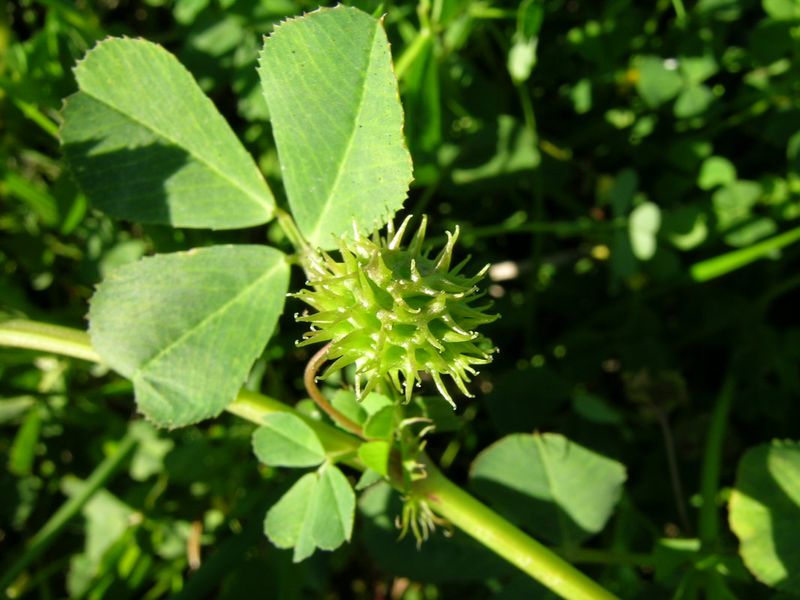
Dog owners usually meet this one the hard way, by picking prickly little burrs out of fur after a walk. California burclover sprouts in winter, then puts on most of its growth when spring warms up.
Its three-part clover leaves often hug the ground in gravel and lawn edges.
Not everything about it is bad news. As a legume, burclover pulls nitrogen from the air and adds it to the soil, which is a rare treat in lean desert ground.
Its little yellow flowers feed pollinators, and quail are known to eat the burrs.
Still, those coiled, spiny seed pods hitch rides on socks, shoes, and pets, so a single patch can spread across the whole yard in a season or two. That makes it a poor fit near patios, play spaces, and dog runs.
Try a split approach. Pull burclover from high-traffic areas before burrs harden in early spring, and consider leaving a small patch in a far corner if quail visit your yard.
Over time, filling those spots with native groundcovers like trailing dalea can give you nitrogen-friendly soil and quail cover without the sock-snagging surprises.
5. Henbit
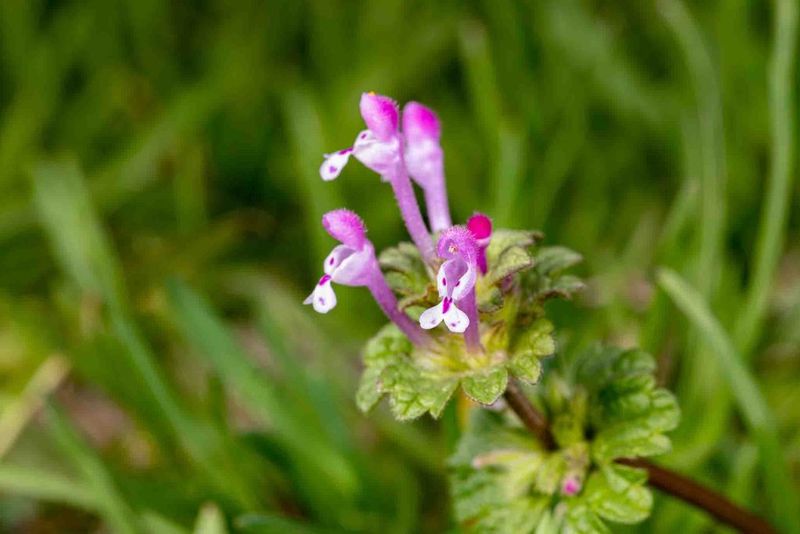
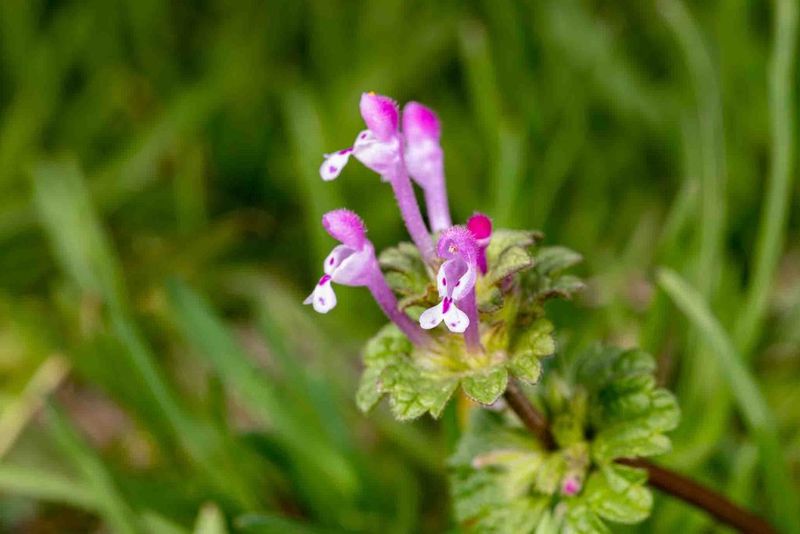
Tiny purple trumpets peeking out of your rock yard in February can be a surprisingly pretty sight. Henbit is a low winter annual, usually only four to ten inches tall, with scalloped leaves that wrap around square stems.
It favors the slightly shadier, moister spots near patios and under trees.
Those pink-purple flowers matter more than you might think. Early in the year, native bees, honeybees, and bumblebees are hungry and blooms are scarce, so henbit can act like a little snack bar.
Some gardeners leave a few plants just for that reason.
On the flip side, henbit drops loads of seed and can form thick patches that crowd young native plants. In wetter yards with overspray from irrigation, it can take over fast.
Shallow roots make it one of the easiest weeds to pull, so timing is everything. Let early blooms feed the bees for a couple of weeks, then remove plants before seed forms in March.
Cutting back overspray helps too, since henbit thrives where water collects. For a native early bloomer that serves the same bees, plant Parry’s penstemon in fall.
6. Wild Mustard
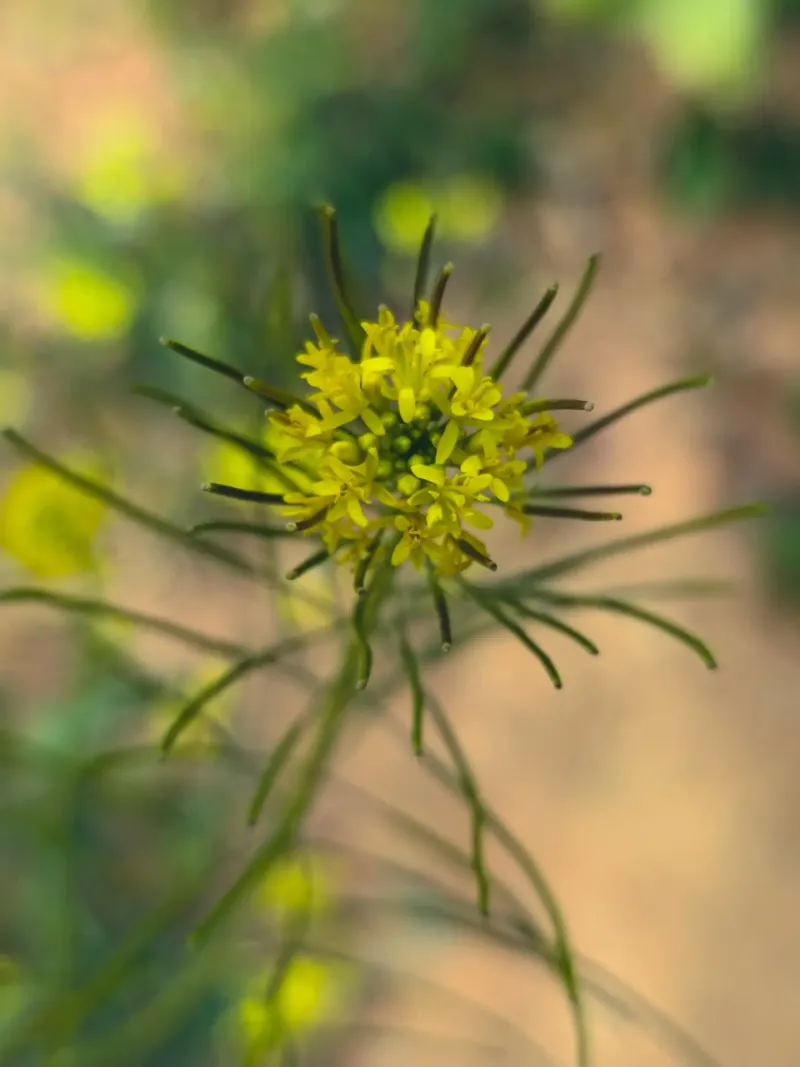
Drive along any open lot in the Valley in early spring and you may spot sheets of bright yellow. Much of that glow comes from wild mustard, a sturdy annual that often sprouts in fall as a winter weed.
Seedlings start as rough, lobed rosettes before shooting up tall stems.
Honestly, wildlife loves this plant. Bees and butterflies gather nectar from the blooms, birds and small mammals eat the seeds, and dense stands can offer shelter for ground-nesting birds.
It also handles dry spells well once roots are established.
So why call it a weed? Wild mustard is a heavy drinker of shared resources.
It grabs water, nutrients, and sunlight that native wildflowers need, and it can shrink the variety of plants in a space. Thick growth near walls may also offer cover for pests you would rather not host.
In a typical home yard, it makes sense to pull mustard near the house and in planted beds while leaving natives to take over. Native options like desert marigold and brittlebush deliver that same sunny yellow color and pollinator traffic, but they stay put and sip far less water.
7. Chickweed
Ten years. That is how long chickweed seeds can sit in the soil, waiting for the right cool, damp moment.
In Arizona, that moment often arrives right after fall rains, when soft green mats appear under citrus trees and along watered beds.
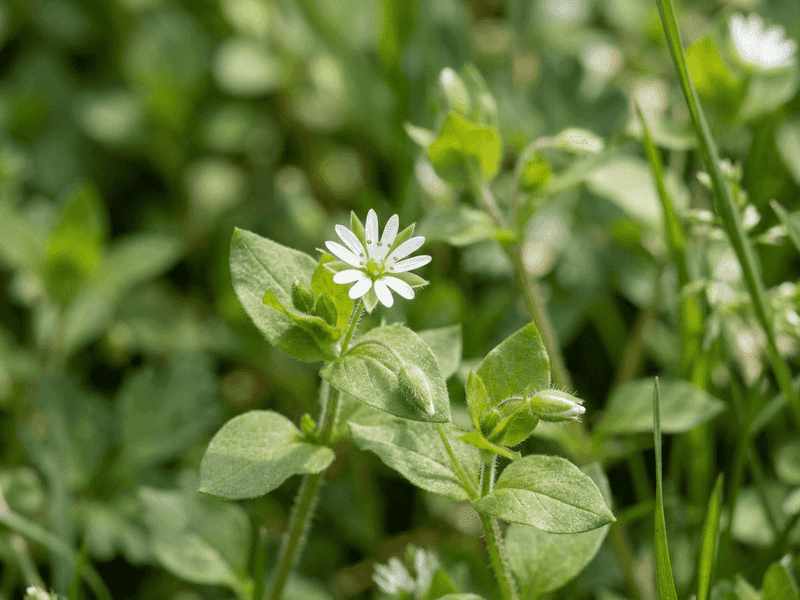
You can spot chickweed by its small oval leaves and tiny white flowers that look like little stars. It grows low and spreads outward, forming a living carpet during the cooler months.
That carpet can actually shade the soil and slow evaporation, which is not a terrible thing in the desert.
The catch is what it can attract. Chickweed may host spider mites and thrips, two pests that love to move onto vegetables and ornamental plants once the weather warms up.
A thick mat under your garden beds can turn into a pest nursery.
Hand-pulling works well because whole mats lift up in sheets from damp soil. Rake out leftovers and add a layer of mulch or decomposed granite to block light.
Trimming back drip lines that run longer than needed in winter can also make your yard much less welcoming to this persistent little mat-maker.
8. Sow Thistle
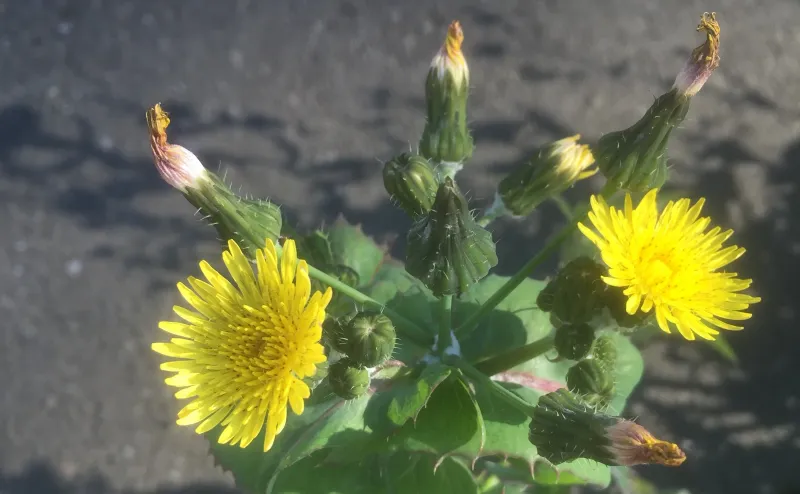
It looks like a dandelion that hit a growth spurt. Common sow thistle stands one to three feet tall with yellow flower heads, jagged leaves edged in soft spines, and hollow stems that leak milky sap when snapped.
You will often see it along walls, in planters, and between pavers.
Wildlife fans may be surprised by its fan club. Bees, butterflies, moths, finches, and even hummingbirds visit the plant, and seed-eating birds pick at the fluffy heads.
In a bare winter yard, it can be one of the busiest plants around.
However, sow thistle is an introduced weed that spreads like confetti. Each flower makes lightweight seeds that float on the wind, so one plant today can mean dozens across the neighborhood next year.
It also shrugs off alkaline soil and partial shade, which suits most Arizona yards perfectly.
The smart move is to pull or cut plants as soon as buds appear, before those puffy seed heads open. Wear gloves to avoid the sticky sap.
If you want to keep the finches coming, plant native desert marigold or sunflowers, which offer seeds without the windblown takeover.
9. Yellow Oxalis
Sixteen feet. That is how far a ripe yellow oxalis pod can fling its seeds when touched.
Gardeners call it a tiny cannon, and it explains why this clover-look-alike keeps popping up in pots, pavers, and shady beds across the Valley.
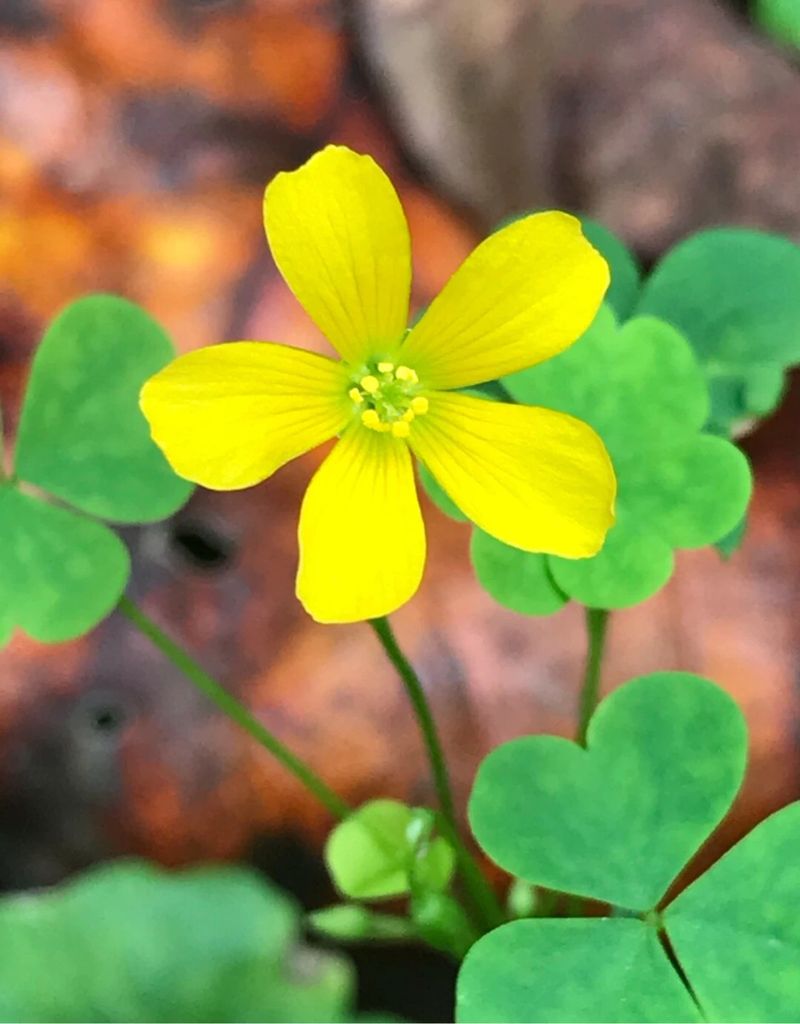
Leaves come in sets of three heart shapes, and small five-petal yellow flowers appear on and off through much of the year. Bees, butterflies, and even ants visit the blooms.
Unlike the annuals on this list, oxalis is a perennial, so it can hang around long after winter fades.
Moist soil is its happy place, which is why it thrives in container plants and near drip emitters. That said, it tolerates dry spells and a wide range of soils, making it a tough customer once settled in.
Gentle removal is key. Pull plants slowly to get the roots, and avoid brushing past ripe pods, which only spreads more seed.
Check nursery pots before planting, since oxalis often rides home with new plants. Cutting back extra water in shady areas helps as well, and native groundcovers like damianita can fill gaps so oxalis has fewer places to settle.
10. Hairy Bittercress
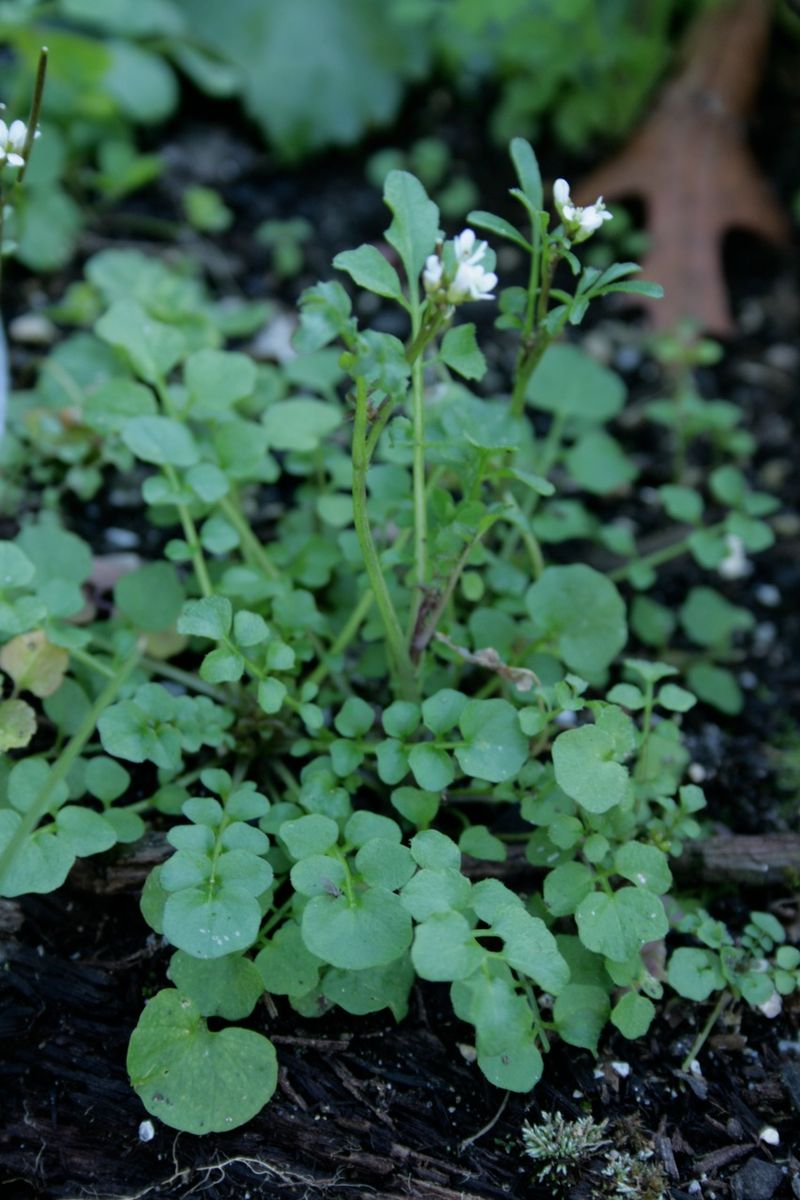
Brush against a mature clump in late winter and you might feel a tiny pop of seeds hitting your ankles. Hairy bittercress is small but sneaky, forming flat rosettes of rounded leaflets topped by little white flowers and skinny upright pods.
Cool, damp weather is when it shines, so Arizona yards with winter irrigation or shady corners are prime territory. Once temperatures climb in late spring, it fades away quickly.
Its short life makes it easy to ignore, which is exactly how it spreads.
On the plus side, bittercress offers early food for bees, butterflies, and ladybugs. Ladybugs are especially welcome, since they munch on aphids that bother roses and vegetables.
A few plants in an out-of-the-way spot can support those helpful insects.
Trouble starts when one plant tosses hundreds of seeds several feet in every direction. Before long, it can crowd seedlings in your veggie bed or native wildflower patch.
Pull rosettes before pods form, ideally in January, and keep soil surfaces from staying soggy. A thin layer of mulch plus fall-planted natives like desert bluebells gives beneficial insects a steadier home while keeping this little seed launcher in check.