The One Thing You Must Do To Crape Myrtles In Pennsylvania Before Fall Ends
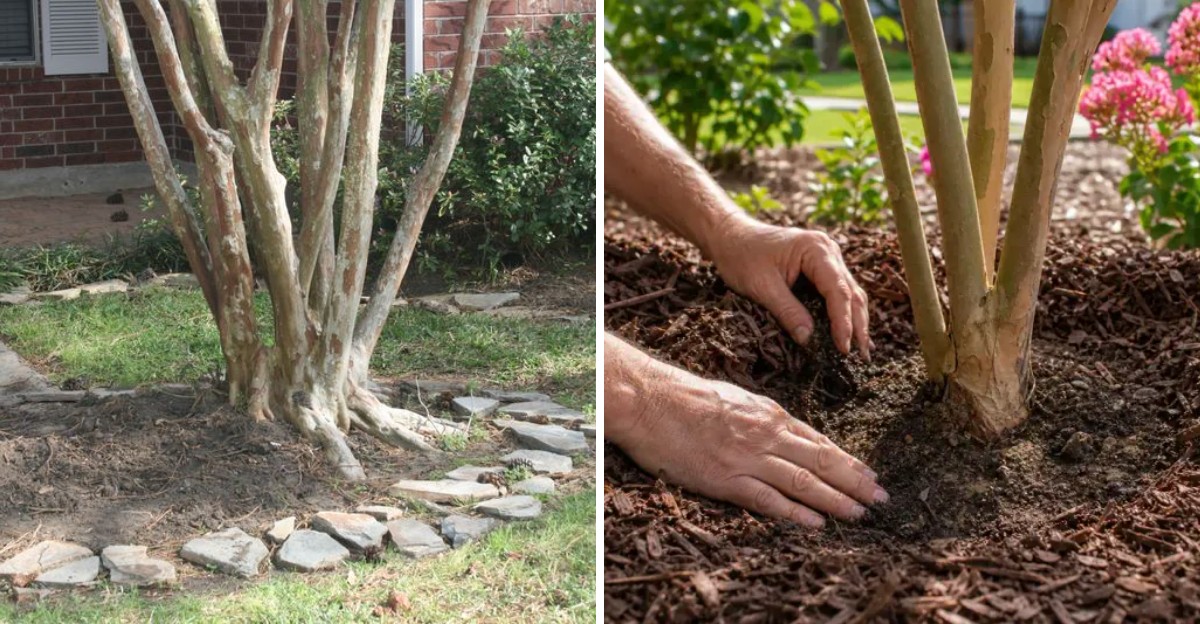
After a harsh Pennsylvania winter, some crape myrtles look like they’ve given up completely.
The branches stay bare well into May, and many homeowners assume the tree is a lost cause. Then, surprisingly, fresh green shoots start popping up from the base.
That comeback is possible because these trees have a hidden backup plan. Even when cold weather damages the branches, a healthy plant can often regrow and still bloom by late summer.
But that only works if the most important part of the tree makes it through the winter in good shape.
In Pennsylvania, where crape myrtles are already growing near the northern edge of their comfort zone, that protection matters more than ever.
One simple step before fall ends can give your tree a much better chance of bouncing back, no matter what winter brings.
Mulch The Root Zone Before Winter
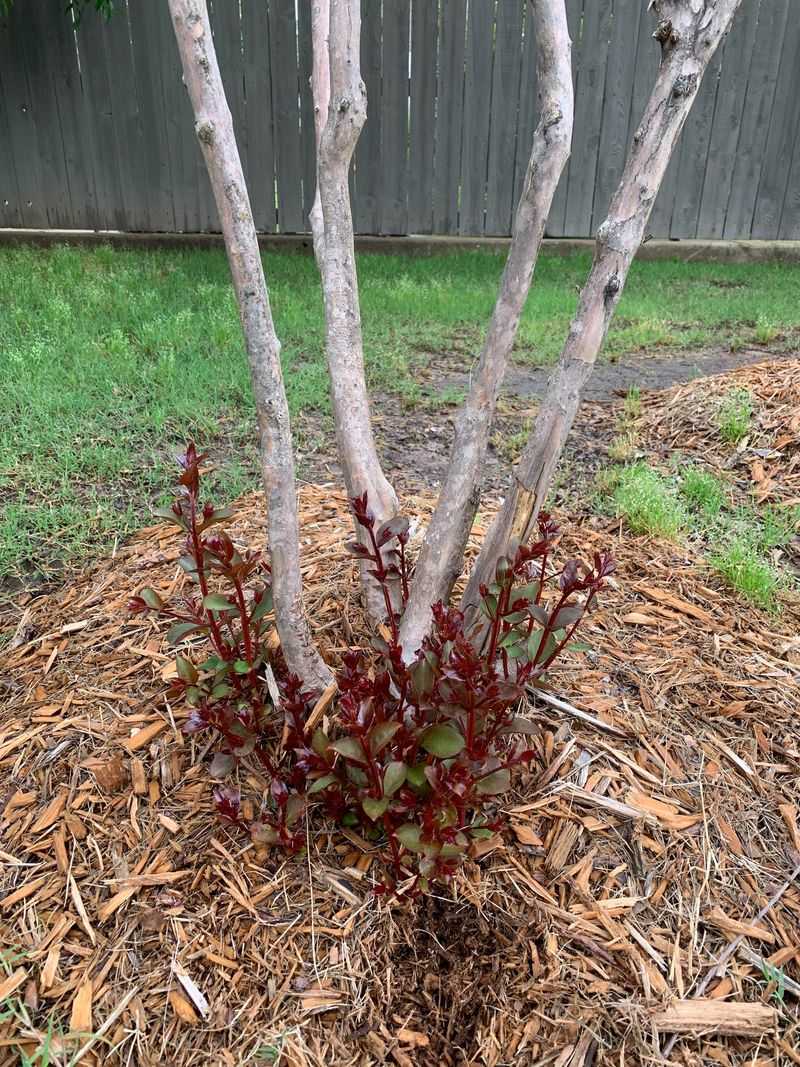
Think of mulch as a warm winter blanket for your crape myrtle. Gardeners in Pennsylvania who use it often see their plants bounce back strong in spring. Those who skip it may see far less growth.
Roots are the heart of a crape myrtle. When the branches take a beating from cold, the roots are what push out fresh shoots later. If the roots stay safe, the whole plant has a solid chance to recover.
Mulch works by trapping heat in the soil. The ground under a thick layer stays warmer and steadier than bare dirt. It also slows down how fast the soil freezes on very cold nights.
Another big job mulch does is stopping freeze-thaw cycles. In Pennsylvania, a sunny January day can thaw the top of the soil. Then the night freezes it again, and this back and forth can push roots up and tear them.
A good mulch layer keeps the soil from swinging so wildly. It acts like a buffer between the roots and the crazy weather above. The lower stems near the ground get some cover too.
You do not need fancy supplies for this job. Shredded bark from a garden center works well. Shredded leaves from your own yard are free and do the same work.
Many people mulch in spring for looks. Fall mulching is different because the goal is protection, not decoration. It is the one task that gives your crape myrtle the best shot at making it through winter.
Plan to spend maybe twenty minutes per plant. That small effort could save you from buying a new shrub next year. Few garden chores offer that kind of payoff.
Why Crape Myrtles Need Extra Protection Here
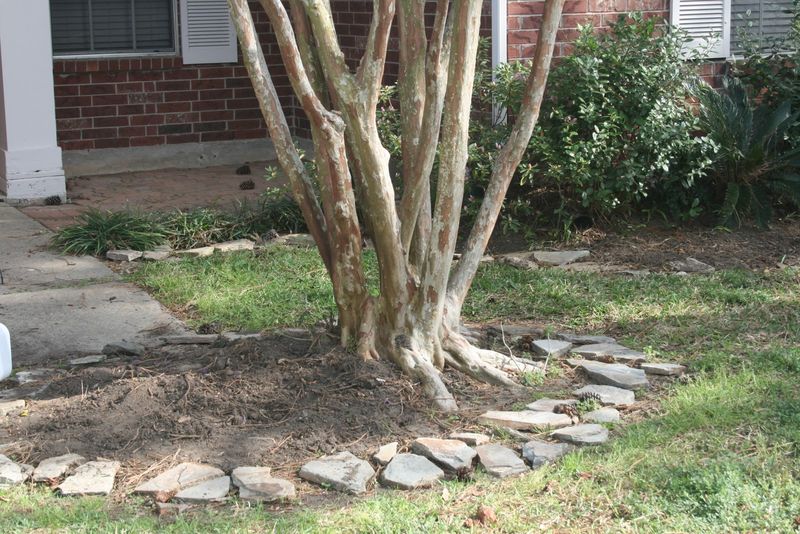
Down South, crape myrtles line streets like old friends. Fun fact: they first came to America from Asia in the late 1700s and quickly became a symbol of Southern summers. Pennsylvania is a whole different story.
Most crape myrtles in the state grow in the southeastern corner. Places near Philadelphia and other milder spots give them the best chance. Folks farther north or up in the mountains face much colder winters.
Your Pennsylvania Garden Changes Every Week. Your Plan Should Too.
Gardening in Pennsylvania changes quickly throughout the season. Every Friday you’ll receive a simple weekly plan showing exactly what to plant, prune, fertilize, harvest, and protect so you never miss the right timing.
So what happens when a hard winter hits? The branches can suffer dieback, which means the top parts turn brown and brittle. Sometimes the plant looks like a bundle of dry sticks in March.
Here is the hopeful part. As long as the roots stay healthy, a crape myrtle can send up new shoots from the base. It may look small at first, but it often grows fast once warm weather arrives.
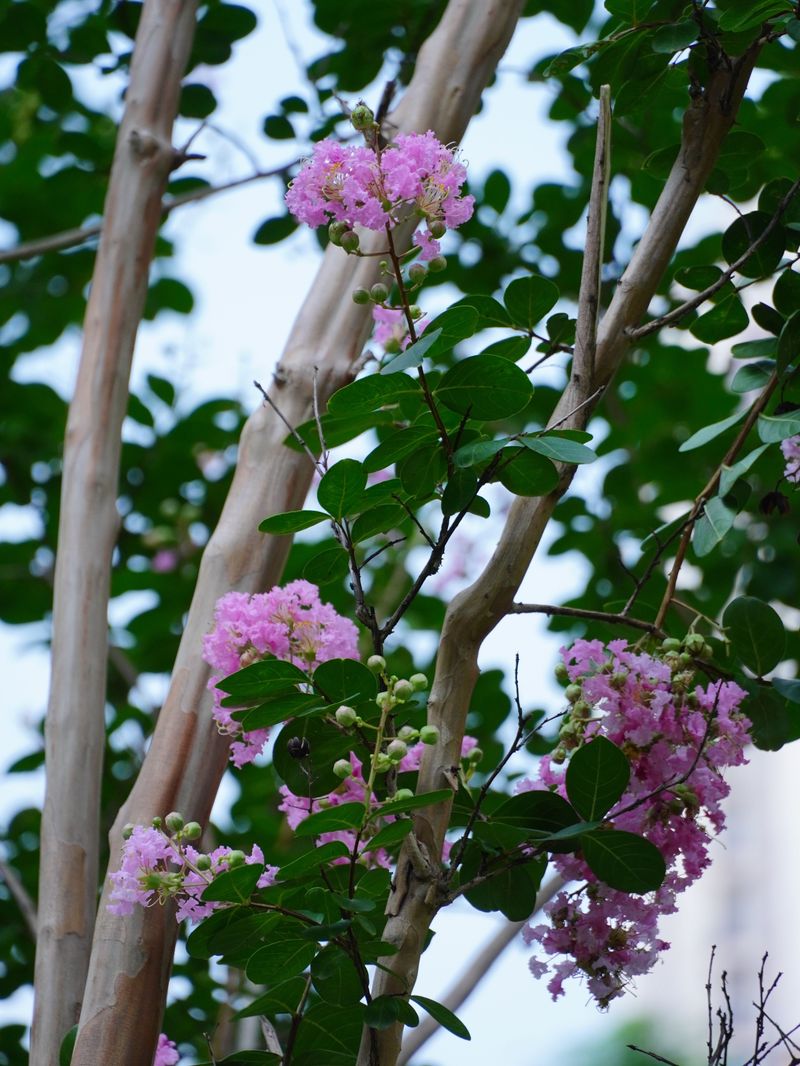
Even better, crape myrtles bloom on new growth. That means flowers form on stems that grow in the same season. A plant that froze back to the ground can still give you blooms by late summer.
That is why root protection matters so much here. The roots are your backup plan. Keep them safe, and you keep the promise of flowers alive.
Choosing the right type helps too. Some newer kinds, like Natchez or Tuscarora, handle cold a bit better than others. Smaller dwarf types can also be easier to protect.
Knowing your zone is smart. Much of southeastern Pennsylvania falls in zones 6b to 7a. If you live there, crape myrtles can thrive with a little extra care each fall.
Time It Right
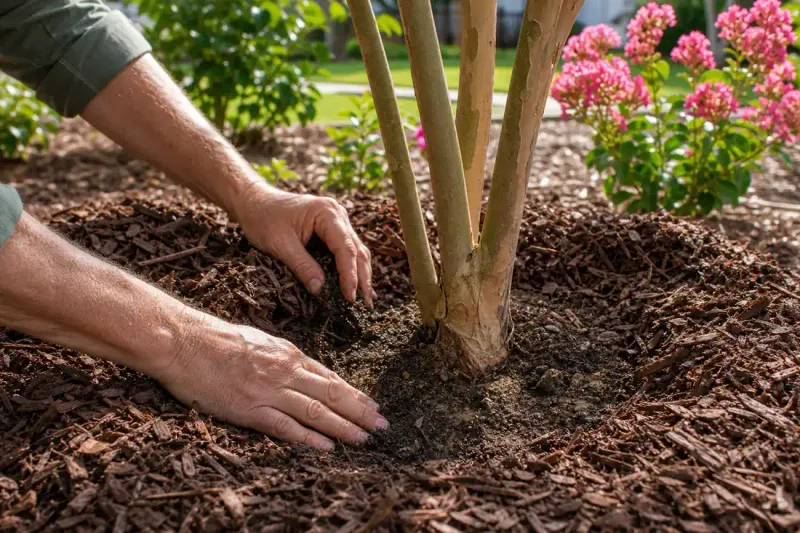
Timing can feel tricky, but nature gives you clear signals. Watch your crape myrtle closely in October and November. Once most of the leaves have fallen, you are getting close.
Late fall is the sweet spot. The leaves should be off the plant, but the ground should still be soft. In much of southeastern Pennsylvania, that window often lands in mid to late November.
Why not mulch earlier? Warm soil in early fall can keep the plant active. Mulching too soon may also give mice and voles a cozy home before winter even starts.
Waiting too long has its own problems. If the ground freezes hard first, you trap the cold in rather than keeping it out. You also miss the chance to help roots settle in for the season.
A handy trick is to check the weather forecast. When nights start dipping below freezing often, but days stay above it, grab your mulch. That is your cue.
Here is a bonus step many gardeners forget. After the ground has frozen solid, add a little more mulch on top. This helps keep soil temperatures steady all winter long.
That second layer is like adding a quilt over your blanket. It stops sunny winter days from thawing the soil too quickly. Steady cold is much easier on roots than up and down swings.
Mark your calendar with two reminders. One for the first layer in late fall, and one for a top-up after the freeze. Setting a phone alert makes it easy to stay on track.
Apply It The Right Way

Ever seen mulch piled high against a tree trunk like a volcano? It looks tidy, but it causes real trouble. Proper mulching takes a gentler hand.
Start with about 3 to 4 inches of material. Shredded bark and shredded leaves are both great choices. They stay fluffy, let air and water through, and do not pack down too hard.
Spread the mulch wide. Aim to cover the whole root zone, reaching out toward the edge of the branches. Roots often spread farther than people expect.
Now for the key rule. Keep the mulch a few inches away from the trunk. Leave a small open ring right around the base, almost like a donut.
Mulch pressed against bark holds moisture. That wet spot can lead to rot over time. It also gives voles a hidden place to chew on tender bark all winter.
Voles are small, mouse-like critters that love cozy cover. A clear gap near the trunk makes them feel exposed. They are much less likely to settle in.
Young crape myrtles need extra attention. Their roots are smaller and closer to the surface, so cold hits them harder. You can add a bit more mulch over their root zone for added safety.
Some gardeners also wrap young plants loosely with burlap. This shields thin stems from drying winter winds. Just be sure to remove it in spring.
Before you finish, rake the mulch so it sits evenly. Lumpy spots can leave some roots less covered. A smooth, even layer gives the best protection.
Water Deeply Before The Ground Freezes
Thirsty plants and cold weather make a bad combo. A crape myrtle that heads into winter dry is already stressed. When freezing temperatures arrive, it has a much harder time coping.
Moist soil actually holds heat better than dry soil. That may sound surprising, but it is true. Wet ground stays a little warmer and protects roots from sharp drops in temperature.
Pennsylvania falls can be sneaky. Some years bring plenty of rain, while others turn dry for weeks. Check your soil before assuming nature has it covered.
A simple test works well. Push your finger about two inches into the soil near the plant. If it feels dry, it is time to water.
Water deeply rather than lightly. A quick sprinkle only wets the surface. Instead, let a hose trickle slowly at the base for 20 to 30 minutes.
Soaker hoses are also great for this job. They let water seep in gently without running off. Deep watering helps moisture reach the lower roots where it counts.
Pick a mild day for watering. Midday works best when temperatures are above freezing. That gives water time to soak in before the night gets cold.
Try to finish your last watering before the ground freezes. Once the soil turns hard, water cannot sink in. It just runs off or turns to ice on top.
Pair watering with mulching for the best results. Water first, then add mulch to lock in that moisture. Your crape myrtle will head into winter well fed and ready.
Leave The Branches Alone Until Spring

Patience is a gardener’s secret weapon. Fall cleanup can make you itch to trim every shrub in sight. With crape myrtles, though, putting the shears down is the smarter move.
Pruning sends a message to the plant. It tells it to grow. Fall cutting can spark tender new shoots that are far too soft to handle freezing weather.
Those fresh shoots get damaged quickly in cold snaps. Fresh cuts also leave open wounds where cold air and moisture can cause harm. The result is a weaker plant going into winter.
Uncut branches offer a little shelter too. They help catch snow and protect buds lower down. Plus, crape myrtles show off pretty peeling bark that looks lovely in winter.
So when should you prune? Wait until spring, when buds begin to swell. In Pennsylvania, that often happens in April or even early May.
Crape myrtles are late risers. They leaf out later than many other shrubs, so do not panic if yours looks bare in April. Give it time.
Once buds appear, you can easily spot what made it through winter. Scratch a branch lightly with your fingernail. Green under the bark means it is alive, while brown and dry means it is not.
Remove only the dry wood. Cut back to healthy tissue or a strong bud. If the whole top suffered, trim it near the ground and let new shoots grow from the base.
Skip heavy chopping. It harms the plant’s natural shape. A light touch keeps your crape myrtle healthy and blooming beautifully.