What A Sudden Mushroom Ring On Your California Lawn Means For Your Soil
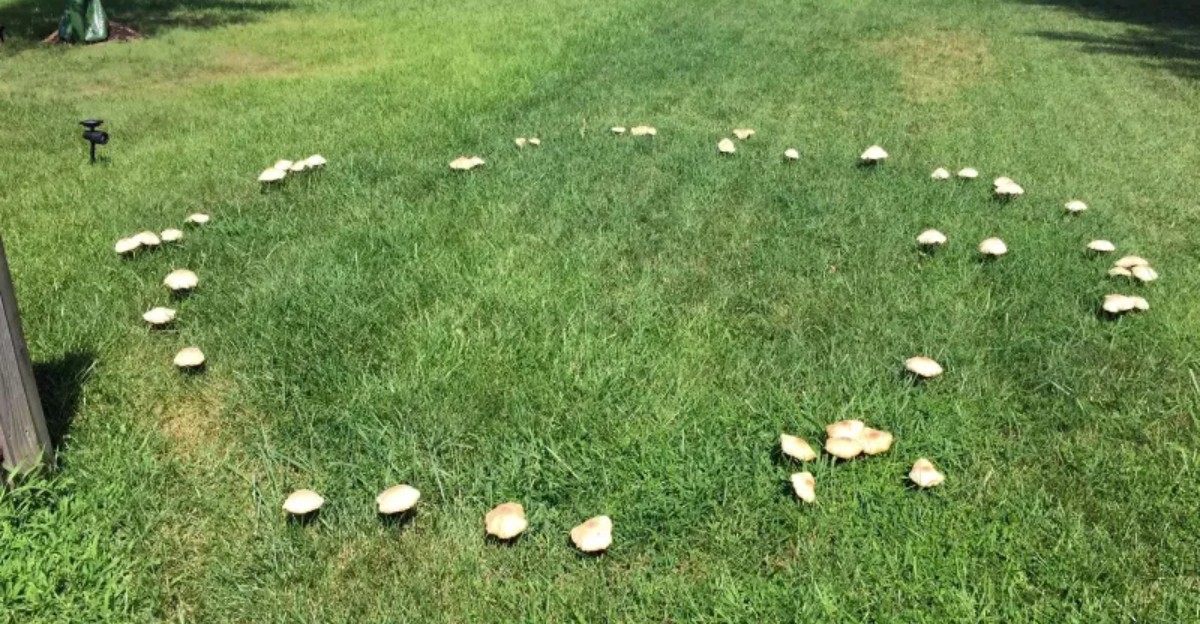
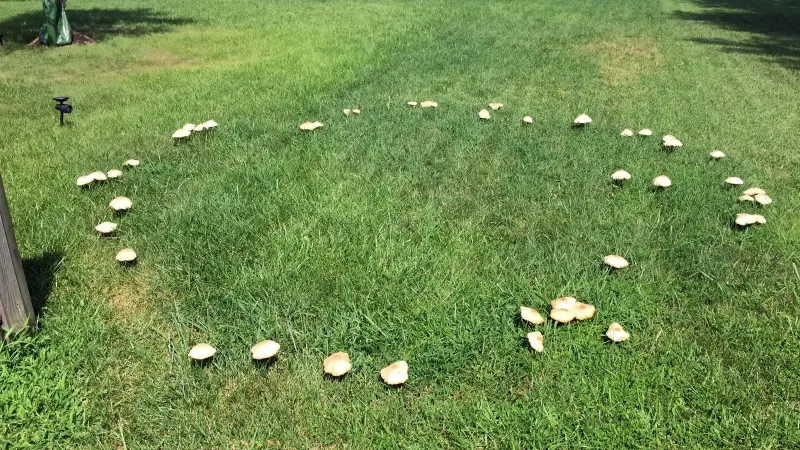
After a rainy stretch, a near-perfect circle of small tan caps can appear on a California lawn almost overnight. Sometimes a band of darker grass traces the edge, as neat as a line drawn with a marker.
The sight feels a little magical.
It also carries a message from below the surface, where activity has been building quietly for months or even years.
Fall and winter rains often bring these circles into view across the state.
Some fade in days and leave nothing behind. Others mark the lawn in ways that linger, from vivid stripes to stubborn dry patches.
Reading the clues correctly makes the response simple, and in most cases, ordinary lawn care handles the job beautifully.
A Mushroom Ring Means Fungus Is Feeding Below
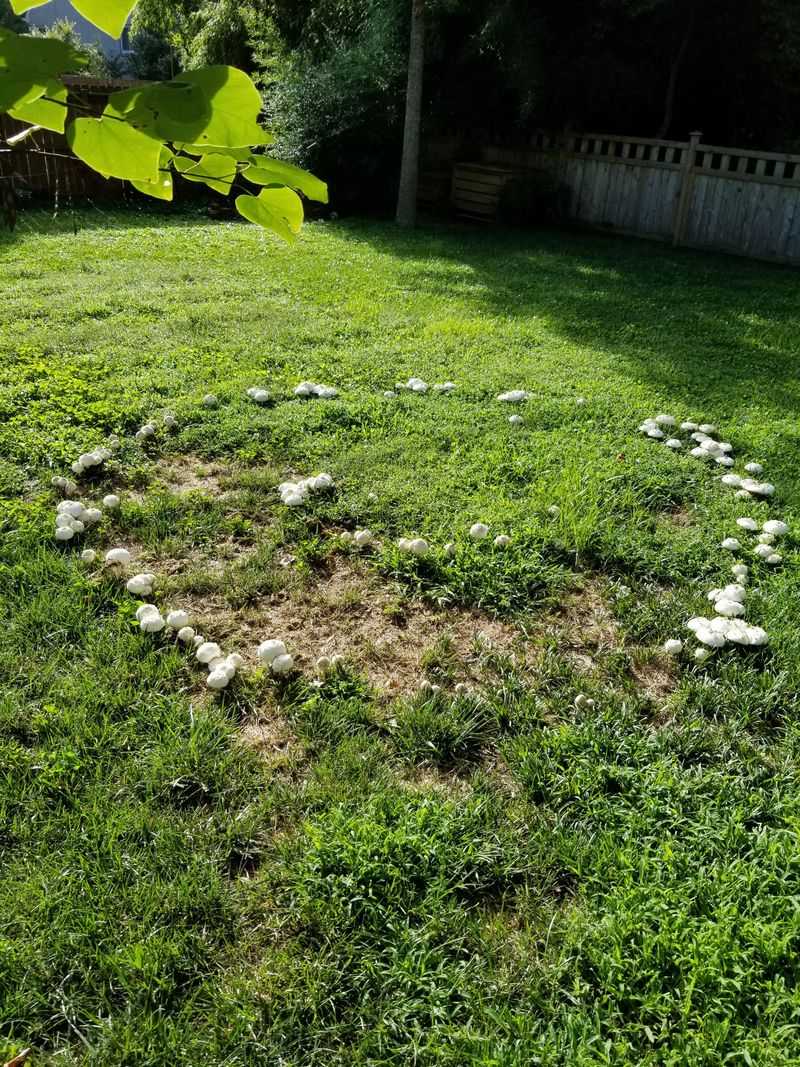
A hidden web of white threads spreads under the grass like roots on a mission.
Those threads form the real fungus, called mycelium, and they do most of the work out of sight.
The mushrooms appearing above are only the fruit of that fungus. They emerge to release spores, much like an apple tree drops apples.
Below ground, the fungus quietly breaks down old organic matter in the soil.
The circle shape has an explanation. The fungus starts at one spot and grows outward, and as food runs out in the middle, the active edge keeps moving.
Over years, the ring widens, sometimes several inches each season. UC IPM notes that some rings reach many feet across.
A ring rarely signals a sick lawn. In many ways, it shows living soil busy recycling old plant material that other soil life struggles to handle.
A calm walk around the circle reveals useful details. Greener grass at the edge, brown or dry patches, or mushrooms alone each point toward a different type of ring.
Those observations also show whether any action is needed at all, or whether regular mowing will handle the situation.
Photos taken over several weeks help track changes, since rings can look different after rain than during dry spells.
Fall often brings the first sightings of the season, as cooling soil and returning moisture wake the fungus.
Buried Wood And Old Roots Fuel The Ring
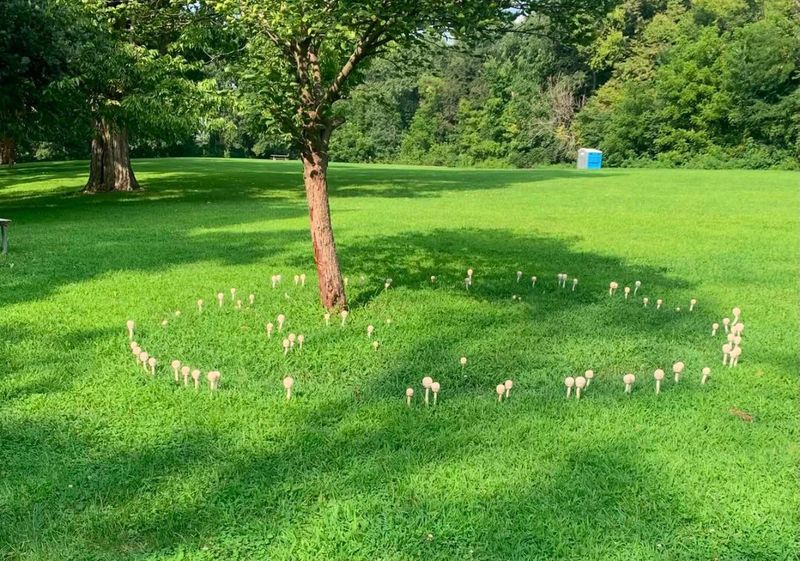
Scrap lumber buried during construction, or roots left behind after a tree came down years ago, can both become a buffet for fairy ring fungi.
Fungi love woody material. Buried boards, stumps, old roots, and construction debris all hold plenty of slow-release food.
The fungus can feed on these hidden supplies for years, so a ring may return season after season.
Thatch matters too. That spongy layer of old stems and roots between green blades and soil gives fungi another easy meal.
Lawns with heavy thatch often see more fairy ring trouble.
In California, many neighborhoods were built on former orchards, oak woodlands, or farm fields. Leftover roots can sit underground long after the land changed.
That history helps explain why a ring suddenly appears in a lawn that seemed fine for years.
Moisture wakes the fungus. Fall and winter rains, or a change in watering schedule, can trigger mushrooms almost overnight.
Your California Garden Changes Every Week. Your Plan Should Too.
Gardening in California changes quickly throughout the season. Every Friday you’ll receive a simple weekly plan showing exactly what to plant, prune, fertilize, harvest, and protect so you never miss the right timing.
The food was there all along, and water simply flipped the switch.
A soil probe or long screwdriver pushed gently into the ring’s center can offer clues. Hitting something solid may mean buried wood.
That detail shapes how the area gets repaired later. Underground utility lines deserve caution, so a call to 811 before any digging keeps the work safe.
Old stumps ground years earlier often leave root remnants that feed rings for a decade or more.
Fairy Rings Come In Three Types
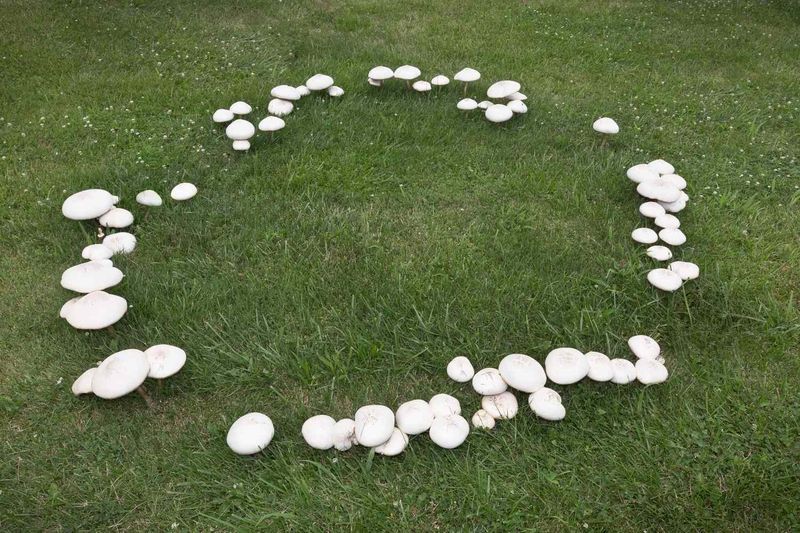
Not every circle behaves the same way. Turf experts sort fairy rings into three main types based on how they affect the grass.
Knowing the type makes choosing a plan much easier.
Type one is the troublemaker. The fungus makes soil repel water, so a band of grass turns brown and dry, sometimes with a green ring just inside or outside.
Without help, grass in that dry zone can thin out badly.
Type two appears as a ring of dark green, fast-growing grass. The fungus releases nitrogen as it breaks down organic matter, and grass absorbs it eagerly.
Mushrooms may or may not appear along the edge.
Type three is the gentle one. Only mushrooms appear, usually after rain or heavy watering, while the grass looks normal.
Many homeowners simply mow the mushrooms away and wait for dry weather.
The name has old roots. Centuries ago, European folklore held that fairies danced in these circles at night, and stepping inside could mean being trapped in fairyland.
The name stuck long after science explained the real cause.
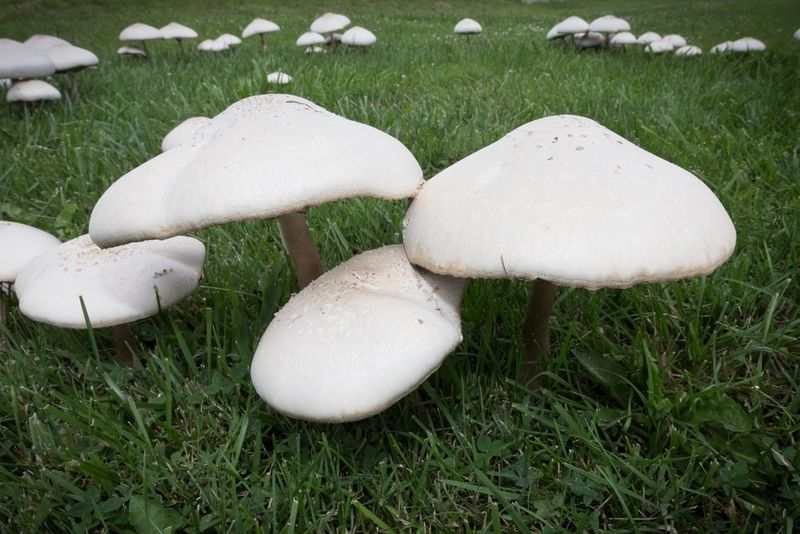
Many different fungi form rings, so mushrooms may look tan, white, or brown. Some rings even shift between types as seasons change.
A few weeks of watching reveal a circle’s true personality before any tools come out.
Type two and three rings often need little more than patience and even fertilizing.
Dark Green Rings Signal Released Nitrogen
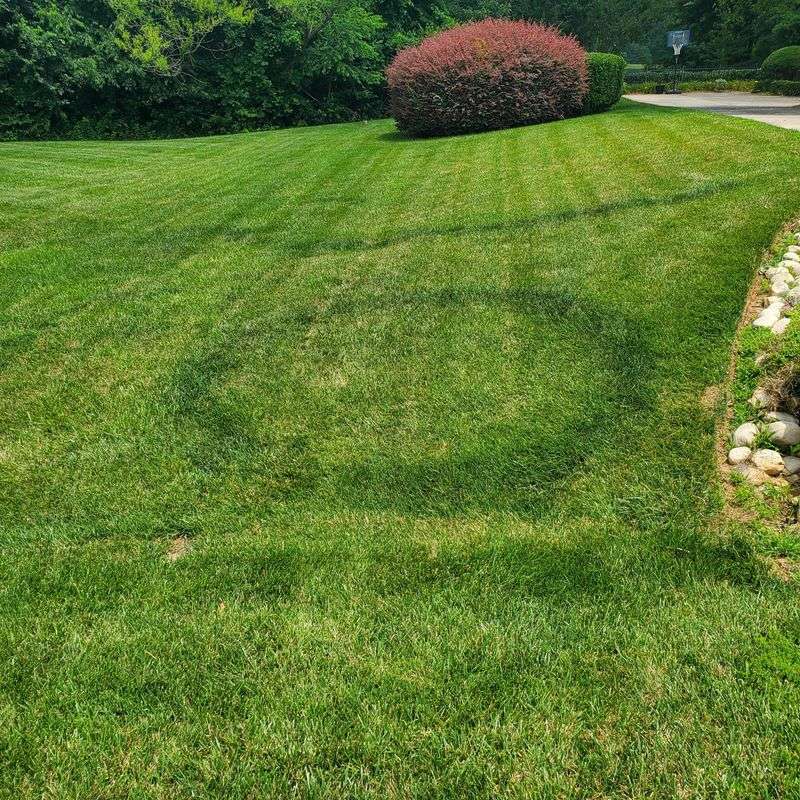
Grass in a dark green ring essentially receives a free snack. As the fungus breaks down buried organic matter, it releases nitrogen into the soil.
Nearby roots absorb it and grow thicker, taller, and darker green than the rest.
Nitrogen is the same nutrient found in most lawn fertilizers, so the ring acts like a natural fertilizer stripe running through the turf.
The rest of the lawn looks pale beside it, and that contrast makes the circle stand out.
Harm is rare. The main issue is appearance, especially in a front yard where every detail shows and neighbors notice.
The fix is surprisingly simple. UC IPM suggests fertilizing the whole lawn so surrounding grass catches up in color.
Once everything turns evenly green, the ring blends in and becomes hard to spot, a kind of camouflage for the turf.
Label directions deserve close attention, since excess nitrogen can wash into storm drains and harm California creeks and the ocean. Light, steady feeding works better than one heavy dose.
Mowing height matters too. Tall fescue, common across California, prefers a higher cut than Bermudagrass.
Even mowing keeps the green band from towering over its neighbors.
Fall feeding suits cool-season lawns well, making October a good time to even out color before winter.
With a little balance, an eye-catching ring can become nearly invisible within a few weeks of steady care.
Dry Rings Repel Water
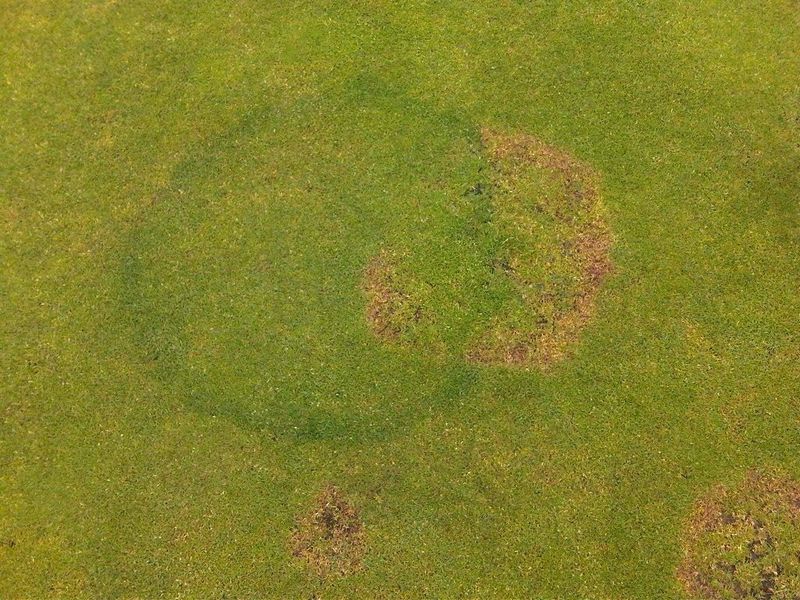
A common mistake involves turning up the sprinklers and hoping a brown ring recovers. Often it doesn’t, as water beads up and rolls away while grass stays crispy.
The fungus itself causes the problem. In type one rings, a dense mat of fungal threads can make soil hydrophobic, meaning water repellent.
Soil in the ring behaves almost like a waxy surface, so moisture struggles to reach the roots.
Grass in that zone grows thirsty even when the rest of the lawn looks fine. Over time, the dry band may thin out or turn bare.
A musty, mushroom smell may also rise from the soil when dug.
A quick test helps confirm. A screwdriver or soil probe pushed into the ring after watering, then into healthy lawn nearby, reveals the difference.
Dry, hard soil inside the ring next to moist soil outside strongly suggests water repellency.
California summers make dry rings worse. Long, rainless months and watering limits stress grass already struggling to drink.
Sandy soils, common in some coastal areas, can repel water more easily too.
That barrier can be broken. Poking holes and soaking the ring slowly helps water reach the roots again, a process covered further below.
Fall offers a good window for this work, since cooler weather slows evaporation and gives recovering grass an easier start.
Patience matters, since repellent soil may need several soakings before it absorbs water normally again.
Mushrooms Themselves Rarely Harm Turf
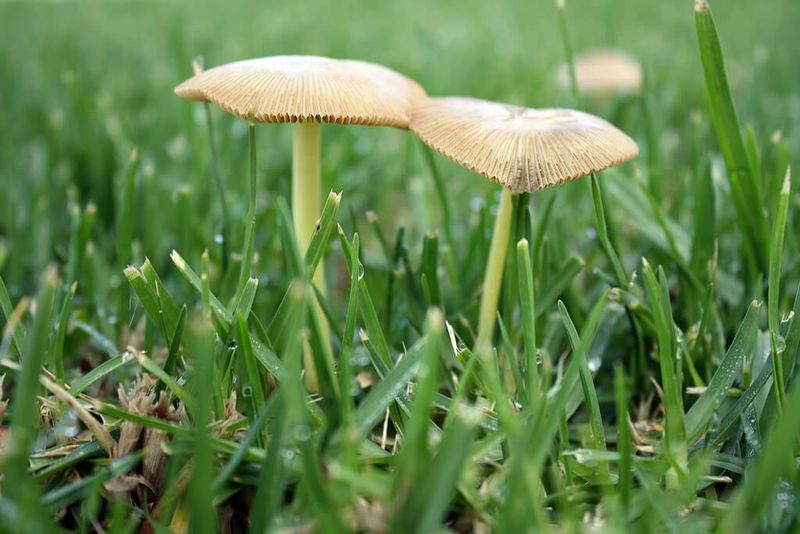
Those little caps aren’t attacking the grass. The mushrooms simply mark the fungus showing off for a few days before they shrivel and disappear.
UC IPM notes that lawn mushrooms rarely cause harm. They often appear after rain or extra irrigation and fade once things dry.
Removing them won’t stop the fungus underground, though it can make the lawn look tidier.
Mowing or raking them up works fine, and many households do so before children or pets play outside. Gloves or a bag make pickup easy, with caps headed for the trash.
Safety deserves real attention. Some lawn and yard mushrooms are toxic, and many look alike, so all wild mushrooms are best enjoyed for looking rather than tasting.
Toxic species, including some Amanitas found near oaks, can cause serious illness.
Suspected ingestion by a person calls for Poison Control right away.
Dogs sometimes nibble mushrooms too. A veterinarian or the ASPCA Animal Poison Control Center can help quickly.
A photo of the mushroom aids identification.
Fungicides rarely help here. Sprays usually can’t reach the fungus living deep in the soil, so money works better on good lawn care.
The mushrooms work more like a quick weather report from the soil than a reason for worry.
Prompt removal after rain keeps curious pets safer through the wet season.
Aerate And Water Deeply To Wet The Ring
A garden fork makes the first tool for fixing a dry ring. Breaking up that water-repelling layer opens paths so water can finally reach the roots.
A core aerator or sturdy pitchfork works well. Holes punched every few inches across the ring, plus about two feet beyond its edge, cover the fungus’s full reach.
The fungus often extends farther than it appears, and holes several inches deep work best.
Slow, deep watering comes next. A trickling hose or sprinkler run in short cycles lets water soak in rather than running off.
UC IPM recommends keeping the ring area moist to help grass recover, and some gardeners repeat soakings daily for a week or more.
A wetting agent can help too. These products, sometimes called soil surfactants, help water spread through repellent soil when applied according to the label.
California water rules deserve attention. Many cities limit watering days or hours, and hand-watering just the ring stays within limits while still giving it a good drink.
Removing thatch helps as well. Dethatching in fall or spring removes a food source and improves water flow.
Even fertilizing across the lawn then masks any green banding.
With steady effort, the brown circle can fade back into smooth, healthy turf. Fall rains help, too, by keeping soil moist between hand-watering sessions.
A sharp eye on the ring for several weeks afterward shows whether water now soaks in evenly.
Remove Buried Debris Before Reseeding
Patching a stubborn ring without digging first resembles painting over a leaky pipe. When buried wood keeps feeding the fungus, new grass struggles just as the old grass did.
Probing the ring’s center comes first. A shovel or long screwdriver can locate stumps, boards, or thick roots.
Careful digging removes what’s found, along with nearby soil laced with white fungal threads. A call to 811 before digging protects underground utilities.
For severe rings, UC IPM describes removing infested soil about a foot deep and roughly two feet beyond the visible edge.
It’s hard work, yet it clears out the food source. Spilling old soil onto healthy lawn is best avoided, since that can spread the fungus.
Fresh, clean soil fills the hole, packed lightly and leveled with the surrounding ground.
Reseeding or new sod follows, with a grass type suited to the local California region. Fall suits cool-season seeding especially well.
New patches need frequent watering while establishing. Short, regular watering keeps seeds moist, and after a few weeks, deeper, less frequent watering builds strong roots.
Going forward, keeping thatch in check and avoiding buried wood during yard projects prevents repeat problems.
Mulch belongs in planting beds rather than under turf.
With the hidden buffet gone, the lawn can finally grow evenly again, free of those mysterious circles.
Removed soil and debris belong in the trash or green waste, depending on local rules, rather than elsewhere in the yard.