Shrubs That Look Even Better In Fall Than In Summer
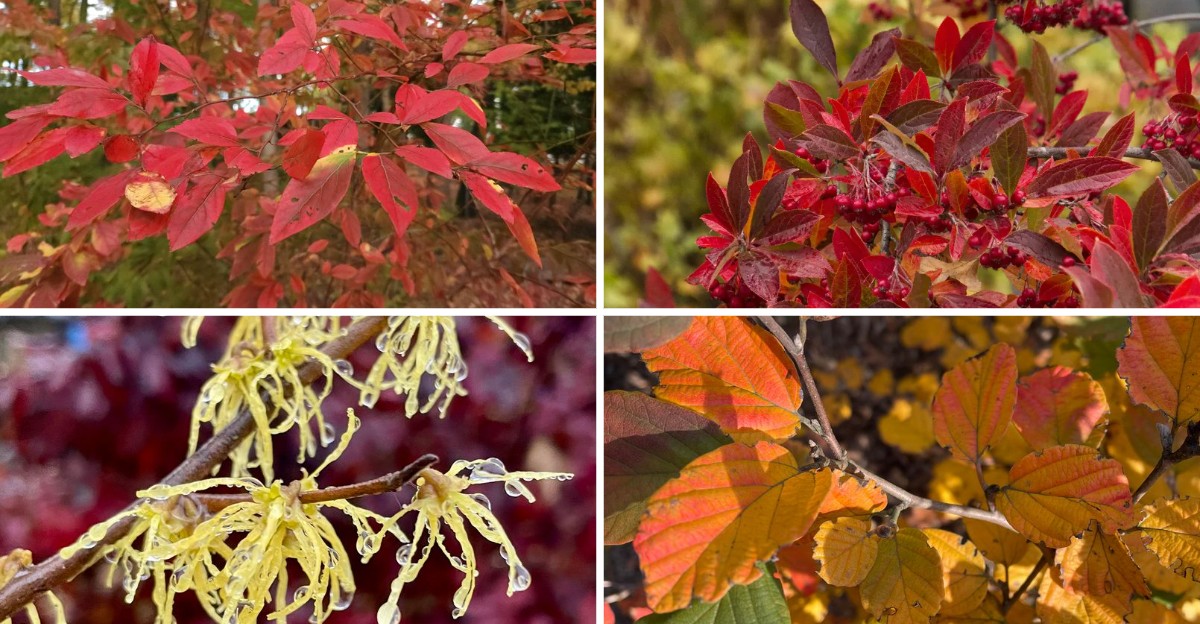
One shrub in eastern woods opens spidery yellow flowers in late autumn, just as its leaves begin to fall. I still find that odd, because most flowering shrubs finish blooming long before the first frost arrives.
Many red and purple fall leaves get their color from pigments called anthocyanins, which form mainly in autumn. Sunny days followed by cool nights help produce those pigments, according to several university extension services.
Several native shrubs also ripen their berries in fall, right when migrating songbirds need extra fuel for travel. You get bright fruit to admire, and the birds get a meal that helps them cross long distances.
This month, I like walking my yard slowly and noticing which shrubs grabbed my attention during summer. Have you ever realized that the plain green bush by your steps might be the star of October?
1. Oakleaf Hydrangea Hands You A Second Show Of Color
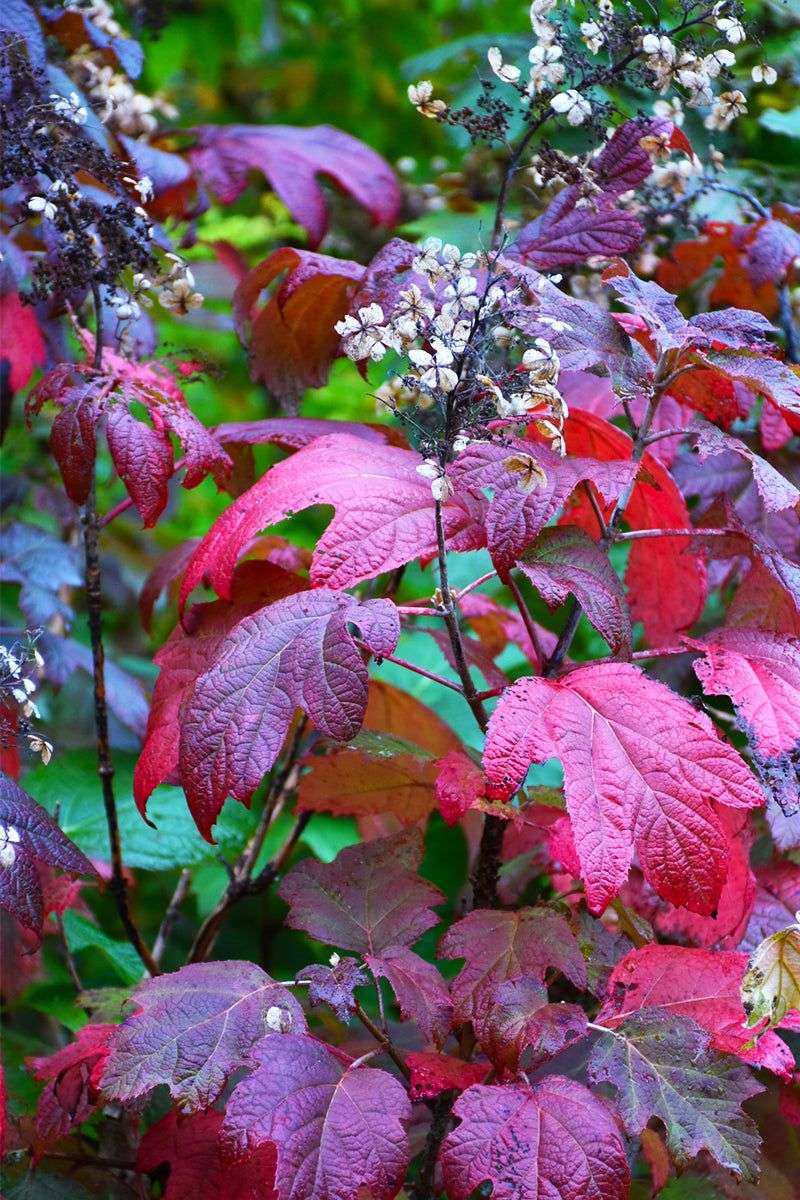
Most hydrangeas fade quietly in autumn, but oakleaf hydrangea turns its big lobed leaves deep red, burgundy, or purple. This native shrub comes from the southeastern United States and grows well in USDA zones five through nine.
Its leaves look like giant oak leaves, sometimes reaching eight inches long, so the fall color covers plenty of space. The cone-shaped flower clusters also age from white to pink and tan, adding another layer of interest now.
Extension experts note that the color often lasts several weeks, and some leaves may hang on into early winter. Once the leaves finally drop, the peeling cinnamon-brown bark keeps the shrub interesting during the colder months ahead.
You will get the richest fall color when the shrub receives morning sun and some light shade in the afternoon. Deep shade still allows healthy growth, but the leaves may turn a duller shade instead of glowing red.
October is a smart time to add mulch around the base, keeping it a few inches away from stems. A two to three inch layer helps hold moisture and protects shallow roots as the soil begins to cool.
Avoid heavy pruning this month, because oakleaf hydrangea forms next year’s flower buds on old wood during late summer. Cutting stems now often removes those buds, which means fewer blooms when the shrub flowers again next summer.
Compact selections such as Ruby Slippers and Pee Wee fit smaller yards that cannot handle an eight-foot shrub. I believe one well-placed plant near a window gives you a front-row seat to the whole fall show.
2. Fothergilla Lights Up Your Yard Like A Slow Sunset
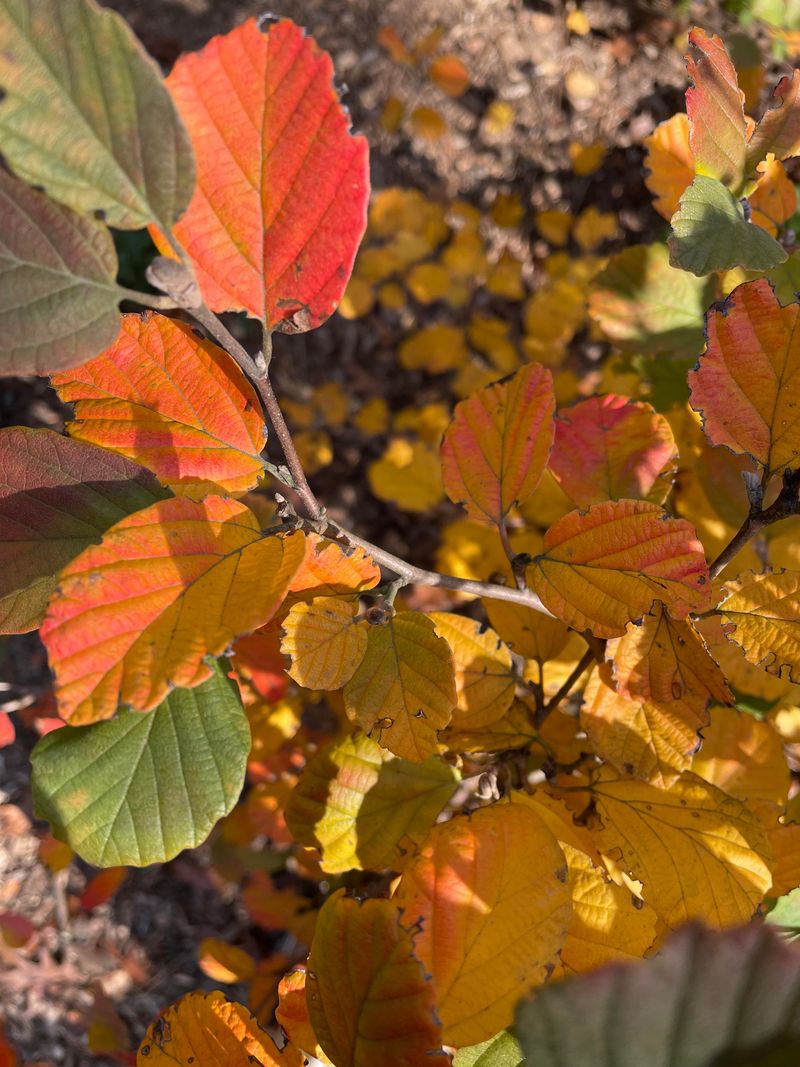
Few shrubs pack so many colors onto one branch, yet fothergilla often shows yellow, orange, and red leaves together. Gardeners often enjoy how these shades mix across the same branch as the season goes on.
Large fothergilla and dwarf fothergilla are both native to the southeastern United States, mostly in zones five through eight. In spring they make fuzzy white bottlebrush flowers, but summer leaves are a plain blue-green that blends in.
Fall is when the plant truly earns its spot, with color lasting several weeks in many regions. The Missouri Botanical Garden notes that leaves color best when the shrub grows in full sun with acidic soil.
Soil with a pH above about six point five can cause yellowing leaves and weaker growth over time. A simple soil test through your local extension office tells you whether adding sulfur would actually help.
Dwarf types usually stay around three feet tall, which makes them handy along walkways or near foundation beds. The popular cultivar Mount Airy grows a bit larger and is known for dependable fall color across many areas.
October is a fine month to plant container fothergilla, because roots keep growing while the soil stays workable. Water new plants deeply once a week until the ground freezes, especially during dry stretches without steady rain.
Pests rarely bother this shrub, and deer usually leave it alone compared to many other landscape plants. Honestly, I think it is one of the most overlooked shrubs for anyone who wants easy autumn drama.
3. Virginia Sweetspire Gives You Crimson Leaves That Linger
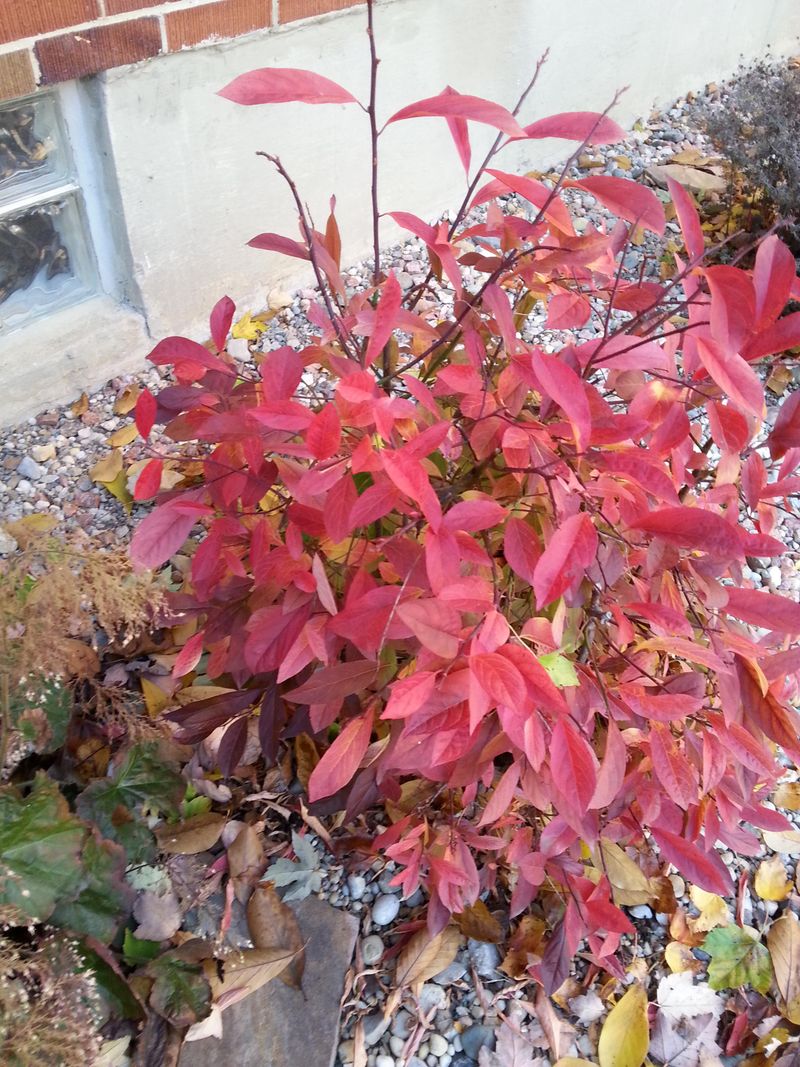
Summer visitors might walk right past Virginia sweetspire, but October guests often stop to ask what that red shrub is. This native plant grows wild along stream banks across the eastern United States, from New Jersey down to Florida.
Its leaves shift to crimson, maroon, and sometimes orange, and the color can hang on well into late fall. In milder southern areas, some leaves stay on the stems for much of the winter, adding long-lasting interest.
Few shrubs handle wet soil this well, so sweetspire is a helpful choice for rain gardens or soggy corners. It also tolerates dry spells once established, which gives you flexibility when choosing a planting spot.
The cultivar Henry’s Garnet was selected for strong red fall color and longer flower spikes in early summer. Little Henry is a smaller version that usually stays under three feet, fitting nicely in tight garden beds.
Sweetspire spreads slowly by underground stems called suckers, so a single plant can form a loose patch over time. You can dig out extra shoots in fall and replant them elsewhere, or share them with a friend.
Full sun brings the brightest leaf color, although the shrub still performs in partial shade with slightly less intensity. Keep pruning light this month, removing only broken or crossing branches, since next year’s flowers form on older stems.
Bees visit the fragrant white flower spikes in summer, so the plant supports pollinators before its autumn color arrives. It is a quiet worker most of the year, then it suddenly becomes the brightest spot in your yard.
4. Highbush Blueberry Rewards You With Scarlet Leaves Too
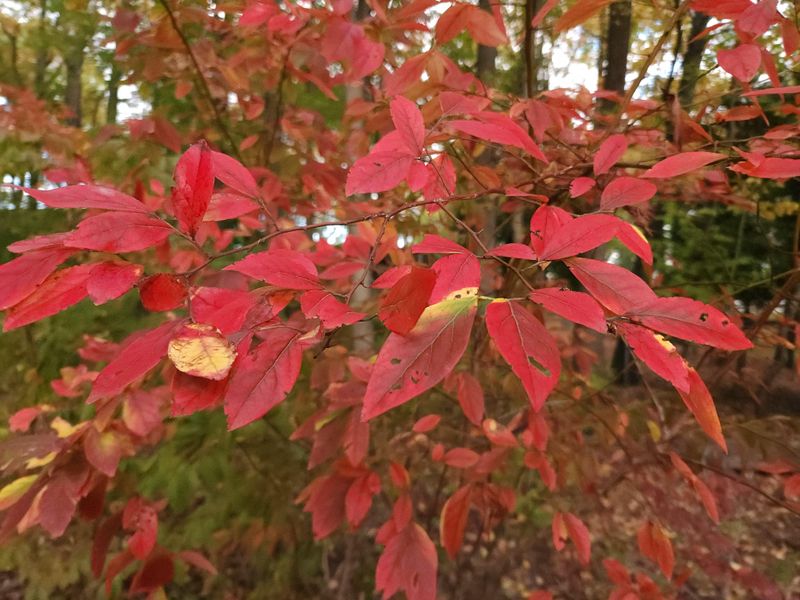
Blueberry bushes deserve credit for more than fruit, since their leaves often turn brilliant red, orange, and purple in autumn. Highbush blueberry is native to eastern North America and grows in USDA zones three through seven or eight.
Many home gardeners plant it for summer berries, then discover the fall leaves are just as exciting to see. Even the winter twigs often glow red, so the shrub keeps adding color long after harvest ends.
Blueberries need acidic soil, ideally with a pH between four point five and five point five, according to extension services. Planting in regular garden soil without testing first is one of the most common reasons these shrubs struggle.
Fall is a good time to work in sulfur if a soil test shows your pH runs too high. Sulfur takes months to change the soil, so applying it now prepares the planting area for next spring.
Plant at least two different varieties near each other, because cross-pollination usually leads to larger crops and bigger berries. Varieties such as Bluecrop, Duke, and Patriot are widely grown and recommended by many northern extension programs.
Pine bark or wood chip mulch works well around blueberries, since it helps keep their shallow roots cool and moist. Spread about three inches this month, and refresh it each fall as the older layer breaks down into soil.
I love that a blueberry bush gives you flowers, fruit, and fiery leaves in a single year, as long as its soil stays acidic. Your breakfast bowl and your fall garden can both benefit from the same tidy little shrub by the patio.
5. American Beautyberry Surprises You With Purple Berries
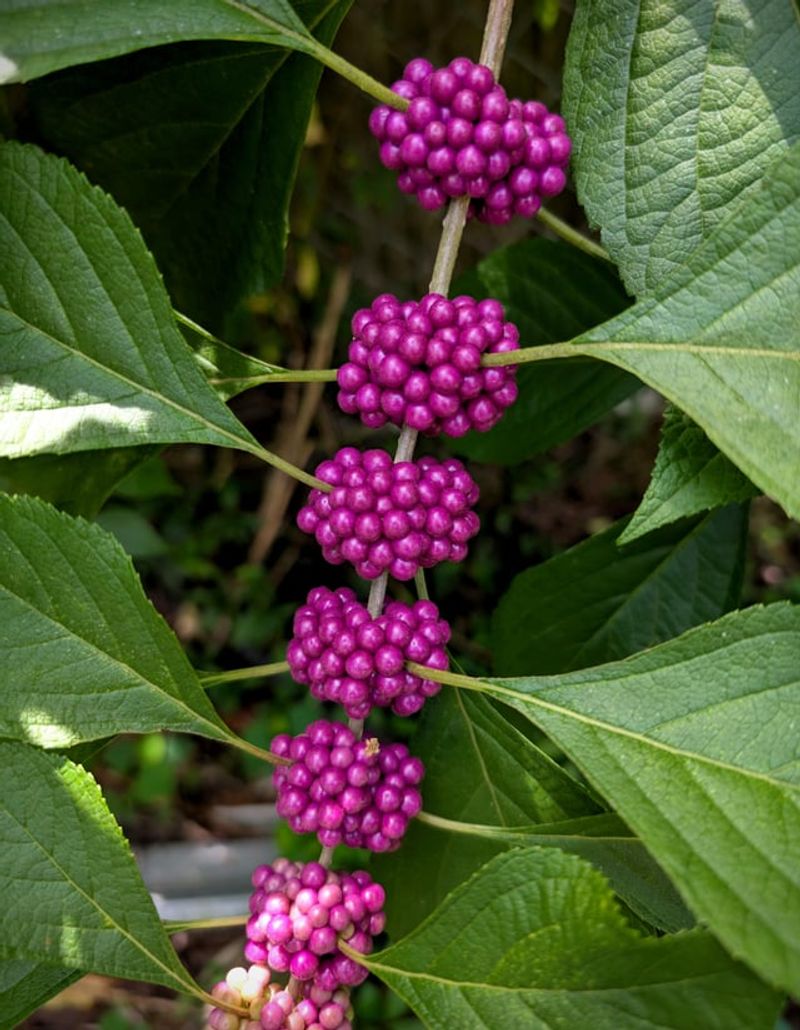
Clusters of glossy purple berries wrap around the stems of American beautyberry, and they look almost too bright to be real. This native shrub grows across the southeastern United States, mostly in zones six or seven through ten.
Summer flowers are tiny and pale pink, so most people barely notice the plant until fall arrives. By September and October, the berries ripen in rings along each branch, creating a striking show of color.
Birds such as northern mockingbirds, brown thrashers, and robins eat the berries, according to several state wildlife agencies. White-tailed deer also browse the leaves, so some gardeners place the shrub where they can watch wildlife visits.
Beautyberry blooms on new growth, which gives you plenty of freedom when deciding how and when to prune. Many extension services suggest cutting stems back to about one foot tall in late winter before new growth starts.
That hard pruning keeps the shrub compact and encourages more berry clusters along fresh, healthy branches the next year. Leave the stems standing through fall, however, so you and the birds can fully enjoy the berry display.
Gardeners farther north sometimes grow Asian beautyberry species instead, since some are more cold hardy in zone five. Check with your state’s native plant society first, because certain Asian types can spread beyond garden borders.
I enjoy cutting a few branches for a vase, where the bright purple berries look almost too vivid to be real. Cut stems also work well in a vase, so you can bring a bit of that fall color inside.
6. Red Chokeberry Brings You Berries Plus Glowing Leaves
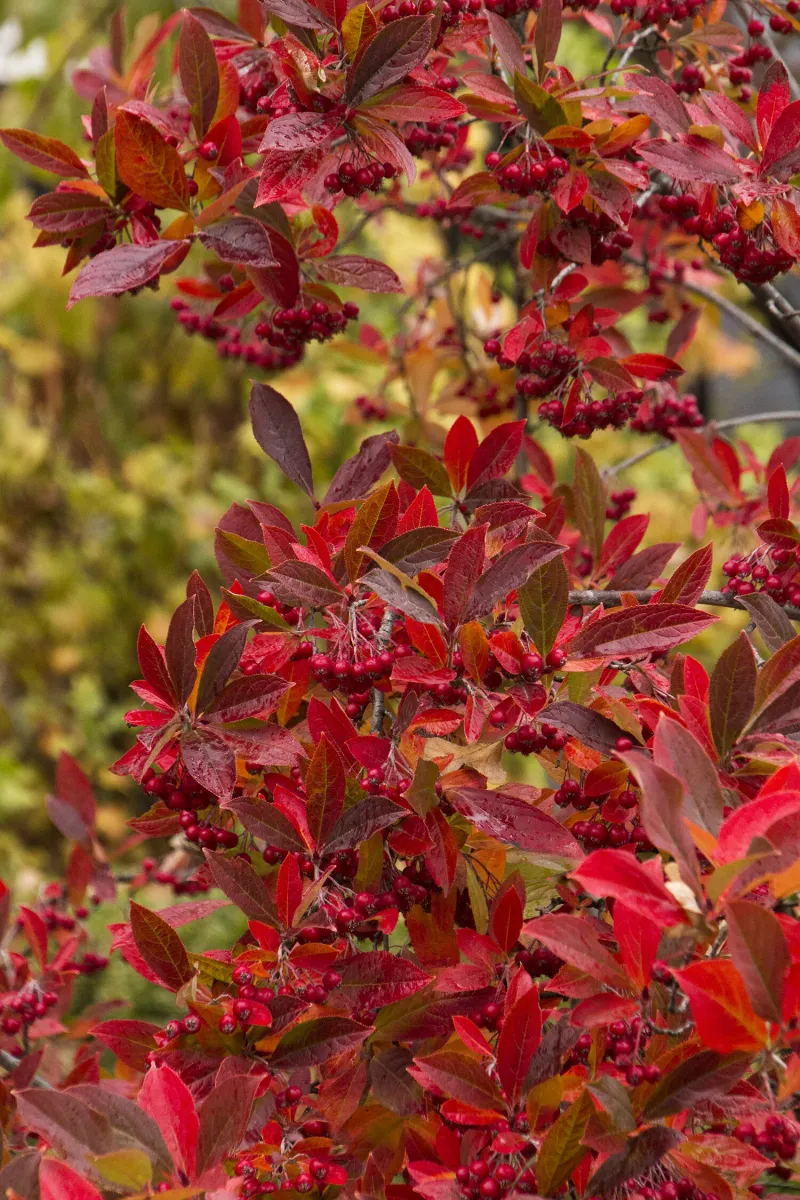
Do not let the name scare you off, because red chokeberry offers one of the brightest fall displays around. This native shrub grows wild in wet woods and bogs from Nova Scotia down through Florida and Texas.
Its glossy leaves turn bright red to orange in autumn, often lighting up the edges of a garden bed. At the same time, clusters of shiny red berries ripen and may cling to branches well into winter.
The berries taste very tart, which is where the chokeberry name comes from, so birds often eat them later. Hungry birds usually wait until colder weather softens the fruit, which helps feed them during lean winter weeks.
Red chokeberry handles both wet and fairly dry soils, making it useful for rain gardens and tricky low spots. It grows about six to ten feet tall and spreads slowly by suckers, forming a loose, natural looking thicket.
The cultivar Brilliantissima was named for its especially vivid fall leaves and heavy crops of glossy red fruit. Black chokeberry is a close cousin with dark berries that people sometimes use in jams and baked goods.
Plant chokeberry in full sun for the strongest color and best berry production, though partial shade still works. Fall planting gives roots a head start, so water new shrubs weekly until the ground becomes firm and cold.
You may find it in the native plant section of local nurseries, sometimes sold under the scientific name Aronia. I think it deserves more attention, especially from gardeners who want color without fussing over picky shrubs.
7. Arrowwood Viburnum Feeds Your Fall Bird Visitors
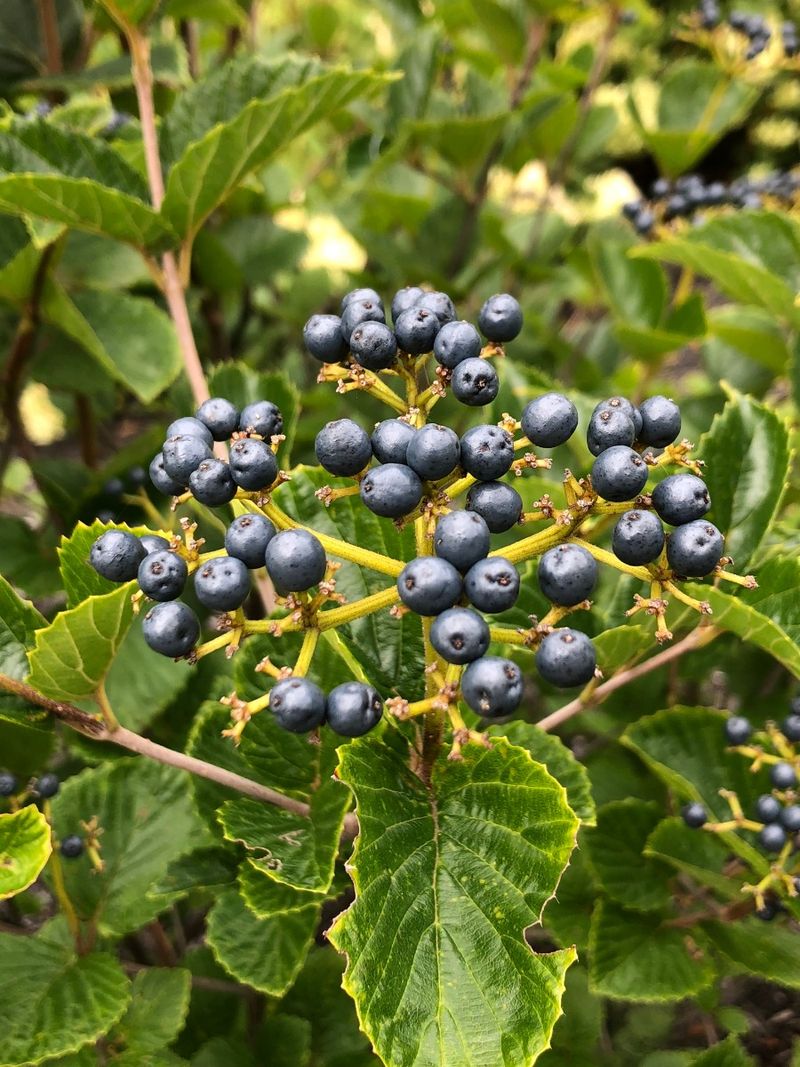
Native Americans reportedly used the straight young stems of arrowwood viburnum for arrow shafts, which explains its name. Today this tough native shrub is better known for its fall leaves and dark blue berries that birds love.
Arrowwood grows across much of eastern North America and handles USDA zones three through eight with little trouble. Its leaves usually turn yellow, red, or reddish purple in autumn, though color can vary from plant to plant.
Because of that variation, buying a named cultivar such as Blue Muffin or Autumn Jazz gives more predictable results. Autumn Jazz was selected for strong fall color, while Blue Muffin is known for heavy crops of bright blue fruit.
Many songbirds, including bluebirds and cardinals, eat the berries in fall, according to university wildlife resources. Plant at least two different arrowwood plants nearby, since cross-pollination between unrelated plants usually improves berry production.
The viburnum leaf beetle can chew leaves into lace, and it has become a concern in parts of the Northeast. Cornell University suggests checking twigs in fall and winter for egg sites, then pruning out infested stems.
Those egg sites look like small rows of bumps along the undersides of young twigs from this year. Removing them before spring reduces the next generation of larvae, which helps the shrub stay healthy and full.
I like arrowwood along a back fence, where it forms a screen and turns into a bird cafe each fall. You get privacy, color, and visiting wildlife from a shrub that rarely needs much help once it settles in.
8. Common Witch Hazel Blooms For You As Leaves Drop
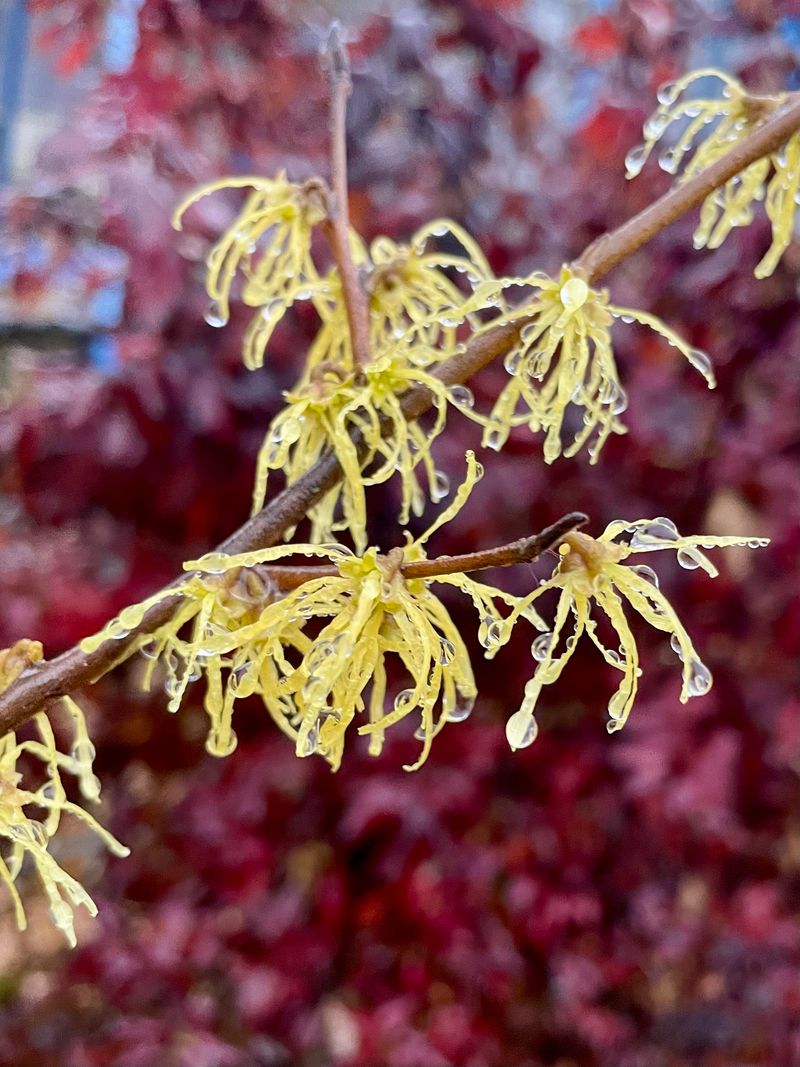
While most shrubs are winding down, common witch hazel opens fragrant, ribbon-like yellow flowers from October into December. Each bloom has four thin, crinkled petals, and they often appear as the golden fall leaves begin to drop.
This native shrub grows in woodlands across eastern North America and thrives in USDA zones three through eight. It can reach fifteen to twenty feet tall, so give it room near a woodland edge or property line.
Researchers believe late flowering helps the plant avoid competition, since few other blooms are open for pollinators then. Certain moths that stay active on cool nights are thought to visit the flowers, though studies are still limited.
Another odd trait involves the seed capsules, which can burst open and fling seeds many feet from the parent plant. That launch happens about a year after flowering, so you might hear a faint pop while working nearby.
Witch hazel prefers moist, well-drained soil and handles full sun to partial shade with very few pest problems. Light pruning is best done after flowering finishes, since cutting in fall removes the flowers you are waiting for.
The plant also has a long history, and its bark and leaves are still used to make witch hazel extract. Many people keep that extract in their medicine cabinet without realizing it comes from a common forest shrub.
I like planting one where you walk past often, so you notice the small flowers on a gray morning. Few things feel as hopeful as finding fresh blooms on a branch while the rest of the yard rests.