
Winter Superstitions About Houseplants Folklore Says To Avoid Indoors
Your great-grandparents feared whatever sat quietly on their windowsills after dark. You probably laugh at their rules, yet some carried startling logic.
Bad luck, grumpy spirits, and gloomy winters all had suspects in your home. Some old tales treated a frosty windowpane as a warning of trouble.
Rural families hung charms, spoke warnings, and rearranged furniture to dodge a difficult season. Some of those habits sound ridiculous to you now.
Others hide sharp advice about light, chill, and moisture that you can use tonight. Some superstitions carried practical lessons, passed along farmhouse tables for generations.
Warnings about unlucky gifts and sudden changes may have carried practical meaning for frugal households. Decoding them turns you into a sharper keeper of your own home.
Grandmother’s strangest warning may still teach you something about your plants. Meet the habits your ancestors swore by.
1. Wait Until Christmas Eve To Bring Ivy Indoors
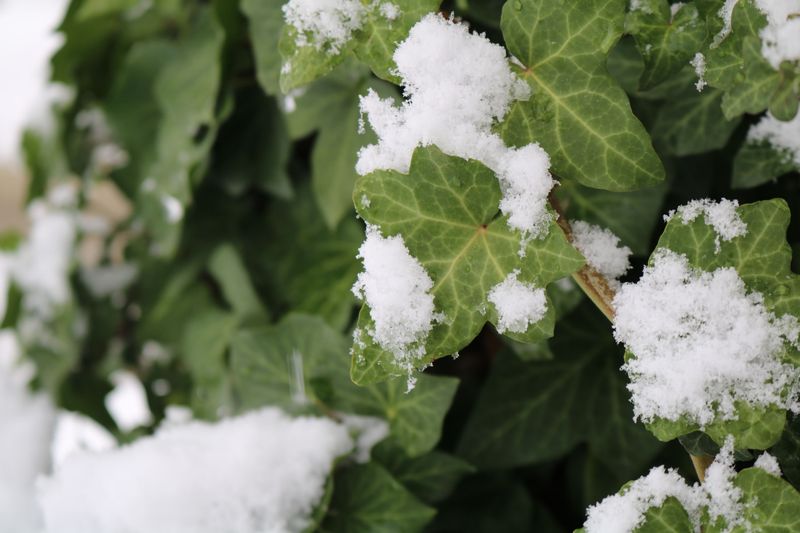
Picture a cozy farmhouse kitchen in old England, with fresh snow piling high against the wooden door. Few households there would carry an ivy vine inside before Christmas Eve arrived.
Folklore said bringing greenery indoors too early invited bad luck for the year. Ivy was also tied to the women of the house, while prickly holly was tied to the men.
Whichever plant came through the door first was said to rule the home that year. Whoever brought the first sprig through the door was said to rule the home until the next winter.
In October, you might feel tempted to buy a trailing ivy for your bookshelf. The old rule does not ban ivy, but it does ask you to wait.
Modern indoor gardeners can still learn something practical from this careful habit of waiting. Ivy brought in from a cold porch can carry tiny pests like spider mites and aphids.
Before any outdoor ivy comes inside, rinse the leaves with lukewarm water and check underneath. Keep it apart from your other plants for about two weeks.
English ivy is also toxic to cats and dogs if they chew it. Hang it high, follow the old timing if you like, and let the plant earn its welcome.
Ivy was seen as a protective plant, and in the Victorian language of flowers it stood for fidelity.
2. Why Grandmothers Kept White Winter Blooms Out Of The House
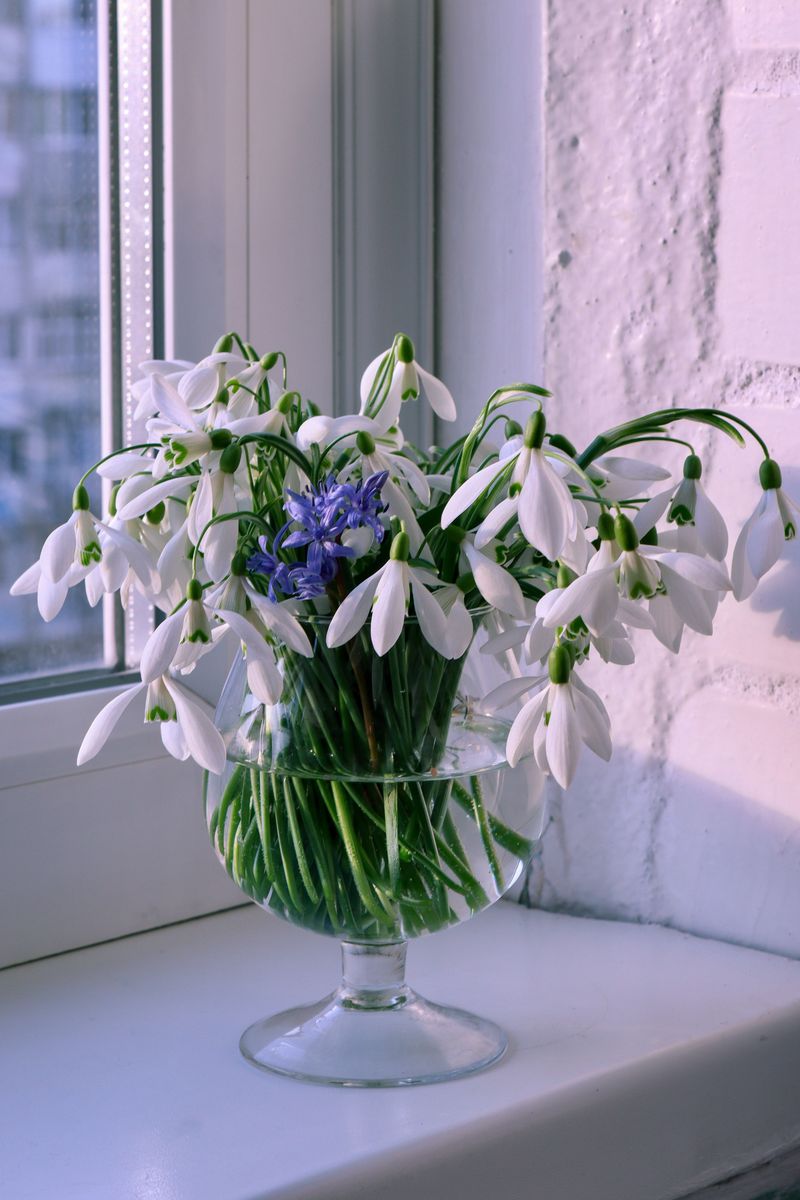
Snowdrops look like tiny white lanterns poking bravely through frosty soil in late winter. Even so, many British grandmothers refused point-blank to let a single one cross the doorstep.
British folklore linked snowdrops indoors with mourning, and in some places with a death in the family. A lone snowdrop in a vase was thought to be especially unlucky for the coming year.
Some people stretched the rule to cover other white flowers, like lilies and paperwhites. They associated pale petals with mourning, especially during the darkest months.
Today, plenty of people happily grow paperwhites on a sunny kitchen counter. If the old story bugs you, try mixing white blooms with bright greens. Fresh greenery also looks cheerful and festive on a winter table, so you win either way.
Paperwhites do have one honest downside that has nothing to do with superstition. Their strong scent smells sweet to some noses and like old socks to others.
A clever trick keeps paperwhites shorter and less floppy indoors. Once roots form and shoots reach one to two inches tall, replace the water with a solution of roughly five percent alcohol, about one part 70 percent rubbing alcohol to eleven parts water.
Lilies, snowdrops, and paperwhite bulbs are also harmful to pets, especially cats. Keep curious paws away, whether or not you believe the old warnings.
Started in October, paperwhite bulbs often bloom in November or early December. That timing makes them a sneaky, cheerful way to test the superstition yourself.
3. Folklore Said A Gifted Houseplant Needed A Coin To Count As A Sale
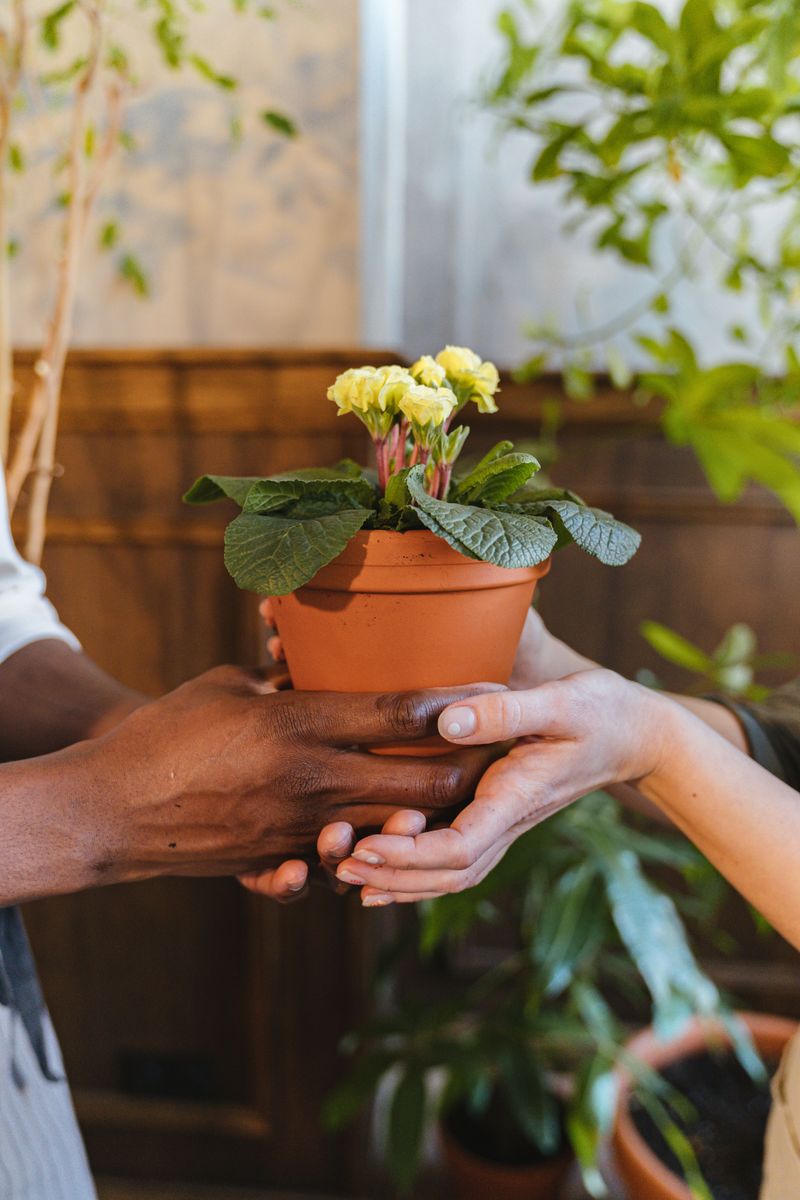
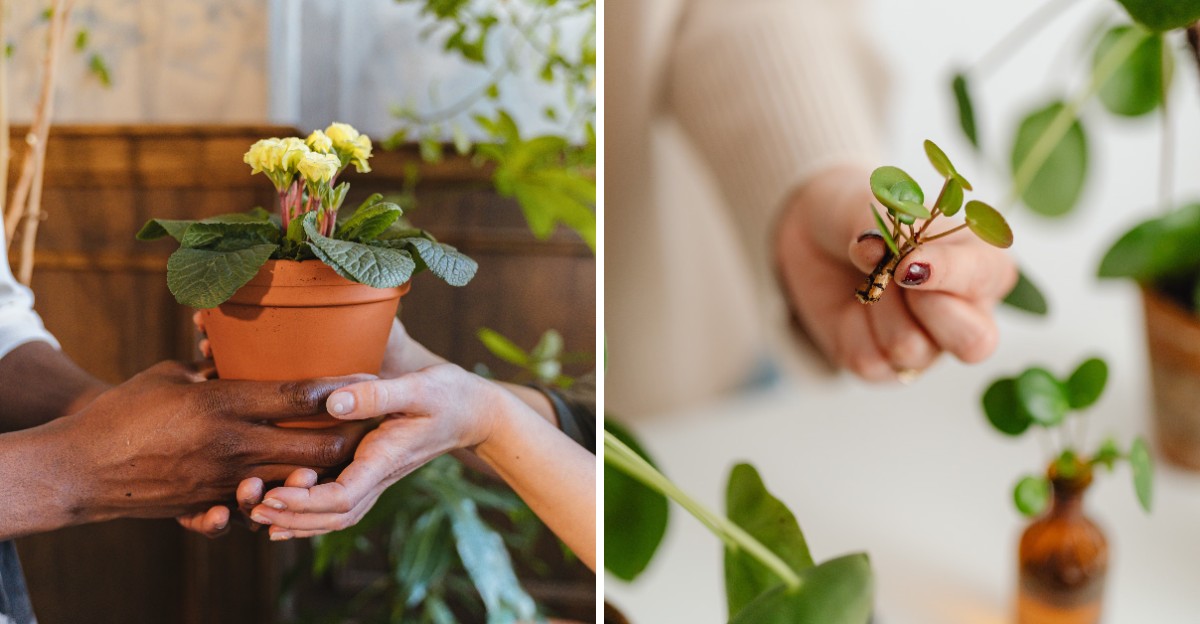
Hand a friend a gorgeous potted plant, and an old-fashioned friend might hand you a penny back. That tiny coin is not rude, and it is actually a clever piece of folk magic.
In some regions, people believed gifted plants did not thrive. A plant that was freely given supposedly felt unwanted and slowly wilted away.
Paying even a small coin made the trade a sale instead of a gift. That little exchange was thought to help the plant settle in and grow strong roots.
Cuttings had their own rule, and it sounds a bit sneaky. Many gardeners claimed that stolen slips grew best, though borrowing without asking is not polite.
Winter made the custom extra popular, since holiday plants were swapped as presents. Poinsettias, cacti, and potted bulbs became popular holiday gifts.
If you are gifting a plant this season, ask your friend for a shiny coin in return. It turns your present into a playful story your friend will remember.
Practical help matters more than coins, of course. Add a small card with light, water, and temperature needs so the plant gets a real fighting chance.
Holiday plants often struggle with cold drafts on the trip home from the store. Wrap them loosely in paper or a bag before carrying them outside.
Even a short time in freezing air can damage tender leaves. With a coin, a card, and a wrap, your gift starts off on the right foot.
4. Moon Gardening Aside, Midwinter Is A Poor Time To Repot
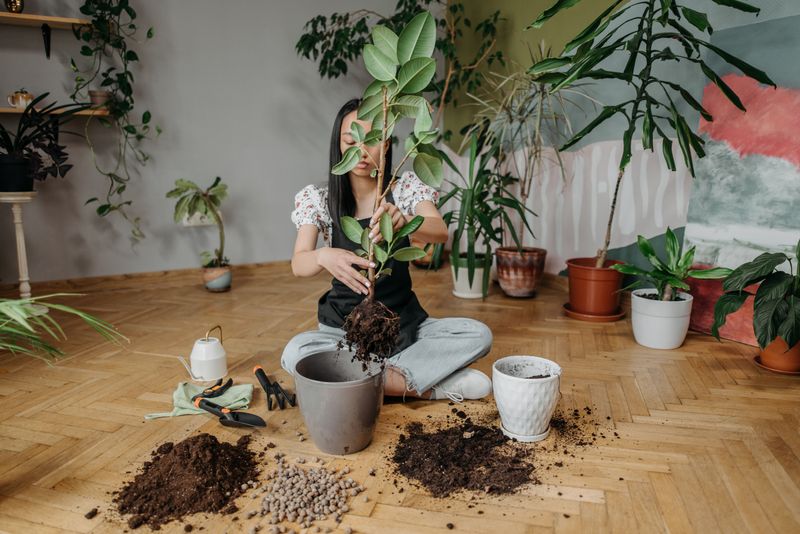
Farmers once checked the night sky as carefully as we check weather apps today. The moon, they said, decided whether a plant would flourish or sulk after being moved.
According to some old almanacs, the moon’s phases steered a plant’s energy toward its leaves or its roots. Gardeners picked repotting days by the lunar calendar.
Winter adds a practical layer to the moon rule. Cold, dark days already slow plants down.
Science finds little evidence for the moon part, but it does support a seasonal one. Most houseplants rest during the shorter days and grow very little until spring.
Repotting a resting plant can stress its roots, since they heal slowly. Fresh soil also holds extra water, which can cause soggy roots and rot.
If you are itching to repot, October is a decent last chance for the year. After that, wait until late February or March when new growth appears.
Moon gardening still has fans who plant by the lunar calendar with real devotion. You can follow it for fun, as long as the plant truly needs a bigger home.
Signs of a crowded pot include roots poking from drainage holes and water rushing straight through. If those signs show up in winter, move the plant gently into a pot just one size bigger.
Skip heavy fertilizer afterward and let it recover slowly. Whatever phase the moon is in, a patient gardener tends to win.
5. Spiky Plants Near The Front Door Face Folklore And Drafts

Feng shui fans have surprisingly strong opinions about where prickly cactus pots belong in a home. Near the front door, they warn, sharp spines can poke holes in a home’s good energy.
In this Chinese tradition, energy called chi flows in through the main entrance. Spiky plants were said to scare that friendly energy away or stir up arguments.
Winter makes the belief feel even bigger, since families spend more time cooped up together. Nobody wants extra grumpiness when snow keeps everyone indoors.
European folklore, however, often saw holly planted near a home as protective, a guard against lightning and ill luck.
Practical gardeners have their own reason to move cacti away from entryways in cold months. Each time the door opens, a rush of cold air passes across the pot.
Many desert plants handle hot days well but dislike cold drafts. Their soft tissue can turn mushy or scarred after repeated chilly blasts.
A bright south or west window is a much happier winter home. Keep the pot a few inches from the glass, since windows get frosty at night.
Water desert cacti sparingly in winter, roughly once a month or less. Holiday cacti are the exception and need water when the soil feels dry.
If you love a prickly greeting by the door, choose a soft fake version instead. Your guests will smile, your luck stays intact, and your real cactus stays toasty.
6. Candlemas Was The Cutoff For Holiday Greenery
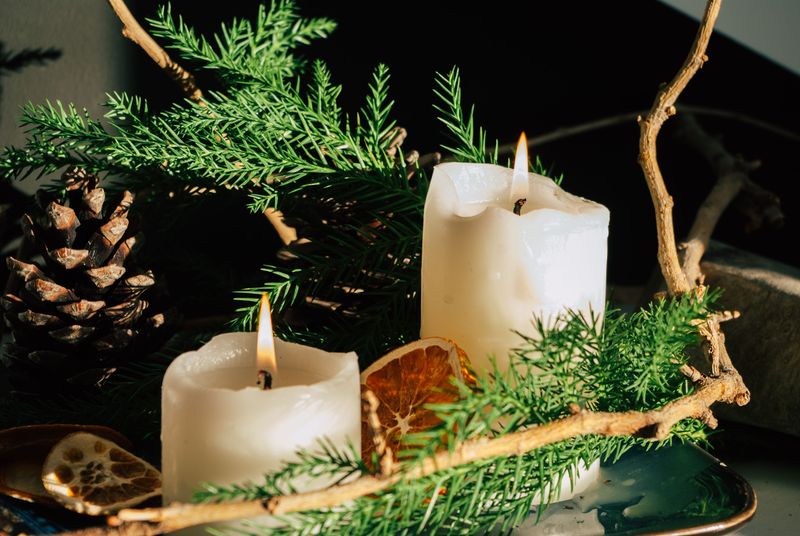
Candlemas, on February 2, was once the final moment to clear out winter greenery, and the eve before it was the cleanup night.
The poet Robert Herrick wrote about Candlemas Eve in the 1600s with a spooky warning. He claimed each leaf left behind could bring a goblin into the house.
Other stories said lingering holly and ivy invited bad luck for the rest of the year. Some families cleared away the old greens on Twelfth Night.
Your houseplants are safe from this rule, so relax about your pothos. The warning targeted cut boughs, wreaths, and branches brought in for the holidays.
Real life backs up the cleanup habit in a surprising way. Dried evergreens become brittle, drop needles, and can become a fire hazard near heaters.
Old greenery can also host dust and tiny insects that wander onto living plants. Spider mites love dry indoor air and will happily move from a wreath to a fern.
As winter approaches, you have plenty of time to plan ahead. Mark February 2 on your calendar as your official greenery goodbye day.
When the date arrives, wipe your houseplant leaves and check for hitchhiking bugs. A quick rinse in the shower can freshen them after months of dry heating.
Compost the old boughs if you can instead of tossing them in the trash. Your garden gets a gift, and the goblins get no invitation at all.
7. Skip The Thank You When Someone Hands You A Cutting
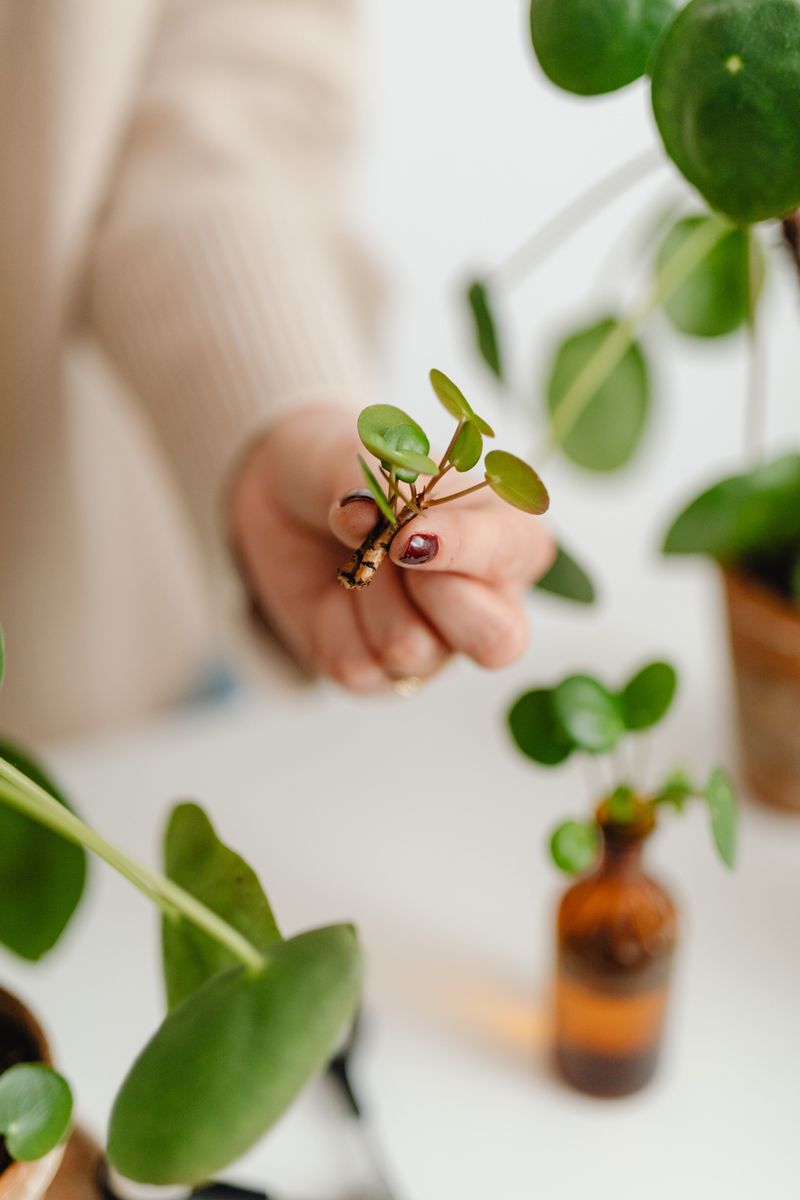
Imagine a neighbor hands you a pothos cutting, and you smile and say thank you. According to old garden lore, those two polite words may have spoiled that little green stem’s chances.
Gardeners in Appalachia and the wider American South have long shared this odd belief. Thanking someone for a cutting supposedly made the plant refuse to root.
One explanation ties it to the belief that stolen plants grow best. Thanking the giver ruins the pretend theft, so the cutting loses its luck.
So what did polite gardeners do instead when someone shared a cutting? They said things like ‘I will take good care of it’ or simply grinned and nodded.
Winter is a popular time to trade cuttings, since people are stuck inside fussing over plants. Rooting can be slower now, which may have fed the superstition.
To give your cutting the best shot, snip just below a node, the bump where leaves grow. Place it in clean water on a bright windowsill away from cold glass.
Change the water every week to keep it fresh and clear. A warm, bright spot away from drafts can speed up root growth.
Expect roots in about two to six weeks during the chilly season, depending on the plant. Patience matters more than manners here, though good manners are lovely too.
Once it roots, send your friend a photo instead of a thank-you note. That way, you share the joy while keeping the old luck happily untouched.
8. A Surprise Winter Bloom Deserves A Closer Look
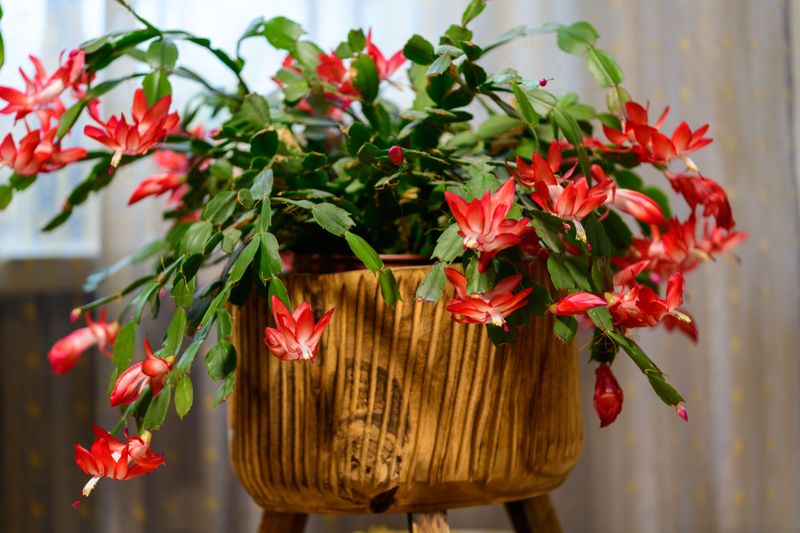
Out-of-season flowers were once read as omens. Folks saw surprise winter blooms as secret messages, and many took them seriously.
In parts of Europe, an unexpected flower meant a change was coming to the household. Some read it as a sign of change, while others feared it warned of sickness.
German and English tales often focused on fruit trees and hardy plants blooming in the cold. Over time, people applied the same worry to potted plants on the windowsill.
The truth is less spooky and a lot more helpful. A plant blooming at a strange time is often responding to light, warmth, or stress.
Christmas cactus, for example, sets buds when nights grow long and cool in fall. If yours blooms in November, it may be a Thanksgiving cactus, which flowers about a month earlier.
An October bloom may mean cool nights triggered buds early. Sometimes a sudden bloom is a stress response, as some plants flower quickly when conditions change. Check for dry soil, crowded roots, or a spot that gets too hot near a heater.
Enjoy the flowers, but give the plant a quick health checkup too. Feel the soil, peek under leaves, and make sure it gets steady light.
A grow light set on a timer can keep winter days consistent for picky bloomers. Many foliage plants like twelve to sixteen hours of light, but short-day bloomers like Christmas cactus need long, dark nights to set buds.
Keeping a simple plant journal helps you spot patterns from year to year. Next winter, a surprise bloom may feel less like an omen and more like a useful signal.