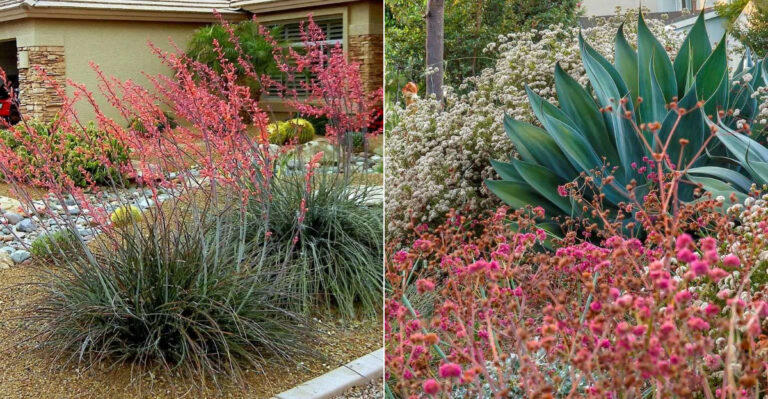
The Planting Depth Mistake Quietly Holding Back New California Plants This Fall
Many nursery trees arrive with an inch or more of extra soil piled above their first roots inside the pot. Researchers have found this hidden layer in many container plants, and it is easy to miss when you bring one home.
Fall is a popular planting season in much of California because winter rain helps young roots settle before summer heat. That same rain can keep soil wet for weeks, and a small placement error suddenly matters a lot more.
Freshly dug soil also sinks after a few deep waterings, often dropping a plant lower than you set it. I find that detail sneaky, because the plant looks perfect on day one and slowly slips out of position.
Maybe you planted a new shrub in your yard this month, and it looks fine but has barely grown. How deep is its stem actually sitting, compared with where it grew so happily back at the nursery?
Your Plant’s Root Flare Belongs Right At The Soil Line
Gardeners with the UC Master Gardener program often see one quiet problem in fall, and it starts with digging too deep. Planting trees, shrubs, and perennials lower than they grew in the pot is the mistake holding many new plants back.
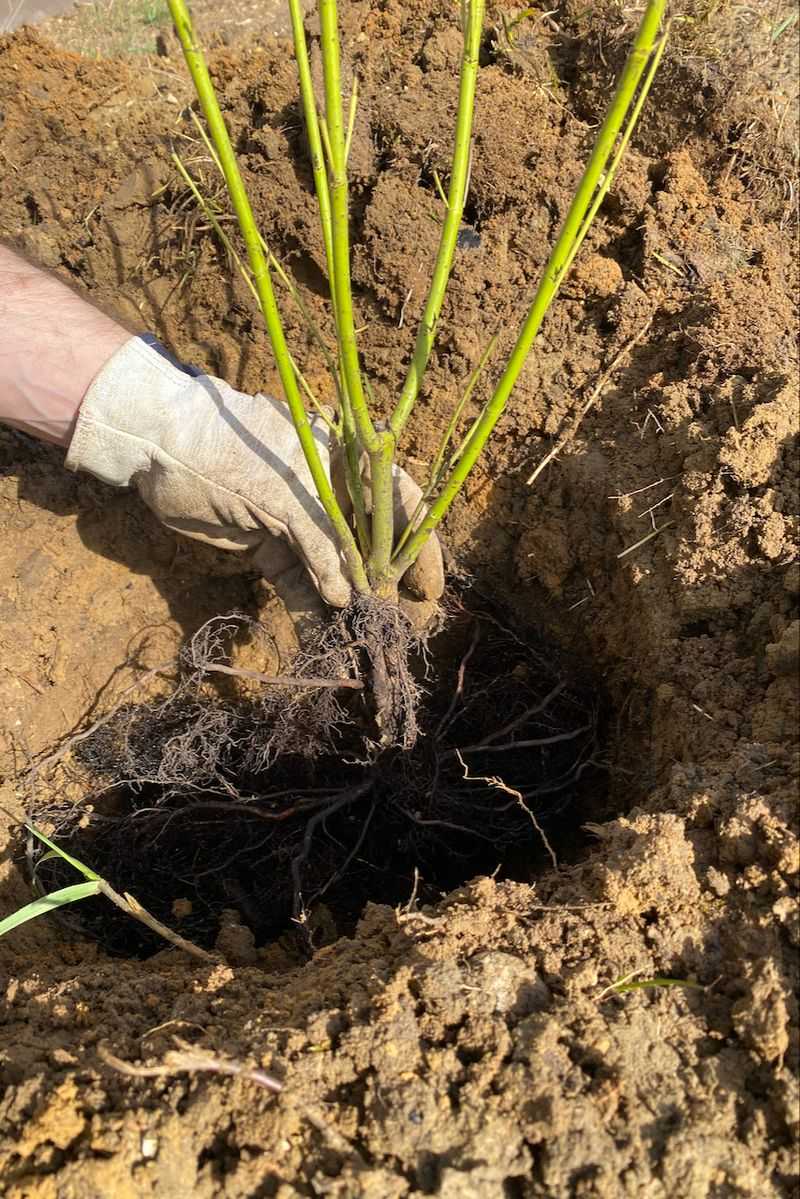
The key spot to watch is the root flare, where the stem widens and the top roots begin spreading outward. University extension services recommend setting that flare level with the soil or slightly above it after planting.
Stem bark is not adapted to constant moisture, while roots are adapted to grow in soil. Covering the bark with soil traps moisture against tissue that cannot handle it for long stretches of time.
Buried roots also sit farther from the surface, where oxygen levels are lower and young root tips grow more slowly. A plant in that spot may look healthy for months while its roots barely reach into the surrounding soil.
Deep planting rarely causes a sudden collapse, which is why so many gardeners miss the real cause. Instead, you often see slow growth, pale leaves, early leaf drop, or a shrub that stalls in place.
Trees can face an extra risk, because roots growing in buried soil sometimes circle and squeeze the trunk later. Arborists call these girdling roots, and they can choke water flow years after the original planting day.
The fix starts with one simple habit, which is finding that flare before your plant ever touches the hole. Once you know where it sits, the other planting steps become easier to get right this season.
Buried Stems Struggle Most During Rainy California Winters
October planting is smart in California, since most of the state gets its rain between November and March. UC experts note that this natural watering helps roots grow strong before the dry summer months return.
Those same winter rains are hard on a plant whose crown sits below the soil line in a shallow bowl. Water collects around the stem, and the bark stays soggy for days or weeks after each storm passes.
Your California Garden Changes Every Week. Your Plan Should Too.
Gardening in California changes quickly throughout the season. Every Friday you’ll receive a simple weekly plan showing exactly what to plant, prune, fertilize, harvest, and protect so you never miss the right timing.
Soggy bark invites crown rot and root rot, often caused by water molds in the Phytophthora group that thrive in wet soil. The UC Integrated Pest Management program lists deep planting as one factor that raises the risk of these diseases.
California native plants like manzanita, ceanothus, and flannel bush are especially sensitive to wet soil around their crowns. Many of them evolved on fast-draining slopes, so a buried stem in heavy clay is a tough spot.
Heavy clay soils, common in the Central Valley and Bay Area, hold water longer than sandy soils. In clay, an inch of extra depth can make the difference between a thriving plant and a struggling one.
Symptoms often show up in late winter or spring, long after you have forgotten the planting details from fall. Leaves may wilt even though the soil is wet, which surprises many gardeners who expect thirst to cause wilting.
Damaged roots cannot move water up to the leaves, so the plant droops in soil that feels soaked. Planting at the right height now is the simplest way to protect a new plant before those storms arrive.
Nursery Pots Often Hide Extra Soil On Top
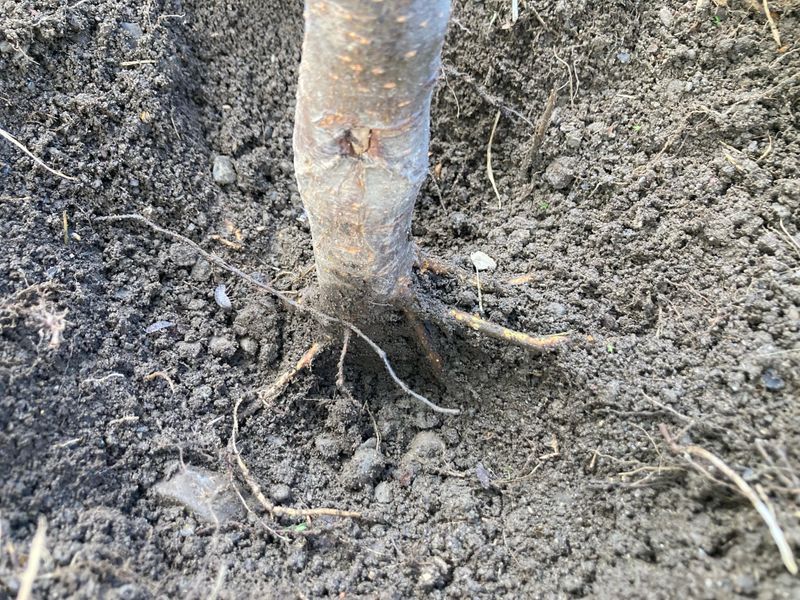
Grab any potted tree at a garden center, scrape away the top soil, and see where the roots begin. Studies from university horticulture programs have found that many container plants have their root flare buried an inch or more.
That extra soil often builds up when growers move plants into bigger pots several times during production. Each move can add a little more mix on top, so the original soil line slowly disappears from view.
If you match the container soil level, the hidden flare ends up too deep in the ground. Following the usual advice to plant level with the pot does not help when the pot itself is misleading.
Checking takes only a minute, and all you need is your fingers or a wooden chopstick. Gently brush soil away from the base of the stem until you find where the first large roots spread.
On young shrubs and perennials, the flare is smaller, so look for the spot where stem tissue turns into root. Bark on the stem often looks slightly different in color or texture than the roots just below it.
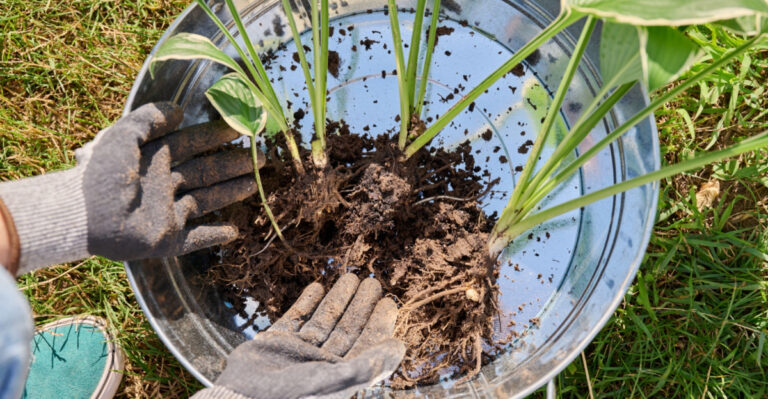
Remove the excess mix from the top of the root ball before planting, rather than burying it in the hole. While you are there, look for circling roots and loosen or trim them gently so they grow outward.
Measure the root ball height only after this cleanup, since that new number tells you how deep to dig. A tape measure or a marked shovel handle makes the job quick and takes the guessing out of it.
A Shallow Wide Hole Gives Roots The Best Start
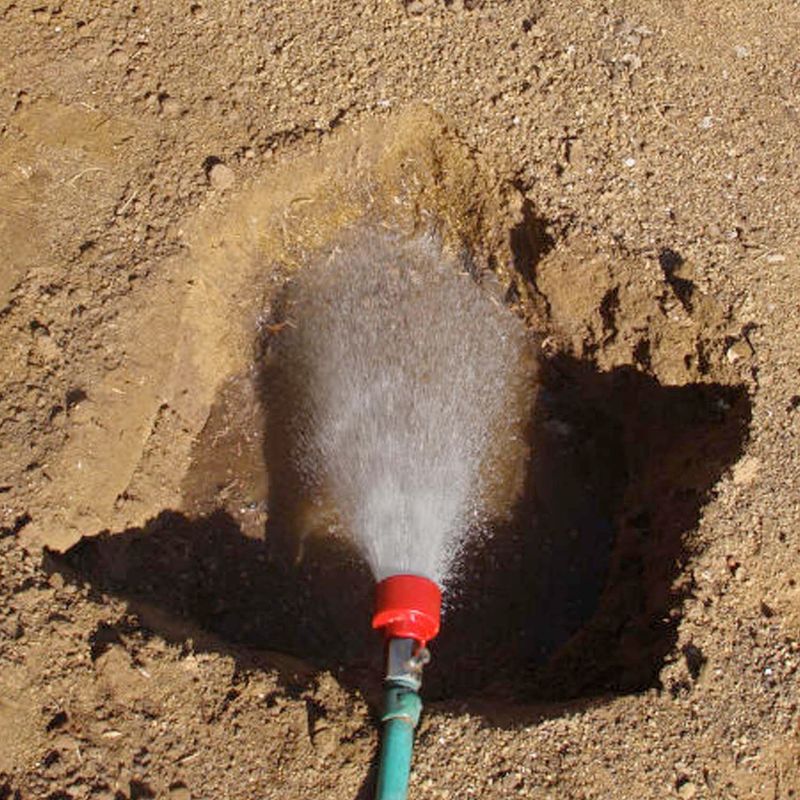
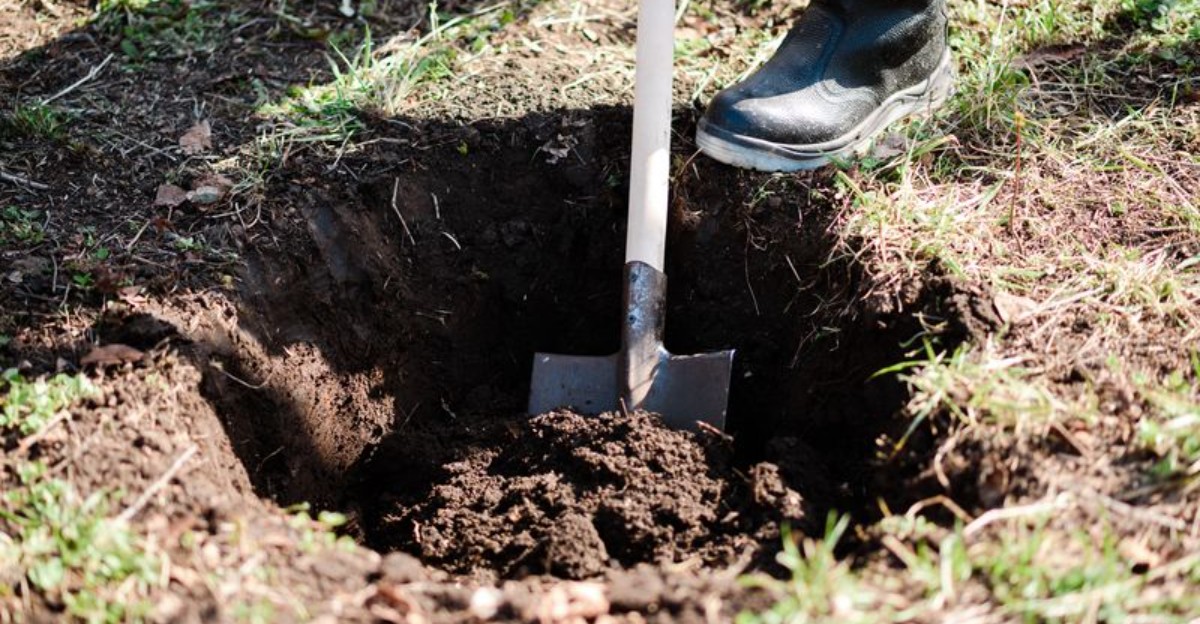
Many gardeners were taught to dig a deep hole, but plant roots mostly spread sideways in the top foot. Extension services suggest a hole two to three times wider than the root ball and no deeper than it.
A wide hole loosens the soil where new roots will actually travel during their first rainy season outdoors. Keeping the bottom firm and undisturbed gives the root ball a solid base that will not sink later.
Many gardeners loosen the bottom of the hole or add compost underneath, thinking they are helping the plant. That loose material settles as it breaks down, and the plant slowly sinks below the surrounding soil level.
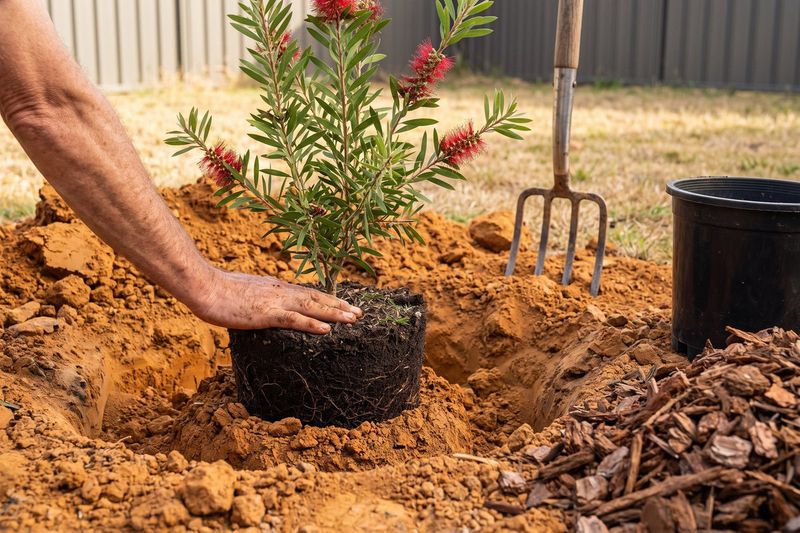
UC Master Gardeners often recommend setting the root ball about one inch above grade to allow for settling. For California natives in clay, some experts suggest raising the crown even higher on a gentle mound.
Lay a shovel handle across the hole to check your height, since eyeballing it from above is surprisingly tricky. The handle shows the true ground level, and the root flare should sit at or just above it.
Backfill with the native soil you removed, since heavy amendments can create a pocket that holds too much water. Firm the soil gently with your hands, then water slowly to settle it and remove large air pockets.
Avoid piling extra backfill against the stem when you finish, even if the root ball looks slightly exposed. A tiny bit of visible root ball edge is fine, and it usually blends in after the first rains.
Sunken Plants Can Still Be Lifted This Month
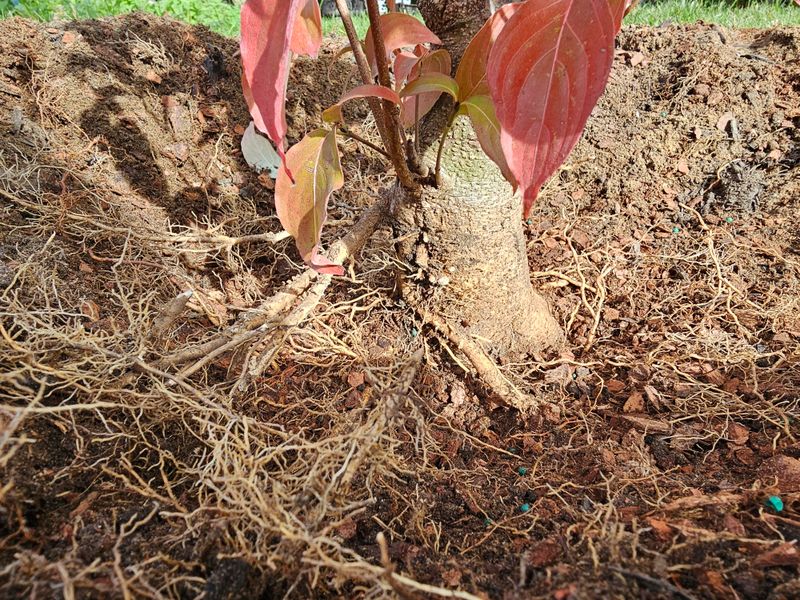
Spotting a buried crown a few weeks after planting is frustrating, but October gives you time to fix it. Cool weather and moist soil make fall a forgiving season for moving young plants with minimal stress.
Start by pulling soil away from the stem with your hands until you find the root flare again. If it sits only slightly low, removing that top layer of soil may be all the plant needs.
For plants sitting several inches too deep, the better choice is to lift the whole root ball carefully. Water the day before, so the soil holds together, then dig around the plant with a sharp spade.
Slide the spade under the root ball and lift from below, rather than pulling upward on the trunk. Add firm native soil to the bottom of the hole, pack it well, and set the plant back down.
Check the height with a shovel handle again, aiming for the flare to sit at or slightly above grade. Water deeply afterward, and expect a little leaf drop as the plant adjusts to its corrected position.
Large trees planted years ago are a different story, and they often need help from a certified arborist. Arborists can carefully remove soil from the trunk base with air tools and look for girdling roots.
Recovery takes patience, and many lifted plants show fresh, steady growth by the following spring or early summer. I find that small win encouraging, since a quick fall correction can save years of slow, puzzling decline.
Mulch Placement Keeps Your Hard Work On Track
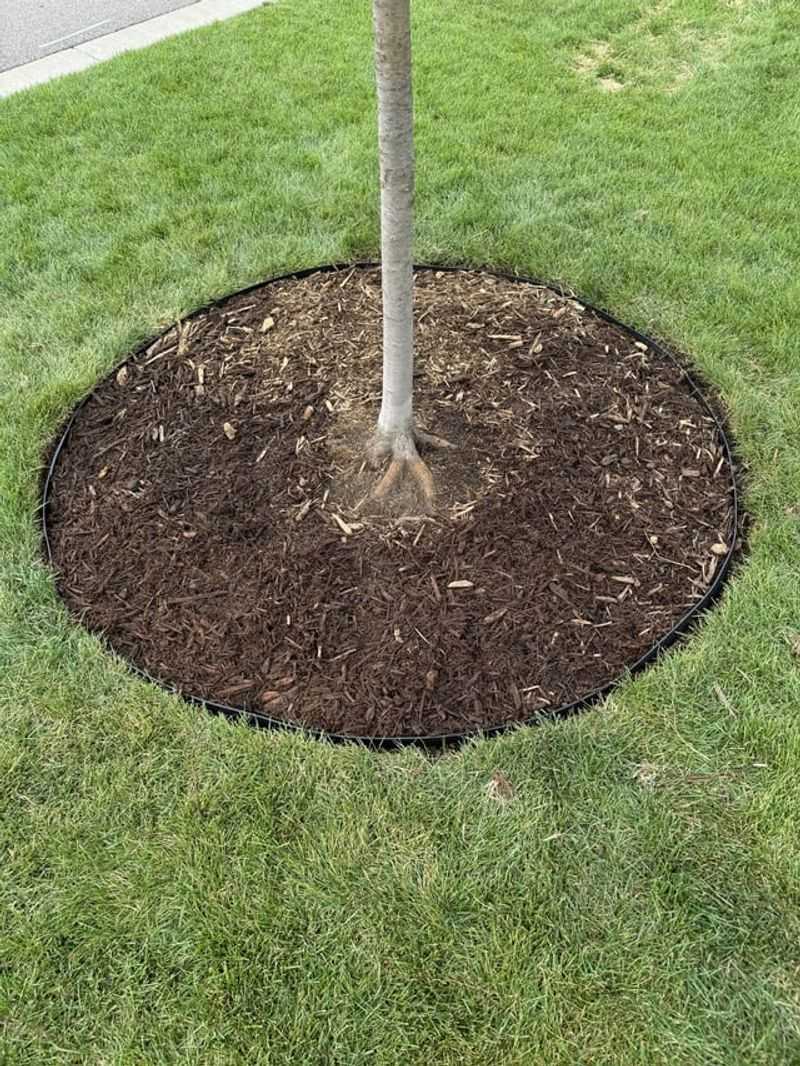
Fall mulching is a smart California habit, yet a thick pile against the stem recreates the deep planting problem. Arborists sometimes call these tall cones volcano mulch, and you can spot them around trees in many parking lots.
Mulch piled on bark holds moisture and invites rot, insects, and rodents that chew on tender stem tissue. Extension experts suggest keeping mulch a few inches away from shrub stems and several inches away from tree trunks.
A layer two to four inches deep is usually plenty for holding moisture and keeping weeds under control. Many California natives prefer a thinner layer near the crown, or gravel mulch instead of wood chips.
Watering basins can cause trouble too, especially if the berm traps water right against the stem all winter. Build the berm at the outer edge of the root ball, and break it down once regular rains begin.
Leaf litter and compost added each year can slowly raise the soil around older plants without much notice. A quick yearly check of the root flare keeps that gradual buildup from burying a plant over time.
Snap a photo of each new plant’s base this month, so you have a clear reference point later. Next October, compare the photo with the current soil line and pull back anything that has crept upward.
Small habits like these protect the effort you put into planting, and they keep new roots growing strong. Your plants may not thank you out loud, but steady growth next spring will tell the whole story.