Missouri Fig Trees Left Unwrapped This Winter May Start Over From The Roots In Spring
A shrub whose branches freeze to the ground in a Missouri winter can send up fresh stems by June. The roots often stay alive underground, even when every twig above the soil looks brown and brittle by March.
I love that this plant comes from the warm Mediterranean, yet some types handle St. Louis winters fairly well. The Missouri Botanical Garden lists a few hardy kinds that often bounce back after stems freeze in zone 6.
Many growers rarely notice that the main crop on regrown stems forms on wood that sprouted that same season. You need a long, warm summer for that late fruit to ripen before the first frost arrives in fall.
Right now, with October leaves dropping, your choices decide how much wood greets you next spring. I believe a little burlap and a pile of dry leaves can save you a season of waiting, don’t you?
Exposed Wood Freezes Back While The Roots Hold On
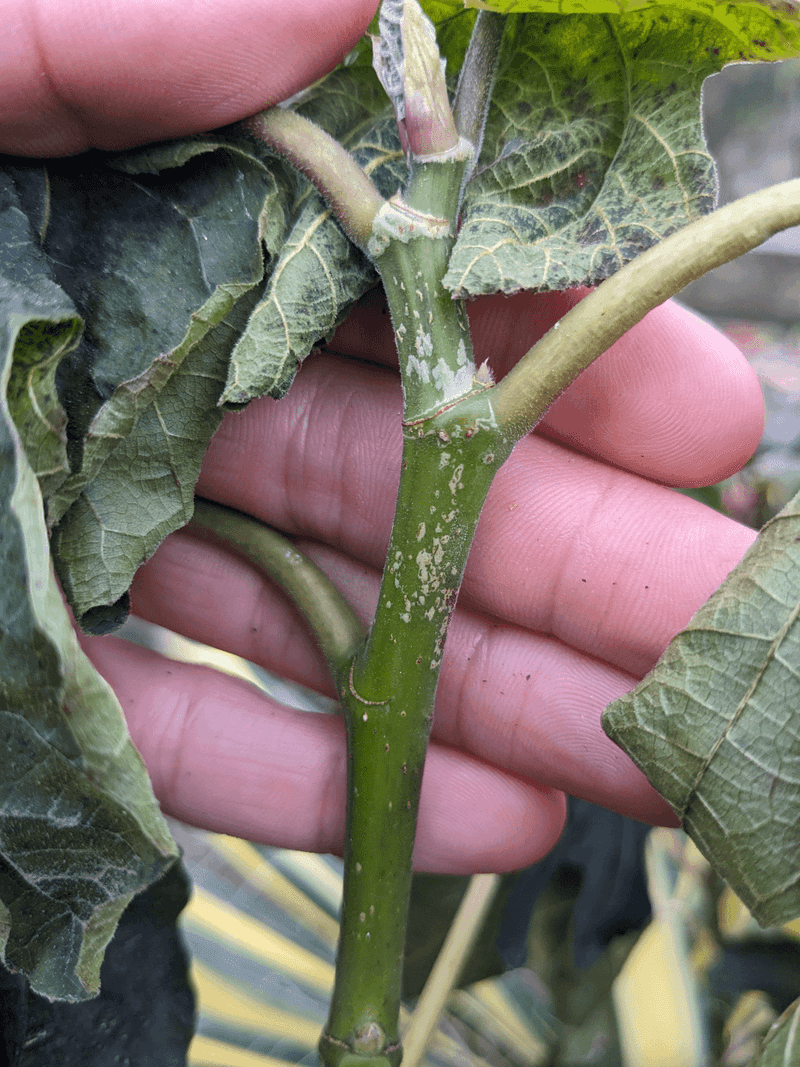
Plenty of Missouri gardeners walk outside in March, scratch a fig branch, and find brown, dry wood underneath. That brown wood means the stems froze, but the common fig, Ficus carica, often keeps its roots alive below ground.
Fig stems usually start to suffer damage when winter temperatures drop to around 15 to 20 degrees Fahrenheit. Roots sit in soil that stays warmer than the air, so they often survive the same cold snap.
Most of Missouri falls in USDA zones 6a through 7b, where winter lows can dip below 10 degrees in colder years. So an unwrapped fig in Kansas City or Kirksville may lose every branch above the snow line.
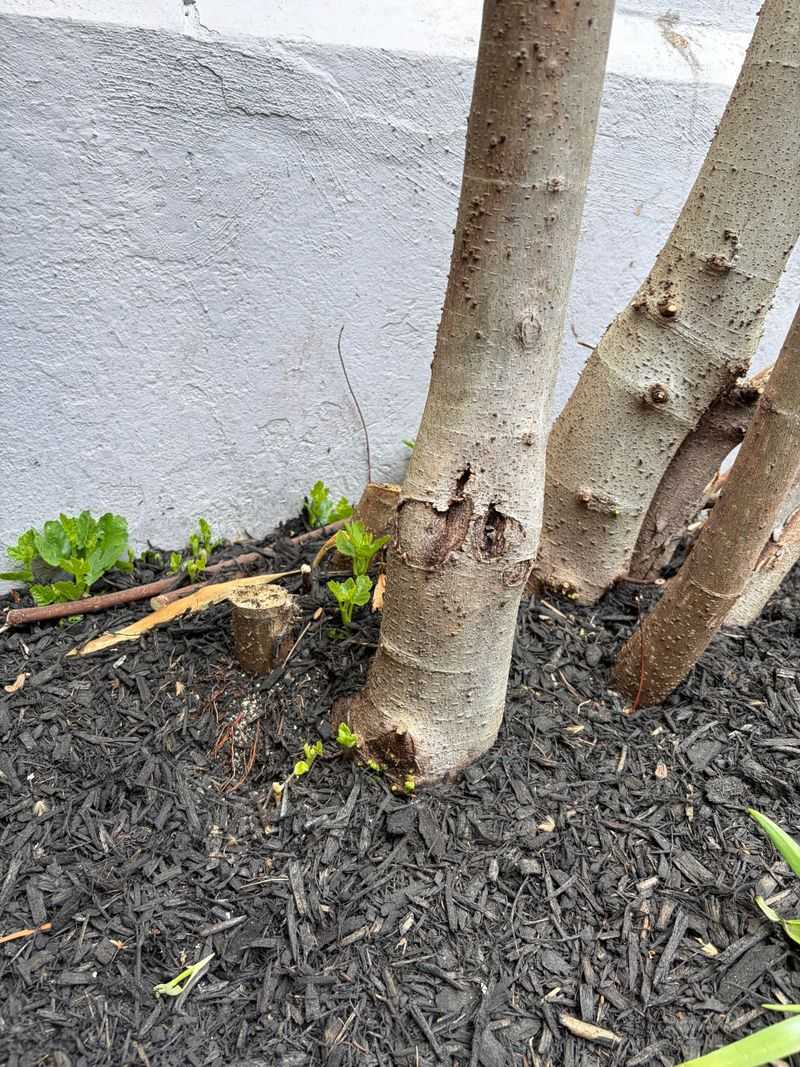
Come late spring, new shoots often push up from the crown and roots, starting the plant over like a young shrub. Many extension guides describe figs in colder regions as plants that behave more like perennials than true trees.
The roots store enough energy to send up several vigorous stems, sometimes growing three or four feet in one season. Survival is not guaranteed, though, especially for young plants or figs sitting in soggy, poorly drained soil.
A plant set out this year has fewer reserves, so a hard winter can hit it much harder. Older figs with deep, wide root systems usually recover faster and send up thicker, sturdier shoots by early summer.
You can test for life in spring by scratching a stem near the base to look for green tissue. If you see only brown above ground, wait until June before digging, since late shoots often appear from below.
Your Fig Variety Sets The Cold Limit
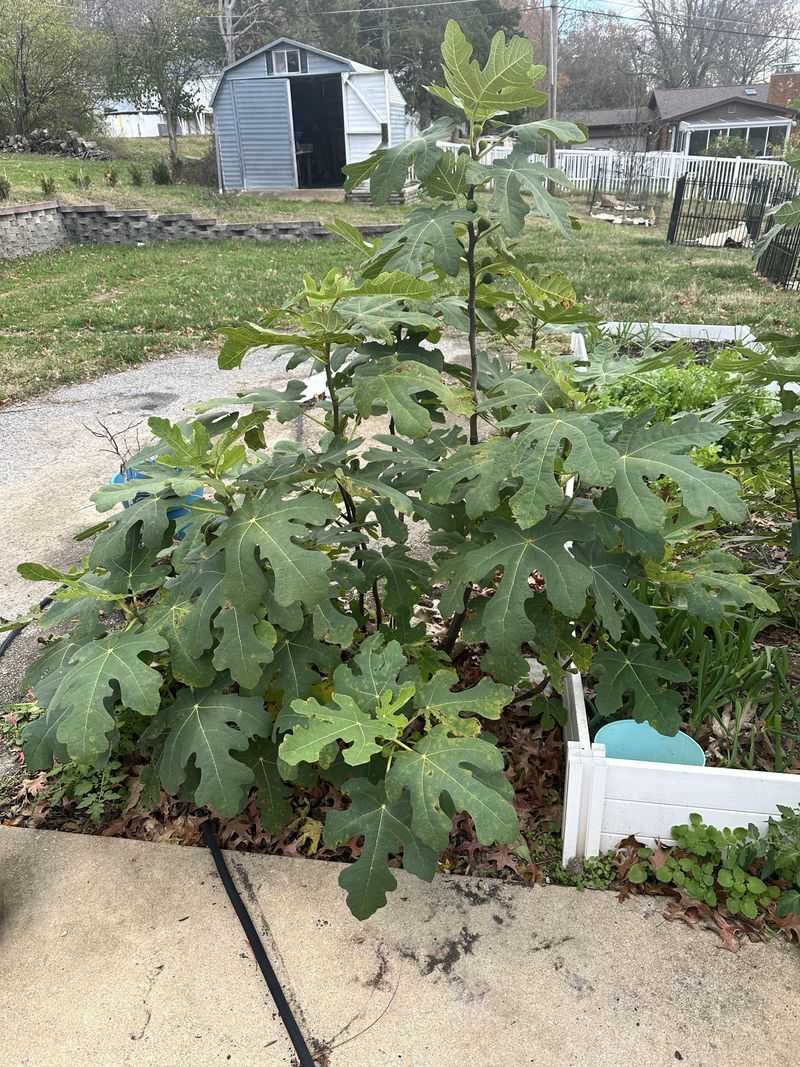
Not every fig shrugs off cold the same way, and the name on the plant tag matters a lot. Some varieties handle frosty nights with surprising toughness, while others struggle after a single sharp freeze.
‘Chicago Hardy’ is the star of colder gardens, with stems that often survive down to about 10 degrees. Its roots are often listed as hardy to around minus 10 degrees, which explains its quick comebacks.
‘Celeste’ and ‘Brown Turkey’ are popular choices too, and both often regrow after their tops freeze back. ‘Celeste’ produces small, sweet fruit, while ‘Brown Turkey’ bears larger figs with a milder, softer flavor.
Your Missouri Garden Changes Every Week. Your Plan Should Too.
Gardening in Missouri changes quickly throughout the season. Every Friday you’ll receive a simple weekly plan showing exactly what to plant, prune, fertilize, harvest, and protect so you never miss the right timing.
Gardeners in southern Missouri, around the Bootheel, can sometimes grow these varieties with less winter fuss. Farther north, near Hannibal or St. Joseph, even the toughest types usually need wrapping or deep mulch.
Fun fact for plant history fans, figs were among the earliest fruits people grew, dating back thousands of years. Their warm Mediterranean background explains why their stems struggle with the long, deep cold that Missouri sometimes brings.
Varieties labeled for zone 7 or warmer, such as many Italian types, often lose more wood each winter. Those plants can still regrow, but they may spend most summers rebuilding instead of producing a useful crop.
When shopping for a new fig, you can ask the nursery whether the variety fruits well on new wood. That single trait often decides whether a frozen plant still rewards you with figs before autumn frost arrives.
Fresh Shoots Mean A Later Harvest For You
Patience becomes your best gardening tool when a fig starts over from the ground the following spring. Fruit still can appear that same year, but the timing shifts later than most gardeners expect.
Many figs produce two crops, with an early breba crop forming on last year’s wood in early summer. When those older stems freeze, the breba crop disappears, leaving only the main crop on fresh growth.
Main crop figs form along new shoots as they lengthen, usually starting near the base of each stem. On a plant regrowing from roots, that fruit often ripens from late August into September or even October.
Missouri’s first fall frost becomes a real concern here, especially in northern counties with shorter growing seasons. Average first frost dates range from early October in the north to late October in the Bootheel region.
Green figs still hanging when frost arrives rarely ripen afterward, since figs do not keep ripening off the plant. You may end up with a handful of sweet fruit instead of the heavy crop a protected plant provides.
A sunny spot near a south-facing wall can help, because the warmth speeds growth and ripening noticeably. Light feeding in spring also supports new shoots, but too much nitrogen leads to leafy plants with fewer figs.
Treat a regrowth year as a rebuilding season rather than a failure, since the roots stay strong underground. With good winter protection this fall, you give the plant a better chance at an earlier harvest next year.
Wait For The Leaves To Drop Before You Wrap
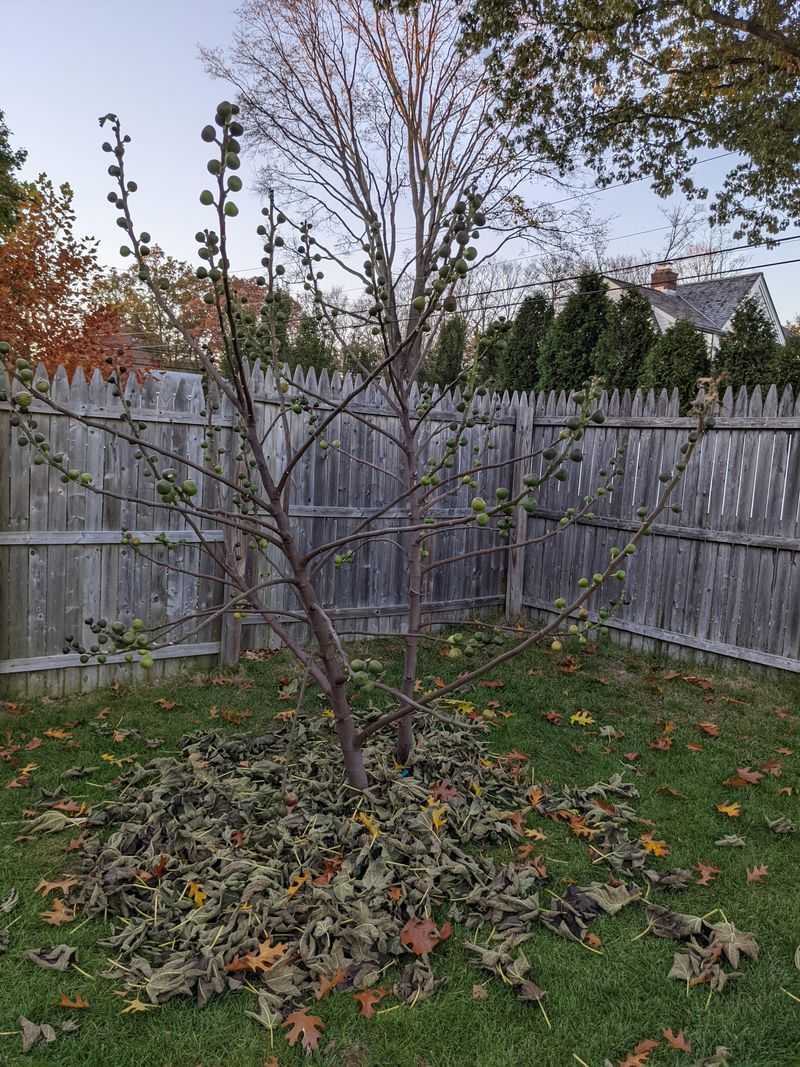
October is the month when Missouri figs start sending a clear signal that winter prep is coming soon. After the first hard frost, the big leaves turn yellow or brown and usually fall within a week or two.
That leaf drop tells you the plant has gone dormant, which is the right time to begin protecting it. Wrapping too early can trap warmth and moisture, which may encourage mold or soft growth on the stems.
Most extension advice suggests waiting until after several frosts, when nighttime temperatures settle closer to freezing. In much of Missouri, that window usually falls between early November and early December, depending on your location.
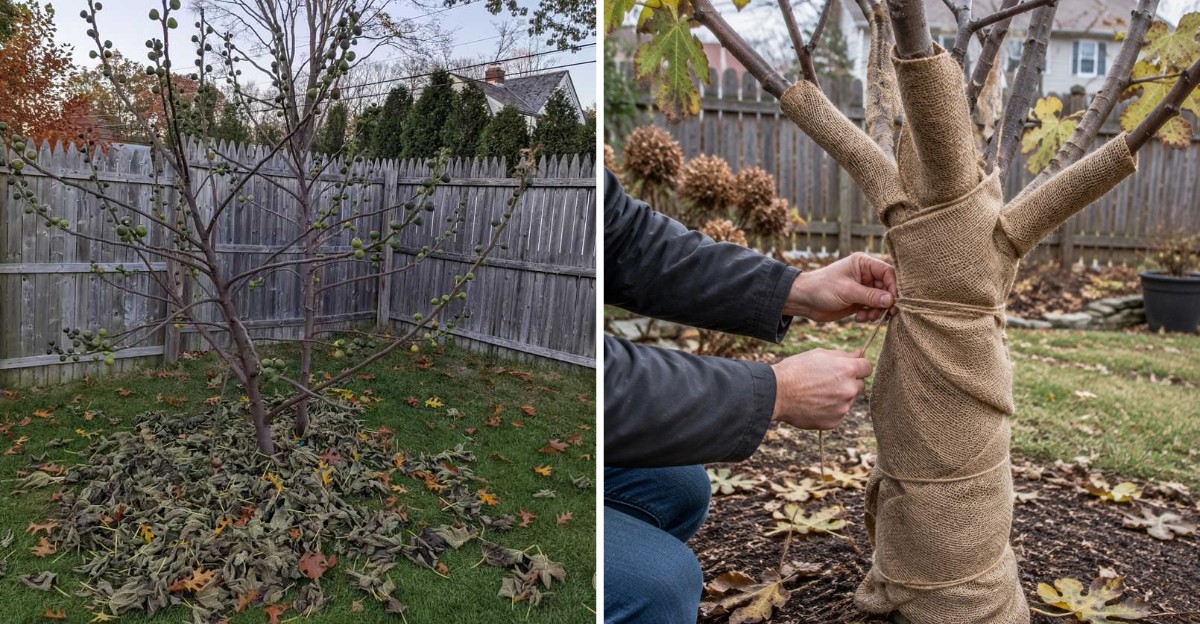
Before wrapping, you can prune away any broken branches or thin stems that would be hard to bundle. Gently tying the remaining branches together with soft twine makes the plant narrower and much easier to cover.
Watering the soil well before the ground freezes helps too, since dry roots handle cold less successfully. A deep soak in late fall is often recommended for many shrubs heading into their winter dormancy.
Potted figs are a different story, because roots in containers freeze faster than roots sitting in the ground. Many growers move potted figs into an unheated garage once the leaves drop, watering lightly once a month.
Keeping an eye on the forecast helps, since an early arctic blast in November can arrive before you expect. If a sudden cold snap threatens, a quick temporary cover can buy time until you finish the full wrap.
Stuff Your Burlap With Dry Leaves For Extra Warmth
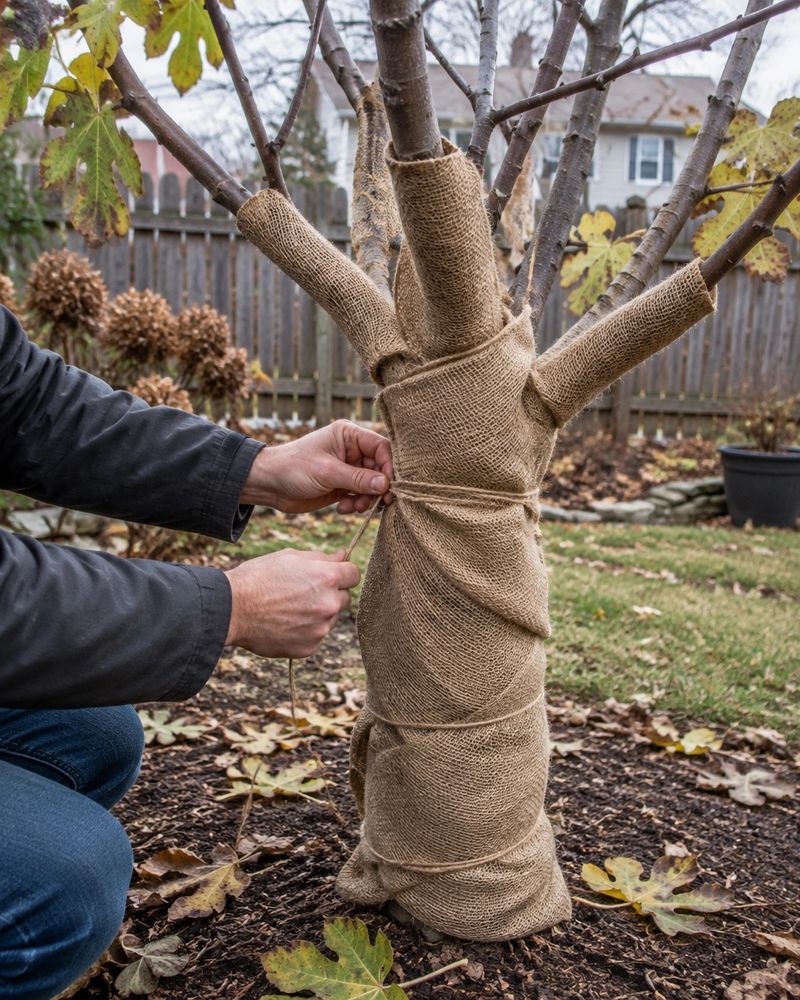
Old-time fig growers in St. Louis neighborhoods have wrapped their trees for generations, and the method still works well. Their trick is simple, using a cage of burlap stuffed with dry leaves to insulate the stems.
Start by driving three or four wooden stakes into the ground around the bundled fig, just outside its branches. Wrap burlap around the stakes to form a tall cylinder, leaving the top open for filling with leaves.
Dry oak or maple leaves work nicely, because they trap air pockets that slow the loss of soil heat. Pack them loosely around the stems, filling the cylinder all the way to the top of the plant.
Keeping the leaves dry matters, since wet leaves pack down, hold less air, and can encourage rot on bark. A loose cap of burlap or a slanted piece of plastic on top helps shed rain and snow.
Avoid wrapping plastic tightly around the sides, because sunny winter days can heat the inside too much. Burlap breathes, letting moisture escape while still blocking the drying winter winds that harm exposed wood.
Some gardeners add a thick layer of mulch around the base for extra root protection during deep cold spells. Shredded leaves or straw spread six to twelve inches deep can help protect the crown where new shoots form.
You may not save every branch tip, but this setup often keeps most of the main stems alive. That head start often means earlier growth in spring and a better shot at ripe figs by late summer.
Unwrap Slowly Once Spring Settles In
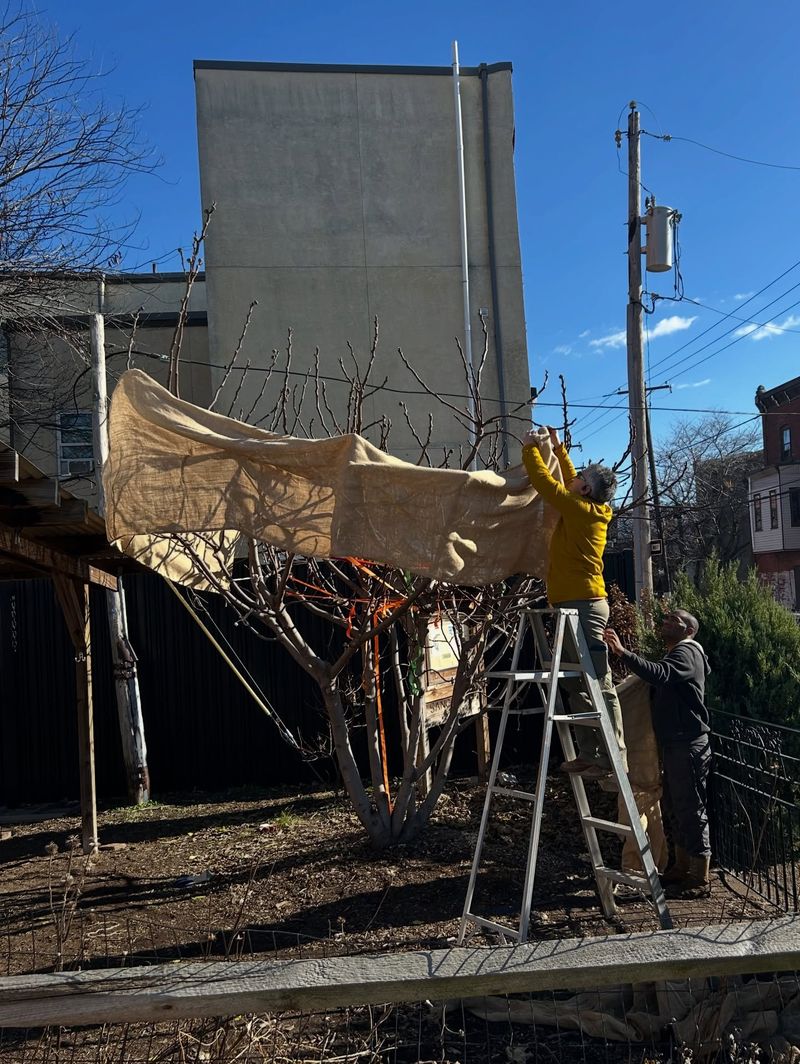
Although spring feels far away this October, planning your unwrapping schedule now helps you avoid a costly mistake later. Many fig growers lose protected stems by removing the burlap too early during a warm March week.
Missouri springs often swing between warm afternoons and hard freezes, sometimes within the same few days in April. Fig buds that wake up early can suffer badly when temperatures suddenly drop back into the twenties.
A gradual approach works best, starting with opening the top of the wrap once nights stay above freezing. After a week or two, you can pull out some leaves and loosen the burlap to let in light.
Most of the state passes its average last frost between early April and late April, depending on location. Waiting until after that date to remove the final layers keeps tender new growth safer from surprise cold.
Keep an old sheet or frost cloth handy in case a late cold snap appears in the forecast. Draping it over the plant overnight can protect fresh buds without trapping heat during the warmer daytime hours.
Once everything is off, check each stem by scratching the bark to look for green tissue underneath. Prune any brown, brittle sections back to live wood, and the fig will put its energy into healthy branches.
Store your burlap and stakes in a dry corner of the shed, since you will need them again next fall. A little care this autumn and patience next spring often bring a fuller, earlier harvest of homegrown figs.