Overseeding Late? Here’s How To Give Your Grass The Best Chance
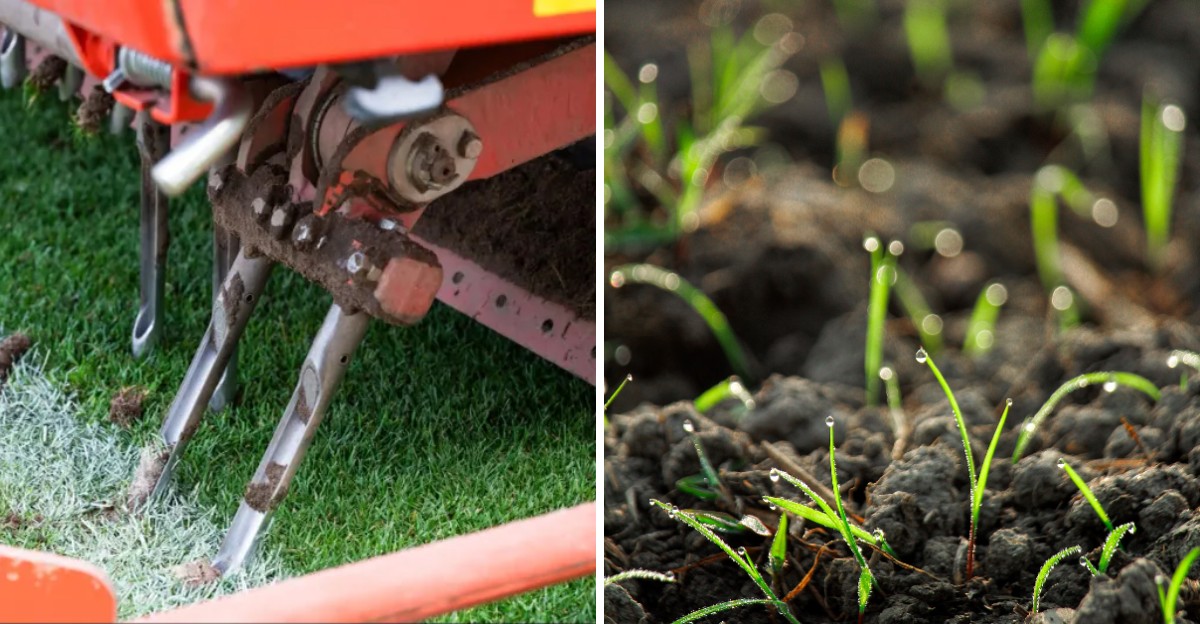
A single grass seed can swell and split its coat within days once moisture and warm soil line up. Cooler October soil slows that wake-up call, so late seed often sits waiting much longer than most of us expect.
Perennial ryegrass can pop up in about a week, while other common lawn grasses may take three slow weeks. That gap matters a lot when the first hard frost is already circling on your calendar.
I have to admit that I have tossed seed far too late and watched patchy fuzz struggle. You might be in the same spot right now, staring at thin turf and wondering if hope remains.
Plenty of hope remains, as long as you work with the cold instead of fighting against it. So what small moves can turn a late start into a thick, green lawn by next spring?
1. Check Your Soil Thermometer Before Spreading Grass Seed

A cheap soil thermometer might be the most underrated tool sitting in your garage right now. I keep mine by the back door every October, and it settles more lawn arguments than any calendar.
Cool-season grass seed germinates best when soil temperatures stay between about 50 and 65 degrees Fahrenheit. Air temperatures between 60 and 75 degrees usually line up nicely with that sweet spot for sprouting.
Push the probe about two inches deep in the morning, since that is where young roots will grow. Check a few spots across the yard, because shady corners often run cooler than sunny open patches.
Next, look up the average first hard frost date for your area through your local extension office. Experts suggest finishing seeding at least 45 to 60 days before that date for the strongest results.
That window gives seedlings roughly six to eight weeks to build roots before growth slows for winter. Seedlings with shallow roots tend to heave out of the ground when freeze and thaw cycles begin.
If your soil still reads above 50 degrees and frost is weeks away, you still have a real shot. Personally, I would rather seed a little late with good soil warmth than wait for a perfect day.
Once readings drop below 50 degrees and stay there, quick germination becomes unlikely for most cool-season grasses. At that point, a different plan called dormant seeding makes more sense, and we will cover it shortly.
2. Mow Your Lawn Short And Rake Away Fallen Leaves

Your lawn needs a haircut that feels a little too short before any new seed hits the ground. Tall blades act like a leafy umbrella, blocking sunshine and moisture that tiny seedlings badly want.
Lower your mower to about one or one and a half inches for this single special mowing. Bag the clippings or rake them up, because a thick layer can keep seed from touching the soil.
October brings another challenge that spring seeders rarely face, which is a steady shower of tree leaves. Matted leaves can smother delicate seedlings quickly, especially after a cold rain packs them down flat on top.
I like to run the mower with the bagger attached, since it grabs leaves and clippings together. A leaf blower or a wide plastic rake works well too if you prefer a quieter afternoon.
Keep clearing leaves every few days until the trees are bare, even after the new grass sprouts. Gentle raking or blowing protects the seedlings better than letting a soggy blanket sit for a week.
Remember that this short cut is a one-time move for seeding, not your new everyday mowing height. Once seedlings are established, raise the deck again so taller blades can shield the grass crowns from cold.
You might notice the yard looks rough and scalped for a few days after this first step. Trust me, that brief ugly phase sets the stage for a much thicker lawn when spring arrives.
3. Pick Fast Sprouting Ryegrass And Tall Fescue Seed

Speed becomes your best friend when the calendar is working against you and frost is creeping closer. Perennial ryegrass often sprouts in just five to ten days, which feels almost magical in cool weather.
Bluegrass takes its time, usually needing two to three weeks before green fuzz finally appears. It spreads by underground stems and recovers well from traffic, but that slow start is risky late.
Turf-type tall fescue lands in the middle, germinating in about one to two weeks under decent conditions. Its deep roots handle summer heat well, which makes fescue blends a safe choice across many transition areas.
Fine fescues deserve a look if your late patches sit under trees, since they tolerate shade nicely. I have had good luck mixing them into shady strips where other grasses grew thin and sad.
Whatever you pick, read the seed label carefully before buying, because cheap bags can hide unpleasant surprises. Look for certified seed with a blue tag, which signals the variety has been tested for purity.
Avoid bags packed with annual ryegrass or weed seed, since those weaken your lawn over time. Annual ryegrass looks great for a season, then fades away and leaves you reseeding all over again.
Match your seed to the grass already growing in your yard so the new patches blend in smoothly. A mismatched blade color or texture sticks out like a sore thumb once spring growth kicks in.
4. Rent A Core Aerator For Better Seed Contact
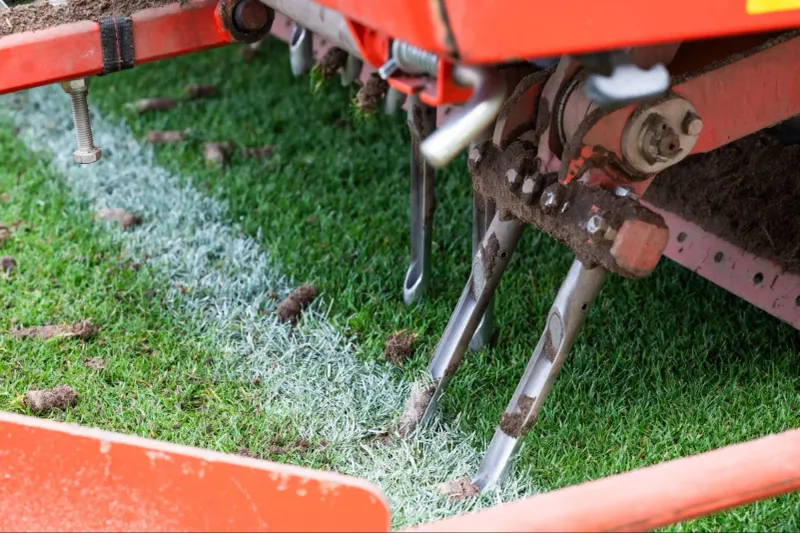
Seed scattered on hard ground is basically a free buffet for hungry birds hopping across your yard. Good seed-to-soil contact is the secret handshake that turns a loose seed into a rooted plant.
A core aerator pulls small plugs of soil from the lawn, leaving thousands of little holes behind. Those pockets catch falling seed and help ease compaction in heavy clay or busy play areas.
Many hardware stores rent aerators by the day, and splitting the cost with a neighbor saves money. Water the lawn a day ahead, because moist soil lets the tines dig deeper and pull cleaner plugs.
Verticutting is another strong option, slicing shallow grooves where seeds can settle snugly into the soil. For small patches, firm raking with a steel rake can loosen the surface enough to do the job.
Leave the soil plugs on the lawn instead of raking them away, since they break down naturally. Rain and mowing crumble them over a week or two, adding a light topdressing right where seed lands.
While you are prepping, consider a quick soil test to check pH through your local extension service. Most lawns grow best with a pH around 6.2 to 7.0, which helps roots absorb nutrients efficiently.
I can’t imagine skipping this step now, after watching seed sprout so much thicker in aerated rows. You will likely see neat little lines of green popping up along every hole and groove you made.
5. Keep New Grass Seedlings Moist With Light Daily Watering

Grass seed is surprisingly dramatic, because a single dry afternoon can end its journey right after sprouting begins. Keeping the top inch of soil steadily moist is the biggest job you will have this month.
Light watering two or three times a day usually works, running each zone for about ten minutes. You want damp soil like a wrung-out sponge, not puddles that wash seed into the low spots.
Cool October days help here, since less heat means less evaporation than late summer seeding usually brings. Windy days can still dry the surface fast, so check by touching the soil with your fingertips.
Early morning and late afternoon are the best times to water, ideally finishing well before evening. Wet grass sitting overnight in cool air invites fungal disease, which new seedlings have trouble fighting off.
Once seedlings reach about two inches tall, water less often but for longer stretches each time. That shift coaxes roots to chase moisture deeper, building a sturdier plant before cold weather settles in.
Before you shut off and drain your sprinkler system for winter, give the lawn one heavy soaking. If winter turns dry, new seedlings appreciate a deep drink about once a month when the ground thaws.
I set phone reminders for my watering schedule, because forgetting even one day can set things back. You might feel like a babysitter for a few weeks, but those green sprouts make it worthwhile.
6. Feed Young Grass Roots With Starter Fertilizer
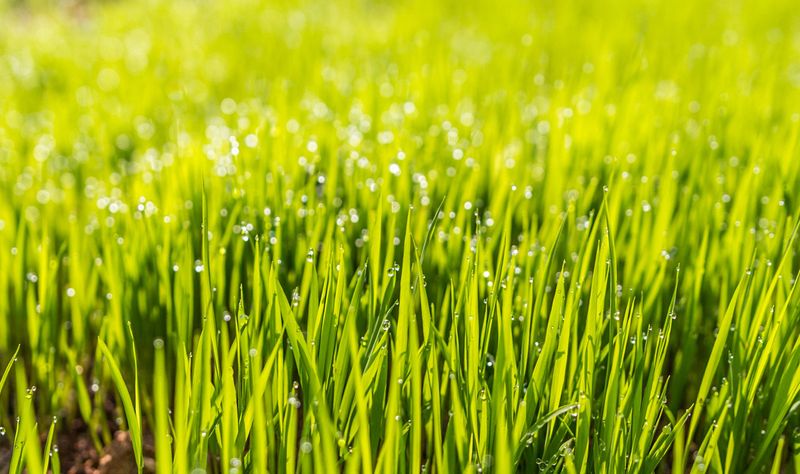
Young grass is hungry from the start, and the right snack helps it grow roots before winter. Starter fertilizer is made for this moment, usually carrying more phosphorus to support root growth and germination.
Look at the three numbers on the bag, which stand for nitrogen, phosphorus, and potassium in order. Common starter blends include ratios like 18-24-12 or 10-20-10, though options vary between brands and stores.
Spread it right before or right after seeding, aiming for about half a pound to one pound of nitrogen. That rate is per thousand square feet, and going above one and a half pounds risks burning seedlings.
Some states and towns limit phosphorus use on lawns to protect lakes and streams from algae growth. Check local rules first, and a soil test can tell you whether your yard truly needs extra phosphorus.
Many lawn experts also suggest a second feeding of nitrogen with potassium in late October or November. That later meal helps established and new grass store food reserves, improving winter hardiness for spring green-up.
Use a broadcast or drop spreader for even coverage, and walk in overlapping passes to avoid stripes. Sweep any granules off sidewalks and driveways, since rain can carry them straight into storm drains.
Personally, I love how quickly fertilized seedlings darken compared with the pale patches I skipped once. Your lawn will thank you with richer color and stronger roots long before the snow starts flying.
7. Try Dormant Seeding When The Ground Turns Cold
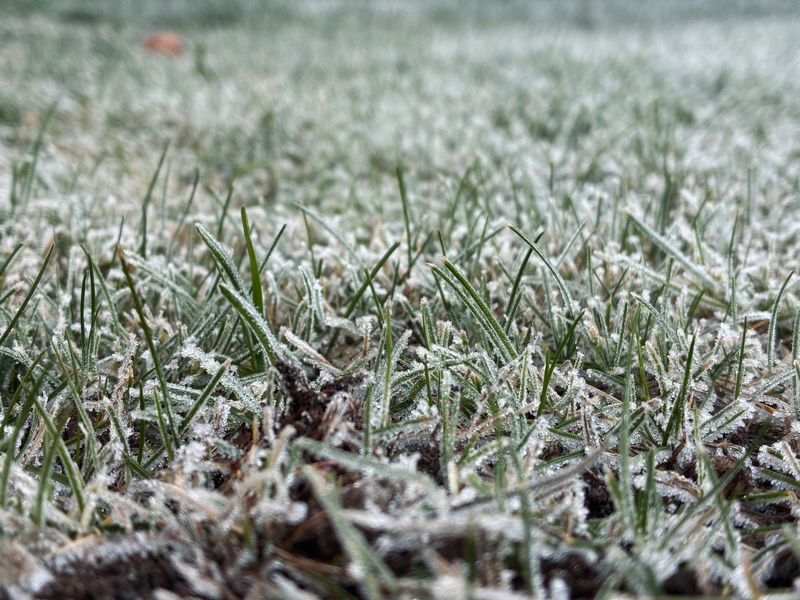
Sometimes the smartest move is to plant seed when it has no chance of sprouting right away. Dormant seeding happens once soil stays below 50 degrees, so seeds rest quietly until spring warmth wakes them.
Freeze and thaw cycles slowly work the seeds into the soil, improving contact without any extra effort. Melting snow and spring rain then provide moisture, which can trim how much watering you need later.
Seeds that sprout early in spring also get a head start on many weeds competing for space. I believe that makes dormant seeding a clever backup plan when October simply slips away from you.
Wait until the ground is cold but not frozen solid, usually late fall or early winter in colder regions. Prepare the soil the same way, mowing short and loosening the surface so seed can settle in nicely.
Be aware that warm winter spells can trick seeds into sprouting, and a hard freeze can follow quickly. That risk is higher in mild areas, so check your typical winter pattern before trying this method.
Avoid most pre-emergent weed products on these spots in spring, since many also block grass seed germination. Hold off on regular weed treatments until the new grass has been mowed at least twice.
You’re in for a fun surprise when tiny green shoots appear in spring without much fuss at all. Late seeding can still reward you, as long as you choose the method that matches the weather.
8. Cover Your Seed To Protect New Sprouts

Fresh seed needs a little protection once it is down, because October weather can be rough on tiny sprouts. A thin cover keeps moisture in, slows hungry birds, and softens the blow of cold nights.
Weed-free straw is a favorite choice, spread so thinly that you can still see about half of the soil through it.
Peat moss or a light layer of compost also works, as long as it stays under a quarter inch deep. Too much cover blocks sunlight and traps moisture, which invites fungus.
Biodegradable erosion blankets help on slopes, where rain can wash seed downhill overnight. I tuck the edges in with landscape staples and trim away anything that sticks up too far.
For flat areas, a lightweight frost cloth can be laid over the seedbed on nights dipping below freezing, then removed each morning.
Foot traffic is another hidden enemy, so rope off the area or set a few stakes with string. Even one muddy shortcut by the dog or kids can crush a whole row of sprouts.
Mark the spot clearly and ask everyone in the house to walk around it. Wait for your first mowing until the new grass stands about three inches tall, and make sure the blades are sharp.
Dull blades tear young shoots instead of cutting them cleanly. Never remove more than one third of the height at once, and keep the mower on dry ground to avoid ruts. Light protection now pays off with a thicker lawn in spring.