Why Fall Is The Best Time To Control Creeping Charlie And Dandelions
European settlers carried one of today’s most despised lawn weeds across the Atlantic on purpose, packing its seeds for salads. Another sneaky creeper arrived around the same time, prized as a medicinal herb with a surprisingly minty scent.
Both plants now rank among the toughest lawn invaders across the country, and they stubbornly return year after year. Their real strength hides underground, where tangled stems and long roots store energy like a well stocked pantry.
I have to admit that I used to tackle them every spring, and they usually bounced right back. You might notice the same pattern in your own yard, especially after a long winter melts away.
What surprises me most is how much the calendar matters when you want these pests gone for good. So why does a cool October afternoon give you a sneaky advantage over the weeds you love to loathe?
1. Weed Roots Pull Food Downward As Autumn Days Shorten

Every fall, perennial weeds quietly start packing their lunchboxes, shipping sugars from leaves down into roots for winter. I love how predictable this habit is, because it hands gardeners a secret door straight into the root system.
Shorter days and cooler nights trigger the shift, and both creeping Charlie and dandelions follow the same seasonal script. University extension experts in Minnesota and Michigan point to this downward flow as the main reason fall control works.
When a systemic weed product lands on the leaves now, the plant carries it down along with its stored food. In other words, the weed does the delivery work for you, moving the treatment into roots you cannot reach.
Spring treatments often look impressive at first, since leaves curl and wilt within days of spraying the lawn. Sadly, the roots usually stay healthy, because spring plants are pushing energy upward into fresh leaves and flowers.
That explains why so many yards seem weedier each May, even after a busy season of spraying and pulling. Personally, I switched my main weed effort to October years ago, and my lawn looks far cleaner every spring.
You still need actively growing green leaves for this trick, so wait for weeds that look healthy, not frosted. Brown, frost-damaged foliage rarely absorbs much, which wastes product and gives the weeds another season to spread.
Mark your calendar for mid September through October in most northern lawns, before the ground freezes hard. Southern gardeners can often work a bit later, since their weeds keep growing longer into the cool season.
2. Creeping Charlie Spreads With Square Stems And Scalloped Leaves
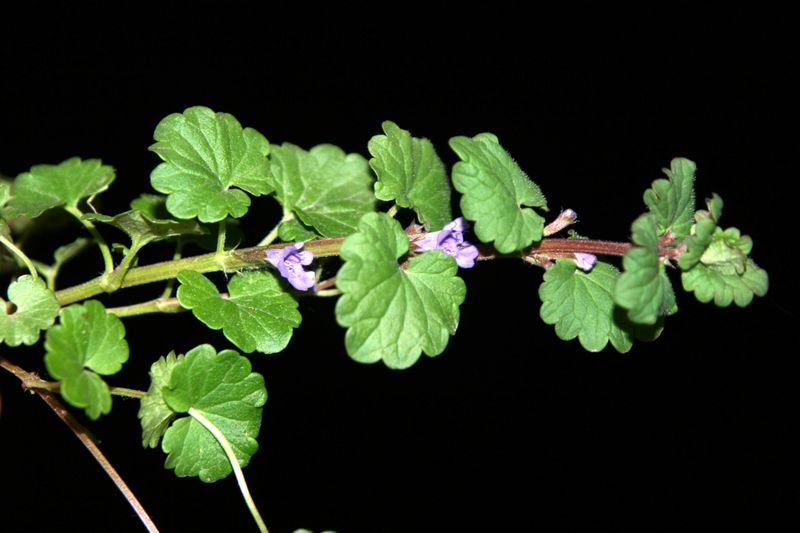
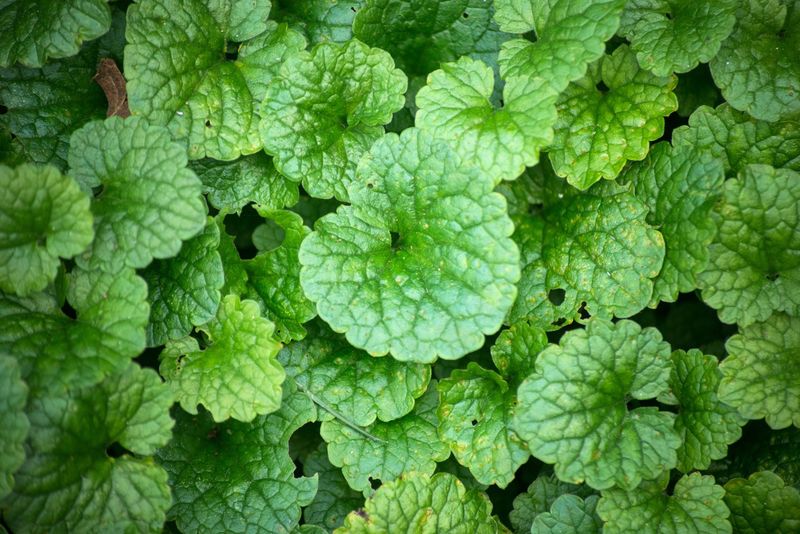
Crush a sprig of creeping Charlie between your fingers, and a sharp minty smell will greet your nose right away. That scent makes sense, because this low weed, also called ground ivy, belongs to the mint family, Lamiaceae.
Its scientific name is Glechoma hederacea, and it arrived from Europe and Asia as a garden herb long ago. Roll a stem between your fingers, and you will feel four distinct sides, a classic mint family trait.
The bright green leaves are round or kidney shaped, with soft scalloped edges that look almost hand trimmed. They grow in opposite pairs along the stems, which helps you tell this weed apart from look-alike neighbors.
Creeping stems called stolons race sideways across the soil, putting down new roots at nearly every leaf node. Over a few seasons, one small patch can knit itself into a thick mat that smothers struggling grass.
In spring, tiny purplish blue flowers shaped like funnels pop up in clusters, and bees happily visit them. By October those blooms are long gone, so you will mostly spot the leaves and the sprawling stems.
I find it hiding most often in shady, damp corners where mowers rarely reach and grass grows thin. Take a slow walk around your yard this week and note every patch, since fall is your best shot.
A quick photo of each spot helps you track progress when the weed tries to sneak back next year. You might be shocked by how much ground it covers once you start looking closely for those scalloped leaves.
3. Dandelion Taproots Dig Deeper Than You Expect
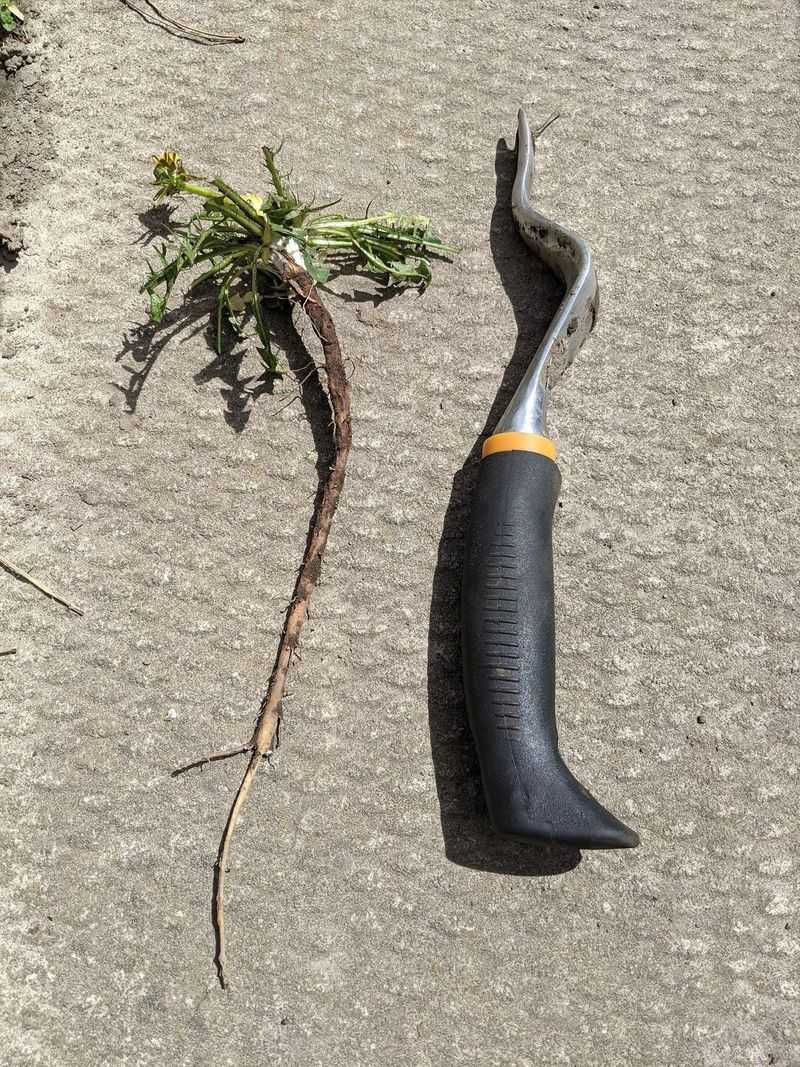
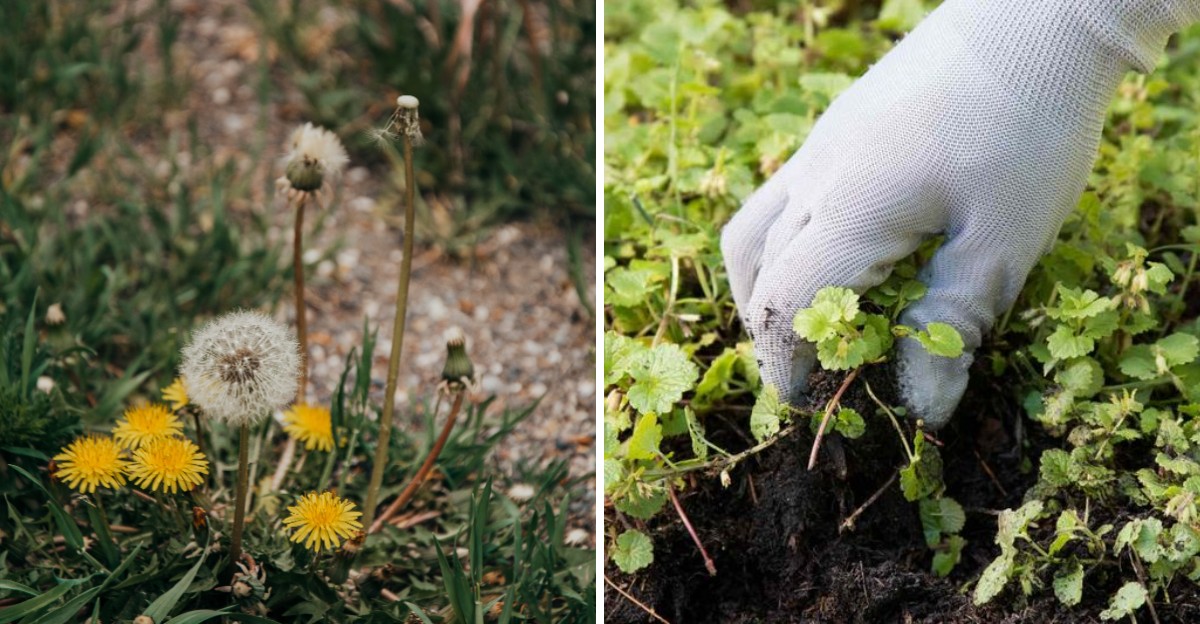
Pull a dandelion on a lazy afternoon, and you might snap off a root that keeps going far below. Taraxacum officinale sends a thick taproot six to eighteen inches down, and some roots reach even deeper in loose soil.
That root works like a savings account, holding carbohydrates that let the plant bounce back after mowing or pulling. Even a small leftover piece can sprout fresh leaves, which is why yanking the top rarely solves the problem.
You can spot dandelions easily by their flat rosette of deeply toothed leaves hugging the ground around the crown. The name comes from the French phrase dent de lion, meaning lion’s tooth, a nod to those jagged edges.
Bright yellow flowers sit on hollow stems, then turn into fluffy white seed heads that drift on every breeze. A few blooms often appear again in fall, so do not be surprised by a cheerful yellow face in October.
During autumn, that taproot soaks up sugars from the leaves, stocking up for the cold months ahead. I can’t imagine a better moment to act, since anything the leaves absorb travels straight into that hungry root.
Older dandelions with wide rosettes are especially worth targeting now, because they hold the biggest root reserves in your lawn. Young seedlings that sprouted in late summer are easier to manage, yet they still deserve attention before winter.
Count the rosettes in one square yard to gauge how serious your dandelion situation really is this year. That simple number helps you choose between quick spot treatments and a broader plan for the whole lawn.
4. Mild October Weather Helps Weed Treatments Absorb
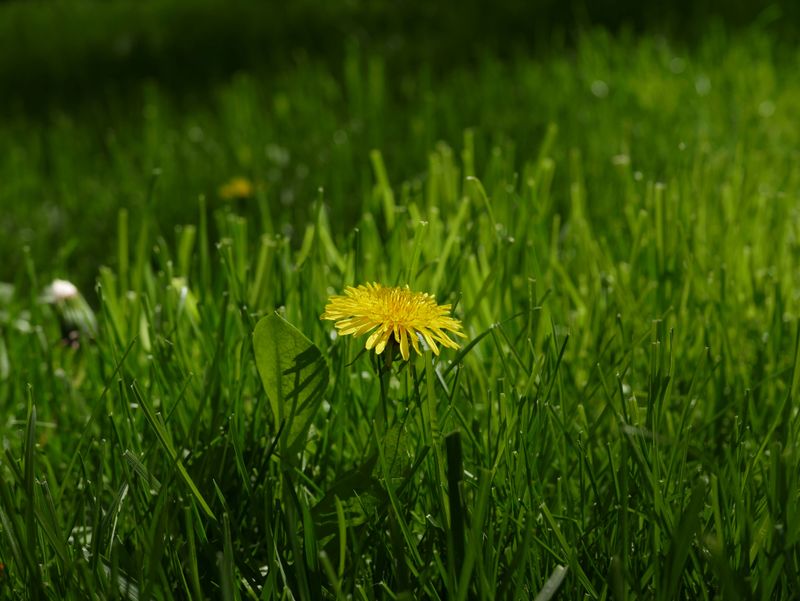
October weather feels like a cozy sweater for weed control, with crisp mornings and mild afternoons that plants enjoy. Those gentle conditions keep weeds actively growing, which matters because only working leaves can absorb a systemic product well.
Many extension guides suggest treating creeping Charlie when daytime temperatures sit roughly between sixty and eighty five degrees. Dandelions respond best when afternoons reach at least fifty degrees, while the plants still look green and healthy.
Wind is the sneaky troublemaker here, since breezy days push spray drift onto nearby flower beds and shrubs. Pick a calm morning or early evening when leaves barely move, and you will protect your favorite plants.
Rain matters too, so check the forecast and choose a window with no showers for at least twenty four hours. Some labels ask for forty eight dry hours, and I like to follow the longer advice whenever possible.
Liquid sprays stick best to dry leaves, while granular products cling better when leaves are damp with morning dew. Reading the label first saves frustration, since each product lists its own preferred conditions and waiting periods.
You should also skip mowing for a few days before and after treatment, giving weeds plenty of leaf surface. More leaves mean more absorption, and that extra patience pays off when spring arrives with far fewer weeds.
The best window often closes once hard frosts settle in, so early October is usually ideal. Warmer regions farther south may enjoy good treatment weather well into November, depending on each year’s patterns.
5. Triclopyr Products Work Best On Stubborn Ground Ivy
Ground ivy has a reputation as the weed that shrugs off ordinary lawn sprays, and honestly, it earned that title. Products with only 2,4-D often leave creeping Charlie looking a little sick, then it greens up again weeks later.
Research from university extension programs shows triclopyr gives much stronger results on this mint family troublemaker. You will find triclopyr in many broadleaf lawn products, sometimes paired with 2,4-D and dicamba for wider coverage.
I like reading the active ingredient list on the back of the bottle before I commit to anything. Front labels can be flashy, but that small print tells you whether the product truly targets ground ivy.
Heavy infestations rarely disappear after one round, so plan a second application about two to three weeks later. Many lawns need a follow up visit the next fall too, because hidden stolons can survive and creep back.
Fall timing makes triclopyr shine, since creeping Charlie is pulling food into its stems and roots right now. That downward movement carries the product deeper into the mat, reaching runners hiding beneath your grass blades.
Wear gloves and long sleeves while spraying, and keep kids and pets off treated areas until the leaves dry. Store leftover product in its original container, out of reach and away from garden vegetables or herbs.
Triclopyr can harm desirable broadleaf plants, so shield flower beds and young shrubs with a piece of cardboard. A little care around edges keeps your garden safe while the creeping invader finally loses its grip.
6. Broadleaf Sprays With Dicamba Target Dandelion Rosettes
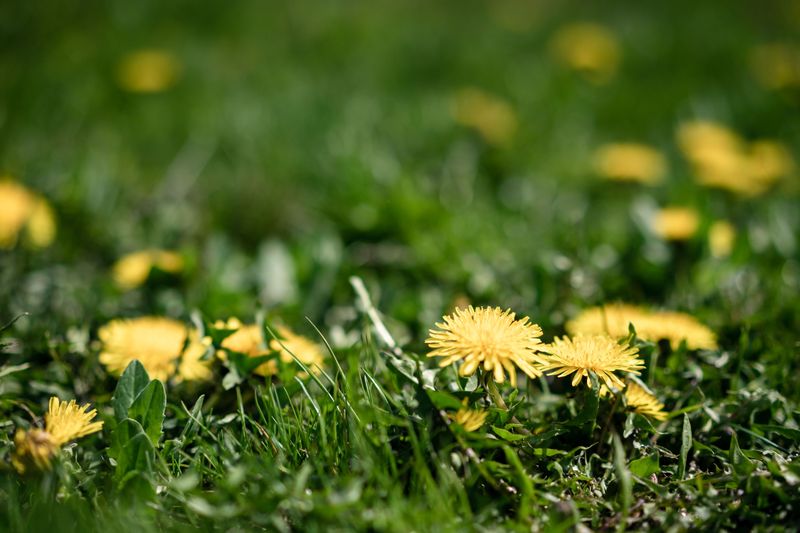
Dandelions might look tough, yet they usually give in to common broadleaf products more easily than creeping Charlie does. That makes October a satisfying month, because a well timed treatment can clear a yard dotted with yellow troublemakers.
Look for lawn products containing 2,4-D, dicamba, or MCPP, which often appear together in three way blends. Trimec is one familiar formula that combines these ingredients, and many hardware stores carry similar options under different names.
These products are selective, meaning they target broadleaf weeds while leaving most lawn grasses unharmed when used correctly. Still, read the label carefully, because a few turf types and newly seeded lawns react poorly to certain chemicals.
I have to admit that I once sprayed too heavily, thinking more product meant better results for my lawn. The grass turned yellow in spots, and I learned that label rates exist for very good reasons.
Fall applications reach the deep dandelion taproot, since the plant is busy sending sugars downward before winter arrives. Spring sprays mostly scorch the leaves, letting that stubborn root push up a fresh rosette a few weeks later.
Wait until afternoons warm to at least fifty degrees, and treat when the leaves look green rather than frosted. Results show up slowly in cool weather, so give the weeds a couple of weeks before judging your work.
Avoid spraying near vegetable gardens, since dicamba can drift and curl the leaves of tomatoes and other tender plants. Keeping a buffer zone of several feet protects your harvest beds and gives you real peace of mind.
7. Hand Pulling Dandelions Works With The Right Weeding Tool
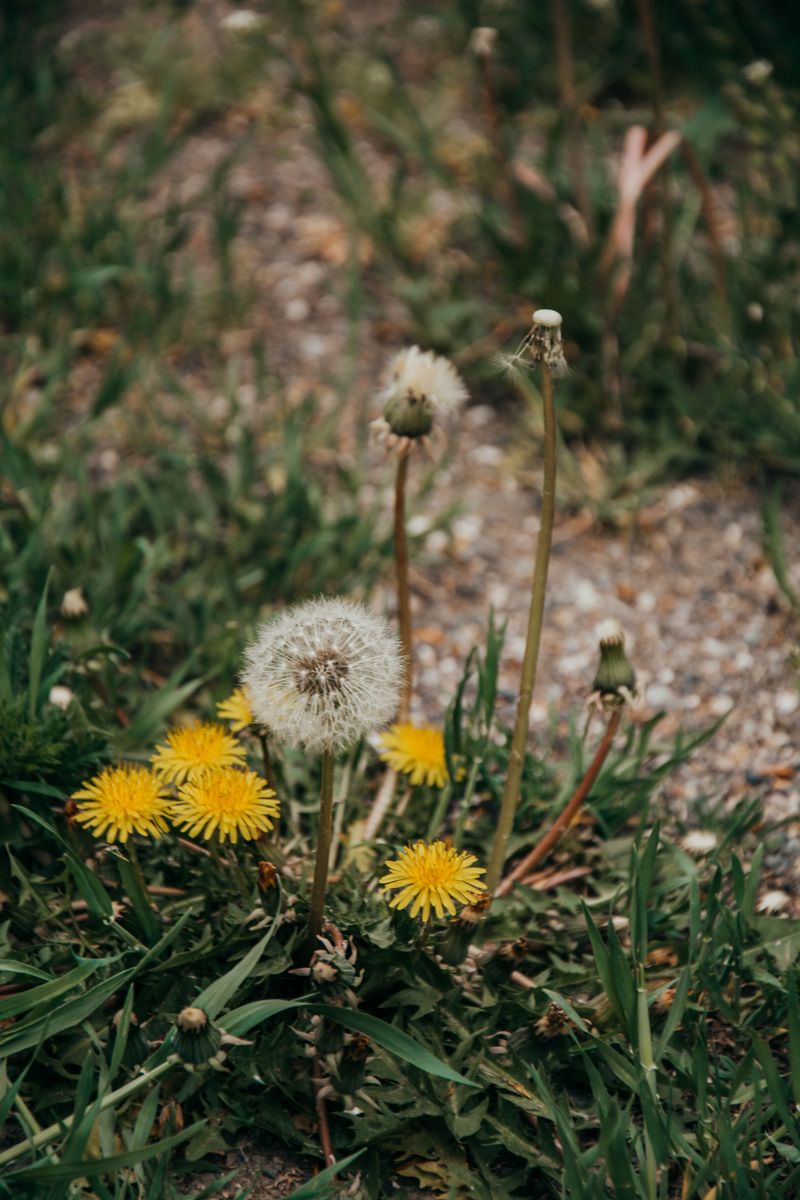
There is a strange joy in pulling a dandelion and feeling the whole taproot slide free like a carrot. That victory takes the right tool, though, because bare fingers usually snap the root and leave pieces behind.
Fork-tipped weeders, often called dandelion diggers, slip down beside the root and pry it up with less effort. Stand-up weed pullers with claw heads are wonderful for sore backs, gripping the plant while you step and twist.
Moist soil makes pulling far easier, so plan your weeding session the day after a soaking October rain. Dry, hard ground grips roots tightly, and you will break more of them while straining your wrists.
Creeping Charlie needs a different approach, since its stolons spread widely and root at many points along the way. Lift the runners slowly and follow each one back to its rooted nodes before tugging gently.
Bag the pieces instead of composting them, because small stem fragments can root again in a warm compost pile. Personally, I toss creeping Charlie into yard waste bags, since my backyard compost rarely gets hot enough.
Hand pulling works best for small patches or a few scattered weeds, not for lawns overrun with ground ivy. Larger infestations usually need a combined plan, pairing careful pulling with targeted treatment and thicker turf.
Fill each hole with a pinch of soil and grass seed, so new weeds have less room to sprout. Fall seeding grows quickly in cool weather, closing those little gaps long before spring weeds wake up again.
8. Thick Fall Grass Crowds Out Creeping Weeds
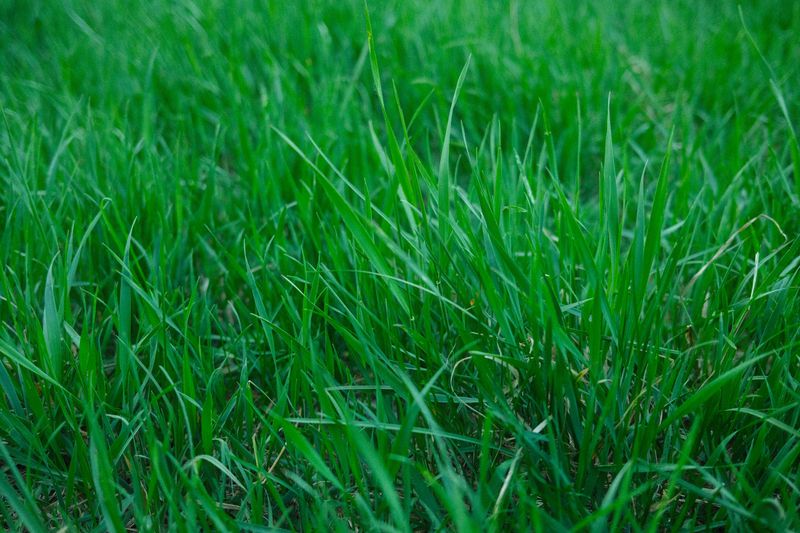
Healthy grass is the quiet bodyguard of your lawn, crowding out weeds before they ever get comfortable. Creeping Charlie and dandelions love thin, struggling turf, so a dense lawn leaves them very little room to move in.
Mowing height makes a huge difference, and extension experts often suggest keeping grass around three to four inches tall. Taller blades shade the soil, which makes it harder for weed seeds to sprout and seedlings to grow.
Fall is prime time for overseeding cool season lawns in the North, since warm soil and cool air favor grass. If you missed early September seeding, dormant seeding after the soil cools is another option to consider.
Fertilizing in fall feeds grass roots for winter, and many universities consider it the most important feeding of the year. Stronger roots in spring mean quicker green up, giving grass the upper hand over sprouting weeds.
Creeping Charlie thrives in shade and soggy soil, so fixing drainage problems can shift the balance toward grass. Core aeration loosens compacted ground, letting water and air reach roots that have been struggling for months.
I believe this part matters more than any spray, because weeds return quickly to lawns with bare patches. Treatment opens the door, while healthy grass slams it shut and keeps those uninvited guests outside for good.
For deep shade where grass rarely thrives, consider shade tolerant fine fescues or a mulched bed with native groundcovers. Matching the right plant to each spot is easier than wrestling with the same weedy corner every single year.