What It Really Means When Stink Bugs Gather On Your North Carolina Walls In November
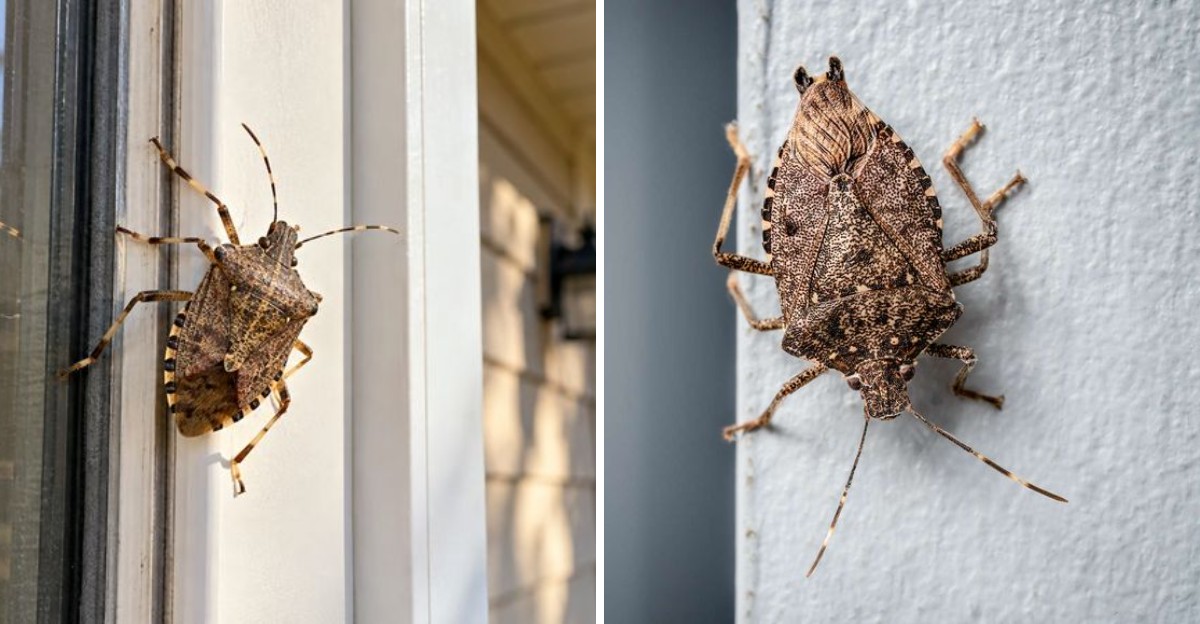
A single insect that slips into your attic this month can sit there, barely moving, until spring arrives. It eats nothing the whole time. I still find that wild every time I think about it
Right now in North Carolina, sunny siding turns into a crowded waiting room for a certain shield-shaped bug. They cluster near window frames, porch lights, and the warm corners under the eaves.
Some homes get a handful, while others host hundreds.
I believe most of us react the same way at first. We grab a shoe, then remember the smell. You need a better plan than that, and the bugs have a plan of their own.
The odd part is that your walls are not the real goal at all. They are a doorway to something these travelers want badly.
So what exactly are they hoping to find behind your shutters?
1. Those Bugs On Your Sunny Siding Are Hunting For Something
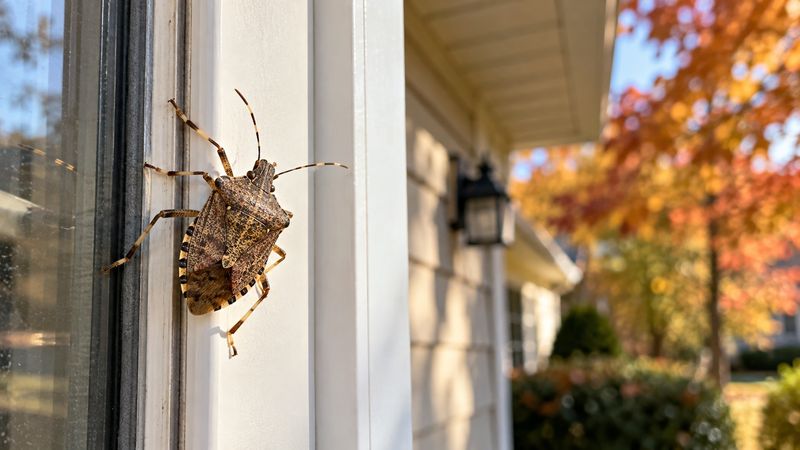
Watch your south-facing wall on a bright November afternoon and you might spot a slow parade of brown bugs warming themselves. They are not lost, and they are not snacking on your paint.
Those insects are looking for a winter shelter. Entomologists call this overwintering, and it kicks in as days shorten and nights turn chilly.
Once settled, the bugs slip into a resting state called diapause, which works a bit like hibernation.
Your house happens to look a lot like the dead trees and rocky cliffs where their ancestors hid in Asia. Warm siding, loose trim, and shady gaps under shingles all signal safety.
The sun-soaked walls on the south and west sides heat up the most, so that is where crowds usually form.
Personally, I find it a little flattering. Your home passed their inspection.
The gathering mostly peaks from late September through October in the state, but warm November days can bring a fresh wave. A cold snap followed by a sunny afternoon often triggers a last-minute rush.
So when you see them lined up, read it as a weather report from the bug world. Cold is coming, and they want in before it does.
Knowing their goal changes how you respond. Instead of fighting every bug you see, you can focus on the real issue, which is keeping that doorway closed.
2. Brown Marmorated Stink Bugs Want Your Walls, Not Your Kitchen
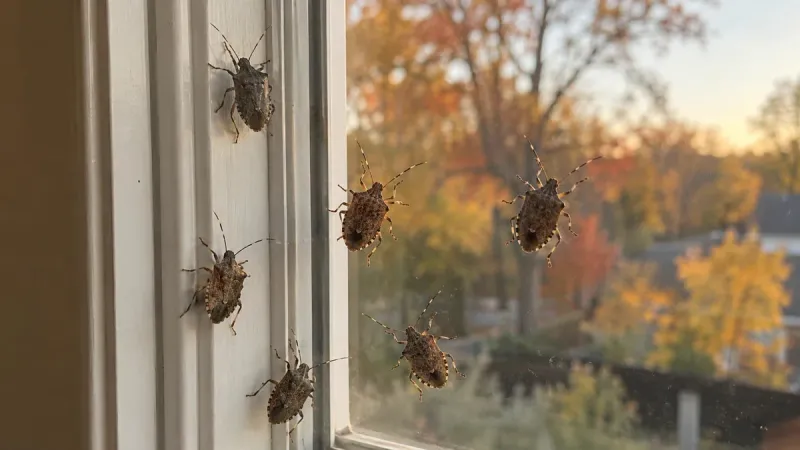
Relax a little, friend. The bugs crawling around your window frames are a nuisance, but they are not out to wreck your home.
NC State Extension notes that brown marmorated stink bugs do not bite people, sting, or spread disease. They also do not chew wood, eat fabric, or nest in your pantry.
Indoors, they simply wait out the cold in wall voids, attics, and crawlspaces.
Better still, they do not breed inside your house. A bug you find in January is one that walked in back in the fall.
No baby stink bugs will appear in your cereal box.
The real trouble is that famous odor. When crushed or startled, they release a sharp smell many people compare to cilantro or old gym socks.
It can cling to curtains and hands for a while.
Some people with sensitive skin notice mild irritation after handling them, so a tissue or gloves are a smart move. Pets may try to eat them, which rarely causes more than drooling or an upset tummy.
On warm winter days, a few may wake up and bumble toward lamps or sunny windows. They fly clumsily and buzz loudly, which can startle you during dinner.
That behavior is normal, not a sign of a growing infestation. Think of them as sleepy, smelly houseguests who will leave once spring arrives.
3. Squashing That Stinky Shield Bug Is The Worst Move
My first stink bug encounter ended with a paper towel, a squish, and a kitchen that smelled odd for an hour. Lesson learned.
The smartest way to handle indoor bugs is gentle and simple. Fill a jar or small bucket with water and a squirt of dish soap.
Then nudge the bug in with a piece of cardboard or tap it off the curtain. The soap breaks the surface tension, so the bug sinks and stops struggling.
A vacuum works well for bigger groups. Many folks keep an old handheld model just for stink bugs because the smell can linger inside the canister.
Another trick is slipping a knee-high stocking inside the hose with a rubber band, so you can tie off the bugs and toss them.
Skip tossing them back outside. They will usually crawl right back toward your warm walls.
Indoor bug sprays are a poor choice, according to university experts. The insects hide deep inside walls where sprays cannot reach, and fresh ones keep arriving.
You also end up with chemicals near your family and pets for little benefit.
Light traps sold for stink bugs catch some stragglers, mostly in dark rooms. They help a bit, but they will not solve a big problem.
Patience pays off here. A calm jar and broom routine keeps your nose and your nerves happy.
4. Sealing Window Gaps In November Can Backfire
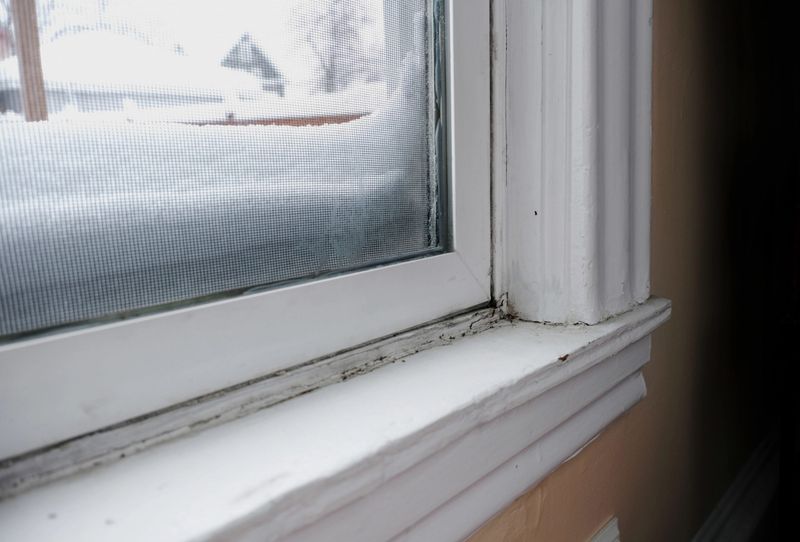
Timing is everything, and stink bug season proves it. Grabbing the caulk gun in November feels productive, yet it can create a fresh headache.
By now, many bugs have already slipped inside your wall spaces. Sealing every outside gap can trap them there.
As winter warms in spurts, those trapped bugs look for another exit, and that exit is often your living room.
The best window for exclusion work is late summer, roughly August into mid-September across most of the state. Mountain areas may need to start a little earlier, since cold nights arrive sooner there.
Still, November is not a lost cause. You can safely fix spots that lead straight into living space, such as torn window screens, worn door sweeps, and gaps around air conditioner units.
Those repairs keep bugs in the walls from wandering into rooms.
Make a note on your calendar for next August. Walk around the house and look for gaps around pipes, cables, vents, and siding seams.
Some bugs squeeze through openings smaller than a pencil eraser, so details matter.
Use quality silicone or silicone-latex caulk, foam for larger holes, and fine mesh over attic and soffit vents. Check that chimney caps fit snugly too.
I like to think of it as giving the bugs a closed sign before they shop for winter rentals.
5. How To Tell The Invasive Stink Bug From Native Look-Alikes
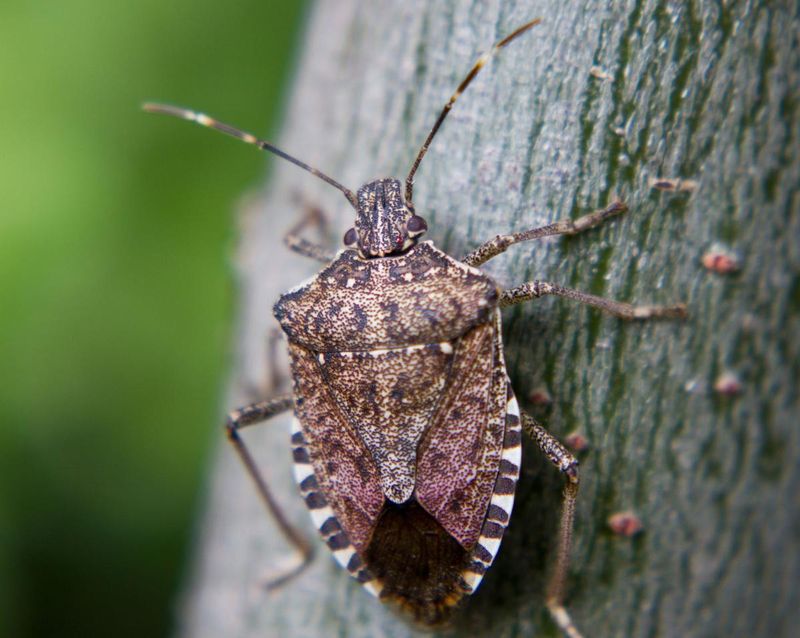
Not every shield-shaped bug on your porch is the troublemaker. North Carolina has plenty of native stink bugs, and most of them spend winter outdoors under leaves and bark.
The home invader is the brown marmorated stink bug, an import from East Asia first found in the United States in the late 1990s. It showed up in the state around 2009 and spread quickly.
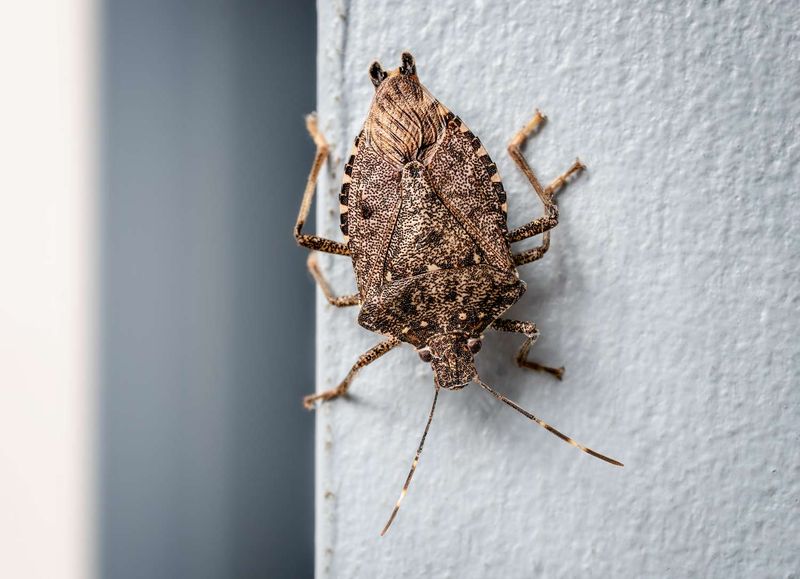
Look closely and you will see clues. This species has light and dark bands on its antennae, plus a checkered pattern of light and dark along the outer edges of its body.
Adults are about five-eighths of an inch long, roughly the size of a dime.
Native brown stink bugs lack those bright white antenna bands. The green stink bug is easy to spot because of its leafy color.
Watch out for a friendly look-alike, too. Spined soldier bugs resemble stink bugs but have pointy shoulders, and they eat caterpillars and other garden pests.
Leaving them alone helps your vegetable patch next year.
Wheel bugs and leaf-footed bugs sometimes get confused with stink bugs as well. Wheel bugs carry a gear-shaped crest and can deliver a painful bite, so handle them with care.
Snapping a quick photo and comparing it to an extension guide takes a minute. It saves you from chasing the wrong insect.
6. Woods And Gardens Near Your House Can Mean More Stink Bugs
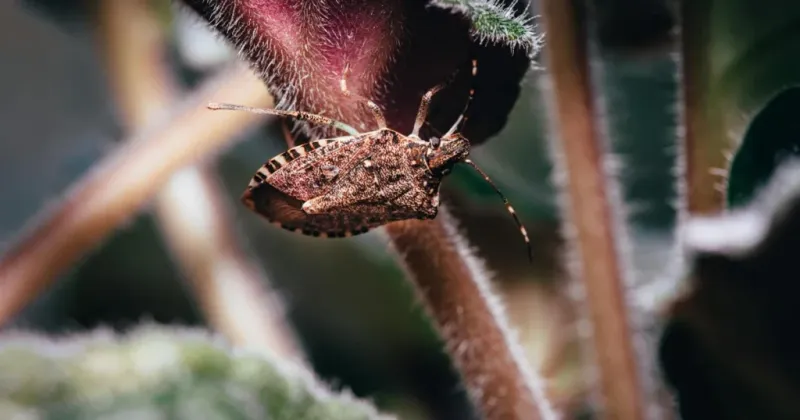
Some neighborhoods seem to get flooded while a street over barely sees a bug. Location plays a big part in that difference.
Brown marmorated stink bugs feed on more than 100 kinds of plants. Favorites include tree of heaven, maple, catalpa, fruit trees, tomatoes, peppers, beans, and sweet corn.
Farmers in the state know them well from damage to apples, peaches, and soybeans.
If your home sits beside woods, orchards, or crop fields, you are closer to their summer buffet. When fall arrives, the nearest tall, warm building gets the traffic.
Homes on ridges or at the edge of open land often stand out to them.
Gardeners may notice scarred, cloudy spots on tomatoes or dimpled peaches. That damage comes from the bug poking its mouthparts into the fruit.
It is mostly cosmetic, though it can make produce less appealing.
Tree of heaven deserves special mention. It is an invasive tree that also hosts spotted lanternflies, so removing young ones from your yard is a double win.
Ask your county extension office for safe removal tips.
Numbers also rise and fall from year to year. Hot, dry summers and mild winters can affect how many show up, so a quiet fall does not promise a quiet next year.
Knowing your surroundings helps you set realistic expectations and plan ahead.
7. A Few Porch Light And Yard Tweaks Make Next Fall Easier

Here is my favorite part, because small changes really add up. A bit of planning now can mean far fewer bugs on your walls next November.
Start with lighting. Bright white porch lights draw many insects at night, and stink bugs are no exception.
Swapping to yellow or warm LED bulbs and turning lights off when not needed can cut down on crowds by the door.
Next, give your foundation some breathing room. Trim shrubs and vines so they do not touch siding or rooflines, since those branches act like bridges.
Keep firewood stacked well away from the house too.
In late summer, take that walk-around inspection seriously. Seal gaps, patch screens, and add door sweeps before the first cool nights in September.
Natural helpers are on your side as well. Birds, spiders, and native predators like spined soldier bugs nibble away at stink bug numbers.
A tiny parasitic wasp called the samurai wasp, which attacks stink bug eggs, has also been found in parts of the region.
Planting native flowers such as goldenrod, asters, and mountain mint invites those beneficial insects to stick around. It brightens your yard at the same time.
The biggest takeaway is simple. A wall full of stink bugs means winter is near and your house looks cozy.
With some timing and care, you can keep that welcome mat rolled up.
8. Stink Bugs Buzzing Indoors In January Came In Back In The Fall
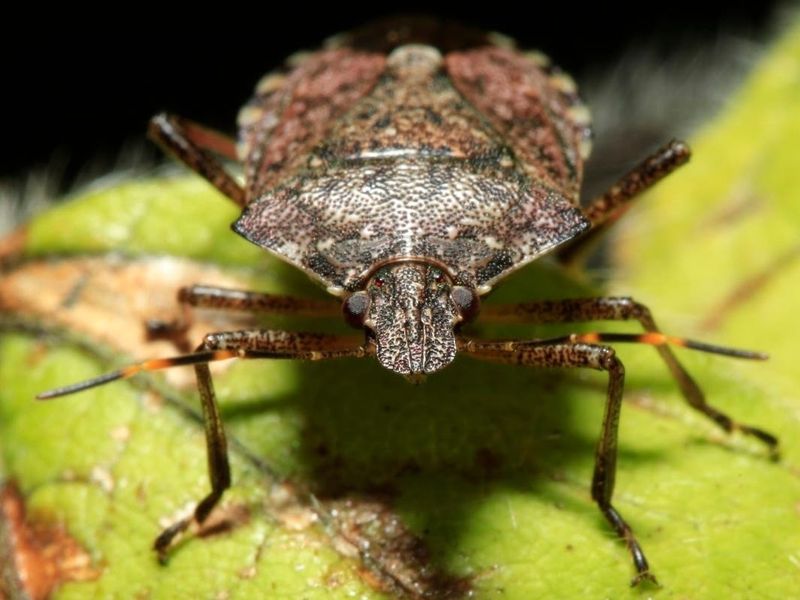
A stink bug flying across your living room this January can catch you off guard. It will not have arrived that day, though.
In most cases, that bug will have slipped into your walls or attic this fall, during the rush for winter shelter happening now. Once inside, it rests in diapause, a dormant state that lets it survive the cold months without feeding.
Warmth can interrupt that rest. Heat from your furnace or a sunny stretch of weather can rouse some bugs early, and they wander out of wall voids toward lamps and bright windows.
These early risers are often sluggish. Being active burns through their stored energy, and many die indoors before spring arrives.
There is no need to panic. Gently knock strays into a jar of soapy water, or vacuum them using a knee-high stocking secured inside the hose with a rubber band.
Try not to crush them, since that releases the odor you are trying to avoid.
It also helps to know what is not happening. Stink bugs do not mate or lay eggs inside your home during winter, so a few January visitors do not signal a growing infestation.
As days lengthen in spring, the survivors will try to head back outdoors to feed and breed. If they show up this winter, take it as a reminder to inspect your home and seal outside gaps next August.