Short On Time? These 8 Perennials Thrive Without You
Some blooms in my garden open for one single day, then fold up by nightfall without any fuss at all. Yet that same plant can push out dozens of new buds over several weeks, and it barely asks for water.
Another favorite of mine grows wild on prairies and turns copper red once the first cold snaps arrive. A third one smells so good to cats that they roll around in it like happy furry pancakes.
I skipped the fussy roses years ago, and my weekends suddenly felt longer and more relaxing. You might notice that the toughest plants often look the happiest when you simply leave them alone.
Every pick on this list shrugs off cold winters and still shines during the weeks when I forget it. These are the easygoing beauties that earned their permanent places in my beds, and one of them surprised me more than all the rest.
1. Daylily
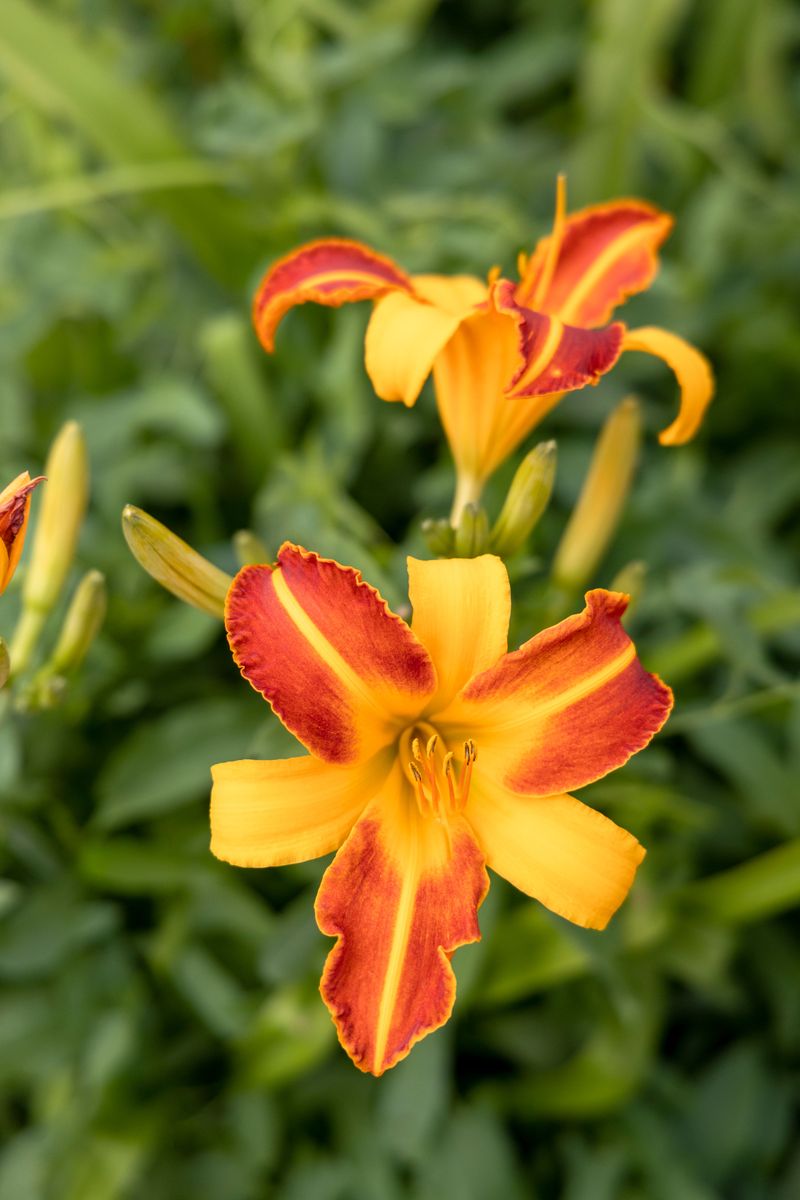
Each daylily flower lasts roughly one day, which sounds sad until you see how many buds wait in line. A single healthy clump can open fresh blossoms for weeks, so the show rarely feels short in my yard.
Botanists call the group Hemerocallis, a name built from Greek words meaning beauty and day, which fits perfectly. I love that the plant wears its whole personality right there in its official science name.
Plant them in full sun for the most flowers, though they still bloom decently with a few hours of shade. Once roots settle in, they handle dry spells and average soil better than many pricey garden center plants.
Most named varieties are hardy in USDA zones 3 through 9, so they suit gardens across most of the country. Rebloomers like Stella de Oro and Happy Returns keep sending up flowers well past the usual summer peak.
Every three to five years, I dig up crowded clumps in early fall and split them with a sharp spade. Those divisions make wonderful gifts, and friends rarely guess how little effort went into growing them.
One serious warning matters for pet owners, because every part of a true lily or daylily harms cats. Even a nibble of petals or pollen can cause kidney failure, so call your vet right away if exposed.
Skip the common orange ditch lily, since it spreads aggressively in many states and crowds out native plants. Choose well-behaved named cultivars instead, and you will enjoy years of color with almost no effort at all.
2. Hosta
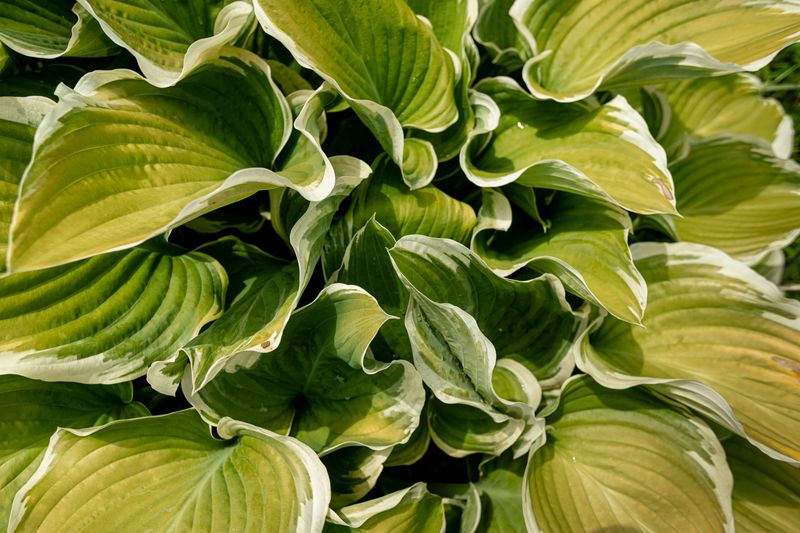
Hostas turned the gloomiest corner of my yard, under a huge maple, into the spot guests now admire most. Their leaves range from frosty blue to bright chartreuse, and some look almost quilted when the light hits.
Sizes vary wildly, from tiny mouse ear types to giants like Sum and Substance that spread several feet wide. Most hostas grow happily in USDA zones 3 through 9, and they need a cold winter rest to thrive.
Give them partial to full shade along with rich soil that stays moist but drains well after heavy rain. Blue varieties hold their color best in deeper shade, while gold types usually handle a little more sun.
A layer of shredded bark mulch keeps roots cool and saves you from watering much during summer heat. Established clumps can live for decades, and I have seen old plantings outlast the houses beside them.
Slugs and deer are the main troublemakers, and deer treat tender hosta leaves like a fancy salad bar. Thick-leaved varieties resist slug damage better, so look for words like heavy substance on plant tags.
Summer brings a bonus, since tall flower stalks rise above the leaves in shades of lavender or white. Hummingbirds visit those bell-shaped blooms, which honestly surprised me the first summer I paid close attention.
Keep an eye on curious pets, because hostas contain saponins that can upset stomachs in dogs and cats. Vomiting and diarrhea are the usual signs, so plant them away from spots where your animals love chewing.
3. Purple Coneflower
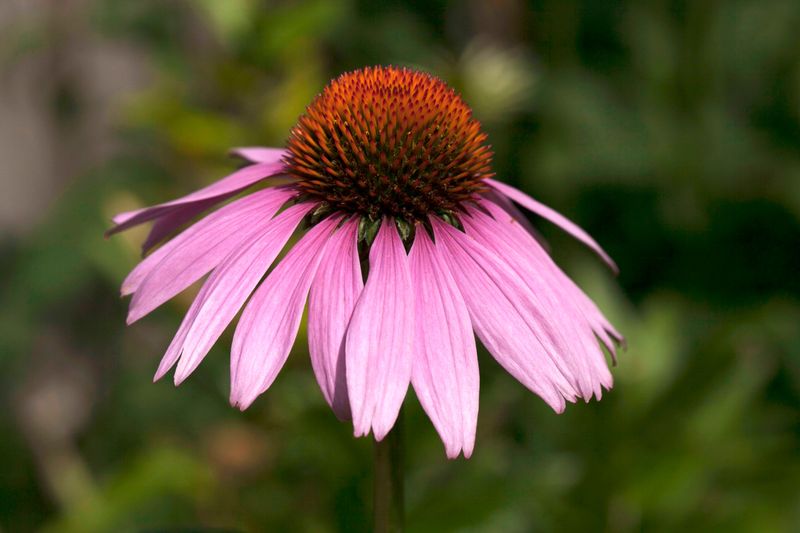
Goldfinches perched on my coneflowers last winter, picking seeds from the spiky heads I had lazily left standing. That small moment convinced me that skipping fall cleanup can be a gift for the birds.
Purple coneflower, or Echinacea purpurea, is a native prairie plant found in parts of the eastern United States. Its name comes from echinos, the Greek word for hedgehog, thanks to that prickly orange center cone.
Full sun suits it best, and it grows well in average soil that drains quickly after a storm. Rich soil and too much fertilizer can actually make stems floppy, so go easy with the plant food.
Plants usually reach two to four feet tall and bloom from early summer into late summer or beyond. They are hardy in USDA zones 3 through 8, which makes them a reliable fit for gardens in many regions.
Water new plants regularly during their first season, then let them handle dry spells mostly on their own. A deep taproot helps them find moisture, so mature clumps rarely need help unless a drought drags on.
Bees and butterflies crowd the blossoms all summer, and I enjoy watching them work from my porch chair. Snipping a few faded flowers in July can encourage more blooms, though skipping that chore works fine too.
Some flashy hybrids are shorter-lived, so the classic straight species often outperforms them over several years. Pet owners can relax a bit too, since purple coneflower is generally considered safe for dogs and cats.
4. Sedum
Snap off a sedum stem and push it into the dirt, and it will likely root within weeks. I learned that trick by accident after a rabbit knocked over a stem I meant to toss.
Often called stonecrop, these succulents store water in thick, fleshy leaves that feel almost rubbery between your fingers. The popular Autumn Joy is now listed by botanists as Hylotelephium, though most garden centers still say sedum.
Full sun and lean, well-drained soil keep these plants sturdy, while rich soil makes tall types flop open. Soggy ground is their real enemy, so skip low spots where rainwater puddles after spring storms.
Upright varieties grow one to two feet tall, while creeping kinds hug the ground like a living carpet. Most garden types are hardy in USDA zones 3 through 9, so harsh winters rarely bother them much.
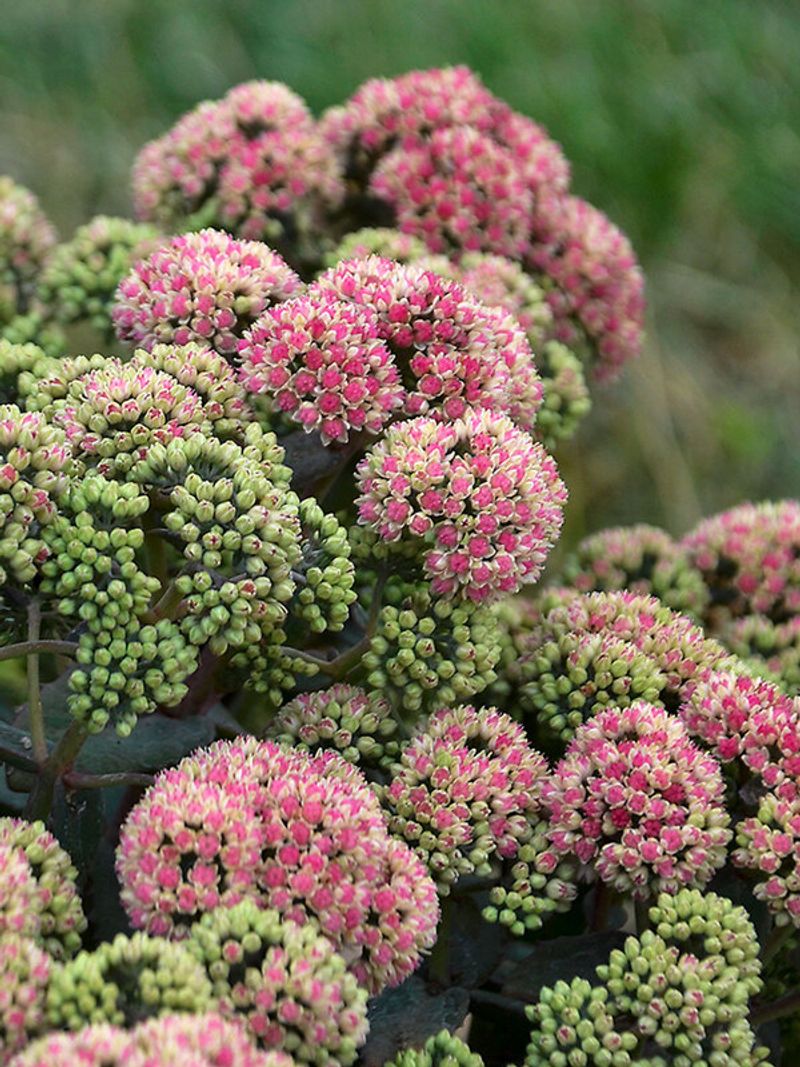
Late summer brings broccoli-like flower heads that slowly shift from pale pink to deep rusty red in fall. Bees and late butterflies swarm those blooms when few other flowers remain open in the garden.
Leave the dried flower heads standing over winter, because they catch snow and look lovely on frosty mornings. Cut them back in early spring once fresh green rosettes start poking up at the base of the plant.
Avoid stringy stonecrop, Sedum sarmentosum, since it escapes gardens and is considered invasive in several eastern states. Garden sedums are generally considered low risk for pets, though eating large amounts may cause mild stomach upset.
5. Black Eyed Susan
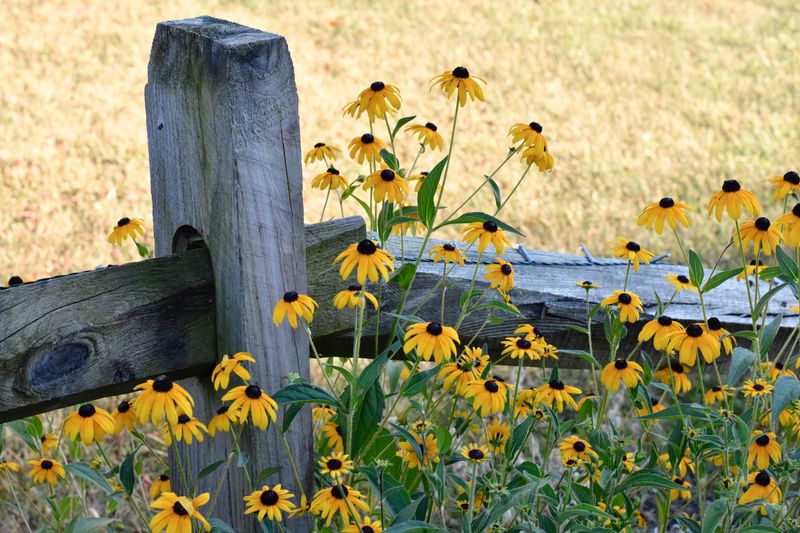
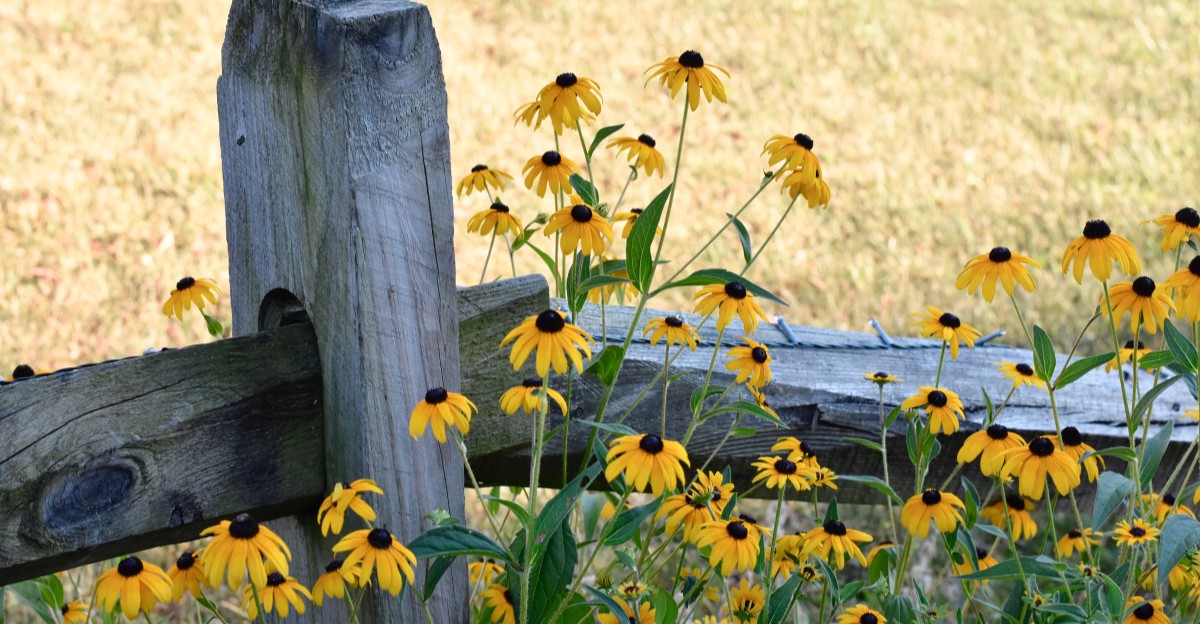
Black-eyed Susans were named an official state flower back in 1918, and I understand the choice. I understand the choice, since a sunny patch of these golden daisies lifts my mood every single August.
Lazy gardeners should look for Rudbeckia fulgida, especially the famous Goldsturm, because it returns reliably year after year. The common Rudbeckia hirta is lovely too, but it often behaves like a short-lived biennial instead.
Goldsturm grows about two feet tall and is hardy in USDA zones 3 through 9. Native black-eyed Susans grow wild in meadows across much of North America, so they feel right at home in most gardens.
Plant them in full sun with average, well-drained soil, and they will forgive the occasional missed watering. Clay soil works fine as long as water does not sit around the crowns for days at a time.
Blooms usually open in midsummer and keep going into early fall, giving tired gardens a fresh burst of color. Butterflies and native bees visit often, while songbirds return later to snack on the dark seed heads.
Goldsturm spreads slowly by underground stems, which means a few plants can fill a sunny bed within several seasons. Divide clumps every few years in spring if they get crowded, and share the extras with your neighbors.
Their fuzzy, bristly leaves seem to discourage many nibbling critters, although hungry deer may still sample them sometimes. For pets, the plant is generally considered low risk, though rough leaves might irritate a curious mouth.
6. Catmint
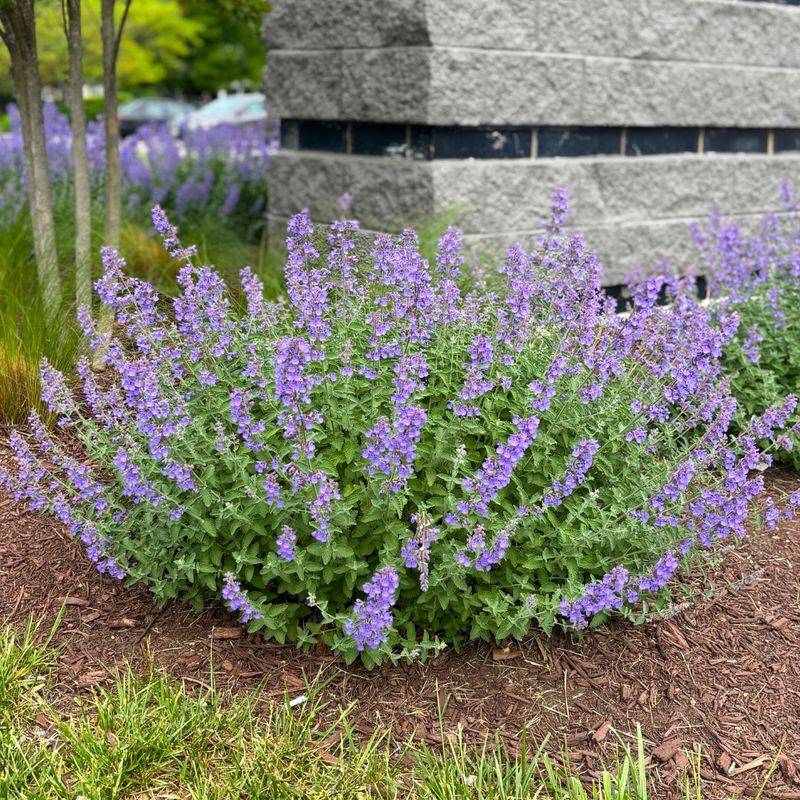
Walker’s Low catmint was named Perennial Plant of the Year in 2007, and it still earns that title daily. Brush past its silvery leaves and a minty scent drifts up, which makes weeding nearby strangely pleasant.
Catmint is usually sold as Nepeta x faassenii, a hybrid that rarely sets seed, so it stays where you plant it. Wild catnip is a different plant that can reseed heavily, so check the tag before buying.
Full sun brings the best flowers, though catmint tolerates light shade and handles poor, rocky soil surprisingly well. Once established, it shrugs off drought, so I rarely drag the hose over to that sunny bed.
Most varieties are hardy in USDA zones 3 through 8 and grow into soft mounds one to three feet tall. Lavender-blue flower spikes appear in late spring, and bees crowd them almost from sunrise until late afternoon.
When the first flush fades and plants look floppy, shear them back by about half with garden scissors. Within a few weeks, fresh leaves fill in and a second round of blooms often lasts into fall.
Deer and rabbits usually leave catmint alone, probably because those fragrant oils taste unpleasant to most grazing animals. Neighborhood cats are another story, and I have caught a few rolling blissfully across my plants at dusk.
Catmint is generally considered non-toxic, but pets that munch large amounts may get a mild stomach upset. Try planting it along a sunny path, where every brush of your leg releases that clean, herbal fragrance.
7. Perennial Salvia
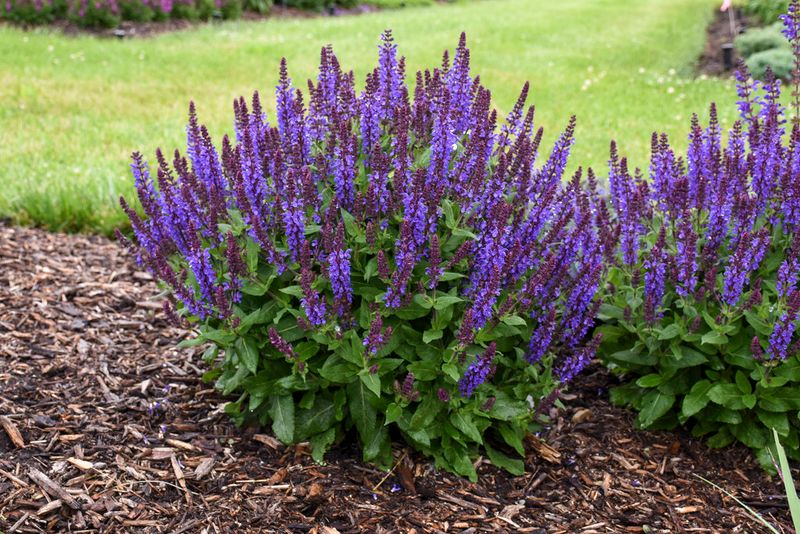
May Night salvia earned Perennial Plant of the Year honors in 1997, and its deep violet spikes explain why. Every June, my patch looks like someone lined the walkway with dozens of tiny purple candles.
The plant usually sold as perennial salvia is Salvia nemorosa, a tough cousin of the sage in your kitchen. Its square stems and pebbly leaves give off a light herbal scent whenever you brush against them.
Full sun is a must, along with soil that drains quickly, because wet winter roots are its main weakness. Heavy clay can work if you plant on a slight mound or mix in compost first.
Most cultivars are hardy in USDA zones 4 through 8, and they stay neat at one to two feet tall. That compact size makes them handy for the front of a border, where taller plants might block the view.
After the first flush of flowers fades, cut the spent stems back to the leafy base of the plant. That quick trim often triggers a second wave of blooms later in summer, which feels like free bonus color.
Bumblebees adore these flowers, and I often count several of them working a single spike on warm mornings. The fuzzy, fragrant leaves also tend to discourage deer and rabbits, so damage is usually light.
Once established, perennial salvia handles dry stretches well, so supplemental watering is mostly needed during long heat waves. Salvia nemorosa is generally considered safe around pets, though eating lots of leaves could cause mild tummy trouble.
8. Little Bluestem
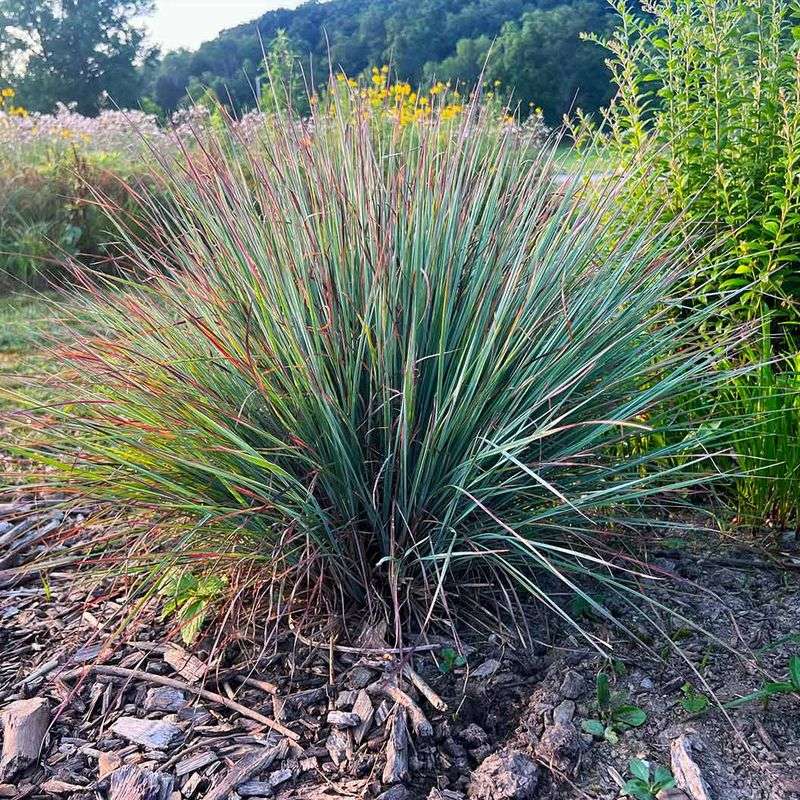
Little bluestem looks like a quiet tuft of blue-green hair in June, then glows copper red by November. Backlit by low winter sun, my clump honestly looks like it is on fire, in the most peaceful way.
Its scientific name is Schizachyrium scoparium, and it once covered huge stretches of the tallgrass prairie. This native bunchgrass still grows wild in many regions, especially in dry prairie remnants and open, sunny hillsides.
Plant it in full sun with lean, well-drained soil, because rich ground and extra fertilizer make it flop over. Sandy or rocky spots suit it perfectly, and established clumps handle drought with barely any help from you.
Plants usually grow two to four feet tall and are hardy in USDA zones 3 through 9. Clumps stay put instead of running, so you will not find it popping up across the yard.
Several skipper butterflies use little bluestem as a host plant, laying eggs that become caterpillars feeding on the leaves. Fluffy silver seed heads appear in fall, and small songbirds pick through them during the colder months.
Care could not be easier, since the only real chore is cutting old stems down in late winter. Leave the foliage standing until then, because it shelters overwintering insects and adds lovely color to snowy beds.
Varieties like The Blues and Standing Ovation offer bluer summer foliage and sturdier stems than the wild form. Little bluestem is not known to be toxic to pets, which makes it an easy choice for family gardens.