Dealing With a Stink Bug Invasion? Try This Essential Oil
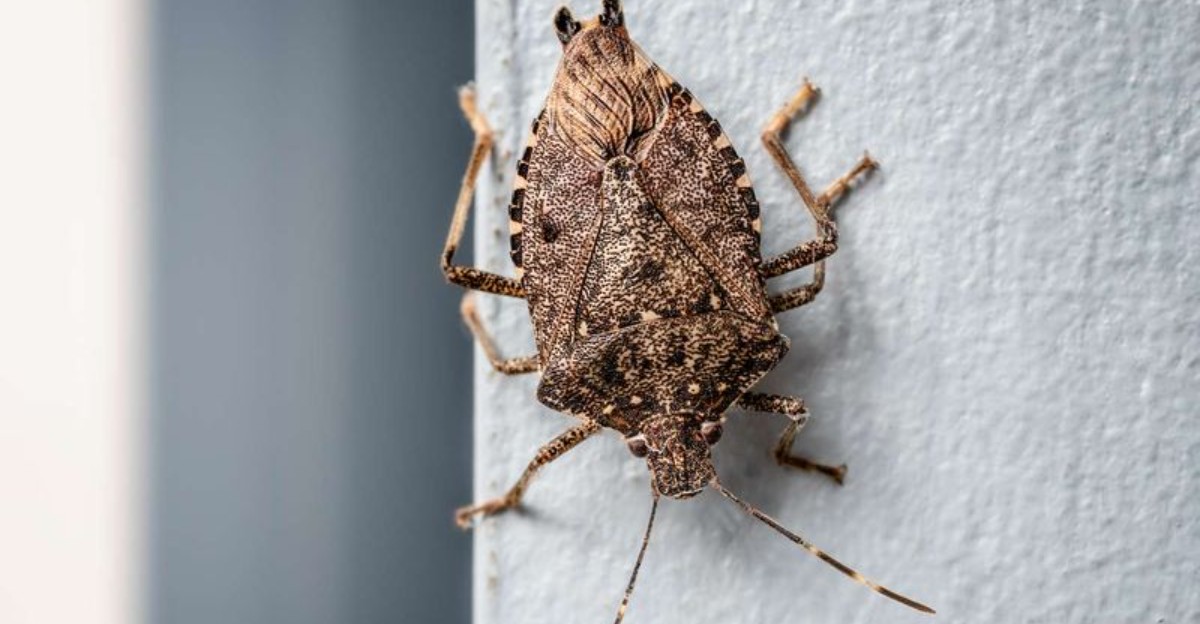
A shield-shaped bug that hitched a ride from Asia was first collected near Allentown, Pennsylvania, in 1996. Today it shows up in most of the lower 48 states. It is harmless to people, but it sure knows how to make an entrance.
When the days grow short, these brown hitchhikers crowd onto sunny walls and squeeze through tiny gaps. Squish one, and your living room smells like crushed cilantro and old gym socks. I can’t imagine a less welcome houseguest.
Personally, I got tired of vacuuming them off my curtains every October. So I started digging into what researchers actually found works, and one bottle from the kitchen cabinet kept coming up.
You might already own it. The scent is fresh, cheap, and surprisingly unpopular with a certain smelly bug. Could the fix for your window sills really be sitting next to the tea bags?
Brown Stink Bugs Turn Up Their Noses At One Minty Scent
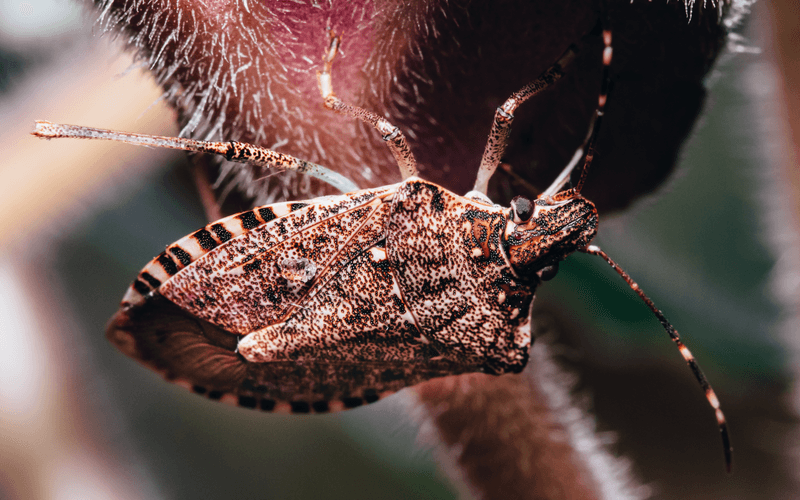
Spearmint oil is the star here, and it earned that spot in field trials, not just on social media. A 2014 study published in the Journal of Applied Entomology tested several common essential oils on brown marmorated stink bugs. Spearmint landed among the strongest repellents, right alongside clove, lemongrass, and ylang-ylang.
That matters because stink bugs rely heavily on smell. They use scent signals to find each other and to pick cozy spots for the winter. A strong minty cloud seems to scramble that message and send them looking elsewhere.
Peppermint oil gets mentioned a lot too, and many gardeners swear by it. It shares a similar sharp, cool smell, so it makes sense as a backup. Still, spearmint is the one with the clearest research support.
I like that this option is easy to find at almost any grocery store or pharmacy. A small bottle usually costs less than a takeout lunch and lasts for weeks of spraying.
Keep your expectations realistic, though. Mint oil works as a deterrent, which means it nudges bugs away from treated areas. It does not wipe out a population, and it works best as one part of a bigger plan to keep your home bug-free.
Mixing A Spearmint Spray Bottle Takes Two Minutes
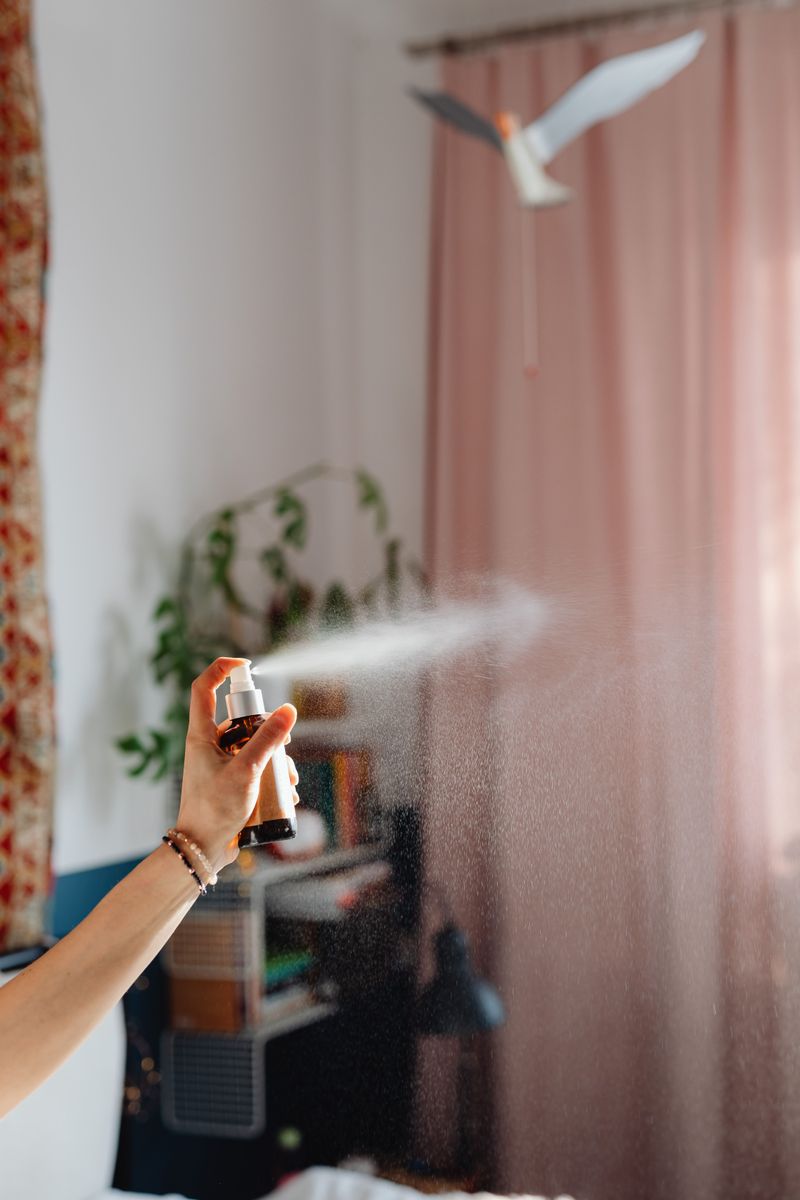
Grab a clean spray bottle, because the recipe is almost too simple. Fill it with about two cups of water. Add 10 to 15 drops of spearmint oil and a few drops of plain dish soap.
The soap is the secret helper. Oil and water like to separate, so the soap keeps everything mixed and helps the spray spread evenly. Give the bottle a good shake before every use, since the oil still tends to float to the top.
Glass or sturdy plastic bottles work well. Some essential oils can soften thin plastics over time, so glass is a smart pick if you plan to keep a batch around. Label it clearly so nobody mistakes it for a cleaning spray or plant mister.
Fresh batches smell strongest. Mint scent fades within a few days, especially on sunny surfaces, so I mix small amounts and refresh them often.
Want a stronger blend? You can add a few drops of clove or lemongrass oil, which also showed repellent effects in research. Just avoid going overboard. A very concentrated mix can irritate skin, stain surfaces, and make your eyes water before it ever bothers a single bug.
Spray Window Frames And Door Gaps Where Stink Bugs Sneak In
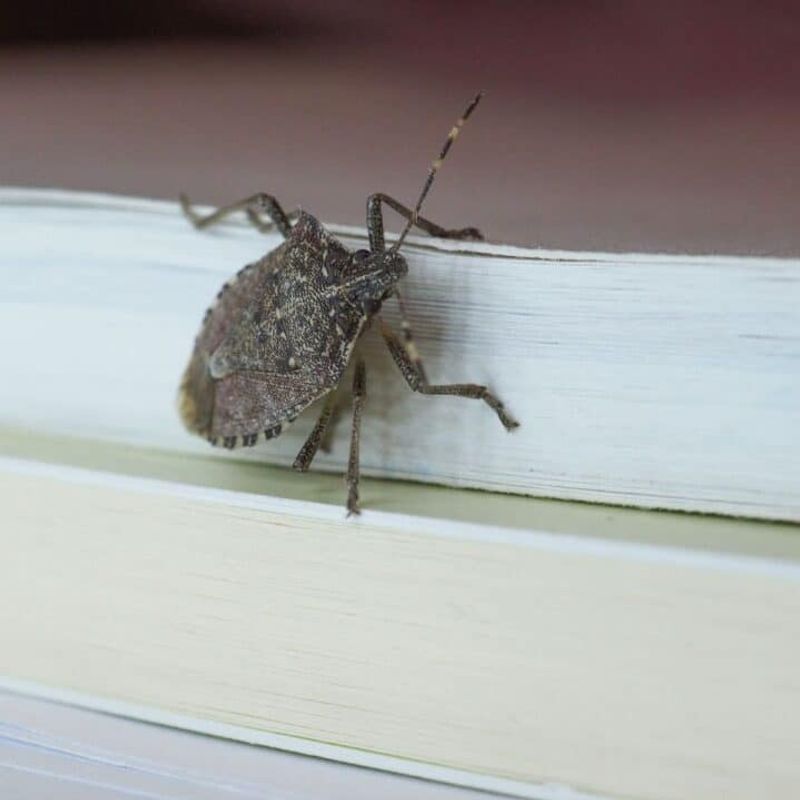
Location is everything with this spray. Stink bugs mostly enter through tiny openings around windows, doors, vents, and utility lines. Those are the spots that deserve a generous misting.
Start outdoors if you can. Spray window frames, door edges, the gaps around air conditioners, and spots where cables or pipes enter the house. Inside, give a light coat to window sills, sliding door tracks, and attic access points.
Timing makes a real difference. Penn State Extension notes that stink bugs start gathering on homes in late summer and early fall, often in September and October. Spraying before and during that window gives you the best shot at turning them away.
Reapply every few days, and again after rain. Sunlight and moisture break down the scent fast, and a faded smell is not much of a barrier.
One quick tip from my own trial and error: watch where the bugs cluster on a warm afternoon. They often gather in the same corners every year. Those hot spots tell you exactly where to focus your spray bottle and, later, your caulk gun.
Mint Oil Repels Stink Bugs But Won’t Handle Every Last One
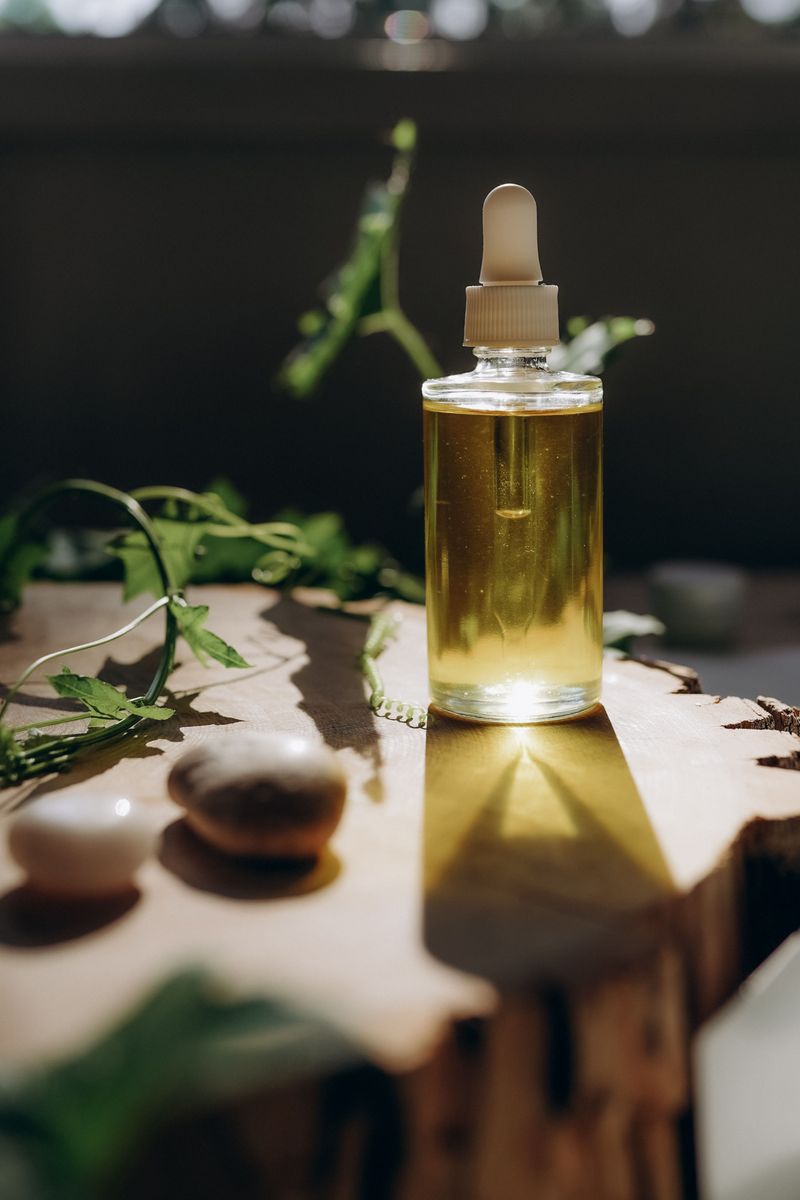
Honesty time, because nobody likes a remedy that overpromises. Spearmint oil can discourage stink bugs, but it is not a force field. Some bugs will still find their way inside, especially during a heavy fall season.
Research on essential oils mostly measured repellency, meaning how often bugs avoided a scented area. That is useful, yet it is different from controlling a large population around your whole home. The effect also fades as the scent wears off.
Bugs that are already tucked into wall voids or attics may not budge at all. Once they settle in for winter, they get sluggish and stay put until warm days wake them up. You may notice them wandering out on sunny winter afternoons or in early spring.
So think of mint oil as a helpful layer, not the whole cake. It pairs nicely with sealing gaps, fixing screens, and removing bugs by hand.
I find this mindset saves a lot of frustration. When a few stragglers show up, it does not mean the spray failed. It simply means your home needs a little extra backup, like the soapy jar and vacuum tricks in the next sections.
Sunny South Walls Are Stink Bug Magnets Every Fall
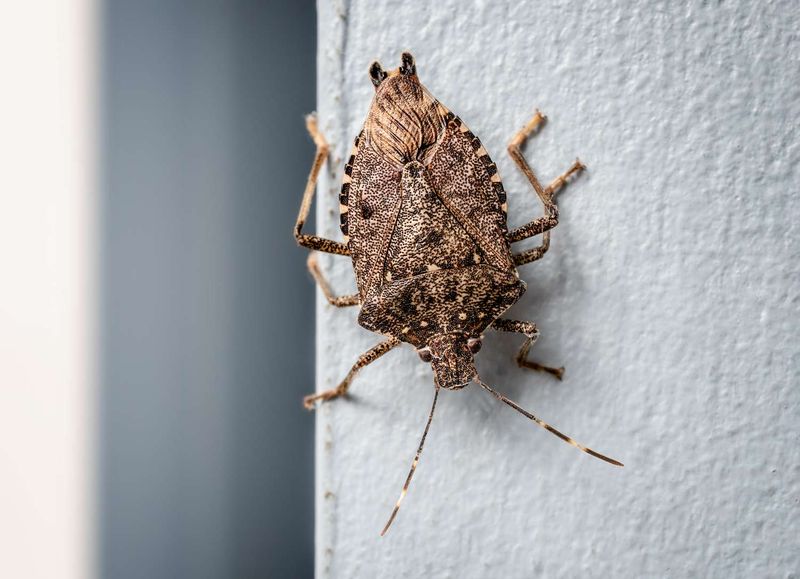
Ever notice that one side of the house looks like a stink bug convention? That is no accident. These bugs love warm, sunny walls, especially those facing south and west on autumn afternoons.
The brown marmorated stink bug is native to China, Japan, and Korea. In its home range, it spends winter hiding in cliffs and dead trees. Here, our houses offer a similar setup, with plenty of cracks and steady warmth.
As days shorten in fall, the bugs follow light and heat. Light-colored siding seems to draw big groups, and homes near woods, orchards, or farm fields often see the heaviest crowds.
This habit is actually handy for you. Those warm walls show exactly where to concentrate your mint spray and your sealing work. Focus on windows, soffits, and vents on the sunny sides first.
Regional differences matter too. Mid-Atlantic states like Pennsylvania, Maryland, and Virginia often report the biggest fall swarms, while some areas see only a handful. If your neighbors on the edge of a wooded lot complain more than you do, the trees nearby are probably the reason.
A Soapy Water Jar Handles The Stink Bugs Already Inside
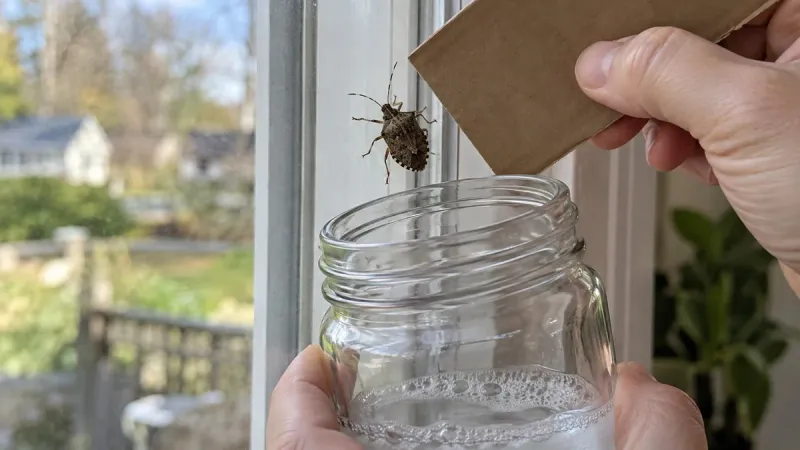
My favorite indoor trick costs almost nothing. Fill a jar or plastic container with a few inches of water and a good squirt of dish soap. Then hold it under a stink bug and gently tap the bug into the jar.
Stink bugs tend to drop when disturbed, so they usually fall right in. The soap breaks the surface tension of the water, and the bug cannot climb back out. Once you are done, flush the contents or pour them outside.
Whatever you do, skip the squishing. Crushing a stink bug releases that famous odor, and it can leave stains on fabric or walls.
Vacuuming works well for bigger groups. Many extension experts suggest using a separate shop vac, or slipping a knee-high stocking into the hose to catch the bugs. Empty it right away so the smell does not linger in your vacuum.
Indoor insecticide sprays are usually not recommended for stink bugs. Penn State Extension points out that they offer little benefit inside and may leave bodies in walls that attract carpet beetles. A jar of soapy water is safer and far more satisfying.
Keep Peppermint And Spearmint Oil Away From Curious Cats And Dogs
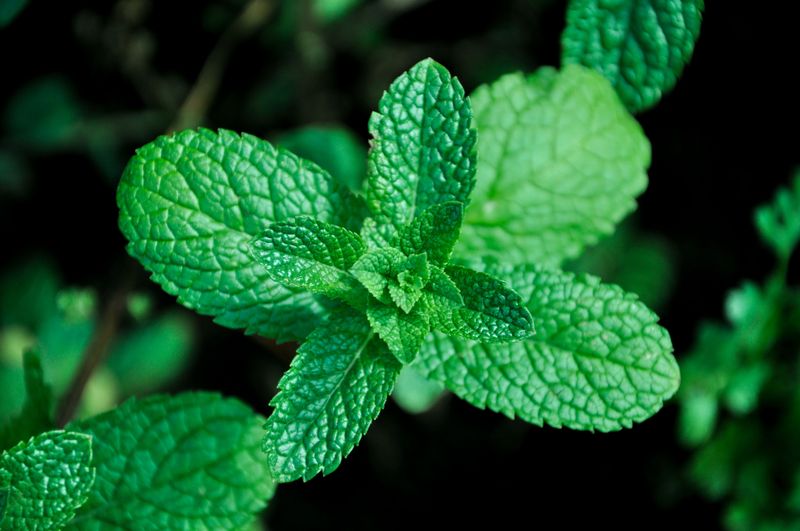
Pet owners, this part is for you. The ASPCA warns that many essential oils, including peppermint, can be toxic to cats and dogs. Cats are especially sensitive because their livers struggle to break down certain compounds in these oils.
A diluted spray on an outdoor window frame is far less risky than a concentrated puddle on the floor. Still, it pays to be careful. Keep pets out of the room while you spray, and let surfaces dry before they return.
Skip the oil diffusers if you have a cat. Breathing in heavy scented mist for long periods can bother their lungs.
Watch for signs of trouble, like drooling, vomiting, wobbly walking, or trouble breathing. Call your veterinarian or a pet poison hotline if you notice any of those symptoms.
Your house deserves a little caution too. Essential oils can sometimes stain painted trim, wood finishes, or fabric. Test a small hidden spot first before spraying a whole window frame.
Store your bottle up high, with the cap screwed tight. Curious paws and noses are surprisingly good at finding things that smell interesting.