Leaving Old Pumpkins Out for Javelina Could Get You in Trouble in Arizona
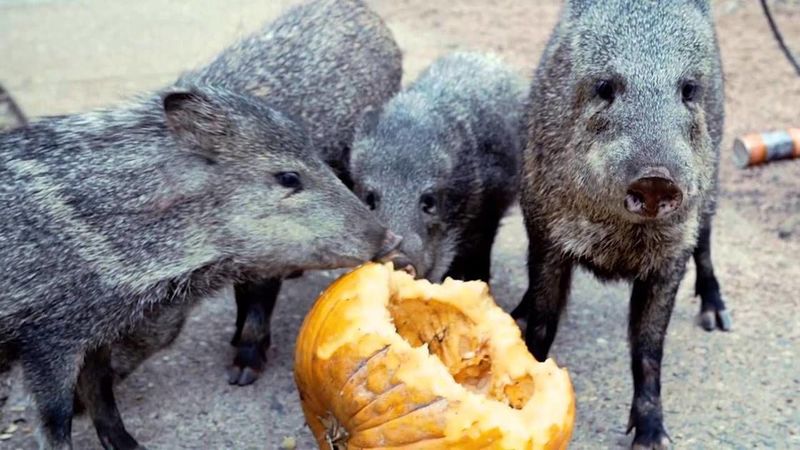
That jack-o’-lantern on your porch might get a visit from a wild, bristly neighbor. Arizona Game and Fish says Halloween decorations can attract wildlife.
Javelina are the animals many Arizona residents think of first. A pumpkin display is usually harmless, but the details matter.
Here is what the law says and how to keep your porch friendly for people only.
Outdoor Pumpkins May Attract Javelina
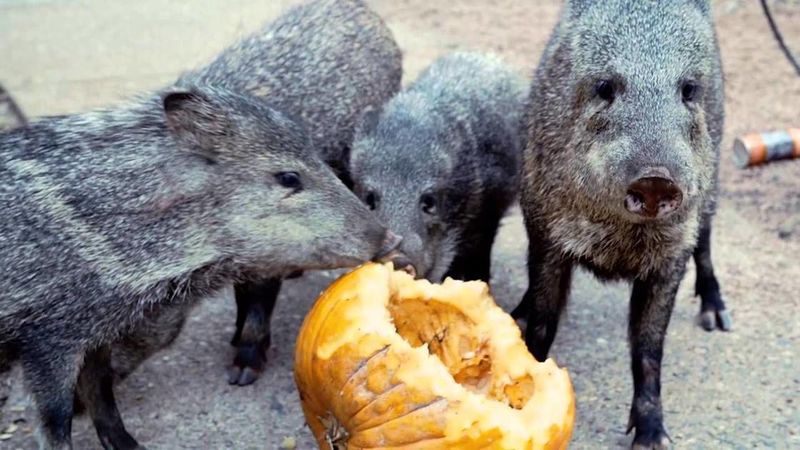
Pumpkins look like pure decoration to us, but a hungry animal may see a snack. Arizona Game and Fish has warned that outdoor Halloween decorations, pumpkins included, may attract javelina and other wildlife.
Javelina eat mostly plants, though the department lists garbage among the things they sometimes eat. That makes an accessible pumpkin a possible draw, especially in neighborhoods where javelina already roam through yards and washes.
A visit is possible, not certain. Plenty of porches with pumpkins never see a single animal.
The bigger concern is what happens when wildlife gets food from people. According to the department’s javelina guidance, feeding can habituate javelina to people.
That can contribute to property damage or safety conflicts down the road. A little care with your decorations helps keep the animals wild and your yard calm.
Arizona Law Targets Wildlife Attraction
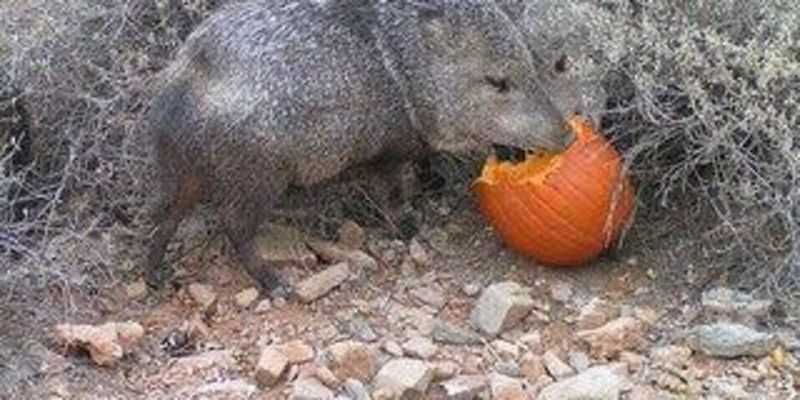
Arizona has a law aimed at people who feed wildlife, and its wording is worth reading closely. Under Arizona Revised Statutes 13-2927, it is unlawful to intentionally, knowingly, or recklessly feed, attract, or entice wildlife into an area.
Notice what the statute does not say. It does not name pumpkins, and it does not declare outdoor Halloween displays unlawful.
The rule focuses on conduct, meaning what a person does and what they know or disregard, rather than on a decoration simply sitting there.
The law also lists exemptions. Birds and tree squirrels are exempt, but javelina are not.
So if someone deliberately sets out food to draw javelina, that is the kind of behavior the law has in mind.
The State Rule Has Geographic Limits
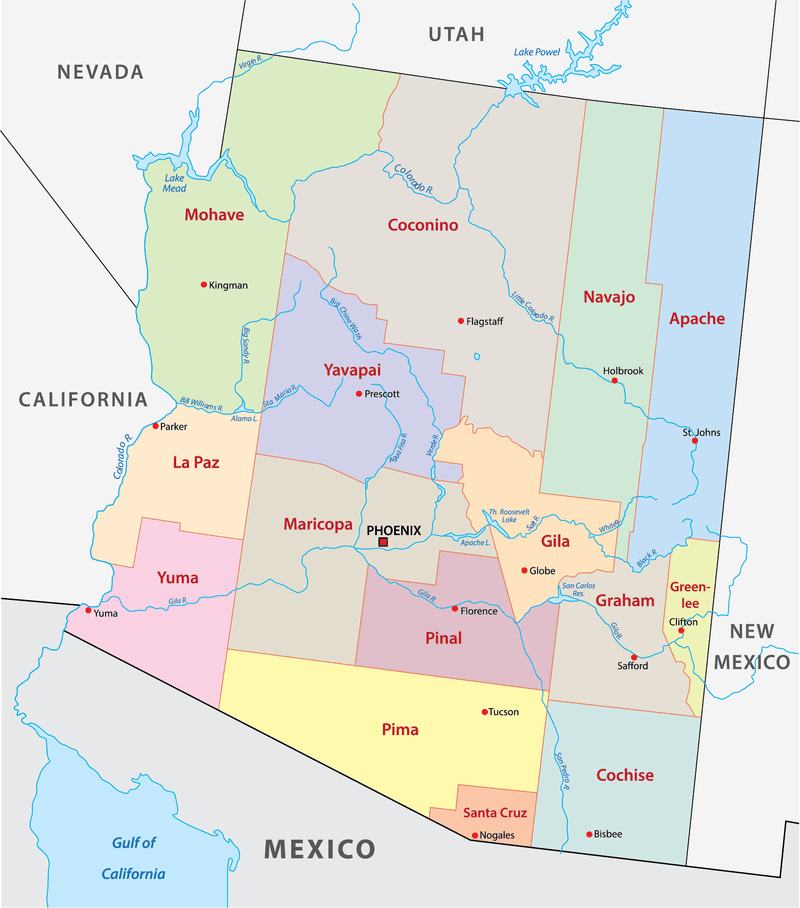
Where you live changes which rules apply. The state provision covers counties with populations over 280,000, as described in the statute.
Arizona Game and Fish identifies Maricopa, Pima, and Pinal as covered counties.
That means you should not assume the state rule applies everywhere in Arizona. It also does not mean you are free of rules elsewhere.
Cities and counties can set their own wildlife-feeding restrictions, and AZGFD notes that local rules vary.
A quick check of your city or county code is a smart next step. Many municipalities post their codes online, and a call to city hall can fill in any gaps.
Renters can also ask their landlord or HOA about community rules.
An Outdoor Display Is Not Automatically a Violation
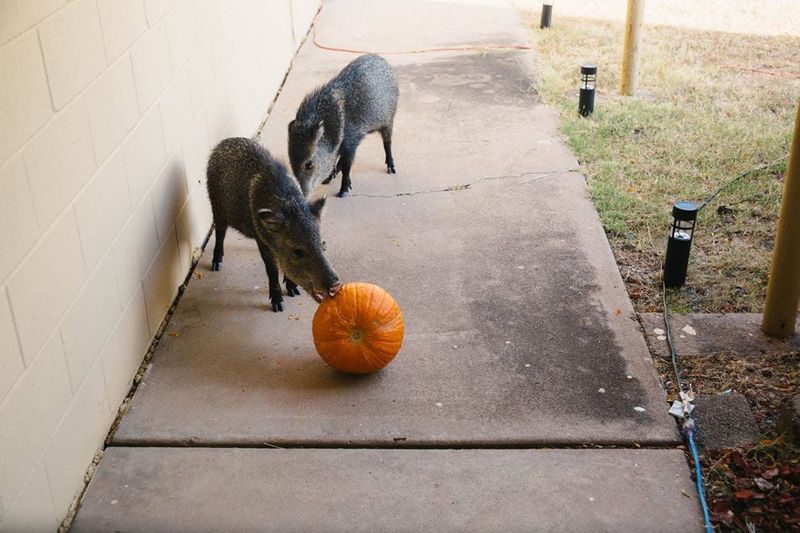
A pumpkin on your steps does not, by itself, show that anyone meant to attract wildlife. The statute looks at whether someone intentionally, knowingly, or recklessly did so, according to the text of the law.
Whether a particular situation meets that standard depends on the facts and on the jurisdiction. Someone who sets out food specifically to draw animals is in a very different spot than a neighbor with one seasonal decoration.
This article cannot decide any one person’s legal liability.
The department’s page on not feeding wildlife explains the goal well: keeping wildlife wild. If javelina keep showing up at your place, that is a good signal to look for what is drawing them.
Penalties Are Possible, Not Guaranteed
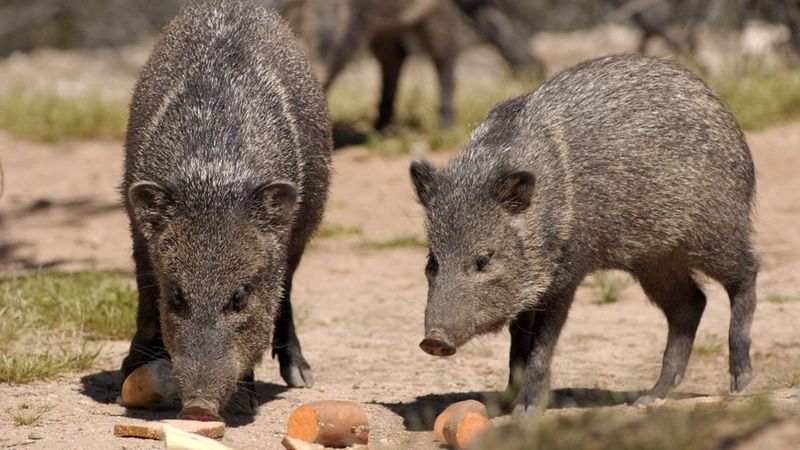
The offense is classified as a petty offense. AZGFD says a violation may carry a fine of up to $300.
The agency also notes that a criminal-nuisance citation, with an additional fine, may be possible. Those are potential outcomes, not automatic ones.
Leaving one pumpkin outdoors does not mean a fine is coming. Penalties depend on the circumstances, including whether the conduct fits the statute.
The practical takeaway is simple: avoid creating a situation where wildlife is being drawn in on purpose or through plain carelessness.
Keep Pumpkins and Other Attractants Secure
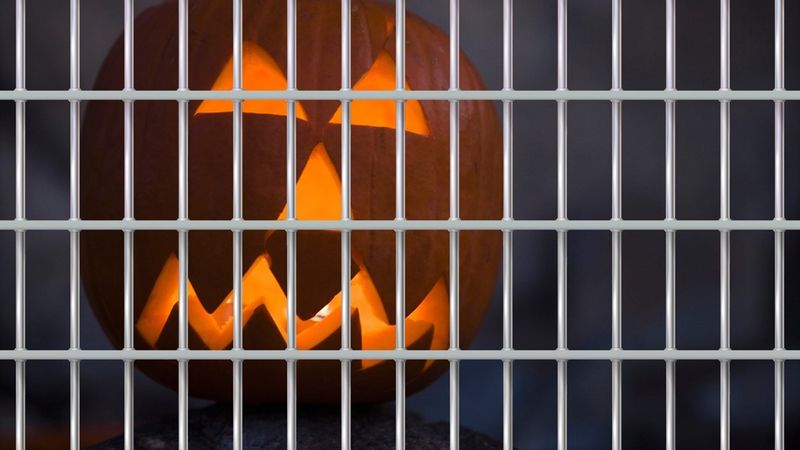
Prevention is easy and cheap. AZGFD recommends displaying pumpkins indoors or elevated beyond wildlife’s reach, then disposing of them securely when the season ends.
The same thinking applies to the rest of your yard. The department advises securing garbage and compost, bringing pet food inside, and removing other accessible attractants, as covered in its javelina guidance.
Try a sturdy table, a covered patio, or a spot behind a closed gate for your display. Keep trash bins latched and wait to put them out until pickup morning.
These steps reduce access to food, though they cannot guarantee wildlife will stay away.
Keep Your Distance if Javelina Appear
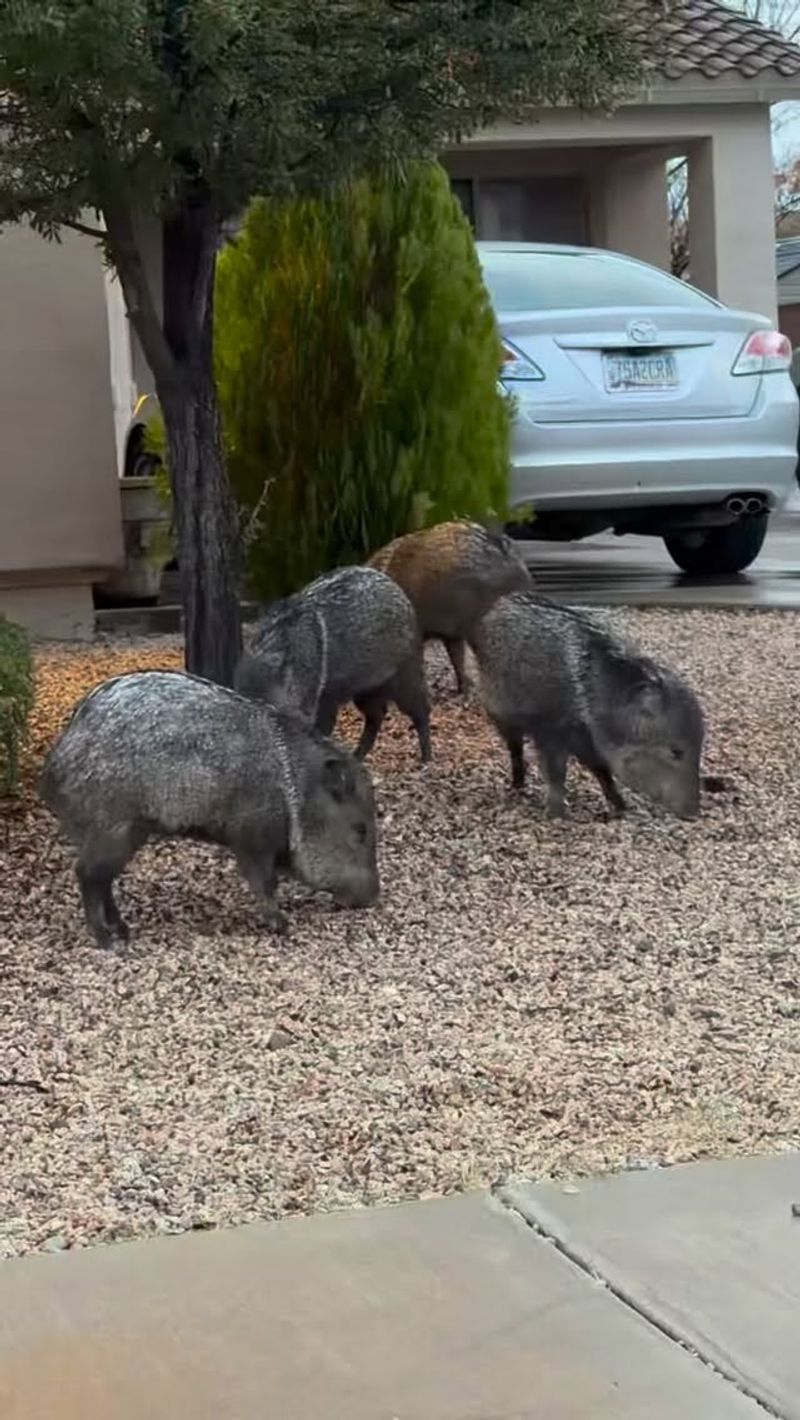
Seeing a javelina is usually just a moment of desert life, not an emergency. Give the animal plenty of space, and never approach, touch, feed, chase, or corner it.
Javelina can bite, and AZGFD associates bites almost always with people providing food. Bring pets inside, back away calmly, and let the animal move along on its own.
If an animal seems aggressive or is trapped, AZGFD advises contacting the department. After a bite, seek medical attention right away.
A quiet yard with nothing to eat is the kindest welcome mat for wildlife: they pass through, and everyone stays safe.