8 November Mistakes That Cause Snow Mold and Salt Damage in New York Lawns
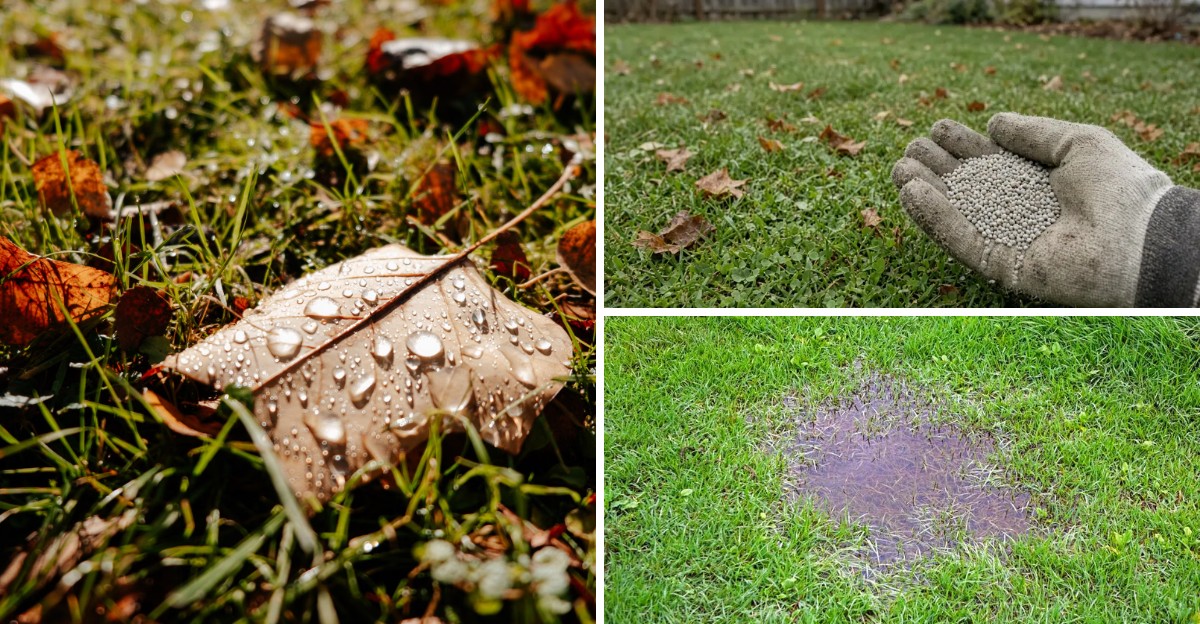
Some lawn fungi keep growing under a foot of snow, working quietly at temperatures barely above freezing. Come spring, they leave crusty circles that look like someone spilled cobwebs across the grass.
Road and sidewalk salt adds a second problem, pulling moisture away from roots even when the soil stays wet. Plant scientists call that effect physiological drought, and it shows up as brown strips beside pavement.
Truth be told, I used to blame every patchy spring lawn on bad luck or a rough winter. My own yard taught me that most of that trouble started months earlier, during a few chilly November afternoons.
Across New York, the choices you make with your mower and salt bucket now shape what greets you in April. So which harmless-looking fall habits are quietly setting your grass up for a rough start next year?
1. Leaving Tall Grass Uncut Before The First Snow
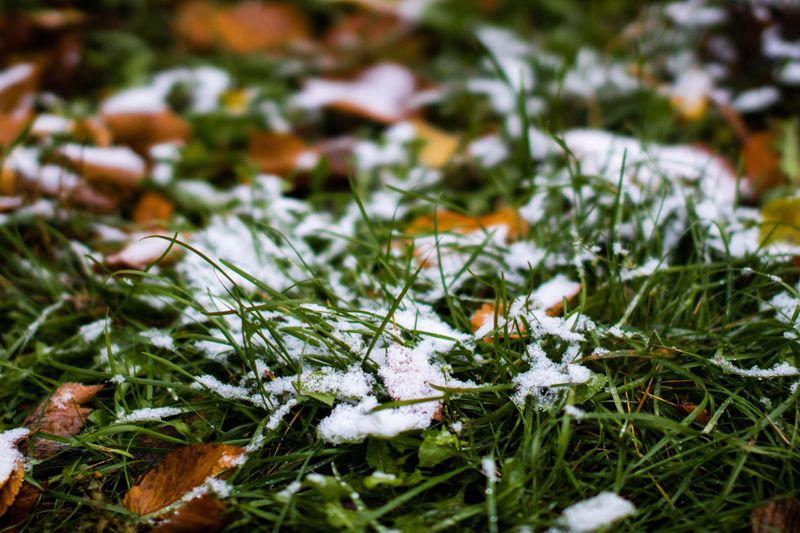
Long grass flopping over under snow creates a damp, cozy tent, and snow mold fungi love that kind of shelter. In my yard, the worst gray patches each spring showed up exactly where I skipped the last mowing.
Gray snow mold, caused by Typhula fungi, usually needs weeks of lasting snow cover on unfrozen ground to develop. Pink snow mold, caused by Microdochium nivale, is sneakier because it can grow in cool, wet weather without snow.
Tall, matted blades trap humidity right at the crown, which is the growing point near the soil surface. That trapped moisture gives both fungi a perfect hiding spot while you sit indoors with hot cocoa.
Keep mowing at your normal height until the grass stops growing, which often happens in November across the state. For a final cut, many university turf experts suggest lowering the deck slightly, to around two and a half inches.
Avoid scalping the lawn down to the dirt, because very short grass loses stored energy it needs for spring. A modest trim keeps blades upright and lets cold air move through the canopy after storms.
Sharpen your mower blade before that last cut so the tips slice cleanly instead of tearing. Ragged, shredded tips heal slowly and can give fungi an easier doorway into stressed leaf tissue.
Funny thing is, this single afternoon chore takes less time than raking, yet it pays off for months. Bag or mulch the clippings finely so they do not form soggy clumps sitting on the turf.
2. Letting Wet Leaves Mat Down On The Lawn
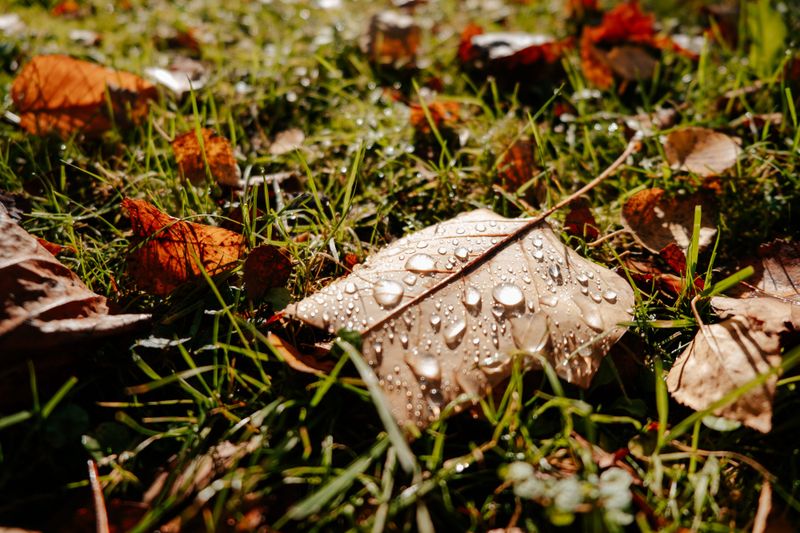
Maple leaves glued together by November rain can form a mat as tight as wet newspaper over your grass. Lift one up after a week, and you will often find pale, yellowed blades gasping underneath.
That soggy layer blocks sunlight and holds moisture against the turf, giving pink snow mold an ideal starting point. Grass still makes food on mild fall days, so shading it now weakens it before winter arrives.
If you ask me, leaf season is a race against the first lasting snowfall rather than a weekend project. Once snow lands on a thick leaf blanket, everything underneath stays damp and dark until spring thaw.
Light leaf cover is easy to manage by mowing over it with a mulching mower a few times. Aim for pieces about the size of a dime, so they slip between blades and break down quickly.
Heavy drifts under big oaks or maples usually need raking or a leaf blower to clear the lawn properly. Pile those leaves in garden beds or a compost bin, where they turn into rich, crumbly organic matter.
Pay attention to fence lines and corners, because wind tends to stack leaves into deep pockets there. Those forgotten spots are exactly where I find the ugliest circles of matted grass every April.
Check your local town website too, since many communities offer curbside leaf pickup on set fall schedules. A few hours of raking now beats a spring spent reseeding bald, crusty patches by hand.
3. Pushing Quick Nitrogen Fertilizer Onto Lush Fall Grass
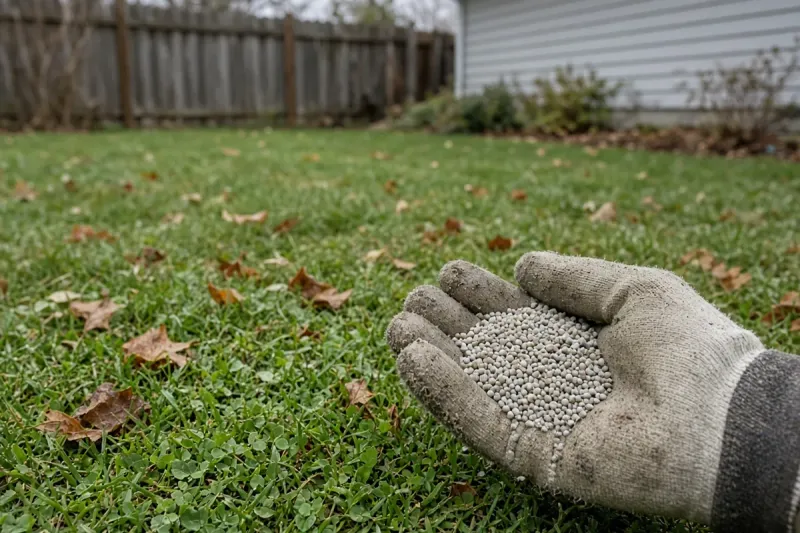
A bright green lawn in late fall looks gorgeous, but that lush flush can become a snack for winter fungi. Soft, fast-growing grass tissue is more tender, and snow mold organisms take advantage of that weakness.
Cornell and other turf researchers link heavy, quick-release nitrogen applied while grass is still growing actively to more snow mold. The problem is not fall feeding itself, but feeding the wrong form at the wrong moment.
Early fall, around Labor Day through September, is often the most valuable feeding window for cool-season lawns. Grass uses that nitrogen to repair summer damage and build thicker roots before the weather turns cold.
Some lawn care programs add a late fall feeding once top growth slows but the grass stays green. If you try that, choose a moderate rate and follow your fertilizer label and local extension guidance carefully.
Avoid dumping extra fertilizer just because the bag is half full and the garage needs space. New York law bans applying lawn fertilizer between December 1 and April 1, and it limits phosphorus use.
Spreading fertilizer on frozen ground or snow is a waste, since it simply runs off during the thaw. Sweep any granules off sidewalks and driveways too, so they do not wash into storm drains.
My garden taught me patience here, because tough, slow-growing grass handles winter far better than pampered turf. Feed early and modestly, then let your lawn settle into dormancy at its own comfortable pace.
4. Piling Shoveled Snow On The Same Patch Of Grass
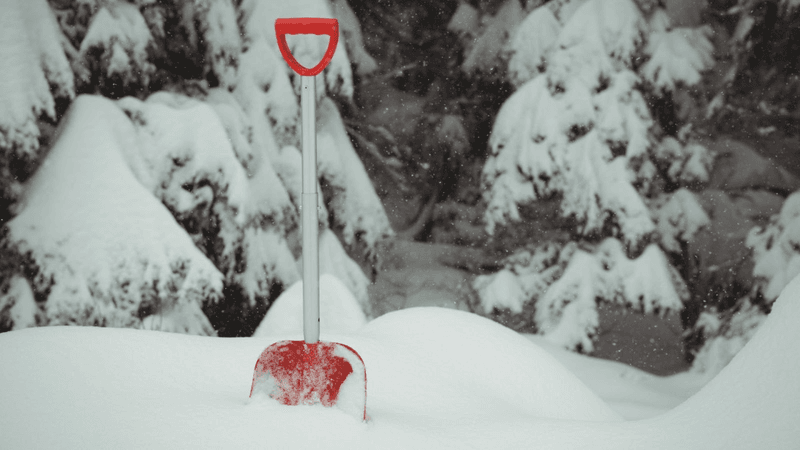
That towering snowbank at the end of the driveway can linger into April, long after the rest melts. Underneath, the grass sits in cold, wet darkness for weeks, which is a dream setup for gray snow mold.
Gray snow mold usually develops under long-lasting snow cover, especially where the ground did not freeze deeply first. Big piles extend that cover far beyond what the open lawn experiences, so damage tends to concentrate there.
Shoveled snow also carries salt from paved surfaces, so each pile becomes a slow-release dose of sodium. As it melts, that salty water soaks into the root zone exactly where your grass is weakest.
Spread shoveled snow across a wider area instead of building one giant mountain beside the walkway. Shallower layers melt more evenly, and the salt load gets diluted instead of focused on one spot.
Plan your snow storage spots now, before the first storm, while you can still see the yard clearly. A mulched bed with tough perennials or a gravel strip handles piles better than prized lawn areas.
Late in winter, I like breaking big piles apart with a shovel on sunny days to speed melting. Spreading the chunks out lets sunlight reach more surface area, and the grass dries sooner afterward.
When spring arrives, lightly rake matted spots so air reaches the crowns and new blades can push through. Most patches recover with a little raking, though badly hit areas may need overseeding in late summer.
5. Spreading Rock Salt By The Bucketful On Driveways
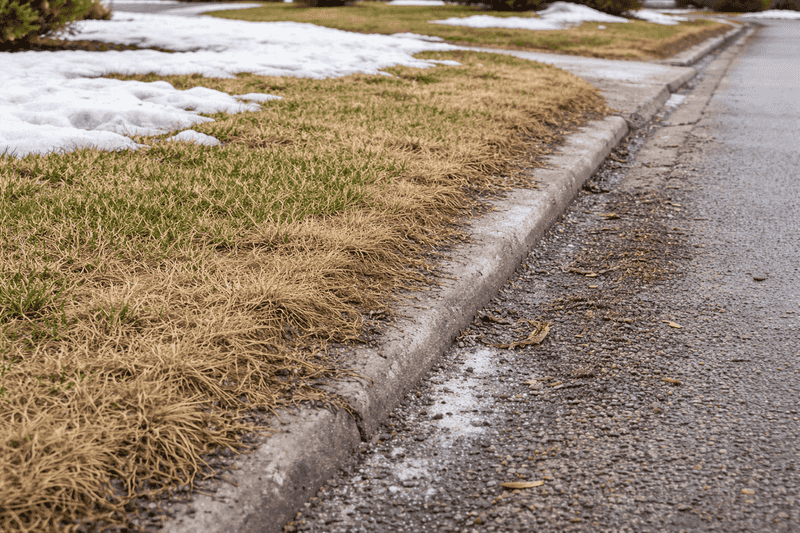
A twelve-ounce coffee mug of salt can treat a twenty-foot driveway, according to smart salting guidance. Most of us scatter far more, and the extra simply washes onto the lawn with melting slush.
Rock salt is sodium chloride, and both parts of that compound cause trouble once they reach your soil. Sodium breaks down soil structure, while chloride gets absorbed by plants and burns leaf tips and roots.
Salty soil also makes it harder for roots to pull in water, even after a soaking rain. That is why salt-damaged grass often looks thirsty and brown right beside a puddle along the driveway.
Rock salt also loses most of its punch when pavement temperatures drop below roughly fifteen degrees Fahrenheit. Throwing extra on frigid mornings melts very little ice, but it adds plenty to the runoff.
Shovel early and often during storms, because packed snow turns into ice that demands much more de-icer. Clearing a fresh inch is easier than chiseling a crusty sheet after the plow goes by.
A small handheld spreader puts salt down in a thin, even pattern instead of random clumps. Sweep up leftover crystals once the ice melts, and save them for the next storm in a dry bucket.
My own rule is simple, salt only the walking path and the spots where ice truly forms. Sand or chicken grit adds grip without melting anything, which works nicely on quiet, low-traffic paths.
6. Skipping Burlap Barriers Along Sidewalk And Curb Edges
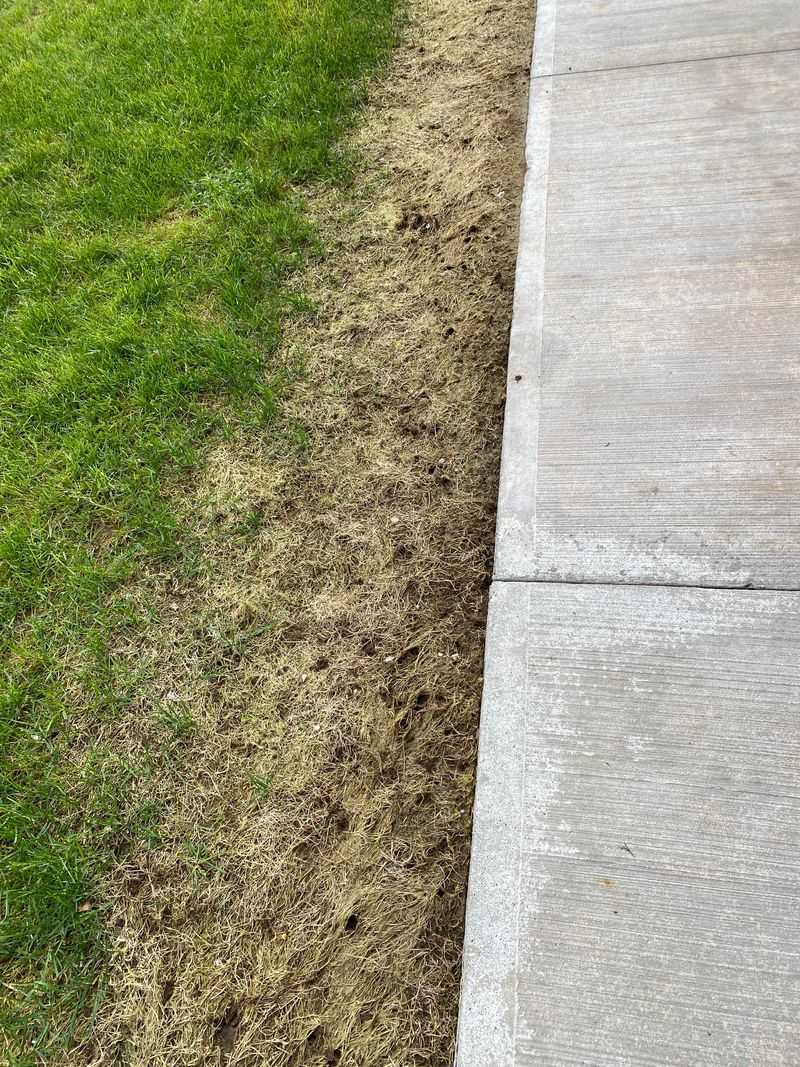
That crisp brown stripe along the sidewalk each April is rarely a mystery once you know the culprit. Plows and passing cars fling salty slush several feet, and the grass closest to the curb takes the hit.
Extension experts note that salt spray from busy roads can drift and settle on plants well beyond the curb. Grass along streets in the state often shows the worst damage within the first few feet.
A simple burlap screen catches much of that spray before it lands on your lawn or nearby shrubs. Drive wooden stakes about a foot back from the curb and staple burlap tightly between them.
Get the stakes in early in November, before the ground freezes hard and fights back against the mallet. Make the barrier roughly as tall as a typical plow ridge, which is often around two feet.
Honestly, burlap fences are not glamorous, but neighbors usually ask where I bought mine by midwinter. They come down easily in spring, and the burlap can be rolled up and reused for several seasons.
Where barriers are not practical, mark the lawn edge with tall stakes so plow drivers can see it. Plow blades that miss the turf avoid tearing up sod, which leaves fewer bare spots for salt to reach.
After the final thaw, soak salty edges with a slow, deep watering to push sodium below the roots. Several thorough soakings in early spring help flush the soil, giving the grass a better shot at recovery.
7. Ignoring Thick Thatch And Compacted Soggy Soil
Push a finger into your lawn, and if it sinks into a spongy cushion, you have thick thatch. That brown, felt-like layer of stems and roots sits between the soil and green blades, holding moisture like a sponge.
Turf specialists generally consider anything over half an inch of thatch a problem worth managing soon. Thick thatch keeps the crown area damp, and that dampness under snow encourages snow mold to settle in.
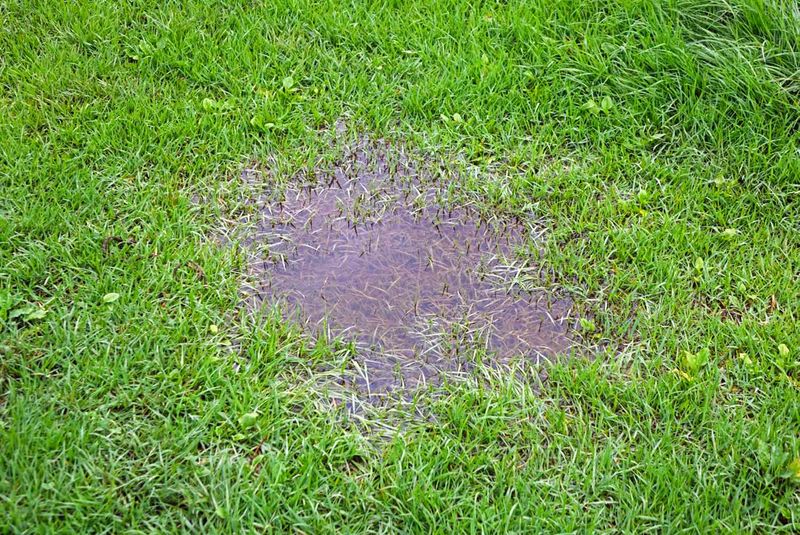
Compacted soil makes the situation worse, because water puddles on top instead of soaking downward through the soil. Clay-heavy yards and spots near walkways or play areas often stay soggy long after a rain.
Core aeration pulls small plugs of soil, letting air and water reach roots while microbes chew through thatch. The best window for cool-season lawns is late summer to early fall, when grass recovers quickly.
By November, it is usually too late for heavy dethatching, since torn turf will not heal before winter. Use this season to probe the lawn and mark soggy spots on a quick sketch for next year.
Stay off frosty or waterlogged grass whenever possible, because footsteps crush ice-stiff blades and squeeze soil tighter. A stepping stone path through a busy shortcut saves the turf from months of winter foot traffic.
In my yard, aerating every fall turned a chronic snow mold corner into a respectable patch of grass. Good drainage is not flashy, yet it quietly decides how your lawn handles a long, wet winter.
8. Planting Salt Sensitive Grass Along Busy Road Edges
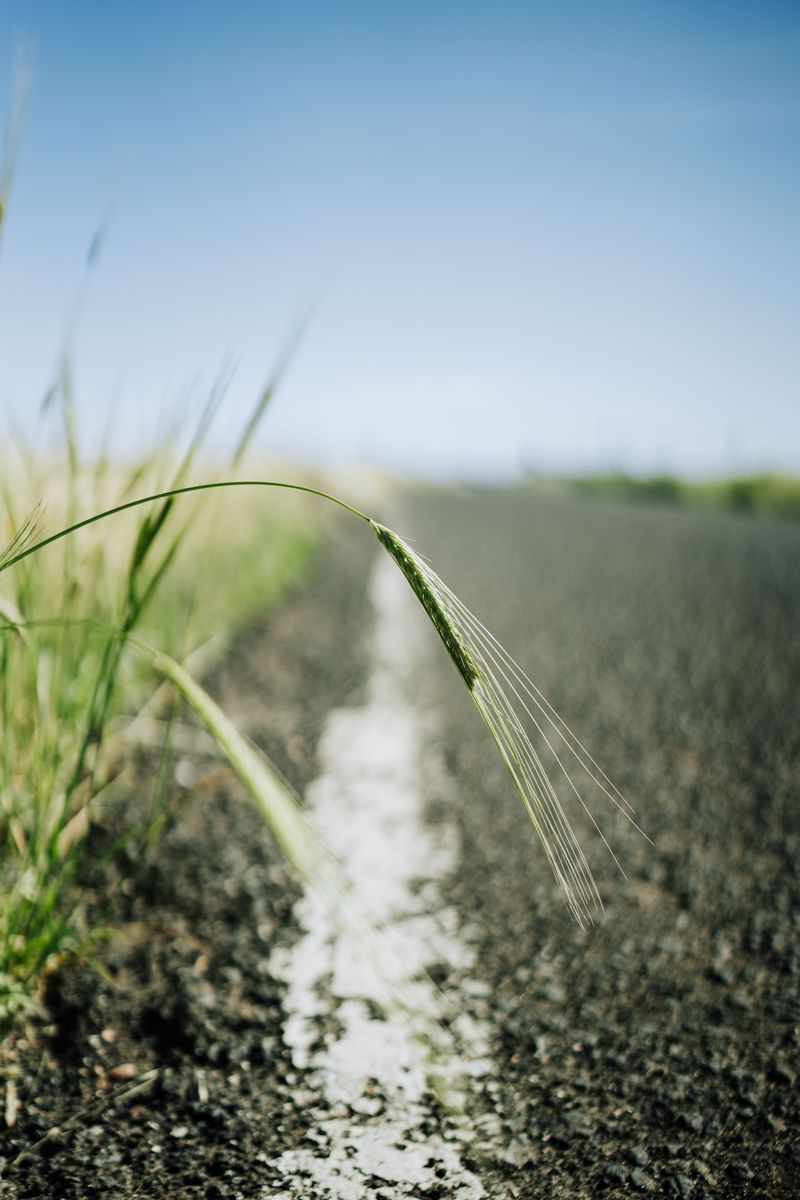
Kentucky bluegrass looks lovely in the middle of a yard, but it often struggles beside a heavily salted road. Some grasses handle salty soil much better, and choosing them can turn a crispy curb strip around.
Researchers at the University of Minnesota have tested salt-tolerant turf mixes for roadsides in snowy northern climates. Fine fescues, especially slender creeping red fescue, along with alkaligrass, often perform well in those tough conditions.
Tall fescue also handles salt fairly well and roots deeply, which helps it survive dry summer stretches too. Perennial ryegrass sits in the middle, tolerating some salt while germinating quickly for fast spring and fall repairs.
Seeding in November is risky in the state, since seedlings rarely establish before the soil freezes. Instead, use this month to measure the damaged strip and note which areas look worst next spring.
The best seeding window for cool-season grass usually runs from mid-August through September in most regions. Warm soil and cooler air give young roots time to grow before the next winter arrives.
Before reseeding, flush the strip with water and rake out salt-crusted debris so new seed touches clean soil. Adding a thin layer of compost helps improve structure in soil that sodium has left tight and crusty.
My garden taught me that matching the plant to the spot beats repeating the same repair every spring. A salt-tolerant edge, paired with lighter de-icing, gives your curb strip a real chance to stay green.