8 Fire-Resistant California Native Shrubs Worth Planting Beyond 30 Feet Of Your Home
Several shrubs in the hills of California can resprout from their charred root crowns after a wildfire sweeps through. That comeback trick fascinates me, yet no plant is fireproof, and even tough natives will burn under the right conditions.
State fire rules split defensible space into zones, and the area from 30 to 100 feet is called Zone 2. Its job is to slow flames and break up the fuel that would otherwise race toward your house.
I have to admit that smart spacing and regular cleanup matter more than any single plant on a nursery list. Still, choosing moist, leafy natives in California gives you a big head start in that outer ring of your yard.
You might notice that the best candidates also feed birds and buzzing native bees through the seasons. So which tough locals deserve a spot out past that 30 foot line on your property?
1. California Buckwheat
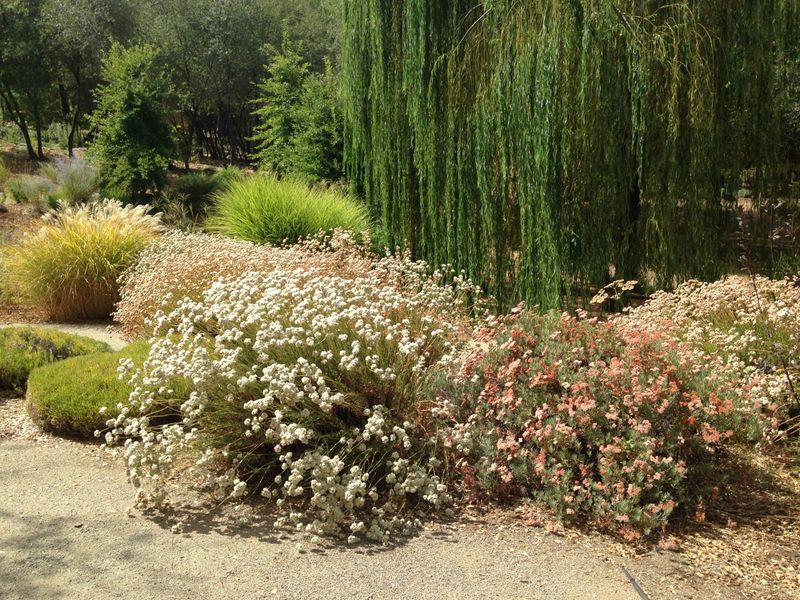
Bees practically line up for this scrappy little shrub when its frothy flower clusters open across sunny slopes. I love how those white and pink blooms slowly fade to a warm rusty brown that lingers into fall.
Fire experts often rank this buckwheat among the more fire-resistant natives for the outer zones of a property. It stays fairly low, usually reaching only one to three feet tall, so it adds little fuel.
Full sun suits it best, and it handles a wide range of soils without much fuss from you. Once the roots settle in, it needs very little summer water and often thrives on rain alone.
You need to remember that low fuel only stays low if you tidy the plant now and then. Snip off the oldest, woodiest stems in fall so dry material does not build up inside the shrub.
Those rusty seed heads are more than pretty decorations for an autumn garden bed. Birds pick through them for food, so I leave a few standing before doing my main seasonal cleanup.
Native bees are the real stars here, and you will spot them buzzing around the blooms on warm days. Butterflies drop by too, turning a plain hillside into a busy little pollinator stop.
Plant small starts in fall so winter rains can help the roots spread before hot weather returns. Space them a few feet apart, leaving gaps that break up any path a fire might follow.
2. Toyon
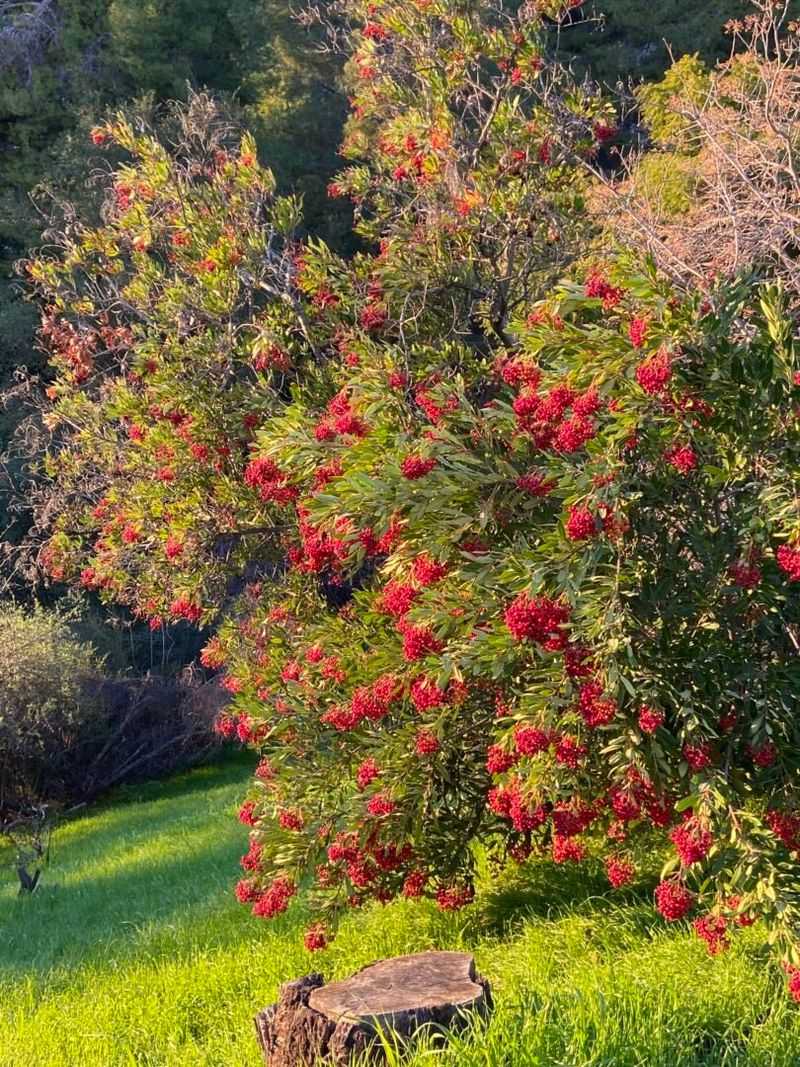
Bright red berry clusters show up just in time for the holidays, which is why folks call it Christmas berry. Birds like robins and cedar waxwings flock to those berries when other winter food runs short.
Toyon is an evergreen shrub with glossy, leathery leaves and a rounded shape that looks good every month. It usually grows six to fifteen feet tall, and older plants can spread ten to fifteen feet wide.
Personally, I admire how it bounces back after fire by sending up vigorous new sprouts from the base. That resilience makes it a smart pick for the 30 to 100 foot zone around a home.
Small white flowers open in summer and draw bees and butterflies looking for nectar and pollen. Those blooms turn into green berries that ripen red by fall and hang on for several weeks.
Soil is rarely a problem, since it handles clay or sand as long as water drains away easily. It grows best in full sun to part shade, though deep shade makes the branches stretch and look leggy.
Established plants handle drought well, but a deep soak during the hottest stretch can encourage fresh growth. Keep lower branches pruned up and space plants apart so flames cannot climb from the ground.
A quick safety note belongs here because raw berries and seeds contain compounds that can upset people. Cooking or drying breaks them down, but I simply leave the fruit for the birds to enjoy.
3. Coffeeberry
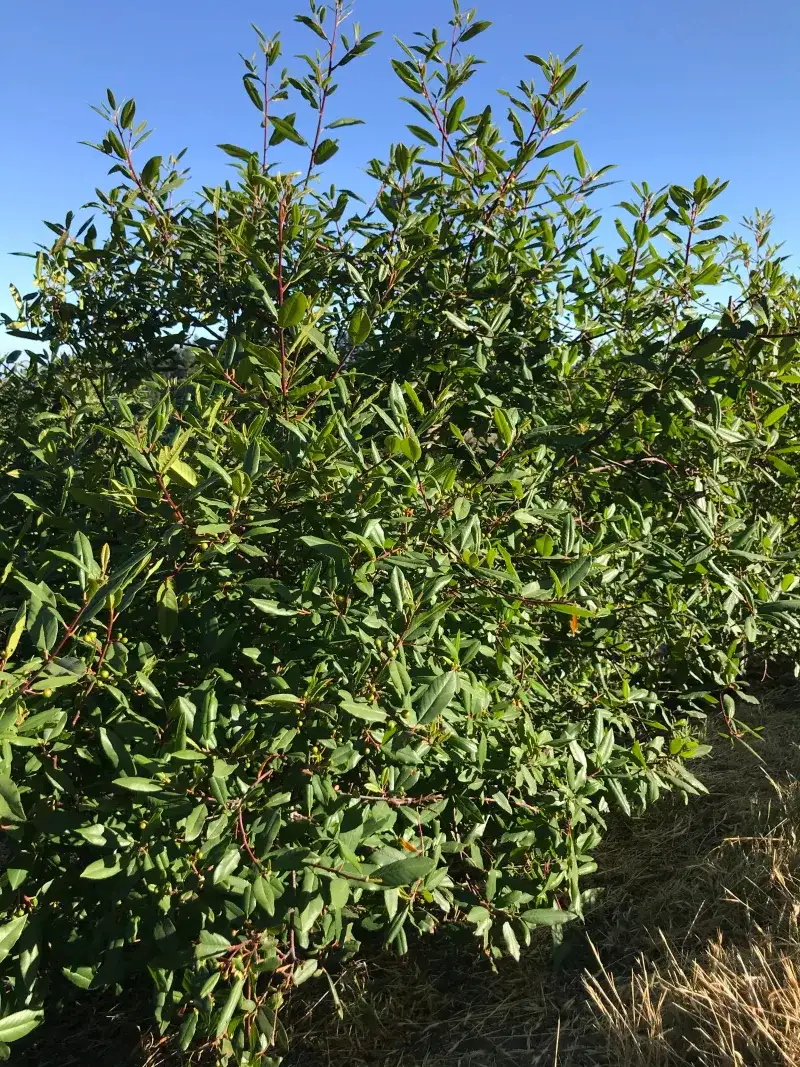
Split open a ripe coffeeberry and you will find seeds that look surprisingly like little coffee beans. No, you cannot brew a morning cup from them, but the resemblance makes a fun garden conversation starter.
This dense evergreen shrub, known botanically as Frangula californica, carries glossy dark leaves on handsome reddish stems. Most plants grow four to ten feet tall and spread about eight to ten feet across over time.
Its berries put on a slow color show, shifting from green to red, then purple, and finally glossy black. Ripening runs from about July through November, so the shrub stays interesting for a big chunk of the year.
Birds gobble up the fruit, and deer and black bears happily join the feast in wilder areas. Several butterfly and moth caterpillars also feed on the leaves, so you support more life than you might expect.
Sun keeps the shape tight and compact, while shade lets it grow taller with a looser, more open form. It accepts sandy or clay ground, though it prefers soil that drains well after a heavy rain.
Once established, it needs little to no summer water, which keeps your hose and your water bill quiet. An occasional deep soak during a long heat wave can still help it look fresh and leafy.
Plant in early fall or early spring to give the roots a comfortable head start before summer heat. I like it on dry slopes too, since its spreading roots help hold loose soil in place.
4. Mountain Mahogany
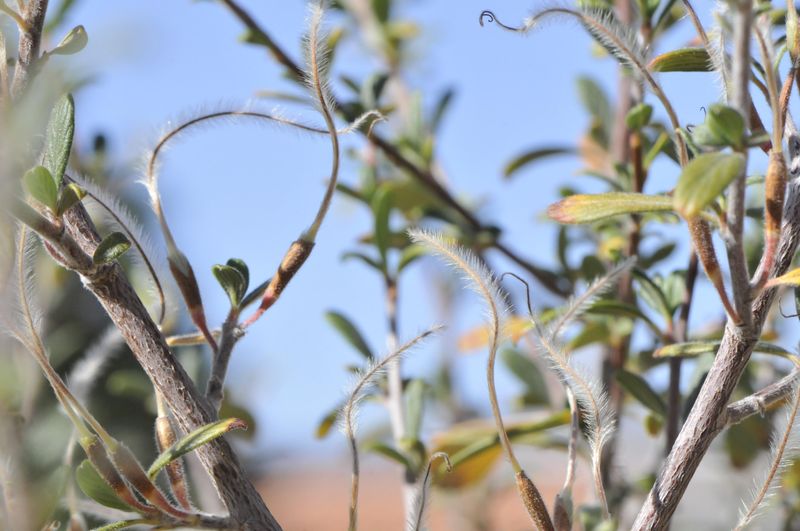
Late summer turns this shrub silvery as hundreds of curly, feathery seed tails catch the afternoon sun. I can’t imagine a more charming way for a tough hillside plant to show off its seeds.
Birch-leaf mountain mahogany is an evergreen shrub or small tree with an upright, rounded to columnar shape. Its leaves look a bit like birch leaves, with tiny teeth running from the middle to the tip.
Plants usually reach eight to twenty feet tall and roughly ten to twelve feet wide with time. With some patient training, you can even shape a row of them into a tidy fifteen foot hedge.
What surprises me most is that this shrub can fix nitrogen, helping enrich poor soil as it grows. Its deep, extensive roots also grip slopes firmly, which is why restoration crews often rely on it.
Small white or yellow flowers appear in spring and carry a light, pleasant fragrance that bees enjoy. Butterflies visit the blooms as well, and then those famous feathery seeds begin forming afterward.
Full sun is ideal, though light shade works fine, and the plant adapts to poor sandy or clay soil. Once established, a deep watering about once a month during summer keeps it healthy and looking its best.
Deer do browse this one, so young plants may need a little cage until they gain some height. Keep it pruned with clear space underneath, and it fits nicely into the outer defensible space zone.
5. Howard McMinn Manzanita
Run your hand along the smooth, mahogany-red bark and you will understand why manzanita fans get so excited. That bark peels in thin curls, revealing fresh color that almost glows after a winter rain.
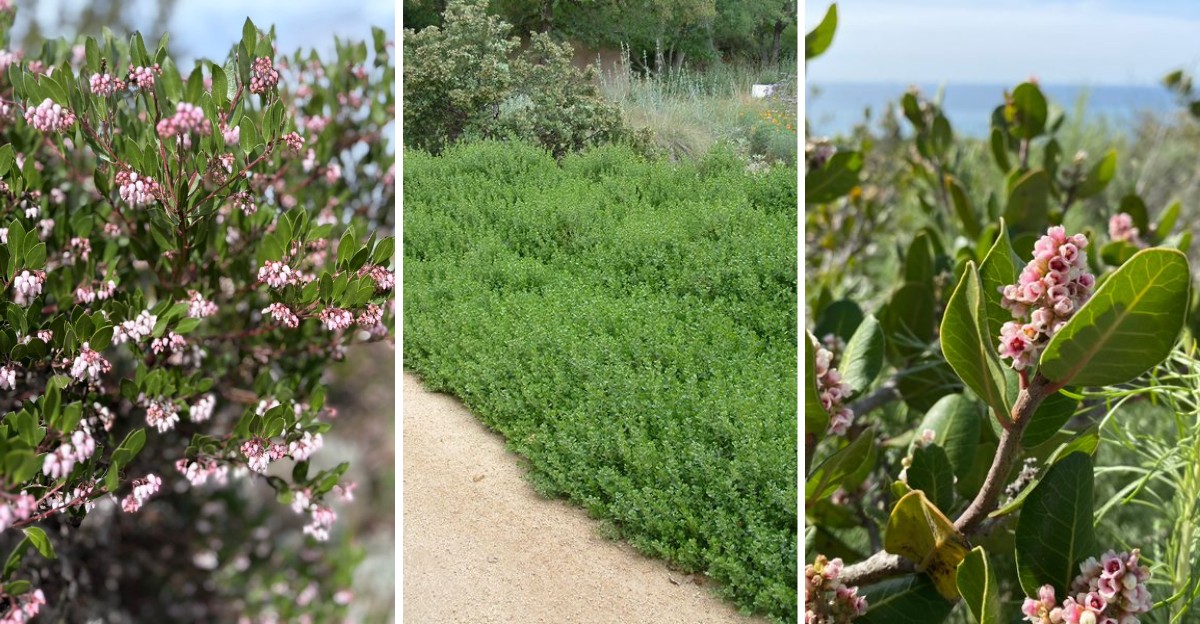
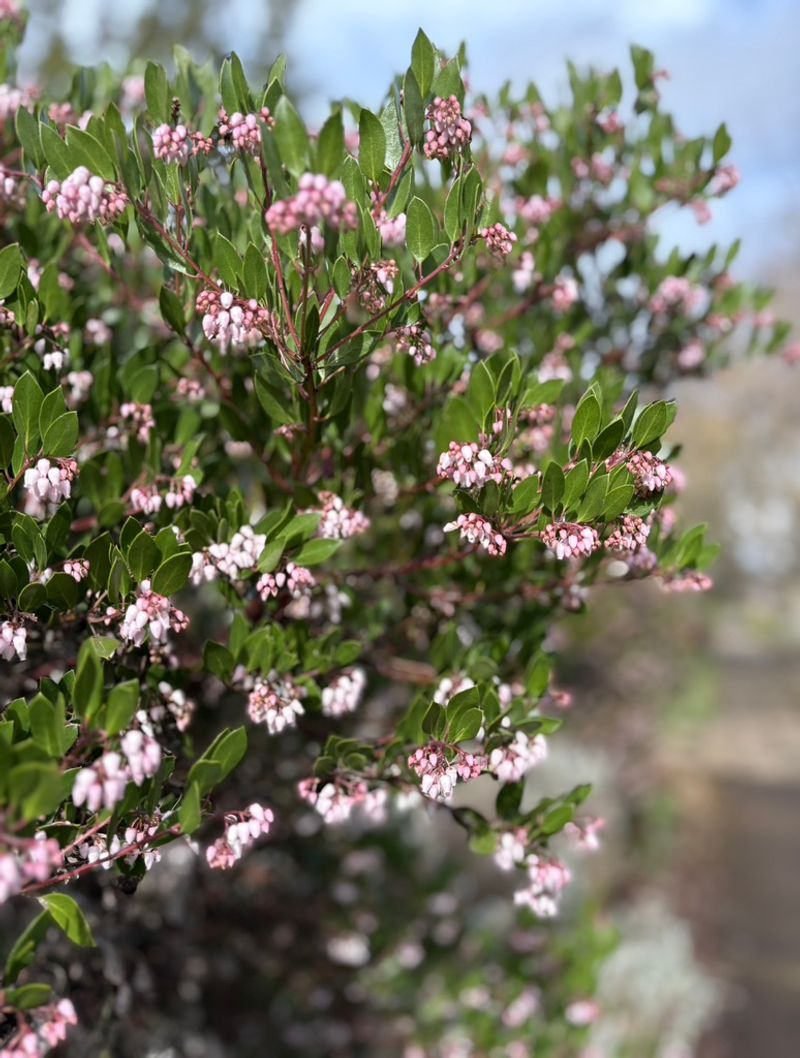
Among the many manzanitas, Howard McMinn ranks as one of the most adaptable and forgiving choices for home gardens. It forms a dense, rounded mound about five to ten feet tall and six to twelve feet wide.
Pale pink to white flowers shaped like tiny urns bloom from late winter into early spring. Hummingbirds visit eagerly, and native bees shake pollen loose using a clever trick called buzz pollination.
Little brownish-red berries follow in summer, looking like miniature apples dangling from the branches. In fact, the name manzanita means little apple in Spanish, and birds happily snack on the fruit.
Overwatering is the biggest mistake I see, especially when people give it regular summer drinks. After a year or two of settling in, this shrub prefers little to no summer water at all.
Plant it in fall or early winter so seasonal rains can help the roots establish before summer. Full sun is best near the coast, while some afternoon shade helps in hot inland valleys.
Prune lightly after flowering to shape it, and remove any old brittle wood that collects inside. Overgrown manzanitas can burn hot, so give each plant plenty of breathing room and keep it well groomed.
6. Ray Hartman Ceanothus
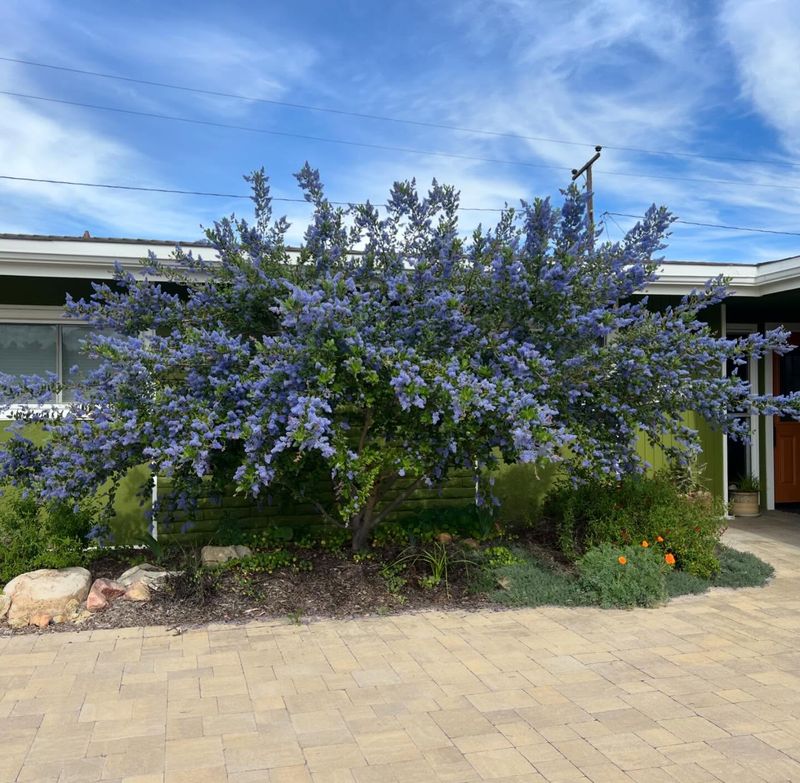
Late winter brings clouds of sweet-smelling blue blossoms that can stop neighbors right on the sidewalk. Each flower cluster can stretch up to five inches long, opening from rosy buds into bright sky blue.
Ray Hartman is a hybrid ceanothus, often called California lilac, and many experts consider it a dependable garden performer. It grows fast into a large shrub or small tree, reaching twelve to twenty feet tall and wide.
Big, rounded, glossy leaves give it a lush look that hides how little water it needs. Once established, it handles drought very well and asks for little to no summer irrigation from you.
I believe the hardest part is resisting the urge to water it during hot summer months. Deep summer watering can shorten its life, so let rainfall do most of the work after the first year.
Bees swarm the flowers on warm days, and butterflies drift in to sample the nectar too. The fragrant show turns your outer yard into a lively spot for watching busy visitors come and go.
Full sun gives the heaviest bloom, though the plant tolerates partial shade with somewhat fewer flowers. Heavy clay and sandy soil both work, as long as water does not sit around the roots for long.
Choose its spot carefully, because established plants are hard to move once they settle in. Deer like nibbling new growth, so protect young shrubs and keep lower limbs pruned for fire safety.
7. Pigeon Point Coyote Brush
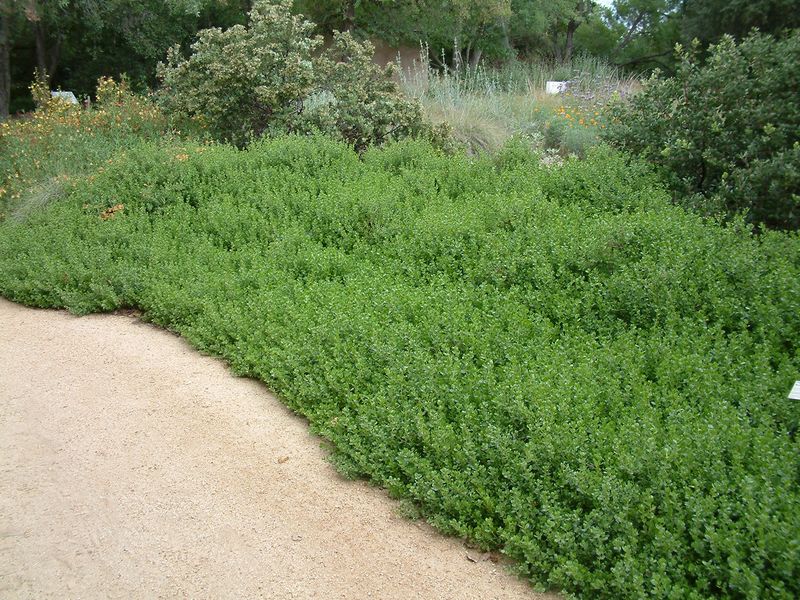
Fluffy seed heads are what many gardeners grumble about with coyote brush, but this selection skips them altogether. Pigeon Point is a male plant, so it produces pollen and no messy, cottony seeds drifting around.
This low evergreen groundcover stays about one to two feet tall while spreading six to twelve feet wide. Bright green, rounded leaves on flexible stems knit together into a thick mat over bare ground.
Coyote brush is considered moderately fire tolerant, so good maintenance matters even more with this plant. Keep patches separated by gravel paths or open ground, which helps break up fuel across your slope.
Every three or four years, shear it back hard in late winter to renew older growth. That simple haircut clears out woody buildup and encourages a fresh, dense layer of new green leaves.
Creamy white flowers appear from late summer into early fall when few other plants are blooming. Beneficial insects love them, and you might notice tiny wasps and flies working the small blossoms.
Near the coast, established plants handle drought with ease and rarely need any extra water. Inland gardens benefit from an occasional summer soak, which keeps the mat healthier and noticeably less dry.
Its extensive roots hold soil in place, making it handy for slopes prone to winter erosion. Deer usually leave it alone, and small birds and critters find shelter beneath its low branches.
8. Lemonade Berry
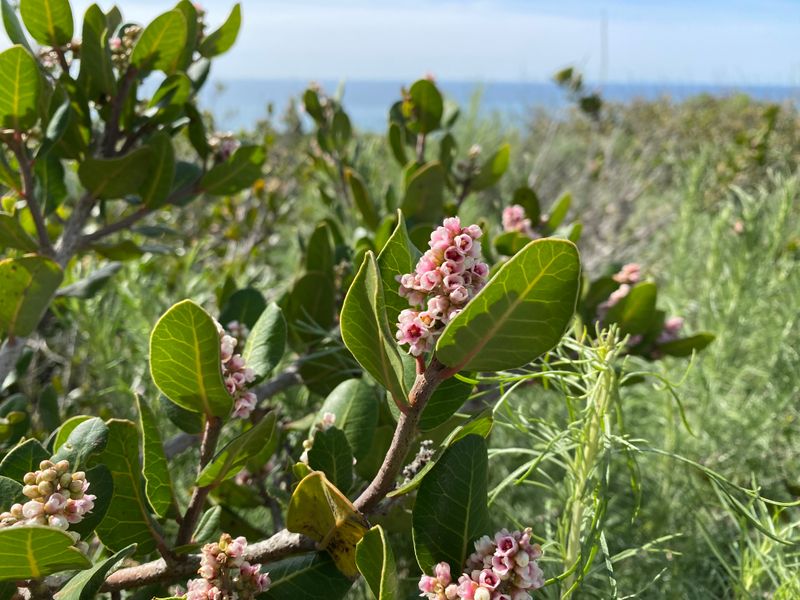
Sticky, sour fruits coat this coastal shrub, and people have long soaked them in water to make a tangy drink. I love how the name tells you exactly what the berries taste like, with no guessing needed.
Lemonade berry is a dense evergreen shrub with stiff, leathery leaves that hold moisture well. Its size varies wildly, from a two foot mat on windy bluffs to a small tree near thirty feet.
Small white to rosy pink flowers bloom in tight clusters from about February through May. Flattened reddish fruits follow in spring and summer, each wearing that acidic, lemony coating birds seem to enjoy.
Songbirds and small mammals rely on the berries, while the thick branches offer safe nesting cover. Almost a dozen kinds of butterflies and moths use it as a host plant as well.
Full or part sun works, and the shrub adapts to many soil types as long as drainage is decent. Once established, it stays green with little to no summer water, which feels like magic during drought.
You need to know that some people get a rash from the sap, similar to poison oak. Wear gloves and long sleeves when pruning, especially if your skin tends to react easily.
It takes pruning well, so you can shape it into a tidy hedge or a sturdy windbreak. It is cold tender below about 25 degrees, so it suits mild southern coastal gardens best.