8 Fall Hydrangea Pruning Rules Every Gardener Should Know
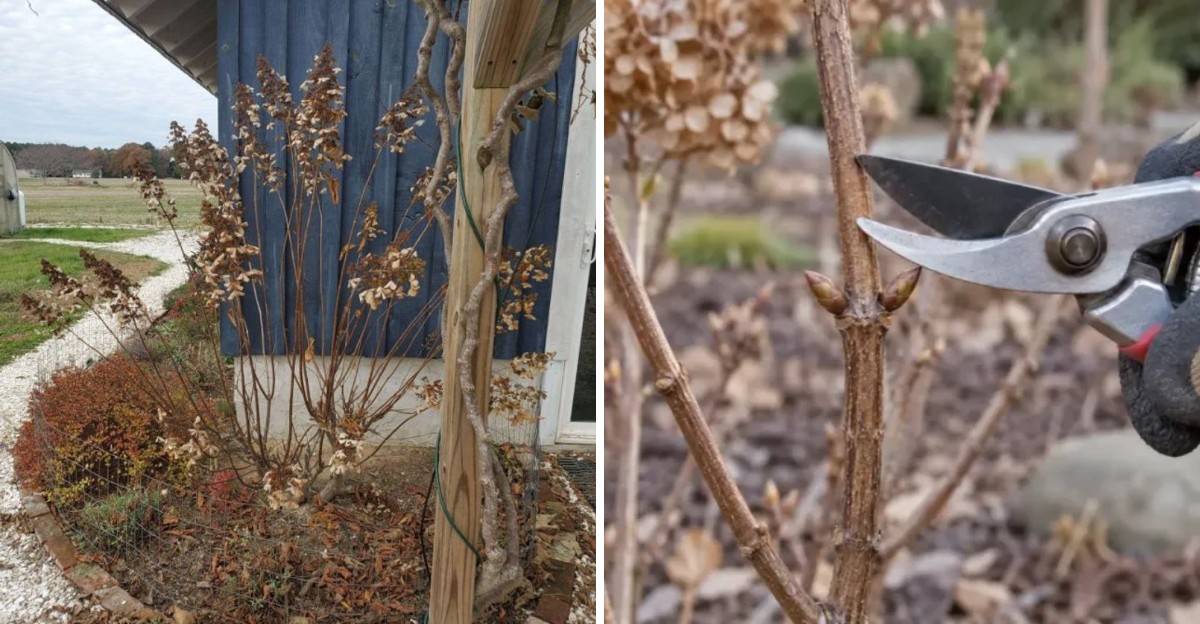
A single snip in October can erase next summer’s flowers before they even get a chance to open. Those tiny buds are already tucked inside the stems, waiting quietly through the cold months ahead.
Some of these shrubs bloom on last year’s growth, while others flower on fresh stems that sprout each spring.
Mixing up the two groups explains most of the flowerless shrubs I hear people grumble about. I skipped the research my first autumn and sheared everything into neat little mounds with my brand new pruners.
The next July gave me plenty of green leaves and not a single blossom to show for it. You might notice your own shrubs looking scruffy right now, with papery flower heads rattling in the wind.
So which stems deserve the pruners this season, and which ones should you leave alone until spring?
1. Know Which Hydrangea Type Grows In Your Yard
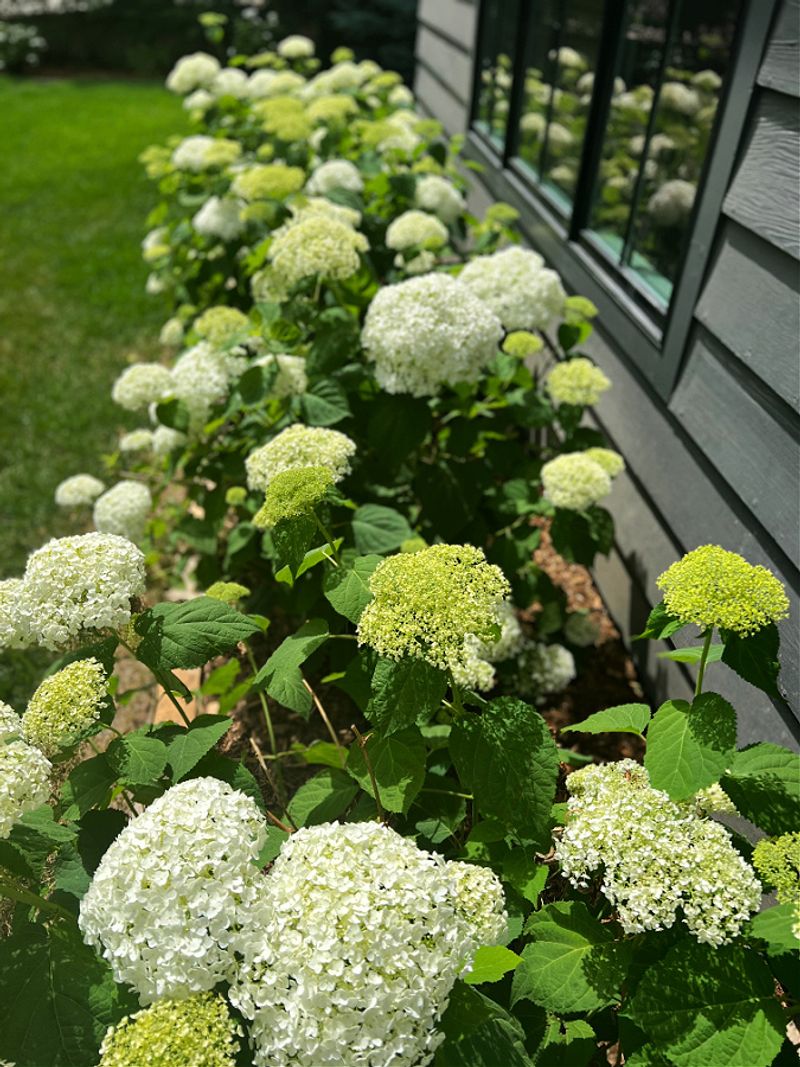
Every pruning mistake I have made started with one simple problem, which was not knowing what shrub I owned. Those big flower clusters look alike from the porch, yet their growing habits are wildly different underneath.
Hydrangeas fall into two camps, and the split depends on where next year’s flower buds actually form. Old wood bloomers set buds on this year’s stems, while new wood bloomers build fresh buds every spring.
Bigleaf, mountain, oakleaf, and climbing hydrangeas belong in the old wood group, according to many extension services. Panicle types like Limelight and smooth types like Annabelle sit happily in the new wood group instead.
You can usually spot the difference by looking closely at flower shape and leaf texture this time of year. Cone-shaped blooms often mean panicle, while giant round heads with soft wide leaves suggest bigleaf or smooth types.
Oakleaf varieties give themselves away with leaves shaped like oak foliage that turn deep red in autumn. Climbing hydrangeas are easy too, since they cling to walls and tree trunks with little aerial roots.
If you are still unsure about your shrub, snap a few clear photos and bring them to a local garden center. Your county extension office can also help identify plants, and their advice costs nothing but a short visit.
I keep a small notebook listing every shrub in my yard along with its type and bloom habit. That tiny habit has saved me from many careless autumn cuts and plenty of disappointing summers since then.
2. Leave Bigleaf Hydrangea Stems Alone In Autumn
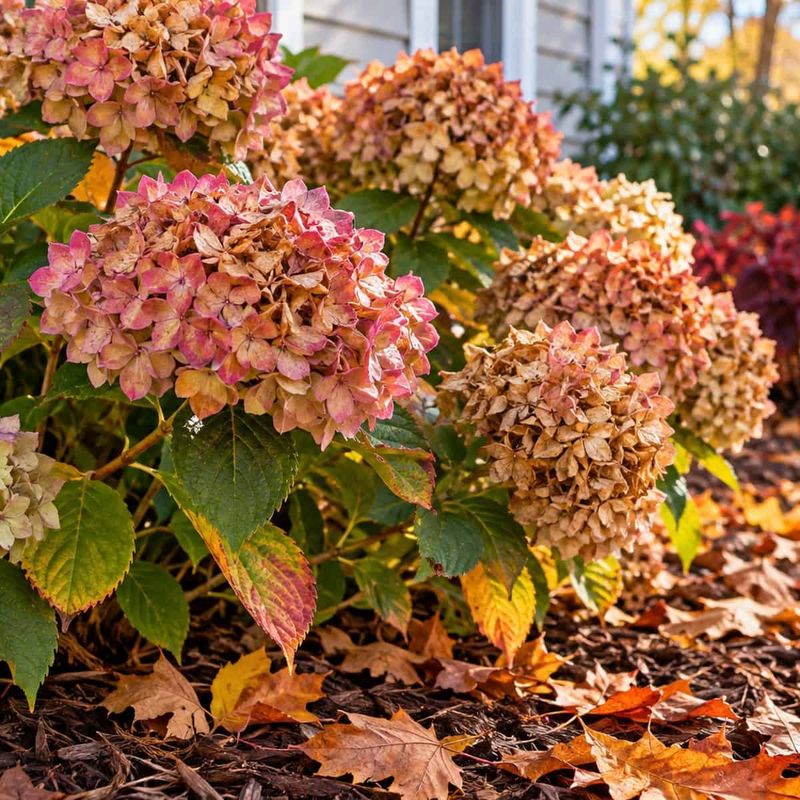
Hidden at the tips of those woody bigleaf stems sit plump little buds holding next summer’s whole flower show. Cut them off now, and you trade a garden full of blue mopheads for a plain green bush.
Bigleaf hydrangeas, known as Hydrangea macrophylla, form these flower buds in late summer and early fall. The buds then rest through winter, waiting for warm weather before they finally open into those famous round clusters.
Mountain hydrangeas, or Hydrangea serrata, follow the same pattern and deserve the same patience from eager gardeners. Their lacecap flowers are lovely, but they depend on stems that survived the winter mostly intact.
I learned to keep my hands in my pockets around these shrubs once autumn arrives each year. Honestly, walking past them without pruning feels strange at first, though the summer payoff makes the restraint worth it.
If you need to shrink an oversized bigleaf hydrangea, plan that job for right after the blooms fade in summer. Pruning at that point gives the plant enough weeks to grow fresh stems and set buds before cold weather.
Removing a few faded flower heads in fall is fine, as long as you cut just below the bloom. Stop above the first set of plump buds you see, and leave the rest of the stem untouched.
Patience feels boring in October, but it often pays off with gorgeous color when July rolls around again. Your future self will thank you for resisting that tempting urge to tidy everything up right now.
3. Oakleaf And Climbing Hydrangeas Need A Gentle Touch
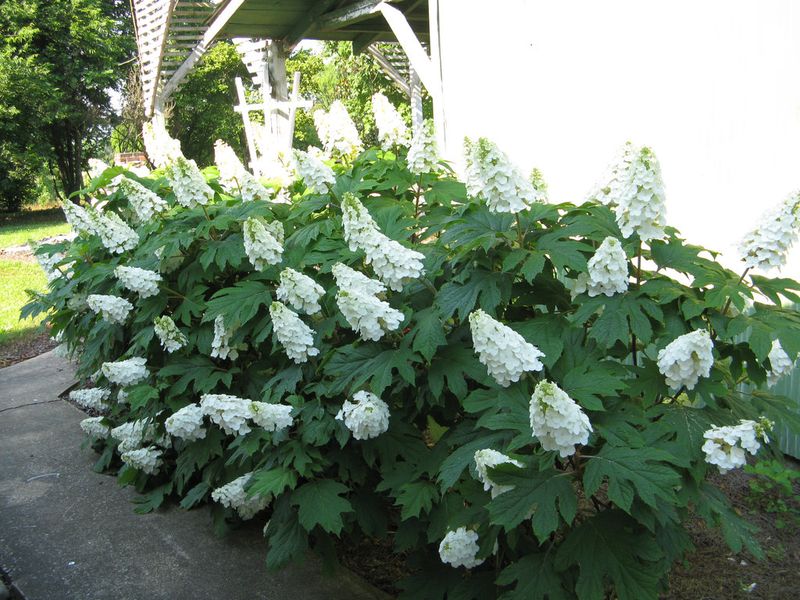
Few shrubs put on a better autumn costume than an oakleaf hydrangea glowing burgundy beside a gray fence. Those dramatic leaves are reason enough to admire this native beauty instead of reaching for sharp pruners.
Oakleaf hydrangea, Hydrangea quercifolia, is native to the southeastern United States and blooms on old wood. Fall cuts remove the buds already formed for next season, so heavy pruning now usually backfires on hopeful gardeners.
Its peeling cinnamon bark also looks wonderful in winter once the leaves finally drop to the ground. I love watching frost settle on those shaggy stems during chilly mornings while I sip warm coffee by the window.
Climbing hydrangea, Hydrangea anomala subspecies petiolaris, follows the same old wood rule as its shrubby cousins. These vines can grow quite large over time, so many gardeners feel tempted to trim them back in autumn.
Hold off on major shaping, since summer after flowering works much better for these vigorous climbers. Removing a stray stem that blocks a gutter or window is fine, but keep fall cuts light and limited.
Both plants handle a little selective trimming of broken or crossing branches without much fuss at all. Just avoid shearing them into tight shapes, because that approach strips away most of the coming year’s flowers.
Give them room, and they will reward you with layered interest through nearly every season of the year. Honestly, these two are some of the most forgiving shrubs in my yard when I simply leave them be.
4. Wait For Hydrangea Leaves To Drop Before Pruning
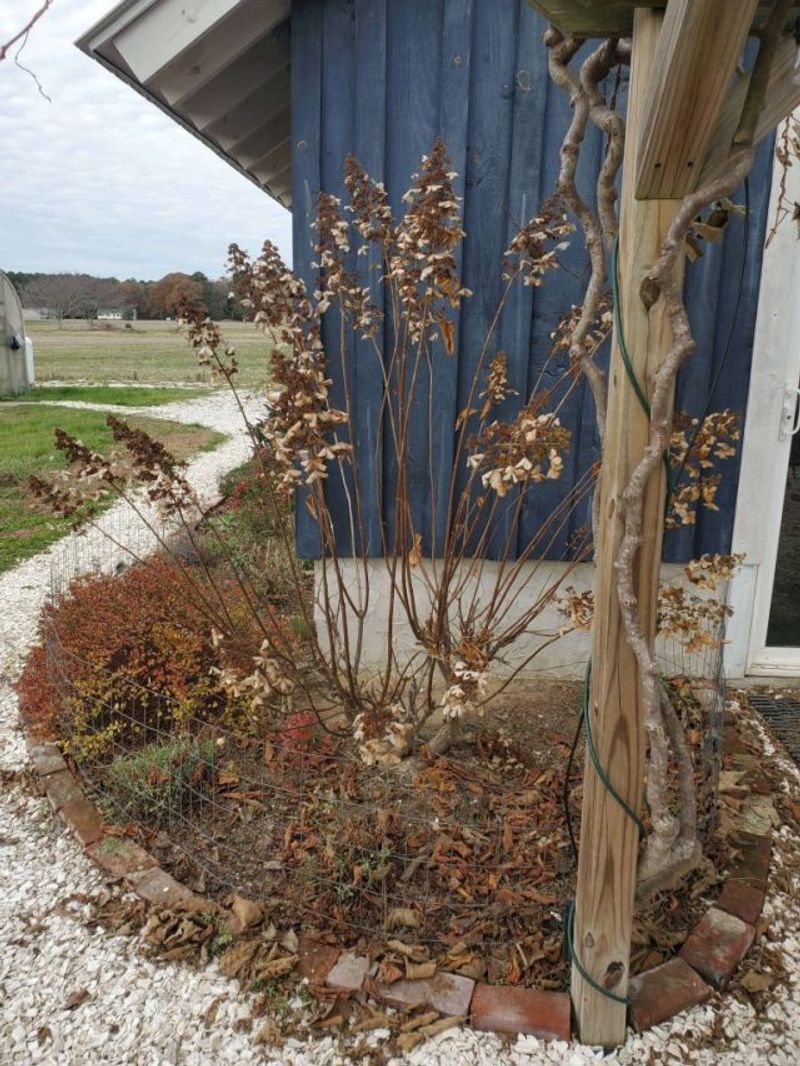
Timing matters more than talent when pruning new wood hydrangeas, and the shrub itself tells you when it is ready. Watch for leaves falling to the ground and stems turning firm, woody, and cool to the touch.
That leafless stage signals dormancy, which means the plant has slowed down for its long winter rest. Pruning at this point keeps the shrub from pushing out soft new growth before the cold settles in.
Cutting too early, while the plant still feels active, can trigger tender shoots during a warm autumn spell. Those fresh shoots rarely harden in time, so the first hard frost often damages them badly.
I made that mistake one warm September and watched pale green sprouts turn brown and limp by November. Now I mark a reminder on my calendar for late fall and check the shrubs before grabbing any tools.
Panicle and smooth hydrangeas are the main candidates for this late fall cleanup once they go dormant. Many gardeners also wait until late winter or early spring, and both choices work well for these tough plants.
Your local frost dates make a handy guide, since dormancy usually follows a few hard freezes each year. Check with your county extension office for typical first frost timing in your particular growing area.
A bit of waiting rarely hurts these sturdy shrubs, while rushing the job can cause real setbacks. Slow down, enjoy the changing colors, and let the plant settle in before you make the first cut.
5. Panicle Hydrangeas Can Lose About One Third Of Their Height
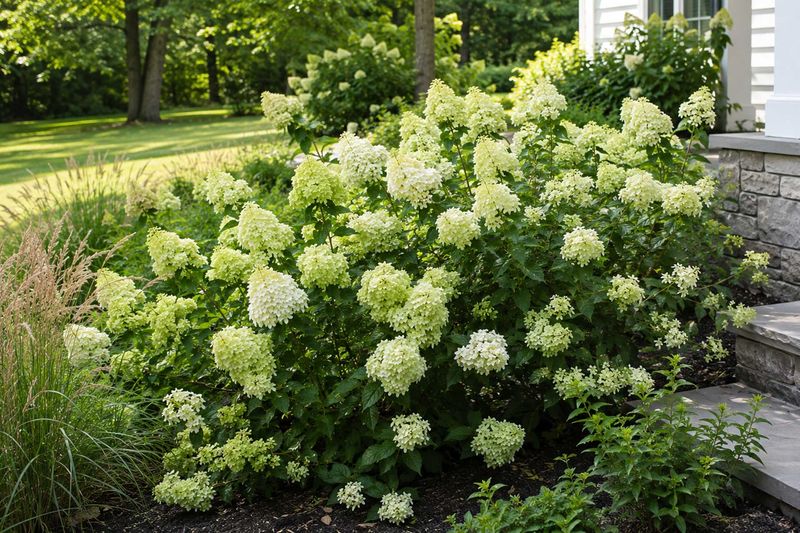
Limelight, Quick Fire, and their panicle relatives are some of the toughest flowering shrubs you can grow. Their cone-shaped blooms fade to rosy pink in fall and hold on stubbornly well into the winter months.
Panicle hydrangea, Hydrangea paniculata, blooms on new wood, so dormant fall pruning will not cost you flowers. Many growers suggest cutting the shrub back by up to one third of its total height after leaves drop.
Make each cut just above a healthy pair of buds on the main stems you plan to shorten. That approach often encourages thicker stems, which help hold up big flower heads during stormy summer weather.
Start by removing weak, crossing, or broken stems before shaping the rest of the shrub to your liking. I like stepping back every few cuts to check the overall shape, because it keeps me from overdoing things.
Heavy snow areas give you another good reason to trim spent blooms before winter gets serious. Wet snow piles onto those big dry flower heads and can snap branches if you leave them hanging.
Gardeners in places like New Hampshire often keep the dried blooms for winter interest and prune later instead. University of New Hampshire Extension notes that late winter or early spring pruning works nicely for panicles too.
Either schedule produces flowers, so choose the option that fits your weather and your love of winter scenery. My own shrubs get a light fall trim and a final tidy session once spring starts warming up.
6. Annabelle Smooth Hydrangeas Handle A Hard Cutback
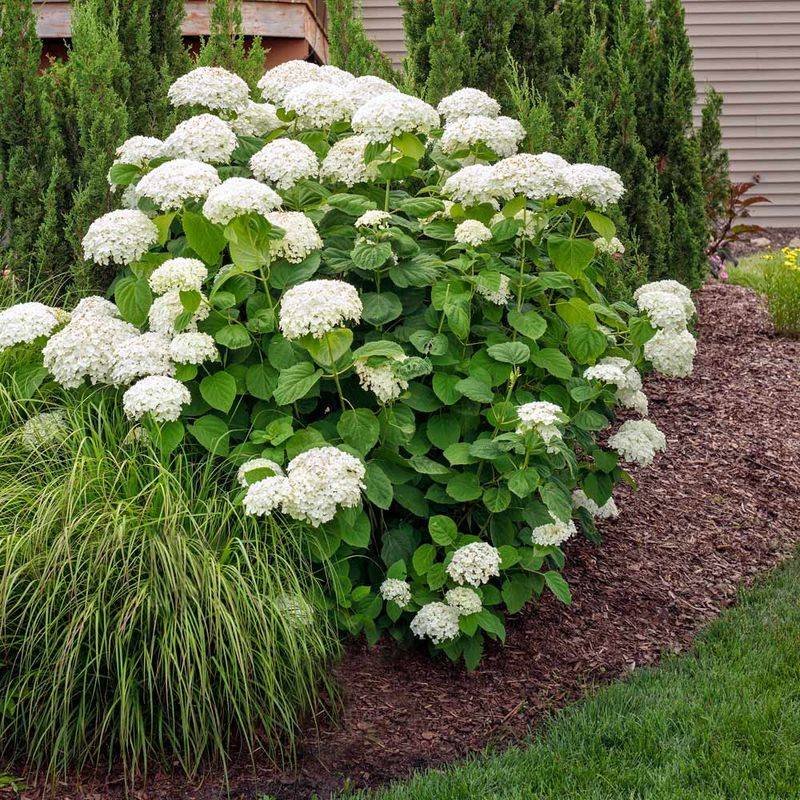
Annabelle might be the most forgiving shrub in the whole garden, bouncing back from pruning that looks extreme. Her giant white snowball blooms appear on new stems, so a hard fall haircut sets her up nicely.
Smooth hydrangea, Hydrangea arborescens, is native to eastern North America and blooms reliably on fresh growth. Popular cultivars include Annabelle and Incrediball, both known for enormous round flower heads in early summer.
Once dormant, these shrubs can be cut back to about 12 to 24 inches from the ground. Some gardeners take Annabelle nearly to the soil line, and the plant usually responds with vigorous new shoots.
Hard pruning encourages vigorous new shoots, though leaving taller stems can offer more support for heavy blooms after summer rainstorms. Annabelle is famous for flopping, so I appreciate anything that keeps her flower heads off the mulch.
Leaving taller stems, sometimes up to three feet, can offer extra support and cold protection in harsher climates. That approach works especially well for older Grandiflora types, which some growers prefer to trim more lightly.
Clear out thin, weak, or broken stems first, then shorten the remaining ones to your chosen height. Taking a little time with this step gives the shrub a cleaner shape when it leafs out next spring.
I remember feeling nervous the first time I chopped mine so low, half expecting nothing to return. By June the shrub was taller than my knees and covered in creamy white blooms the size of cantaloupes.
7. Clean Sharp Pruners Make Healthier Hydrangea Cuts
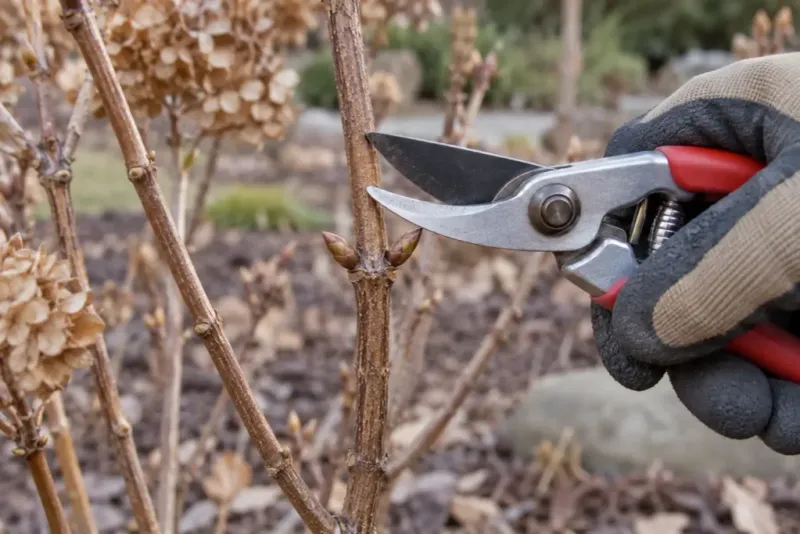
A dull blade crushes hydrangea stems instead of slicing them, leaving ragged wounds that heal slowly over winter. Sharp, clean pruners make smooth cuts that close faster and invite fewer problems into the plant.
Bypass pruners work well for thinner stems, while loppers handle the thicker woody growth near the base. I sharpen my blades each fall with a small handheld sharpener, which takes only a few minutes.
Cleaning tools between plants helps reduce the spread of diseases from one shrub to the next. Many gardeners wipe blades with rubbing alcohol or a household disinfectant before moving to another hydrangea.
Angle each cut slightly, roughly 45 degrees, just above a leaf node or healthy pair of buds. That slant helps water run off the cut surface rather than pooling on top of the fresh wound.
Brittle, brown, or broken stems can be removed at any time of year on any hydrangea type. Clearing them improves airflow through the shrub and supports better overall plant health heading into the next season.
Diseased stems deserve a careful cut well below the damaged area, followed by a quick tool wipe. Toss those clippings in the trash rather than your compost pile, which helps keep problems from returning.
Good tools honestly make the job more pleasant, and my hands feel much less tired afterward. Spending a little money on quality pruners has been one of my smartest gardening purchases over the years.
8. Dried Hydrangea Flower Heads Protect Buds Through Winter
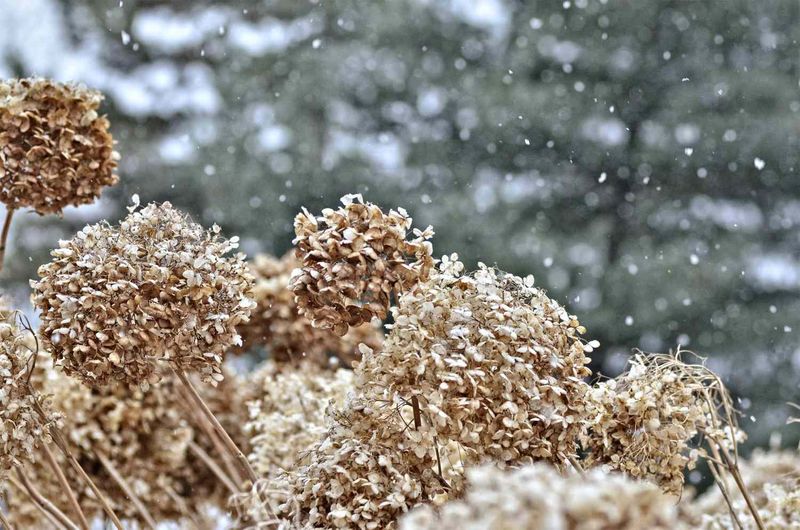
Frost-dusted hydrangea blooms on a cold December morning might be one of the prettiest sights in any yard. Those papery heads catch snow and sunlight beautifully, turning a sleepy garden into something worth photographing.
Beyond good looks, the faded flowers on old wood bloomers can offer a bit of natural protection. Dried blooms and surrounding stems may help shield tender buds below from harsh winter wind and frost.
Bigleaf hydrangeas benefit most from this cozy cover, since their buds are already waiting for summer. Gardeners in chilly regions, including parts of the Northeast, often leave the old flowers in place until spring.
I used to snip every brown flower head for a tidy look, but now I appreciate the winter texture. Birds sometimes perch on the sturdy stems too, adding a little life to an otherwise quiet garden scene.
Spring cleanup becomes simple once new leaves start showing, because you can clearly see healthy buds. Cut the old blooms back to just above the first strong pair of buds and admire the fresh growth.
Panicle hydrangeas hold their blooms especially well, though heavy snow may bend or snap loaded branches. Shaking off wet snow gently with a broom handle helps reduce breakage after a big storm passes.
Leaving some faded flowers is less work and often better for the plant, which feels like a win. Your winter garden gets extra charm, and next summer’s buds get a little extra shelter from the cold.