8 Warning Signs Mice Have Already Moved Into Your Garage
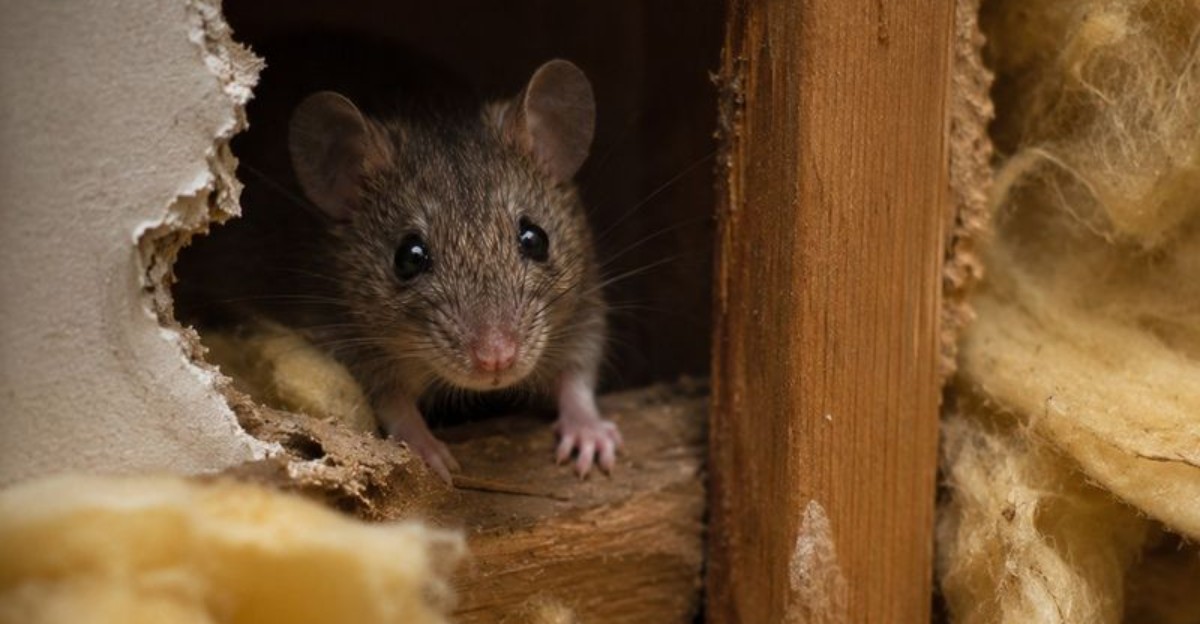
A single tiny garage squatter can leave dozens of droppings in one night without making a sound. Their teeth keep growing for life, so cardboard boxes and seed bags quickly become handy chew toys.
Even more surprising, a gap the width of a pencil is wide enough for one to squeeze through. Garages offer warm corners and stored birdseed, which must feel like a luxury hotel to a tiny visitor.
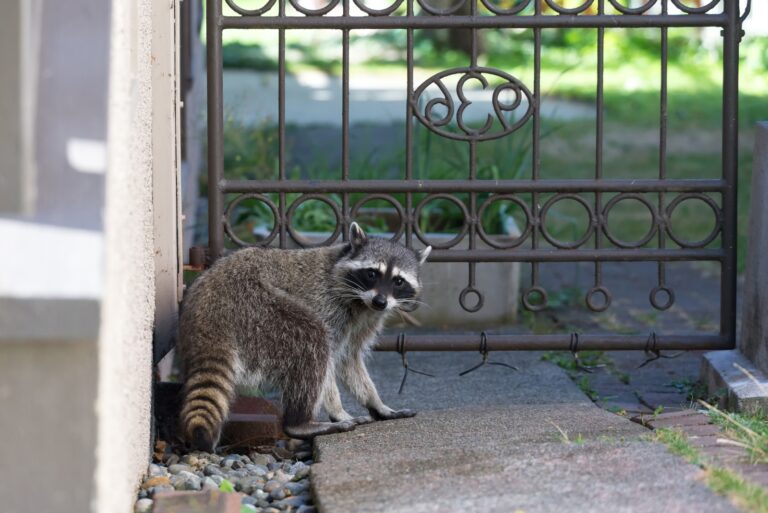
I once blamed a torn bag of grass seed on clumsy raccoons until I found the tiny prints. You might notice the clues long before you spot the culprit, because these guests prefer moving after dark.
Some signs are obvious once you know them, while others hide behind paint cans and bags of potting soil. How many of these sneaky clues are already waiting quietly in your garage right now?
1. Tiny Mouse Droppings Along Your Garage Walls

Those little black specks near your potting bench are not spilled seeds, and your nose might agree soon. House mouse droppings measure about one eighth to one quarter inch long, with pointed ends like dark rice.
Fresh pellets look shiny and soft, while older ones turn dull gray and crumbly within a few days. Checking their color and appearance without touching or disturbing them quickly tells you whether the visitors are current or long gone.
A single mouse may leave dozens of droppings each day, so piles grow fast along favorite routes. You will mostly find them hugging walls or tucked near bags of birdseed and pet food.
I learned the hard way that sweeping them up is a truly terrible idea for your lungs. Dry droppings can release dust carrying germs, including hantavirus from deer mice, according to CDC guidance.
The CDC recommends wearing rubber gloves and airing out the garage for at least thirty minutes first. Then spray droppings with a bleach and water mix, roughly one part bleach to ten parts water.
Let the spray soak about five minutes before wiping everything up with paper towels you can toss. Bag the waste tightly in plastic, then wash your gloved hands before removing the gloves and scrubbing again.
Afterward, sweep nothing and watch the same spots for a week to see if fresh pellets appear. New droppings in a cleaned area mean your garage tenants are still clocking in every single night.
2. Gnaw Marks On Storage Bins And Garden Tool Handles
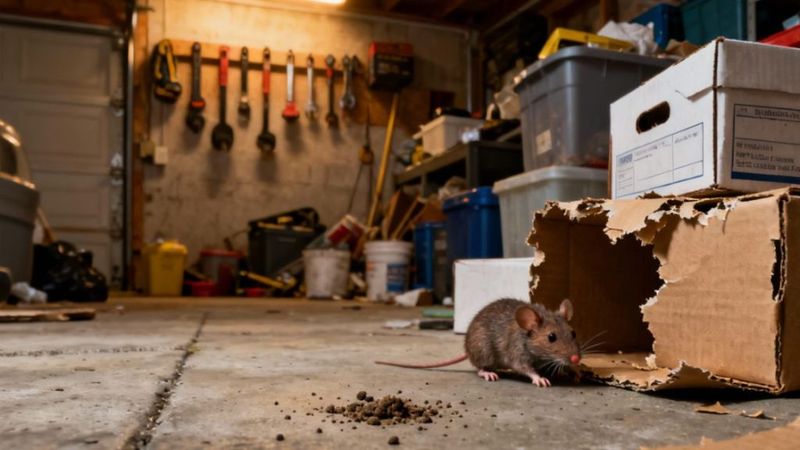
Mouse incisors keep growing throughout life, so chewing is less a hobby and more a daily requirement. Those front teeth stay orange-yellow and sharp, carving neat little grooves into almost anything softer than metal.
You might spot ragged holes in cardboard boxes or nibbled corners on cheap plastic storage bins nearby. Wooden tool handles and seed packets can show tiny parallel grooves about one sixteenth of an inch wide.
Fresh gnawing looks bright and clean, while older chew marks darken as dust and grime settle in. I compare suspicious spots against untouched edges, which makes the age of the damage easier to judge.
Wires deserve special attention, since gnawed insulation can create a fire risk inside walls and outlets. Some drivers have reported rodents chewing car wiring, and debate continues about whether soy-based insulation attracts them.
Regardless of the coating, a warm engine bay parked inside a quiet garage looks inviting to rodents. Popping the hood every week or two during colder months lets you catch shredded wires or stashed seeds early.
Garden supplies take a beating too, especially grass seed and birdseed left sitting in thin paper bags. Moving those goodies into metal cans with tight lids removes a major reason for mice to stay all winter.
Sturdy plastic bins help a little, though determined chewers can slowly work through thin plastic over several nights. Check bin corners and lid edges often, because those spots usually show the first bite marks.
3. Shredded Paper Nests Hidden Behind Garage Shelves
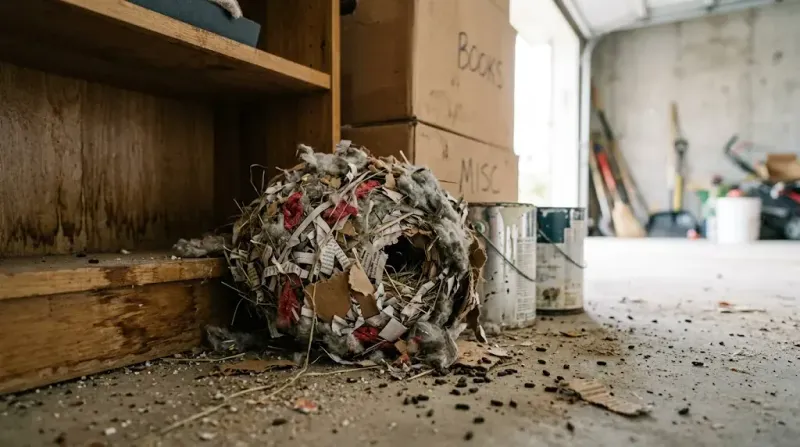
Finding a fluffy ball of shredded paper behind the shelves feels oddly cozy until you realize who built it. Mice are tireless interior decorators, tearing soft materials into fine strips and packing them into round nests.
A typical nest measures roughly four to six inches across, though the shape changes with available space. Look for pulled insulation fluff or chewed burlap tucked into quiet corners that people rarely disturb.
My favorite hiding spot to check is the bottom drawer of an old tool chest nobody opens. Stored patio cushions and boxes of holiday decorations also make very attractive nursery sites for growing families.
Speaking of families, a female house mouse can have several litters a year, often five or six pups each. That quick turnover explains how one surprise sighting in autumn becomes a crowded garage by late winter.
Before you poke around, put on rubber gloves and dampen the whole nest with a bleach solution. Wet material keeps fine dust from floating up while you scoop everything into a sealed plastic bag.
Reducing clutter makes the biggest difference, since every forgotten pile offers fresh building supplies and plenty of privacy. Store fabric items in sealed tubs and keep shelving a few inches off the walls when possible.
Raised storage lets you spot new shredding quickly instead of discovering a surprise nursery during your next big spring cleaning. A garage with fewer hiding places feels far less welcoming to a mouse searching for a winter home.
4. Scurrying Mouse Sounds Inside Garage Walls At Night
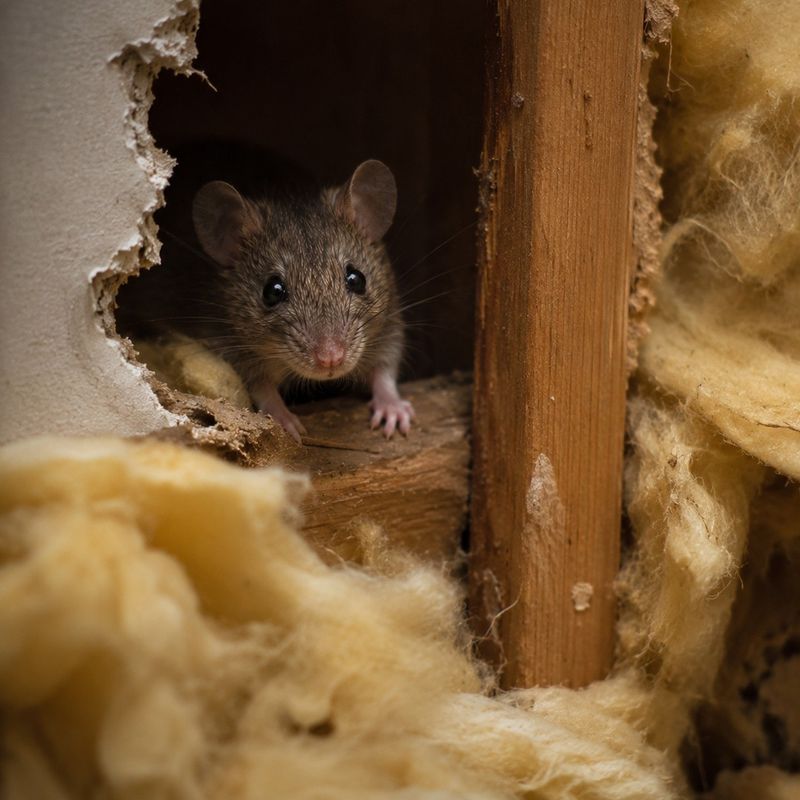
Late one evening I heard a faint pitter-patter above the garage door opener and assumed it was rain. The sky was clear, and the sound turned out to be tiny feet racing along the rafters.
Mice are mostly active at night, so their noises stand out once the house settles down for the evening. Listen for quick scurrying or soft rustling coming from inside walls and behind stacked storage boxes.
Squeaks happen occasionally, but movement sounds are far more common than any vocal chatter from your guests. Their little claws grip rough surfaces well, which helps them climb pipes and even concrete block walls.
Larger thumps usually point to bigger animals like rats or squirrels, so pay attention to sound size. Squirrels tend to make noise in daylight, while mice and rats prefer working the night shift.
You can play detective by sitting quietly in the dark garage for ten minutes with a flashlight ready. Mark where the sounds seem strongest using painter’s tape, then inspect those areas carefully the very next morning.
Pair your listening session with a check for droppings and gnaw marks near the taped spots. Several signs grouped together confirm a regular travel route rather than a lonely one-time wandering visitor passing through.
Snap traps placed against the wall along those routes catch mice more reliably than traps in open floors. Bait them with a dab of peanut butter and set them where children and pets cannot reach.
5. A Musky Mouse Urine Smell Near Stored Birdseed
Sometimes your nose solves the mystery first, catching a sharp musky smell the moment the garage door opens. That stale odor comes mostly from mouse urine, which mice dribble in tiny droplets as they travel.
Rodents use urine trails to communicate, marking paths and leaving chemical messages for other mice nearby. Over time those droplets build up, especially in warm, enclosed spaces with little fresh air moving through.
The smell often grows stronger around nests and food stashes hidden behind piles of garage clutter. I first noticed it near a forgotten sack of sunflower seeds, which explained everything once I looked inside.
A light musky scent may mean a few visitors, while a heavy ammonia smell suggests longer residence. Larger rodent populations produce more waste, so the odor tends to intensify as weeks pass without control.
Be careful not to confuse this smell with spilled fertilizer, which can also carry an ammonia note. Checking for droppings near the source helps you tell a rodent problem from a leaky bag of lawn food.
Cleaning starts with opening the doors for airflow, then spraying affected surfaces with disinfectant before wiping. Enzyme cleaners made for pet urine can help break down lingering odor on porous concrete floors.
Masking the scent with air fresheners only hides the issue while the mice keep adding fresh marks. Removing the animals and sealing their entry points is the most reliable way to clear the air for good.
6. Greasy Rub Marks Along Garage Baseboards And Door Gaps
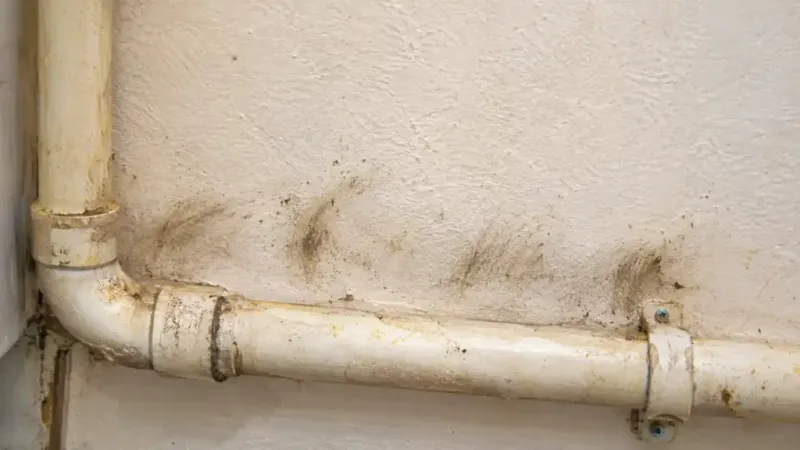
Mice are creatures of habit that hug walls as they travel, using their whiskers to feel the way. Repeated trips along the same path can leave faint gray or brown smudges at floor level.
Those smudges form when oil and dirt from their fur rub off against baseboards and pipe edges. Rats leave much more obvious rub marks, so mouse smudges may look subtle and easy to overlook.
Grab a flashlight and shine it at a low angle along your garage walls for the best view. Side lighting makes greasy streaks stand out against painted drywall or bare concrete in a surprising way.
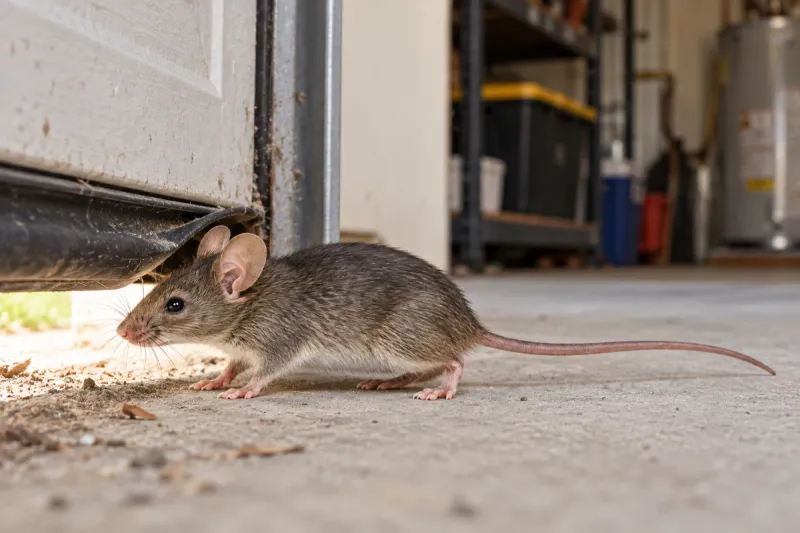
Pay extra attention to gaps under the garage door, where weatherstripping often wears thin or cracks. Mice can squeeze through openings about a quarter inch wide, which is roughly as thick as a pencil.
Darkened edges around a hole strongly suggest frequent traffic, especially when droppings sit nearby on the floor. I keep a small notebook listing each suspicious spot, which makes sealing them later much faster.
Copper mesh or steel wool stuffed into small gaps, then covered with sealant, blocks many entry points. Larger openings need hardware cloth or sheet metal, since mice chew through foam and rubber fairly easily.
Replacing a worn door sweep is an easy weekend project that pays off quickly in colder months. Wipe old smudges away afterward, so any new marks clearly show whether your sealing work actually succeeded or not.
7. Tiny Mouse Footprints In Flour On The Garage Floor
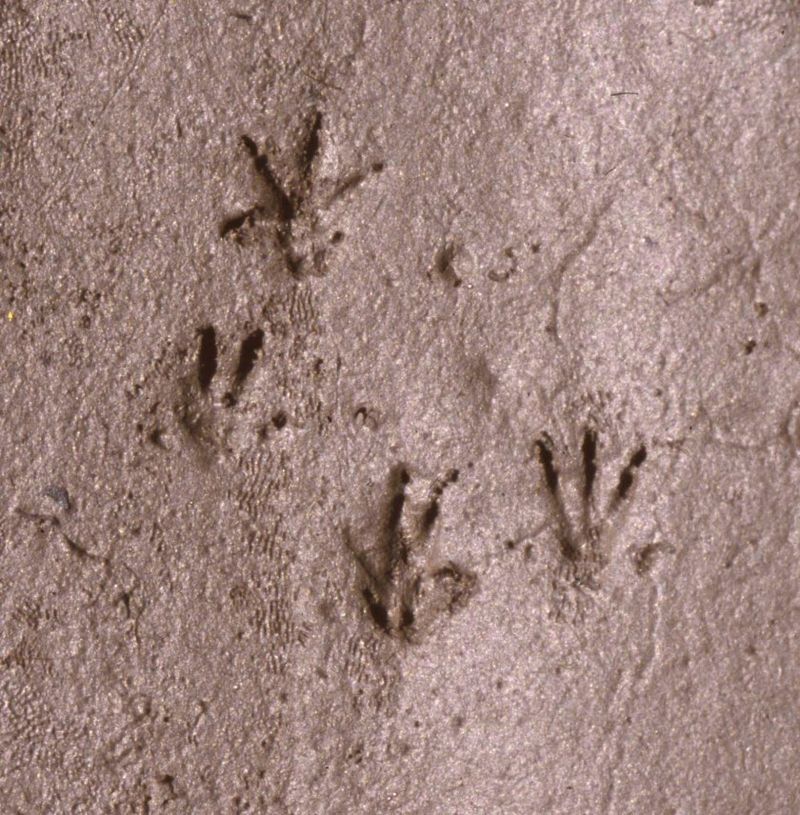
Dust is a surprisingly honest witness, recording every tiny footstep that crosses your garage floor overnight. Mouse tracks are small, usually less than half an inch long, and often appear in neat little clusters.
The front feet show four toes and the hind feet show five, which helps separate them from insects. Sometimes a thin line runs between the prints, left by a tail dragging lightly through the dust.
If your floor stays too clean for prints, try my favorite trick with a shaker of flour. Sprinkle a light dusting along walls and near suspected entry points just before you head to bed.
Baby powder works too, though unscented flour is cheaper and easier to sweep up the next morning. Check the patches at sunrise with a flashlight held low, which makes faint prints much easier to read.
Fresh tracks show crisp edges, while older ones blur as dust settles or air drifts through the space. Repeat the test after setting traps or sealing holes to see whether activity drops over the following week.
Larger prints with longer toes may belong to rats, which call for bigger traps and different strategies. Chipmunks and voles sometimes wander into garages too, so comparing track sizes with photos online can help.
I find this test oddly satisfying, almost like reading a tiny map drawn by midnight visitors. Plus, it costs nearly nothing and gives you real evidence instead of guesses about what scurried past.
8. Your Cat Staring At One Garage Corner For Hours

My cat once spent an entire evening glaring at the dryer vent like it owed her money. Two days later, droppings behind the dryer proved she understood the situation far better than I did.
Cats and dogs hear higher frequencies than people, so tiny rustles and ultrasonic squeaks rarely escape them. Their noses are also far more sensitive, picking up rodent scent trails we cannot detect at all.
Watch for repeated sniffing at one cabinet or long, focused staring at the same dark corner. A dog that suddenly refuses to leave the garage may be tracking something you have not seen yet.
Pet behavior works best as a clue, since animals also react to crickets and noises drifting in from outside. Confirm their hunch by checking that area for droppings or gnaw marks before setting any traps nearby.
Safety matters a lot here, because poison baits can harm pets that eat them or eat poisoned mice. Many extension services suggest snap traps in tamper-resistant boxes when curious animals share the same space every day.
Store pet food in sealed metal containers, since open kibble bags invite mice to move right in. Feeding bowls left in the garage overnight can quietly support a growing colony through the colder months.
A mouse-hunting cat may catch a few, though cats alone rarely solve an established infestation in a busy garage. Trust those twitching ears and wagging tails as early alarms, then follow up with your own careful detective work.