Should Homeowners Worry About Boxelder Bugs? Here’s What They Actually Do
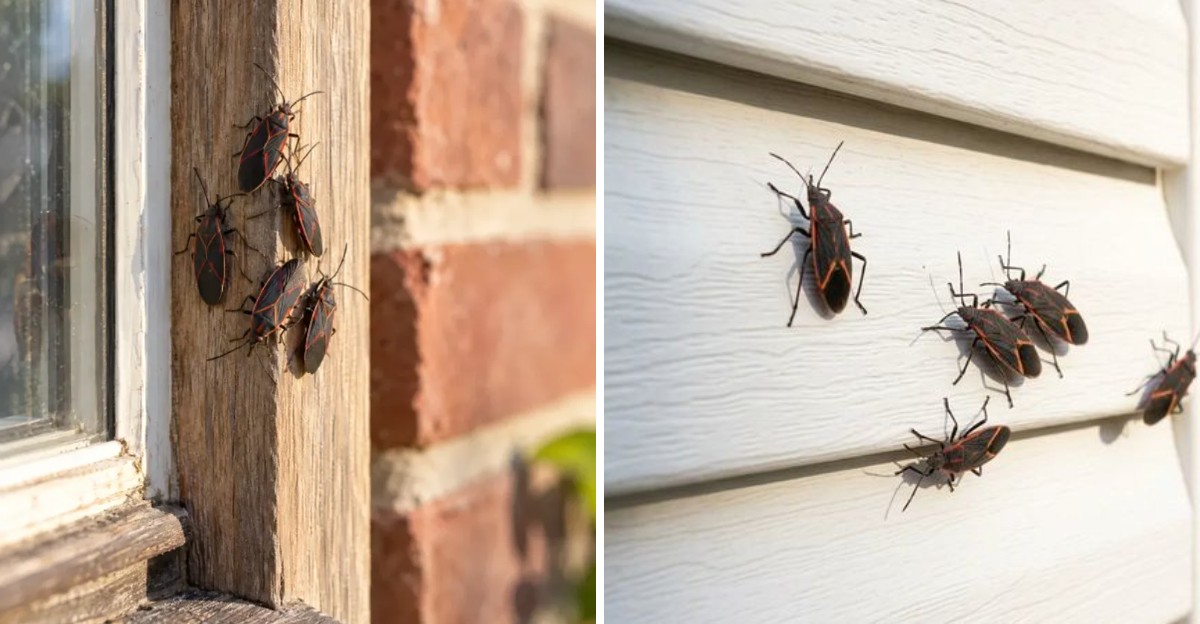
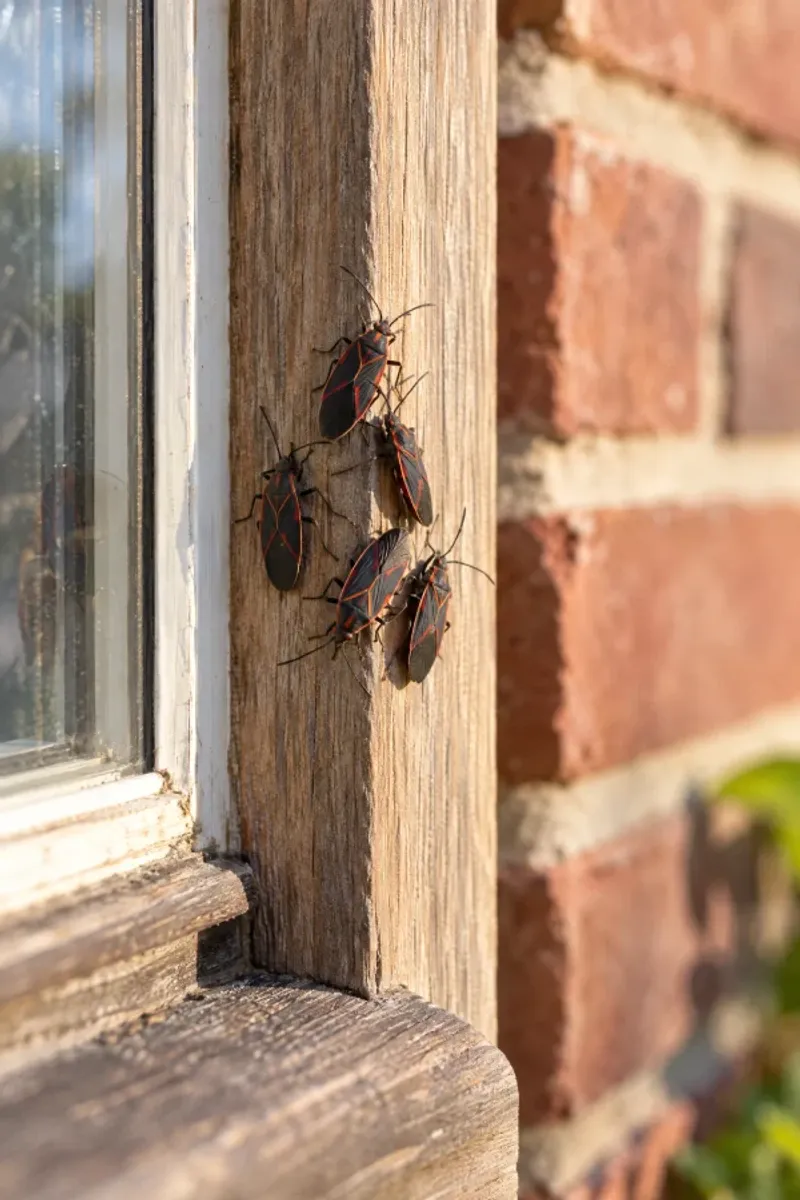
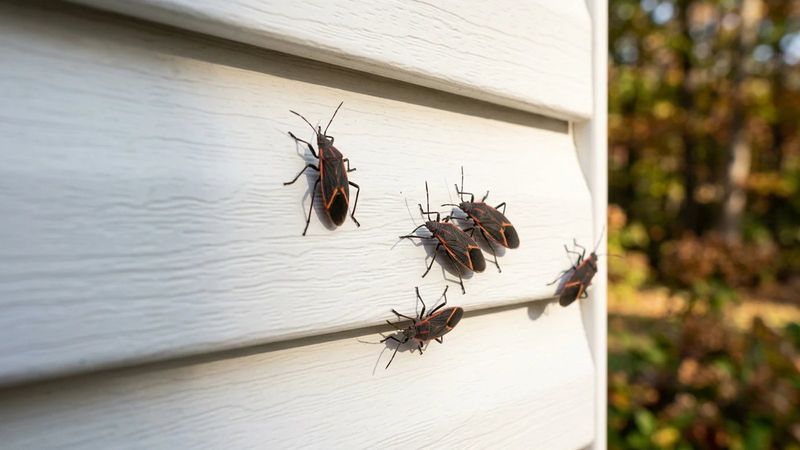
Some fall afternoons, thousands of red and black insects pile onto a single sunny wall like commuters on a crowded train. They aren’t attacking anything. They’re sunbathing.
I didn’t expect a bug to take a nap that seriously. These little guys crowd together for warmth, then spend the winter tucked into cracks in siding, attic corners, and window frames. Some even wake up on warm winter days and wander across your living room floor.
The first time I saw a swarm on my porch, I grabbed a broom and panicked. I pictured chewed siding, ruined shrubs, and a houseful of creepy crawlers.
Turns out, my imagination was far scarier than the insects themselves. Their real habits are a lot quirkier than most folks realize. So what exactly are those clusters doing on your house, and should you lose any sleep over them?
That Red and Black Swarm on Your Siding Has One Simple Goal
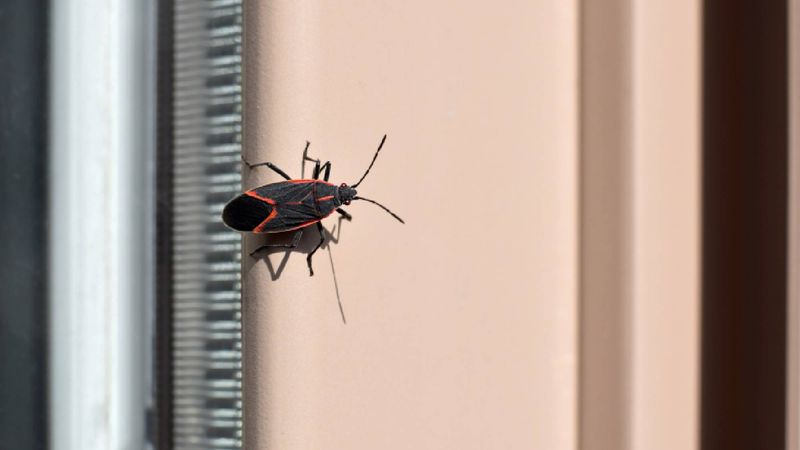
Warmth. That’s the whole story behind those crowds of boxelder bugs on your house. As fall days get shorter and cooler, adults look for a protected spot to spend winter.
In the wild, they would tuck into tree bark cracks or rock piles. Your house just happens to be a better option, especially the south and west walls that soak up afternoon sun. University extension experts, including the University of Minnesota, note that these bugs gather on sunny surfaces before slipping into cracks to overwinter.
So the swarm isn’t a sign your home is under attack. It’s more like a crowd of tiny tourists lining up at a heated hotel. They don’t eat wood, siding, or insulation, and they aren’t building nests.
Once they find gaps around windows, vents, or siding, they squeeze in and go quiet for the cold months. They stay in a resting state inside walls and attics until spring calls them back outdoors.
Fair warning, though. Knowing they’re harmless doesn’t make a wall covered in bugs any less startling. Still, the right reaction is calm prevention, not panic, and the rest of this guide shows you how to handle them smartly.
Boxelder Bugs Rarely Pinch, Don’t Sting, and Don’t Spread Disease
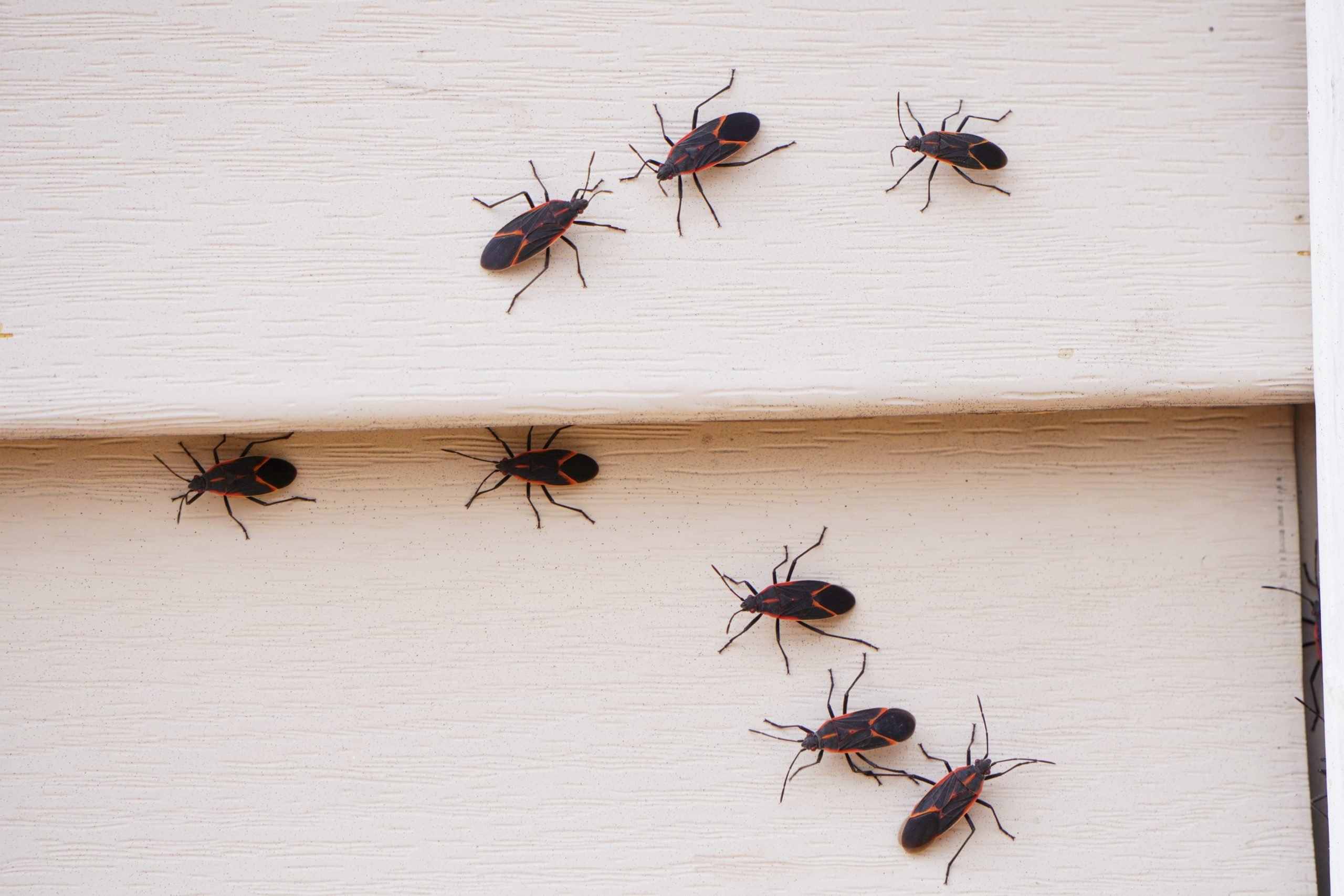
Breathe easy, friend. Boxelder bugs are classified as nuisance pests by experts like Penn State and Colorado State extension services. That label means they bother us more than they harm us.
They don’t carry diseases that affect people or pets. They don’t sting, and they don’t feed on blood. Their mouthparts are made for sipping plant juices, not for chewing on you.
Now and then, someone reports a tiny pinch when handling one roughly. That’s rare, and it usually feels like a mild prick with maybe a small red spot afterward. Most folks will go their whole lives without that happening.
What about pets? A curious dog or cat might snap one up. The bugs taste bad and give off a strong smell when disturbed, so most animals learn fast and spit them out.
Boxelder bugs aren’t considered poisonous to pets, but eating a bunch might cause a mild upset stomach. If your pet seems unwell after a bug snack, a quick call to your vet is a sensible move.
Bottom line, these insects rank somewhere between ladybugs and houseflies on the worry scale. Annoying, sure. Dangerous, not really.
Female Boxelder Trees Are the Real Buffet
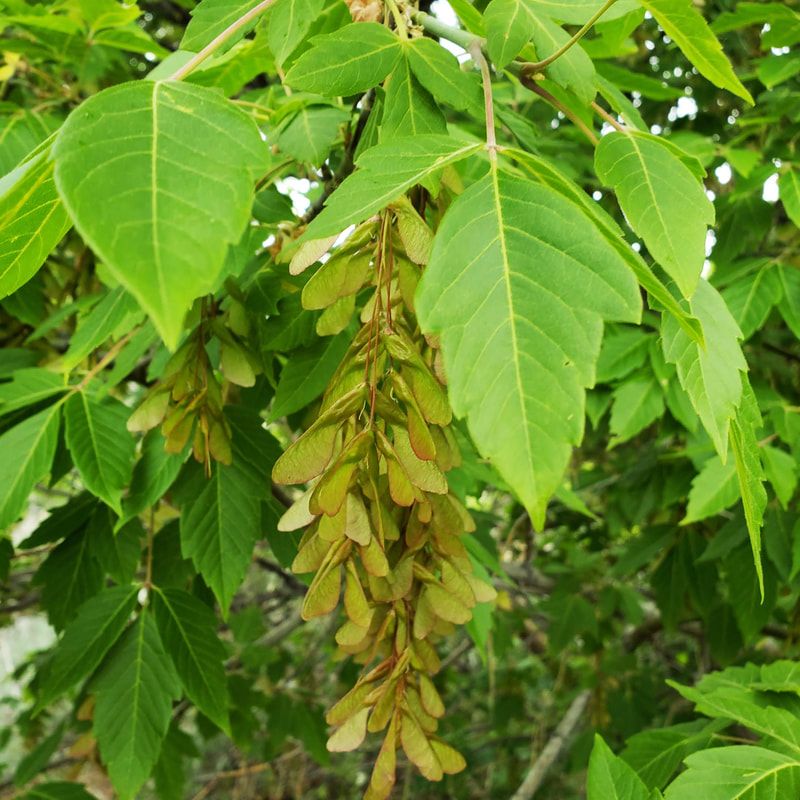
Ever wonder why some neighborhoods get swarmed while others barely see a single bug? Follow the seeds. Boxelder bugs feed mainly on the seeds of female boxelder trees, a type of native maple.
Only female boxelder trees make those dangling clusters of winged seeds. Male trees produce pollen, not seeds, so they attract far fewer bugs. If a seed-bearing boxelder grows nearby, you’ll likely notice more of these insects.
The bugs use a straw-like mouthpart called a proboscis to suck juices from seeds, leaves, and tender twigs. They don’t chew holes the way caterpillars or beetles do.
Now and then, they also visit silver maples, other maples, and ash trees. They may sample seeds and fallen fruit from a few other plants too.
Fun fact for you. In some regions, boxelder bugs are linked so closely with these trees that people call them maple bugs.
Should you cut down a boxelder tree to fix the issue? Probably not as a first step. The bugs can fly a good distance, so trees down the block may still supply them. Boxelder trees also offer shade and wildlife value in many native landscapes.
Your Apples and Plums Might Get a Few Dimples
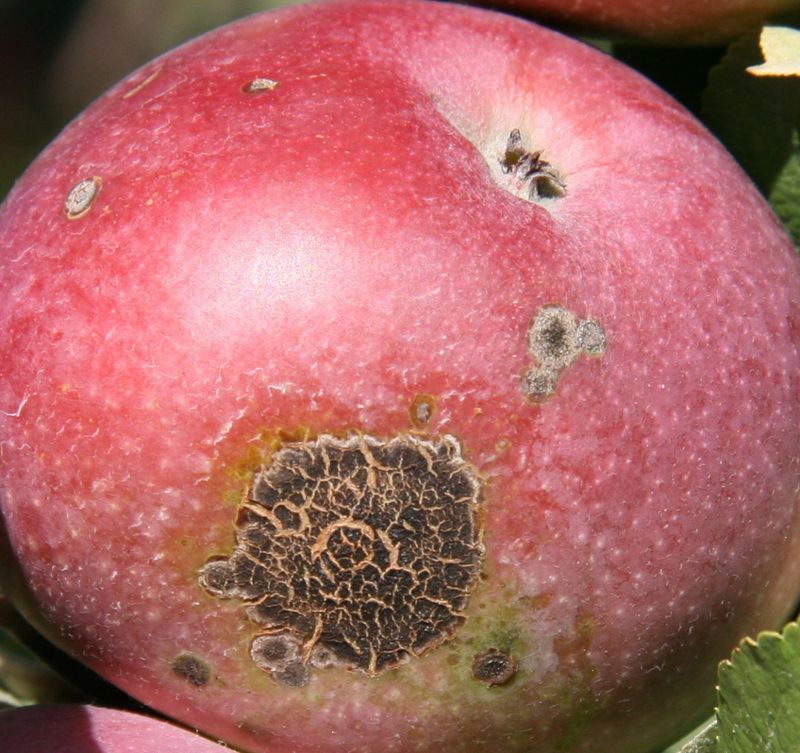
I’m the first to admit I check my fruit trees like a nervous parent. So when I spotted boxelder bugs on my apples, I braced for bad news. What I found was a few odd little dents.
When these bugs feed on fruit, they poke the skin and sip the juices. That can leave small dimples, scarred spots, or slightly misshapen areas on apples, pears, plums, cherries, and grapes. In most backyards, the damage is cosmetic.
The fruit is still safe to eat. You can trim off any rough spots if they bother you. Some gardeners also see light spotting or curling on leaves where the bugs fed.
Healthy, established trees handle this minor feeding without any lasting harm. Boxelder bugs aren’t known to seriously weaken landscape plants or gardens.
Commercial growers sometimes worry more, since blemished fruit is harder to sell. For home gardeners, though, a few dimpled apples rarely justify spraying pesticides.
A simple habit helps. Pick up fallen fruit and seeds under your trees, since boxelder bugs like to feed on those too. Less food on the ground often means fewer bugs hanging around your yard in late summer.
Bright Red Boxelder Nymphs Explain the Summer Population Jump
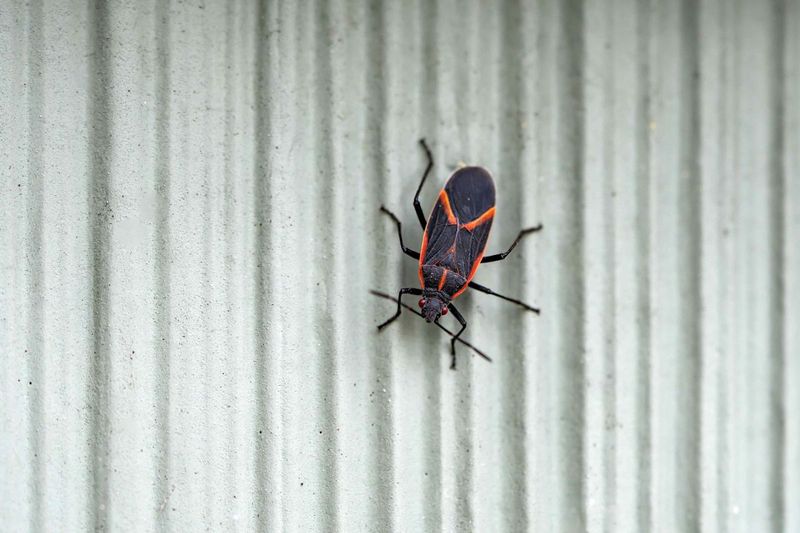
Tiny, bright red, and wingless, the young boxelder bugs look like a whole different insect. Plenty of gardeners mistake them for spider mites or some new pest.
Here’s how their year usually goes. Adults that survived winter come out in spring and lay rusty reddish-brown eggs on boxelder trees, often in bark cracks or on leaves. Small red nymphs hatch a couple of weeks later.
As nymphs grow, they shed their skins several times. They slowly darken and develop little wing pads before becoming black-and-red adults.
In many areas, especially warmer spots, there can be two generations in one season. That’s why numbers often seem to explode by late summer. By the time fall arrives, you’ve got a big crowd of fresh adults ready to look for winter shelter.
Hot, dry summers seem to favor these bugs. Extension sources note that warm springs and summers can lead to bigger fall swarms, while cool, wet weather may keep numbers lower.
So if you see red nymphs on your trees in July, consider it a heads-up. Late summer is a good time to have your sealing supplies ready.
Warm Winter Days Wake Up Boxelder Bugs Hiding in Your Walls
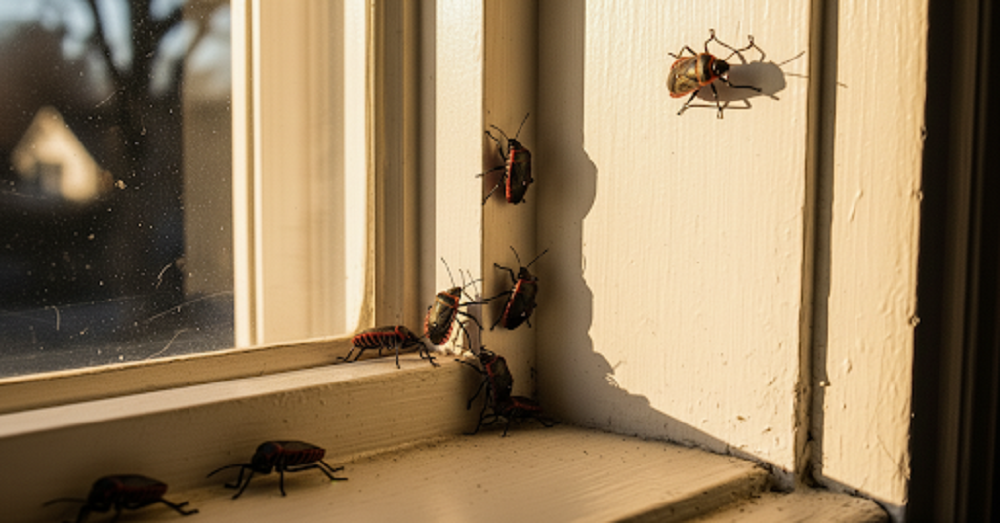
Picture this… actually, scratch that. You’ve probably lived it already. It’s January, the sun warms the house, and suddenly a sleepy boxelder bug wanders across your kitchen window.
Those bugs slipped into wall gaps and attic spaces back in fall. On mild winter days, the warmth fools them into thinking spring has arrived. They crawl toward light and end up inside living areas.
They can’t breed or lay eggs indoors. The bugs you see in winter are the same ones that moved in during autumn. Your home won’t become a nursery.
Indoor conditions are too dry for them, so many of these wanderers fade away on their own over time. They also don’t eat anything inside your house, from clothes to food.
The biggest headaches are smell and stains. Crushing a boxelder bug releases an unpleasant odor. Their droppings can also leave reddish-orange marks on curtains, walls, or light fabrics.
Not going to lie, finding them on your pillow is gross. The fix is easy, though. Gently scoop them up or vacuum them rather than squishing. Your nose and your drapes will thank you for the gentle approach.
A Caulk Gun Beats Bug Spray for Boxelder Bug Problems
Trust me on this one. The best tool against boxelder bugs isn’t a spray bottle. It’s a tube of caulk and an afternoon of careful sealing.
Extension experts agree that keeping bugs out works far better than fighting them inside. Late summer, before they start moving to your walls, is the ideal time to get busy.
Walk around your house with a flashlight and look closely. Seal cracks around windows, doors, pipes, wires, and the gap where siding meets the foundation.
Repair torn window and door screens. Add fine mesh over attic and soffit vents, and replace worn weatherstripping and door sweeps.
Indoor insecticide sprays don’t help much. Bugs already hiding inside walls are hard to reach, and leftover dead insects in wall voids can attract carpet beetles. Gardeners should also keep in mind that pesticides can harm helpful insects like bees.
If you do consider an exterior treatment, talk to a licensed pest professional or your local extension office. Timing and safety matter, and many homeowners find sealing does most of the work anyway.
A few dollars in caulk can save you a whole winter of red-and-black surprises.
Soapy Water and a Shop Vac Handle Boxelder Bug Clusters Calmly
So the bugs showed up anyway. No shame there. Every fall, I keep a few simple tools handy and handle them without stress.
Outdoors, a spray of soapy water works well on clusters. Mix a few tablespoons of plain dish soap into a gallon of water and spray it directly on the bugs. It needs to touch them to work, so aim carefully.
A strong blast from a garden hose can also knock them off your siding. They may come back, though, so pair that with sealing gaps.
Inside, a vacuum is your best friend. A shop vac or a vacuum with a disposable bag lets you remove bugs without crushing them and causing stains. Empty or seal the bag outdoors right away to avoid smells.
Tidying your yard helps too. Rake up fallen boxelder seeds, leaf piles, and fruit near the house, especially on the sunny sides.
Here’s my takeaway after years of watching them. Boxelder bugs are a seasonal nuisance, not a threat to your home or garden. With a little prevention and patience, you can share your yard with them and still sleep soundly.