Can A Living Christmas Tree Really Be Planted In A California Yard Afterward?
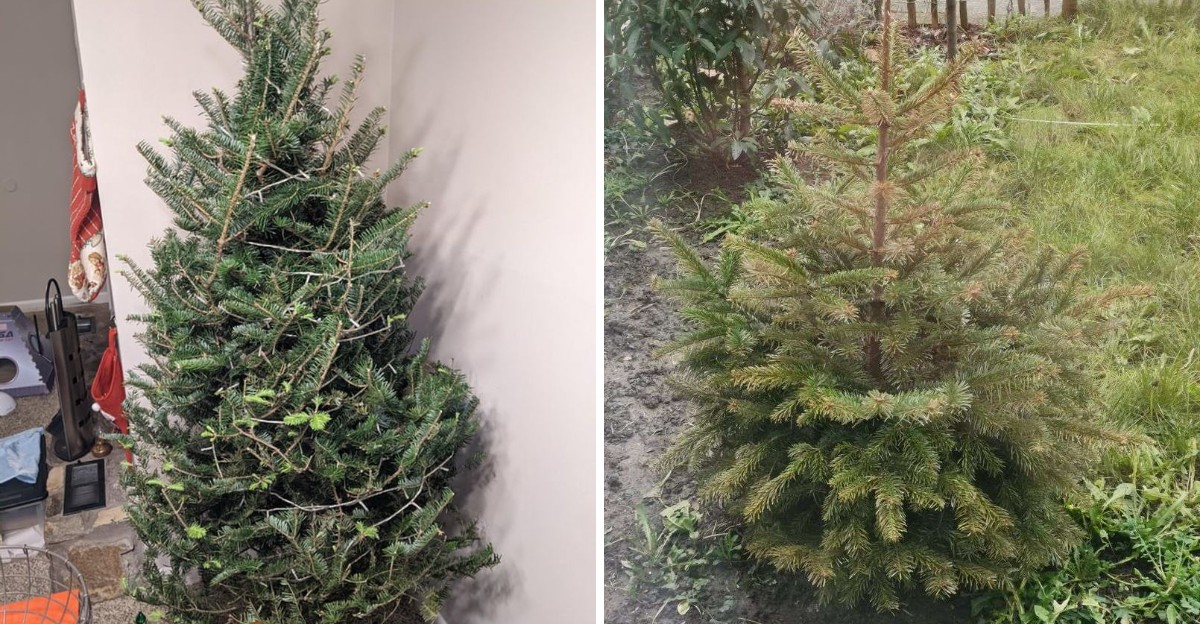
Two cozy weeks beside the presents can trick a potted evergreen into thinking spring has arrived. Then the sudden move back outside hits it like a cold splash in January.
Their family history surprises a lot of people. Many favorite holiday firs grew up in cool, foggy mountain forests full of snow and damp air.
Long, dry California summers and sticky clay can come as a rude surprise. That cute four-footer may also stretch past 60 feet someday.
Tree lots start popping up across California right after Thanksgiving, and I get giddy every time. I once let ours stay indoors so long it asked for a house key. By July, it looked sunburned and grumpy, and I felt like a terrible host.
A backyard full of grown-up holiday trees sounds magical. Yet the little tag on that root ball may matter more than a perfect cone shape.
That Potted Evergreen In Your Living Room Has A Real Shot Outdoors
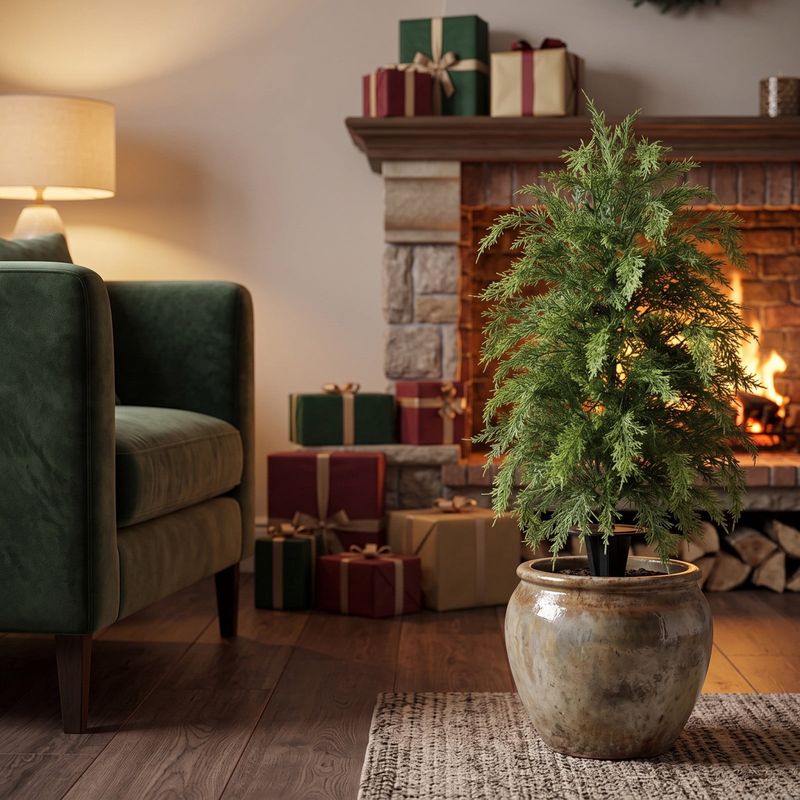
Yes, it can work, and plenty of California gardeners have the backyard trees to prove it. A living tree is sold with its roots intact, either in a container or wrapped in a burlap ball. That root system is the whole secret.
Success depends on three big things. You need a species that suits your local climate, a short and cool stay indoors, and careful planting soon after the holidays. Miss one of those, and the tree often fades within a season or two.
University of California experts point out a tricky truth. Many popular holiday trees, like Fraser fir, Noble fir, and many spruces, are native to cool mountain or northern forests. They often decline in hot valleys and coastal lowlands once planted in the ground.
That does not mean you should give up. It means the tree tag matters more than the shape or the price. A tree that fits your region can settle in nicely and grow for decades.
Think of it as adopting a pet, not buying a decoration. You are making a long-term promise. With a little homework at the lot, your holiday tree can become a lasting part of your yard and your family story.
Pick A Conifer Built For Sunny California Summers
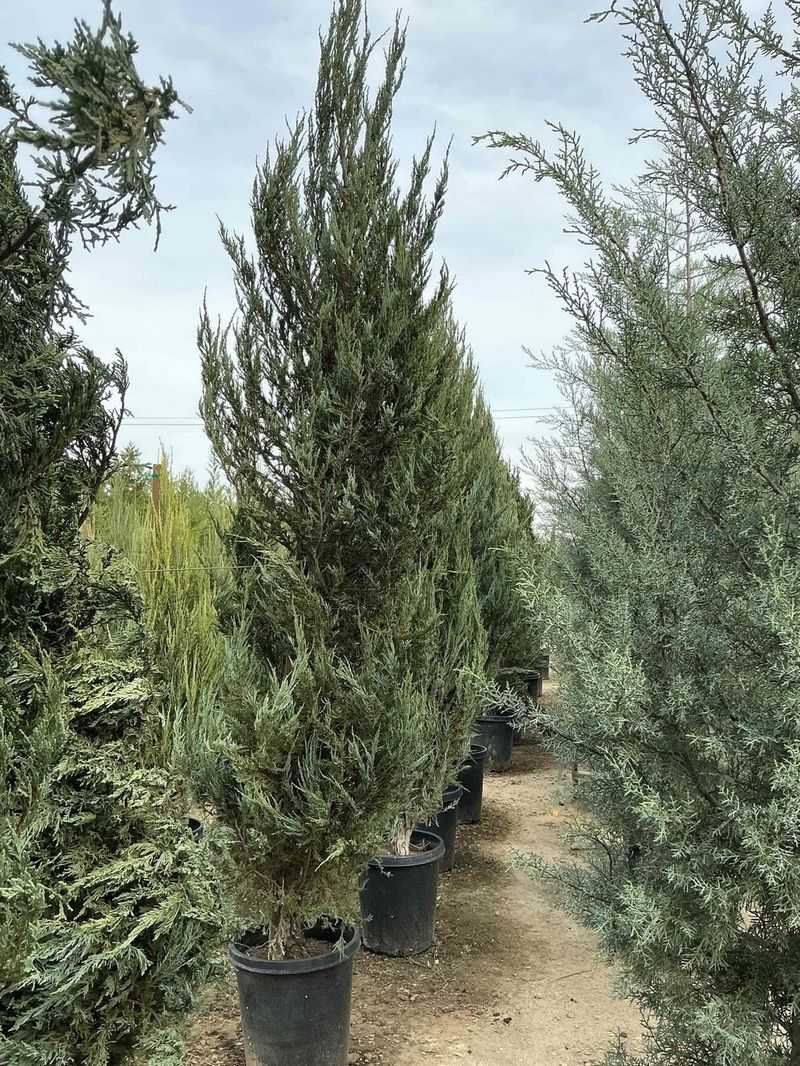
My favorite part of this whole adventure is choosing the tree. A little species research now saves a lot of heartbreak later. Some conifers shrug off heat, while others sulk.
Deodar cedar is a strong pick for many areas. It handles sun, drought once established, and alkaline soil well. Just know it grows huge, often 40 to 70 feet tall, so it needs serious space.
Native options deserve a close look too. Incense cedar is a California native with a tidy, narrow shape. Monterey pine grows fast and fits coastal areas, though it can face pests and disease in hot inland spots.
Some fir choices are more forgiving than others. Nordmann fir is often listed as more heat tolerant than Fraser or Noble fir. Even so, it still prefers milder spots and regular water.
Skip Scotch pine if you plan to plant. It often runs into pest and disease trouble here and rarely ages well. Colorado blue spruce can survive in cooler mountain towns, but many lowland gardeners keep it in a large pot instead.
Ask the nursery staff what grows well in your zip code. Local know-how beats a pretty label every time.
Keep The Decorated Tree Indoors Only A Few Short Days
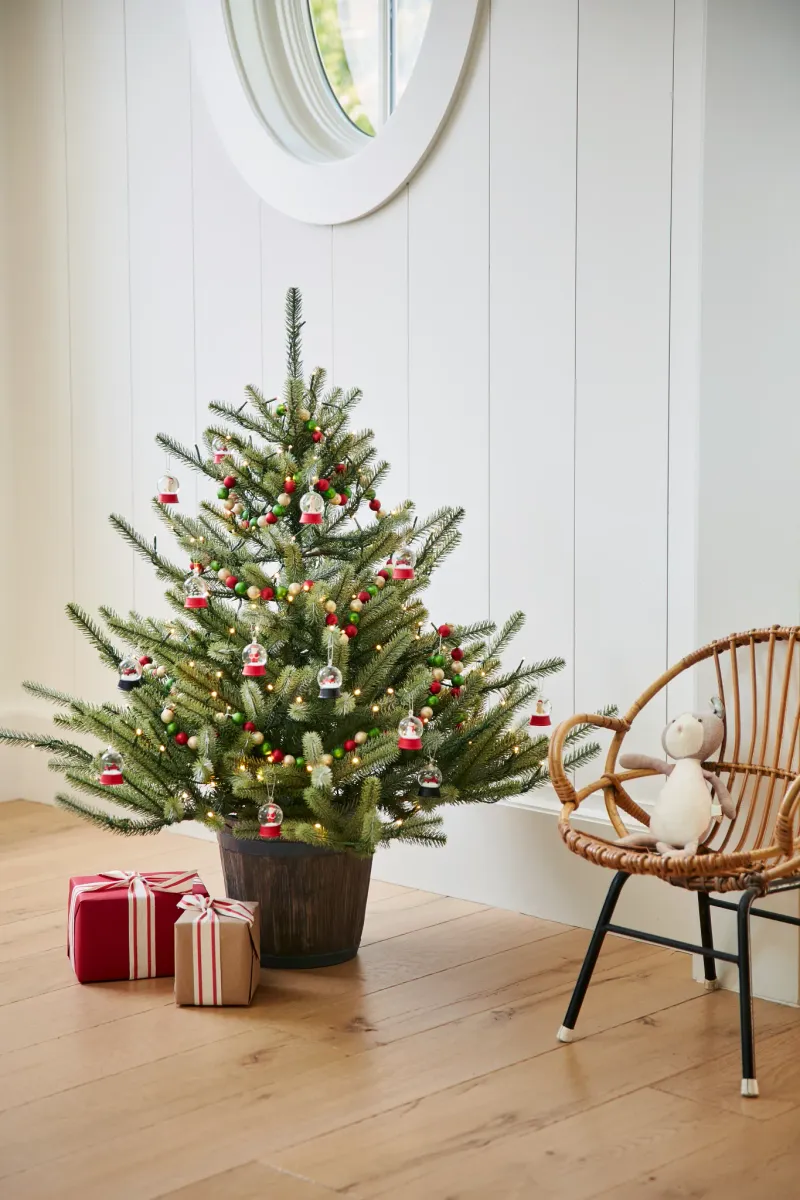
A living tree treats your warm house like a confusing early spring. Too many cozy days indoors can wake it from winter rest. Then the sudden move outside becomes a real shock.
Most experts recommend keeping the tree inside for about 3 to 5 days. Many suggest 7 to 10 days as the upper limit. Shorter is better, even if the kids beg for more.
Before bringing it in, ease the transition. Let it sit in a garage or covered porch for a couple of days. That middle step helps it adjust to warmer air without stress.
Choose the coolest spot in your home. Keep it away from heater vents, fireplaces, and sunny windows. LED lights are a smart choice because they give off very little heat.
Watering matters a lot during this visit. Check the soil daily and keep the root ball evenly moist, never soggy. A handful of ice cubes spread on top melts slowly and keeps the roots cool.
Set the pot on a waterproof tray to protect your floors. After the holidays, reverse the process with a few days in the garage before the tree heads outdoors for good.
Dig A Wide Shallow Hole For That Burlap Root Ball
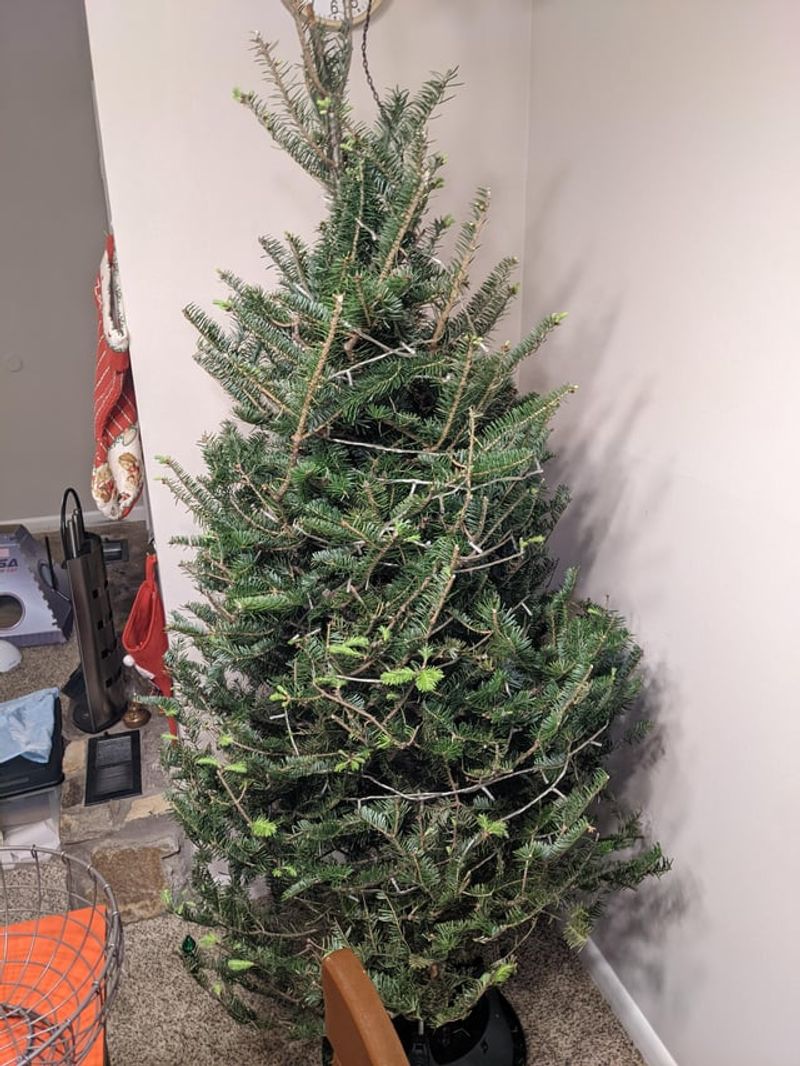
Here comes the muddy, satisfying part. The good news for us is that California winters are usually mild, so planting in January works in most regions. Mountain gardeners with frozen ground may need to wait for a thaw.
Pick a sunny spot with soil that drains well. Stay clear of houses, power lines, and septic systems, since many conifers grow tall and wide. If your soil is heavy clay, a slightly raised mound can help water move away from the roots.
Dig the hole two to three times wider than the root ball. Keep it only as deep as the root ball itself. Roots spread outward far more than downward, so width matters most.
Look for the root flare, where the trunk widens into roots. It should sit at or just above the soil line. Planting too deep is one of the most common reasons new trees fail.
Remove twine, wire baskets, and any plastic burlap. Natural burlap can be peeled back and left at the bottom. Then backfill with your own native soil, not rich potting mix, so roots learn to reach into the surrounding ground.
Deep Watering And Wood Chip Mulch Help New Evergreen Roots
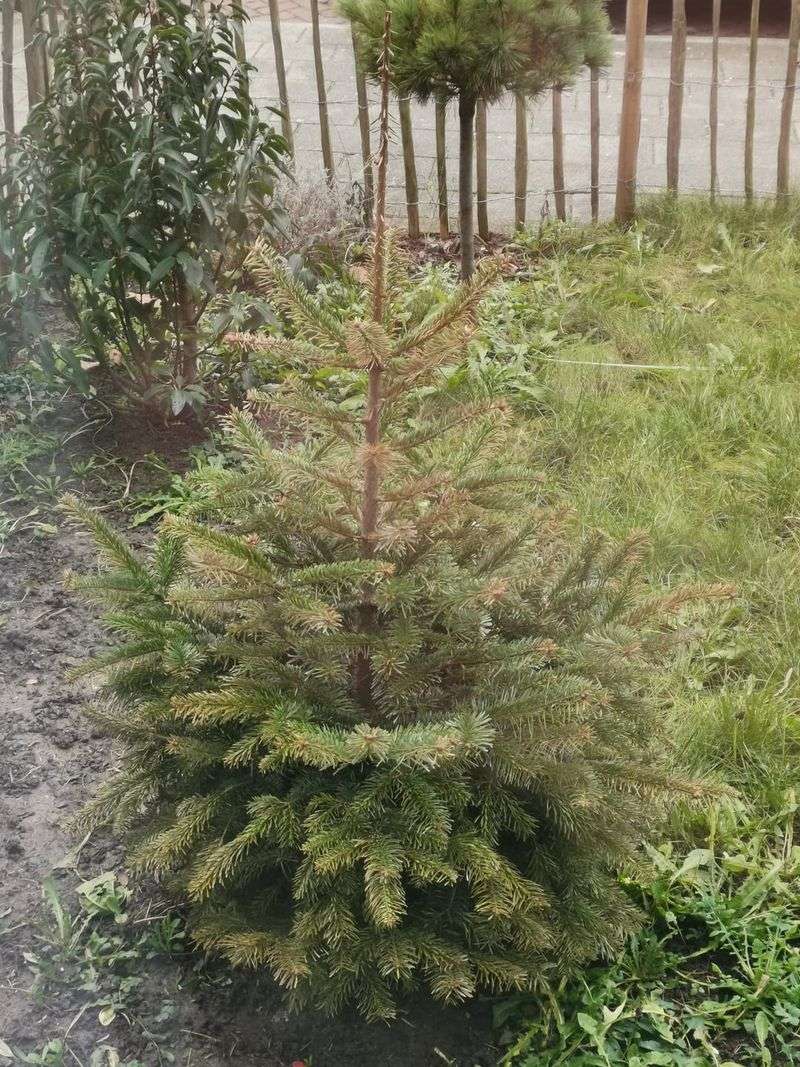
Water is the lifeline for a freshly planted tree. Even drought-tolerant species need steady moisture while their roots get established. That process can take one to three years.
Right after planting, soak the area slowly and deeply. Build a low ring of soil around the root zone to form a basin. It holds water right where the roots need it.
Winter rains may do much of the work for a while. Once spring warms up, check the soil a few inches down before watering. Many new trees need a deep drink once or twice a week through the first dry summer.
Watch the balance carefully. Soggy soil can cause root rot, especially in clay. If the soil still feels damp, give it another day or two.
Mulch is your best helper here. Spread a 2 to 4 inch layer of wood chips or shredded bark over the root area. Keep it a few inches away from the trunk to prevent rot.
Mulch keeps soil cooler, holds moisture, and blocks weeds. As the tree matures, move your watering farther out toward the edge of the branches, where the feeder roots spread.
Fir And Spruce Trees Often Struggle In Hot Inland Valleys
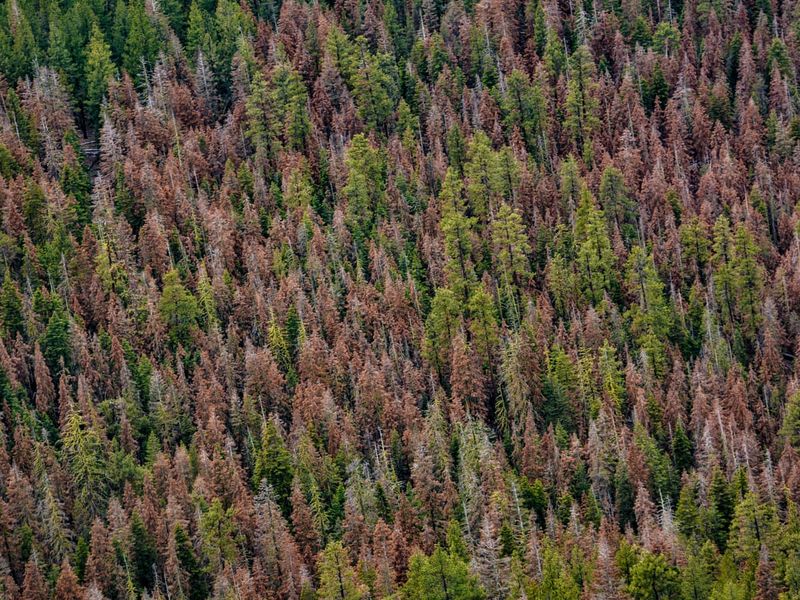
Honesty time, friend. California is a tough place for many traditional holiday trees. Our long, dry summers and occasional heat waves test even sturdy conifers.
Firs and spruces evolved in cool, damp forests with plenty of snow and fog. In places like the Central Valley or inland Southern California, summer temperatures can soar past 100 degrees. Needles may scorch, turn brown, and drop.
Christmas tree growers in California and the Pacific Northwest have reported stress from drought and heat in recent years. Young trees seem especially sensitive. That gives you a clue about how a backyard tree might handle a hot summer.
Location within the state matters a lot. Coastal fog belts and higher mountain towns are friendlier to many conifers. Desert and valley yards are far more demanding.
Drought-stressed conifers can also attract bark beetles. Signs include pitch tubes on the trunk, small holes, and fading needles. Keeping your tree properly watered is the best defense.
A little afternoon shade during establishment can help in hot regions. A shade cloth on the hottest days is a simple fix. Choosing the right species in the first place makes the biggest difference of all.
That Little Tabletop Pine Could Tower 60 Feet Someday
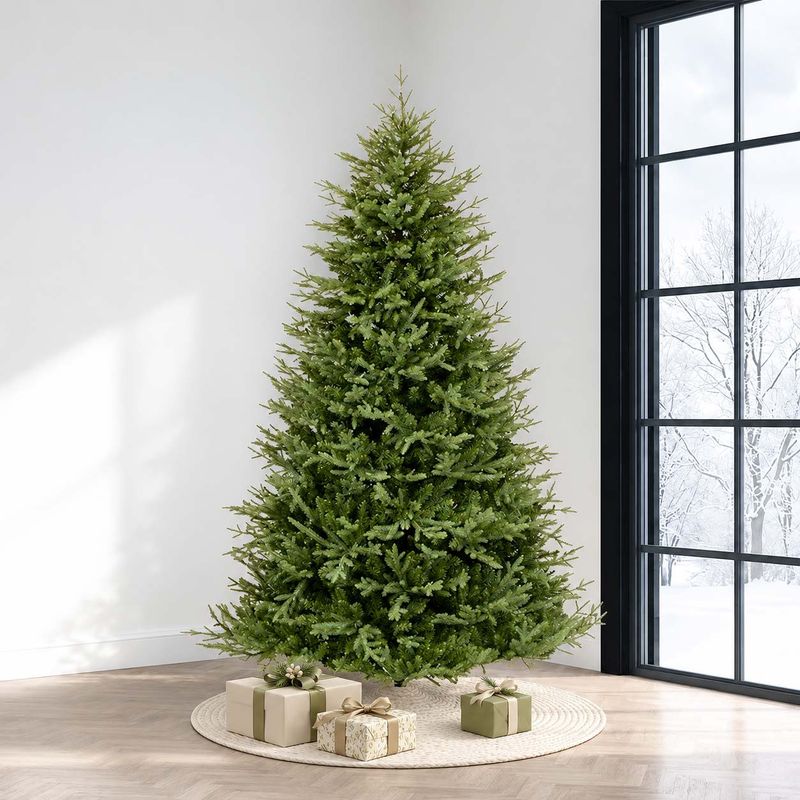
Cute today, colossal tomorrow. That four-foot tree in your living room may grow into a giant. Many conifers reach 40 to 60 feet or more, and some spread 20 feet wide.
Monterey pine can top 60 feet in the right conditions. Deodar cedar often grows even wider and taller with age. A small suburban yard can feel crowded fast.
Check the mature size before you buy. Then measure your planting spot with that full size in mind. Give the tree plenty of space from your house, fences, sidewalks, and neighbors.
Look up before you dig too. Overhead power lines and tall conifers do not mix well. Underground pipes and utility lines matter as well, so call 811 before you dig.
Fire safety deserves a thought in many parts of California. Conifers with resinous needles can carry flames. If you live in a high fire risk area, follow local defensible space rules and keep trees well away from your home.
Small yards still have options. A slow-growing dwarf conifer or a big container can work beautifully. Some families keep one potted tree for several holidays before deciding where it belongs.