Christmas Cactus Dropping Buds Once the Furnace Kicks On in Michigan? Here’s How to Stop It
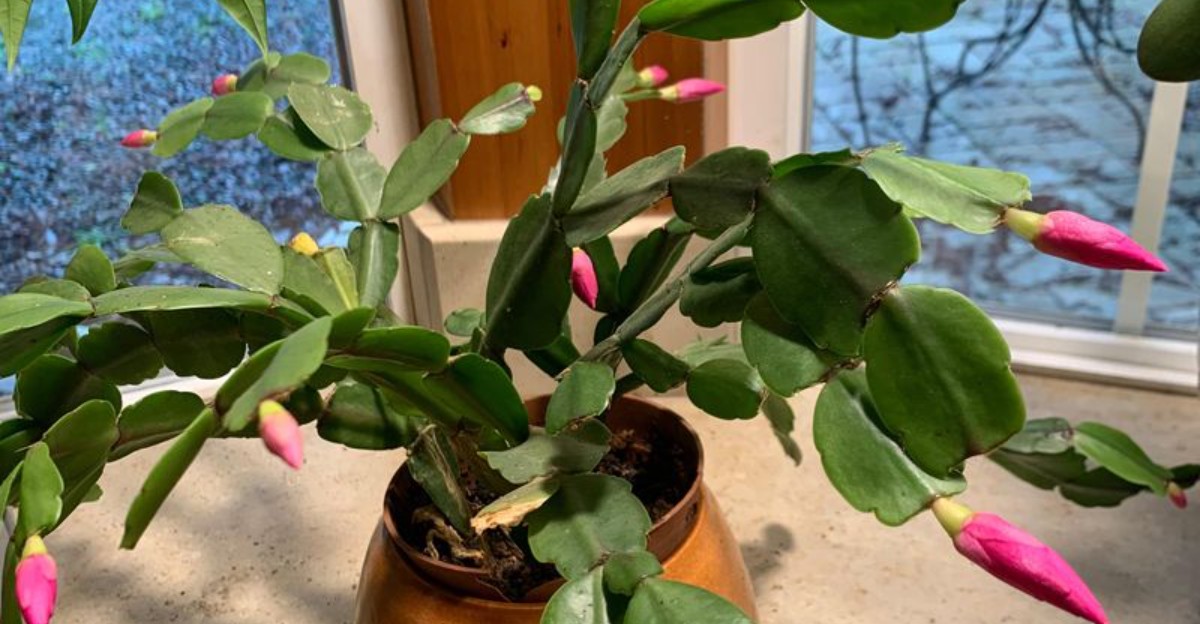
In the wild, this famous holiday bloomer grows on tree branches in Brazil’s misty mountain forests, not in sandy deserts.
That surprising home address explains a lot. Its roots like airy bark, its stems drink up humidity, and its flowers open right when our furnaces kick into high gear.
I know how frustrating it can be when a plant covered in fat pink buds suddenly drops them on the windowsill. One morning they look perfect, and the next they are scattered like tiny party favors.
Here in Michigan, winter air indoors can feel drier than parts of Arizona once the heat runs all day. Your living room may be cozy for you, but for a rainforest plant it can feel like a strange new planet.
The real question is what that plant is trying to tell you, and how quickly you can answer.
1. Those Falling Christmas Cactus Buds Are Sending You a Message
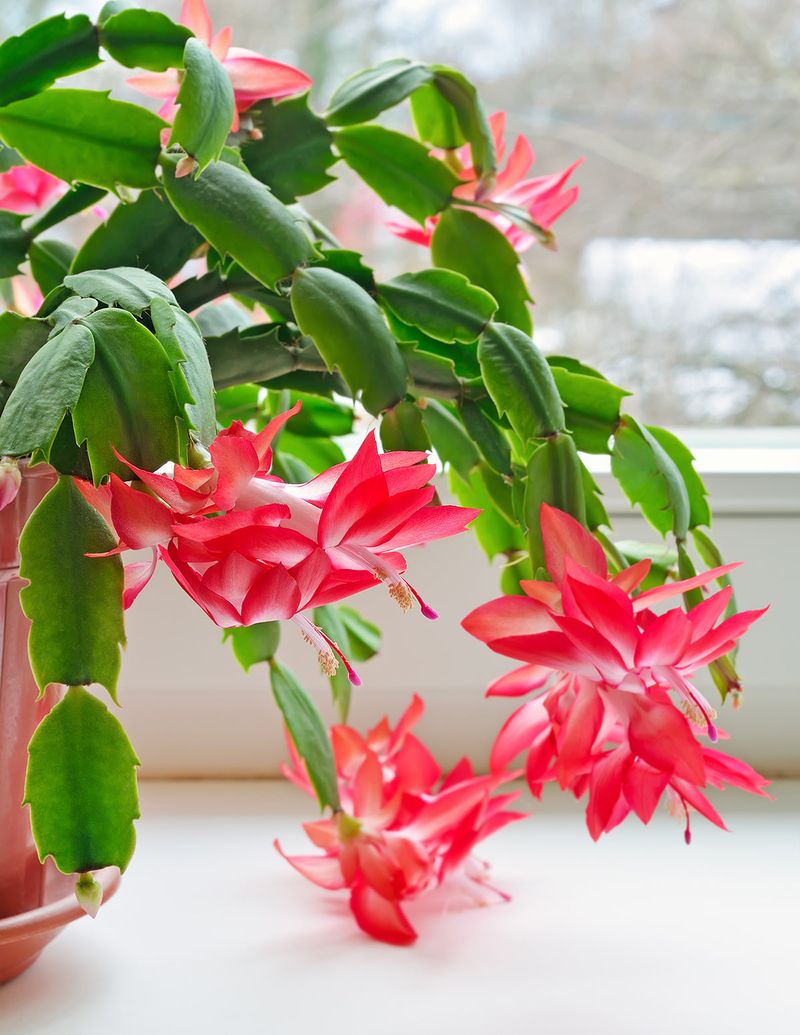
Bud drop rarely happens for no reason. Your Christmas cactus is reacting to stress, and it chooses to save energy by letting its flowers go.
Schlumbergera plants come from the coastal mountain forests of southeastern Brazil. There, they cling to tree branches in shade, with steady moisture in the air and mild temperatures.
A heated Michigan home in December is a big change from that cool, misty canopy. University extension experts point to a short list of common triggers.
Dry air, uneven watering, sudden temperature swings, and moving the plant around top that list. Low light or interrupted dark periods in fall can also lead to weak buds that fall early.
Here’s something you might not expect. A single big stress often causes less trouble than several small ones piled together. A plant that is a little thirsty, a little too warm, and sitting near a heat vent is far more likely to drop buds than one facing just one issue.
So think like a detective. Look at where the plant sits, how often you water, and what changed recently. Once you spot the stress, the fix is usually simple and quick.
2. A Pebble Tray Can Bring Rainforest Humidity Back to Your Cactus
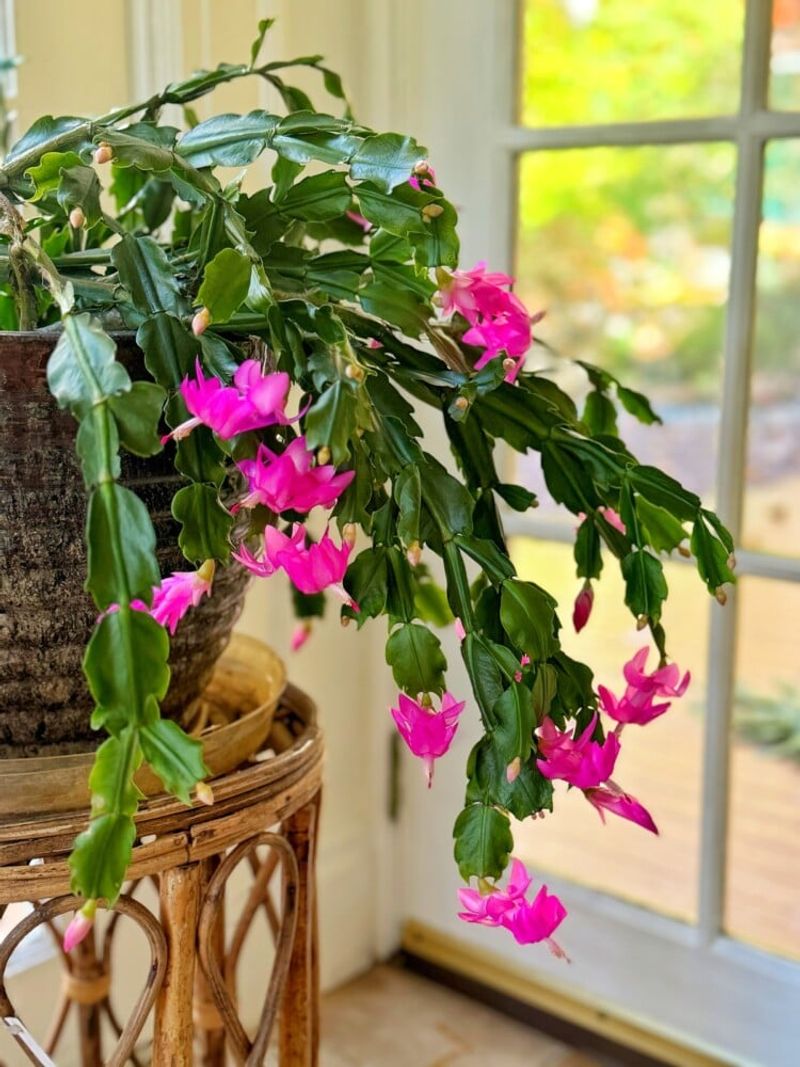
Furnace air is thirsty air. On cold days, indoor humidity can sink to 20 percent or lower, while a Christmas cactus is happiest closer to 50 or 60 percent.
A pebble tray is one of the easiest fixes around. Fill a shallow dish with small stones, add water until it sits just below the top of the pebbles, and set the pot on top.
As the water evaporates, it creates a small pocket of moist air right around the plant. Keep the bottom of the pot above the waterline. Roots sitting in water can rot, and that trades one problem for a bigger one.
Grouping houseplants also helps. Plants release moisture through their leaves, so a little cluster acts like a mini forest. A small cool-mist humidifier in the room works even better, especially during January cold snaps.
I tend to think misting is overrated. A quick spray feels helpful, but the moisture vanishes in minutes and does little to raise humidity for long.
If you want results you can measure, grab an inexpensive hygrometer and check the reading near your plant. Numbers below 40 percent mean it is time to act.
3. Steady Watering Keeps Christmas Cactus Buds Hanging On
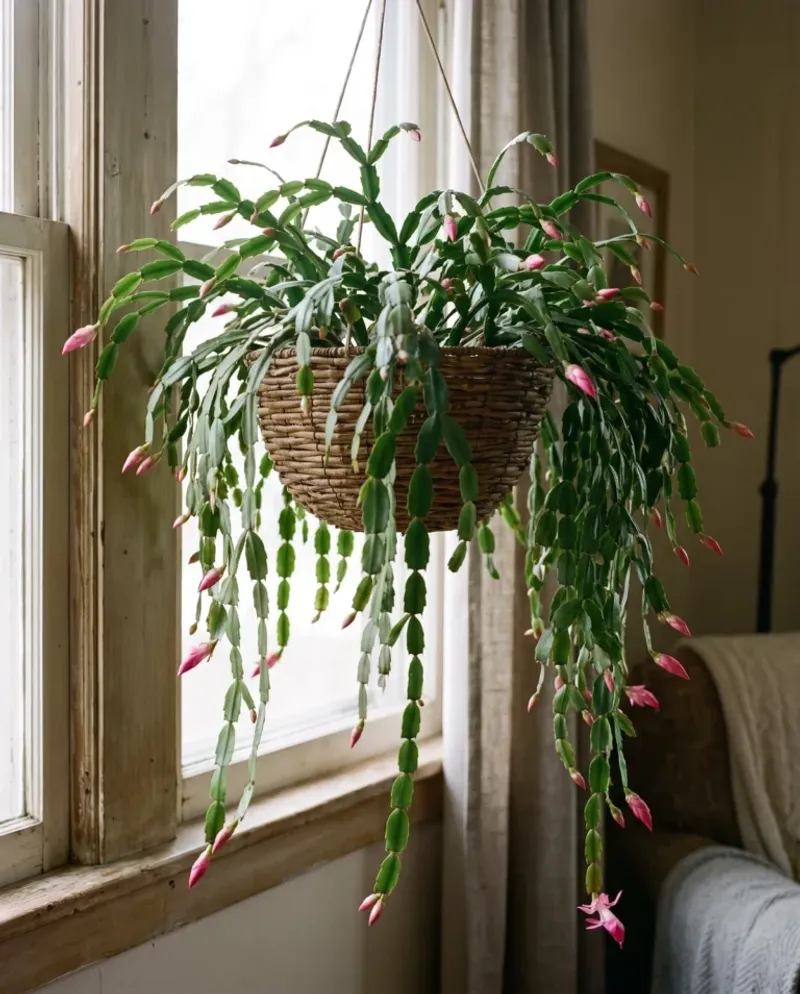
Feast or famine watering confuses this plant fast. A soil that swings from soggy to bone dry and back again is one of the top causes of bud drop.
Unlike desert cacti, Christmas cactus likes evenly moist soil during bloom season. Push a finger about an inch into the mix. When that top layer feels dry, water slowly until it drains from the bottom holes.
Then empty the saucer within 15 minutes or so. Wet feet invite root rot, and rotting roots cannot feed those developing buds.
Heated rooms dry pots quicker than you might guess. A plant that needed water every ten days in October might want a drink every five to seven days once the furnace runs nonstop. Check twice a week instead of sticking to a calendar.
Soil matters too. A fast-draining mix, like potting soil blended with orchid bark or perlite, mimics the airy bark this plant grows on in nature. Heavy, dense soil holds water too long in the center and dries out on top, which fools your finger test.
Use room-temperature water as well. Icy tap water straight from a cold Michigan pipe can give roots a small shock.
4. Heat Vents and Drafty Doors Make Christmas Cactus Buds Tumble
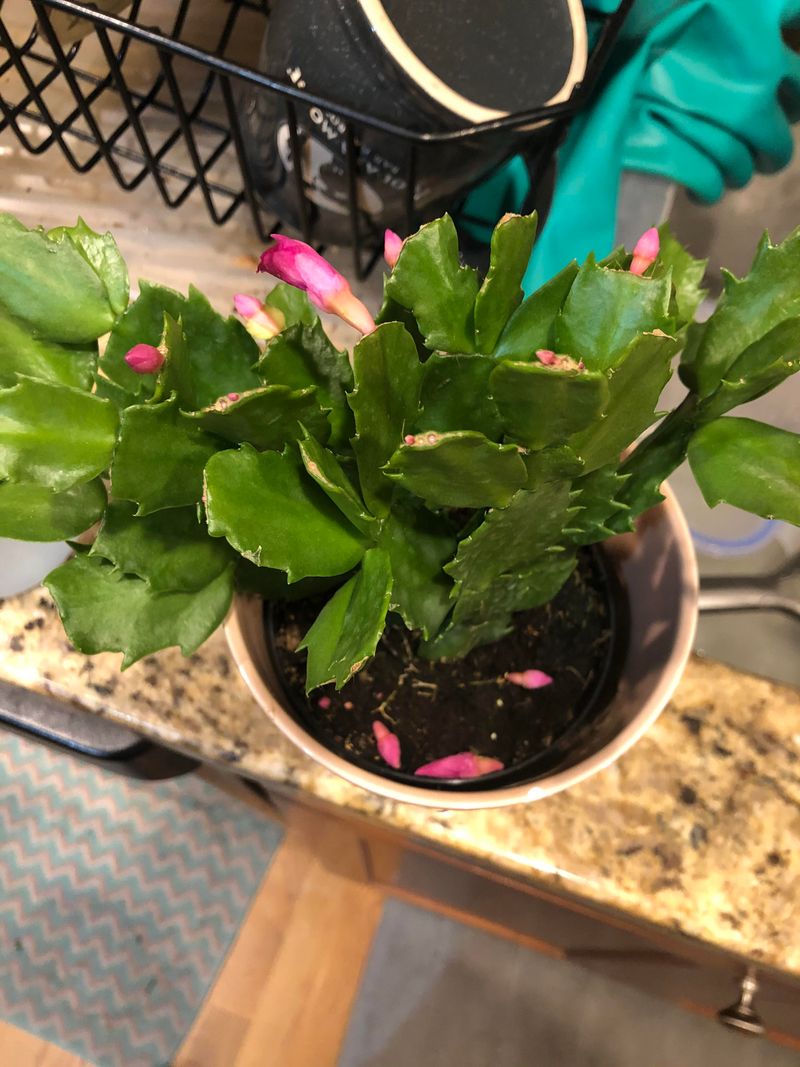
Blasts of hot air are no friend to tender buds. A plant parked above a heat register gets dried out and warmed up several times a day, then cools down when the furnace shuts off.
Those quick swings can trigger bud drop within days. The same goes for cold drafts from an outside door that opens every time the kids run in from the snow.
During bloom, aim for daytime temperatures around 65 to 70 degrees. Nights a bit cooler, around 60 to 65, help flowers last longer. Temperatures above the mid-70s tend to shorten bloom and stress buds.
Windows deserve a second look. Glass gets surprisingly cold on frigid Michigan nights, and leaves touching a pane can chill quickly. Pull the pot a few inches back from the glass after dark, especially when the forecast drops into single digits.
Fireplaces, space heaters, and the top of the refrigerator are also poor spots. Each one creates pockets of warm, dry air that shift through the day.
The best place is often a bright corner that simply feels boring. No vents, no drafts, no heat sources nearby. Your cactus will thank you for the calm.
5. Turning or Moving That Budding Cactus Can Backfire
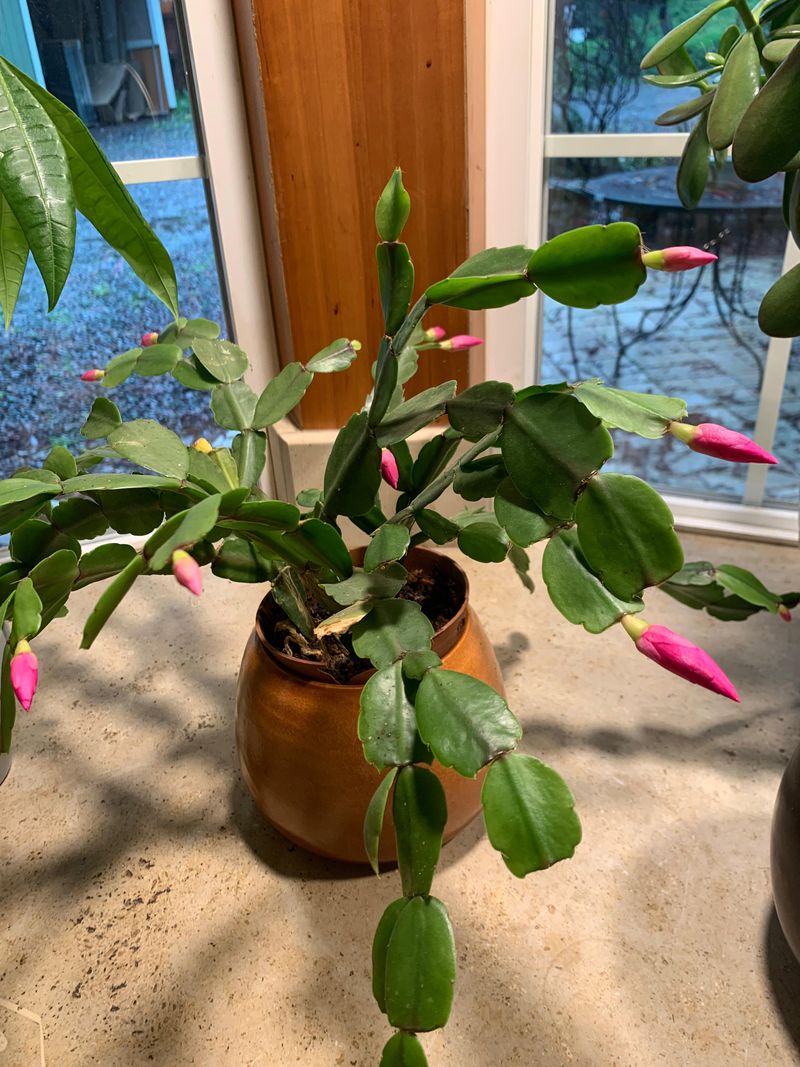
Funny thing about Christmas cactus buds. They grow toward the light, and once they settle on a direction, they prefer to stay put.
Moving the pot to a new room, or even giving it a half turn, changes the light and temperature the buds have adjusted to. Many gardeners report buds dropping a few days after a move, and extension sources list this as a common cause.
That makes the grocery store plant a special case. It traveled from greenhouse to truck to store shelf to your car, often through freezing air. Some bud loss after bringing one home is normal, so give it a stable spot and try not to worry.
Shopping in winter? Ask the store to wrap the plant in a sleeve or paper bag before you head out into the cold. Even a short walk across a frozen parking lot can chill buds.
Once you pick a home for your cactus, leave it there until flowers open. Resist the urge to show it off on the dining table for one evening. Wait until blooms are fully open before moving it, since open flowers are far less fussy than tight buds.
6. Your Fruit Bowl Could Be Sabotaging Those Holiday Blooms
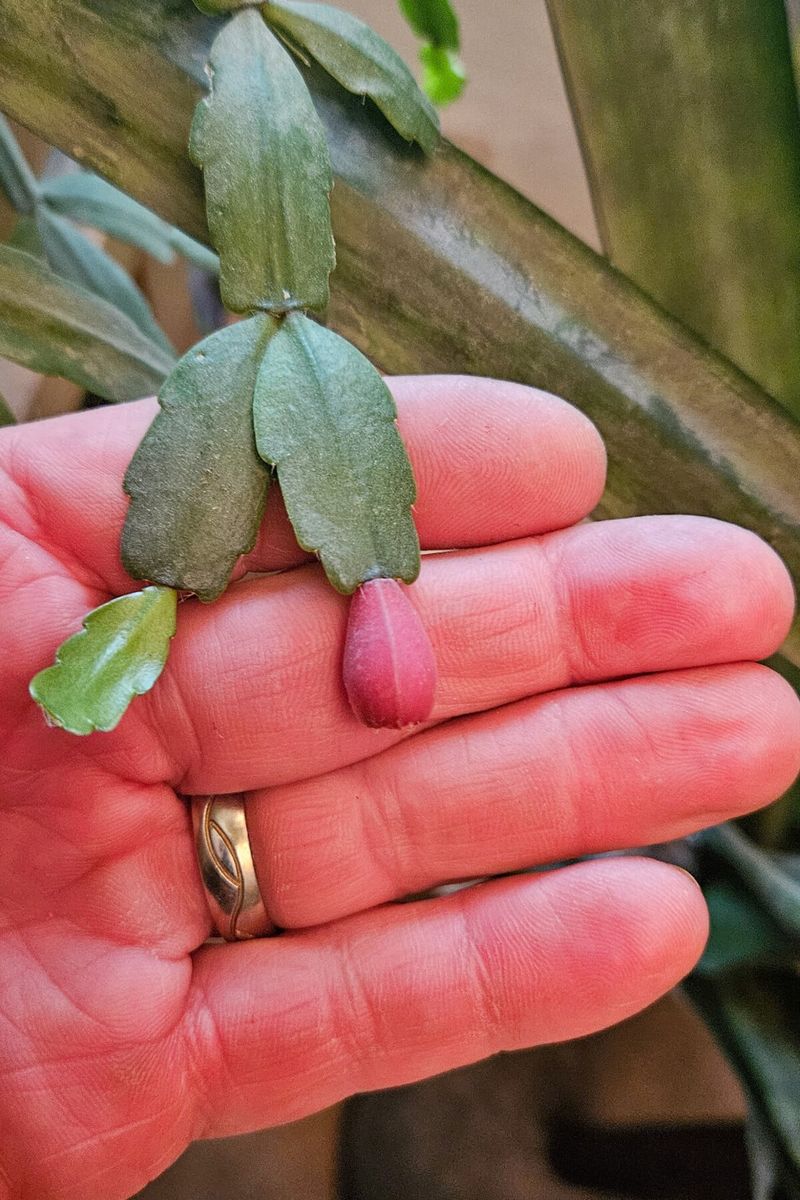
Ripe bananas have a secret. They give off ethylene, a natural plant gas that speeds up ripening and also tells flowers to age and fall.
Apples, pears, and tomatoes release ethylene as well. So do fading bouquets of cut flowers. If your Christmas cactus shares a kitchen counter with a busy fruit bowl, those buds may be getting the wrong signal.
Florists know this well. Commercial growers and shippers take steps to protect flowering plants from ethylene because even small amounts can cause buds and petals to drop.
Gas appliances can play a role too. A poorly adjusted gas stove or furnace may release small amounts of ethylene. That is one more reason to have your heating system checked each fall, which also protects your family from carbon monoxide.
The fix here is easy and costs nothing. Move the fruit bowl to another counter or keep ripening fruit in a different room. Toss wilted bouquets promptly instead of letting them linger.
One thing I love about gardening is how often the answer hides in plain sight. A simple rearrangement in the kitchen can mean the difference between bare stems and a full holiday show.
7. Fall Darkness and Cool Nights Set Up Next Year’s Christmas Cactus Show
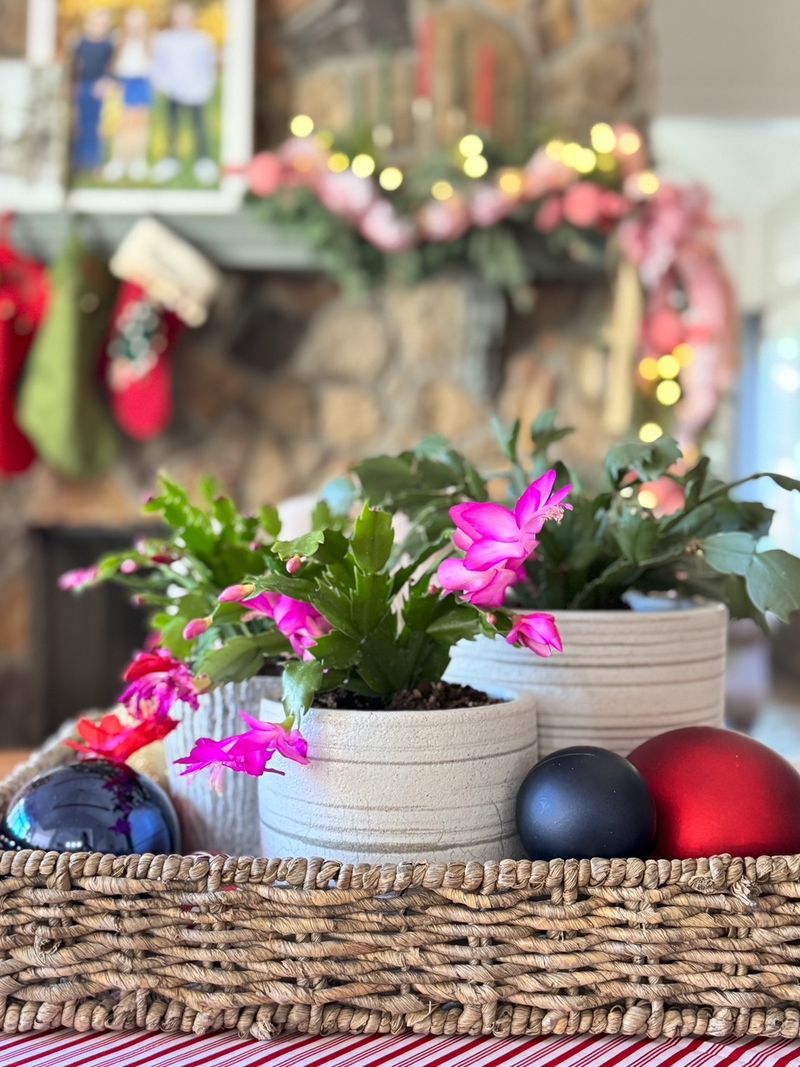
Strong blooms start months before the holidays. Christmas cactus sets buds in response to long nights, cool temperatures, or both.
From about late September through October, give your plant 12 to 14 hours of uninterrupted darkness each night for roughly six weeks.
Nights near 55 to 60 degrees also encourage budding, even when days are a bit longer. A cool spare bedroom with lights off in the evening often works well.
Even a lamp switched on for a few minutes can interrupt the dark signal. Streetlights shining through a window may do the same.
During this stretch, water a little less, letting the top of the soil dry more between drinks. Skip fertilizer in fall, then resume light feeding in spring when new growth appears.
Summer care counts too. Many Michigan gardeners move their plants outdoors into shade after frost danger passes in late May. Bring them inside before nights dip below about 50 degrees in September, since a frost can harm the stems.
Healthy, well-prepared plants hold buds much better through winter’s dry heat. Treat fall as the opening act, and your December windowsill can finally get the bloom it deserves.