Bitten By A Rattlesnake While Raking Leaves In California, Here Is What To Do
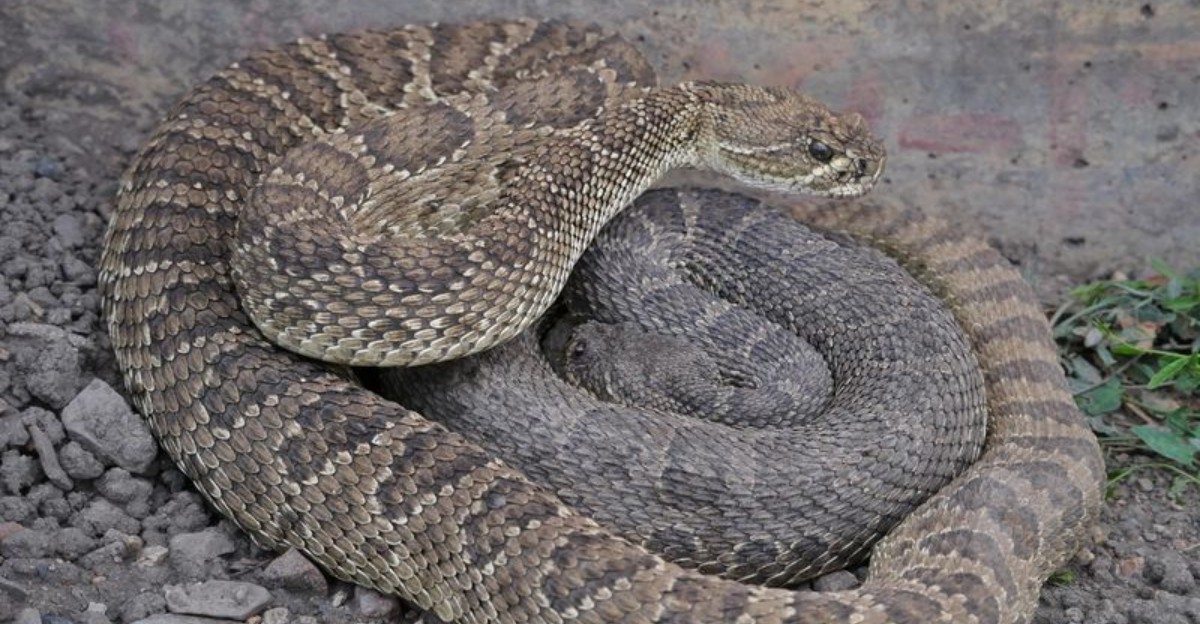
Newborn venomous snakes in California have only a single button at the tail tip, so they can’t buzz a warning yet. Many are born in late summer and early fall, right as crunchy leaves start piling up in backyards.
Cooler autumn weather also shifts adult activity toward warm afternoons, which happens to be prime raking time. Leaf piles near woodpiles, rock walls, and decks make tempting rest stops on the way to winter shelters.
Let me be straight with you: a quick phone call matters far more than any gadget sold online. You might notice most garden bites land on hands, feet, and ankles, which says a lot about where we reach without looking.
Bites are uncommon, and these shy reptiles generally want nothing to do with people. A few calm steps in the first minutes, plus smarter raking habits, could help you head outside with confidence all season.
That Rattle Under The Leaf Pile Has A Seasonal Story
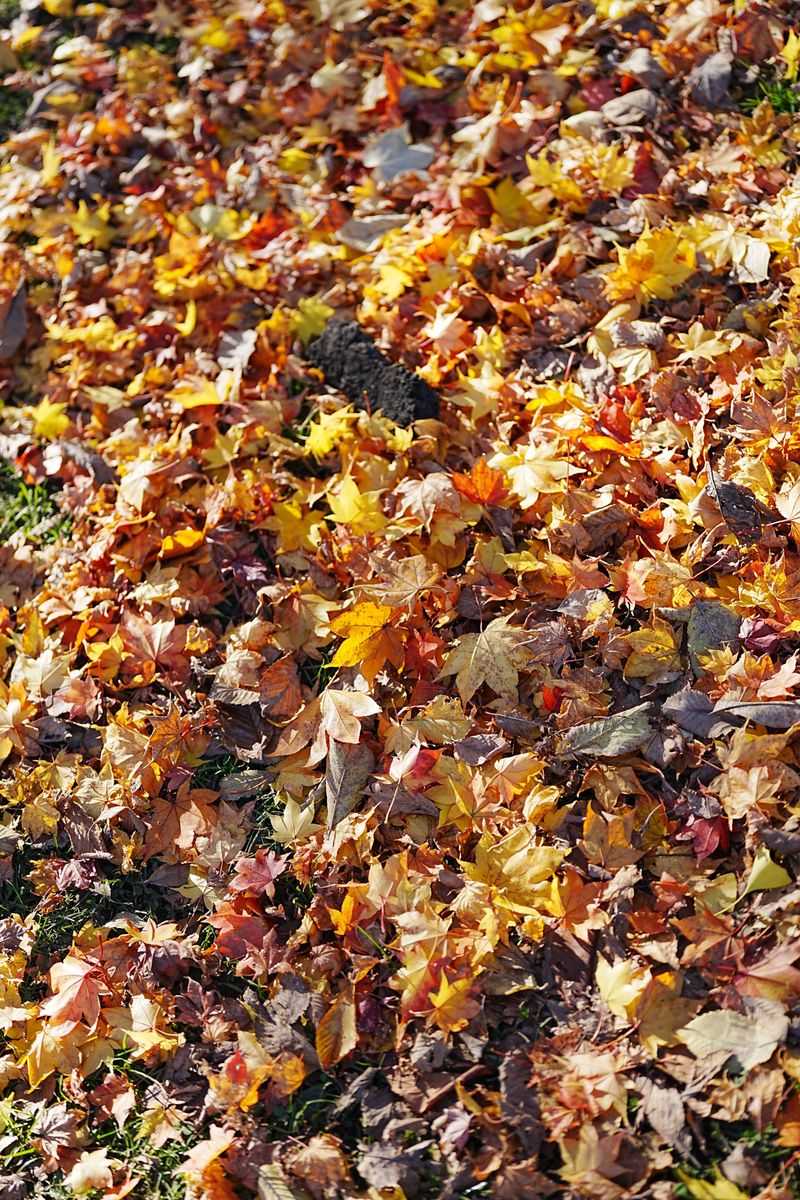
Fall is a busy commute for California rattlesnakes. As nights cool, many travel back toward winter shelters in rock crevices, rodent burrows, and spaces under decks or woodpiles. Leaf piles and dense ground cover along the way make tempting rest stops.
Newborns add to the mix. Mothers give birth to live young in late summer and early fall, so more small snakes are exploring yards right when leaves start dropping. The little ones are easy to miss and can still deliver venom.
Cooler weather also changes their schedule. During summer heat, rattlesnakes often move around at dusk and night, but in autumn they shift toward warm afternoons. That happens to be when most of us grab a rake.
Don’t count on hearing a warning. A chilly snake may be sluggish, and young snakes only have a single button segment that can’t buzz yet. Many rattlesnakes also prefer to stay quiet and hidden rather than give themselves away.
None of this means your yard is crawling with danger. Bites are uncommon, and snakes generally want nothing to do with people. Knowing why they turn up in fall simply helps you rake with your eyes open and react quickly if something goes wrong.
Call 911 Before You Do Anything Else With That Snakebite
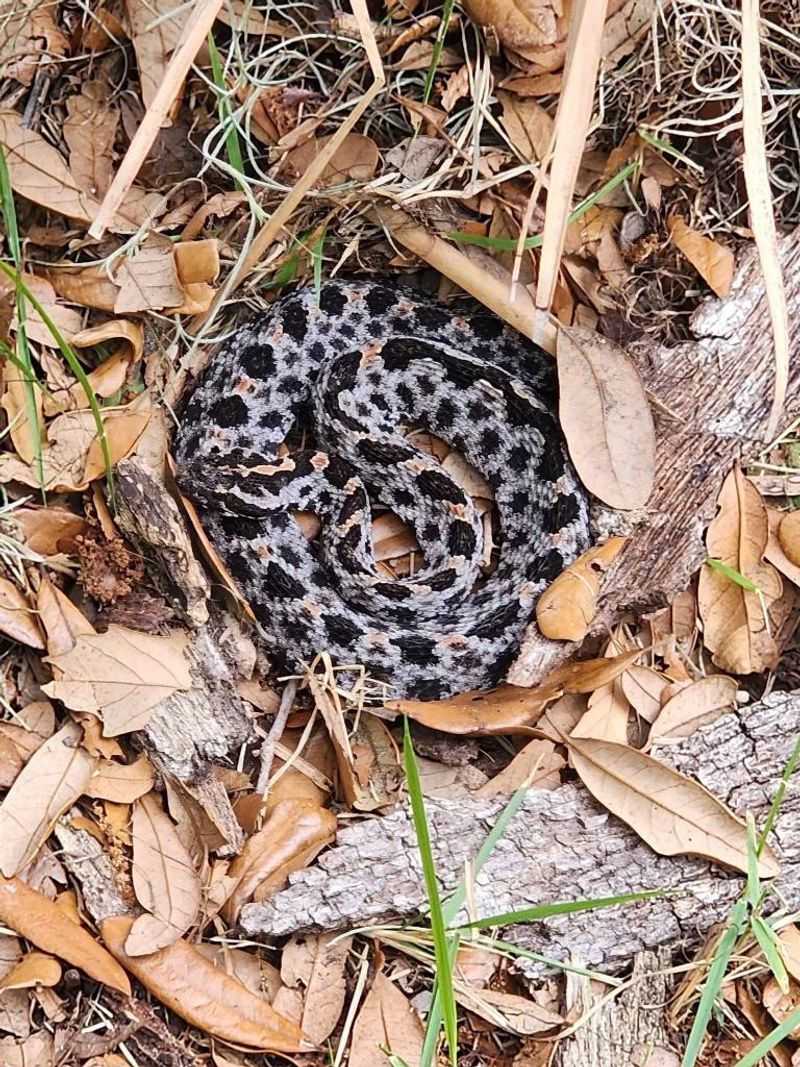
Your phone is the most valuable first aid tool in the garden right now. Call 911 immediately, even if the bite looks small and you feel fine. Venom symptoms can build over minutes to hours, and some bites that seem mild at first turn serious later.
Stay as calm as you can. Sit down, breathe slowly, and move away from the snake so it can’t strike again. Rattlesnakes can reach roughly half their body length or more, so a few big steps back make a real difference.
Don’t try to drive yourself. Swelling, dizziness, or nausea can show up on the way, and that’s no time to be behind the wheel. Let paramedics come to you or have someone else drive you to the nearest emergency room.
California Poison Control is another great resource at 1-800-222-1222. Their specialists answer around the clock and can guide you or hospital staff, though they don’t replace an ambulance.
Studies suggest about one in four rattlesnake bites is a dry bite with little or no venom. You can’t know which kind you have from looking, so every bite deserves an urgent medical check.
Keep That Bitten Hand Or Ankle Still And Ring-Free
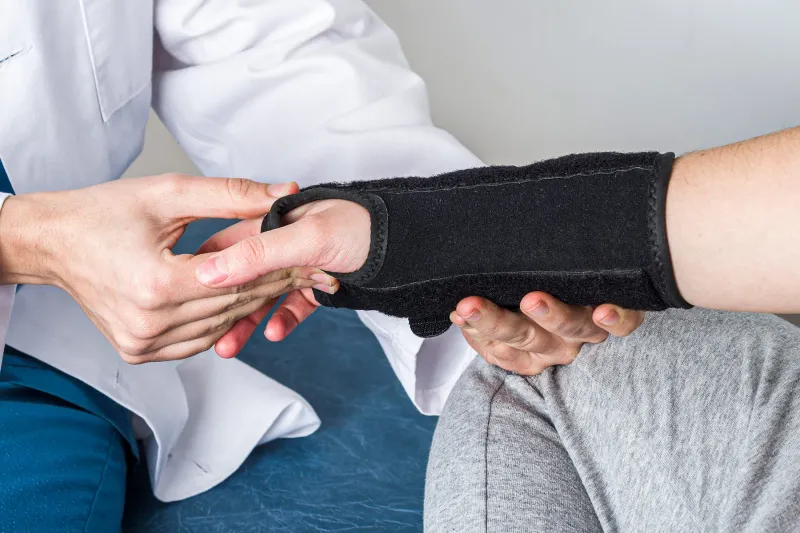
While you wait for help, a few simple moves can make the ride to the hospital easier. Start by taking off rings, watches, bracelets, and even tight shoes if the bite is on a foot. Rattlesnake venom often causes fast, dramatic swelling, and jewelry can turn into a painful trap.
Next, keep the bitten arm or leg as still as possible. Less movement may help slow how quickly venom spreads through the tissue. A loose splint made from a rolled magazine or a board works if you have one handy.
Position matters too. Hold the limb roughly at heart level instead of raising it high. Many emergency doctors now prefer this neutral position over the old advice to keep it far below the heart.
Gently wash the bite with soap and water if that’s easy, then cover it with a clean, dry, loose bandage. Skip creams and sprays.
One more smart trick helps your care team. Grab a pen and mark the edge of the swelling on your skin, writing the time next to it.
Repeat every 15 minutes or so. Doctors use that trail to see how fast symptoms are moving.
Antivenom At The Emergency Room Does The Heavy Lifting
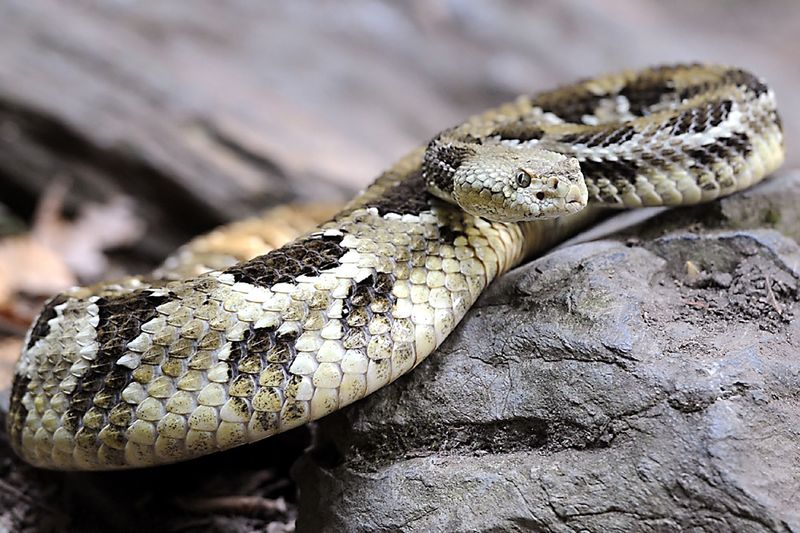
Doctors in the ER have something your garden shed doesn’t, and that’s antivenom. In the United States, rattlesnake bites are treated with products such as CroFab and Anavip, which bind to venom and stop it from causing more damage. They work best when given early, ideally within the first few hours.
Expect a lot of watching and testing. Staff will check your blood for clotting problems, measure swelling, and track your heart rate and blood pressure. Not every bite needs antivenom, so these results help the team decide.
California rattlesnake venom is mostly known for harming tissue and blood clotting. Some populations of Mojave and Southern Pacific rattlesnakes also carry venom that can affect nerves and breathing. That variety is one more reason professional care beats guesswork.
You’ll likely get pain medicine and a tetanus booster if you’re due. Many patients stay at least a day for observation, even after their first dose of antivenom.
Recovery can take time. Some people deal with lingering swelling, stiffness, or weakness in the bitten limb for weeks. Follow-up visits matter because clotting issues can return days later, but with quick treatment, most people in the U.S. recover well.
Boots, Gloves, And A Long Rake Handle Are Your Best Friends
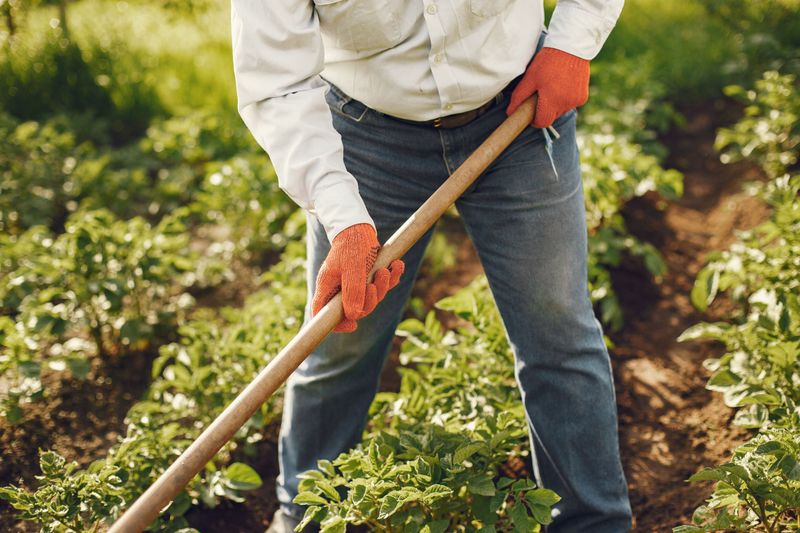
Some of the best snake protection costs less than a bag of mulch. Sturdy leather boots that cover the ankle and loose long pants guard your lower legs while you work. Most garden bites land on hands, feet, and ankles.
Gloves help, but eyes help more. Before you scoop leaves by hand, rake the pile first and watch for movement. Heavy leather gloves add a layer of protection, though fangs can still get through thin cloth gloves.
Use a long-handled rake to spread and fluff piles from a distance. Work from the outside edge inward, and give each section a few seconds to show you what’s hiding.
Pay extra attention near woodpiles, rock walls, low shrubs, and the edges of decks. Snakes also like the shady gaps under sheds. Flip boards or pots with a tool, tipping the far side up so the object shields you.
Headphones are fun during chores, but they can block a warning buzz. Keeping one ear free on autumn afternoons is a small habit with a big payoff.
Take a flashlight if you finish up after sunset, because warm evenings can still bring snakes out to hunt.
A Tidy Yard Gives Rattlesnakes Fewer Places To Hide
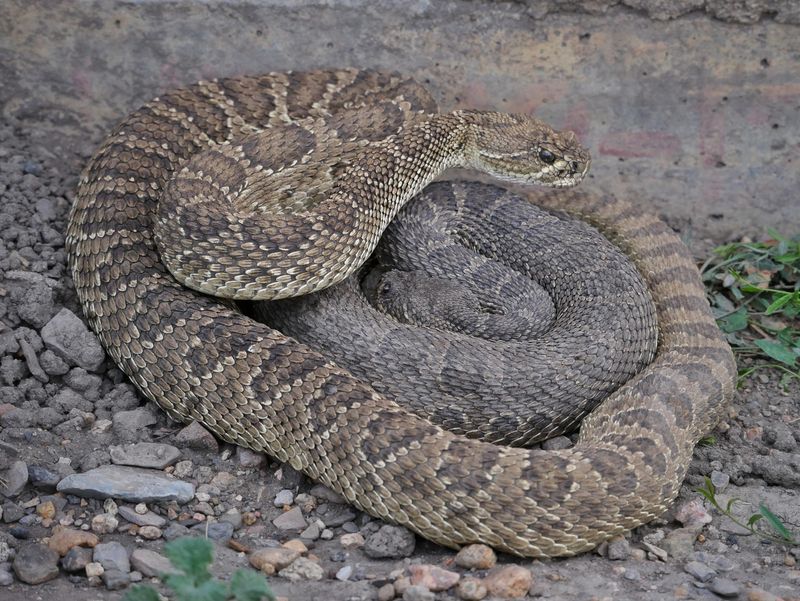
Rattlesnakes go where the groceries are. Mice, rats, and ground squirrels draw them into yards, so cutting off the rodent buffet is one of the smartest long-term moves you can make. Store birdseed and pet food in sealed containers and pick up fallen fruit promptly.
Clutter is the next target. Piles of lumber, rocks, old pots, and leaf heaps left for weeks give both snakes and rodents cozy cover. Bag or compost raked leaves the same day rather than leaving tall mounds sitting around.
Firewood belongs on a rack raised off the ground and away from the house. Trim shrubs so you can see underneath, and keep grass short near paths and doors.
Seal gaps under sheds, porches, and garages with hardware cloth or weather stripping. Small openings make perfect fall shelters for a snake searching for a winter home.
Snake fencing is an option for families with kids or pets. The California Department of Fish and Wildlife describes fences of solid material or fine mesh at least three feet high, buried a few inches deep and slanted outward. Gates need a snug fit too.
It takes effort, but a fenced play area can bring real peace of mind.