Is November Too Late To Fertilize Your Lawn?
Grass roots can keep soaking up food in soil that sits barely above freezing. That fact stopped me cold the first time I read it in an extension bulletin.
Every fall, I stare at the half-used bag in my garage and wonder if I blew my chance. The leaves are down, the mower is tired, and the yard looks ready for a long nap. Truth is, the green blades up top tell only part of the story.
Below the surface, a quiet project keeps humming along well after the first frost. Some turf experts even call late fall the most valuable feeding window of the whole year. Other lawns, though, would rather you leave the spreader parked until spring.
So which camp does your yard fall into? The answer depends on two simple clues you can check this week, and one of them sits right under your shoes.
Cool-Season Grass Roots Keep Busy Under That Frosty Lawn
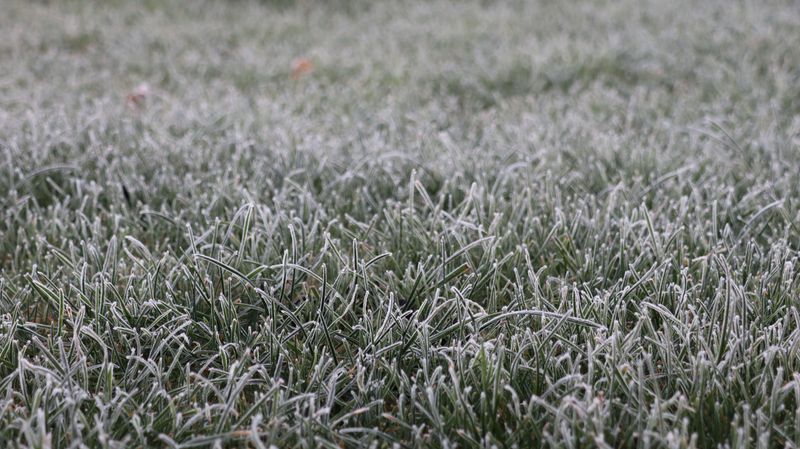
Frost on the grass fooled me for years. I figured a crunchy lawn meant everything had shut down for winter.
Cool-season grasses like Kentucky bluegrass, tall fescue, and perennial ryegrass work differently. Their blades slow down as the air chills, but their roots keep growing as long as the soil stays unfrozen. That underground activity is the reason November feeding can pay off in the northern half of the country.
University extensions, including Purdue and Kansas State, describe late fall as a smart time to feed these grasses. The plant is no longer pushing out lots of leaves. Instead, it sends energy downward and stores it.
So for most cool-season lawns, November is not too late. In many areas it lands right on time.
A simple way to tell what you have is to look at the color. If your yard still looks green in mid-November while your neighbor’s Bermudagrass has gone straw brown, you likely have cool-season turf.
The catch is timing within the month. Feeding works best while the grass is still green and you are mowing once in a while. Once the ground freezes solid, the roots can no longer take up nutrients, and any fertilizer just sits there waiting to wash away.
A Soil Thermometer Tells You More Than The Calendar Does
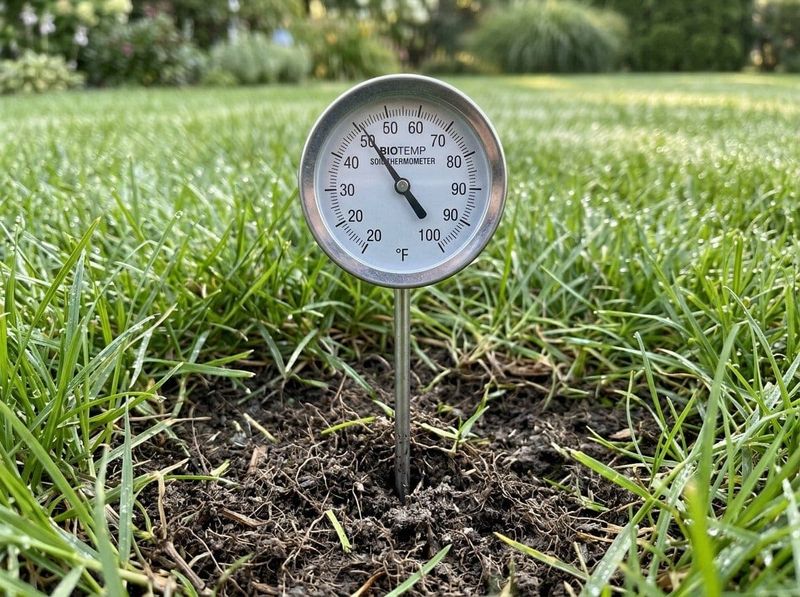
Calendars are handy for birthdays. For lawn feeding, a five-dollar soil thermometer is a far better guide.
Turf specialists often point to soil temperature at about two inches deep. When it drifts down into the 40s and keeps falling, cool-season grass is in its storage mode, and late fertilizer gets used well. Many guides suggest feeding around the time of your last mowing or two.
Once the soil dips below roughly 40 degrees, root uptake slows a lot. Frozen ground is a clear stop sign.
Checking takes about one minute. Push the thermometer into the turf in the morning, wait for the needle to settle, and jot down the number. Do it for a few days in a row to see the trend.
You can also skip the gadget. Several states run free online soil temperature maps through university weather networks, and those update daily.
Watch your forecast, too. A week of mild weather in late November can keep the window open in places like Kentucky, Virginia, or southern Indiana.
Up in Minnesota or northern Michigan, that window may close by early November. Same month, very different soil, so trust the reading in your own yard.
Late Nitrogen Turns Into A Spring Green-Up Savings Account
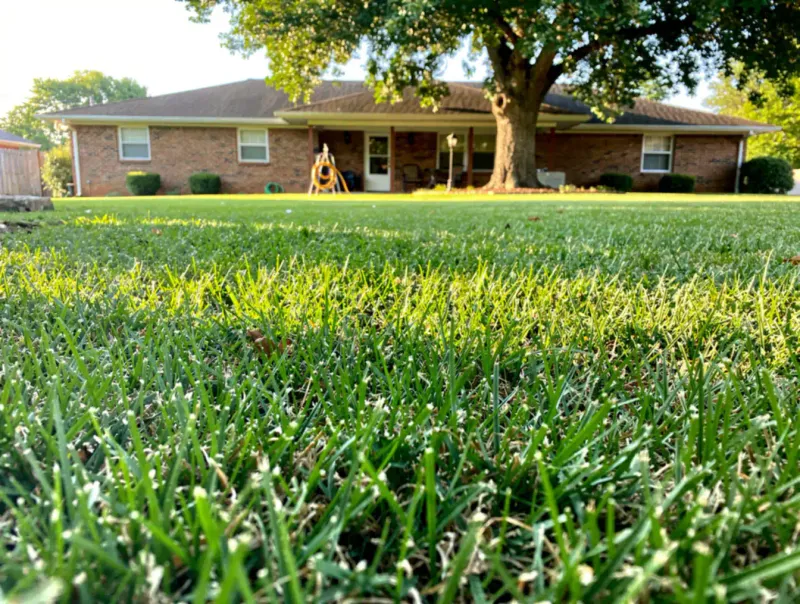
Fun fact for your next backyard chat. Nitrogen you spread in November may not show off until April.
When cool-season grass takes up nitrogen late in the season, it does not race to make new leaves. It builds and holds carbohydrates in its roots and crowns. Extension researchers compare this to a savings account the plant draws on later.
Come spring, that stored energy helps your lawn wake up greener and earlier than a lawn that skipped the meal. Purdue turf research has linked late-fall feeding to better density and stronger root systems heading into the next season.
A thicker lawn brings a bonus. Dense turf leaves fewer bare gaps where crabgrass and dandelions can sneak in.
Many experts also note that late-fall feeding lets you go lighter in early spring. Heavy spring nitrogen tends to push fast leaf growth at the expense of roots, which can leave turf weaker going into summer heat.
So the November feeding becomes a quiet trade. You do a bit of work while the yard looks sleepy, and the payoff arrives months later.
I love that kind of delayed reward. It feels like finding cash in last year’s coat pocket.
Bermudagrass And Zoysia Lawns Would Rather Skip This Meal
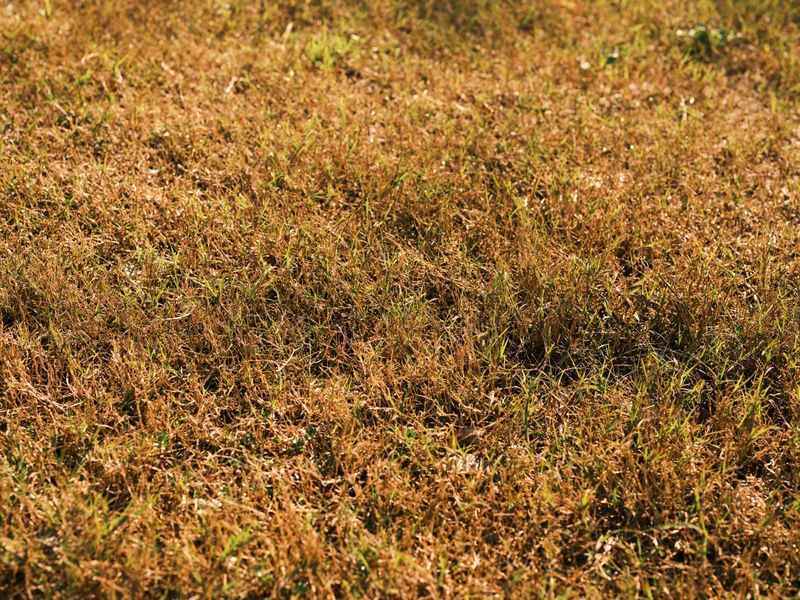
Southern yards play by a different rulebook. If you grow Bermudagrass, zoysiagrass, St. Augustinegrass, or centipedegrass, November is usually too late for nitrogen.
These warm-season grasses are heading into dormancy as nights cool. Feeding them now can nudge out soft new growth that frost may damage.
Late nitrogen has also been tied to more trouble with diseases. Large patch in zoysia and St. Augustine, plus spring dead spot in Bermudagrass, can show up worse after heavy fall feeding, according to several southern extension services.
Most guidance suggests a final nitrogen application several weeks before your first expected frost. In much of the South, that lands in late summer or early fall.
Some extension offices note that potassium may help with cold tolerance if a soil test shows a shortage. Get the test first, though, rather than guessing.
Not sure what grass you have? A tan, crispy lawn in November across Georgia, Texas, or the Carolinas is a strong hint you have a warm-season type.
Your best November job for these lawns is gentle. Keep leaves off, water during long dry spells, and save the fertilizer for spring once the grass greens back up.
That Fertilizer Bag Label Holds The Real Clues
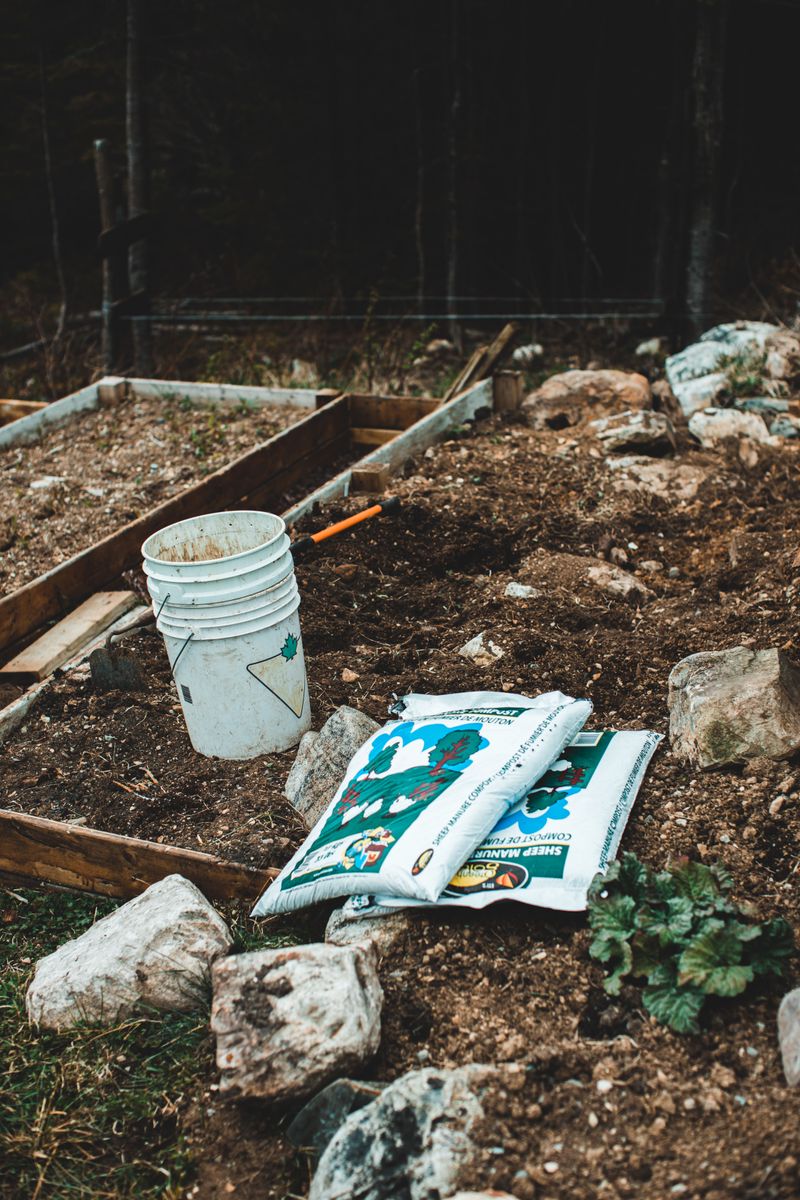
Those three numbers on a fertilizer bag are not a lottery ticket. They stand for nitrogen, phosphorus, and potassium, in that order.
For a November feeding on cool-season grass, nitrogen does the heavy lifting. Many extension guides favor a product with a good share of quick-release nitrogen, since cool soil slows down how fast slow-release forms break apart.
A common recommendation is around one pound of actual nitrogen per 1,000 square feet. Your bag usually explains how to set your spreader to hit that rate.
Phosphorus, the middle number, is rarely needed on established lawns. Many states limit its use unless a soil test shows a shortage, because it can run off into lakes and feed algae.
Potassium, the last number, helps with stress tolerance. Some winterizer blends include extra potassium, though a soil test tells you if you really need it.
Speaking of which, a soil test through your county extension office often costs less than a pizza. It shows exactly what your yard lacks.
Skip weed-and-feed products this late unless you have a specific weed problem. Plain fertilizer keeps things simple and avoids putting chemicals down that your lawn may not need.
Some States Put A Legal Deadline On Your Lawn Spreader
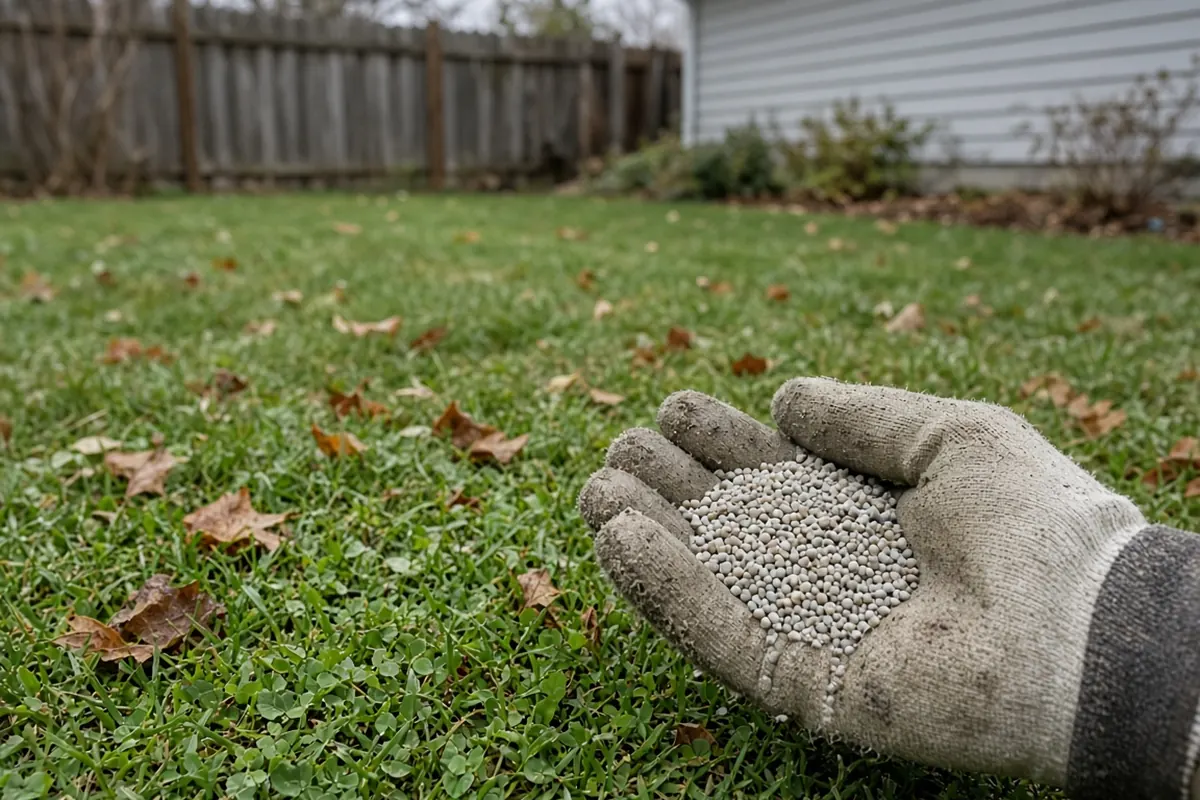
Not going to lie, this one surprised me. In a few places, fertilizing your lawn in late fall can break the law.
Maryland is a well-known example. Its lawn fertilizer law bars homeowners from applying nitrogen fertilizer to turf after November 15, a rule designed to protect the Chesapeake Bay from nutrient runoff.
Other states and towns set their own limits. Some ban spreading fertilizer on frozen ground, and some restrict phosphorus or require buffer zones near streams and ponds.
Rules shift over time, so check before you spread. Your state agriculture department or county extension office is the most reliable place to look.
Regional advice varies too. Extension programs in Iowa, Kansas, Indiana, and Pennsylvania share local timing tips, and milder areas may stretch the window into late November or even early December when soil stays workable.
Colder northern regions often wrap things up sooner. A Wisconsin lawn and a Delaware lawn can need very different calendars.
Five minutes on your local extension website can save you a fine and a lot of guesswork. It also keeps nutrients in your grass, where they belong, and out of the creek down the road.
Rake The Leaves, Fill The Spreader, And Tuck Your Turf In
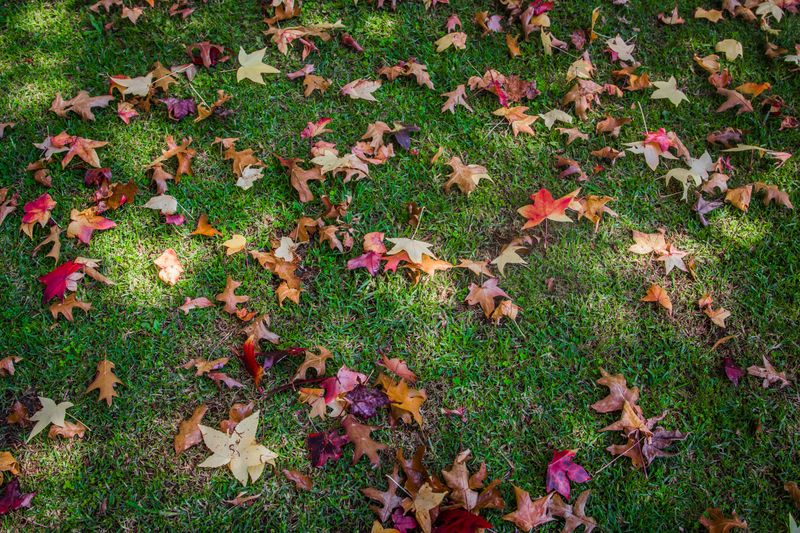
So here is my November game plan, plain and simple. If your cool-season lawn is still green, the soil is not frozen, and local rules allow it, go ahead and feed.
Start by clearing thick leaf layers. A heavy mat can smother grass and invite snow mold, so rake them up or mulch them with your mower.
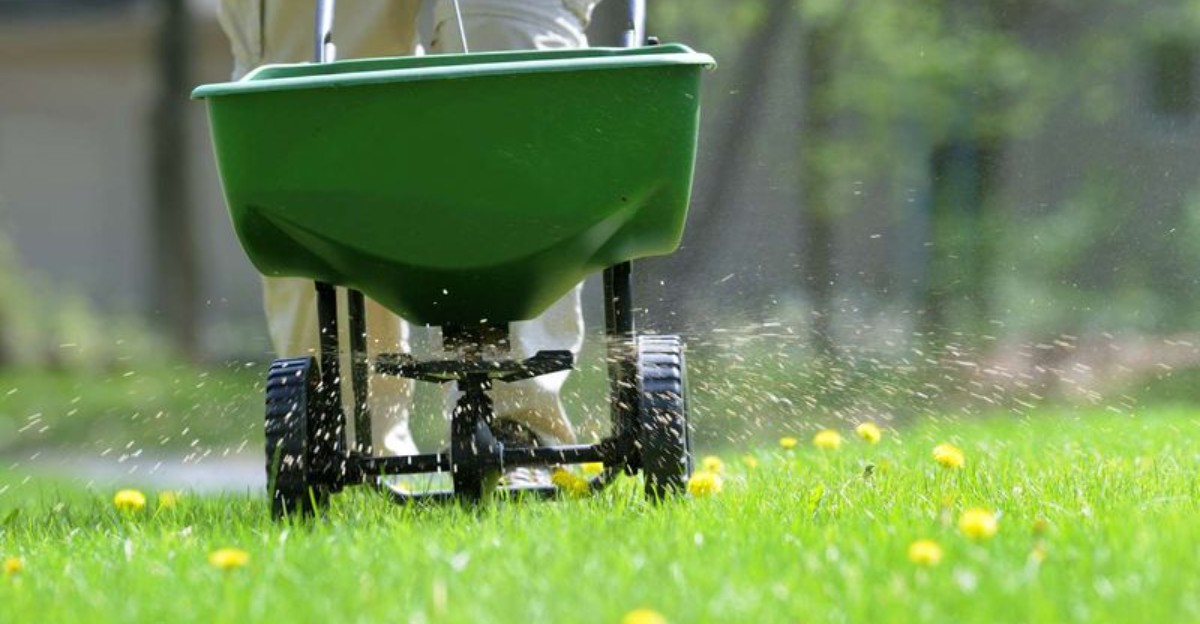
Next, pick a calm day. Wind scatters pellets onto driveways and flower beds where you do not want them.
Timing it before a light rain helps wash fertilizer into the soil. Avoid spreading right before a heavy storm, which can carry it straight into the gutter.
When you finish, sweep or blow any stray granules off sidewalks and driveways back onto the grass. Those little pellets often end up in storm drains and local streams otherwise.
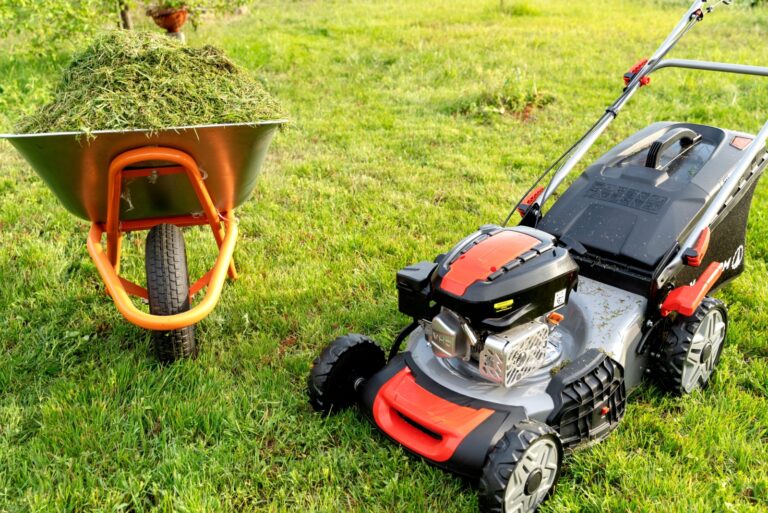
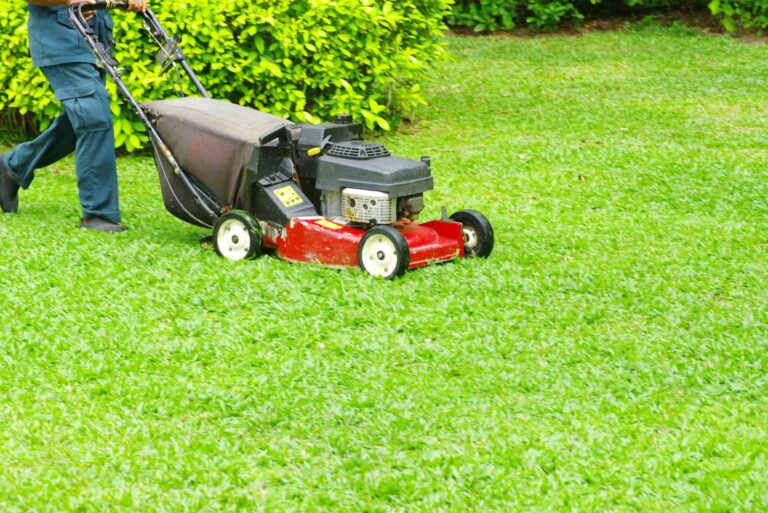
Give your mower one last pass if the grass is still growing. Many experts suggest keeping it around normal height rather than scalping it short for winter.
Then put the spreader away and relax. Your lawn will quietly do its underground work through the cold months, and you get to enjoy a greener welcome when spring rolls around.