
8 Reasons A Snake Plant Deserves A Spot In Your House
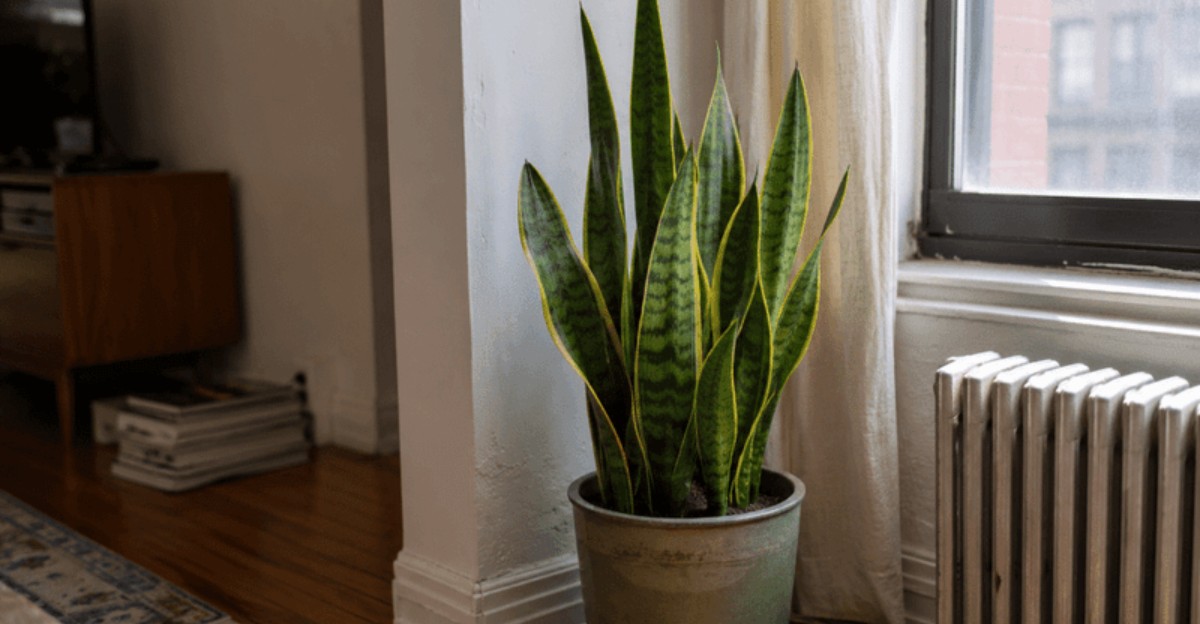
Back in 1989, NASA scientists sealed several houseplants, including a stiff, striped one, inside test chambers to study cleaner air for space stations. That same plant now sits in countless living rooms, often ignored on a shelf while it quietly keeps growing.
Its leaves feel almost leathery, and some types grow taller than three feet with wavy bands of gray-green. It even breathes on an odd schedule, opening tiny leaf pores at night instead of during the day.
I’m the first to admit I ignored this green beauty for years because it looked too plain for me. Then my fussy ferns sulked through a dry winter, while this stubborn plant barely noticed the change at all.
What, then, makes such a humble plant worth a prime spot near your couch or bedside table? The answer surprised me, and I suspect a few of these reasons will surprise you, too.
1. Snake Plant Leaves Help Filter Indoor Air
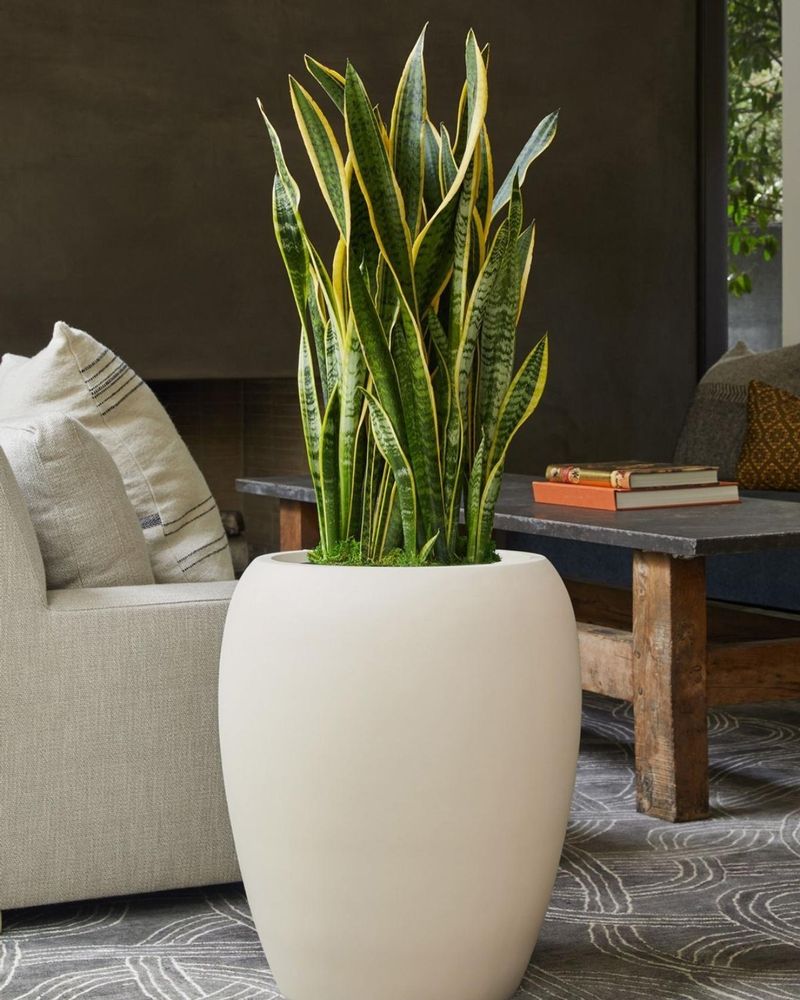
Many houseplants were tested in NASA’s famous 1989 indoor air study, and the snake plant was one of them. Researchers tested the snake plant variety Laurentii, and it reduced chemicals like benzene and formaldehyde inside sealed chambers.
Those chemicals can drift from fresh paint and new furniture, so the findings caught plenty of attention. I loved that story when I first heard it, and I still think it makes a fun conversation starter.
Truth is, real homes are much bigger than tiny test chambers, and fresh air moves in through doors and vents. A 2019 review from Drexel University found you would need a huge number of plants to match normal ventilation.
So one snake plant will not replace an open window or a good air filter in your home. Still, it adds a small natural boost, and every bit of greenery helps a room feel fresher and calmer.
My own trick is pairing a few plants with regular airing out, especially after painting or cleaning projects. Crack a window for ten minutes, then let the plant handle its quiet part in the corner.
Dusty leaves can block light and slow growth, so give them a gentle wipe with a damp cloth monthly. Clean leaves look shinier too, which makes those bold stripes and edges stand out even more in sunlight.
Think of this plant as a helpful roommate rather than a magic machine for cleaning every breath you take. With that honest view, you will enjoy it more and avoid disappointment when the air feels about the same.
2. Snake Plant Pores Open At Night
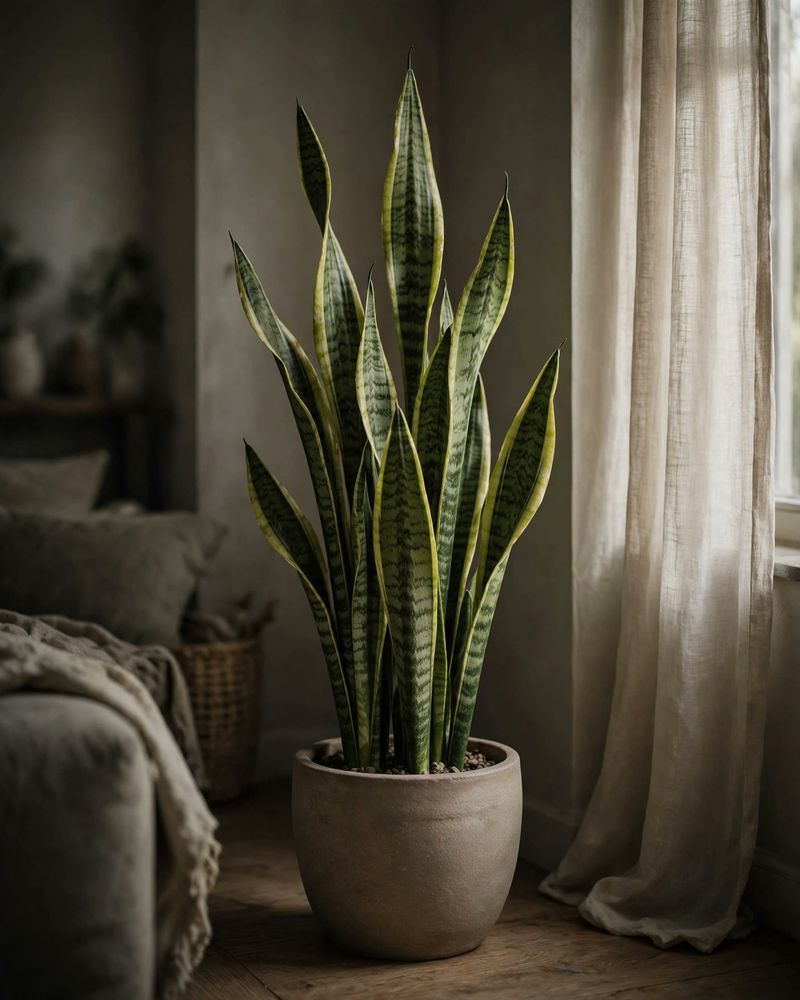
Most houseplants breathe in carbon dioxide during daylight, but the snake plant prefers working the night shift instead. It uses a clever system called CAM photosynthesis, which is common among cactus plants and other desert survivors.
CAM stands for crassulacean acid metabolism, a mouthful named after the jade plant family where scientists first studied it. Tiny leaf pores called stomata stay closed during hot afternoons, then open once the air cools down after sunset.
Keeping those pores shut in the heat saves water, which explains why this plant handles dry rooms so well. At night, it pulls in carbon dioxide and stores it as an acid until morning light returns.
I didn’t expect plant chemistry to feel this sneaky, but it honestly reminds me of a camel saving water. Once the sun rises, the stored carbon gets turned into sugars while the pores stay tightly sealed against heat.
You may hear claims that a bedroom snake plant pumps out tons of oxygen while you sleep peacefully. Fair warning, one plant makes only a tiny difference in a room, so skip the promise of better sleep.
Even so, it makes a lovely bedside choice because it tolerates the softer light many bedrooms tend to have. It also stays quiet and tidy, without dropping leaves on your nightstand like some fussier plants often do.
Place it a few feet from the window, and water only when the soil feels dry two inches down. That simple routine keeps your nighttime green buddy happy for many months without any fuss from you.
3. Snake Plants Shrug Off Forgotten Waterings
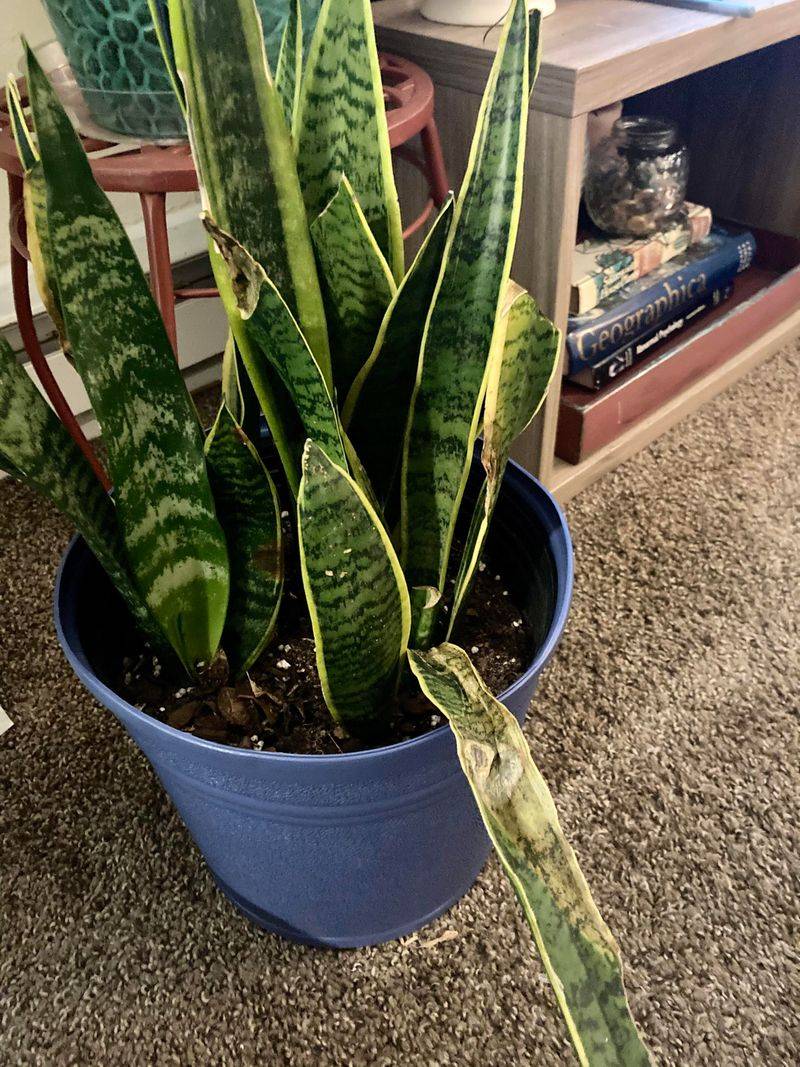
Guilty as charged, I once left a snake plant unwatered for nearly a month during a busy summer. When I finally remembered, it stood just as tall and green, as if nothing had happened at all.
Those thick leaves store water like little canteens, which helps the plant ride out dry spells with ease. Its roots also grow from chunky underground stems called rhizomes, and those hold extra moisture for later use.
I learned the hard way that too much love causes more trouble than too little water for this plant. Soggy soil invites root rot, which turns the base mushy and brown before you even notice a problem.
Let the soil dry out between drinks, which usually means watering every two to three weeks in warm months. During winter, growth slows down a lot, so a drink about once a month is often plenty.
Pick a pot with a drainage hole, since trapped water at the bottom quietly rots roots over time. A gritty cactus mix drains faster than regular potting soil, and terracotta pots help extra moisture escape too.
Not going to lie, this plant is my top pick for friends who travel often or forget chores. It forgives missed waterings far better than ferns or peace lilies, which droop dramatically when thirsty.
Skip fertilizer most of the year, then feed lightly once or twice in spring and summer if desired. A half-strength houseplant food works fine, and your plant will thank you with steady new leaves.
4. Snake Plants Handle Dim Corners And Bright Windows
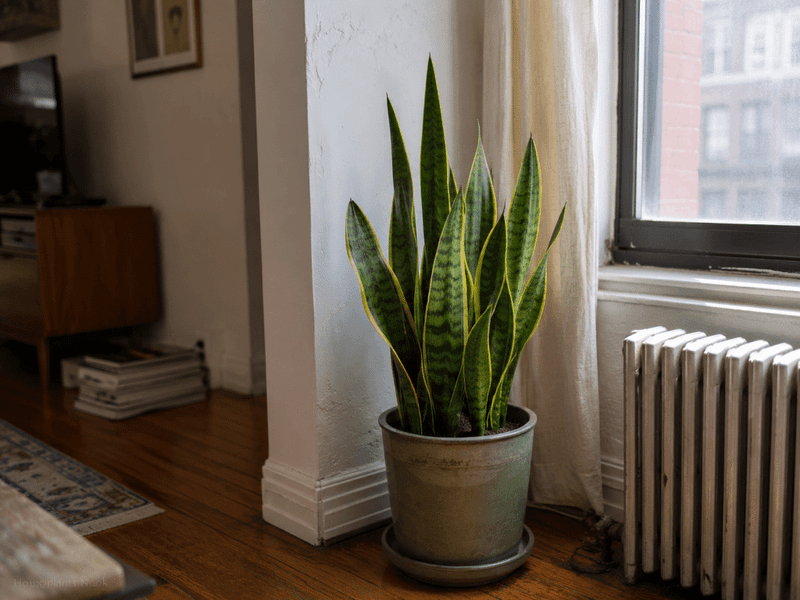
That gloomy hallway corner where other plants sulk might be exactly where a snake plant settles in happily. Don’t laugh, but I once believed every houseplant needed a sunny window, and this plant proved me wrong.
In the wild, snake plants grow in tropical West Africa, often tucked among rocks and under taller shrubs. That background helps explain why they handle shade, though they still grow best in bright, indirect light.
Low light slows growth way down, so expect fewer new leaves and a bit less color in dim spots. Variegated types with yellow edges may fade slightly, while solid green types usually keep their look better.
On the sunny side, a few hours of gentle morning sun usually suits this plant just fine. Harsh afternoon rays through hot glass can scorch the leaves, leaving pale or tan patches that stay put.
If you move a shade-grown plant into brighter light, do it slowly over a week or two. Sudden changes can stress the leaves, much like stepping outside after a long nap in a dark room.
Remember that plants in low light drink much less water, so stretch out the time between waterings even further. Most problems in dim rooms come from wet soil sitting too long, not from the lack of sunshine itself.
I keep one beside a north-facing window and another near my desk under ordinary office lights. Both look healthy and upright, which tells me this plant is far more flexible than most of its shelf neighbors.
5. Tall Striped Snake Plant Leaves Add Sculptural Style
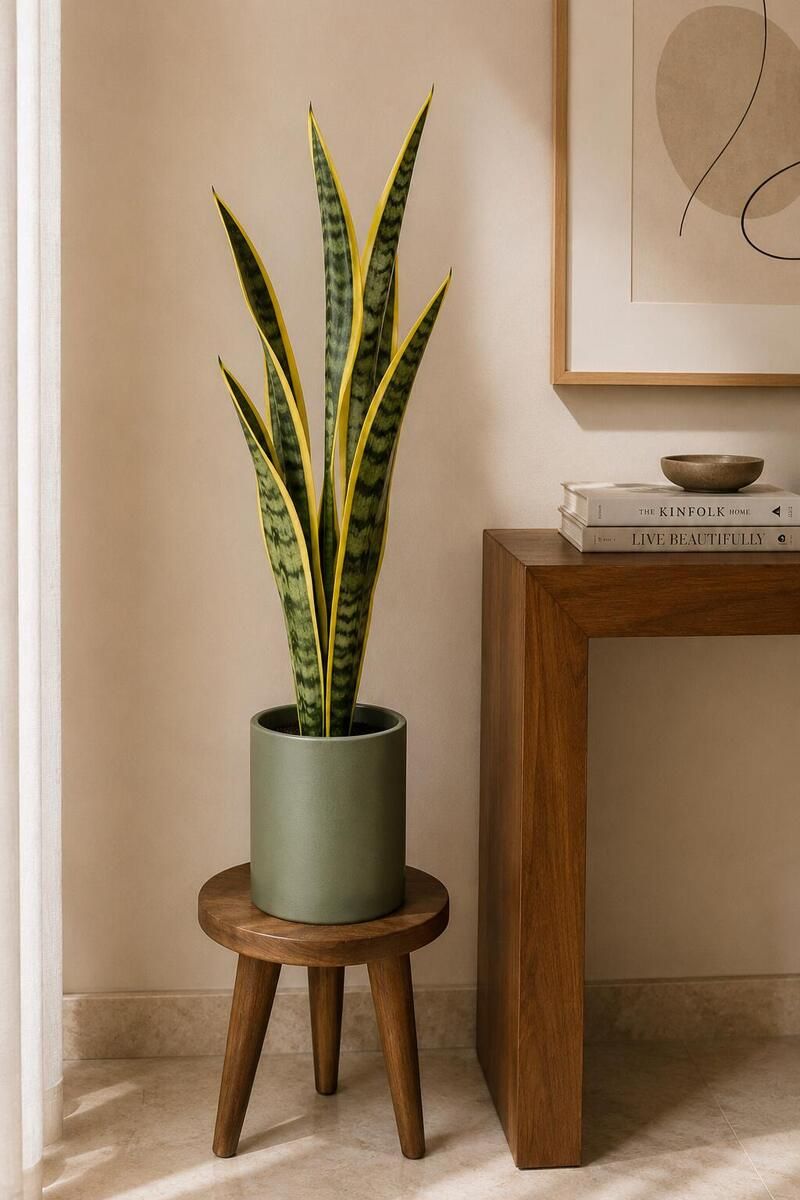
Those stiff, sword-shaped leaves shoot straight up, so the plant looks like a living sculpture in any room. I’m a sucker for that crisp, upright shape, since it adds height without hogging floor space or shelf room.
The classic look features dark green leaves with wavy gray-green bands that resemble snakeskin, hence the common name. Some folks call it mother-in-law’s tongue, a cheeky nickname that pokes fun at those sharp, pointed tips.
The popular Laurentii variety adds bright yellow edges, while Moonshine shows off silvery pale green leaves instead. Compact bird’s nest types, called Hahnii, stay short and form tidy rosettes perfect for desks and narrow windowsills.
Botanists now group snake plants with the dracaenas, so newer labels may read Dracaena trifasciata instead of Sansevieria. Don’t worry if your tag shows the older name, because nurseries still use both names quite often.
For a modern look, try a tall plant in a plain white or matte black pot near the sofa. A woven basket cover gives a warmer, boho feel, but slip a plastic liner inside to protect your floors.
Grouping a tall plant with a short one creates layers, which looks thoughtful instead of random on a console. Mature snake plants can reach three or four feet indoors, so leave enough headroom near shelves and window frames.
Heavier pots work best for tall plants, since top-heavy leaves can tip a lightweight container over easily. Honestly, few decorations give this much style for so little effort, and the plant keeps growing more impressive yearly.
6. Thick Snake Plant Leaves Resist Most Pests
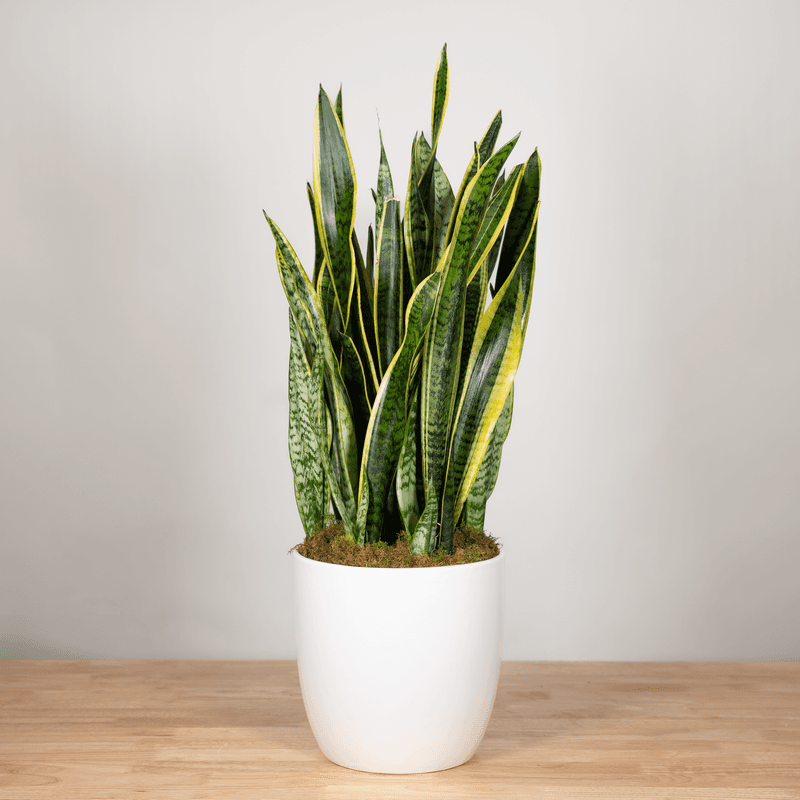
Mealybugs and spider mites seem to find every new houseplant I bring home, yet snake plants rarely interest them. Those tough, leathery leaves are harder for sap-sucking bugs to pierce than the soft leaves of many tropicals.
I used to think every houseplant came with a bug problem, but this one changed my whole outlook. Still, no plant is fully bug-proof, so a quick look under leaves now and then is smart.
Mealybugs look like tiny cotton tufts, and they love hiding where leaves meet near the base. Spider mites leave fine webbing and speckled leaves, especially when indoor air gets very dry in winter.
If you spot mealybugs, dab them off with a cotton swab, then spray the plant with insecticidal soap. Repeat every week or so until new bugs stop showing up, since eggs can hatch after the first round.
Fungus gnats are another story, and they usually point straight back to soil that stays wet too long. Letting the top couple of inches dry out breaks their life cycle, since the larvae need damp soil.
Trust me on this one, a stressed plant attracts trouble much faster than a healthy, well-drained one. Keep new plants away from your others for about two weeks, just to make sure nobody brought hitchhikers.
One honest caution belongs here, since snake plants are mildly toxic to cats and dogs if chewed. The ASPCA notes they can cause nausea and vomiting, so keep curious pets from nibbling on the leaves.
7. Snake Plant Pups Make Free New Plants
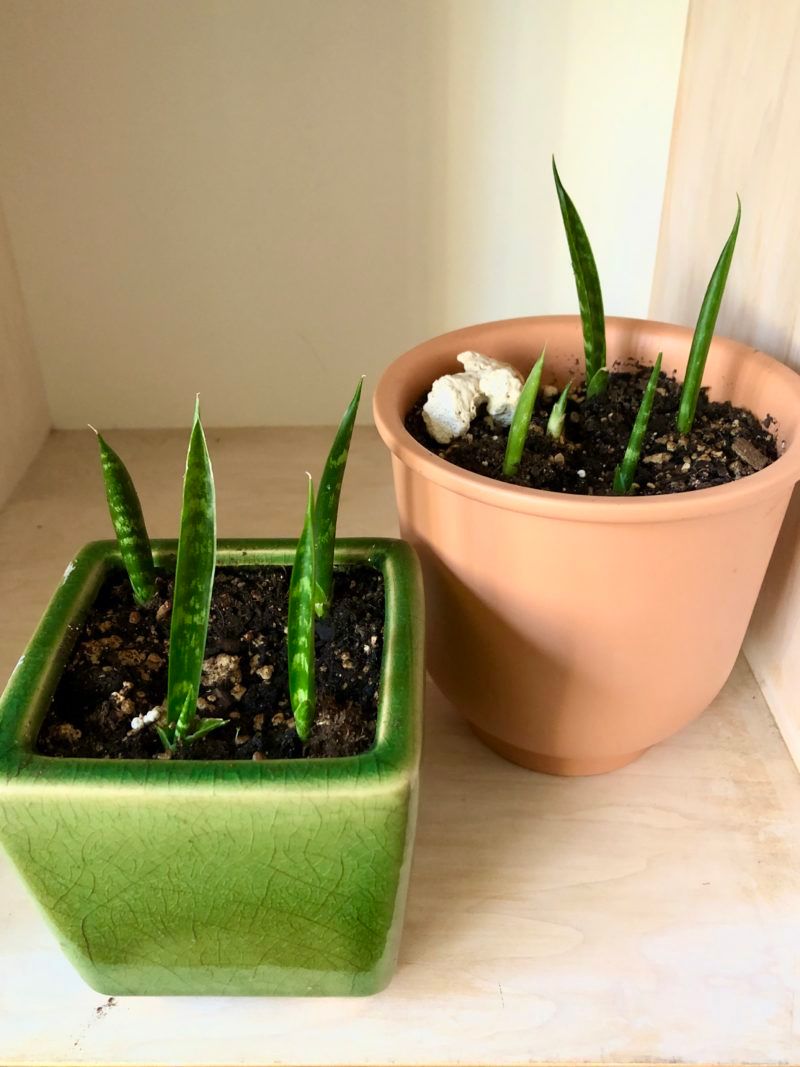
Every snake plant hides a little bonus underground, because its creeping rhizomes keep sending up brand-new baby plants. Gardeners call these offshoots pups, and spotting a fresh one poking through the soil still makes me grin.
Division is the fastest way to multiply your plant, and spring or early summer is the best time. Slide the plant out of its pot, then cut the rhizome with a clean knife so each pup keeps roots.
Pot each division in fresh cactus mix, and wait about a week before giving the first light watering. That short pause lets any cut surfaces heal over, which lowers the chance of rot in the new pot.
Leaf cuttings work too, and they are a fun experiment if you enjoy watching roots form slowly. Cut a healthy leaf into chunks a few inches long, keeping track of which end pointed down.
Let the pieces dry for a day or two, then set the bottom ends in water or moist soil. Roots can take a month or longer, so patience matters more than any fancy rooting powder or gadget.
One quirky twist surprised me, because leaf cuttings from yellow-edged Laurentii usually grow back plain green. Those golden stripes come from special tissue layers, so only division keeps the variegation true to the parent plant.
I’ve handed out potted pups as birthday gifts, and friends seem to love them more than store flowers. One plant can slowly fill your home with free greenery, and that feels like a very sweet deal.
8. A Mature Snake Plant Can Grow With You For Decades
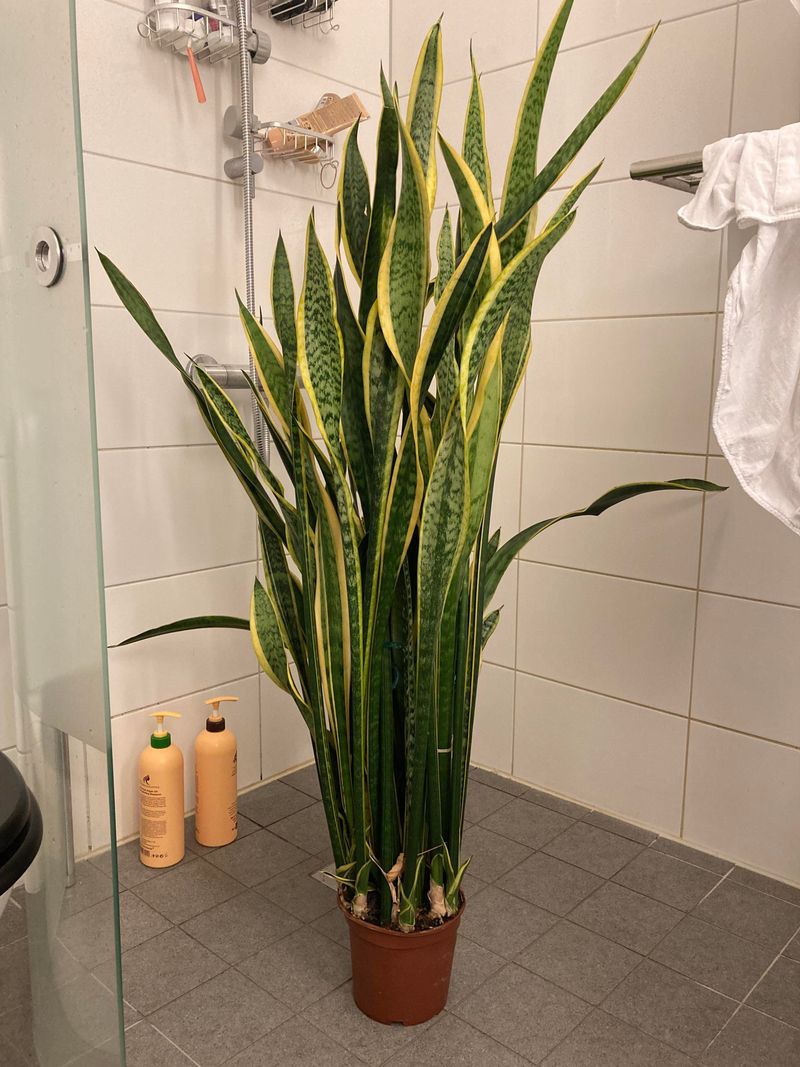
Some families pass down the same snake plant for years, splitting it again and again like a green heirloom. I’ll say this much, few houseplants stick around long enough to collect that kind of family history.
With decent care, a snake plant often lives well beyond a decade indoors, and many grow for much longer. Because it keeps making pups from its rhizomes, the clump itself can carry on even as older leaves fade.
Its slow growth is part of the charm, since you rarely need to repot more than every few years. Snake plants actually like being a bit crowded, and a snug pot can even encourage the occasional bloom.
Yes, they flower, sending up slender stalks of creamy blossoms that smell sweet, especially in the evening. Blooms are rare indoors, so I celebrate like a kid on a snow day whenever one appears.
Repot when roots crack the container or crowd out the soil, choosing a pot just one size larger. A huge new pot holds too much damp soil, and that extra moisture can rot the roots over time.
Keep it away from cold drafts too, since temperatures below 50 degrees Fahrenheit can damage the leaves. Outdoors it handles year-round life only in USDA zones 9 through 11, so most of us grow it inside.
It took me a while to notice, but my oldest snake plant has outlasted three apartments and two couches. Give it a sturdy pot and a sunny-ish corner, and it may stay with you for many happy years.


