Gardeners Are Split On Cutting Back Phlox In Fall Or Spring, But Timing Changes The Result
A fuzzy white coating on summer leaves can quietly spend the whole winter on a pile of brown stalks in your flower bed.
That sneaky fungus doesn’t leave when the frost arrives. It waits on old stems and fallen leaves, then gets a head start when spring warms up.
I used to think a tidy fall garden was just about looks, but I learned the hard way that it isn’t. One lazy autumn cost me a whole season of clean, healthy blooms.
Truth is, the gardeners who leave their stems standing have solid reasons too. Birds, bees, and tiny helpful bugs use that winter mess as shelter, and cold crowns like a little cover.
So who’s right, the fall tidier or the spring cleaner? The answer depends on one thing hiding in plain sight on your leaves.
Those Brown Phlox Stalks Are Hiding More Than You Think
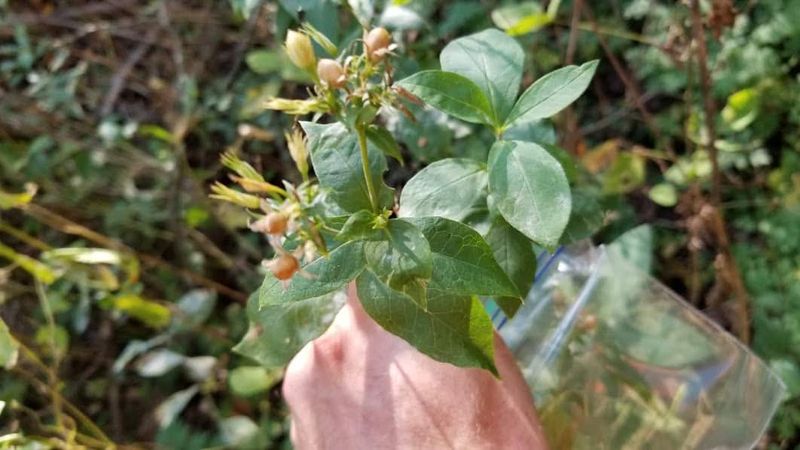
Walk past a bed of tall garden phlox in October and it looks harmless enough. Brown stems, a few curled leaves, maybe some dried flower heads still hanging on.
Look closer, though, and you may spot a gray or white dusty film on the old foliage. That film is powdery mildew, the fungal disease that loves Phlox paniculata more than almost any other perennial.
University extension experts note that this fungus can survive winter on infected plant debris. When spring warms up, spores can spread to the fresh new shoots before you even notice.
So the fall versus spring argument isn’t only about neatness. It is really a question of what your stalks are carrying into next year.
A plant with clean, green leaves all summer carries very little risk into winter. A plant that looked like it was rolled in flour by August is a different story.
Before you decide on timing, take a minute to study your phlox. Check the lower leaves, which often show the problem first.
That quick look tells you more than any garden rule ever could. Your plant’s history is the real guide here.
Mildew-Covered Phlox Leaves Mean Fall Cleanup Wins
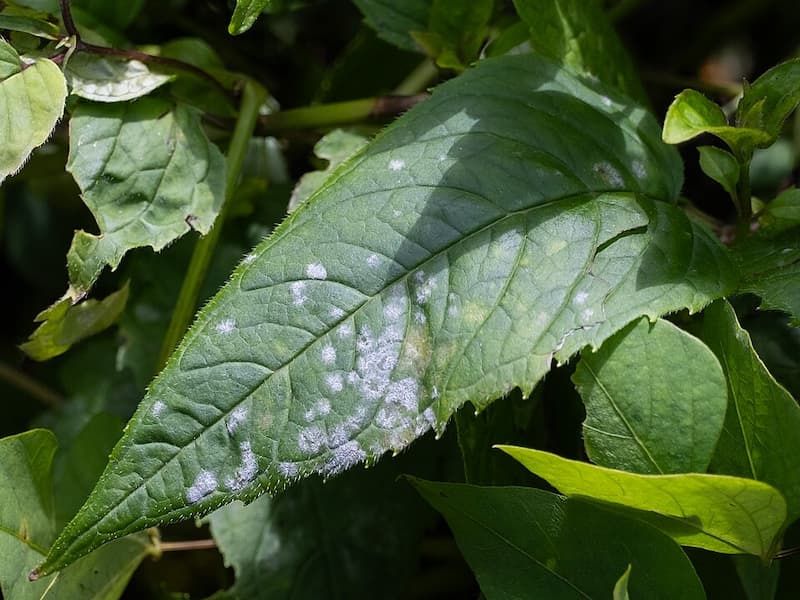
Guilty as charged, I once left a badly mildewed patch standing all winter. The next July, the same white crust showed up weeks earlier than before.
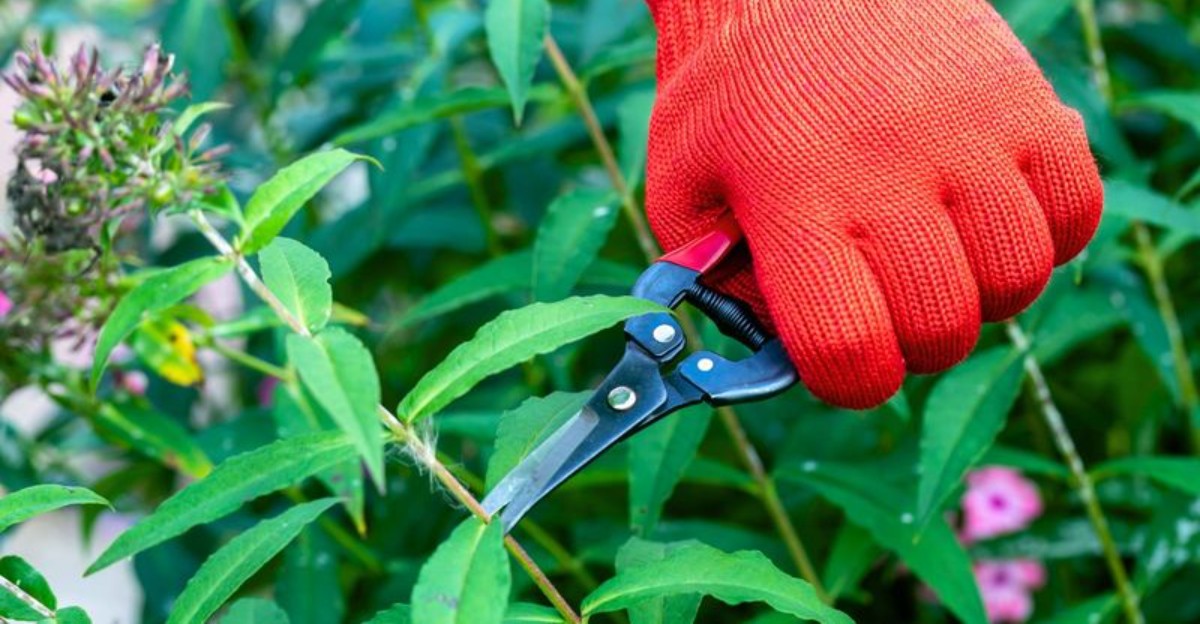
If your phlox had powdery mildew this year, fall is your best time to cut. Wait until a hard frost has blackened the foliage, then trim the stems down to about one or two inches above the soil.
Rake up every fallen leaf around the crown too. Those leaves can hold just as many spores as the stems.
Here is the step people skip. Bag the infected debris or put it in your yard waste pickup instead of a home compost pile.
Most backyard compost doesn’t heat up enough to reliably break down fungal spores. Tossing sick stems there can quietly bring the problem right back to your beds.
A clean fall cut won’t make mildew vanish forever, since spores also drift in on the wind. Still, it lowers the amount of disease sitting right at your plant’s feet.
Fewer spores nearby means a slower, milder start to the problem next summer. That’s a real win for very little effort.
Healthy Phlox Stems Can Stay Standing For Winter Wildlife
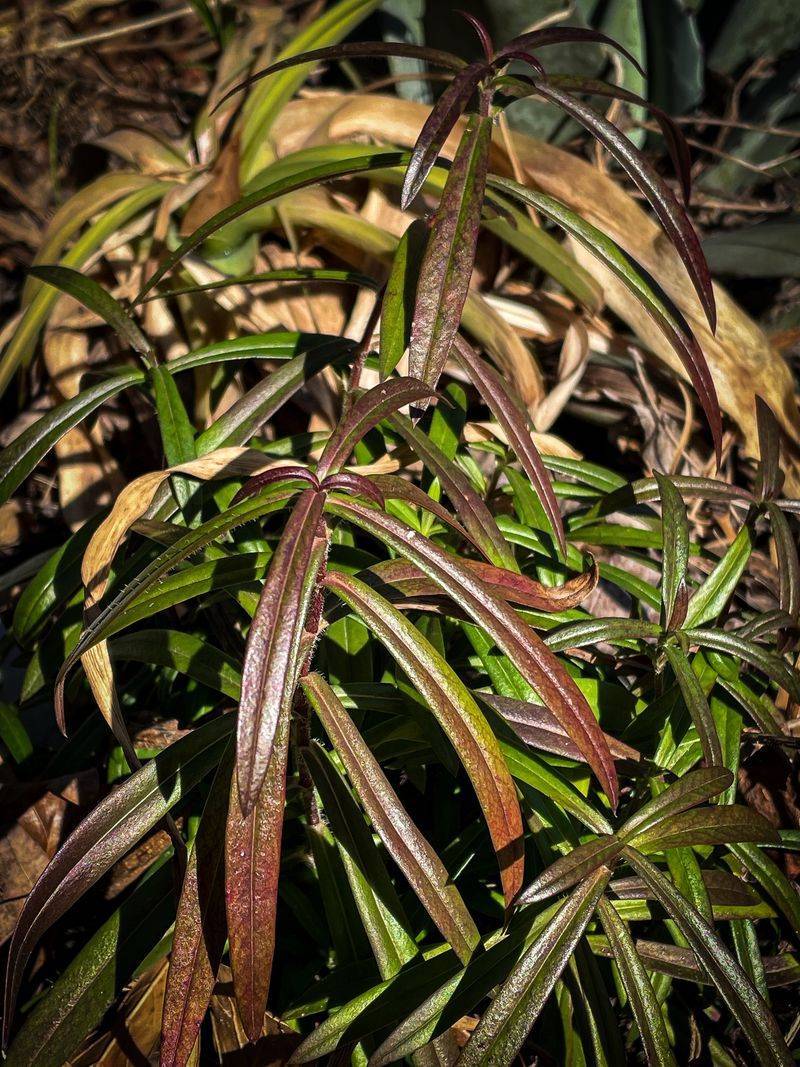
Not going to lie, a snowy garden full of standing stems has a charm all its own. Frost clings to the old seed heads and the bed looks alive even in January.
When your phlox stayed clean and green all season, leaving the stems up through winter is a smart choice. Many extension services and pollinator groups encourage leaving some perennial stems for wildlife.
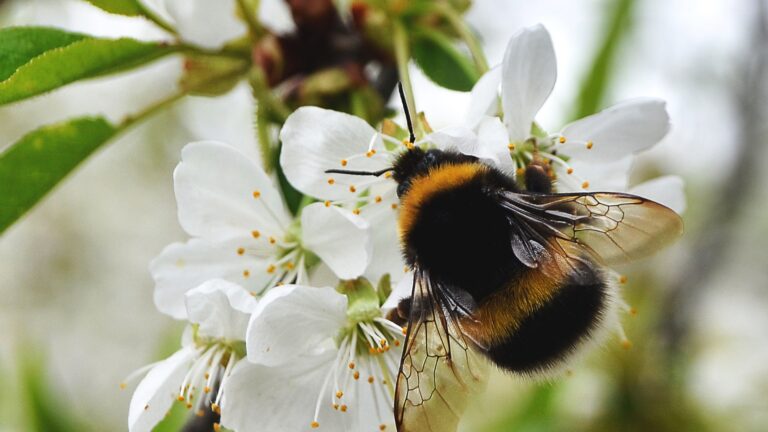
Hollow and pithy stems in a garden can give shelter to overwintering insects, including some native bees. Fallen leaves around the base also offer cover for beneficial bugs like ladybugs.
Small birds may poke around standing plants looking for insects and seeds. Phlox seeds are tiny, so they aren’t a major bird feeder, but the cover still helps.
The standing stalks also catch blowing snow and leaves. That natural blanket can help insulate the crown during harsh cold snaps.
One fair warning applies here. Leave stems standing only if they looked healthy, since a mildewed plant gives the fungus the same cozy winter home.
Healthy plants get a pass. Sick ones should come down in fall.
Fresh Phlox Shoots Tell You When To Grab The Shears In Spring
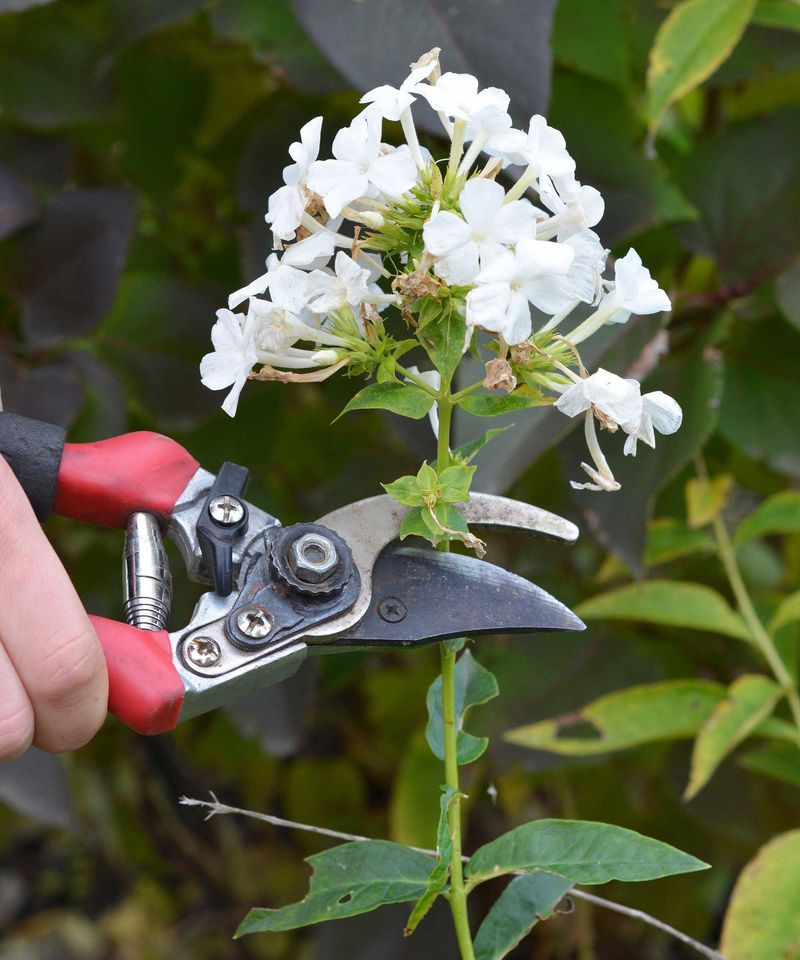
Spring cleanup is all about watching the ground. As soon as you see small green shoots poking up at the base of your phlox, it’s time to act.
In much of the northern United States, that usually happens from March into April. Gardeners in warmer southern zones may see growth earlier, so let your plant set the schedule, not the calendar.
Cut last year’s old stems down to a couple of inches above the soil. Work carefully so your shears don’t nick the tender new shoots coming up underneath.
Try not to wait too long. Once fresh growth gets tall, it becomes tangled with the old stalks and cleanup turns into a fiddly job.
Clear away any matted leaves around the crown at the same time. Damp, packed debris can trap moisture right where you want good airflow.
Wildlife lovers often hold off until daytime temperatures stay above about 50 degrees, giving sheltering insects time to wake up. That’s a thoughtful compromise if your schedule allows.
Then simply lay the cut stems loosely in a back corner for a while. Any late sleepers can still crawl out.
Crowded Phlox Clumps Practically Invite Powdery Mildew
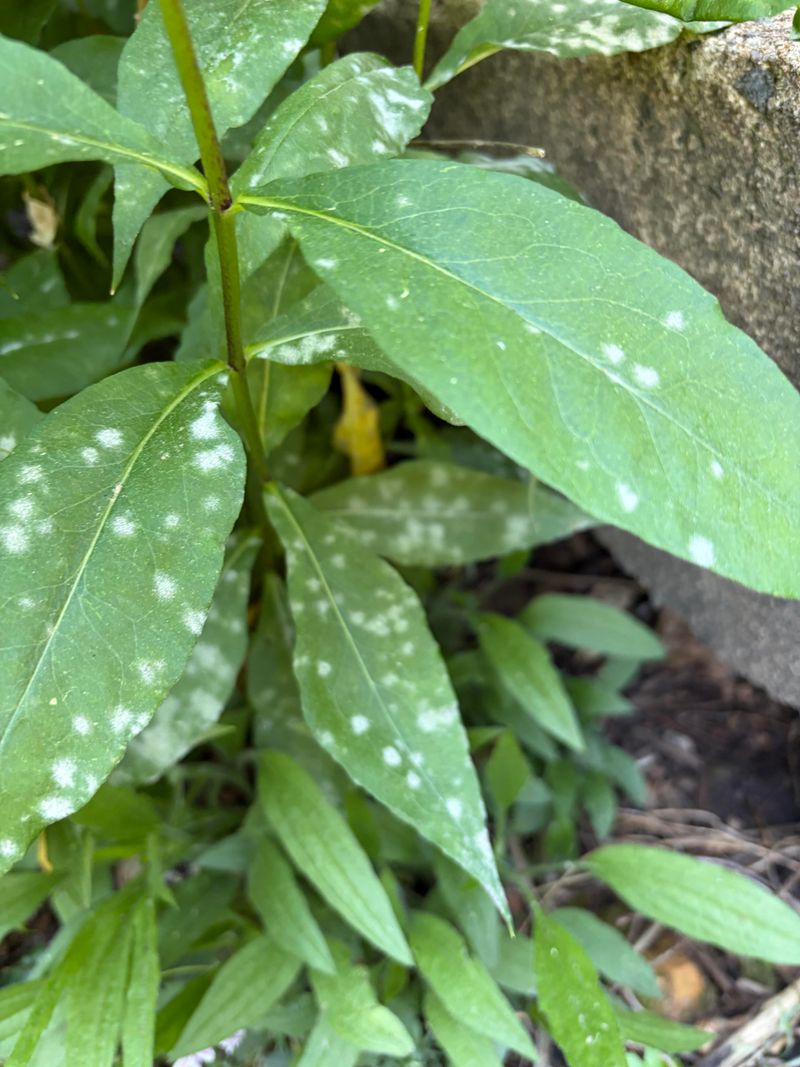
Here’s what gets me about powdery mildew. Unlike many fungal problems, it doesn’t need wet leaves to spread.
It thrives when days are warm, nights are cool, and humidity hangs in the air. Late summer brings exactly that mix in many parts of the country.
Crowded plants make it worse. When dozens of stems squeeze together, air can’t move through, and the inside of the clump stays muggy.
Thinning helps a lot. In spring, when shoots are a few inches tall, many experts suggest keeping only about four to six strong stems per clump and snipping the rest at ground level.
Dividing older clumps every few years also keeps plants vigorous and spaced out. Early spring or fall works well for that job.
Watering habits matter too. Soak the soil at the base in the morning rather than spraying the leaves late in the day.
Drought-stressed phlox is often more prone to mildew, so steady watering during dry spells pays off. Full sun also helps leaves dry and stay sturdy.
Pruning timing works best alongside these habits. One without the others only goes so far.
Resistant Phlox Varieties Make The Whole Debate Easier
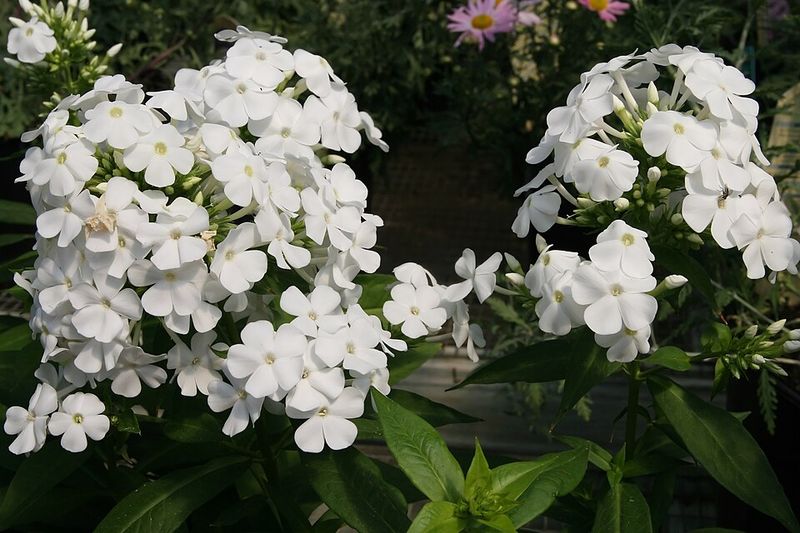
Call me practical, but sometimes the smartest pruning decision happens at the garden center. Picking a mildew-resistant variety can take most of the stress out of fall cleanup.
Breeders and trial gardens have tested many tall phlox cultivars for disease resistance. The white-flowered ‘David’ became famous for staying clean, and it was even named Perennial Plant of the Year in 2002.
Other varieties often praised for good resistance include ‘Jeana’, a lavender-pink favorite of butterflies, and many plants in newer compact series. The Mt. Cuba Center trial of native phlox is a great place to compare results.
Resistant doesn’t mean immune. In a hot, sticky summer, even tough varieties may show a little dusting on lower leaves.
Still, those plants usually stay much healthier overall. That gives you real freedom to leave stems standing for winter wildlife.
If an old clump struggles every single year, consider replacing it. Phlox paniculata is native to much of the eastern U.S., so swapping in a better cultivar keeps that native charm in your yard.
A plant that resists disease on its own is the easiest fix there is.
A Late Spring Chop Gives Phlox Bushier Stems And More Flowers

Don’t laugh, but cutting your phlox in half right before summer can actually give you more flowers. Gardeners call it the Chelsea Chop, named after the famous Chelsea Flower Show in London held each May.
Around late May to early June, trim some or all stems back by one-third to one-half. The plant responds by branching out, making shorter, sturdier stems with more flower heads.
Shorter stems are less likely to flop over in wind or heavy rain. Blooms arrive a couple of weeks later, which can stretch the season.
Try cutting only the front stems of a clump. You’ll get layered, staggered blooms that last longer than one big burst.
Deadheading helps too. Snip faded flower clusters back to a healthy set of leaves, and phlox often pushes out smaller side blooms into early fall.
Removing spent heads also stops self-seeding. Seedlings often don’t match the parent’s color and may lack its disease resistance.
These summer cuts don’t replace your fall or spring cleanup. They simply give you more control over height and bloom time.
Clean Pruners And Your Phlox’s Track Record Decide The Best Timing
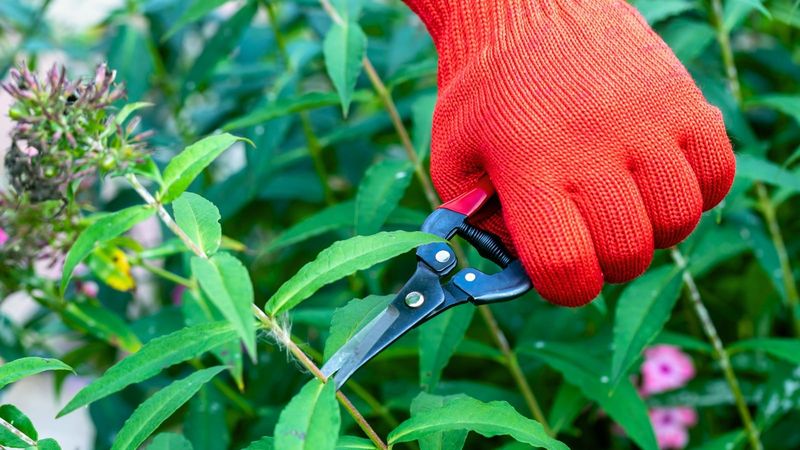
Trust me on this one, the right timing starts with honest notes. Jot down whether your phlox got mildew, how badly, and when it showed up.
Use that record as your simple rule. Mildew trouble means a fall cut after frost, while healthy plants can stand until spring for wildlife.
Your tools matter as much as your timing. Sharp bypass pruners make clean cuts, while dull blades crush stems and leave ragged wounds.
Wipe blades with rubbing alcohol or a household disinfectant between plants, especially after handling infected foliage. That small habit helps keep problems from hitching a ride to healthy beds.
Many gardeners land on a mix of both approaches. They cut sick clumps in fall and leave healthy ones standing until new shoots appear.
A light layer of mulch after cleanup helps protect roots, but keep it pulled back from the crown. Packed mulch against stems can hold extra moisture.
In the end, neither camp is wrong. Your plant’s health tells you which side to join each year, and that flexible approach gives you the best blooms season after season.