Why Succulents Rot After Heavy Rain In New York And How To Prevent It
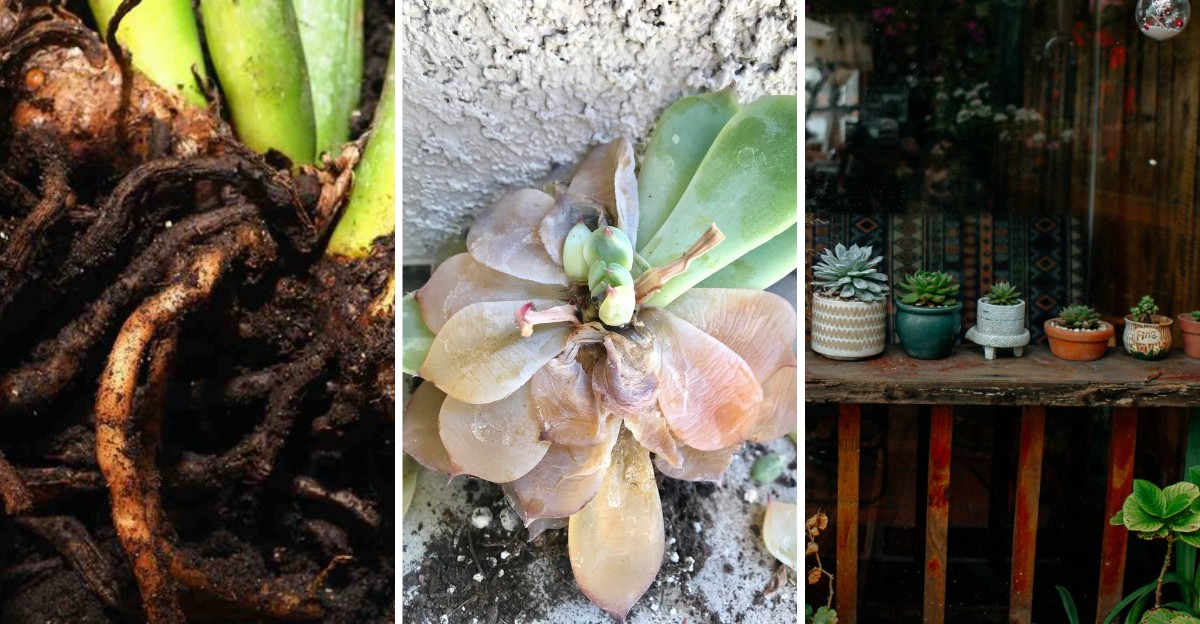
A plump, healthy rosette can turn into brown mush within a few days of a soaking storm. Funny thing is, the rain itself is rarely the real culprit.
New York often gets around 40 to 50 inches of precipitation a year, and summer thunderstorms can drop an inch or more in a single afternoon. Many desert plants evolved in places that see a fraction of that. Their roots expect a quick drink, then a long, dry break.
Take it from someone who once lost a whole windowsill collection after a rainy week on the patio. I blamed the clouds, the forecast, even the garden center. Looking back, I should have blamed the bucket of heavy soil I packed into pots with no real escape route for water.
So what actually happens underground when the sky opens up, and why do some plants shrug it off while others collapse?
Soggy Succulent Roots Are Gasping For Something Besides Water
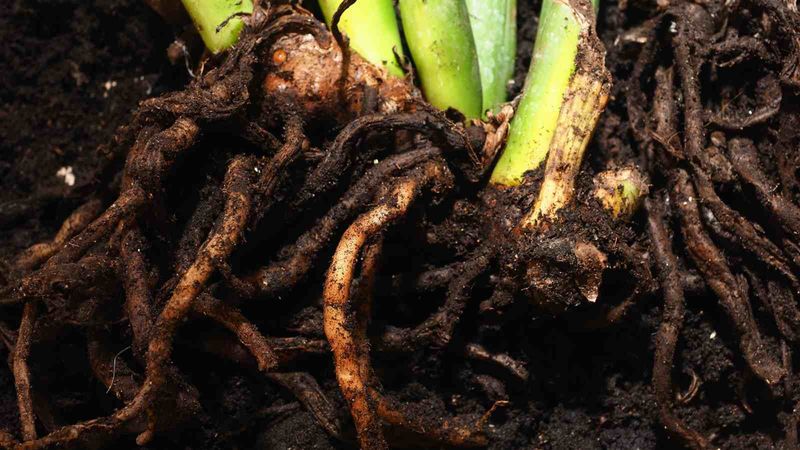
Roots breathe, even though we rarely think about it. Healthy roots pull oxygen from tiny air pockets between soil particles.
After a heavy New York storm, water fills those pockets and pushes the air out.
For a lettuce or a tomato, that soggy spell is usually short and survivable. Succulents are a different story.
Their roots evolved in loose, gritty ground where water drains away in minutes, so they have little tolerance for sitting in a saturated, airless mix.
Once roots run low on oxygen, they weaken and start leaking sugars into the soil. That leak is an open invitation for water-loving organisms.
Plant pathologists at land-grant universities point to Pythium and Phytophthora, often called water molds, as common causes of root rot in wet conditions.
Fun fact for your next garden chat: these water molds are not true fungi. They are more closely related to algae, and they produce swimming spores that travel through wet soil.
Standing water basically gives them a highway straight to your plant.
So the problem is not one rainy afternoon. Trouble builds when soil stays wet for days, roots suffocate, and rot organisms move in.
Keep that chain in mind, because every fix in this article targets one of those links, from soil and pots to shelter and smart watering habits.
Gritty Succulent Soil Lets Rainwater Rush Right Through
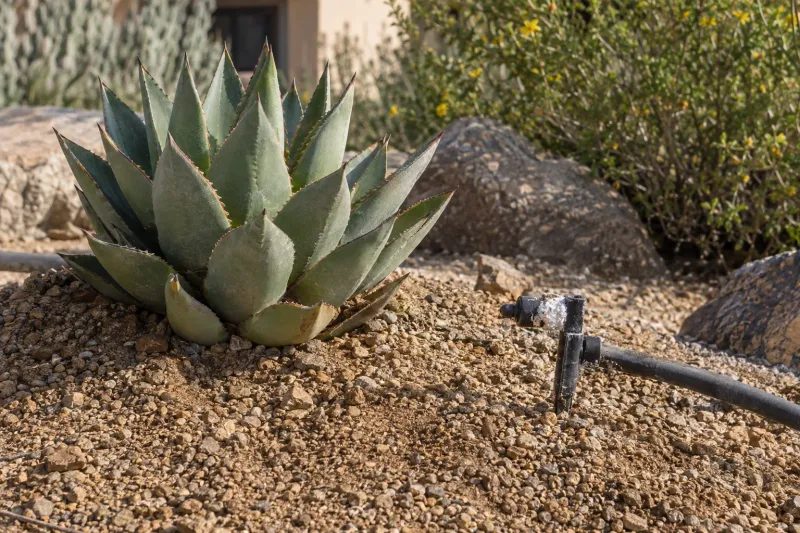
Bagged potting mix is wonderful for petunias. For a sedum or an echeveria, it can act like a wet sponge wrapped around the roots for days after a storm.
Most succulent growers and extension sources recommend a much grittier blend. A popular starting point is roughly half potting mix and half mineral material, such as pumice, perlite, coarse sand, or crushed lava rock.
Some growers who deal with frequent rain push the mineral share even higher.
Particle size matters more than people expect. Fine play sand can pack down and actually slow drainage, so look for coarse builder’s sand or poultry grit instead.
Pumice is a favorite because it holds a bit of moisture inside while leaving plenty of air space between pieces.
Here is a quick test I like. Water your new mix in a pot and watch the drainage hole.
If water streams out within a few seconds, you are in good shape. If it pools on top, add more grit.
Garden beds need the same thinking. Heavy clay is common in parts of the state, and it holds water stubbornly.
Work in gravel and coarse grit, or build a raised mound, so rain moves down and away instead of soaking the crown of each plant.
Terracotta Pots With Drainage Holes Give Succulents A Fighting Chance
My prettiest glazed pot was also my worst one. It had no drainage hole, and every summer storm turned it into a tiny swimming pool for the poor aloe inside.
A drainage hole is the single most important feature of any succulent container. Without one, rainwater collects at the bottom and stays there, and the roots sit in it until they rot.
If you love a decorative pot without a hole, use it as an outer sleeve and keep the plant in a plain nursery pot inside.
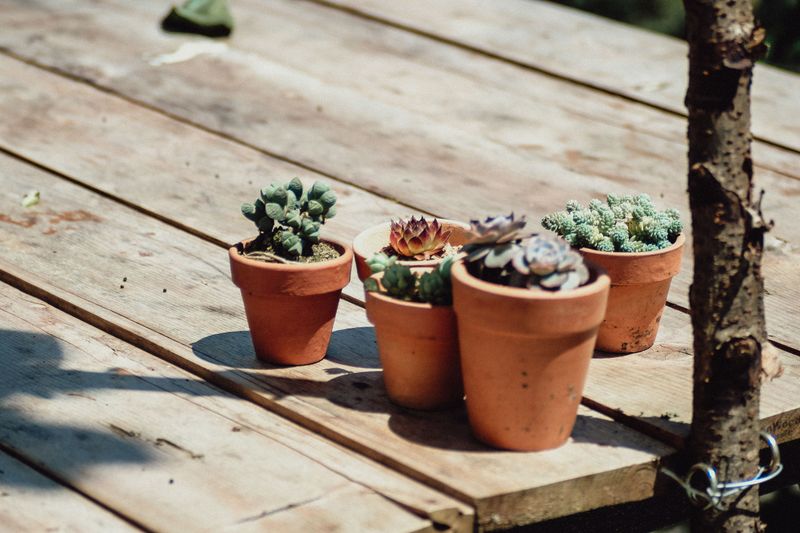
Unglazed terracotta earns its fan club for good reason. Clay is porous, so moisture escapes through the walls as well as the bottom.
That means soil dries faster after a soaking, which is exactly what desert roots want.
Size and shape matter too. A pot that is far too big holds extra soil, and extra soil holds extra water that roots cannot use.
Choose a container only slightly wider than the root ball.
Shallow bowls and pans also dry out quicker than tall, narrow pots. One old tip deserves retirement, though.
Research shows a layer of gravel at the bottom of a pot can actually raise the wet zone instead of improving drainage, so skip it and fix the soil itself.
Move Potted Succulents Under The Porch Before Big Storms Roll In
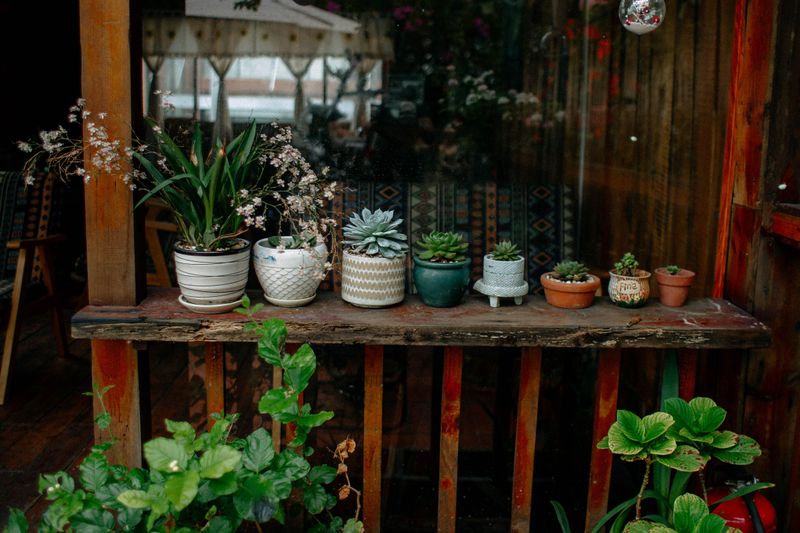
Weather apps are a succulent lover’s best friend. When the forecast shows several days of rain or a tropical system heading up the coast, I treat it like a moving day for my potted collection.
A covered porch, a deep roof overhang, or a spot under a picnic table can block most of the downpour. The plants still get bright light and fresh air, but the soil stays far drier.
Grouping pots together also makes the shuffle quick.
In-ground plantings take a little more creativity. A patio umbrella or a tarp propped on stakes can shield a small bed during a long soaking spell.
Leave the sides open so air keeps moving, because trapped humid air can encourage leaf rot.
Placement helps before storms even arrive. Planting on a slope, berm, or rock garden lets gravity pull water away from roots.
Avoid low spots where puddles linger after rain.
New York’s hurricane season runs from June through November, and late summer remnants of tropical storms have brought major flooding to the state. Those are the moments when a five-minute shuffle of pots pays off.
Return everything to full sun once the soil has dried, easing them back over a day or two.
Mushy Translucent Succulent Leaves Are Waving A Red Flag
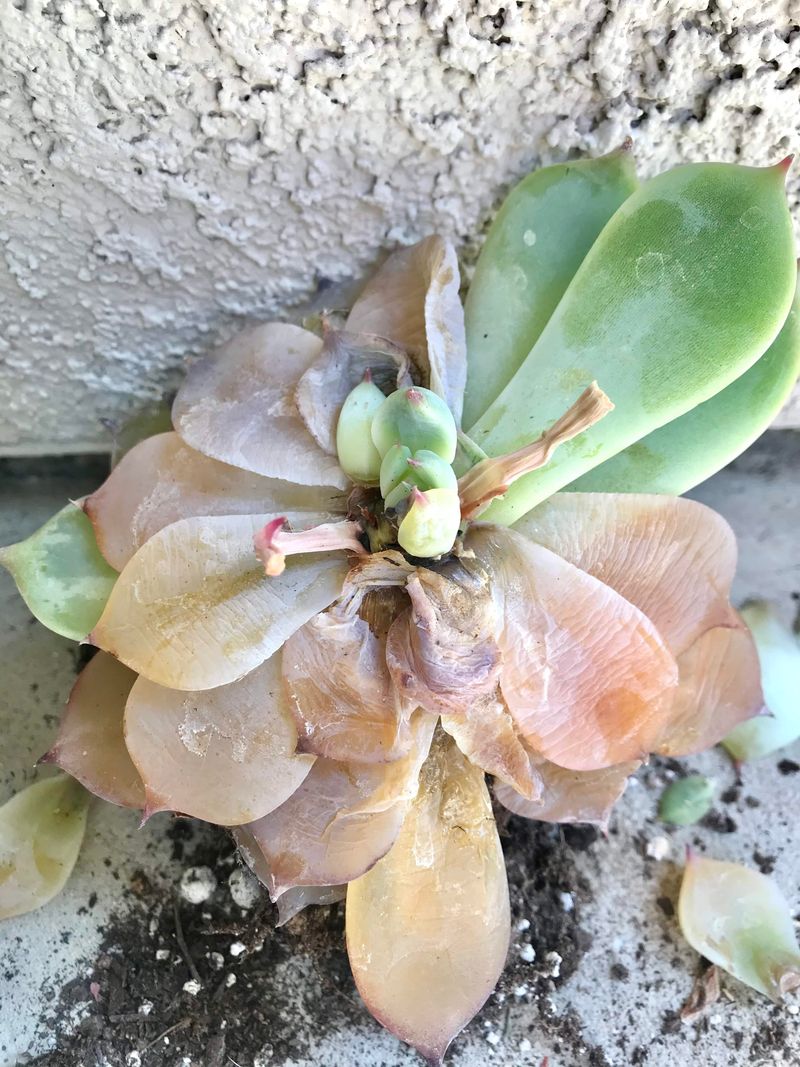
Squeeze test time. A happy succulent leaf feels firm, like a crisp grape.
A leaf in trouble feels soft, squishy, or oddly swollen, and that difference is often the first clue that too much water is causing harm.
Watch for leaves that turn yellow, translucent, or almost jelly-like. Lower leaves sometimes drop at the lightest touch.
On many plants, rot shows up as black or dark brown patches that spread upward from the base of the stem.
Do not confuse this with normal aging. Succulents regularly shed a few bottom leaves, and those old leaves usually shrivel up dry and papery.
Wet, soft leaves are the worrying kind.
The stem tells a story as well. Give the plant a gentle wiggle at soil level.
If it wobbles loosely or feels mushy, roots may already be failing below.
Your nose can help too. A sour or musty smell coming from soggy soil often points to low-oxygen conditions and decaying roots.
Healthy soil smells earthy, not rotten.
Catching these signs early makes a real difference. A plant with a few soft leaves and firm stems often recovers once it dries out.
A plant with a blackened stem base needs faster action, which we will cover shortly.
Empty Those Saucers And Clear Out Rosettes After The Rain Stops
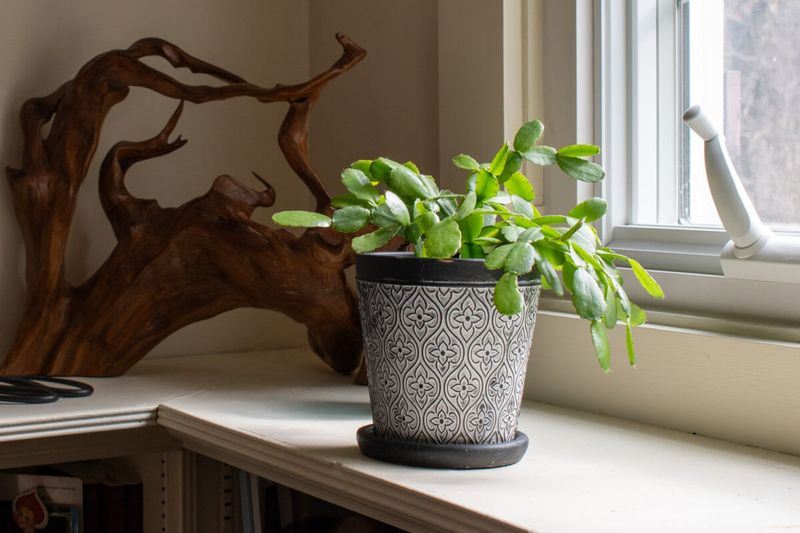
Saucers are sneaky. They protect your deck, yet after a storm they can hold an inch of water right under the drainage hole, wicking it back into the soil for days.
Make a quick walk-around part of your post-storm routine. Tip out every saucer, cachepot, and decorative tray.
If pots sit directly on a patio, raise them slightly with pot feet or a couple of small tiles so water can escape freely.
Next, peek into the center of each rosette. Plants like echeverias and hens and chicks can collect water, fallen leaves, and petals in their tight middles.
That damp debris is a perfect setup for crown rot. A soft brush, a cotton swab, or a quick puff from a squeeze bottle clears it out.
Hold off on watering until the soil is truly dry again. After a big rain, that could mean a week or longer, especially in cool, cloudy spells.
Finally, improve airflow where you can. Trim back crowding neighbors and space pots so breezes pass between them.
Moving air dries leaves and soil faster, and that simple change lowers the odds of rot taking hold during a humid New York summer.
The Soak And Dry Watering Method Keeps Succulent Roots Firm
Between you and me, a watering calendar is one of the easiest ways to rot a succulent. Plants do not read schedules, and weather in the Northeast changes week to week.
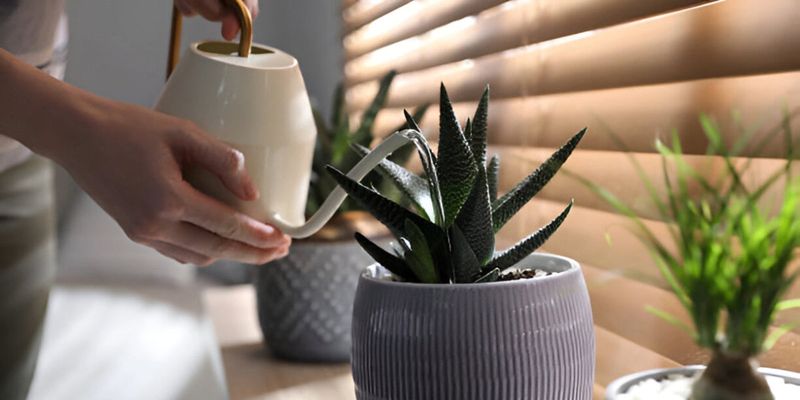
Many growers swear by the soak and dry approach. Water deeply until it runs from the drainage hole, then wait until the soil dries before watering again.
Deep, infrequent drinks encourage strong roots, while frequent sips keep soil constantly damp.
Checking moisture is simple. Push a wooden skewer or chopstick a few inches into the soil and pull it out.
If it comes out clean and dry, your plant is ready for water. Damp soil clinging to the wood means wait.
Lifting pots works too. A freshly watered pot feels heavy, while a dry one feels surprisingly light.
After a few weeks, you will judge it in a second.
Rain counts as watering, so skip your can after a storm. Seasons matter as well.
Growth slows in cool weather, and most succulents need far less water from late fall through winter. Indoor plants under low winter light may only need a drink every few weeks.
Erring on the thirsty side is safer, because plump leaves store a surprising water reserve.
Cut Away Rotten Succulent Stems And Start Fresh From Healthy Cuttings
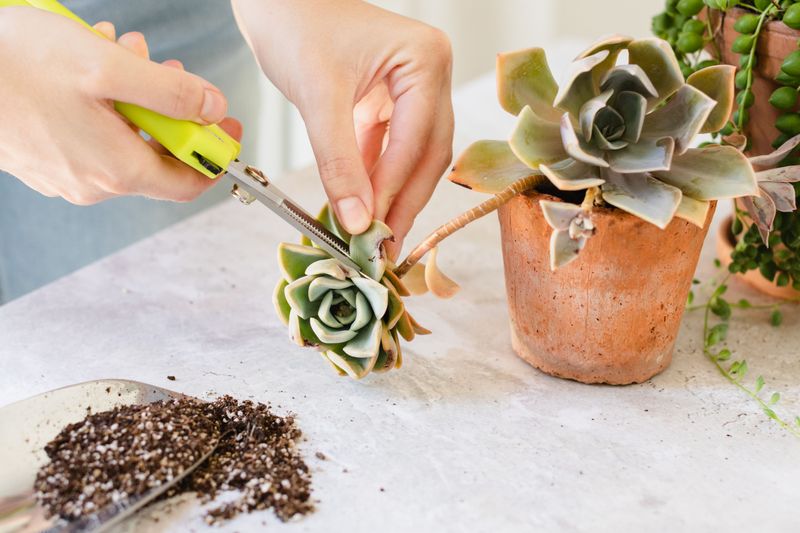
Rot does not have to be the end of the story. Succulents are famous for bouncing back from cuttings, and a little quick surgery can rescue a plant that looks hopeless.
Start by sliding the plant out of its pot and shaking off the wet soil. Healthy roots look light colored and firm.
Rotten ones are brown or black, slimy, and may slip apart when touched.
Grab clean, sharp shears or a knife, and wipe the blades with rubbing alcohol. Trim away every soft or discolored section.
On stems, keep cutting until the inside looks clean and green with no dark streaks.
Let the trimmed plant or cuttings sit in a dry, bright spot out of harsh sun. In a few days to a week, the cut ends form a dry callus that helps block new infection.
Then plant them in fresh, gritty mix and wait several days before a light first watering.
Even single healthy leaves can root on many species, like echeveria and sedum. Toss the old soil instead of reusing it, and scrub the pot well.
Take each rescue as a lesson, because better soil, better pots, and smarter timing will keep your collection firm through the next big storm.