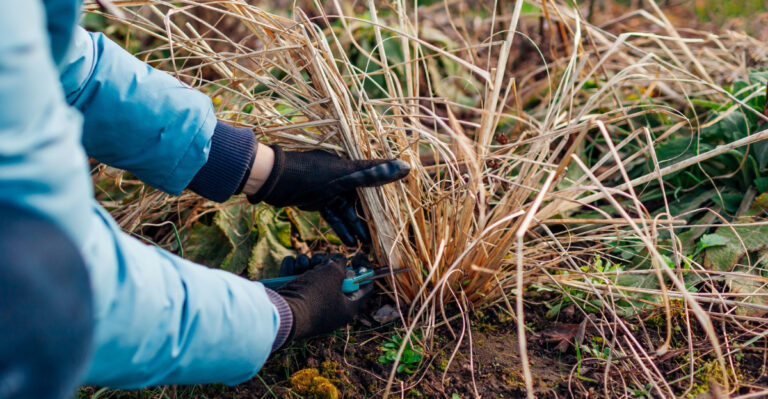
What South Carolina Law Says When A Neighbor’s Runoff Floods Your Yard
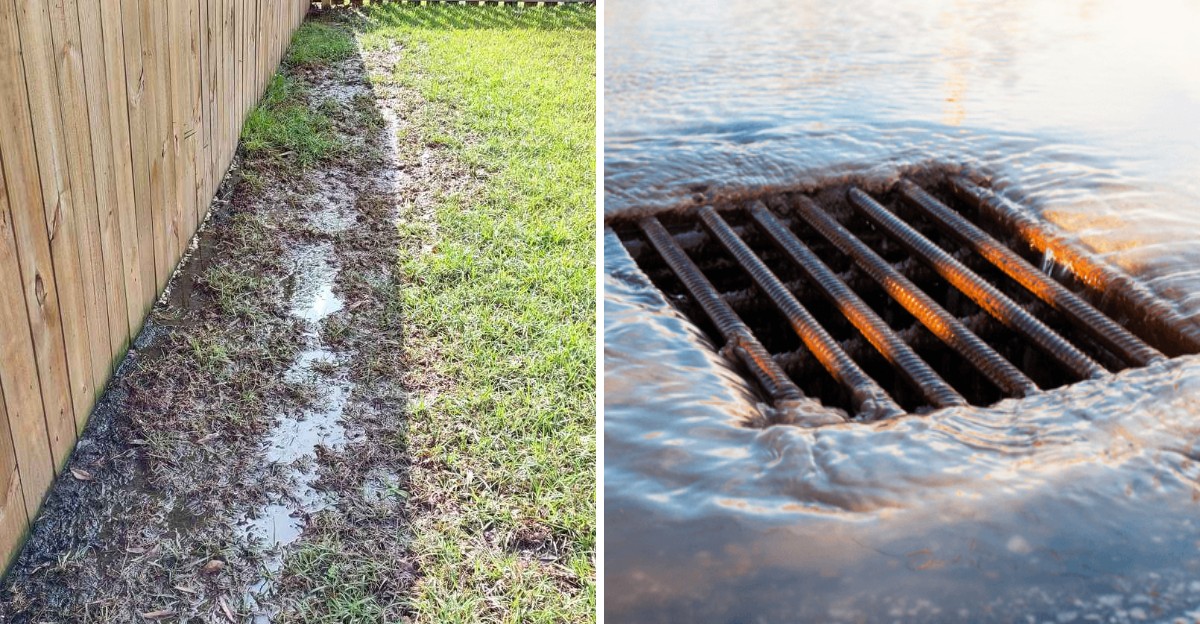
Rainwater has a legal nickname in South Carolina courts. Judges have called it the common enemy for well over a century.
I learned the hard way that this old idea still matters. One summer storm sent a muddy stream across my tomato bed, and I wanted someone to blame.
Truth is, the law treats water spreading across the ground very differently from water shoved through a pipe. A gutter, a ditch, or a fresh slab of concrete next door can change everything.
Not going to lie, I expected a simple rule. What I found was a mix of old court cases, a nuisance test, and a special path for problems that start at the street. So who pays when the puddle in your yard came from someone else?
That Muddy Puddle Across Your Garden Bed Has A Legal Name
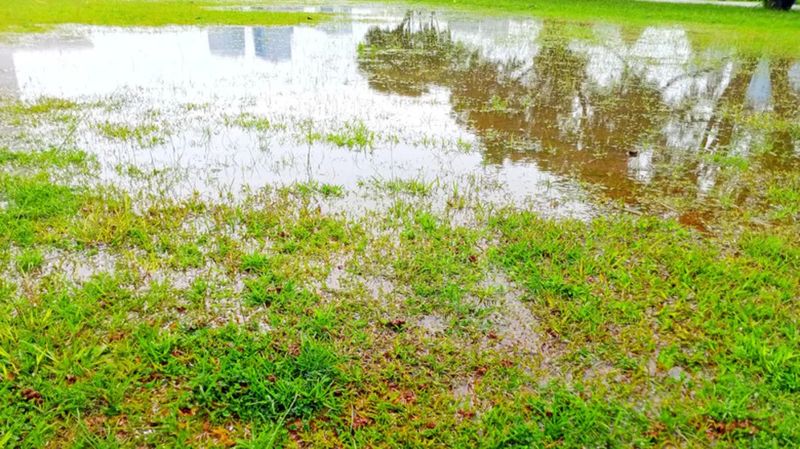
Courts don’t look at your soggy lettuce first. They look at what kind of water caused the mess.
South Carolina law sorts water into groups. Water in a creek, river, or defined channel follows one set of rules. Rain that spreads loosely across lawns and driveways is called diffuse surface water, and it gets its own treatment.
Most backyard runoff fights involve that second type. The rain falls, finds the low spots, and slides downhill without any banks or bed to hold it. Lawyers care a lot about this label, because it decides which rule applies.
So before you march next door, take a calm look at the flow. Is it a thin sheet moving across the grass? Or is it a narrow, fast stream shooting out of a pipe or trench?
I spent one rainy evening in a poncho just watching where the water went. That silly-looking walk taught me more than an hour of reading. You’ll notice the source, the path, and whether anything man-made pushed it your way.
Write down what you see. That simple observation becomes the backbone of any conversation, complaint, or claim you might make later.
The Common Enemy Rule Lets Neighbors Fend Off Rainwater
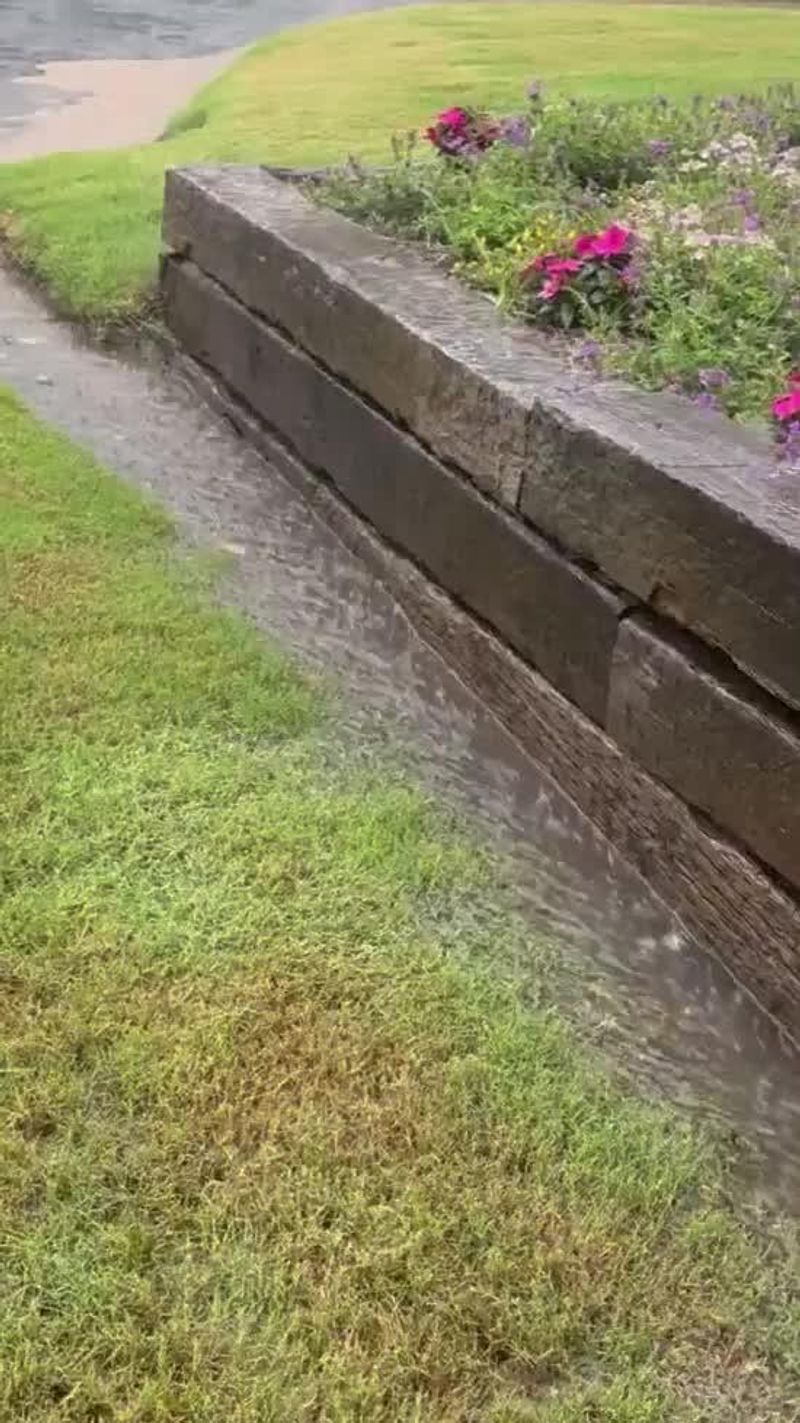
Here is an old idea with surprising staying power. South Carolina follows a modified version of the common enemy doctrine for surface water.
Under that rule, every landowner may protect their own property from rainwater. Your neighbor can grade a yard, raise a flower bed, or build a small berm, even if some extra water then drifts toward you. You have the same right on your side of the fence.
That can feel unfair when your hydrangeas are standing in a pond. Still, courts accept that rain is everyone’s problem, and nobody has to quietly soak up a neighbor’s share.
The word modified matters, though. South Carolina courts carved out real limits, so this isn’t a free pass to dump water anywhere.
I’ll say this much: knowing the starting rule saves you from a heated, losing argument. If your neighbor simply built up a lawn and loose rain wanders over, the law may side with them.
A smarter move is often a shared fix. Talk about a rain garden, a shallow swale, or better grading on both lots. Friendly cooperation tends to work faster than any legal fight.
Downspouts And Pipes Aimed At Your Lawn Cross A Line
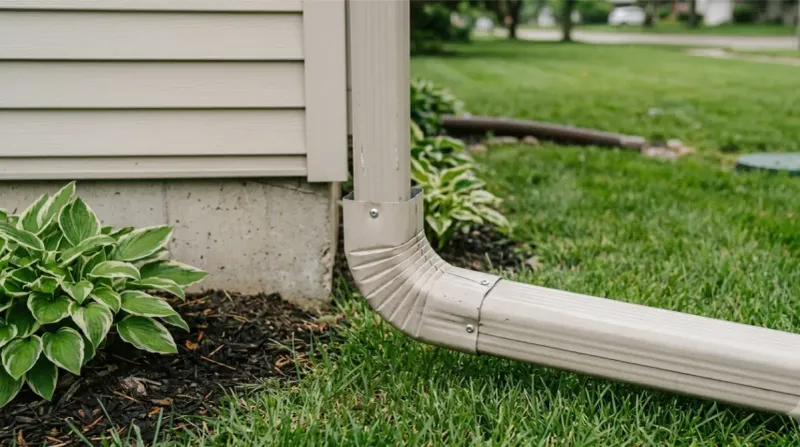
A gutter pipe pointed straight at your yard is a different story. South Carolina courts have said a landowner may not collect surface water and cast it onto a neighbor in a concentrated flow.
Lawyers sometimes call this the collect and cast exception. Once water is gathered in a pipe, ditch, culvert, or drain, it stops being loose rain. It becomes a stream someone created.
Classic examples include a downspout extension aimed over the fence, a French drain emptying at the property line, or a dug trench that channels water toward your garden. Courts have found liability in situations like these when they cause damage.
Guilty as charged, I once ran a downspout hose toward the back corner without thinking. It pointed right at my neighbor’s azaleas. A quick turn toward my own rain barrel fixed the problem before it became one.
If you spot a pipe pointed your way, take photos during an actual storm. Video showing water shooting out of the outlet is powerful proof.
Then ask politely for a redirect. Many people simply never noticed where their gutters drained, and a short extension or splash block can solve it.
A New Patio Or Driveway Next Door Isn’t Automatic Blame

Concrete changes rain in a hurry. A lawn soaks up water, but a fresh patio or wider driveway sheds nearly all of it.
Even so, South Carolina courts recognize that people get to build and improve their land. Some legal commentators describe a reasonable use approach woven into the state’s cases. If extra runoff comes from sensible, normal development, a court may decide no liability exists.
Judges weigh several things. How necessary was the project? Was it built with care? Does its benefit outweigh the harm to the property next door?
I get it, that answer feels squishy. You’d think a big slab draining toward you would settle the matter, but each case turns on its facts.
Local rules can help too. Many counties, including Greenville County, require stormwater permits and plans for larger land disturbance projects. A quick call to your county stormwater office can reveal whether the work needed approval.
Keep before and after photos if you have them. Showing that your yard stayed dry for years until the new pavement arrived builds a clear, believable timeline that lawyers and inspectors appreciate.
Standing Water And A Cracked Foundation Can Point To Nuisance
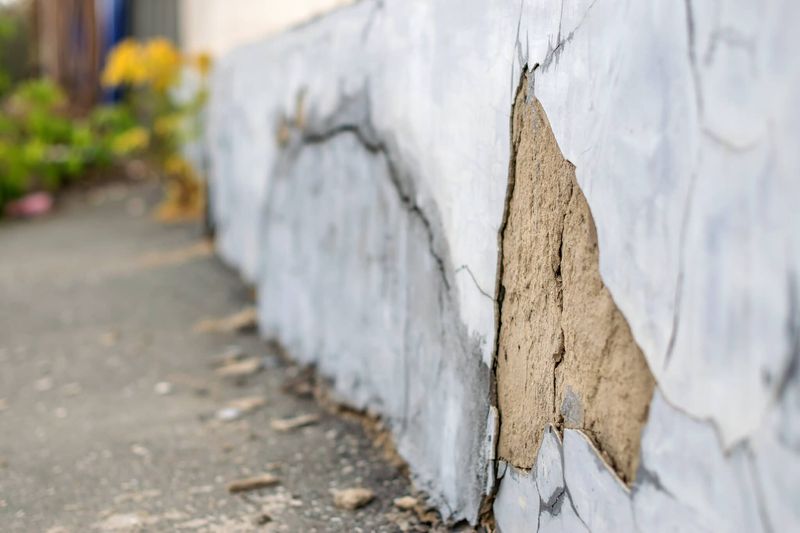
Mosquitoes love a backyard swamp, and so do lawyers looking at nuisance claims. A nuisance happens when someone’s use of their land unreasonably interferes with your use and enjoyment of yours.
Runoff can qualify when the harm is real and ongoing. Think water pooling against your foundation, a yard too soggy to mow for weeks, or erosion carving away your soil. South Carolina cases have treated flooding caused by a neighbor’s land clearing as possible nuisance.
Intent doesn’t have to be part of it. A neighbor who never meant any harm may still be responsible if their changes keep flooding your property.
Whether something counts is often a question for a jury. That makes good records extra valuable.
Fair warning, a single sad puddle after a tropical storm rarely makes a strong case. Repeated damage tells a far better story.
Track each event with dates, rainfall amounts, and photos. Save repair bills for things like foundation work, washed out plants, or regrading. Those receipts help show real losses instead of mere annoyance, which matters a lot when you ask for damages.
Street Storm Drains Spilling Into Your Yard Follow Different Rules
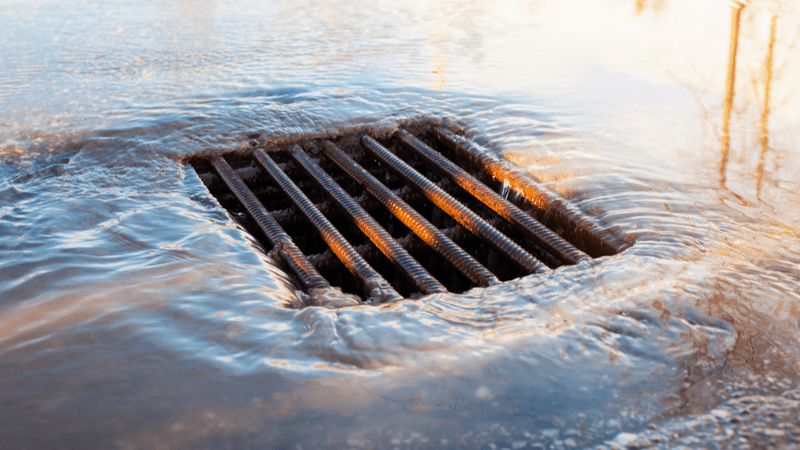
I didn’t expect the culprit to be the curb. Sometimes the flood comes from a public street, not the house next door.
South Carolina has a specific statute for this situation. Under state law, a property owner damaged by surface water draining from public streets may bring a civil action against the municipality. There is an important first step, though.
You generally must make a demand on the town to provide proper drainage before suing, and putting that demand in writing is the safest way to prove you made it. Skipping that request can weaken your claim.
Counties and towns also run stormwater programs. Many have hotlines or online forms for reporting clogged inlets, broken pipes, and blocked roadside ditches. Leaves and debris piling up in a storm drain cause plenty of front yard floods.
Start by reporting the problem and keeping a copy of every message. Note the date, the person you spoke with, and any promised fix.
The Municipal Association of South Carolina offers background on how local governments handle stormwater. Reading it helped me understand who maintains what. State roads fall under SCDOT, while neighborhood streets may belong to a city, county, or even a homeowners association.
Your Phone Camera Is The Best Tool During A Rainstorm
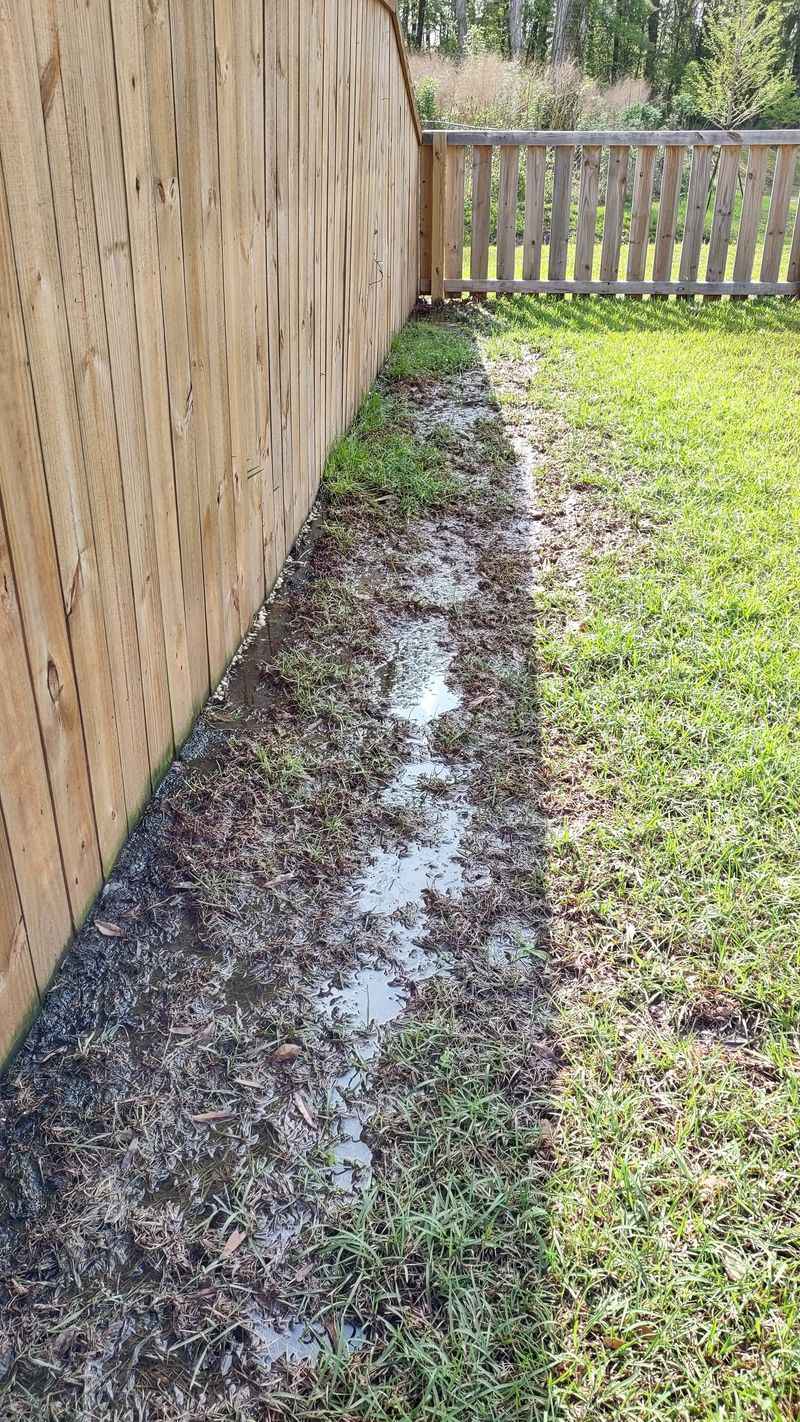
Trust me on this one: the best evidence appears while it’s still raining. By the next sunny morning, much of the proof has soaked away.
Grab your phone and record video of the water moving. Show where it starts, where it crosses the line, and where it collects. Narrate the date and time as you film.
Photos of damage come next. Snap washed out mulch, drowned plants, muddy siding, and any water near your foundation. A ruler or yardstick in the shot shows depth clearly.
A simple rain log helps too. Free weather sites list daily rainfall, so you can match each flood to a storm total.
Talk to other neighbors as well. Written notes from people who saw the flooding add weight to your account.
Then knock on the door with a friendly attitude. Share a photo, explain the issue, and suggest a fix. Many disputes end right there.
If that talk goes nowhere, send a polite written letter. Keep copies of everything, because a paper trail shows you tried to resolve things fairly before taking further steps.
A Rain Garden Might Solve What A Lawsuit Can’t

Lawsuits move slowly, but plants get to work after the first good rain. A well placed rain garden can catch runoff before it soaks your favorite beds.
Clemson Extension’s Carolina Clear program offers guidance on building rain gardens with native plants. Try switchgrass, swamp milkweed, inkberry holly, or Virginia sweetspire. Their deep roots handle wet spells and dry stretches alike.
Place the garden at least ten feet from your house, in a spot where water naturally collects. Check with 811 before digging so you avoid buried lines.
Other fixes help too. A shallow grassy swale can guide water around your yard, and rain barrels catch roof runoff for later watering. Just make sure your own changes don’t send concentrated flow onto someone else.
When damage is serious or ongoing, talk with a South Carolina real estate attorney. Deadlines called statutes of limitations apply, and waiting too long can cost you options.
My takeaway after all that muddy research is simple. Know the rules, gather proof, and lead with kindness. Pair that with smart landscaping, and you’ll have a drier yard and a better neighbor.