8 Low-Effort Plants Snowbirds Can Grow in Arizona Between November and April
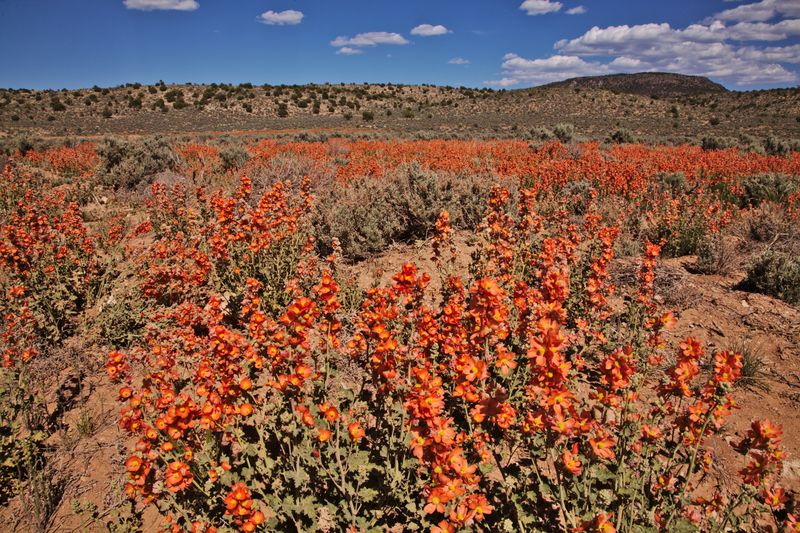
Certain desert wildflower seeds can wait in dry soil for years, sprouting only after a good soaking rain. I love that patience, because it means the best Arizona gardens start working while most of us are still packing.
The low desert flips the usual calendar, with cool months offering the gentlest growing weather of the whole year. Frost is usually light and brief, while winter rain gives young roots a welcome head start before summer.
Personally, I think snowbirds have the best timing in the country, arriving just as planting season opens in Arizona. You get months of buzzing bees and darting hummingbirds, then you head north before the scorching heat returns.
The trick is choosing plants that shrug off a few missed waterings while you are away visiting family. Which tough little bloomers earned a spot on my list, and which one might surprise your neighbors most?
1. Mexican Gold Poppy
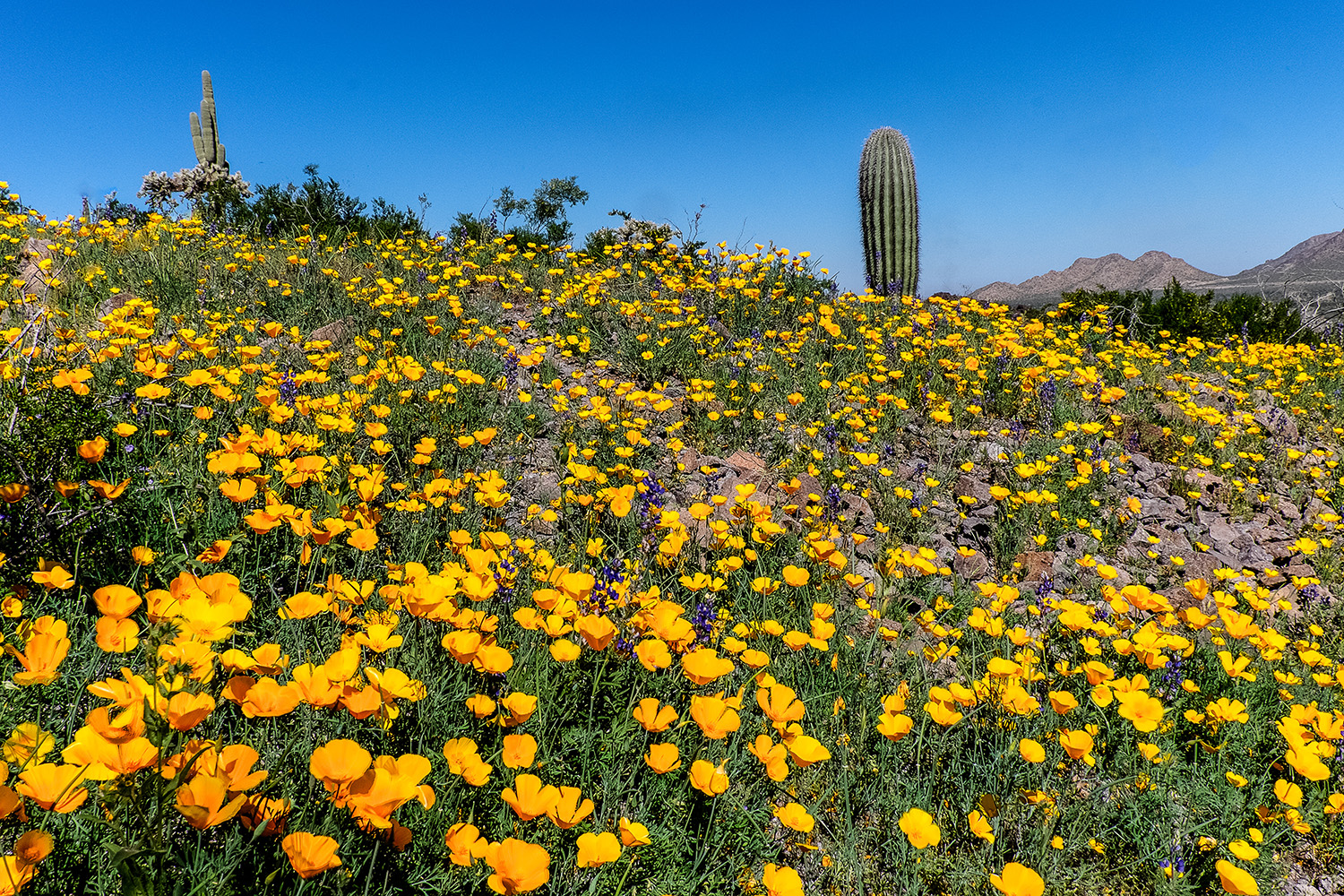
Each golden cup closes at night and on cloudy days, then opens again once warm sunshine returns. I love watching a whole slope of them wake up together around mid morning, like a slow sunrise.
Botanists call it Eschscholzia californica subspecies mexicana, a close desert cousin of the famous orange California poppy. Seeds sown in October or November usually sprout with winter rain and bloom from late February into April.
You simply scatter seed over loose, weed-free soil, then rake it lightly so birds cannot find it all. Keep the surface damp for a couple of weeks if rain is slow to show up in your area.
Native bees visit the open flowers for pollen, and Gambel’s quail often peck at fallen seeds later in spring. Once plants finish blooming, leave a few to ripen seed so next winter’s patch plants itself for you.
Mexican gold poppy is an annual, so it fades as heat builds and you head home in April. That tidy exit makes it ideal for snowbirds who want a big show without summer chores.
Mix seed with a little sand before sowing, because the tiny grains scatter more evenly that way. Personally, I sow mine beside the driveway, where neighbors stop and ask about the golden carpet every March.
2. Desert Marigold
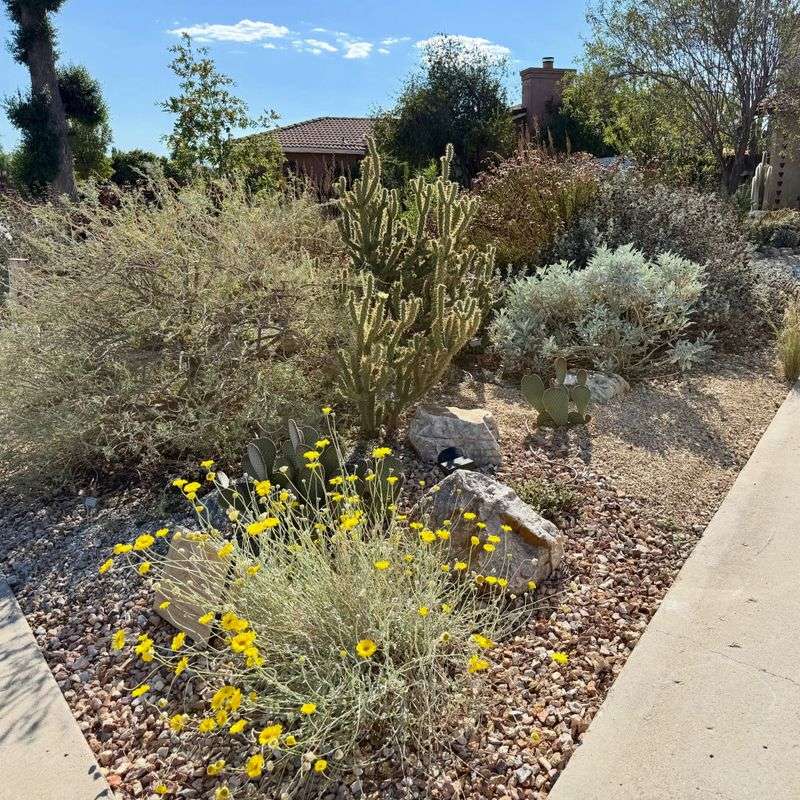
Few flowers keep working as hard as this one, which can bloom off and on for most of the year. The bright yellow daisies sit on long stems above soft, woolly leaves that look frosted with silver.
Desert marigold is a short-lived native perennial, usually forming a neat mound about a foot tall and wide. Spring brings the heaviest flush, but mild winters often keep a few cheerful blooms coming for snowbirds.
Plant nursery starts in October or November, giving roots several cool months to settle before summer heat. Fast-draining sandy or gravelly soil suits it best, while rich soil and frequent watering shorten its life.
I like how freely it reseeds, filling gaps between rocks without any planning from me at all. You can pull extra seedlings easily, or share them with friends who admire your sunny yellow border.
Native bees and butterflies visit the flowers, and finches often pick at the seed heads later on. Keep it away from livestock pastures, since the plant is known to be toxic to grazing sheep.
Trim faded stems now and then if you want a tidier look, though birds appreciate any seeds left behind. Once established, a deep drink every few weeks in dry spells keeps it blooming and happy.
3. Brittlebush
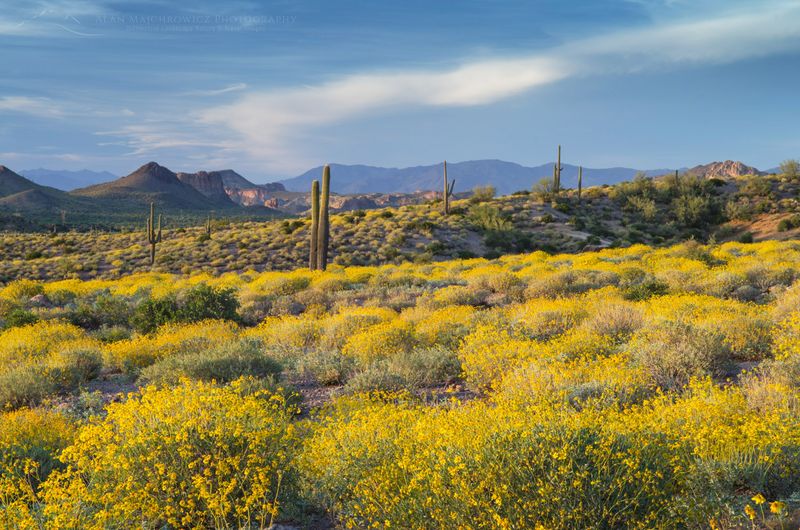
Those silvery leaves are covered in tiny hairs that reflect sunlight, helping the plant stay cooler in harsh heat. Come late winter, the whole mound erupts in yellow daisies held high on stems above the foliage.
Brittlebush earns its name from stems that snap easily, though the shrub itself is remarkably tough. It grows quickly to about three feet tall, often filling an empty corner within a single season.
Indigenous peoples and early Spanish missionaries used its fragrant resin, with the missionaries burning it as incense. I find that bit of history makes the plant feel even more at home beside a desert patio.
Blooms usually peak from February through April in the low desert, which lines up beautifully with snowbird season. Native bees and butterflies work the flowers, while seed-eating birds like finches visit once petals drop.
Plant it this fall in full sun and lean, well-drained soil, then water regularly until roots establish. After that, extra water and fertilizer can make it floppy, so a light hand works best here.
Prune it back by about a third after spring flowering to keep the mound dense and tidy. Too much summer irrigation shortens its life, so let nature handle most of the job.
4. Parry’s Penstemon
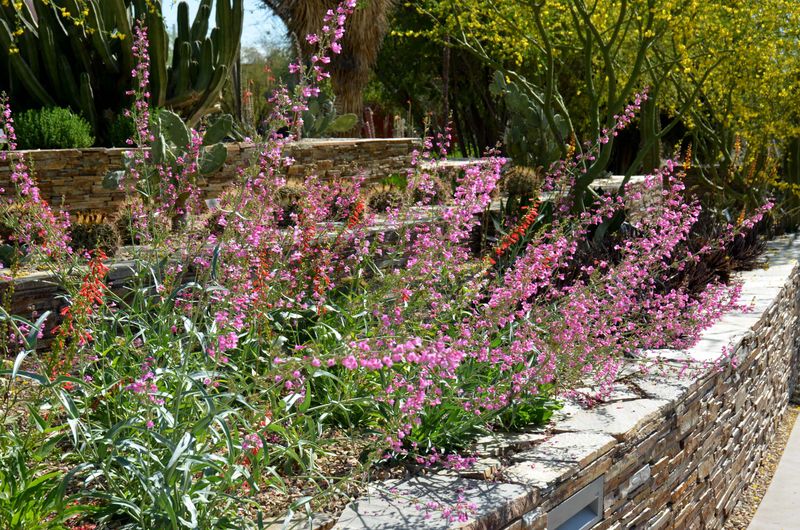
Hummingbirds seem to have a calendar alert for this plant, arriving the moment its pink trumpets open. Tall spikes rise from a low green rosette, swaying above the ground like rosy fireworks in the breeze.
Parry’s penstemon, Penstemon parryi, is native to southern Arizona and northern Mexico, growing wild on rocky slopes. In gardens, it usually blooms from late February into April, peaking right before many snowbirds pack up.
October and November are great months to plant nursery starts or scatter seed onto lean, gravelly soil. Skip compost and rich amendments, because this native prefers poor ground with excellent drainage over pampering.
Bees bump through the flowers, too, and I love watching them squeeze inside the narrow tubes. Each plant is fairly short-lived, often lasting just a few years, yet it reseeds generously when happy.
Let some spikes dry and drop seed before cutting them, so young rosettes keep the display going. Water every week or two through winter if rains are scarce, then taper off as summer approaches.
You might notice seedlings popping up in odd places, like gravel paths or cracks along the driveway. Personally, I let most of them stay, since those surprise spots often produce the healthiest plants.
5. Fairy Duster
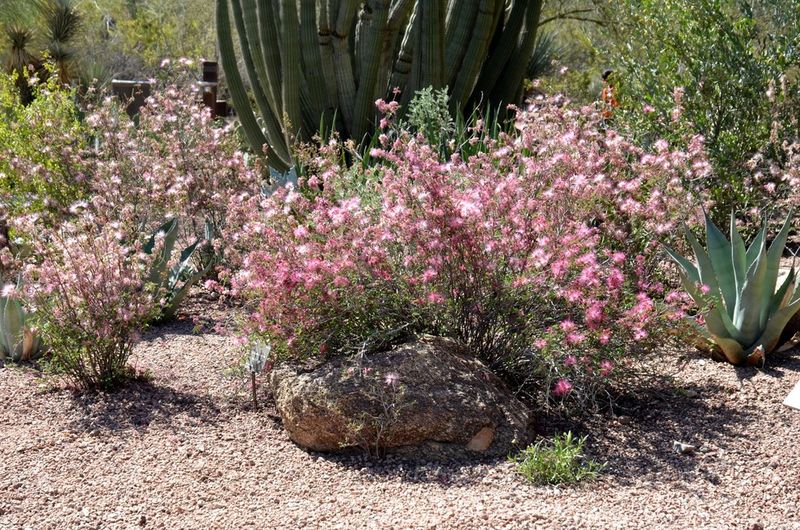
Those fluffy pink puffs are not petals at all but clusters of long, silky stamens. Each bloom looks like a tiny pompom, and the whole shrub glows softly when morning light hits it.
Fairy duster, Calliandra eriophylla, is a low native shrub that typically reaches one to three feet tall. Flowering peaks from February through April, though scattered blooms sometimes appear again after summer rains arrive.
Hummingbirds and butterflies sip from the flowers, while quail and other birds eat the seeds later. I like planting it near a window, because the hummingbird traffic becomes free entertainment during breakfast.
Give it full sun or light afternoon shade and soil that drains quickly after a heavy rain. Once established, it needs only occasional deep watering, and it may drop leaves during long dry spells.
That leaf drop is a survival trick, not a warning sign, and new growth returns with moisture. Light frost can nip the tips, but the shrub usually bounces back quickly as weather warms.
October is a lovely month to plant, giving roots a cool season to spread before blooms begin. Avoid shearing it into tight balls, since a natural, airy shape shows off the flowers far better.
6. Chuparosa
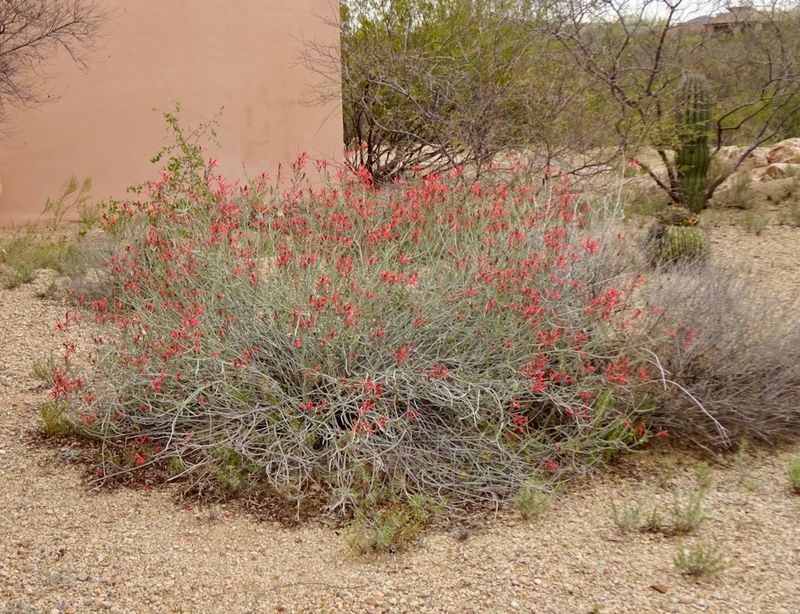
The name chuparosa comes from Spanish and roughly means hummingbird, which tells you who visits most. From late winter into spring, red tubular flowers cover its gray-green stems like little lanterns.
This native shrub often looks almost leafless, because its green stems handle much of the photosynthesis. It usually grows three to five feet tall, forming a loose, sprawling mound that suits informal desert yards.
Hummingbirds defend patches fiercely, and I have watched two males chase each other around one shrub all morning. Orioles sometimes sip from the flowers, too, and many gardeners say the blooms taste faintly like cucumber.
Plant it this fall in full sun, especially against a south or west wall that holds warmth. Chuparosa can be damaged when temperatures drop much below the upper twenties, so warm spots help a lot.
Water deeply every week or two while it establishes, then cut back to occasional soaks during dry stretches. Mature plants handle summer heat well, especially with a drip line set on a timer while you travel.
A light trim after spring flowering keeps it from getting leggy, though heavy shearing reduces next year’s blooms. Personally, I can’t imagine a winter garden without this hummingbird magnet by the front walk.
7. Desert Globemallow
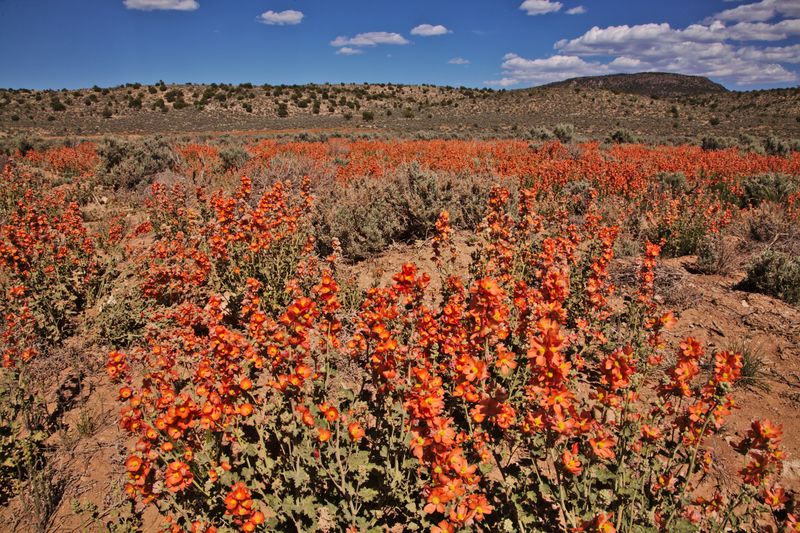
Spanish speakers sometimes call this plant mal de ojo, because its fuzzy leaf hairs can irritate eyes. Wear gloves when handling it, and you can enjoy the glowing apricot-orange flowers without any trouble.
Desert globemallow is a tough native perennial that usually grows two to three feet tall and wide. Orange flowers are most common, though growers also offer pink and lavender selections for variety.
Specialist bees called globemallow bees depend on these flowers, so your plant feeds a very particular pollinator. You might notice them curled inside the cups on cool mornings, waiting for the sun to warm up.
Plant in fall in full sun and lean, well-drained soil, where it often establishes with little help. Too much water makes it leggy and short-lived, so let the soil dry between deep drinks.
I cut mine back hard after spring flowering, which encourages fresh growth and a fuller shape later. It also reseeds readily, so expect a few volunteers popping up around rocks and along nearby paths.
Rabbits sometimes nibble young plants, so a simple wire cage for the first season can help a lot. After that, the mature mound mostly holds its own against hungry visitors and the summer sun.
8. Rosemary
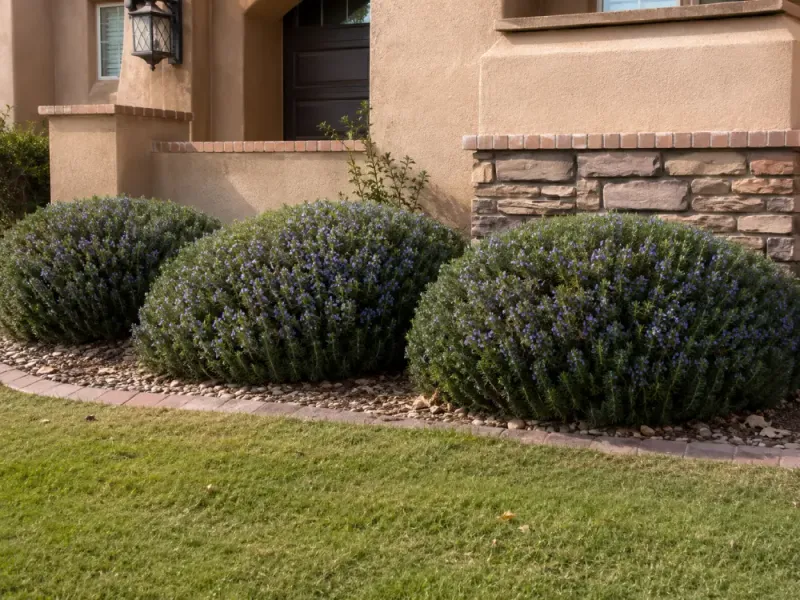
Brush past this shrub on a cool morning, and a piney fragrance follows you right into the house. Small blue flowers appear through winter and spring, giving honeybees something to work on when little else blooms.
Botanists moved rosemary into the sage genus in 2017, so its official name is now Salvia rosmarinus. Native to the dry Mediterranean coast, it feels right at home in hot, sunny desert yards.
Rosemary is not native here, but it is not considered invasive and uses little water once established. I believe it earns its spot for snowbirds because you can snip fresh sprigs for dinner every week.
Plant it in October or November in full sun and gritty, fast-draining soil without added compost. Soggy roots are its main weakness, so water deeply and then let the soil dry out between drinks.
Trailing types spill nicely over walls, while upright forms make a fragrant low hedge near the patio. Many gardeners believe the scent discourages some insects, though research on rosemary as a repellent remains limited.
Before heading north in spring, give plants a light trim and set a drip timer for summer. You’re in for a big surprise next fall when you return to a bigger, bushier, sweeter-smelling shrub.