Skip The Pruning And Give Your Crape Myrtle This In November Instead
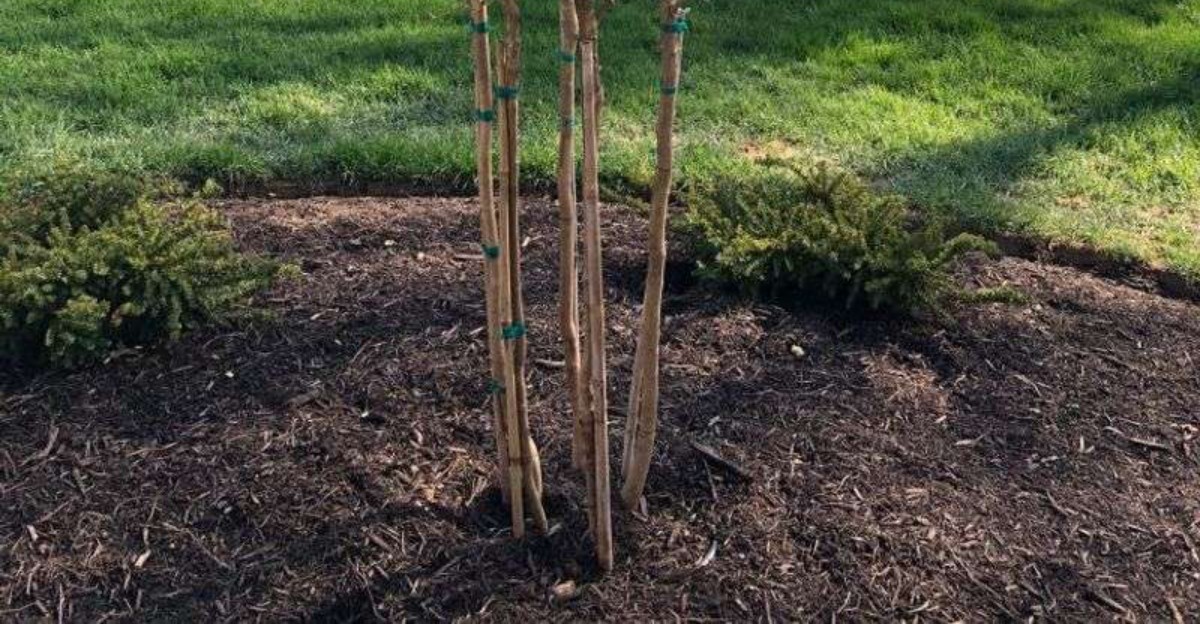
Southern gardeners gave one popular tree’s worst haircut a crime-scene nickname. Extension experts even use the term with a perfectly straight face.
Every November, I spot folks on ladders with loppers, chopping trunks down to knobby stubs. Guilty as charged, I tried it once myself. The tree survived, but it sulked with floppy, weak branches the next summer.
Truth is, November is a strange time to cut anything off this tree. Its smooth, peeling bark and seed pods are just starting their winter show. Cold weather can also hit fresh cuts harder than most people expect.
Instead, what should you do with those restless pruning hands right now, before the first hard freeze? A few simple chores, done this month, can protect the roots, feed the birds, and set up bigger summer blooms. Would you believe it starts with a bag of shredded bark?
Those November Loppers Can Leave Your Crape Myrtle Exposed To Cold
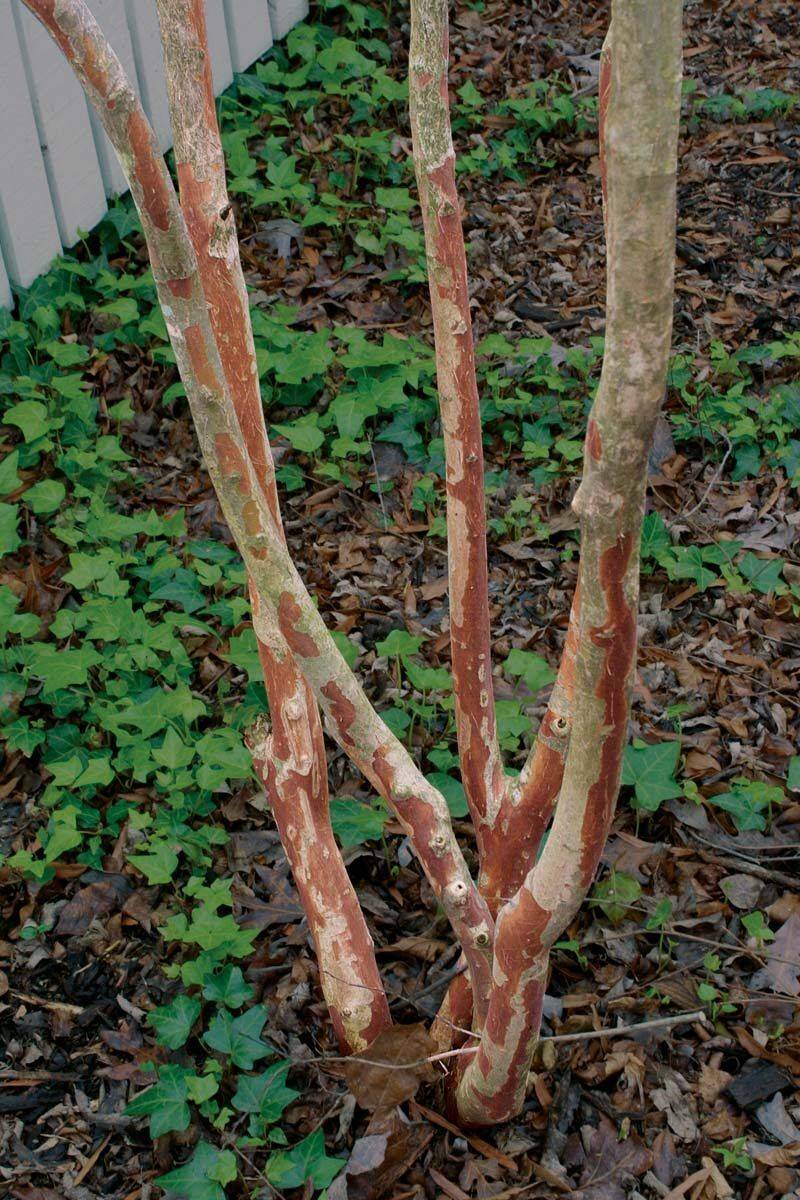
Crape myrtles bloom on new wood, which surprises a lot of people. That means every flower you enjoy next July grows on branches the tree has not even made yet. So cutting in November gives you zero extra blooms.
Fall pruning can actually cause problems. Southern extension services generally advise waiting until late winter, partly because autumn cuts can nudge buds into growth during a warm spell. Those soft new shoots have no time to toughen before the next freeze rolls in.
When cold air hits that tender growth, the damage can creep back into older stems. You might see split bark, browned twigs, or branches that refuse to leaf out in spring. Gardeners in zone 7, where winter can swing from mild to frigid in a single week, see this most often.
Open wounds also stay raw longer in cool weather. The tree heals slowly once it slows down for winter, so fresh cuts sit exposed for months.
My advice is simple. Put the loppers back on the hook and let your tree rest with every branch in place. Leaving the limbs and seed heads in place costs you nothing, and it avoids the cold-damage risk of fresh cuts.
A Thick Ring Of Bark Mulch Is What Your Crape Myrtle Really Wants
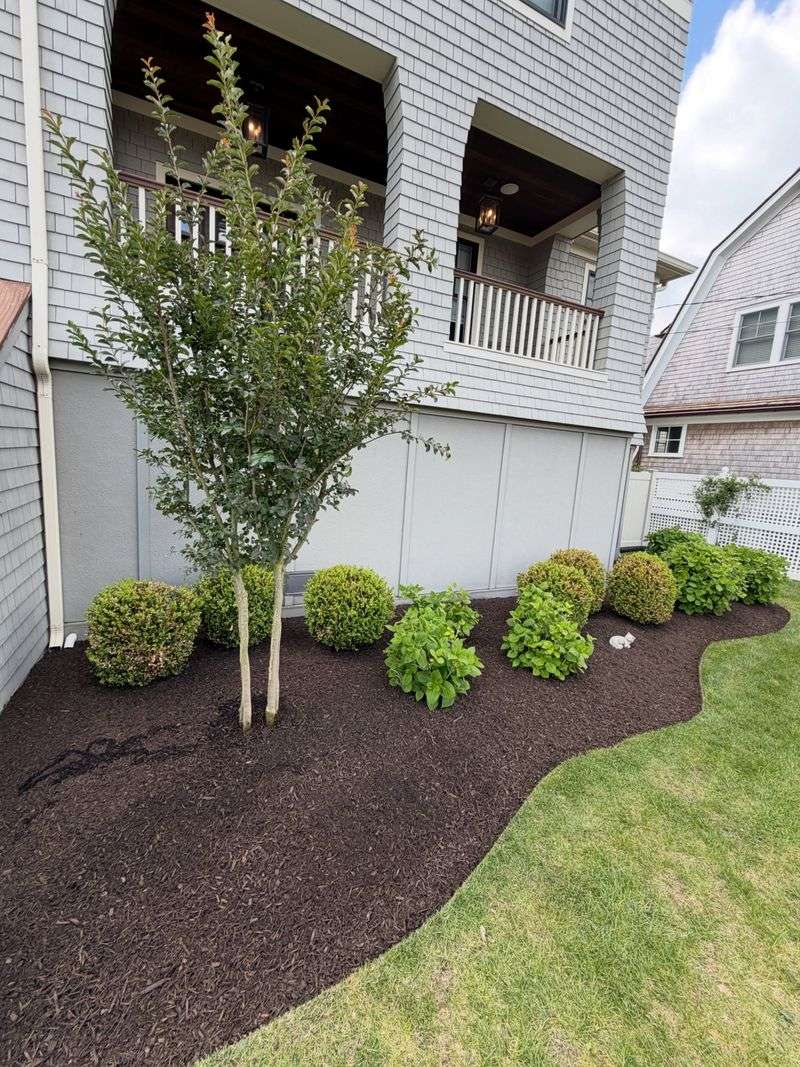
Honestly, a wheelbarrow of mulch might be the best gift your crape myrtle gets all year. It is cheap, quick, and it works while you sit inside with hot cocoa.
Most extension guides recommend a layer about 2 to 3 inches deep. Pine straw, shredded hardwood, or pine bark nuggets all do the job. Spread it in a wide circle, ideally out toward the tips of the branches, since crape myrtle roots reach far beyond the trunk.
That blanket keeps soil temperatures steadier through winter. Roots dislike rapid freeze-and-thaw cycles, which can heave the soil and stress young plants. Mulch also holds moisture and smothers cool-season weeds like henbit and chickweed before they take over.
Watch out for one classic mistake. Piling mulch high against the trunk, often called a mulch volcano, traps moisture against the bark and invites rot, insects, and rodents that like to nibble.
Keep a gap of a few inches around the base so the trunk can breathe. Rake the old layer first, then top it off instead of stacking a fresh foot of material each year. By spring, it will have started breaking down and feeding the soil life underneath.
Give Crape Myrtle Roots A Deep Drink Before The Ground Gets Cold
Fall droughts sneak up on the South more than people realize. Cooler air makes the yard feel damp, yet the soil a foot down can be bone dry by November.
Established crape myrtles handle dry spells well once their roots settle in, usually after a couple of seasons. Newly planted trees are a different story. Anything planted in the last year or two still relies on you for steady moisture.
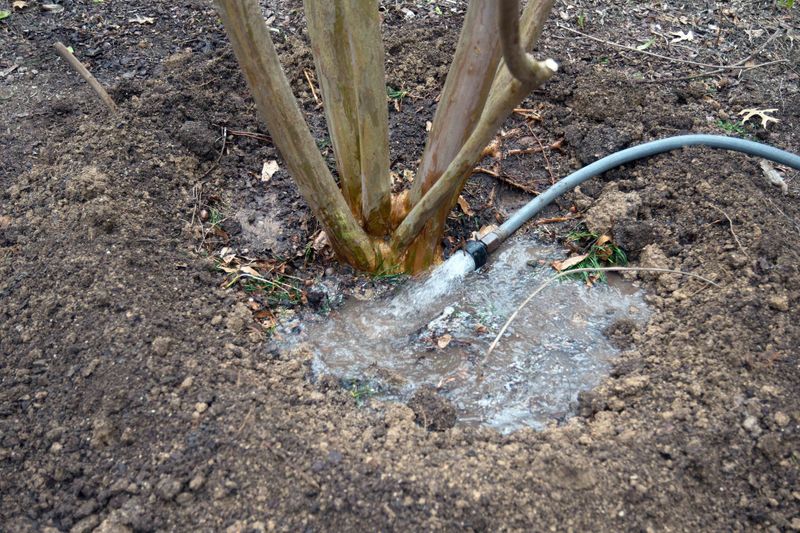
If you have gone two or three weeks without a good soaking rain, give the roots a deep, slow drink. A soaker hose or a garden hose trickling slowly at the base works well. The goal is moisture reaching 8 to 12 inches down, not a quick splash on the surface.
Moist soil holds heat better than dry soil, which helps roots handle a sudden cold snap. Plants heading into winter thirsty often show more twig damage come spring.
Skip the daily sprinkler routine, though. Soggy, poorly drained ground can cause root trouble in cold weather. Water deeply, then let the top few inches dry before you water again. Pick mild mornings so the water soaks in before a nighttime freeze.
Put The Fertilizer Bag Away Until Crape Myrtle Buds Swell In Spring
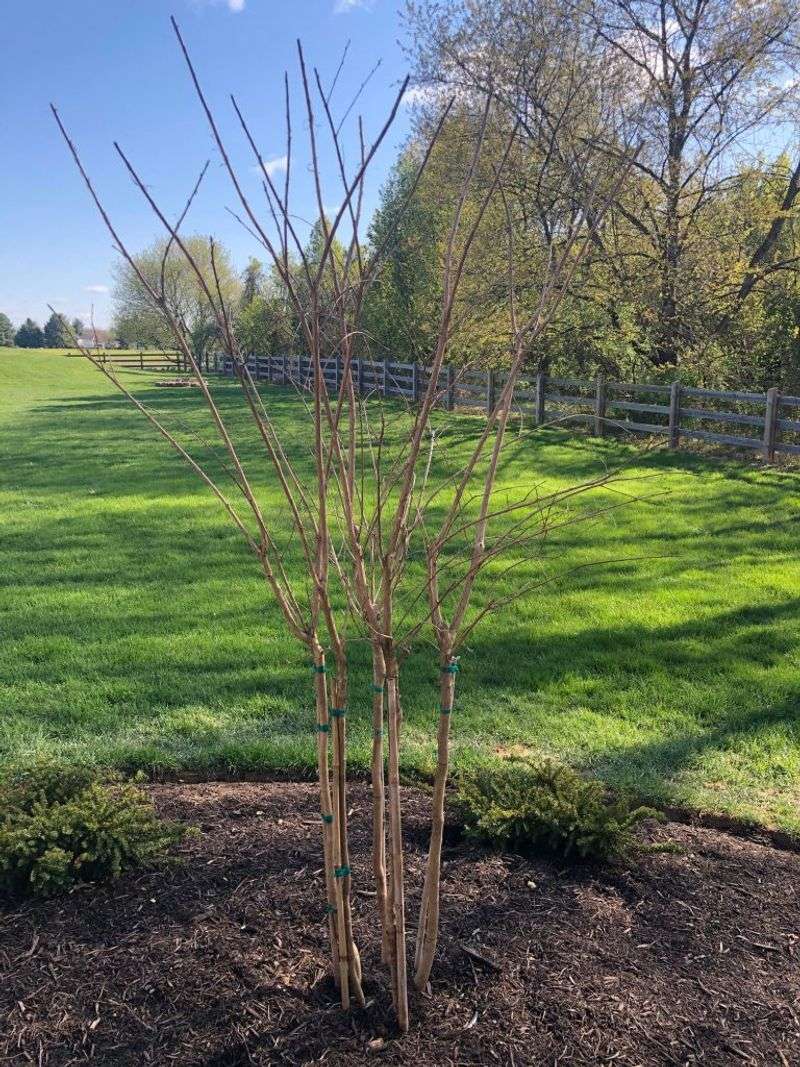
Tempting as it is to feed a tree before winter, a November dose of fertilizer sends the wrong message. Nitrogen tells a plant to grow, and growth is the last thing a crape myrtle needs right now.
Extra nitrogen late in the year can push out soft shoots that frost easily nips. It may also delay the tree’s natural slide into dormancy. Most extension specialists suggest wrapping up feeding by late summer.
Spring is the right moment. Once you see buds swelling, usually March or April depending on where you live, scatter a light, balanced, slow-release fertilizer around the root zone. Many crape myrtles need very little, especially if they grow near a fertilized lawn.
Overfeeding at any time of year can backfire too. Heavy nitrogen tends to produce lots of leafy growth and fewer flowers, which defeats the whole point of planting this summer showoff.
Not sure what your soil needs? A soil test through your local county extension office usually costs only a small fee. November is a fine time to collect a sample, since results will arrive well before spring feeding time. That way you buy only what the tree actually lacks.
Young Or Potted Crape Myrtles Appreciate A Burlap Wrap On Frigid Nights
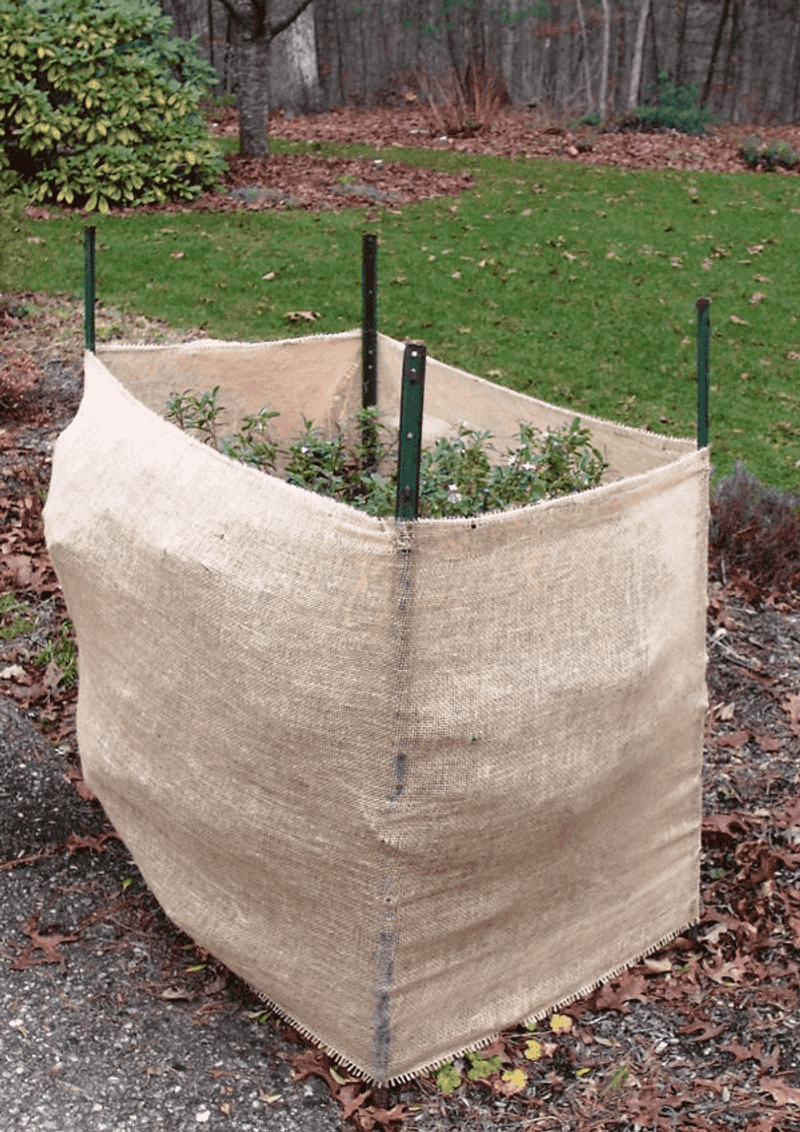
Crape myrtles are mostly happy in USDA zones 7 through 9, with some tough varieties pushing into zone 6. Gardeners at those chilly edges, or anyone with a brand-new tree, have good reason to plan ahead this month.
Young trees with thin bark are the most likely to crack during hard freezes. When forecasts call for temperatures in the teens or lower, drape a frost cloth or burlap over small plants, letting it reach the ground to trap soil warmth. Remove it once temperatures climb back up so the plant does not overheat on sunny days.
Skip plastic sheeting. It touches the leaves and stems, transfers cold right through, and can cook the plant when the sun comes out.
Potted crape myrtles face a tougher winter because their roots sit above ground. Pots can freeze solid much faster than garden soil. Slide containers into an unheated garage, shed, or against a sheltered wall, and water lightly about once a month.
In zone 6, some gardeners find their crape myrtles freeze back to the ground in harsh winters. Many regrow from the roots and still bloom, since flowers form on new stems. A heavier mulch layer over the root zone improves those odds.
Those Crape Myrtle Seed Pods Are A Winter Snack For Finches
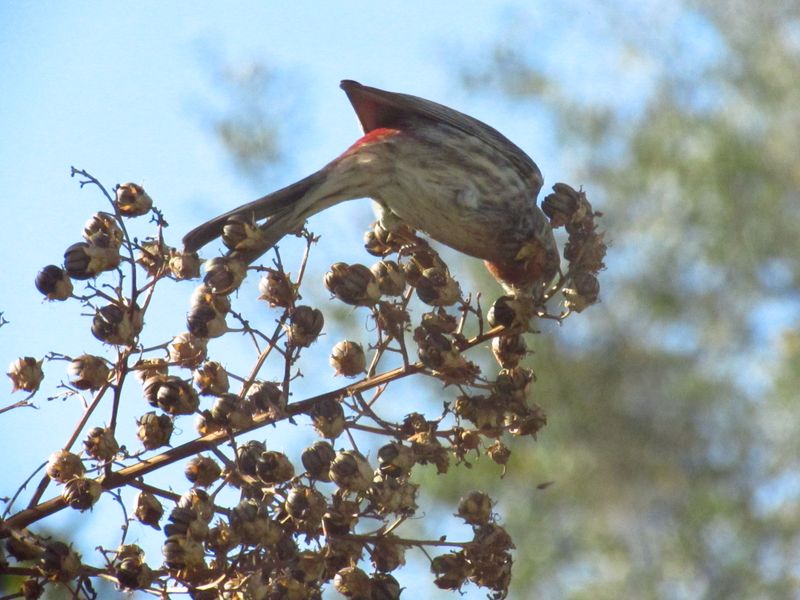
Bird watchers, this one is for you. Those round, brown seed capsules dangling from your crape myrtle are more than leftover decorations.
As the capsules dry and split open, they release small winged seeds. Small seed-eating birds, such as finches, may pick through them on cold mornings. Leaving the pods in place turns your tree into a little winter feeding station with no birdseed bill.
The show does not stop there. Many crape myrtles, especially Natchez and other varieties with Lagerstroemia fauriei in their family tree, have smooth, peeling bark in shades of cinnamon, tan, and gray. Winter is when that bark really shines because the leaves are gone.
I’m a sucker for a frosty morning when the sun hits those trunks. They almost look polished. A heavy chop in November hides that beauty for years by forcing a cluster of skinny sprouts.
Your crape myrtle also works as shelter. Small birds tuck into the branches to escape wind and hawks, and a whole canopy gives them a safe perch close to your feeders. If the seed heads bother you, snip them off in late winter after the birds have had their fill, which lines up nicely with proper pruning time.
Chopped Crape Myrtle Trunks Grow Back Weaker Than You’d Hope
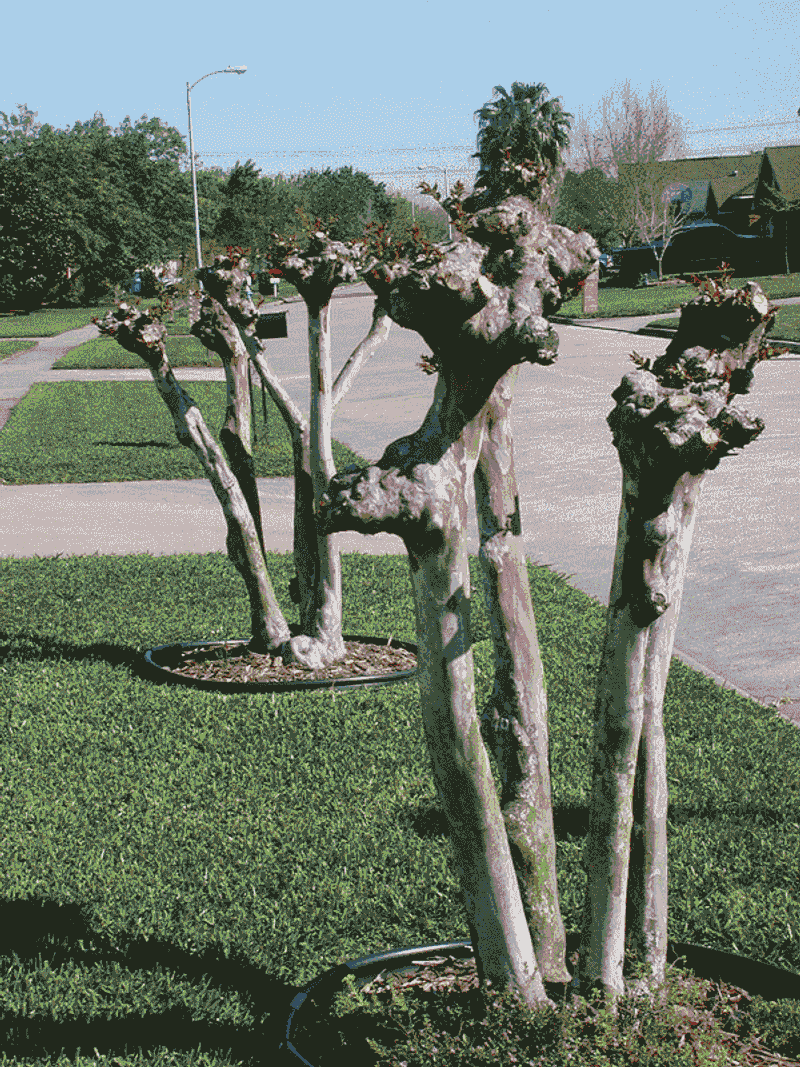
Southern Living garden writer Steve Bender popularized the phrase crape murder years ago, and it stuck for good reason. Topping these trees into thick, flat stumps is one of the most common landscaping mistakes across the South.
After a heavy chop, the tree responds by pushing out a bunch of long, thin shoots right below each cut. Those whippy stems often bend or flop under the weight of summer flowers, especially after rain.
Repeated topping also creates swollen knuckles at the cut points. Over time, those knobs can collect moisture and become entry points for decay. The tree spends extra energy replacing lost wood instead of building strong roots.
Extension experience suggests topping does not produce more flowers overall. You might get larger flower clusters on those floppy shoots, but the graceful vase shape disappears.
If your tree is too tall for its spot, a smaller variety may be the better long-term answer. Crape myrtles range from dwarf types under 3 feet to trees topping 25 feet. Checking the mature size on the tag before planting saves years of struggle with the loppers.
Already have knuckles? A certified arborist can help restore a more natural form, usually through two or three years of selective thinning.
Late Winter Is When Your Pruning Shears Finally Get Their Turn
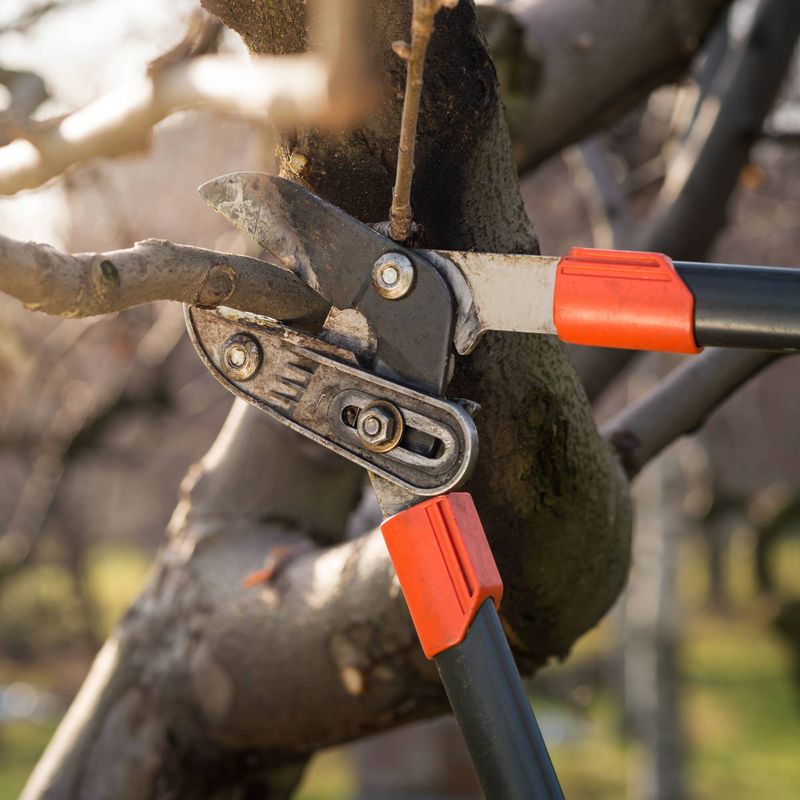
Patience pays off in late February or early March for most of the South. That window, right before buds break, is the sweet spot many extension services recommend for crape myrtle pruning.
Without leaves, the branch structure is easy to see. Start by removing suckers sprouting from the base and any broken, diseased, or crossing limbs. Next, thin out twiggy growth inside the canopy so air and light can move through, which helps reduce powdery mildew.
Make cuts back to a side branch or the trunk, not in the middle of a stem. Clean, sharp bypass pruners handle small twigs, while a pruning saw works for anything thicker than your thumb. Aim to remove only what truly needs to go.
A handy rule is to keep three to five strong main trunks for a tree-form crape myrtle. Lower side branches can be lifted gradually to show off that peeling bark.
So for now, enjoy the quiet season. Spread that mulch, water during dry spells, leave the seed pods for the finches, and mark your calendar for late winter. Your crape myrtle will thank you with sturdy branches and a full summer of color.