What to Do With Fireplace Ash in the Garden and When to Skip It
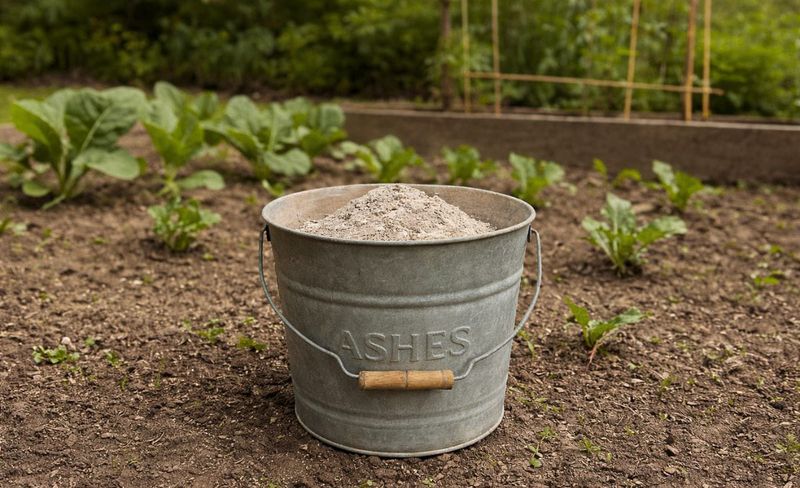
A bucket of hardwood ash can carry roughly a quarter of its weight in calcium. That gray fluff behaves a lot like the bagged lime sold at garden centers.
I’m not proud of this, but I spent years dumping it behind the shed. Then I learned the same stuff that sweetens sour soil can turn a blueberry patch sulky and pale. Same bucket, two very different outcomes.
You’ve probably wondered about it too. The fire burns all winter, the ash piles up, and somebody online swears it works miracles on tomatoes. Somebody else warns it ruins potatoes.
Both people have a point, which is what makes this so interesting. The difference comes down to your soil, your plants, and what went into the fire. Worth a little digging to find out where your own garden stands.
That Bucket of Wood Ash Is Closer to Garden Lime Than Fertilizer
Most people treat ash like a free fertilizer. Funny thing is, its biggest job in the soil has little to do with feeding plants.
Hardwood ash is rich in calcium, often around 20 to 25 percent by weight. When wood burns, that calcium turns into compounds that act like lime, raising soil pH. University of Wisconsin and Purdue Extension both describe wood ash mainly as a liming material.
It does bring some extras along. Potassium, sometimes called potash, usually lands in the range of 3 to 7 percent, with some samples going higher. You also get small amounts of phosphorus, magnesium, sulfur, and trace minerals like boron, manganese, and zinc.
One big piece is missing, though. Ash contains almost no nitrogen, because nitrogen escapes into the air as the wood burns. Nitrogen fuels leafy green growth, so ash alone will not make your garden lush.
Ash also works fast. Its fine particles react with soil much quicker than ground limestone, which is great when you need a shift and risky when you do not.
So think of that bucket as a soil adjuster first and a light mineral snack second. That mindset makes every other decision easier.
Test Your Soil pH Before a Single Scoop Hits the Beds
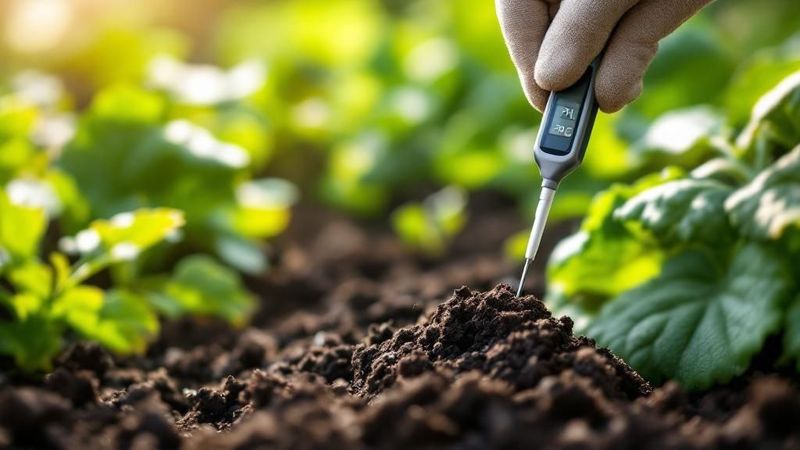
Trust me on this one. A soil test costs less than a bag of potting mix and can save a whole season of frustration.
Wood ash is strongly alkaline, often with a pH between 10 and 12. That means it pushes soil toward the alkaline side quickly. If your soil is already near neutral, around 7.0, or above it, adding ash can make things worse.
High pH causes trouble because it locks up nutrients like iron and manganese. The minerals are still there, but roots cannot grab them easily. Plants then show yellow leaves with green veins and slow, stubby growth.
Most vegetables grow best between about 6.0 and 7.0. If your test reads below 6.0, ash can help bring things up. Acidic soils are common across much of New England, the Southeast, and the Pacific Northwest, while many western and Great Plains soils already run alkaline.
Your local cooperative extension office usually offers affordable lab tests. Those results often include lime recommendations you can match with ash.
Retest every two or three years if you use ash regularly. Soil pH creeps upward over time, and catching it early keeps you in that sweet spot.
Cabbage, Tomatoes, and Beans Welcome a Light Dusting
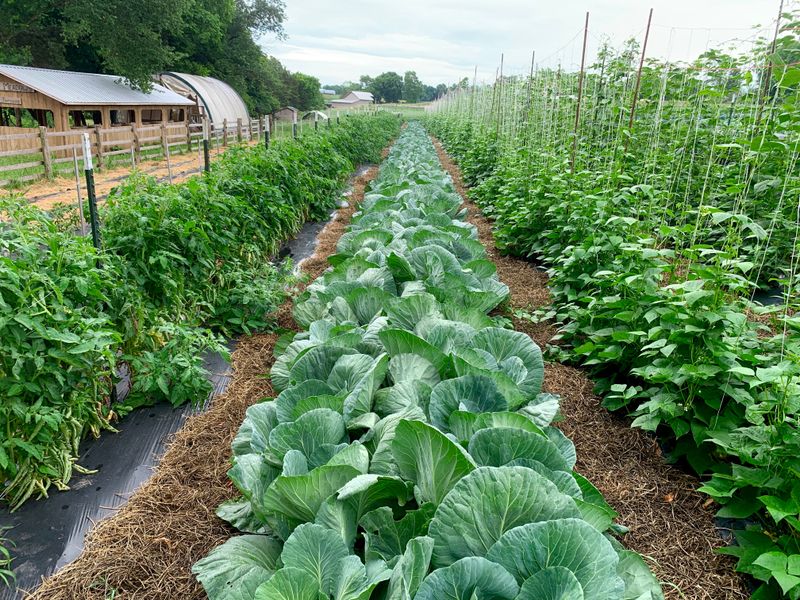
My tomato bed got the first sprinkle of ash I ever used. The plants did fine, but the real win came from fixing acidic soil, not from magic.
In soil below pH 6.0, plenty of crops appreciate what ash brings. Cabbage, broccoli, kale, and Brussels sprouts like a near-neutral range. Beans and peas also respond well when acidity is corrected.
Onions, garlic, asparagus, peppers, and tomatoes can benefit too. The potassium supports strong stems, flowering, and fruit. Calcium helps build healthy cell walls.
You may hear that ash cures blossom end rot on tomatoes. Not quite. That dark patch usually comes from uneven watering, which keeps calcium from moving into the fruit, so steady moisture matters more than extra calcium.
Fruit trees like apples and pears, plus grapes and lawns on acidic soil, can also handle moderate amounts. Spread it around the drip line rather than piling it against trunks.
Keep the dose light even for these fans. A small handful worked into a bed adds benefits, while heavy layers can push pH too high and undo the good work in a single season.
Blueberries, Azaleas, and Potatoes Want Nothing to Do With Ash
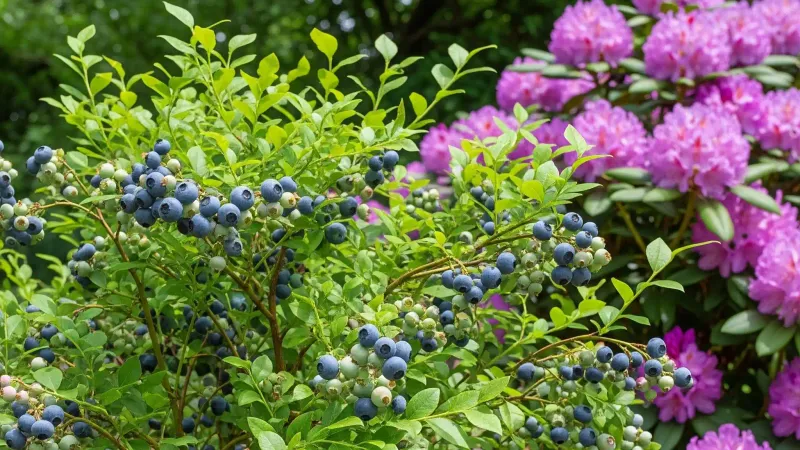
Some plants practically wave a little flag that says no thanks. Ignoring them is the fastest way to see yellow leaves by midsummer.
Blueberries need acidic soil, ideally between pH 4.5 and 5.5. Even modest ash can push them out of that range, leading to pale, iron-starved leaves and smaller harvests. Cranberries feel the same way.
Azaleas, rhododendrons, camellias, mountain laurel, and hollies also prefer acidic ground. Bigleaf hydrangeas tell on you with color. Blue flowers often drift toward pink as soil becomes less acidic.
Potatoes deserve their own warning. Raising soil pH encourages potato scab, a disease that leaves rough, corky patches on the skins. It is caused by soil bacteria that thrive in less acidic conditions, so keep ash well away from the potato patch.
Fresh seedlings are sensitive too. Ash contains salts that can burn tender roots and stems, so let young plants settle in first.
Map your garden before winter ends. Mark the acid lovers and potato rows, then treat those spots as no-ash zones every year.
Only Clean Firewood Ash Belongs in Your Garden Soil
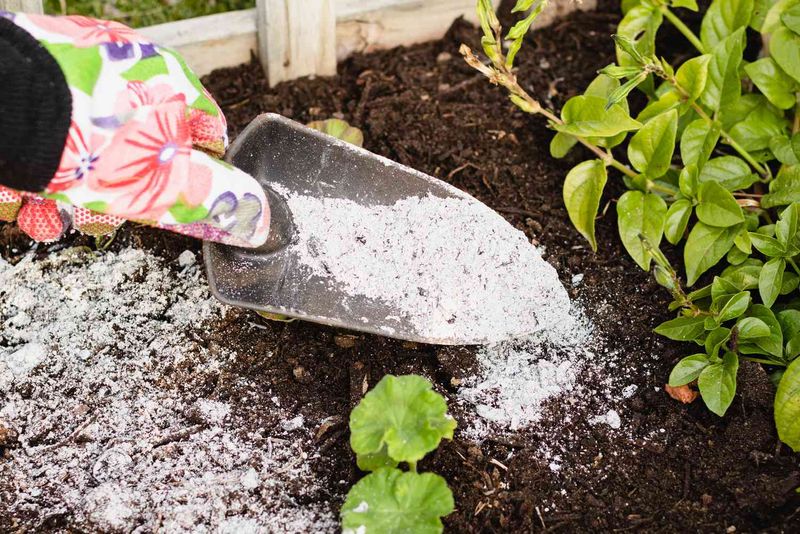
Not all ash is welcome. What went into the fire matters as much as how much you spread.
Stick with ash from plain, untreated wood. Seasoned oak, maple, ash, or cherry work well, and softwoods are fine too, though hardwoods usually yield more nutrients.
Skip ash from pressure-treated lumber, painted boards, stained decking, or old furniture. Older treated wood can contain arsenic and chromium, and old paint may hold lead. Those metals stay in the ash and can build up in soil where you grow food.
Charcoal briquettes are another no. They often contain binders and additives, and some are soaked with lighter fluid. Coal ash is also a poor choice because it can carry heavy metals and sulfur.
Leave out ash from manufactured fire logs, glossy magazines, colored paper, and cardboard with heavy inks or coatings. Their leftovers are not worth the gamble.
An easy habit helps. Keep a separate metal can for clean wood ash only, and send anything questionable to the trash. If you are unsure where a log came from, just skip it.
Raking a Thin Layer of Ash Into Bare Beds Works Best
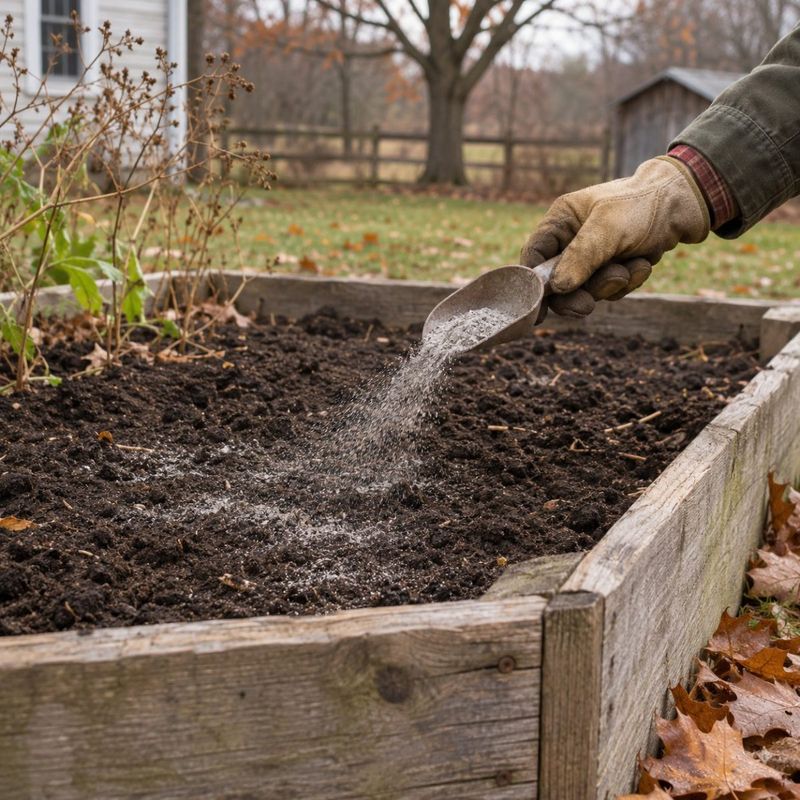
I learned the hard way to check the wind first. One gust and half my ash ended up on my jacket.
Pick a calm, dry day in late winter or early spring, before planting. Fall works too. Spreading on bare beds gives the ash time to react with moist soil before tender roots arrive.
Go light. Many extension services suggest no more than about 10 to 20 pounds per 1,000 square feet each year, or roughly 1 to 2 pounds per 100 square feet. That works out to a few cups per small bed.
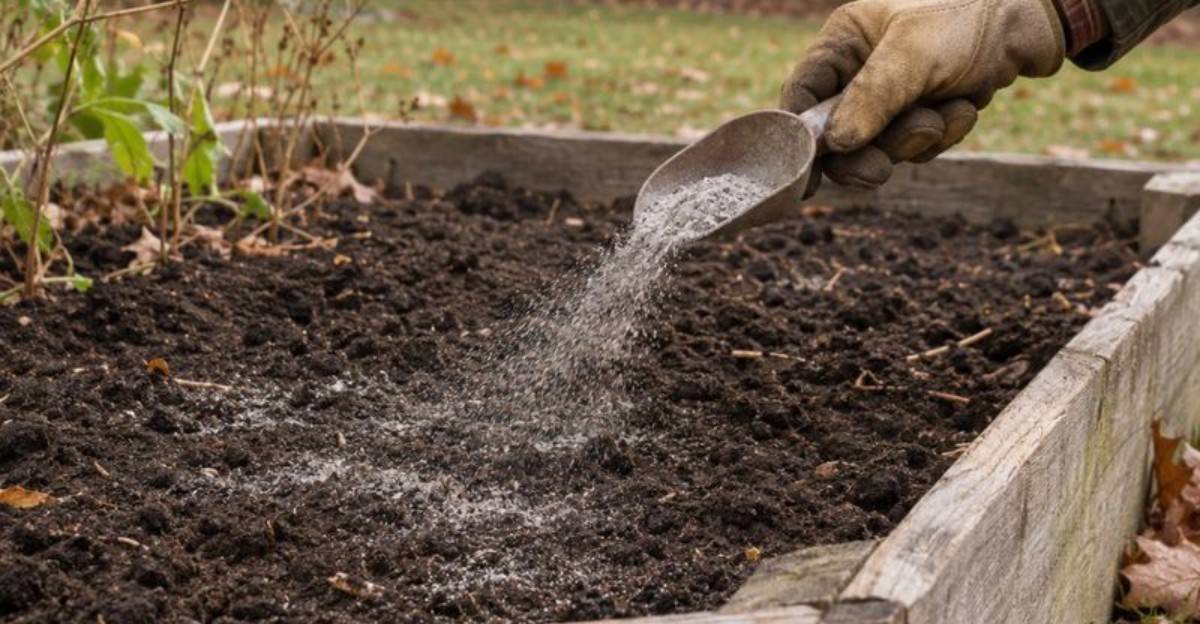
Scatter it evenly rather than dumping piles. Then rake or fork it into the top few inches of soil. Concentrated clumps create hot spots of high pH and salts.
Protect yourself while you work. Fresh ash is caustic, so wear gloves, eye protection, and a dust mask.
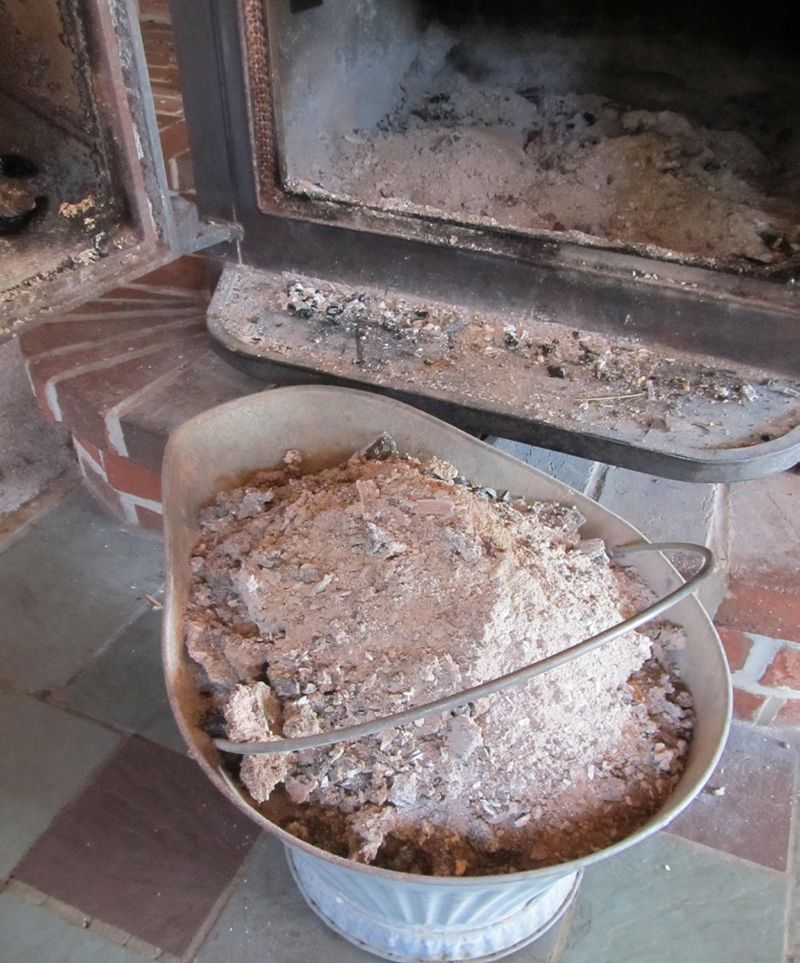
Store cooled ash in a metal can with a tight lid, kept away from the house. Embers can stay hot for days, and wet ash forms lye that irritates skin, so dry storage keeps it safe and useful.
A Sprinkle in the Compost Pile and a Ring Around Hostas Can Help
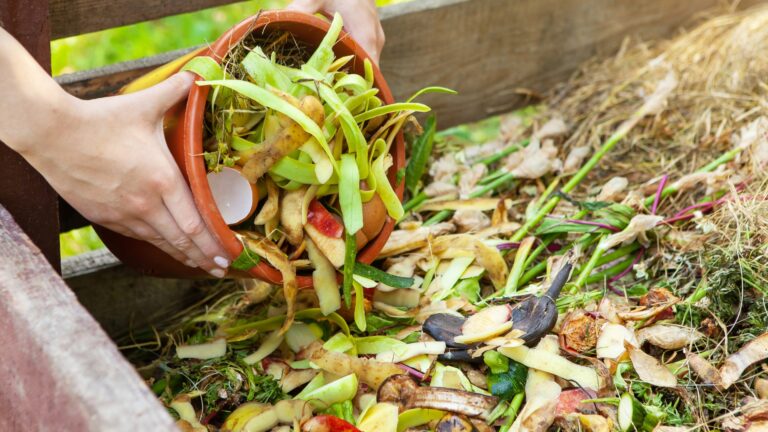
Compost piles can turn a little sour, especially with lots of fruit scraps and fresh greens. A dusting of ash can help balance them.
Add small amounts as you build layers. A cup or two sprinkled over each new few inches of material is plenty. Too much raises pH so high that helpful microbes slow down and nitrogen escapes as ammonia.
Skip the ash if your finished compost is headed for blueberries or azaleas. Mixing alkaline material into their food defeats the purpose.
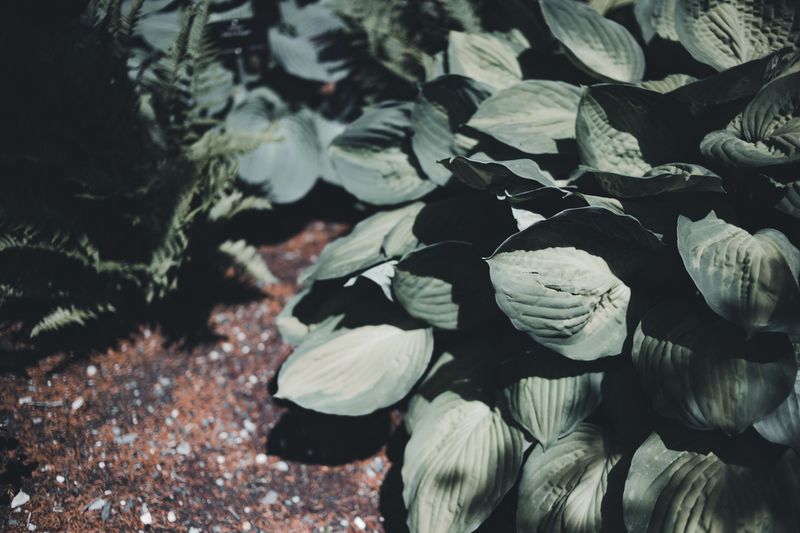
Gardeners also use dry ash as a slug barrier. A thin ring around hostas, lettuce, or strawberries can irritate and dry out those soft-bodied pests. It works only while dry, though, so rain or dew makes it lose effect.
Treat that trick as a short-term helper rather than a solid fix. Reapplying after every shower also adds more alkalinity to the same spot, which can build up quickly.
Beer-free options like boards for trapping slugs or hand-picking at dusk work alongside it. Mixing methods gives better results than relying on any single trick, and it keeps your soil balanced.
Keep Wood Ash Away From Bags of Urea and Ammonium Fertilizer
Here’s a safety tip that surprised me. Ash and certain nitrogen fertilizers make a bad pair.
Fertilizers containing ammonium or urea, such as ammonium sulfate, ammonium nitrate, and urea, react with alkaline ash. That reaction releases ammonia gas. You lose the nitrogen you paid for, and the fumes can irritate your eyes and lungs.
Space the two out. Many experts suggest waiting a few weeks between applications and working each into the soil separately. Store them apart in the shed too.
Since ash lacks nitrogen, your garden still needs a source. Finished compost, aged manure, and cover crops like clover or vetch add nitrogen plus organic matter that improves soil structure.
That combination is really the smart takeaway. Use ash only when a soil test shows acidity, choose clean wood, keep it light, and skip the acid lovers and potatoes.
Leftover ash has other uses if your soil is already neutral. Share it with a neighbor who has acidic ground, or use it for icy walkways away from lawns. Your fireplace and your garden can get along nicely with a little planning.