A Hungry Visitor Is Digging Up Alaska Gardens Before Winter Arrives

Hooves reshaped your cabbage patch sometime after midnight. Something quietly drifts into Alaska gardens each September hunting a final meal before frost arrives. Their appetite spikes hard right when your potatoes swell deep underground for harvest.
Fences you trusted look flimsy against an animal built like a small truck. Branches snap near your fence line just as dusk settles over the quiet yard. Dawn exposes deep craters where your tidy garden rows used to stand proud.
Gardeners across Alaska quickly swap fence designs and share their latest garden losses. Nobody escapes this season without losing something green to a hungry, wandering visitor.
Winter presses closer, and you can slowly sense hungry animals circling your own property. Patience wears thin fast when your entire harvest disappears overnight.
Traps, bright sprays, and tall fences promise protection, yet few guarantee results. Real solutions exist, and you need them before the ground freezes solid.
Who Is Really Behind Those Hoofprints

Those dinner-plate craters are not the work of a bear or a mischievous dog. They belong to moose, the tallest animal wandering through Alaskan neighborhoods, and September is when their appetite goes into overdrive.
A full-grown bull can weigh over 1,200 pounds and can rival a pickup truck in shoulder height. Feeding that frame can take roughly 40 to 60 pounds of plant material a day, depending on the season.
Cows with calves often travel together, which means one visit can turn into three sets of hooves stomping through your rows. Their split hooves sink deep into soft, watered garden soil, leaving those unmistakable teardrop prints.
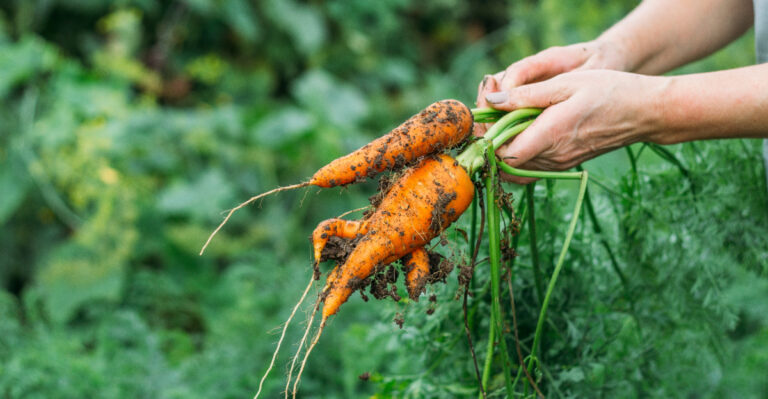
The digging you see is usually a mix of pawing and rooting. Moose will scrape at loose soil to reach carrot tops, potato greens, and anything sweet hiding just below the surface.
They also have a habit of pulling rather than nibbling, since they lack upper front teeth. Plants come out of the ground stem, root, and all, which is why beds look excavated instead of simply grazed.
Fun fact: moose have terrible eyesight but an excellent nose, and they can smell a ripening garden from a surprising distance. Once a moose finds an easy meal, it tends to file the location away and return.
Recognizing the culprit matters because the fix is different from what you would use for rabbits or voles. Knowing you are dealing with a very tall, very determined browser changes how high you build and how you plan next spring.
Why September Turns Gardens Into A Feeding Ground

Timing explains a lot about the sudden garden raids. As days shorten, wild willow and birch leaves toughen up and lose much of their nutrition, while your vegetable beds are at peak tenderness.
Moose spend late summer and fall building fat reserves to carry them through months of deep snow and thin browse. Think of it as packing groceries for a long trip with no stores along the way.
A single moose may need to gain a serious amount of weight before the cold settles in for good. Cabbage, kale, broccoli leaves, peas, and potato tops all offer more calories per bite than a mouthful of dry twigs.
Bulls also enter the rut around this time, which pushes them into unusual territory as they wander and compete. That is part of why gardeners suddenly spot animals in yards they had not visited all summer.
Frost plays a role too. A light freeze sweetens brassicas and root crops, making them even more appealing to an animal with a good nose.
Harvest timing becomes your best tool here. Pulling mature carrots, cabbage, and potatoes a bit earlier than usual takes the temptation off the table.
If you are stretching the season with row covers, check them nightly and weigh down the edges. Loose fabric flapping in the wind can attract curious attention rather than hide your crops.
Watch your neighborhood pattern, since moose often follow the same trails and arrive around dusk and dawn.
Fencing That Actually Gives A Moose Pause

Here is the honest truth about garden fences in moose country: waist-high picket charm will not slow anything down. An adult moose can step over a four-foot barrier without breaking stride.
Height is your first priority. Many Alaska wildlife programs commonly recommend fences around seven to eight feet tall for reliable results, since moose prefer stepping over obstacles rather than jumping them.
Visibility matters just as much as height. A solid wood or opaque fence works better than thin wire, because a moose that cannot see the landing spot usually decides against it.
If solid panels are too costly, try adding fluttering flagging tape, snow fencing, or a second offset wire line. Depth perception is not a moose strength, and a confusing barrier often does the job.
Electric fencing is another route many Alaskan growers swear by. Two or three charged strands at chest and shoulder height teach a quick lesson without harm, and a solar charger handles the power.
Posts need to be sturdy and well set. A curious animal leaning through flimsy fencing can flatten an entire section, so use treated posts sunk deep with good bracing.
Gates are the weak link in most setups. Keep them closed, latched, and the same height as the rest of the run.
For small plots, a simple welded wire cage over a raised bed can protect greens beautifully. Cover the top, since long necks reach farther than you expect.
Plants Moose Tend To Walk Past

Not every plant is equally tempting. Gardeners who have watched moose sample their yards for years notice a clear pattern in what gets left standing.
Strongly scented and fuzzy-leaved plants often go untouched. Lavender, sage, thyme, mint, chives, and yarrow rarely attract more than a sniff.
Daffodils and narcissus are famously unappealing to browsing animals, which makes them a smart bulb choice for fall planting. Iris, poppies, and monkshood also tend to be skipped in many Alaskan yards.
Spruce trees are usually safe, while willow, birch, and aspen are practically dessert. Planting a hedge of the wrong species right next to your vegetable beds is basically hanging a welcome sign.
Among edibles, your best bets for lower interest include onions, garlic, rhubarb leaves, and hot peppers if you grow them in a greenhouse. Potatoes and brassicas, meanwhile, remain crowd favorites.
Keep in mind that a hungry animal in a hard winter will test almost anything. Plant preference is a helpful layer of defense, not a guarantee.
A practical approach is zoning your yard. Put the irresistible crops closest to the house inside solid fencing, and use the aromatic, less appealing plants as a buffer along the outer edges.
Ask neighbors what has survived in their yards, since local browsing habits vary from valley to valley. Nothing beats hyperlocal experience when you are choosing next season’s seed order.
Smart Scare Tactics And Smelly Deterrents

Some gardeners in Anchorage and the Mat-Su swear by a motion-activated sprinkler, and there is good reason. A sudden burst of water is startling enough to send a browsing moose off to easier pickings.
Rotate your tactics, though. Animals get used to a single trick faster than you would like, so switching between water, sound, and light keeps the surprise fresh.
Scent repellents can help on ornamental shrubs and young trees. Products based on capsaicin, garlic, or bittering agents make leaves taste unpleasant, and reapplying after rain is the part people forget.
Homemade mixes of hot pepper, garlic, and a bit of dish soap work for some growers. Test on a few leaves first so you do not scorch tender foliage.
Motion-triggered lights near the garden gate are worth adding, especially as September evenings darken quickly. Pair them with reflective tape that shifts in the breeze.
Radios tuned to talk stations, set low, sometimes discourage nighttime visits. Keep the volume neighbor-friendly and move the speaker every few nights.
Dogs may bark a warning, but never let one chase. A cornered or annoyed moose is genuinely dangerous, and a pursuing dog can redirect that animal straight toward you.
Above all, give any moose in your yard plenty of room and an easy exit route. Watch from a window, stay calm, and let it wander off on its own schedule.
Getting Beds Buttoned Up Before The Snow

Late-season cleanup does double duty in moose country. A tidy garden gives visiting animals less reason to stop, and it sets you up for an easier spring.
Start with harvest triage. Pull mature root crops, cut cabbage heads, and bring in the last of the peas rather than letting them linger as an open invitation.
Compost piles deserve attention too. Toss vegetable trimmings into an enclosed bin instead of an open heap, since a pile of cabbage leaves is a beacon.
Fallen apples and crabapples are another magnet. Rake them up weekly through September, and consider netting fruit trees if your yard has them.
Wrap the trunks of young trees and shrubs with plastic mesh or burlap before snow arrives. Moose strip bark and snap branches in late winter, and wrapping now saves you grief in March.
Snow depth changes the math on fencing. Two feet of packed snow effectively lowers your fence by two feet, so build with a buffer or plan to shovel along the perimeter.
Mulch beds with straw or leaves, then stake down anything that might blow loose. A quiet, boring garden is a garden that gets walked past.
Jot notes about where tracks appeared and which plants took the hardest hit. Next season you will know exactly where to raise the fence and what to move closer to the porch.