A Lesser-Known Hydrangea Variety That Thrives In Pennsylvania Clay Soil Gardens
Clay soil has a reputation in Pennsylvania, and not always a good one. It holds water longer than expected, dries out slower than you want, and can make planting feel like more work than it should be.
Plenty of gardeners have tried growing hydrangeas in these conditions, only to watch them struggle or fall short of expectations.
What often gets missed is that there is one lesser-known variety that handles this type of soil far better than most. It does not demand constant adjustments or perfect conditions, and once it settles in, it starts to show what it can really do.
That kind of reliability is not something you come across every day with hydrangeas in heavier soil.
When you find a plant that works with your soil instead of against it, everything about gardening starts to feel easier, and this one makes that shift clear pretty quickly.
1. Meet Mountain Hydrangea A Lesser-Known Fit For Pennsylvania Clay Soil
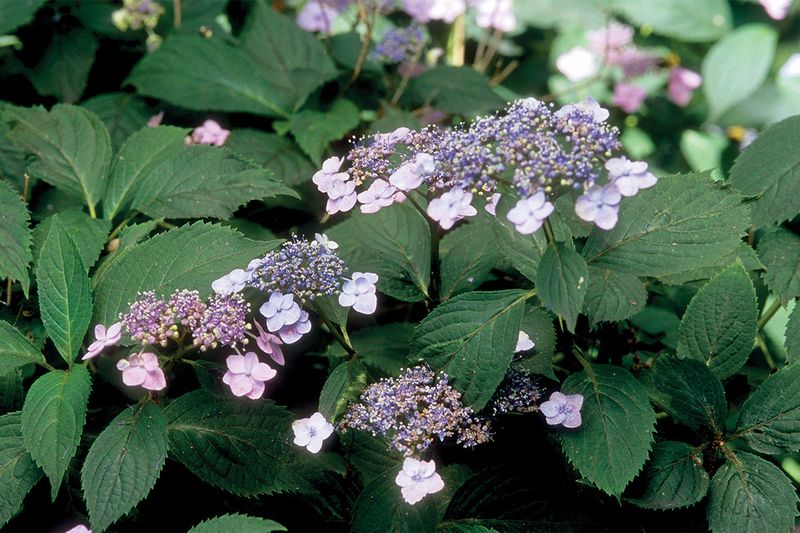
Tucked away in most gardening guides, Mountain Hydrangea (Hydrangea serrata) rarely gets the spotlight it deserves, especially for Pennsylvania homeowners wrestling with stubborn clay soil. Unlike its flashier cousins, this compact shrub quietly thrives where others struggle, making it a standout choice for challenging garden beds across the state.
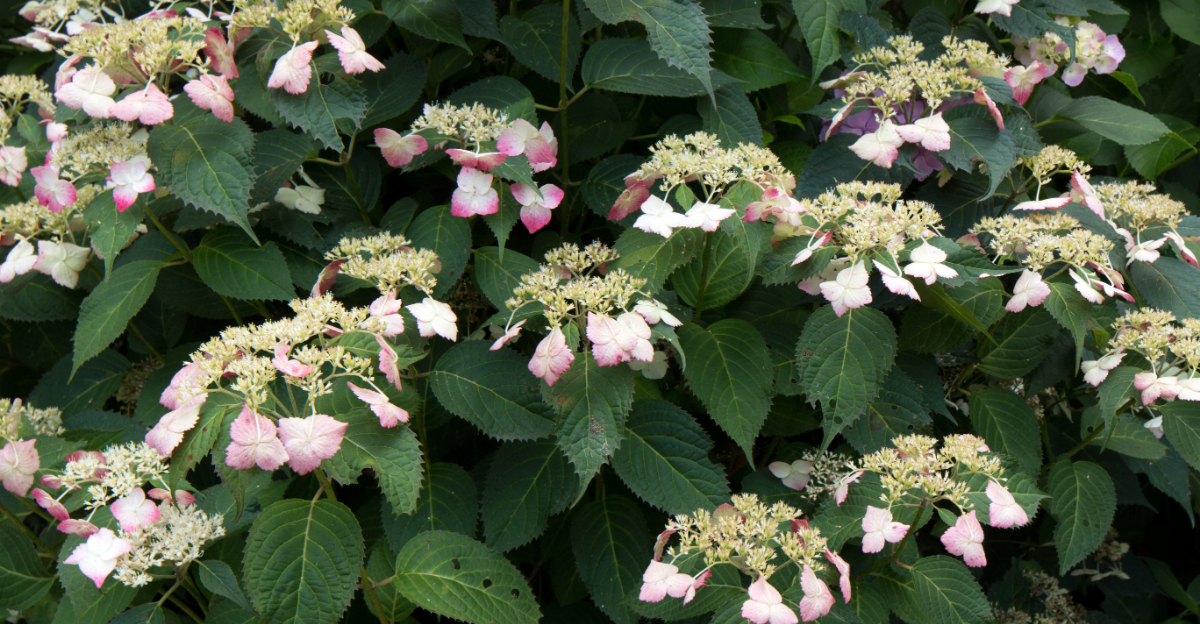
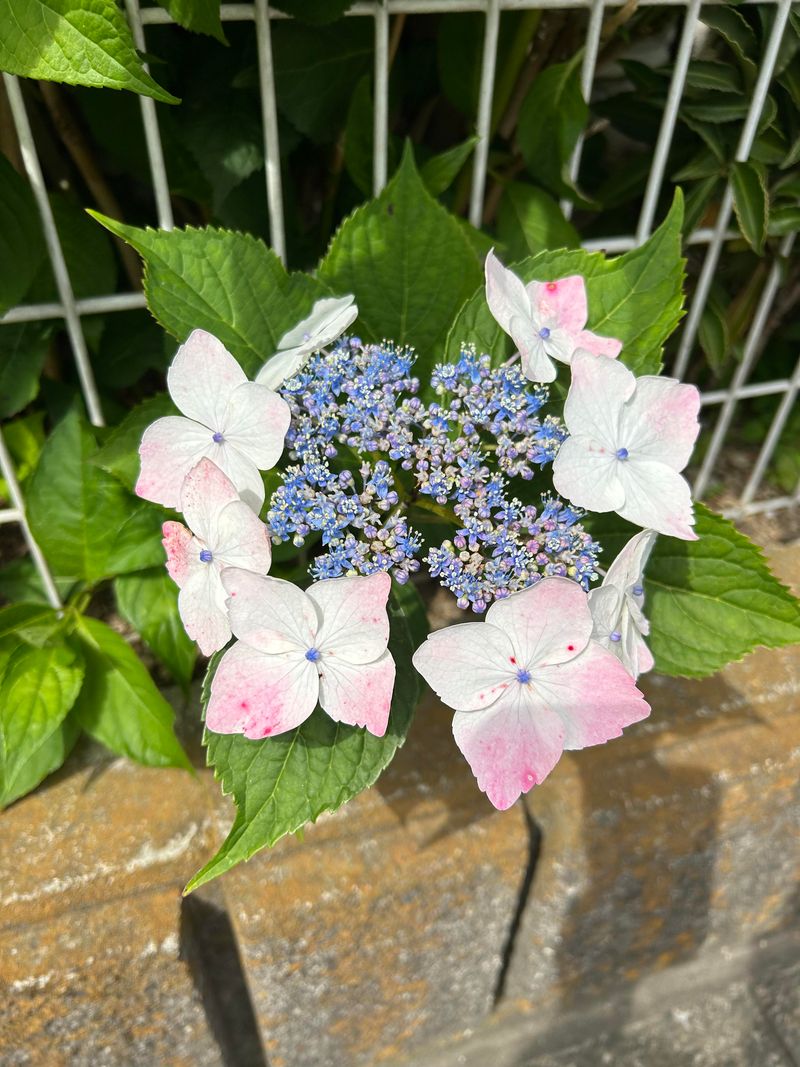
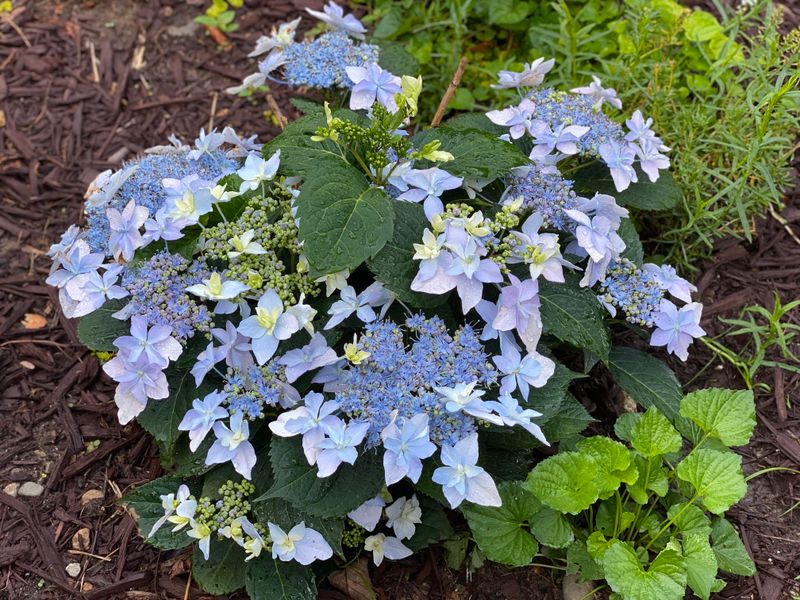
Mountain Hydrangea typically grows between 2 and 3 feet tall, which makes it a manageable size for most yards, borders, and garden paths. Its lacecap flowers bloom in soft shades of light pink and purple during midsummer, adding gentle color without overwhelming the landscape.
The blooms have a delicate, almost vintage look that many gardeners find charming and refreshing compared to the big, round mophead types.
One reason this variety works so well in Pennsylvania is its impressive cold hardiness. It fits comfortably within USDA hardiness zones 5 through 9, covering the entire state with ease.
Clay soil, which holds moisture longer than sandy or loamy ground, can actually benefit this plant when managed correctly. With its mountain origins, Hydrangea serrata is built for cooler temperatures and tougher growing conditions, giving Pennsylvania gardeners a reliable, low-fuss option worth getting to know.
2. Why It Performs Better Than Bigleaf Types In Tough Conditions
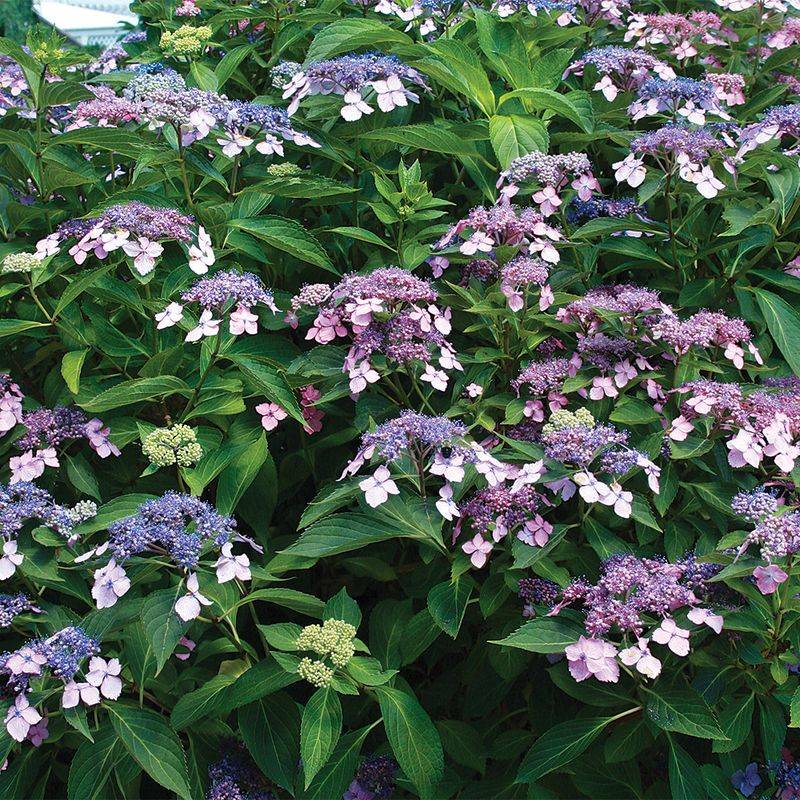
Ask any experienced Pennsylvania gardener about Bigleaf Hydrangea in clay soil, and you will likely hear a frustrated sigh. Bigleaf varieties, while gorgeous, are notoriously fussy.
They demand well-draining soil, suffer in waterlogged ground, and their flower buds are easily damaged by late spring frosts, which are quite common across Pennsylvania.
Mountain Hydrangea handles those same conditions without breaking a sweat. Its root system is naturally more adaptable, tolerating the slower drainage that clay soil creates without rotting or shutting down.
Because it evolved in the mountainous regions of Korea and Japan, where conditions can be unpredictable and challenging, this variety has built-in toughness that Bigleaf types simply cannot match in difficult garden environments.
Another big advantage is bud hardiness. Mountain Hydrangea buds are more resistant to late-season cold snaps, which means Pennsylvania gardeners are far less likely to lose a whole season of blooms to an unexpected frost.
Bigleaf types bloom on old wood and are notoriously vulnerable to late freezes, leaving gardeners disappointed after a long winter. With Mountain Hydrangea, you have a better chance of enjoying consistent blooms each summer, even after a cold Pennsylvania winter.
3. When To Plant Mountain Hydrangea In Pennsylvania For Best Results
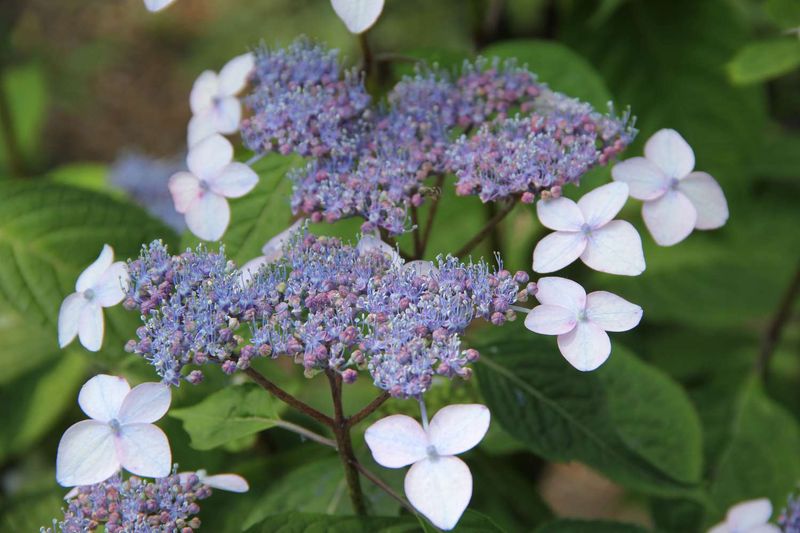
Timing matters more than most people realize when planting shrubs in Pennsylvania clay soil. Clay ground takes longer to warm up in spring and stays wet much longer after rain, so choosing the right planting window gives Mountain Hydrangea the best possible start in life.
Early spring, once the ground has thawed and nighttime temperatures stay consistently above freezing, is the sweet spot for planting. Aim for late March through April in most parts of Pennsylvania, though gardeners in the northern counties may want to wait until early May to be safe.
Planting during this window gives roots several months of moderate weather to establish before the intense summer heat arrives. Fall planting between late September and mid-October also works well, as cooler air reduces stress on the plant while the soil is still warm enough for root growth.
Avoid planting during the hottest weeks of summer if at all possible. Clay soil can bake and crack in extreme heat, which may make it harder for new roots to spread.
If summer planting is your only option, choose an overcast day and water deeply right after planting. No matter when you plant, adding a generous layer of compost to the planting hole before setting the shrub in place will dramatically improve your results in Pennsylvania clay conditions.
4. Choosing The Right Spot In Heavy Clay Soil
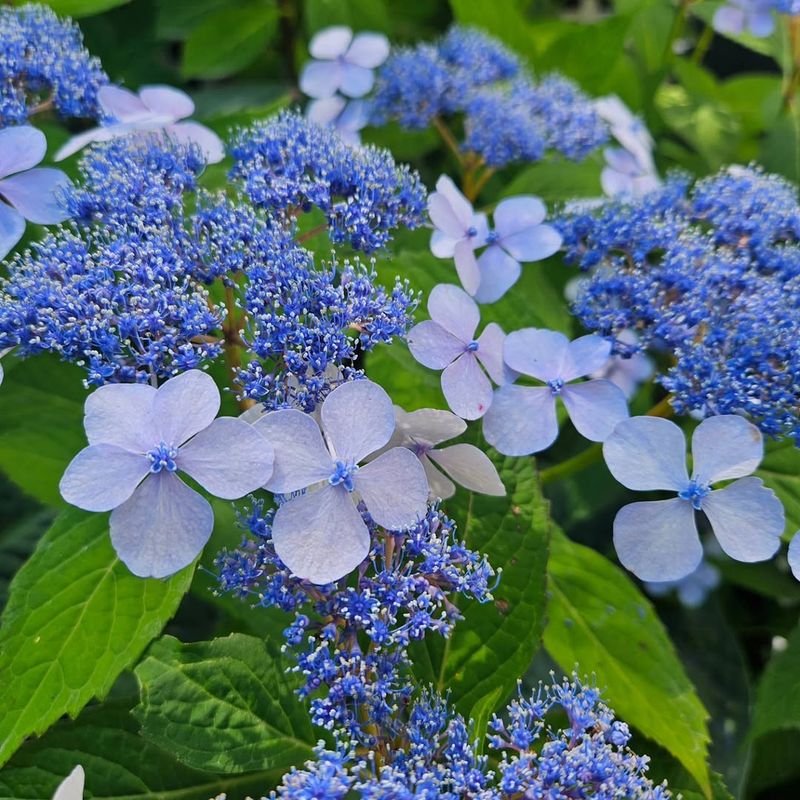
Location is everything when it comes to growing Mountain Hydrangea in Pennsylvania clay soil gardens. Getting the spot right from the beginning saves a lot of headaches down the road and gives your plant the foundation it needs to flourish for years.
Mountain Hydrangea prefers a spot that receives full morning sun with some protection from harsh afternoon rays. In the warmer parts of Pennsylvania, direct afternoon sun combined with clay soil that retains heat can stress the plant and cause the leaves to scorch at the edges.
A location near a taller shrub, fence, or the eastern side of a building works beautifully, providing that ideal mix of light and shade throughout the day.
When selecting your planting spot, also think about water flow. Clay soil drains slowly, and low-lying areas in your yard tend to collect standing water after heavy rain.
Avoid planting Mountain Hydrangea in spots where puddles form regularly, as prolonged waterlogging around the roots can lead to serious problems over time. A slightly raised bed or a gentle slope works much better in Pennsylvania clay conditions.
Before planting, work at least 3 to 4 inches of compost or aged organic matter into the soil to loosen it up, improve drainage, and create a healthier growing environment for your new shrub.
5. How To Water And Mulch For Strong Root Growth
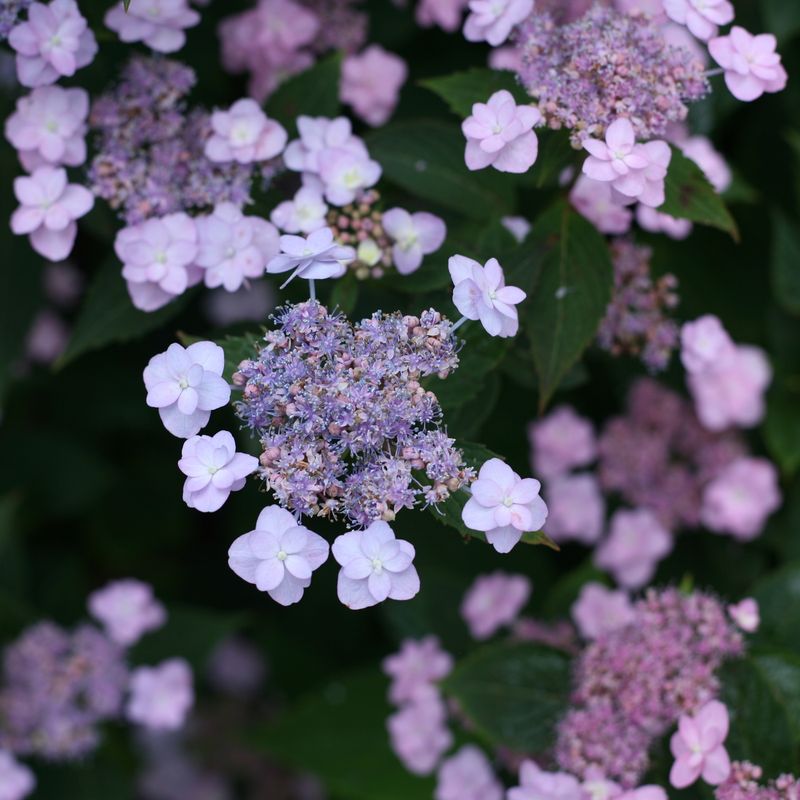
Watering Mountain Hydrangea in Pennsylvania clay soil is a bit of a balancing act, but once you get the rhythm right, it becomes second nature. Clay holds moisture longer than many soil types, which means overwatering can be a common mistake for Pennsylvania gardeners.
During the first growing season, water your Mountain Hydrangea deeply once or twice a week, depending on rainfall. Deep watering encourages roots to grow downward rather than staying shallow near the surface, which makes the plant much stronger and more self-sufficient over time.
After the first year, established plants generally need water only during extended dry spells, since Pennsylvania typically receives enough rainfall to keep clay soil moist without much extra help.
Mulching is one of the smartest moves you can make for Mountain Hydrangea in Pennsylvania gardens. Apply a 2 to 3 inch layer of shredded bark, wood chips, or leaf mulch around the base of the plant, keeping it a few inches away from the main stem to prevent rot.
Mulch helps regulate soil temperature, slows moisture evaporation during hot stretches, and gradually breaks down to improve clay soil structure over several seasons. Refreshing your mulch layer each spring is a simple habit that pays off with stronger, healthier root growth year after year.
6. Pruning Tips To Protect Next Season’s Blooms
Here is something that trips up a lot of gardeners across Pennsylvania: pruning Mountain Hydrangea at the wrong time of year can wipe out an entire season of blooms without any obvious warning signs. Unlike some other hydrangea types, Mountain Hydrangea blooms on old wood, meaning the flower buds form on last year’s stems.
The safest approach is to prune right after the flowers fade in late summer, typically around August or early September in Pennsylvania. At that point, the plant still has time to set new buds on the remaining stems before winter arrives.
Avoid pruning in fall, winter, or early spring, as you risk cutting off the very buds that are already formed and waiting to open in the coming season. Many well-meaning gardeners accidentally do this during spring cleanup and then wonder why their plant produces only leaves that year.
When you do prune, focus on removing only clearly damaged wood. Use clean, sharp hand pruners to make smooth cuts just above a healthy bud or leaf node.
Light shaping to control the plant’s size is perfectly fine, but resist the urge to cut it back hard. Mountain Hydrangea’s natural compact size means it rarely needs aggressive pruning anyway, which is just another reason Pennsylvania gardeners find it so easy and rewarding to grow season after season.
7. Simple Care Habits For Healthy, Long-Lasting Plants
Once your Mountain Hydrangea is established in the Pennsylvania garden, maintaining it is relatively straightforward. A few consistent habits each season are all it takes to keep this shrub looking its best year after year without a huge time commitment.
Fertilizing lightly in early spring gives the plant a helpful boost as it wakes up from winter. Use a balanced, slow-release granular fertilizer applied around the drip line of the shrub, not directly against the stem.
Avoid over-fertilizing with high-nitrogen products, which tend to push lots of leafy growth at the expense of flowers. A light feeding once in spring is usually plenty for Mountain Hydrangea growing in Pennsylvania clay soil, which already holds nutrients quite well compared to sandy soils.
Keep an eye out for common issues like powdery mildew, which can appear during humid Pennsylvania summers. Good air circulation around the plant helps prevent fungal problems, so avoid planting Mountain Hydrangea too close to walls or crowding it with other shrubs.
Spacing plants at least 3 feet apart allows air to move freely. Every few years, top-dress the soil around your plant with a fresh layer of compost to continue improving the clay structure beneath.
These small, consistent efforts add up to a thriving, long-lasting Mountain Hydrangea that rewards Pennsylvania gardeners with beautiful blooms summer after summer.