A New Invasive Beetle Has Been Detected In Indiana And What Residents Need To Know Now
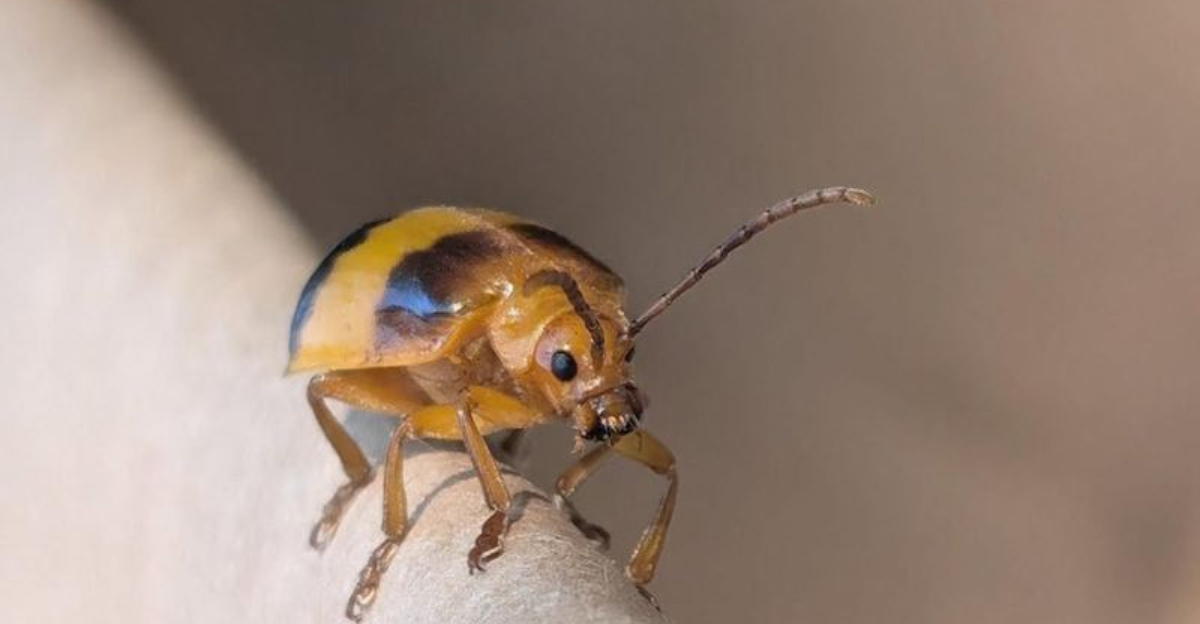
Indiana officials are sounding the alarm after confirming the presence of a new invasive beetle.
While early detections are limited, experts stress that awareness now can prevent widespread damage later.
Invasive beetles often spread quietly at first, hitching rides on firewood, plants, or vehicles.
Once established, they can devastate trees, crops, and native ecosystems.
Residents play a crucial role in early detection.
Knowing what to look for—and when to report sightings—can make the difference between containment and costly long-term impact.
It’s The Elm Leaf Beetle (Xanthogaleruca Luteola)
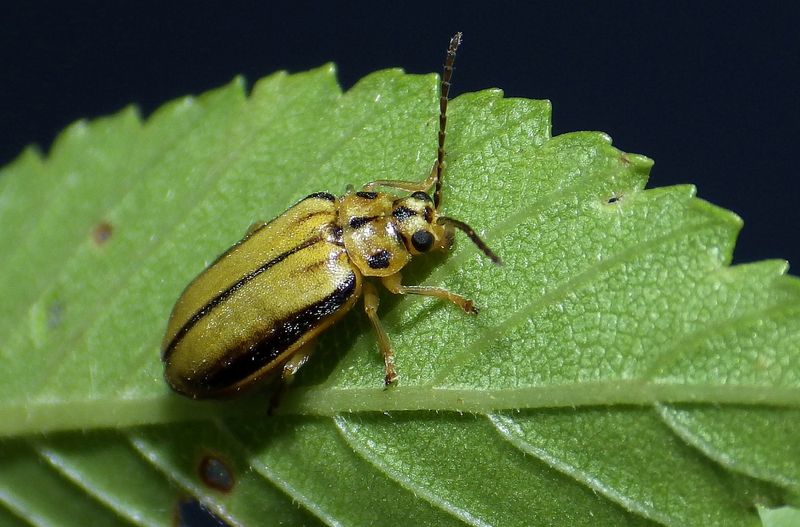
Indiana officials have confirmed that the invasive insect causing alarm in new parts of the state is the elm leaf beetle, scientifically known as Xanthogaleruca luteola.
This small but destructive pest has been expanding its range across the Midwest, and recent detections in additional Indiana counties have prompted warnings from agricultural extension offices and environmental agencies.
The beetle itself is fairly easy to identify once you know what to look for.
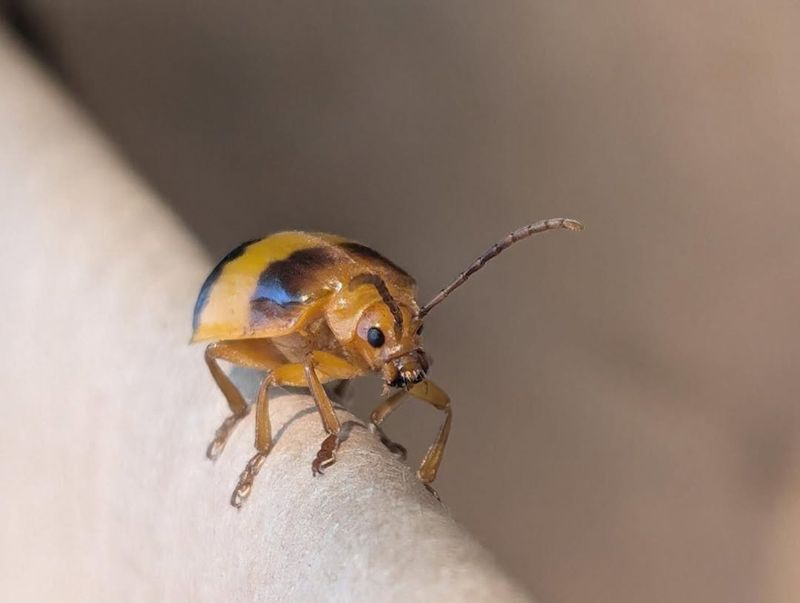
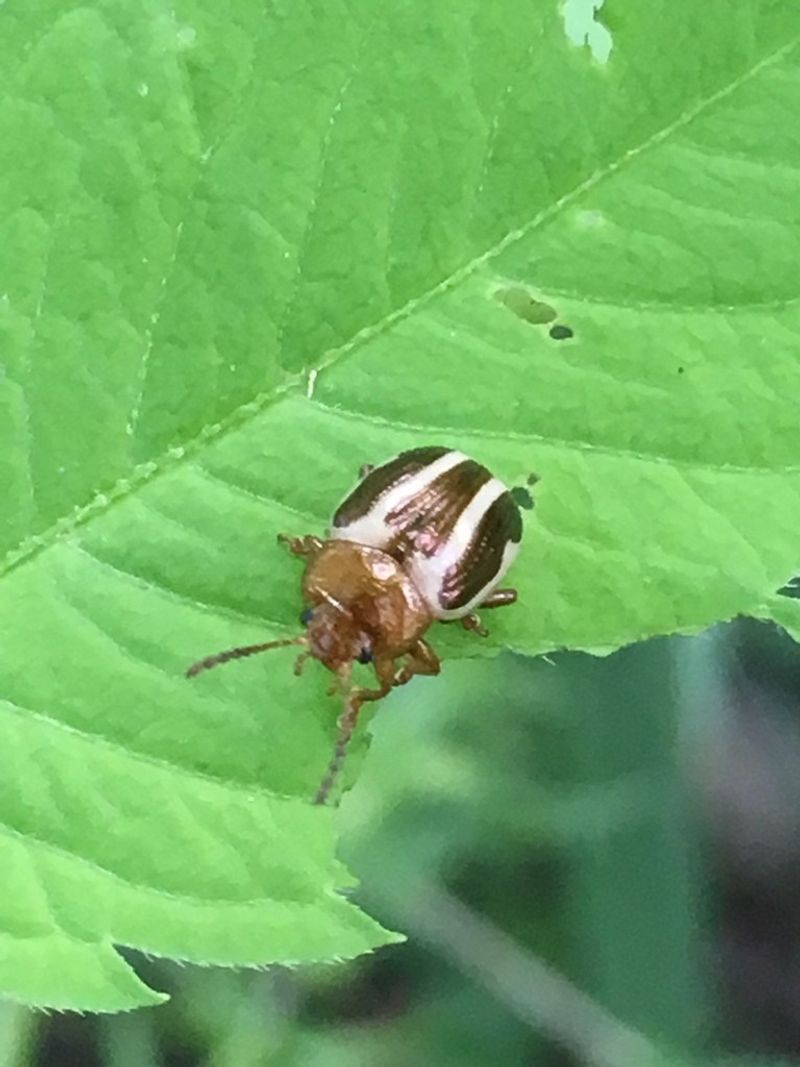
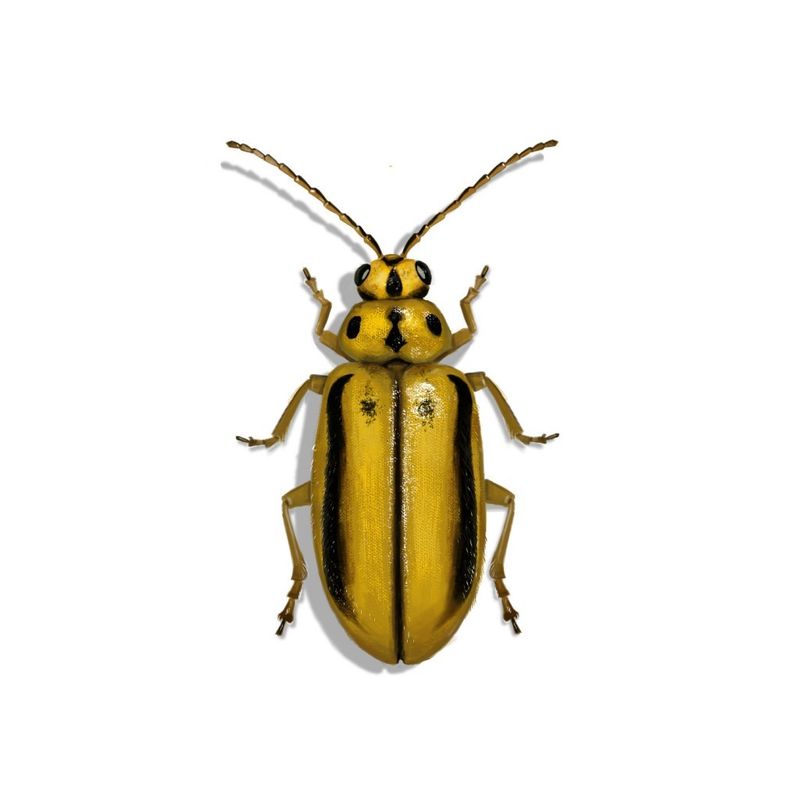
Adult elm leaf beetles are about a quarter-inch long, with yellowish-green bodies marked by distinctive dark stripes running lengthwise down their backs.
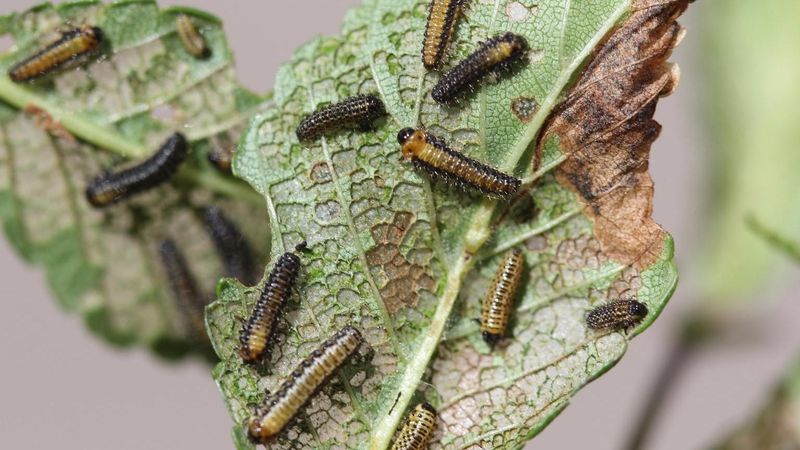
Their larvae are also yellow but appear more worm-like and are covered in tiny dark spots.
Both life stages feed aggressively on elm trees, which makes this species particularly concerning for neighborhoods and parks where elms are common.
Originally from Europe, the elm leaf beetle was introduced to North America over a century ago and has slowly spread eastward.
Indiana’s climate and abundance of elm trees provide ideal conditions for the beetle to thrive.
As temperatures warm and growing seasons lengthen, the beetle’s ability to reproduce multiple times per year increases, allowing populations to explode rapidly in favorable conditions.
Recognizing this pest early is the first step in managing its impact on Indiana’s urban forests.
The Beetle Targets Only Elm Trees
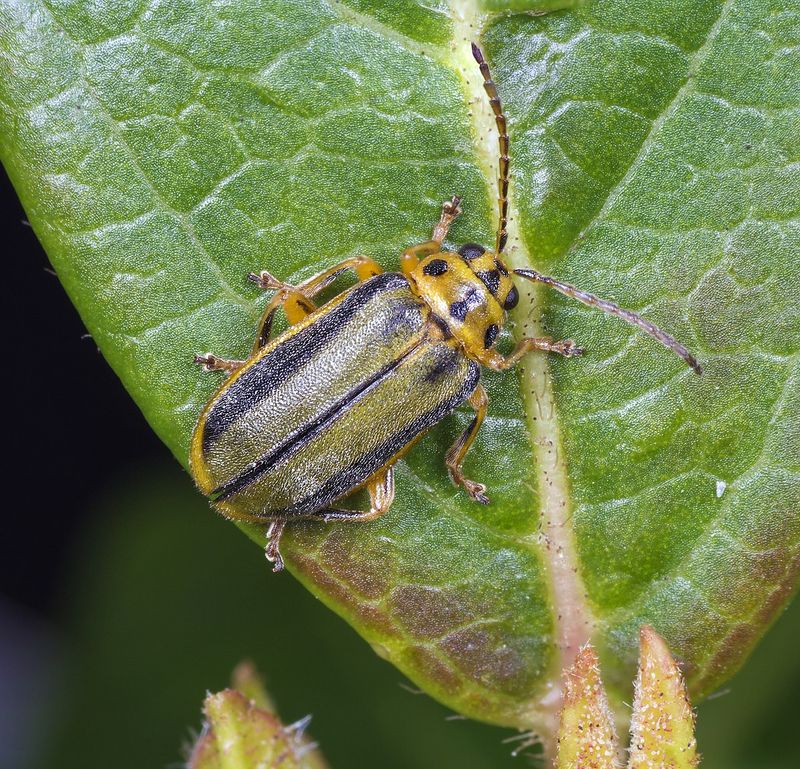
One of the most important things to understand about the elm leaf beetle is its highly specialized diet.
Unlike many other invasive pests that feed on a wide variety of plants, this beetle feeds exclusively on elm species.
That means if you have elm trees in your yard, along your street, or in nearby parks, they are at risk.
This narrow host range also explains why detections of the beetle are so closely tied to areas with mature elm populations.
Neighborhoods with large, established elms planted decades ago as street trees are often the first to experience infestations.
Urban and suburban areas across Indiana have historically favored elms for their shade, beauty, and adaptability, which unfortunately makes them prime targets for this invasive beetle.
The beetle shows no interest in maples, oaks, or other common landscape trees, so if your property lacks elms, you likely won’t see any beetle activity.
However, even a single elm tree in your yard can attract beetles from surrounding areas.
Once they locate a suitable host, adult beetles lay eggs on the undersides of leaves, and the next generation begins feeding within days.
Understanding this host specificity helps residents prioritize which trees to monitor and protect, making management efforts more focused and effective.
Both Adults And Larvae Cause Damage
Elm leaf beetles are destructive at every stage of their life cycle, which is part of what makes them so damaging.
Adult beetles chew irregular holes through the leaf tissue, creating a characteristic pattern of damage that weakens the tree’s ability to photosynthesize.
While adult feeding is noticeable, it’s the larvae that cause the most severe harm.
After hatching from eggs laid on the underside of elm leaves, the tiny larvae immediately begin feeding.
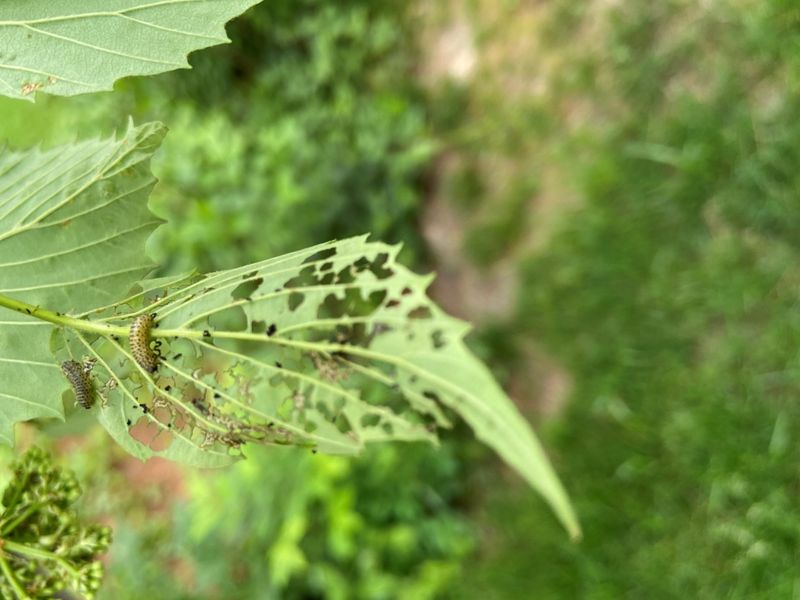
Unlike adults, larvae feed by scraping away the green tissue between the leaf veins, leaving behind a delicate, lace-like skeleton.
This process, known as skeletonization, makes the leaves appear brown and dried out even though they’re still attached to the tree.
When large numbers of larvae are present, entire branches can be stripped of functional foliage within a matter of weeks.
The combination of adult and larval feeding compounds the stress on elm trees throughout the growing season.
As one generation of beetles completes its life cycle, another begins, leading to wave after wave of damage.
By midsummer, heavily infested trees may look scorched or diseased, with canopies that are sparse and discolored.
Recognizing the signs of both adult and larval damage helps residents understand the full scope of the problem and take timely action.
Repeated Defoliation Weakens Trees Over Time
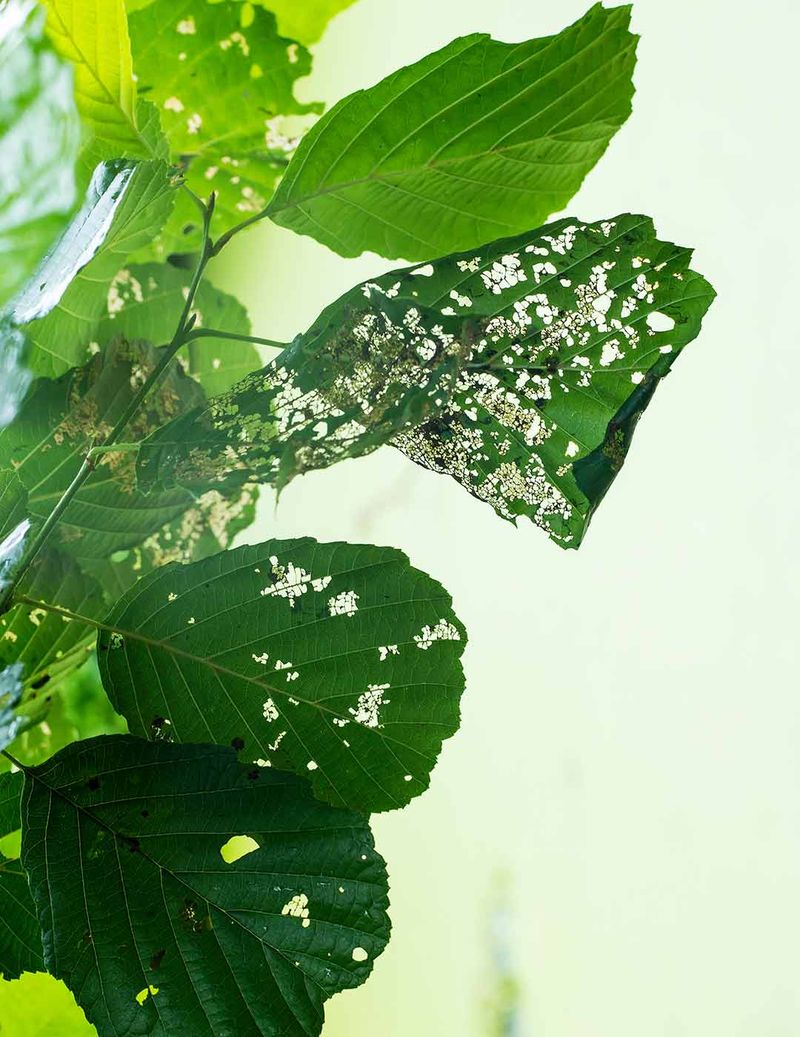
While elm leaf beetles don’t typically destroy a tree in a single season, their repeated feeding over multiple years can have serious long-term consequences.
Each time a tree loses its leaves to beetle damage, it must use stored energy reserves to produce new foliage.
This constant drain on resources weakens the tree’s overall health and resilience.
Stressed trees become more vulnerable to secondary problems, including diseases like Dutch elm disease, drought stress, and attacks from other pests.
A healthy elm can usually tolerate some level of defoliation, but when beetles return year after year, the cumulative effect takes a toll.
Branch dieback, reduced growth, and thinning canopies are common signs of long-term beetle pressure.
In severe cases, trees may struggle to recover fully even after beetle populations decline.
The weakening process is gradual, which is why it’s easy for homeowners to overlook the damage until it becomes severe.
A tree that looks moderately stressed one summer may appear significantly worse the next, especially if environmental conditions like heat or drought add additional pressure.
Understanding that the harm is cumulative rather than immediate helps residents appreciate the importance of early intervention and consistent monitoring.
Protecting elms from repeated defoliation is key to preserving their health and longevity.
Warmer Summers Help Populations Expand
Climate plays a major role in the spread and severity of elm leaf beetle infestations, and recent trends in Indiana are working in the beetle’s favor.
Warmer temperatures and longer growing seasons allow the beetles to complete multiple generations per year, sometimes as many as three or four depending on conditions.
Each generation adds exponentially to the population, leading to rapid increases in beetle numbers over the course of a single summer.
In cooler climates or shorter growing seasons, beetle populations are naturally limited because fewer generations can mature before winter arrives.
However, as Indiana experiences more consistent warmth and fewer late frosts, the window of opportunity for beetle reproduction expands.
This means that areas previously unaffected by heavy infestations may now see significant beetle activity.
Warmer weather also accelerates the beetles’ life cycle, allowing eggs to hatch faster and larvae to develop more quickly.
This speed gives the beetles a competitive advantage and makes management more challenging, as infestations can escalate rapidly.
Homeowners and arborists must be more vigilant than ever, watching for early signs of beetle activity and responding promptly.
Understanding how climate influences beetle behavior helps residents anticipate risks and plan accordingly.
As temperatures continue to trend upward, proactive management will become increasingly important for protecting Indiana’s elm trees.
Urban And Suburban Areas Are Most At Risk
Cities and suburban neighborhoods across Indiana face the highest risk of elm leaf beetle infestations, and the reason is straightforward.
These areas often feature large numbers of ornamental elm trees planted along streets, in parks, and around homes.
Decades ago, elms were a popular choice for urban landscaping due to their shade, beauty, and ability to tolerate city conditions.
Today, those same trees provide an abundant food source for the invasive beetle.
Dense concentrations of host trees make it easy for beetles to spread from one tree to the next, creating localized hotspots where infestations can quickly spiral out of control.
In contrast, rural areas with scattered elms or mixed tree species tend to see lower beetle activity.
Urban heat islands, which raise temperatures in cities compared to surrounding countryside, may also favor beetle reproduction and survival.
Homeowners in neighborhoods with mature elm-lined streets should be especially alert for signs of beetle damage.
Early detection in these high-risk areas can prevent widespread infestations and reduce the need for more aggressive control measures later.
Cooperation among neighbors is also important, as beetles don’t respect property lines.
Coordinated monitoring and management efforts within a neighborhood can be far more effective than individual actions alone.
Recognizing that urban and suburban areas are on the front lines helps residents prioritize their response.
The Beetle Overwinters Inside Structures
One surprising behavior of the elm leaf beetle is its tendency to seek shelter indoors as cold weather approaches.
Adult beetles don’t remain on trees through the winter; instead, they search for protected places to overwinter, often choosing attics, sheds, garages, and wall voids.
This habit can lead to unexpected encounters with beetles inside homes, particularly in the fall when they’re actively searching for shelter.
Homeowners may notice beetles clustering around windows, doors, or siding as they attempt to find entry points.
Once inside, the beetles enter a state of dormancy and remain relatively inactive until spring arrives.
While they don’t cause structural damage or bite, their presence indoors can be unsettling and inconvenient.
In spring, overwintering beetles emerge from their hiding spots and return to elm trees to begin feeding and laying eggs.
This behavior means that even homes without nearby elms may experience indoor beetle sightings if beetles traveled from other areas in the fall.
Sealing cracks, gaps, and other potential entry points around your home’s exterior can help reduce the number of beetles that get inside.
Weatherstripping, caulking, and screening vents are simple but effective preventive measures.
If beetles do make it indoors, vacuuming them up is the easiest way to remove them without using chemicals.
Understanding this overwintering behavior helps residents prepare for seasonal beetle activity.
Chemical Sprays Are Not Always The Best First Response
When faced with an insect infestation, many people’s first instinct is to reach for a pesticide, but experts often recommend a more measured approach when dealing with elm leaf beetles.
Widespread chemical spraying can have unintended consequences, including harming beneficial insects, pollinators, and natural predators that help keep beetle populations in check.
Instead, arborists and extension specialists encourage homeowners to start with monitoring and tree health management.
Keeping elm trees healthy through proper watering, mulching, and pruning can improve their ability to tolerate beetle feeding and recover from damage.
In many cases, a well-maintained tree can withstand moderate beetle activity without needing chemical intervention.
If treatment becomes necessary, targeted approaches such as applying insecticides only to heavily infested trees or using systemic treatments that minimize environmental impact are preferred.
Timing is also critical; treatments are most effective when applied at specific points in the beetle’s life cycle.
Consulting with a certified arborist or local extension office can help homeowners determine the best course of action for their specific situation.
Integrated pest management strategies that combine monitoring, cultural practices, and selective treatments tend to be more sustainable and effective over the long term.
By avoiding the impulse to spray first and ask questions later, residents can protect both their trees and the broader environment.
Healthy Trees Can Often Tolerate Limited Damage
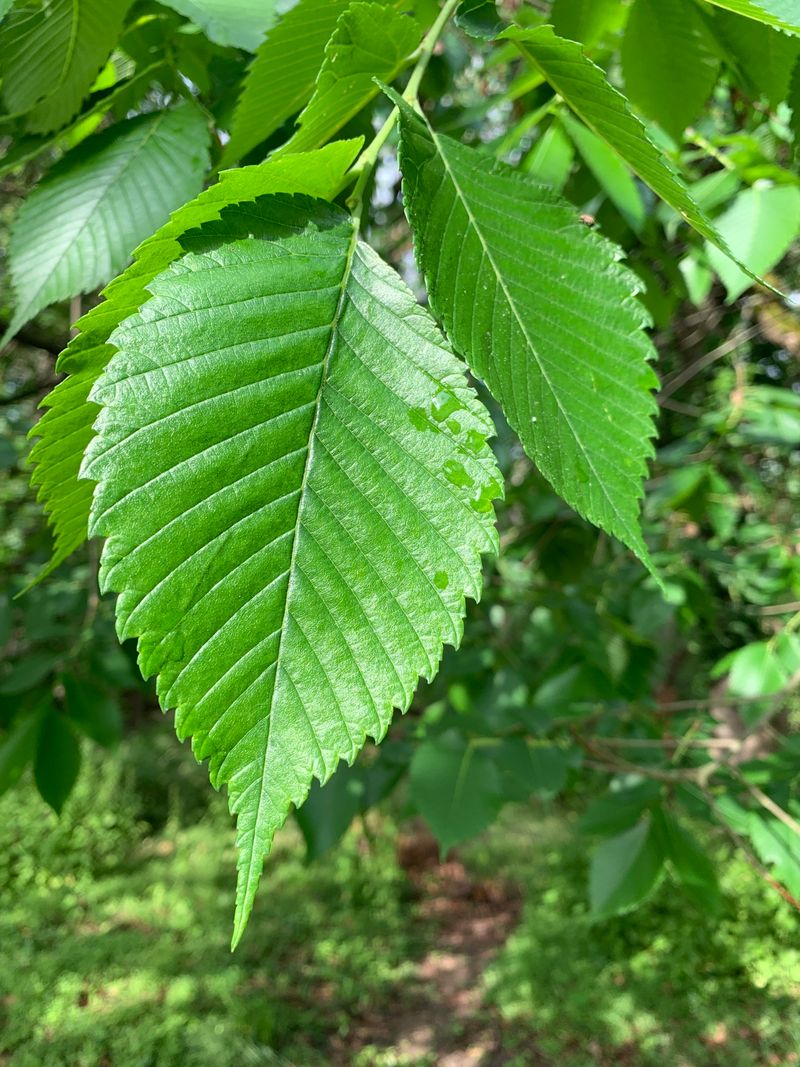
Not every elm tree affected by elm leaf beetles will require intensive intervention, and that’s good news for homeowners concerned about the cost and effort of treatment.
Healthy, well-established elms with strong root systems and proper care can often tolerate a certain amount of beetle feeding without suffering serious harm.
The key is ensuring that trees have the resources they need to bounce back from damage.
Regular watering, especially during dry periods, helps trees maintain their vigor and produce new foliage to replace what beetles have consumed.
Mulching around the base of the tree conserves soil moisture and provides nutrients as it breaks down.
Avoiding unnecessary stress, such as soil compaction or mechanical injury to the trunk, also helps trees stay resilient.
In contrast, trees that are already stressed from drought, poor soil, or other pests are much more vulnerable to beetle damage.
These trees may struggle to recover from defoliation and could experience significant decline over time.
Homeowners should prioritize tree health as the foundation of any beetle management strategy.
A strong, healthy tree is the best defense against invasive pests.
Regular inspections and proactive care can make the difference between a tree that survives beetle pressure and one that succumbs to it.
Investing in tree health pays dividends in the long run.
Residents Are Urged To Report New Sightings
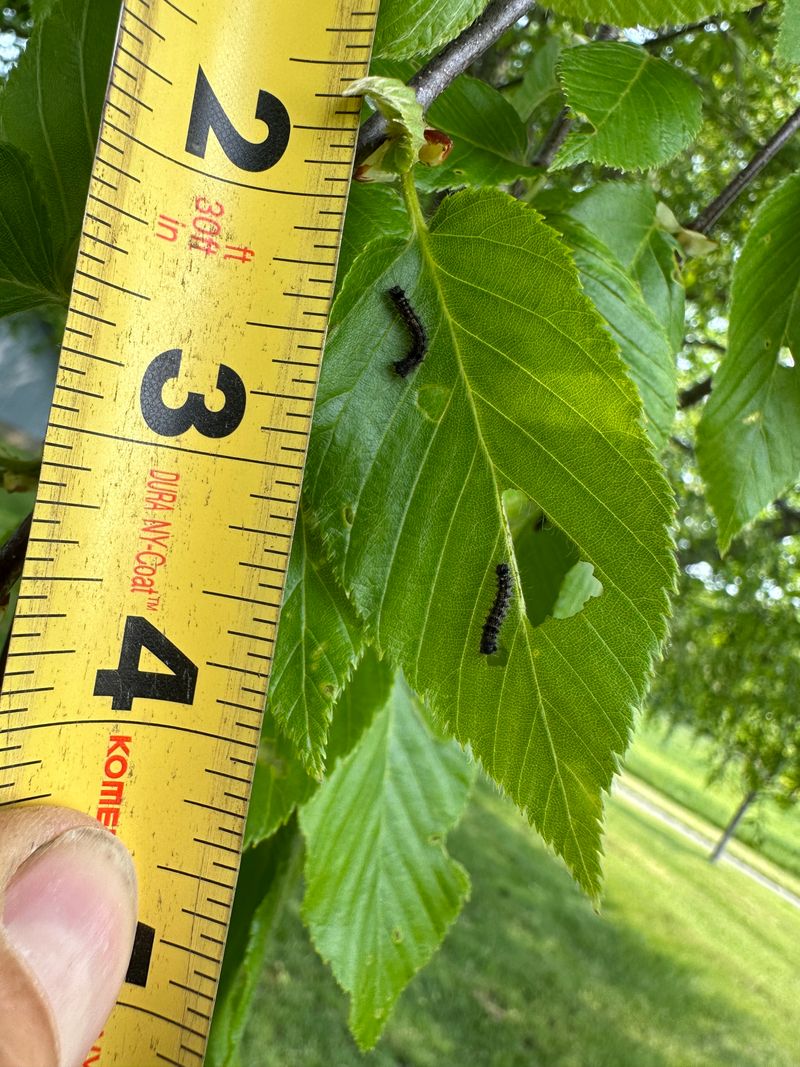
Public participation is a critical component of tracking and managing the spread of elm leaf beetles across Indiana.
State and local extension offices rely on reports from residents to map infestations, identify new areas of concern, and plan coordinated response efforts.
If you notice unusual damage to elm trees in your area or spot beetles that match the description, reporting your findings can make a real difference.
Most county extension offices have online reporting forms or hotlines where residents can submit observations, photos, and location details.
When reporting, it’s helpful to include clear photos of the beetles and any damage to the leaves, along with information about the tree’s location.
This data helps experts confirm identifications and assess the severity of infestations.
Even if you’re not certain whether what you’re seeing is an elm leaf beetle, it’s better to report and ask questions than to stay silent.
Early detection in new areas can trigger timely management actions that prevent beetles from becoming established.
Community involvement also raises awareness and encourages neighbors to monitor their own trees.
By working together, Indiana residents can help protect the state’s elm trees and slow the spread of this invasive pest.
Your observations matter, and your willingness to report sightings contributes to a larger effort to safeguard Indiana’s urban forests for future generations.