A New Winter Insect Pattern Is Appearing In Kentucky Gardens
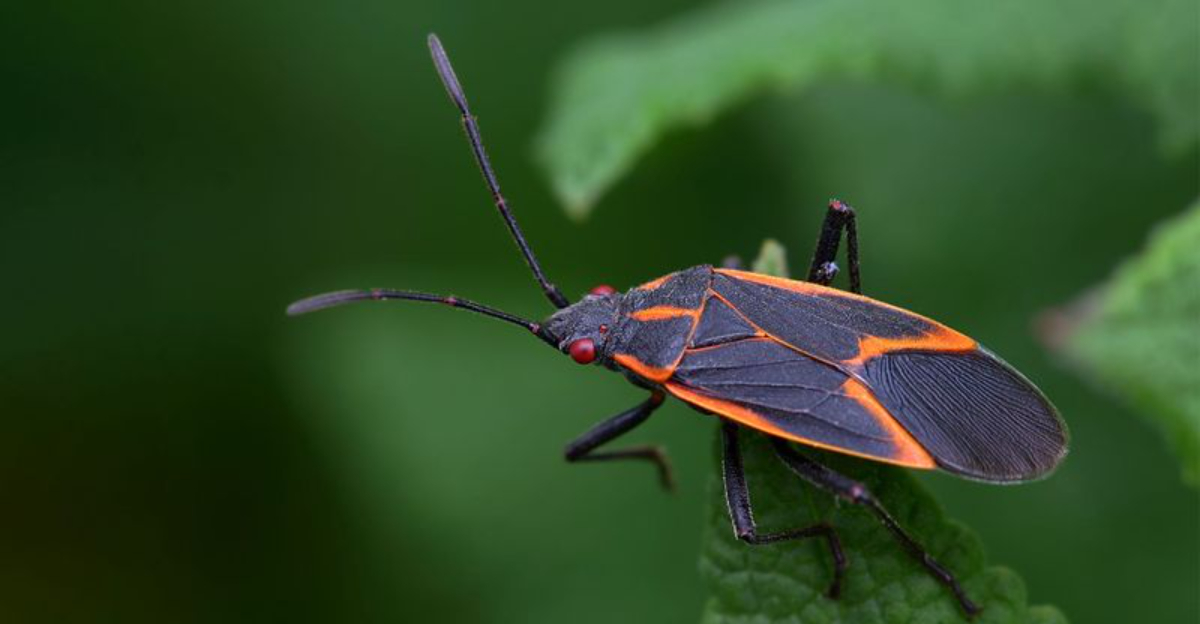
Boxelder bugs have been showing up in Kentucky gardens in noticeable ways lately, and once you spot them, it’s hard to ignore the pattern forming through winter.
I’ve seen these insects gather around homes and garden edges more often than usual, catching many gardeners off guard during colder months.
This shift isn’t random, and understanding why boxelder bugs are appearing now changes how winter garden activity suddenly makes sense.
1. Identification Helps You Recognize Them Quickly
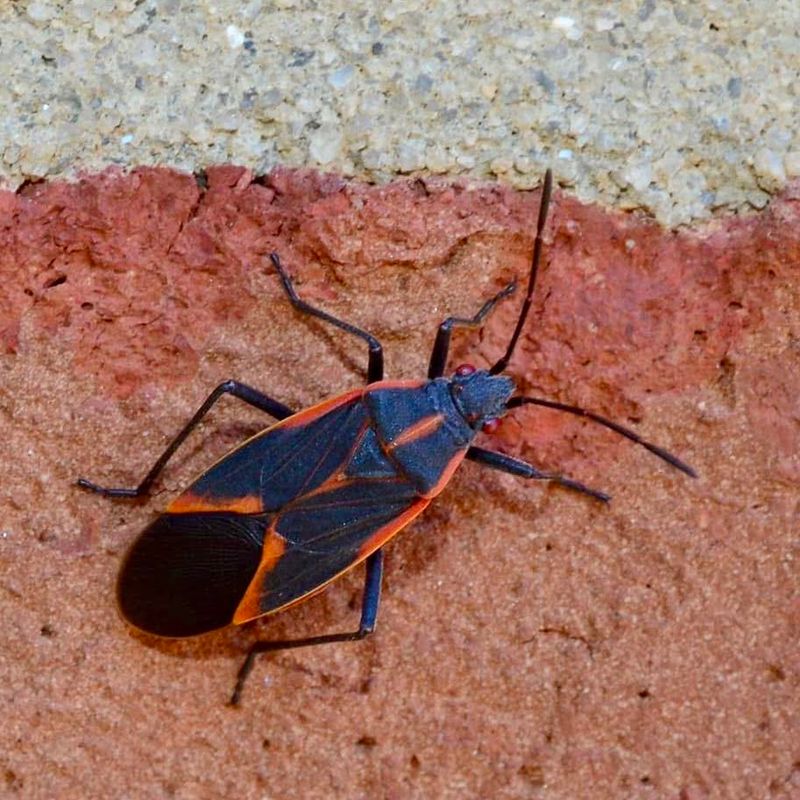
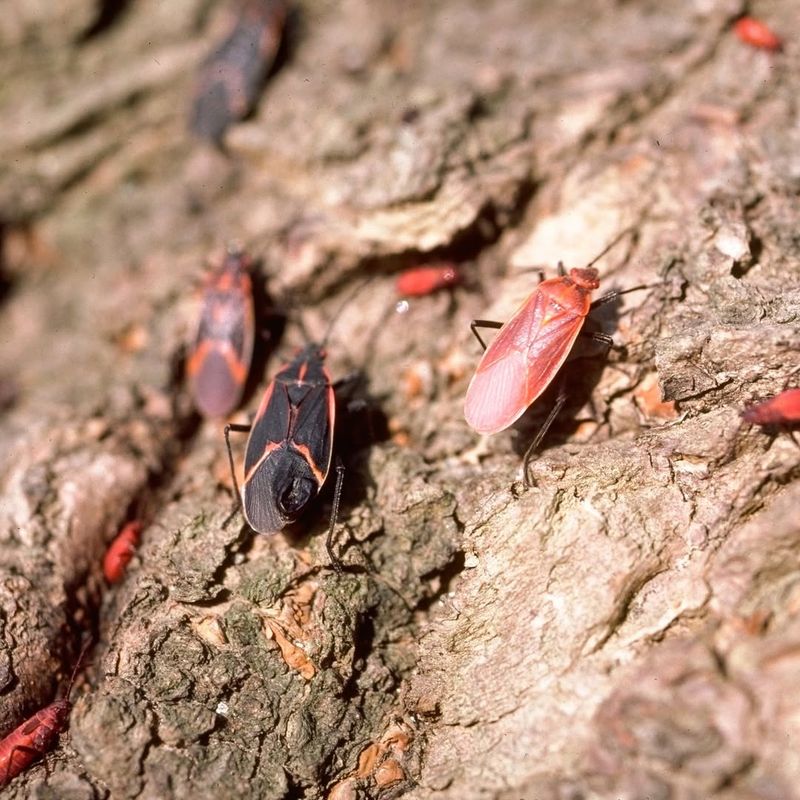
Boxelder bugs have distinctive black bodies with bright red or orange markings that make them easy to spot in Kentucky gardens during winter months.
Their flat, elongated shape measures about half an inch long, and their wings lay flat against their backs, creating a unique X pattern visible from above.
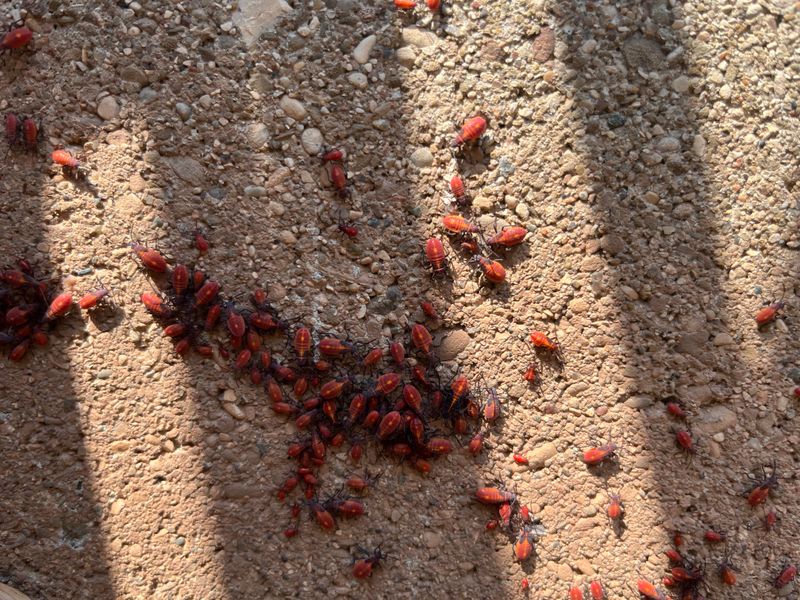
Young nymphs appear bright red and lack wings entirely, often clustering together near adult bugs on trees, fences, and building walls across the state.
Recognizing these insects quickly prevents confusion with harmful pests, allowing you to respond appropriately without unnecessary worry or expensive pest control treatments for your property.
Kentucky gardeners often spot them on sunny walls and tree trunks where they gather for warmth during cold spells throughout the season.
Their six legs and antennae distinguish them from other insects, and their slow movement makes observation easy for anyone curious about garden wildlife patterns.
Proper identification saves time, money, and stress when managing your outdoor spaces effectively throughout the colder months ahead in your yard.
2. Boxelder Trees Attract Large Groups
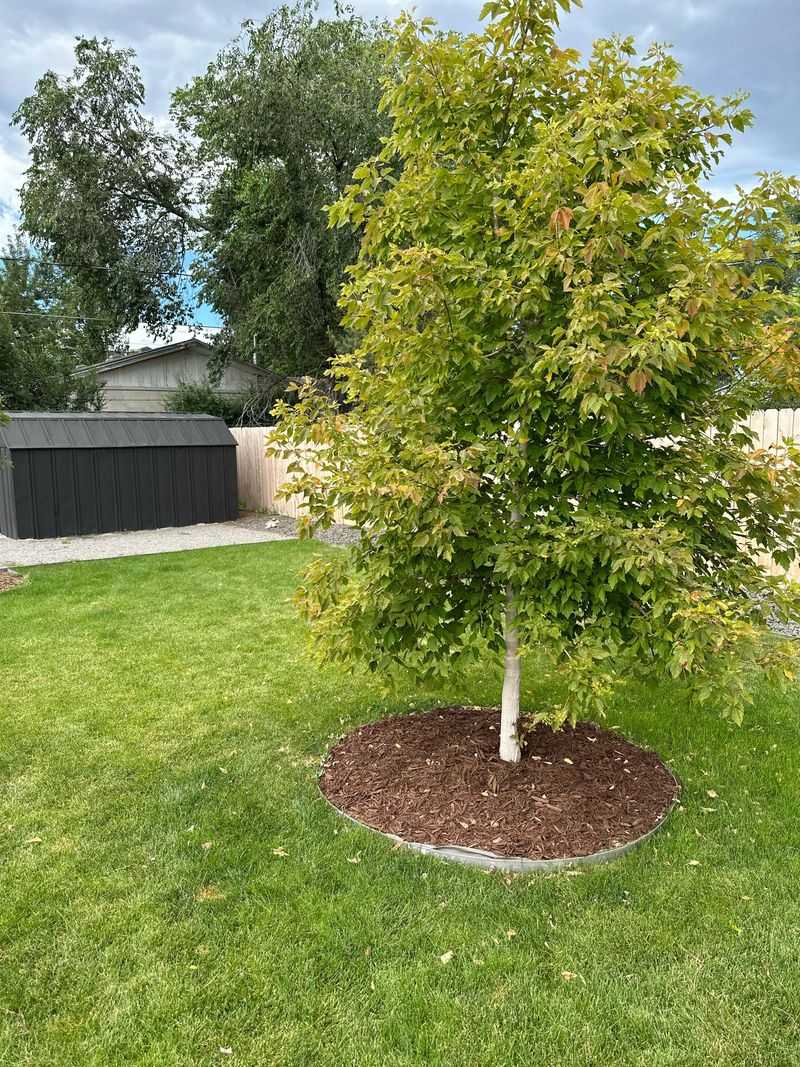
Female boxelder trees produce seeds that serve as the primary food source for these insects, drawing massive populations to Kentucky gardens each winter season reliably.
Bugs feed on the seeds, leaves, and tender twigs of these trees, creating concentrated populations that become noticeable when temperatures drop across the state.
Male boxelder trees do not produce seeds, so removing female trees significantly reduces bug populations in residential areas over time with consistent effort and planning.
Many Kentucky homeowners plant alternative trees to avoid attracting these insects, choosing maples, oaks, or ornamental species that do not support large bug colonies effectively.
Ash trees and maple varieties also attract smaller numbers, but boxelder trees remain the main magnet for these persistent insects throughout the entire region consistently.
Understanding this connection empowers gardeners to make informed landscaping decisions that minimize future infestations without harsh chemicals or constant maintenance efforts required year after year.
Strategic tree selection transforms your property into a less appealing habitat for these bugs naturally and sustainably over time.
3. Winter Warmth Drives Their Behavior Patterns
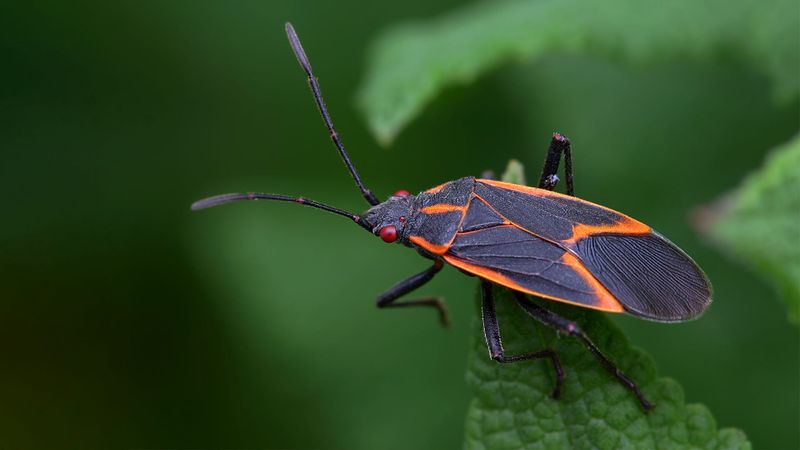
Cold weather triggers boxelder bugs to seek warmth, causing them to congregate on south-facing walls, windows, and structures throughout Kentucky gardens during winter consistently.
Sunny days bring them out in large numbers, creating visible clusters that alarm homeowners unfamiliar with their harmless nature and seasonal movement patterns statewide.
These insects enter cracks, crevices, and gaps around doors, windows, and foundations, searching for protected spaces to wait out the cold months ahead safely.
Kentucky winters fluctuate between freezing and mild temperatures, prompting bugs to move frequently between sheltered spots and sunny outdoor surfaces for warmth and comfort.
Their behavior follows predictable patterns based on sunlight and temperature, making their movements easy to anticipate once you understand their basic survival needs throughout winter.
Sealing entry points around your home prevents indoor invasions, while outdoor clusters typically disperse when spring arrives, ending the winter pattern naturally without intervention needed.
Awareness of their warmth-seeking behavior helps you prepare your property effectively, reducing unwanted encounters and maintaining peace of mind throughout the season ahead.
4. They Pose No Real Threat
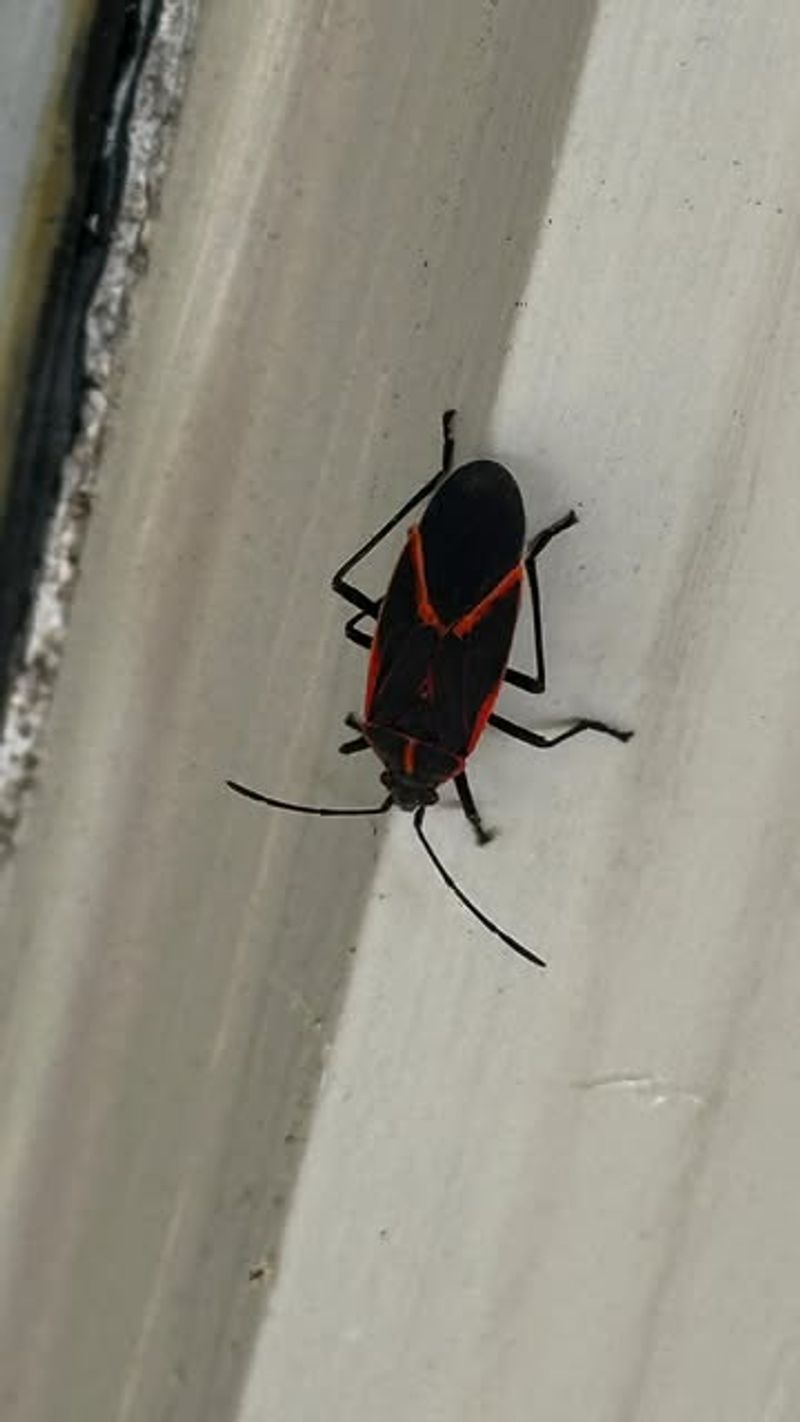
Boxelder bugs do not bite, sting, or transmit diseases, making them a nuisance rather than a genuine health hazard for Kentucky residents and their pets.
Their presence alarms many homeowners due to sheer numbers, but these insects lack the physical ability to harm humans, animals, or most garden plants significantly.
Occasionally, they produce a foul odor when crushed or disturbed, which discourages predators and can stain fabrics or surfaces with reddish-orange residue temporarily across the state.
Kentucky gardeners often worry unnecessarily about property damage, but boxelder bugs rarely cause structural harm or destroy valuable plants, unlike termites or carpenter ants that threaten homes.
Their feeding habits focus on seeds and leaves of specific trees, leaving most ornamental plants, vegetables, and flowers completely untouched throughout the entire winter season reliably.
Understanding their harmless nature reduces anxiety and allows you to coexist peacefully with these insects until warmer weather returns and disperses them naturally again.
Patience and knowledge replace fear, transforming a perceived problem into a manageable seasonal occurrence that requires minimal intervention or concern from homeowners statewide.
5. Prevention Starts With Sealing Entry Points
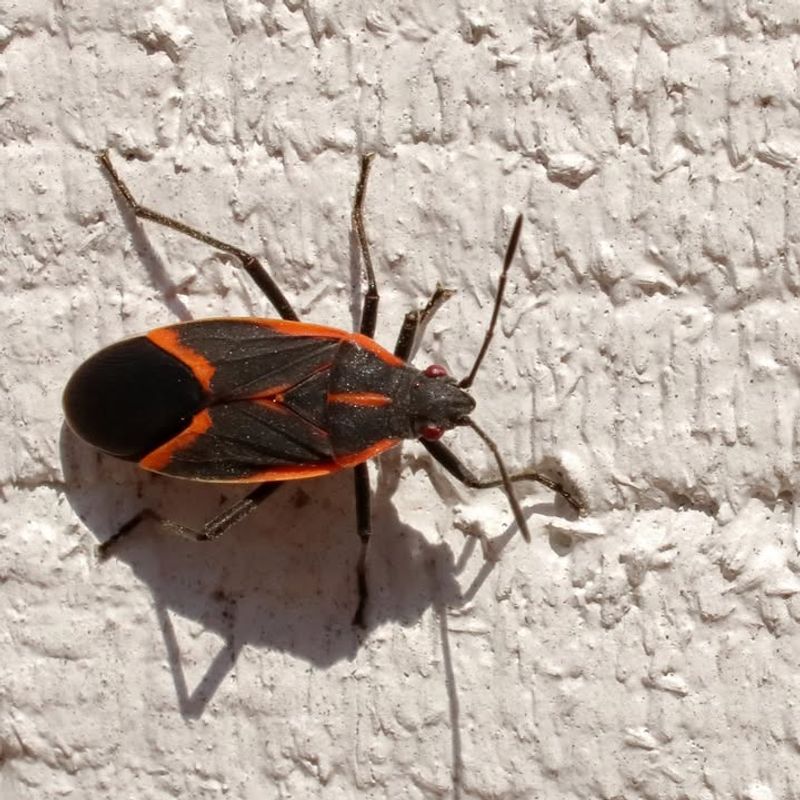
Caulking gaps around windows, doors, and foundations blocks boxelder bugs from entering Kentucky homes, offering the most effective long-term prevention strategy available to homeowners.
Inspect your property for cracks, holes, and openings where siding meets foundations, paying special attention to areas around utility lines and vents statewide.
Weather stripping on doors and windows creates tight seals that prevent bugs from squeezing through tiny spaces they exploit during their search for winter shelter consistently.
Kentucky homes with older construction often have more vulnerable entry points, requiring thorough inspections and repairs to keep insects outside where they belong year-round effectively.
Screens on windows and vents should fit snugly without tears or gaps, blocking bugs while still allowing proper ventilation and airflow throughout your living spaces.
Preventive maintenance completed in autumn before temperatures drop saves significant effort compared to removing bugs indoors once they establish themselves inside your home comfortably.
Simple, affordable materials from hardware stores provide all the tools needed to seal your property effectively, protecting against boxelder bugs and other seasonal invaders reliably.
6. Natural Removal Methods Work Best
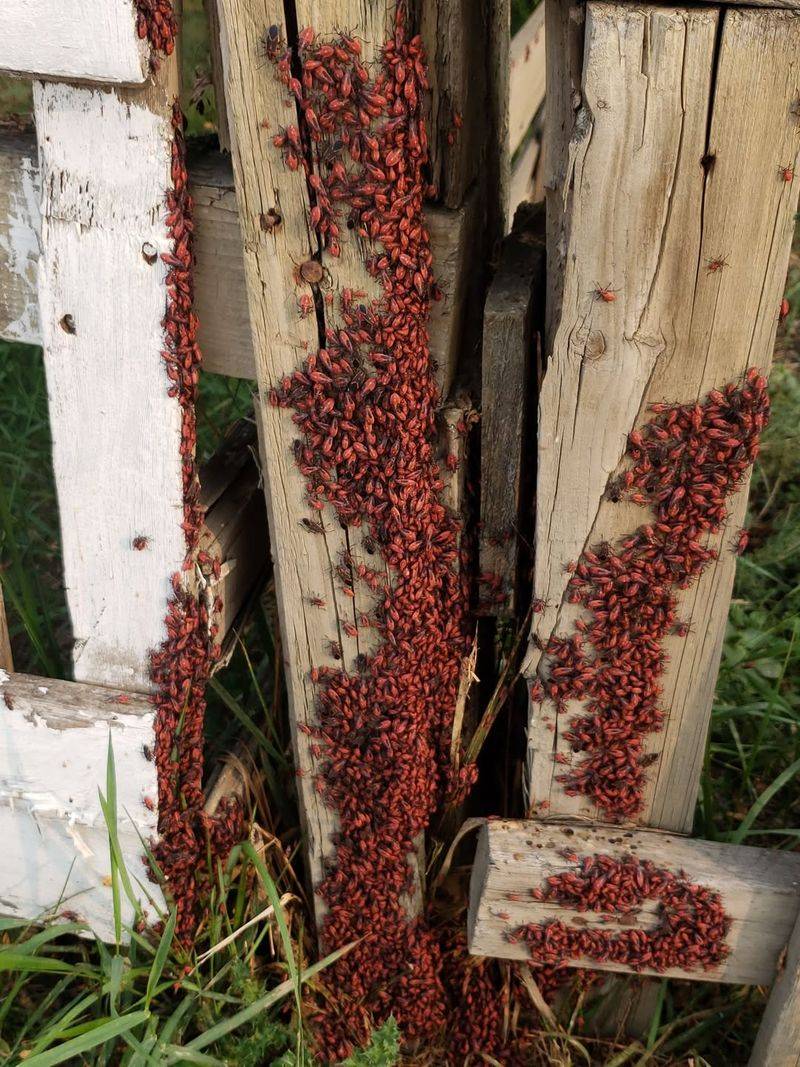
Vacuuming boxelder bugs offers a quick, humane removal method that works well for Kentucky homeowners dealing with indoor clusters during winter months without harsh chemicals.
Dispose of the vacuum bag immediately after collection to prevent bugs from escaping back into your living spaces, ensuring complete removal from your property effectively.
Soapy water sprayed directly on bugs outdoors causes them to expire quickly, providing an eco-friendly solution that avoids toxic pesticides harmful to beneficial garden insects.
Kentucky gardeners prefer natural methods that protect pollinators, birds, and other wildlife while managing boxelder bug populations responsibly throughout the season without environmental damage concerns.
Diatomaceous earth sprinkled around foundations and entry points creates a barrier that deters bugs naturally without posing risks to children or pets playing in yards.
Sweeping or brushing bugs off walls and structures works for small numbers, allowing you to relocate them away from your home without causing harm unnecessarily.
Natural approaches align with sustainable gardening practices, maintaining ecological balance while addressing the temporary inconvenience these insects create during their winter patterns across the state reliably.
7. Chemical Treatments Have Limited Effectiveness
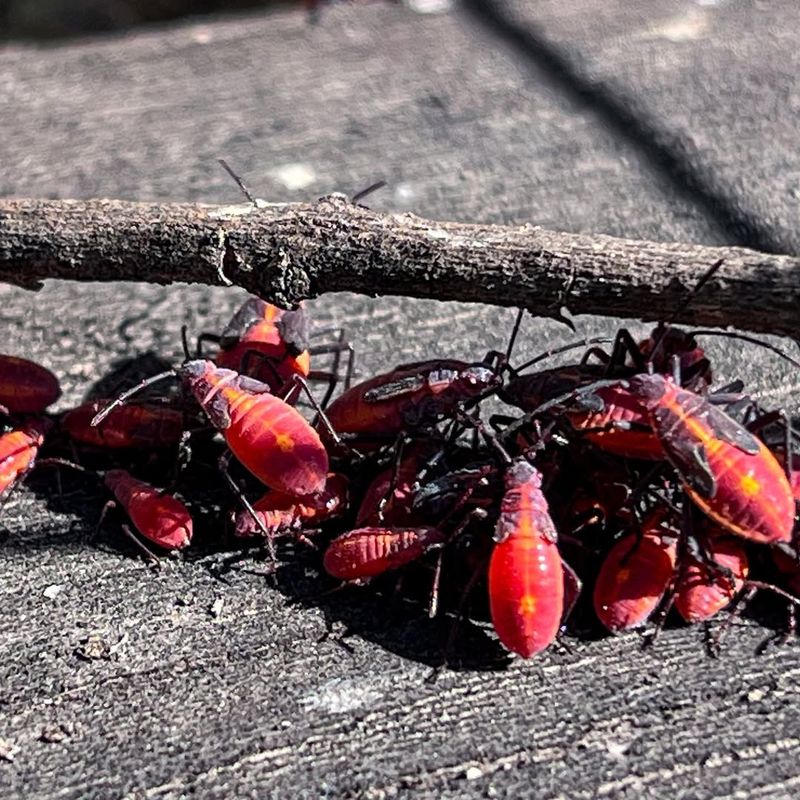
Pesticides provide temporary relief but rarely eliminate boxelder bug populations completely, as new bugs continue arriving from nearby trees throughout Kentucky gardens during winter reliably.
Repeated chemical applications become expensive and potentially harmful to beneficial insects, birds, and soil health, creating more problems than they solve for conscientious gardeners statewide.
Bugs often develop resistance to common pesticides over time, reducing effectiveness and requiring stronger chemicals that pose greater environmental risks to surrounding ecosystems and wildlife.
Kentucky extension services recommend focusing on prevention and physical removal rather than relying on chemical treatments that offer short-term results with long-term environmental consequences unfortunately.
Outdoor spraying affects pollinators like bees and butterflies that remain active during warm winter days, disrupting the natural balance your garden needs for spring success.
Indoor pesticide use exposes family members and pets to unnecessary chemicals, especially concerning for households with young children or individuals with respiratory sensitivities requiring careful consideration.
Weighing the limited benefits against potential drawbacks helps homeowners make informed decisions that prioritize health, safety, and environmental responsibility throughout the entire bug management process effectively.
8. Spring Brings Natural Dispersal
Warming temperatures in spring trigger boxelder bugs to leave sheltered areas naturally, dispersing throughout Kentucky gardens to feed and reproduce without human intervention needed.
Their winter clustering pattern reverses completely as bugs return to trees, reducing visible populations around homes and structures dramatically once consistent warmth arrives statewide reliably.
Patience proves more effective than aggressive control measures, as the seasonal cycle resolves itself when environmental conditions change and bugs no longer seek warmth desperately.
Kentucky gardeners who tolerate winter clusters enjoy bug-free summers without ongoing management efforts, allowing nature to follow its course without unnecessary interference or expense involved.
Spring dispersal means bugs spend most of the year scattered across large areas, feeding quietly on tree seeds without forming the dense aggregations that concern homeowners.
Understanding this natural cycle reduces stress and helps you recognize that winter patterns represent temporary behavior rather than permanent infestations requiring drastic action or worry.
Accepting seasonal insect movements as part of the natural rhythm of Kentucky gardens fosters a more relaxed, sustainable approach to outdoor space management year-round.
9. Coexistence Benefits Your Garden Ecosystem
Boxelder bugs serve as food for birds, spiders, and other predators, contributing to the ecological balance that keeps Kentucky gardens healthy throughout winter seasons naturally.
Removing them completely disrupts food chains that support beneficial wildlife, potentially causing unintended consequences for the overall health of your outdoor spaces and surrounding environment statewide.
Tolerating their presence encourages biodiversity, attracting insect-eating birds that also control other pests like aphids, caterpillars, and beetles that threaten garden plants significantly during growing seasons.
Kentucky gardens thrive when homeowners embrace natural processes rather than fighting every insect that appears, recognizing that ecosystems function best with minimal human interference overall.
Learning to coexist with harmless insects reduces chemical use, saves money, and creates a more resilient garden environment capable of self-regulation through natural predator-prey relationships.
Accepting boxelder bugs as temporary winter visitors shifts your perspective from frustration to appreciation for the complex web of life that makes gardens vibrant places.
Coexistence fosters a deeper connection with nature, teaching valuable lessons about patience, balance, and the interconnectedness of all living things in your Kentucky landscape.