‘A Perfect Place To Grow Evergreens’ — How Oregon Is Holding Its Lead As The Nation’s Christmas Tree Capital
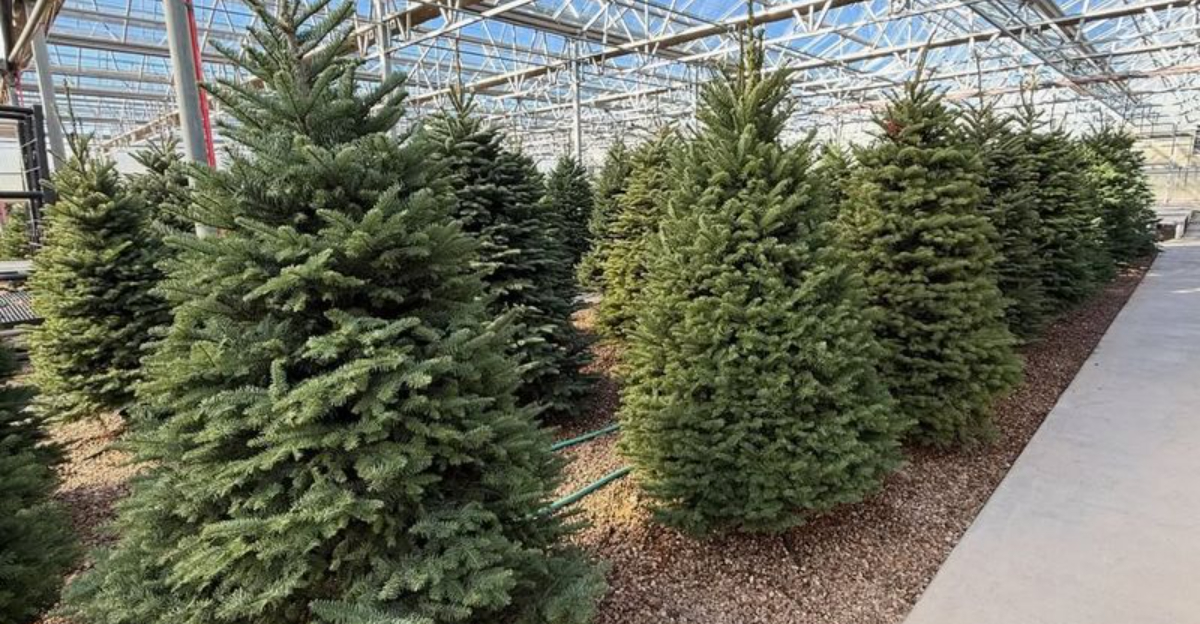
When December rolls around and families across America start decorating for the holidays, there’s a good chance their Christmas tree came from Oregon.
This beautiful state in the Pacific Northwest has earned its reputation as the nation’s top Christmas tree producer, growing millions of evergreens every single year.
Oregon’s unique climate, rich soil, and dedicated farmers work together to create the perfect conditions for growing the trees that bring holiday magic into homes nationwide.
Oregon Grows More Christmas Trees Than Any Other State
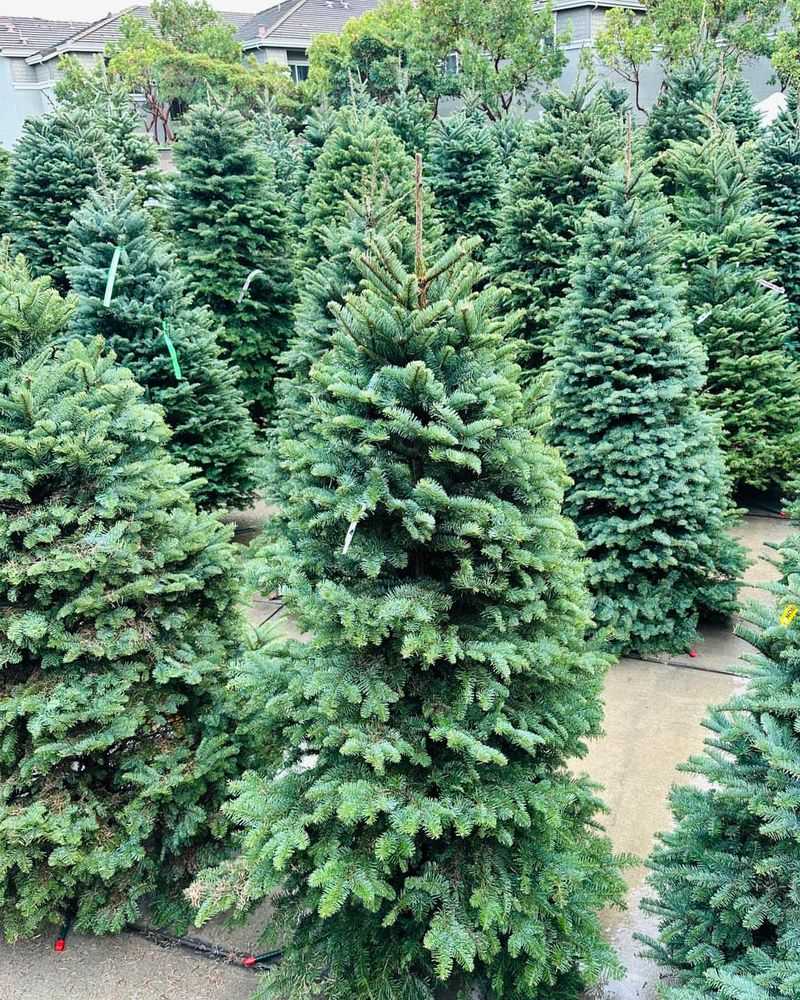
Picture this: millions of Christmas trees stretching across rolling hillsides, and most of them are growing right in Oregon.
The state produces approximately 4.7 million Christmas trees annually, which means roughly one out of every three real Christmas trees sold in America comes from Oregon farms.
That’s an incredible achievement that keeps Oregon firmly in first place year after year.
North Carolina comes in second place, but Oregon still maintains a comfortable lead in the Christmas tree industry.
The state’s growers have perfected their craft over many generations, passing down knowledge about which tree varieties grow best and how to care for them properly.
Oregon’s tree farms range from small family operations to large commercial enterprises, all working together to supply the nation.
Families from California to New York depend on Oregon’s evergreen forests to bring holiday cheer into their living rooms.
The economic impact reaches beyond just selling trees, creating jobs in farming, transportation, retail, and related industries throughout the state.
The Climate Creates Perfect Growing Conditions
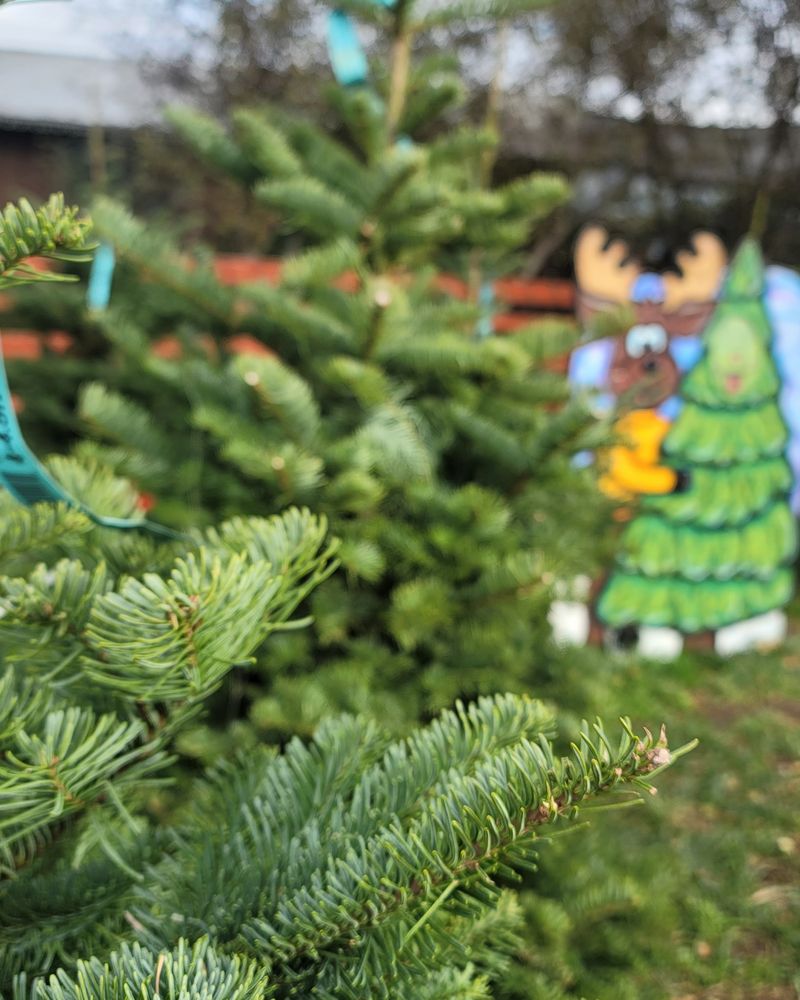
Oregon’s weather patterns read like a recipe book for growing exceptional evergreens.
The western part of the state receives plenty of rainfall during fall and winter months, giving young trees the moisture they need to develop strong root systems.
Mild temperatures prevent extreme freezing that could damage delicate branches, while cool summers keep trees from drying out or growing too quickly.
Volcanic soil left behind from ancient eruptions provides rich nutrients that feed Christmas trees throughout their growth cycle.
This combination of rainfall, temperature, and soil quality creates what farmers call the “Goldilocks zone” for evergreen cultivation—everything is just right.
The Pacific Ocean’s influence moderates temperatures along the coast and in the valleys where most tree farms operate.
Morning fog rolls in regularly, providing additional moisture that keeps needles vibrant and healthy.
Growers don’t need to rely heavily on irrigation systems since nature does much of the watering work for them.
Oregon’s natural advantages reduce production costs while improving tree quality, giving local farmers a significant competitive edge over growers in drier or more extreme climates.
Douglas Fir Reigns As The Most Popular Variety
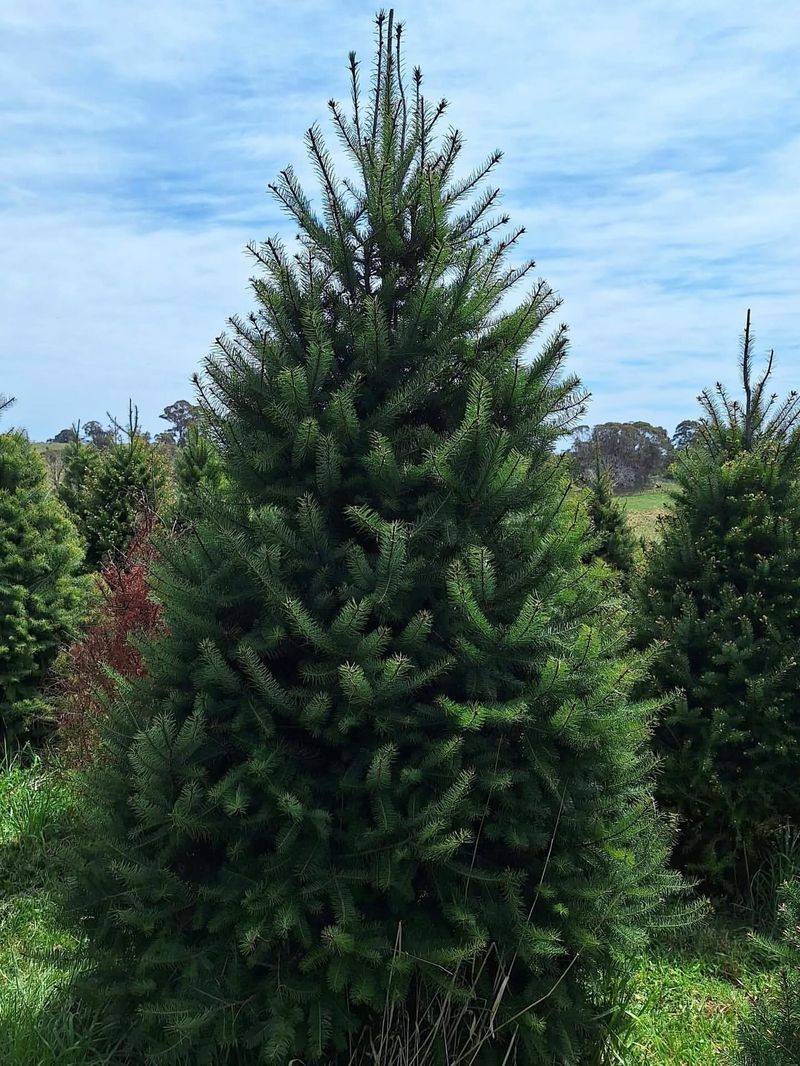
Walk into any Christmas tree lot in December, and you’ll likely spot the Douglas fir standing tall among its evergreen cousins.
This native Oregon species has become America’s favorite Christmas tree, prized for its pyramid shape, strong branches that hold ornaments without drooping, and that classic pine scent everyone associates with the holidays.
Oregon growers have mastered cultivating this particular variety over decades of experience.
Douglas firs feature soft, dark green needles that don’t poke fingers during decorating, making them family-friendly choices.
Their branches grow in attractive, evenly-spaced whorls around the trunk, creating natural spots for hanging decorations at different heights.
The trees maintain excellent needle retention when properly watered, staying fresh-looking throughout the entire holiday season without dropping needles all over living room floors.
Oregon produces more Douglas firs than any other Christmas tree variety, shipping them to states across the country.
Growers typically harvest Douglas firs when they reach six to seven feet tall, which takes about seven to ten years of careful cultivation.
The variety’s popularity ensures steady demand and helps Oregon farmers plan their crops years in advance.
Family Farms Keep Traditions Alive Across Generations
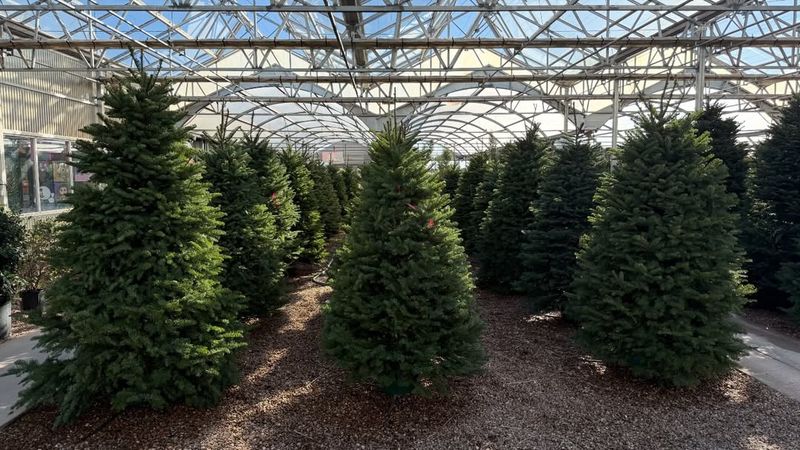
Many Oregon Christmas tree farms have remained in the same families for three, four, or even five generations, with grandparents teaching grandchildren the art of evergreen cultivation.
These multi-generational operations preserve traditional farming methods while incorporating modern agricultural science to improve yields and tree quality.
Family stories and farming wisdom get passed down alongside land ownership, creating deep connections between people and their evergreen groves.
Small family farms typically range from 50 to 500 acres, with each family member playing important roles during different seasons.
Spring means planting seedlings and applying fertilizer, summer brings shearing and shaping work, fall involves scouting for pests, and winter transforms into harvest season when trees get cut and shipped nationwide.
Children often grow up working alongside parents, learning responsibility and developing strong work ethics through hands-on experience.
Family operations face challenges from larger corporate farms but maintain advantages through personal attention to quality and strong community relationships.
Many offer choose-and-cut experiences where customers visit farms to select and harvest their own trees, creating memorable traditions for visiting families while supporting local agriculture.
It Takes Seven To Ten Years To Grow A Harvest-Ready Tree
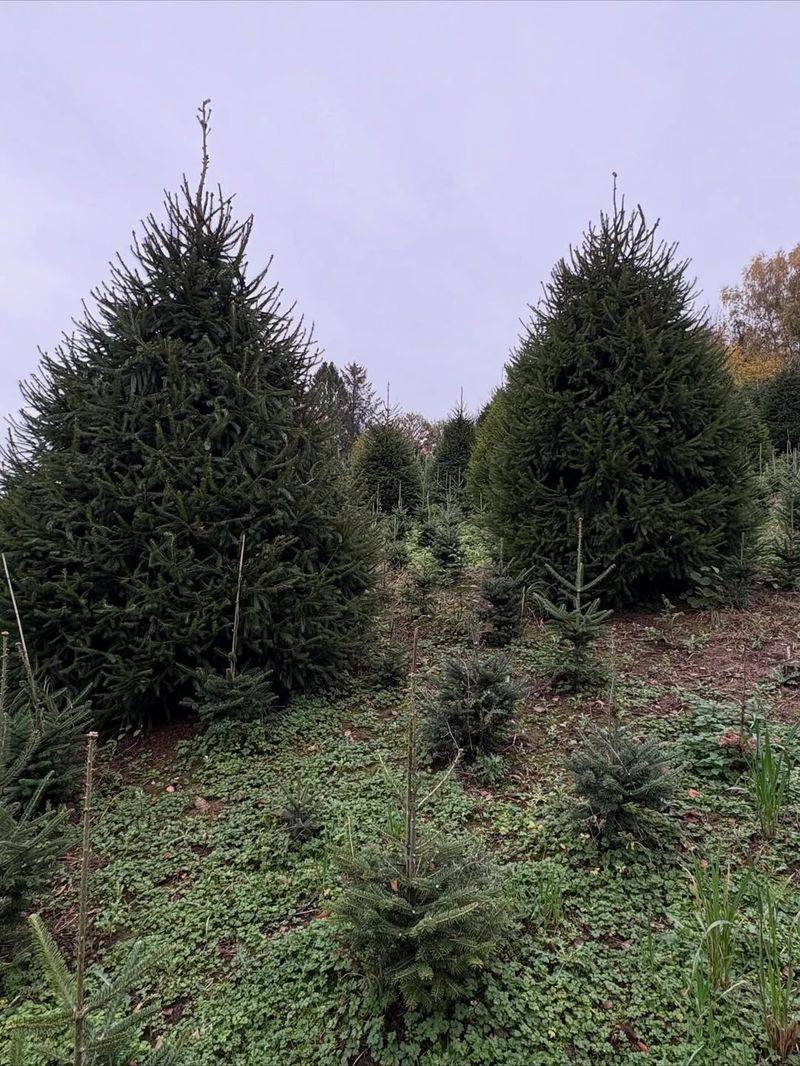
Patience isn’t just a virtue in Christmas tree farming—it’s an absolute necessity.
From the moment a tiny seedling goes into the ground until a family ties that tree to their car roof, seven to ten years typically pass.
Farmers must plan far into the future, planting today for harvests that won’t occur until their current elementary school students are in high school.
This long timeline requires careful financial planning and unwavering commitment to the craft.
During those years, each tree receives individual attention multiple times.
Farmers shear trees annually to encourage dense branch growth and maintain the classic conical shape customers expect.
They monitor for diseases, apply fertilizers, control competing weeds, and sometimes stake young trees to ensure straight trunks.
Weather events, pest outbreaks, or market changes can affect crops planted nearly a decade earlier, making farming both challenging and unpredictable.
Growers plant new seedlings every year to ensure continuous production, meaning farms always contain trees at various growth stages.
Walking through an Oregon tree farm reveals this progression—from knee-high seedlings to towering specimens ready for harvest, all growing side by side in carefully organized rows.
Sustainable Farming Practices Protect The Environment
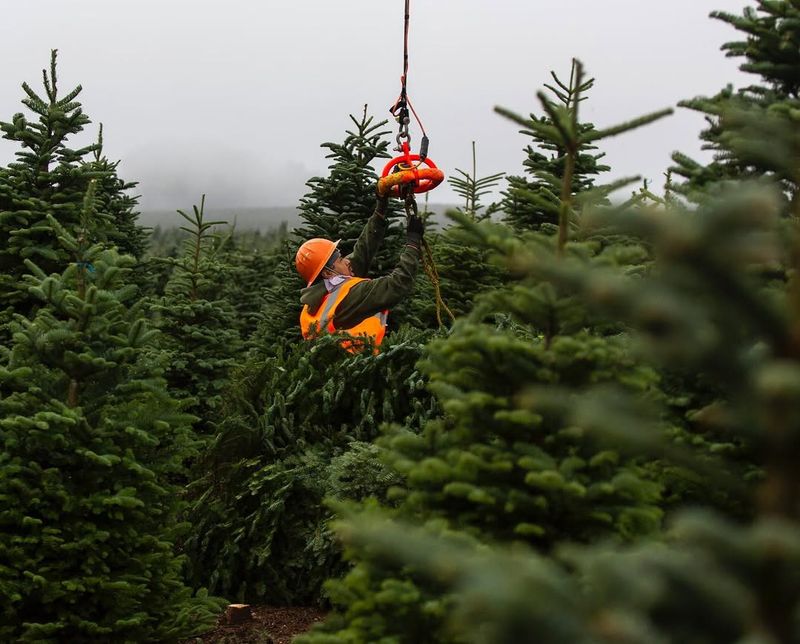
Oregon’s Christmas tree growers have embraced environmental stewardship as a core value, recognizing that healthy ecosystems support healthy tree farms.
Most farms participate in voluntary sustainability programs that promote soil conservation, water quality protection, and wildlife habitat preservation.
Integrated pest management techniques reduce chemical usage by encouraging beneficial insects that naturally control harmful pests, creating balanced farm ecosystems.
Christmas trees actually benefit the environment while growing, absorbing carbon dioxide and releasing oxygen just like forest trees.
An acre of Christmas trees produces enough daily oxygen for eighteen people, making tree farms significant contributors to air quality.
Growers often plant native wildflowers between tree rows, supporting pollinator populations including bees and butterflies that play crucial roles in broader agricultural systems.
After harvest, stumps and root systems remain in the ground, preventing soil erosion on hillsides while decomposing to add organic matter back into the earth.
Many farms have achieved certification through programs like the Salmon-Safe initiative, demonstrating their commitment to protecting waterways where endangered fish species spawn.
Oregon growers view their land as a long-term investment worth protecting for future generations, not just a resource to exploit for short-term profits.
The Industry Creates Thousands Of Jobs Statewide
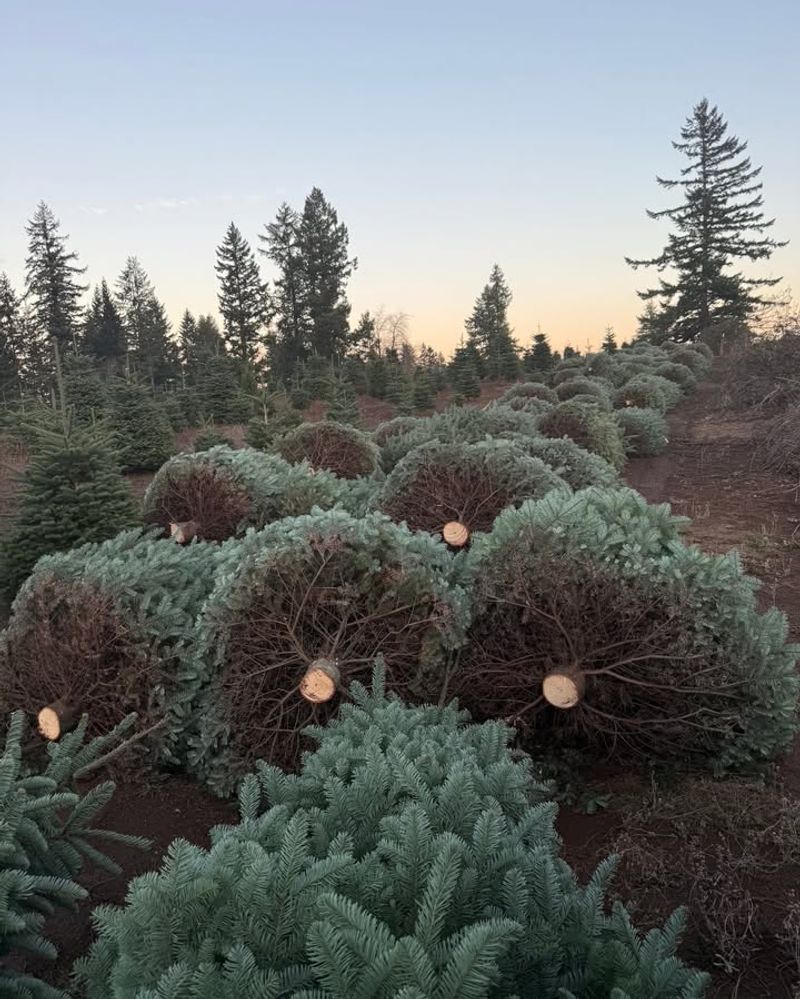
Beyond the obvious farming positions, Oregon’s Christmas tree industry generates employment opportunities across numerous sectors throughout the year.
During harvest season, farms hire hundreds of temporary workers to cut, bundle, and load trees for shipment.
Transportation companies employ drivers to haul trees across the country, while retail lots need staff to sell trees in cities and towns nationwide.
Equipment manufacturers, seed suppliers, and agricultural service providers all benefit from Oregon’s thriving evergreen industry.
Seasonal employment provides crucial income for many rural Oregon communities where other job opportunities might be limited.
College students often return home during winter breaks to earn money working on tree farms, gaining work experience while helping their local economies.
Shearing crews travel between farms during summer months, offering specialized services that individual farmers might not have time or expertise to handle themselves.
Processing facilities employ workers year-round to prepare wreaths, garlands, and other holiday greenery from tree trimmings and branches.
Marketing professionals, agricultural scientists, and business managers all find career opportunities within the industry.
Economists estimate the Christmas tree industry contributes over $100 million annually to Oregon’s economy when accounting for all related business activity and employment.
Noble Fir Offers A Premium Alternative
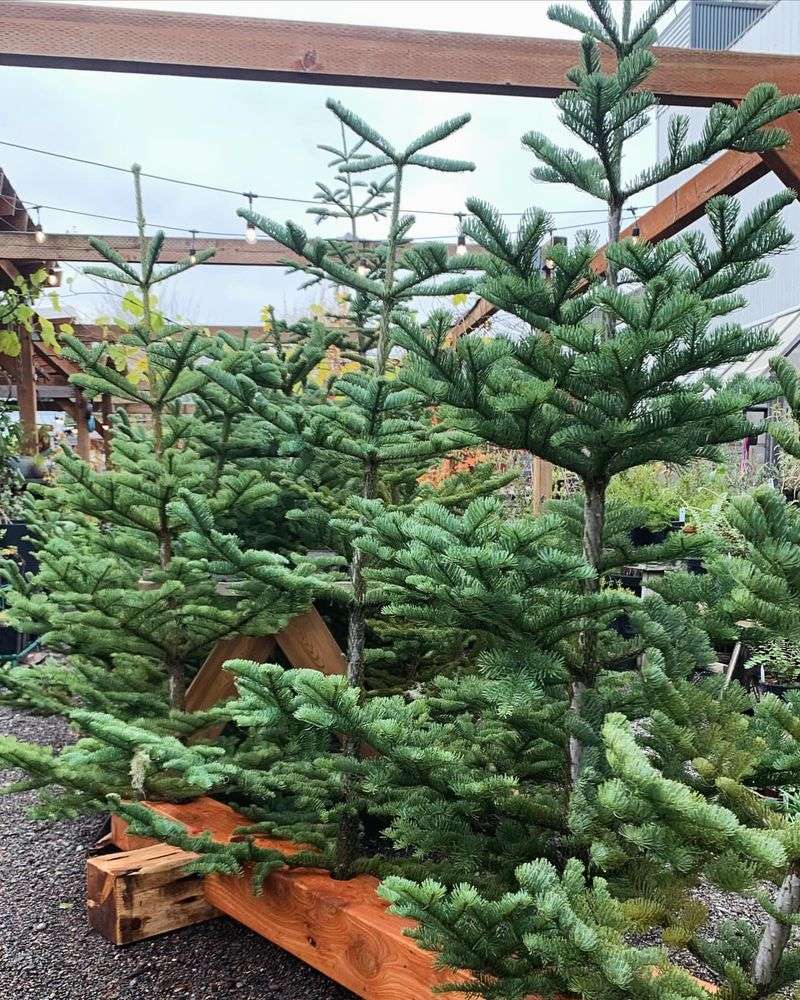
For customers seeking something extra special, the Noble fir represents the luxury option in Oregon’s Christmas tree lineup.
This variety grows more slowly than Douglas firs, taking ten to twelve years to reach market size, but commands higher prices due to its exceptional beauty and durability.
Noble firs feature stiff branches that grow nearly perpendicular to the trunk, creating perfect platforms for heavy ornaments and making them favorites for elaborate decorations.
The needles display a striking blue-green color with a silvery underside that catches light beautifully, giving trees a frosted appearance even without artificial snow.
Noble firs maintain their needles longer than most varieties, often staying fresh-looking for six weeks or more with proper care.
Their strong branches and sturdy structure make them popular choices for commercial displays in shopping malls, hotels, and public spaces where trees need to withstand constant foot traffic.
Oregon’s high-elevation regions provide ideal growing conditions for Noble firs, which prefer cooler temperatures and well-drained volcanic soils.
Growers consider Noble firs more challenging to cultivate than Douglas firs, but the premium prices justify the extra effort and longer wait times for harvest.
Shipping Networks Deliver Trees Nationwide
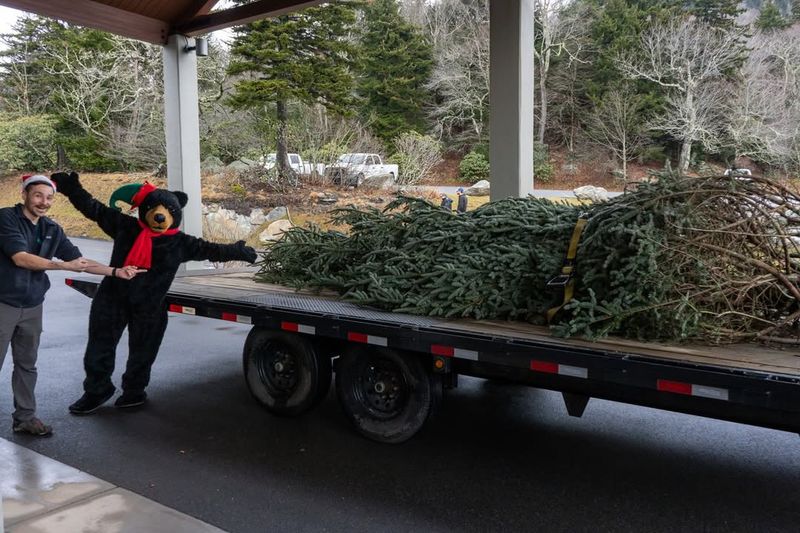
Every November, Oregon transforms into a massive Christmas tree distribution hub as millions of evergreens begin their journeys to destinations across America.
Refrigerated trucks leave farms daily, carrying precious cargo to retail lots in Texas, Florida, New York, and everywhere in between.
Logistics coordinators work year-round planning routes, scheduling deliveries, and coordinating with retailers to ensure trees arrive fresh and ready for sale.
Some trees travel by rail, loaded onto special flatbed cars that carry thousands of trees in single shipments to major metropolitan areas.
Timing becomes critical since trees must reach retail locations with enough freshness remaining to last through the entire selling season.
Growers cut trees as close to shipping dates as possible, maximizing freshness while meeting tight delivery schedules demanded by retailers.
Technology has improved shipping efficiency dramatically over recent decades.
GPS tracking allows farmers and retailers to monitor shipments in real-time, while climate-controlled transportation keeps trees at optimal temperatures during transit.
Despite growing trees thousands of miles from many customers, Oregon’s sophisticated distribution networks ensure families receive fresh, high-quality Christmas trees that look like they were just cut yesterday, preserving the magic of the holiday season.
Choose-and-Cut Farms Offer Memorable Family Experiences
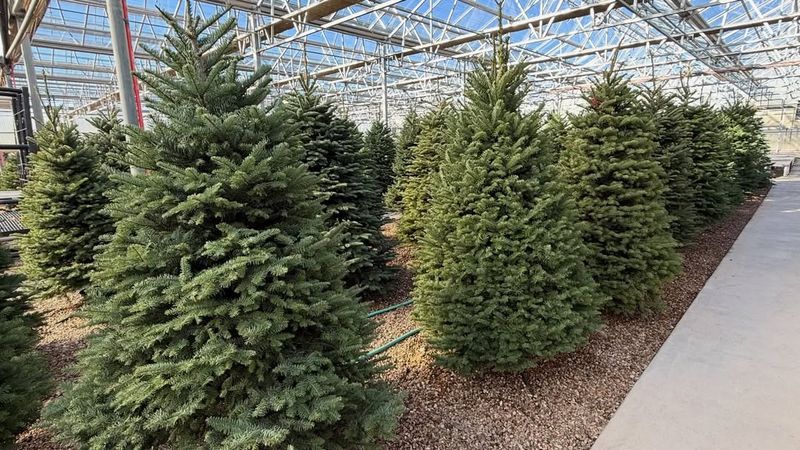
Nothing quite compares to the adventure of visiting a real tree farm to select and harvest your own Christmas tree.
Oregon’s choose-and-cut operations invite families to wander through rows of living evergreens, searching for that perfect specimen to grace their homes.
Children run excitedly between trees, parents debate which one has the best shape, and everyone enjoys fresh air and outdoor exercise during the selection process.
Farms typically provide saws and offer cutting assistance for families unfamiliar with tree harvesting techniques.
Many operations have expanded into full holiday destinations, adding amenities like hot chocolate stands, gift shops selling locally-made crafts, hayride tours through the property, and visits with Santa Claus.
These additions transform simple tree shopping into all-day family outings that create lasting memories beyond just buying a Christmas tree.
Choose-and-cut experiences help urban and suburban families connect with agriculture and understand where their Christmas trees actually come from.
Kids learn about farming, tree growth, and the work required to produce the decorations that make their holidays special.
For many families, visiting the same farm annually becomes a cherished tradition, with children eventually bringing their own kids back to continue the cycle.