A Simple Guide To Moon Planting In Michigan’s Short Growing Season

Michigan gardeners know the growing season can feel like a race against the clock. Late spring frosts arrive just when planting begins, and early fall freezes can cut harvest time short.
With such a narrow window, timing every garden task becomes incredibly important. That is why many growers still turn to moon planting, a traditional method that schedules planting, pruning, and harvesting around lunar phases.
Passed down through generations, this approach adds a natural rhythm to the gardening year. While modern science points to soil temperature and weather as the biggest factors in plant success, many gardeners find real value in blending both worlds.
Using lunar timing alongside proven horticultural practices can help you stay organized, plant with confidence, and make the most of Michigan’s short but productive season.
This guide shows how to combine traditional moon planting wisdom with practical climate based gardening for better results all season long.
Understand Moon Planting As A Traditional Timing Method
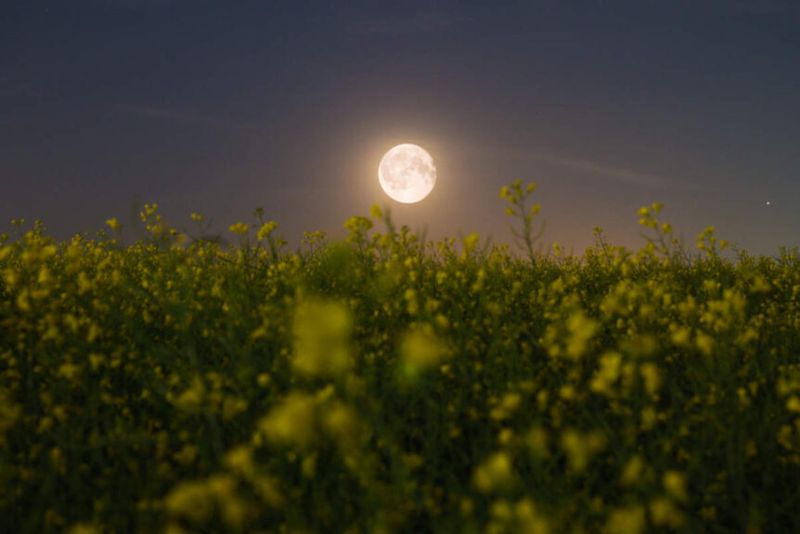
Gardeners have watched the moon for centuries, using its changing face to guide when they sow seeds and transplant seedlings. This ancient practice divides the lunar month into phases, each supposedly favoring different garden activities.
The waxing moon, growing from new to full, was traditionally seen as ideal for planting crops that grow above ground.
The waning moon, shrinking from full back to new, was reserved for root vegetables and soil preparation. Many farming almanacs still feature lunar planting calendars that assign specific days to different crops.
Some gardeners swear by this method, claiming better yields and healthier plants when they follow the moon’s rhythm.
However, university extension services note that controlled studies show limited evidence supporting lunar influence on plant growth. Temperature, moisture, and sunlight remain the primary factors determining whether seeds sprout and thrive.
Still, moon planting provides a structured approach to garden timing that helps some people stay organized throughout the season.
In Michigan, where the growing window is already narrow, treating lunar timing as one tool among many makes practical sense. You can observe moon phases while prioritizing soil warmth and frost dates.
This balanced approach honors tradition without ignoring the science that drives successful gardening in cold climates.
Focus On Michigan’s Frost And Soil Temperature First
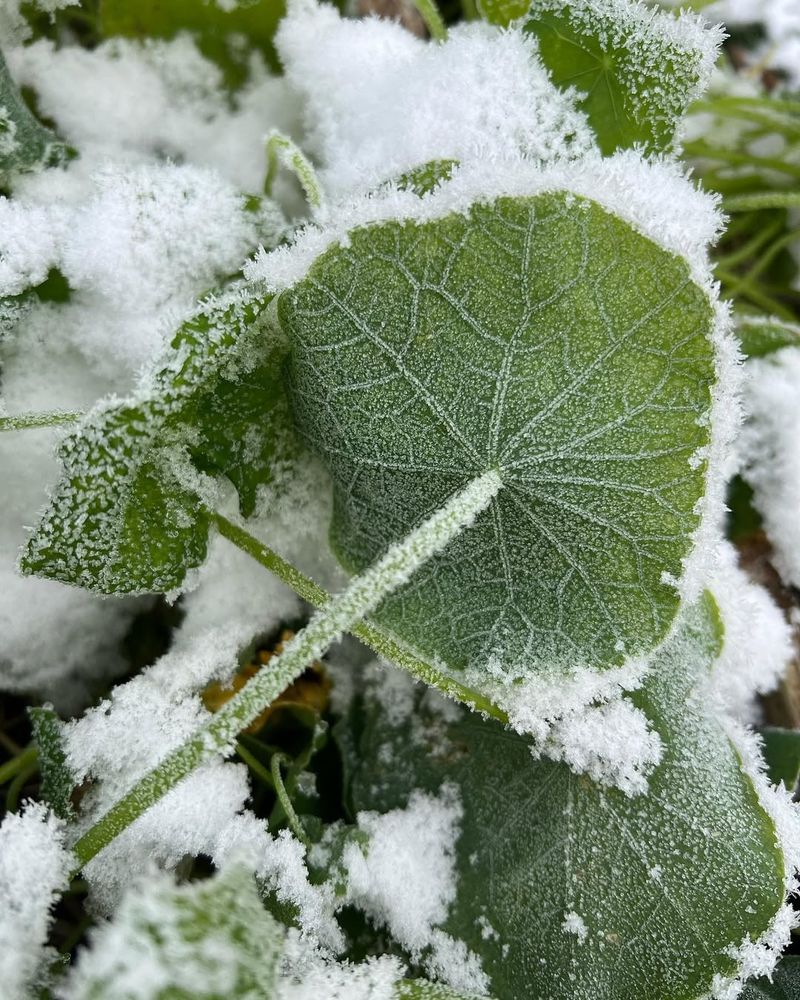
Michigan’s last spring frost typically arrives in May, but soil temperature lags behind air temperature by several weeks. Cold soil halts seed germination regardless of what the moon is doing overhead.
Most vegetable seeds need soil temperatures between 50 and 70 degrees Fahrenheit to sprout properly and establish strong roots.
Planting too early, even during a favorable moon phase, often results in slow germination or rotting seeds. Beans, cucumbers, and squash are especially sensitive to cold soil and simply won’t grow until the ground warms up.
Tomatoes and peppers also need warm conditions to thrive after transplanting. A simple soil thermometer gives you accurate readings at planting depth, usually about three inches down.
Check temperatures in the morning for several consecutive days to get a reliable average. County extension offices publish typical frost dates for different Michigan regions, providing essential baseline information for planning.
Weather patterns vary from year to year, making flexible timing more important than rigid adherence to any calendar. Some springs arrive early with quick warming, while others bring prolonged cool, wet conditions.
Paying attention to actual soil conditions prevents wasted effort and disappointing results. Combining frost date awareness with soil temperature monitoring creates a solid foundation for planting decisions.
Once these fundamental conditions align favorably, you can then consider lunar timing if you choose to incorporate that traditional practice.
Use The Waxing Moon For Above-Ground Crops
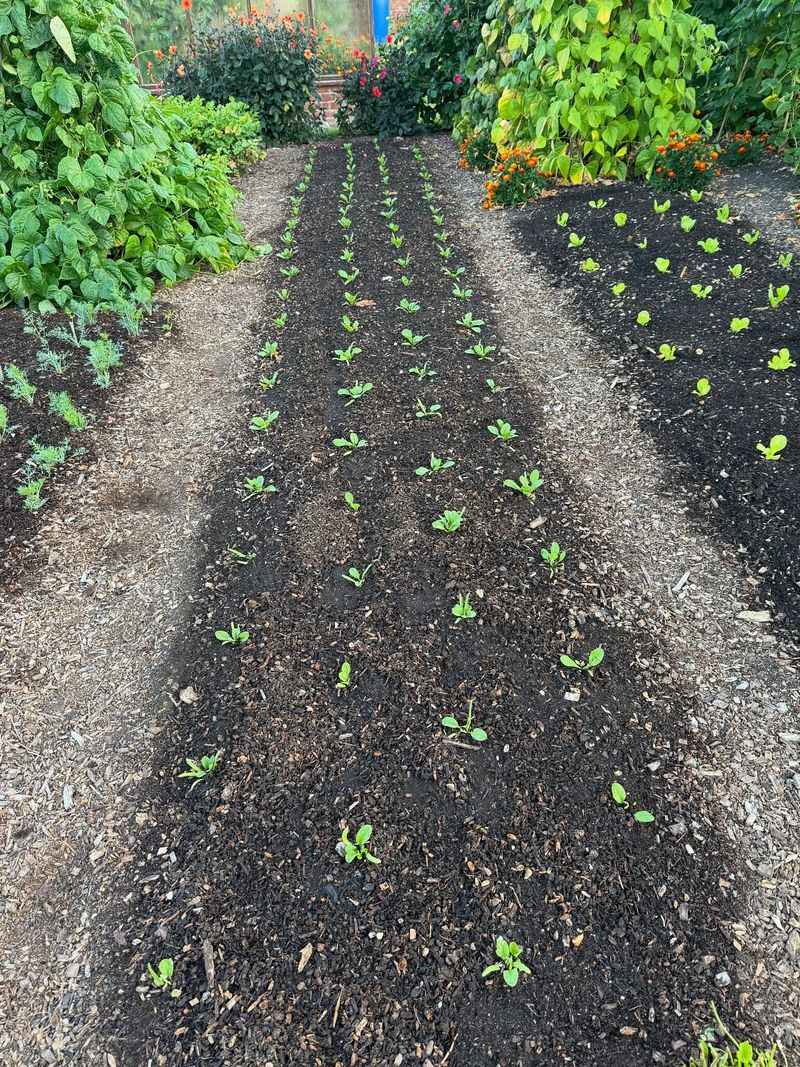
Traditional lunar gardening divides crops by where they produce their harvest. Above-ground crops include lettuce, spinach, tomatoes, peppers, beans, peas, and squash.
According to moon planting tradition, these plants benefit from sowing during the waxing phase when the moon grows from new to full over approximately two weeks.
The theory suggests that increasing moonlight and gravitational pull during this period encourages strong leaf and stem growth.
Some gardeners further divide the waxing phase into quarters, planting leafy greens during the first quarter and fruiting crops during the second quarter. This creates a detailed planting schedule based entirely on lunar position.
In Michigan, you can align this timing with your actual planting window once soil warms and frost risk passes. For example, if conditions become suitable in mid-May, watch for the next waxing moon to begin your plantings.
Cool-season crops like lettuce and peas can go in earlier, during April’s waxing phases, if soil conditions permit.
Remember that light availability matters tremendously for plant growth. Michigan’s northern latitude means longer summer days that provide ample sunlight for photosynthesis.
This natural light cycle drives plant development far more than reflected moonlight ever could.
Treating waxing moon timing as a scheduling framework rather than a scientific requirement keeps expectations realistic. Your plants will respond primarily to warmth, water, nutrients, and sunshine, not lunar phases.
Use The Waning Moon For Root Crops
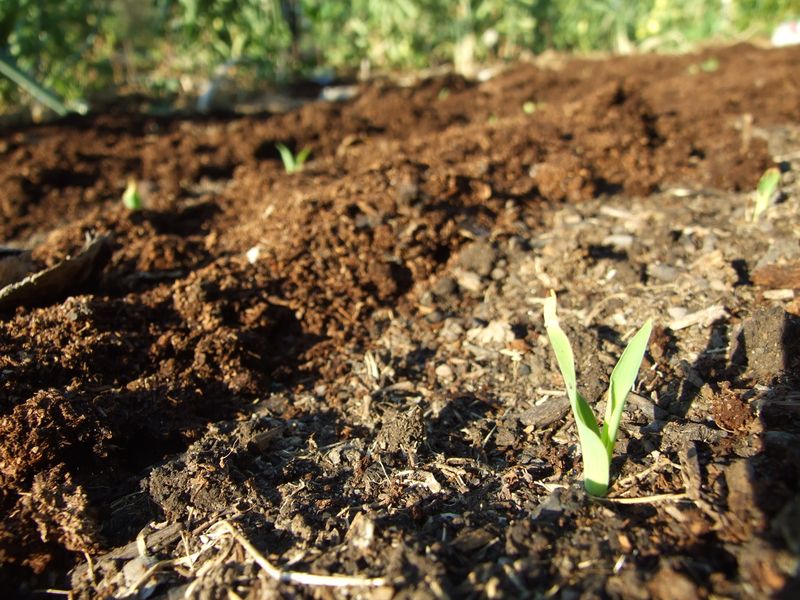
Root vegetables like carrots, beets, potatoes, onions, and radishes develop their edible portions underground. Moon planting tradition assigns these crops to the waning phase, when the moon shrinks from full back to new.
This two-week period supposedly favors downward growth and root establishment rather than leaf development.
Some lunar gardening systems further specify that potatoes and other tubers should go in during the third quarter, while true root crops fit the fourth quarter. These detailed distinctions create a comprehensive planting calendar that covers the entire lunar month.
Gardeners following this approach plan their entire season around repeating moon cycles. For Michigan growers, root crop timing depends heavily on maturity rates and fall frost dates.
Carrots and beets need 60 to 80 days to reach harvest size, so late plantings must finish before hard freezes arrive.
Potatoes require even longer, making early planting essential despite what the moon is doing.
Root development actually depends on soil structure, temperature, and moisture consistency. Loose, well-drained soil allows roots to expand easily, while compacted or rocky ground restricts growth regardless of lunar phase.
Adequate phosphorus in the soil supports strong root formation throughout the growing season.
You can certainly plant root crops during waning moons if that timing aligns with appropriate soil conditions. Just prioritize getting seeds in the ground when temperatures support germination and the calendar allows sufficient growing time before autumn.
Avoid Planting In Cold, Wet Soil Regardless Of Moon Phase
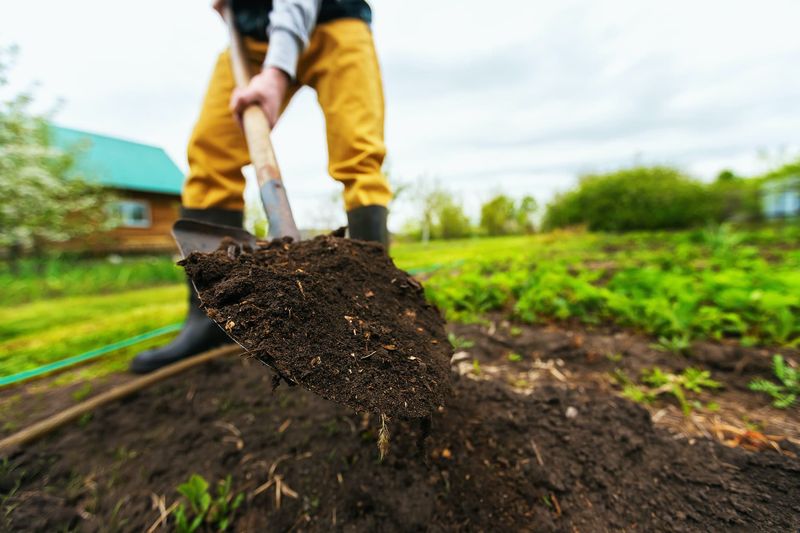
Spring in Michigan often brings extended periods of cold rain that leave garden soil waterlogged and inhospitable to seeds. Planting during these conditions invites problems that no lunar timing can overcome.
Seeds planted in cold, saturated soil often rot before they can germinate, wasting both money and precious growing time.
Even if seeds manage to sprout in cold, wet conditions, the resulting seedlings grow slowly and develop weak root systems. These stressed plants become vulnerable to various problems throughout the season.
Fungal issues thrive in excessive moisture, attacking tender seedlings before they establish themselves properly.
Soil that sticks to your tools or forms a muddy ball when squeezed is too wet for planting. Wait until it crumbles easily in your hand and no longer feels cold to the touch.
This patience pays off with faster germination and healthier plants that catch up quickly to anything planted prematurely.
Michigan’s clay-heavy soils in many regions are especially prone to waterlogging and slow spring warming. Adding compost and organic matter over time improves drainage and helps soil warm faster.
Working wet soil damages its structure, creating hard clods that roots struggle to penetrate later.
If the perfect moon phase arrives but soil conditions remain poor, simply wait for the next favorable lunar cycle. Your plants will thank you with vigorous growth once they enter properly prepared, warm, well-drained soil that supports healthy development.
Combine Moon Timing With Michigan’s Short Growing Window
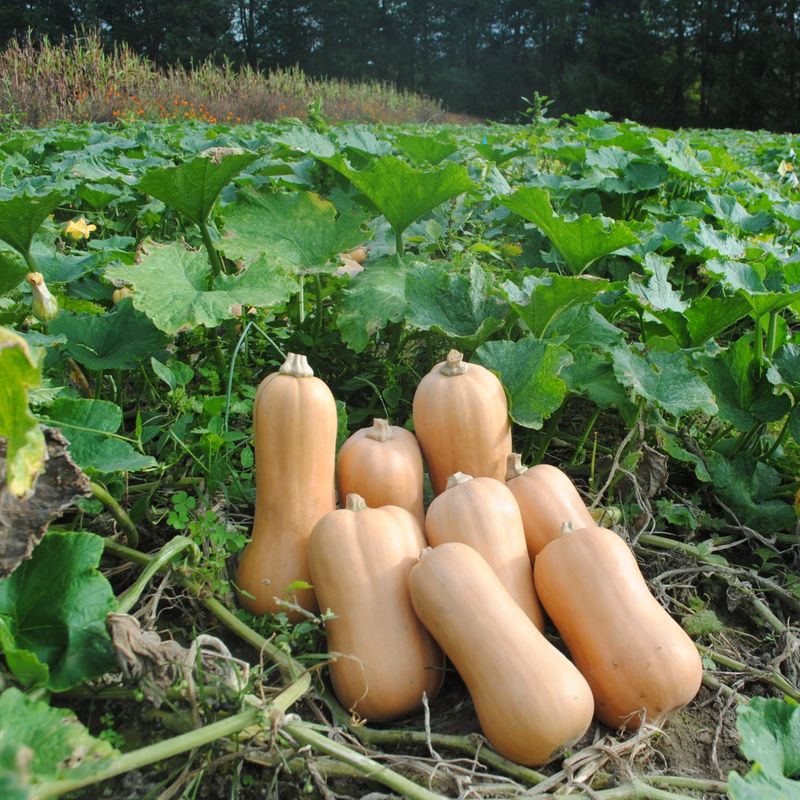
Michigan gardeners typically have between 120 and 150 frost-free days, depending on location within the state. Northern regions face shorter seasons than southern areas near Ohio and Indiana.
This compressed timeframe means every planting decision carries extra weight, as there’s little room for error or replanting.
Following moon phases works only when it doesn’t conflict with the absolute necessity of planting within your frost-free window.
A tomato plant that goes in three weeks late because you waited for a specific moon phase may not have time to produce ripe fruit before fall frost arrives. Practical timing always trumps traditional lunar calendars in short-season climates.
Consider creating a master calendar that marks both frost dates and moon phases together. This visual tool helps you identify when favorable lunar timing coincides with appropriate seasonal timing.
You might discover that certain moon phases naturally align with your optimal planting windows, making it easy to follow both systems.
For crops with long maturity times, prioritize getting them started early rather than waiting for ideal moon phases. Melons, winter squash, and late-season tomatoes need every available growing day.
Fast-maturing crops like radishes and lettuce offer more flexibility since you can succession plant them multiple times through the season.
Balancing traditional practices with climate realities demonstrates wisdom rather than abandoning heritage knowledge. You honor both the old ways and modern understanding when you adapt lunar timing to work within Michigan’s challenging growing conditions.
Use Raised Beds To Warm Soil Faster
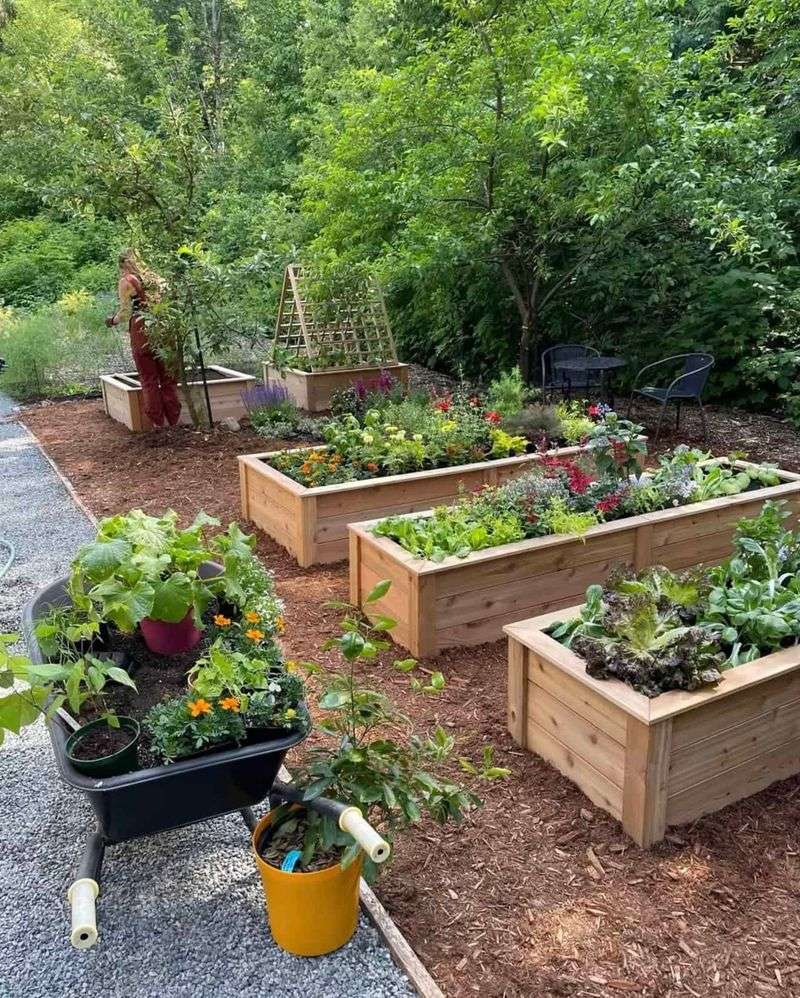
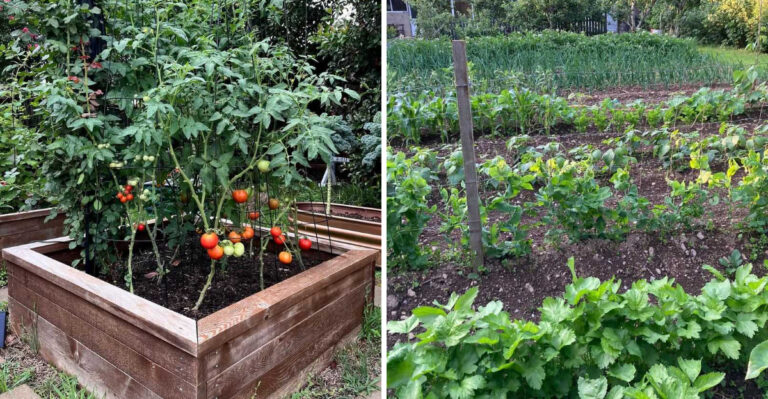
Raised beds offer significant advantages for Michigan gardeners trying to extend their growing season. Soil in raised beds warms up faster in spring because it’s elevated above the cold ground and receives sun exposure from multiple angles.
This temperature boost can advance planting dates by one to three weeks compared to ground-level gardens.
The improved drainage in raised beds prevents the waterlogging issues common in Michigan’s heavy clay soils. Water moves through raised bed soil more efficiently, reducing the risk of seed rot and root problems.
This drainage advantage becomes especially valuable during wet springs when traditional garden beds remain too soggy for planting.
Building raised beds between 8 and 12 inches high provides enough soil depth for most vegetables while maximizing warming benefits. Filling them with a mixture of compost, peat moss, and topsoil creates loose, fertile growing medium that roots penetrate easily.
Dark-colored soil absorbs more solar heat, warming even faster than light-colored earth. You can combine raised bed gardening with moon planting by checking soil temperature in your elevated beds.
Once they reach appropriate warmth, plant according to lunar phases if you choose. The beds give you earlier access to suitable conditions, expanding your options for timing.
Investing in raised beds pays ongoing dividends through extended seasons, better drainage, and easier maintenance.
These structures work with Michigan’s climate rather than fighting against it, creating microclimates where plants thrive despite challenging regional conditions.
Track Local Weather Patterns Alongside Lunar Phases
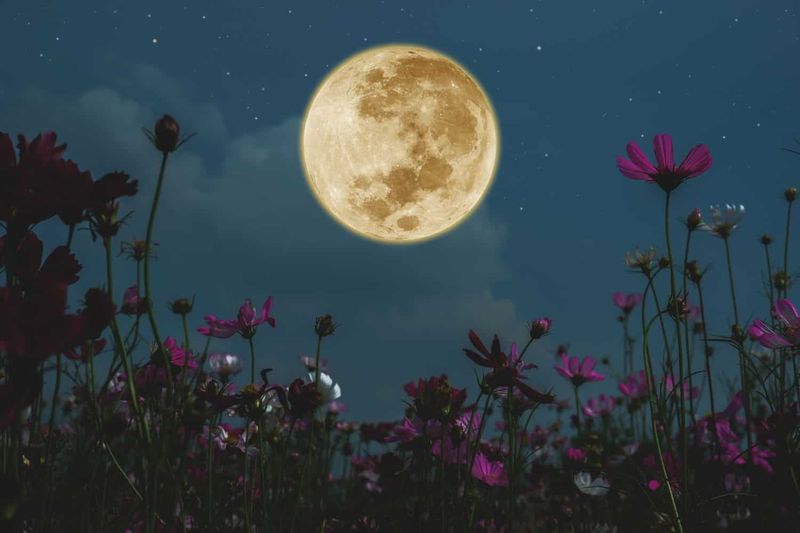
Weather in Michigan changes rapidly, with temperature swings of 20 or 30 degrees happening within a single day. Tracking these patterns helps you make informed planting decisions that account for real conditions rather than average dates.
A late cold snap can damage or destroy tender plants regardless of when the moon suggested planting them.
Modern weather forecasting provides detailed 10-day outlooks that help you plan around upcoming temperature changes. If a favorable moon phase coincides with predicted warm weather, conditions align perfectly for planting.
Conversely, if the ideal lunar timing falls during a forecasted cold spell, waiting makes more sense than risking your seedlings.
Keeping a simple garden journal where you record weather observations alongside planting dates builds valuable knowledge over time. After a few seasons, patterns emerge that help you predict local conditions better than any general calendar.
You might notice that your specific location tends to warm up earlier or later than regional averages suggest.
Lake Michigan creates unique weather patterns along the western coast, with lake-effect clouds moderating temperatures in both spring and fall. Eastern Michigan experiences more continental weather with sharper temperature extremes.
Understanding your microclimate helps you adapt any planting system, whether based on moon phases or traditional dates.
Combining lunar awareness with weather monitoring creates a flexible, responsive approach to garden timing. You make decisions based on multiple information sources rather than relying on any single system, increasing your chances of success.
Start Seeds Indoors When Outdoor Conditions Are Too Cold
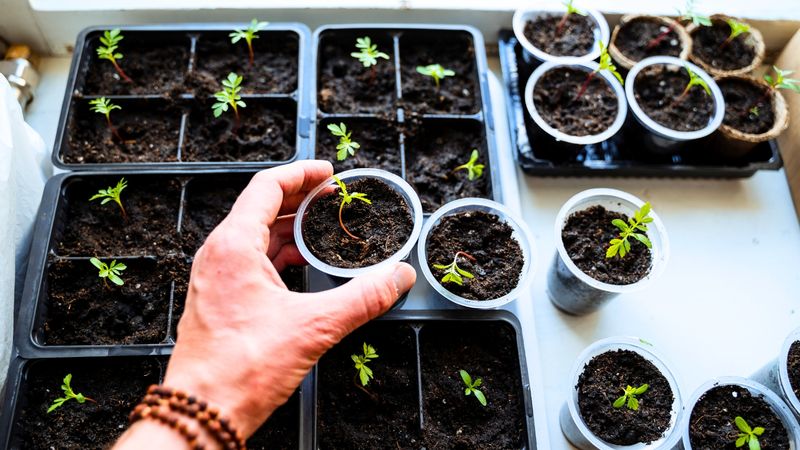
Indoor seed starting transforms Michigan’s short growing season by giving plants a head start before outdoor conditions become suitable. You can begin tomatoes, peppers, and other warm-season crops six to eight weeks before the last frost date, gaining precious growing time.
These plants develop strong root systems and multiple leaves indoors, then hit the ground ready to grow vigorously.
Seed starting lets you follow moon planting schedules without being constrained by outdoor temperatures. Plant seeds during favorable lunar phases indoors where you control the environment completely.
By the time transplanting season arrives, your seedlings are already well-established regardless of what delayed outdoor planting.
Basic seed starting requires only containers with drainage, sterile seed-starting mix, and adequate light from windows or grow lights. Many vegetables germinate readily on warm surfaces like refrigerator tops, then move to bright locations once sprouts emerge.
This simple setup costs little but extends your effective growing season significantly. Timing indoor starts requires working backward from your transplant date, which depends on last frost predictions for your area.
Tomatoes started too early become leggy and root-bound before outdoor planting is safe. Starting them at the right time produces stocky, healthy transplants ready to thrive.
Indoor seed starting also allows you to grow varieties unavailable at local nurseries, expanding your garden’s diversity. You can choose heirloom tomatoes, unusual peppers, or specific bean varieties that match your family’s preferences perfectly.
Treat Moon Planting As A Supplement, Not A Requirement
Successful gardening in Michigan depends primarily on understanding your soil, climate, and plants rather than following any single planting system rigidly.
Moon planting can provide a helpful organizational framework, but it shouldn’t override fundamental horticultural principles.
Your garden will thrive when you prioritize soil health, appropriate variety selection, and proper timing for your specific location.
Many excellent gardeners never consider lunar phases and still harvest abundant crops year after year. They focus on building fertile soil, choosing varieties suited to short seasons, and providing consistent care throughout the growing period.
These practical approaches deliver reliable results regardless of what the moon is doing. If moon planting resonates with you and helps you feel connected to traditional gardening wisdom, incorporate it alongside science-based practices.
Use lunar timing as one factor among many when planning your garden activities. This balanced approach honors heritage knowledge while embracing modern understanding of plant biology and soil science.
Extension services at Michigan State University and other land-grant institutions provide research-based recommendations for Michigan gardeners.
Their publications cover variety selection, planting dates, pest management, and soil improvement strategies proven effective in northern climates.
These resources complement any planting system you choose to follow. Gardening success ultimately comes from observation, experience, and willingness to adapt your methods based on results.
Pay attention to what works in your specific garden, learn from both successes and failures, and develop practices that fit your situation perfectly.