A Tiny Mammal Is Appearing In New York Mulch Beds This Winter
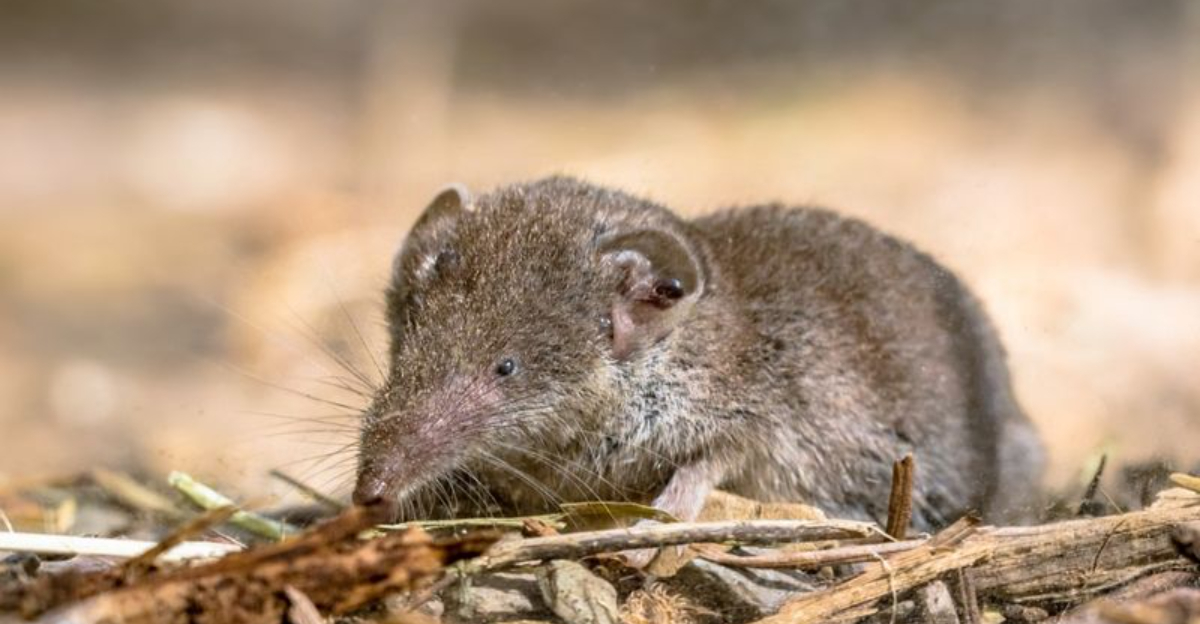
A tiny mammal is showing up more often in New York mulch beds this winter, surprising gardeners and curious onlookers alike.
These little visitors are turning up under leaves and wood chips as they look for cozy spots to stay warm in the cold.
I’ve heard plenty of stories from folks who didn’t expect to see any wildlife down in their beds this time of year.
Seeing them makes winter gardening feel a bit more alive and full of unexpected moments.
1. Meet the Short-Tailed Shrew
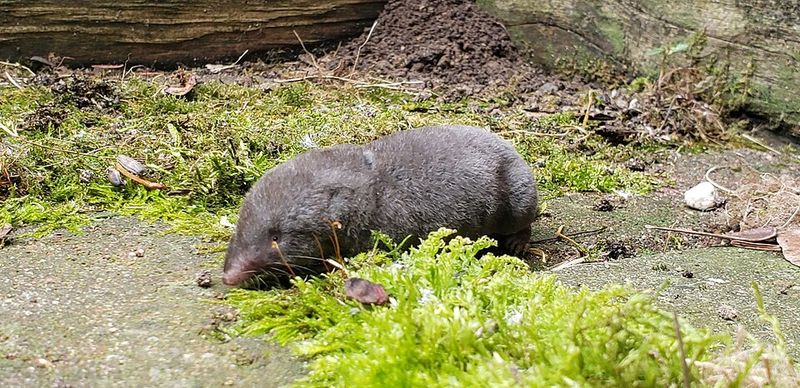
Short-tailed shrews have become frequent visitors to New York mulch beds as temperatures drop and food sources become harder to locate outdoors.
These mouse-sized mammals weigh less than an ounce but pack incredible hunting abilities that help them survive through harsh northeastern winter conditions successfully.
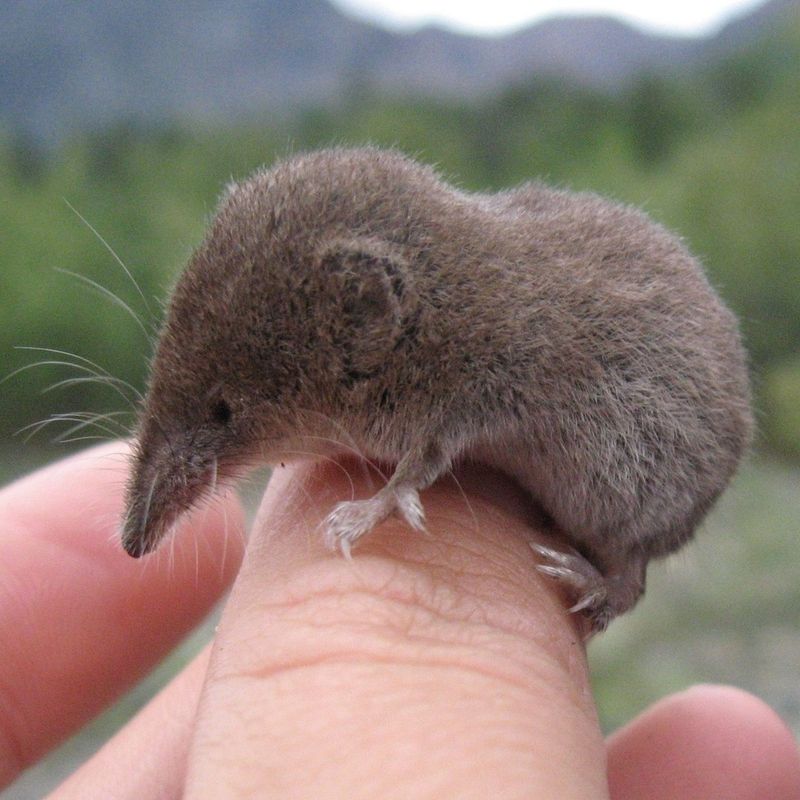
Their velvety gray-brown fur keeps them warm while they tunnel through loose mulch searching for insects, worms, and other small invertebrates to eat.
Unlike mice or voles, shrews have pointed snouts, tiny eyes barely visible through their fur, and incredibly fast metabolisms requiring constant feeding throughout day and night.
New York homeowners often mistake them for mice at first glance, but shrews move with quick, jerky motions and rarely pause for long periods.
Their presence in mulch beds actually benefits gardens by controlling pest populations that might otherwise damage plants when spring arrives in the state.
Watching these energetic little hunters scurry through garden beds provides entertainment while demonstrating how wildlife adapts to survive cold New York winters remarkably well.
2. Why Mulch Beds Attract Them
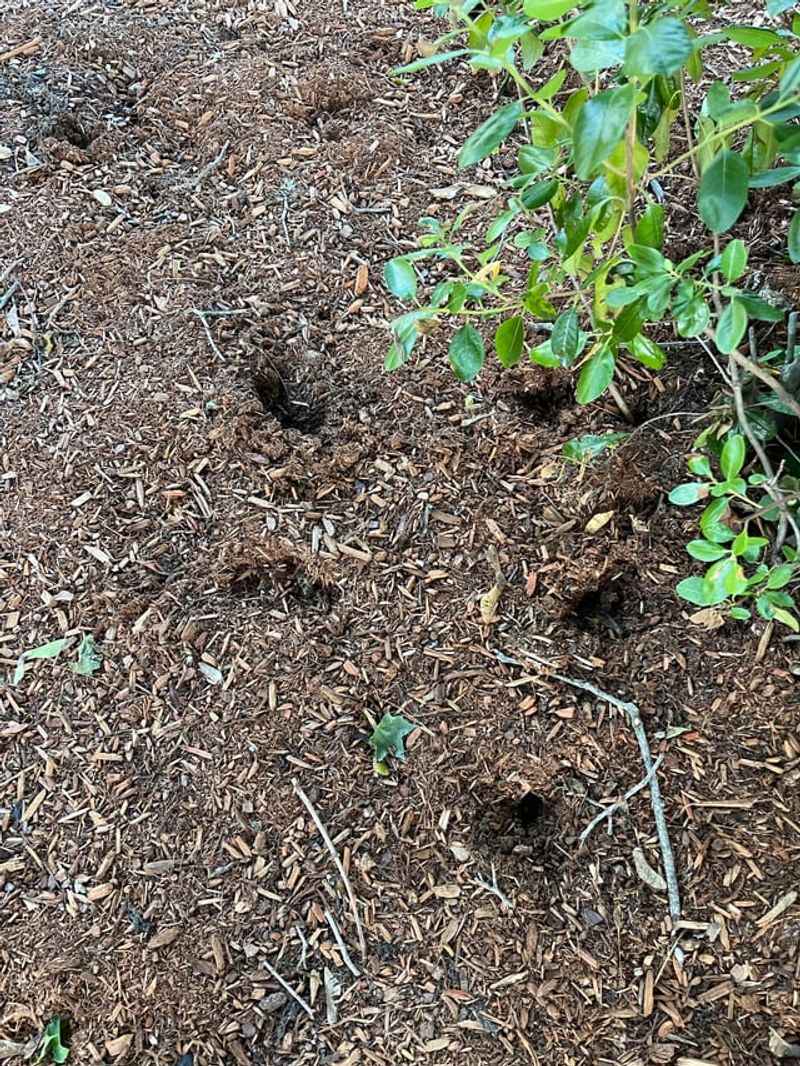
Mulch beds create perfect winter habitats for shrews because they offer insulation, protection from predators, and abundant food sources all in one convenient location.
Organic mulch materials like wood chips and shredded bark trap air pockets that maintain warmer temperatures than surrounding frozen ground in New York yards.
Decomposing plant matter within mulch attracts earthworms, beetle larvae, centipedes, and other invertebrates that shrews hunt as their primary food sources during winter.
The loose texture allows shrews to create tunnel networks beneath the surface where they can move safely without exposing themselves to hawks or owls.
Moisture retained by mulch prevents the ground from freezing solid, making it easier for these tiny mammals to access soil-dwelling prey throughout cold months.
Gardens with thick mulch layers in New York provide better hunting grounds than thin or absent mulch, explaining why shrews concentrate in well-maintained landscape beds.
Human landscaping practices inadvertently create ideal shrew habitat, bringing these secretive mammals closer to homes than they would naturally venture in wild forest settings.
3. Their Venomous Bite Surprise
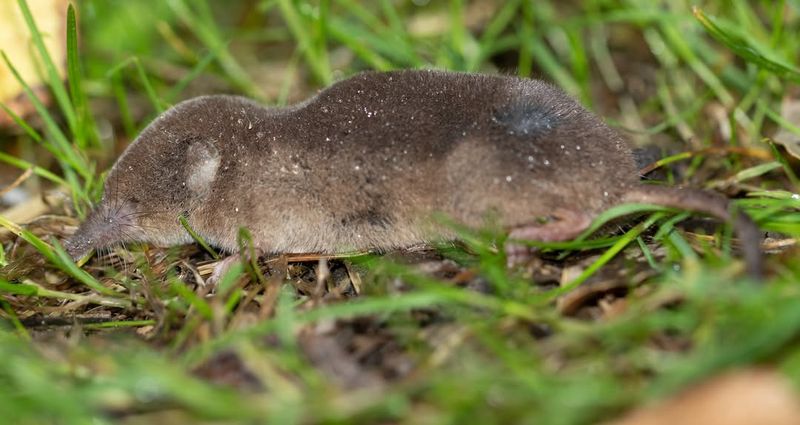
Short-tailed shrews possess a shocking ability that sets them apart from most North American mammals: they produce venom in specialized salivary glands located near their jaws.
This venom contains toxins that paralyze earthworms, insects, and other prey, allowing shrews to store living but immobilized food in underground caches for later consumption.
Humans rarely experience shrew bites, but those who handle them in New York gardens report burning sensations and localized swelling lasting several days afterward.
The venom helps these tiny predators overcome prey items that might otherwise be too large or dangerous for such small mammals to handle successfully.
Shrews inject venom through grooves in their lower incisors as they bite down, delivering toxins directly into their prey with remarkable efficiency and precision.
This adaptation makes them incredibly effective hunters despite their diminutive size, allowing them to consume more than their body weight in food each single day.
New York residents discovering shrews in mulch beds should observe from a distance and avoid picking them up, appreciating their unique biology without risking uncomfortable bites.
4. Incredible Metabolism Demands

Shrews possess one of the highest metabolic rates among all mammals, requiring them to eat almost constantly or face starvation within just hours of fasting.
Their heart rates can exceed one thousand beats per minute during active periods, burning calories at rates that seem impossible for such tiny creatures to sustain.
New York shrews must consume approximately their entire body weight in food every single day just to maintain their energy levels and survive cold conditions.
This extreme metabolism explains why shrews appear so frantic and energetic when spotted darting through mulch beds, never pausing long before continuing their endless hunts.
They alternate between brief feeding periods and short rest intervals throughout both day and night, never truly sleeping for extended periods like other mammals do.
Cold winter temperatures in the state increase their caloric needs even further, making abundant mulch bed prey populations absolutely essential for their survival until spring.
Homeowners witnessing shrews in their gardens are observing animals living life at an almost unimaginable pace, constantly balancing on the edge between feast and famine.
5. Distinguishing Them From Mice
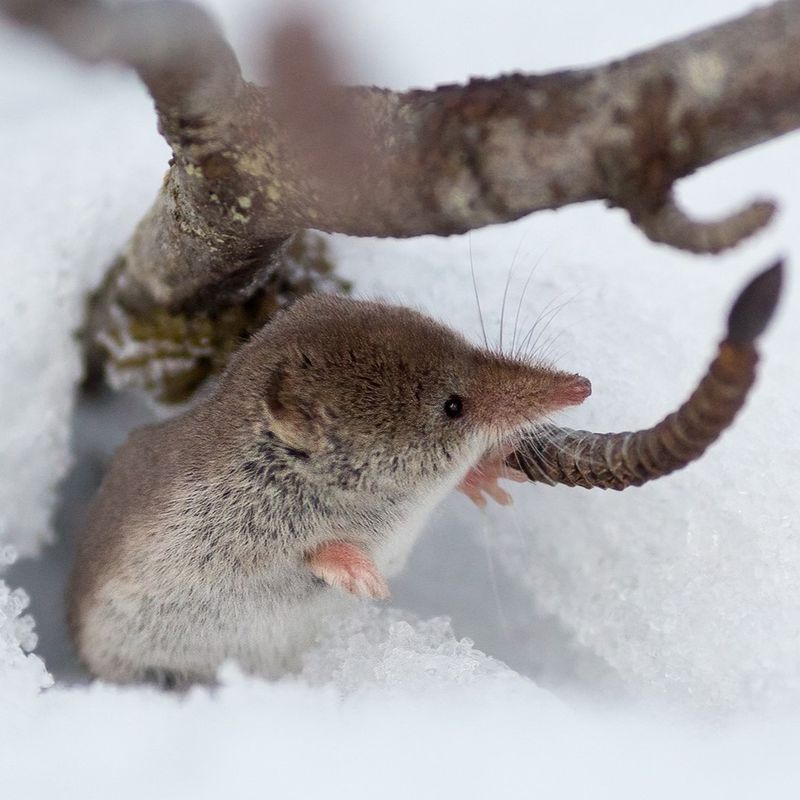
Many New York residents initially confuse shrews with mice when spotting them in mulch beds, but several key physical differences make identification relatively straightforward with practice.
Shrews have elongated, pointed snouts that extend well beyond their mouths, while mice possess shorter, blunter faces with prominent whiskers and visible rounded noses.
Mouse ears are large and clearly visible, whereas shrew ears remain hidden beneath their dense fur, giving them a sleeker, more streamlined head appearance overall.
Shrew eyes are extremely tiny, almost invisible specks barely noticeable in their fur, contrasting sharply with the large, dark, beady eyes characteristic of mice.
Their tails differ too, with shrews having relatively short, hairy tails compared to the long, nearly hairless tails that mice use for balance when climbing.
Movement patterns also distinguish them, as shrews move with rapid, jerky motions and constant activity, while mice tend to move more smoothly with frequent pauses.
Recognizing these differences helps New York homeowners correctly identify the beneficial shrews living in their gardens rather than mistaking them for potentially problematic rodent visitors instead.
6. Their Role in Pest Control
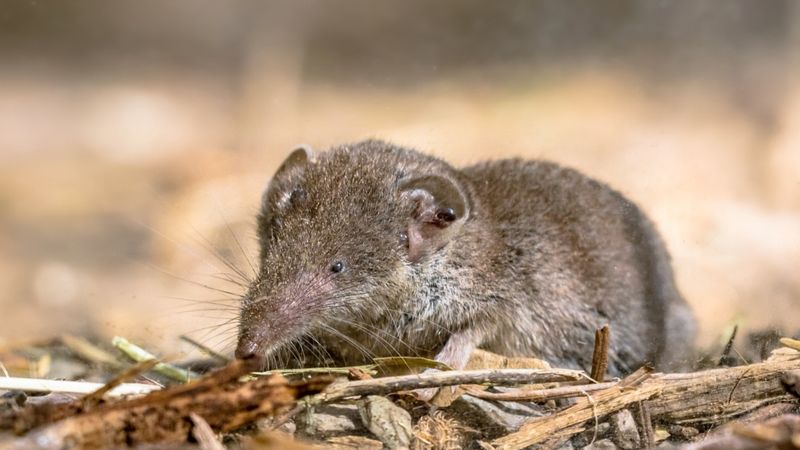
Shrews provide valuable pest control services in New York gardens by consuming enormous quantities of insects, grubs, slugs, and other invertebrates that damage ornamental plants.
A single shrew can consume hundreds of pest insects weekly, significantly reducing populations of Japanese beetle larvae, cutworms, and other troublesome garden pests naturally.
Their voracious appetites target the same creatures that gardeners spend considerable money controlling with pesticides, making shrews free and environmentally friendly pest management allies.
Unlike chemical treatments that may harm beneficial insects, shrews selectively hunt prey while leaving pollinators, butterflies, and other desirable garden visitors completely unharmed and thriving.
Gardens hosting shrew populations often show reduced pest damage come spring because shrews have been hunting and consuming overwintering pest larvae throughout cold winter months.
New York homeowners who welcome shrews into their landscape beds may notice fewer pest problems and healthier plants without resorting to potentially harmful chemical interventions.
Understanding shrews as garden helpers rather than pests encourages coexistence that benefits both human landscaping goals and local ecosystem health throughout the growing season ahead.
7. No Rabies Risk to Worry About
New York residents often worry about rabies when discovering any wild mammal near their homes, but shrews pose virtually no rabies transmission risk to humans.
Scientists have documented extremely few cases of rabies in shrews throughout North America, making them among the safest wild mammals to have near residential properties.
Their small size means that if a rabid animal bit them, shrews would likely not survive the attack, preventing them from becoming disease carriers themselves.
Public health officials in the state do not consider shrews significant rabies vectors, focusing instead on larger mammals like raccoons, bats, and foxes for prevention.
Homeowners discovering shrews in mulch beds can feel reassured knowing these tiny mammals present minimal health risks compared to other wildlife visitors around their properties.
While any wild animal bite warrants medical attention for infection prevention, rabies concerns should not drive fear or aggressive removal efforts targeting shrew populations unnecessarily.
Appreciating shrews as low-risk garden residents allows New York families to enjoy observing these fascinating creatures without unwarranted health anxieties interfering with wildlife appreciation opportunities.
8. Coexisting Peacefully With Them

Shrews require no special management or removal efforts from New York homeowners since they provide benefits while causing no damage to homes, gardens, or landscapes.
Maintaining healthy mulch beds with adequate depth and organic material ensures shrews have suitable habitat while keeping them focused on hunting rather than exploring elsewhere.
Pets should be supervised outdoors because curious dogs or cats might try catching shrews, potentially receiving those uncomfortable venomous bites as unwelcome surprises during play.
Avoiding pesticide use in gardens protects shrews and their prey populations, allowing natural pest control cycles to function effectively throughout all seasons in the state.
Children fascinated by spotting shrews should be taught to observe from a distance without attempting to catch or handle these quick, delicate mammals unnecessarily.
Shrews naturally disperse when spring arrives and food becomes available elsewhere, so winter visitors typically leave gardens without requiring any human intervention or encouragement.
Embracing these temporary residents as part of New York’s diverse urban wildlife community enriches homeowner experiences while supporting healthy, balanced ecosystems right in residential backyards successfully.