7 Actions To Take When A Feral Hog Approaches Your Louisiana Yard (And 3 That Make It Worse)
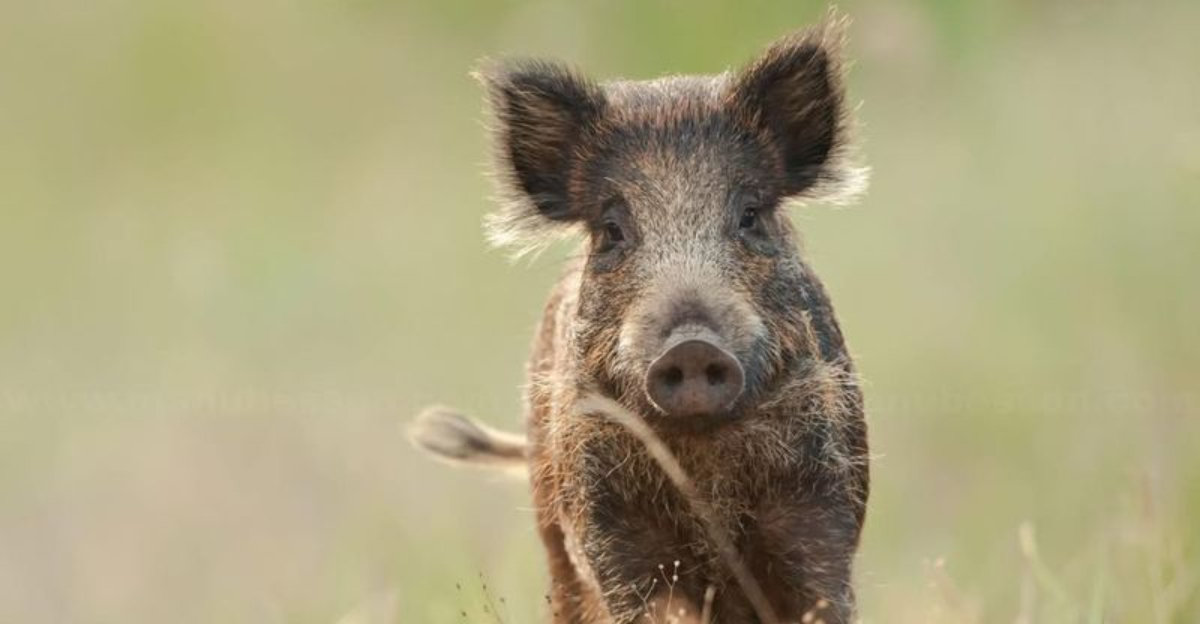
A feral hog wandering into a Louisiana yard can turn a normal day upside down fast, and it definitely makes you think twice before stepping outside.
You feel that mix of surprise and caution kick in right away, and it’s a whole lot easier to stay calm when you already know the safest ways to respond.
It’s also important to avoid the reactions that make things worse, because the right approach can keep both you and your property out of unnecessary trouble.
1. Back Away Slowly and Keep Your Distance
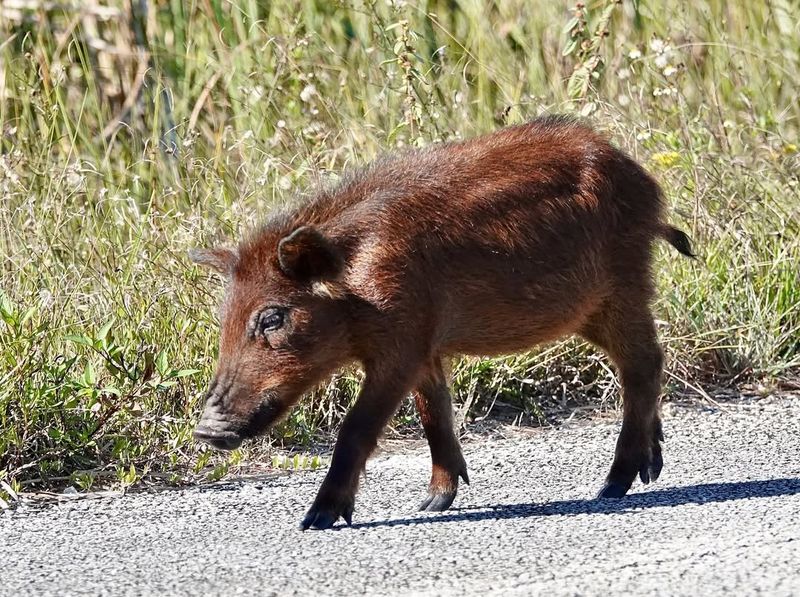
Creating space between yourself and a feral hog is absolutely critical when one appears in your Louisiana yard unexpectedly this season.
Wild hogs can weigh several hundred pounds and possess sharp tusks that cause serious injuries if they feel threatened or cornered today.
Moving backward without turning your back maintains visual contact, which helps you monitor the animal’s behavior and react if it advances.
Sudden movements or running can trigger a chase response, turning a calm situation into a dangerous encounter within seconds across Louisiana.
Keeping at least thirty feet of distance gives the hog room to move away and reduces the chance of aggressive behavior.
Many Louisiana residents have avoided trouble simply by giving these animals the space they need to retreat back into wooded areas.
Your calm demeanor signals that you are not a threat, which often encourages the hog to wander off without incident.
Remaining still or moving slowly allows the animal to assess you as non-threatening and continue on its way through Louisiana neighborhoods.
2. Make Loud Noises to Startle the Animal
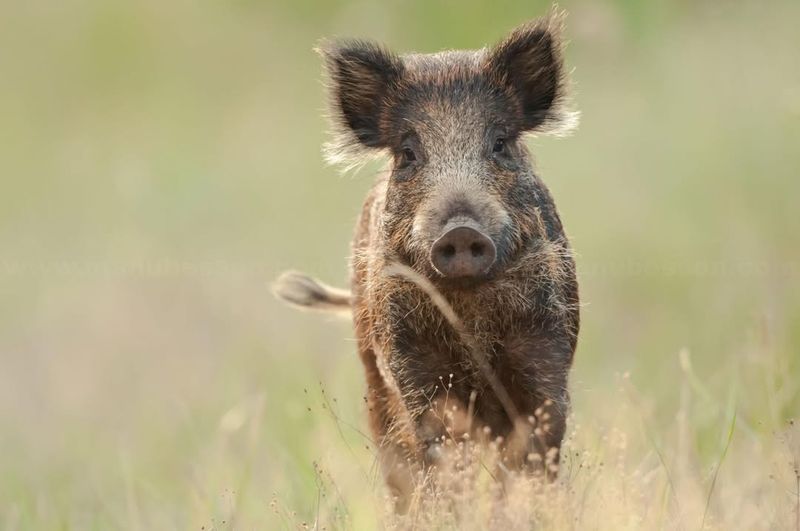
Feral hogs often respond to sudden, loud sounds by fleeing the area, making noise a useful tool in Louisiana yards today.
Clapping your hands, banging pots together, or shouting in a firm voice can interrupt the hog’s focus and send it running away.
This technique works best when the animal is not yet agitated or displaying aggressive postures like raised hackles or snorting sounds.
Louisiana wildlife experts recommend keeping noisemakers near outdoor areas where hogs have been spotted before to respond quickly during future encounters.
Air horns, whistles, and even car alarms can create enough commotion to convince a hog that the area is unsafe for it.
Combining noise with arm waving or holding objects above your head makes you appear larger and more intimidating to the animal.
However, if the hog seems unfazed or begins moving toward you, it is time to retreat to a safe location immediately.
Many Louisiana homeowners have successfully used this method to protect their gardens and outdoor spaces from repeated hog visits over time.
3. Seek Shelter Indoors or Behind a Solid Barrier
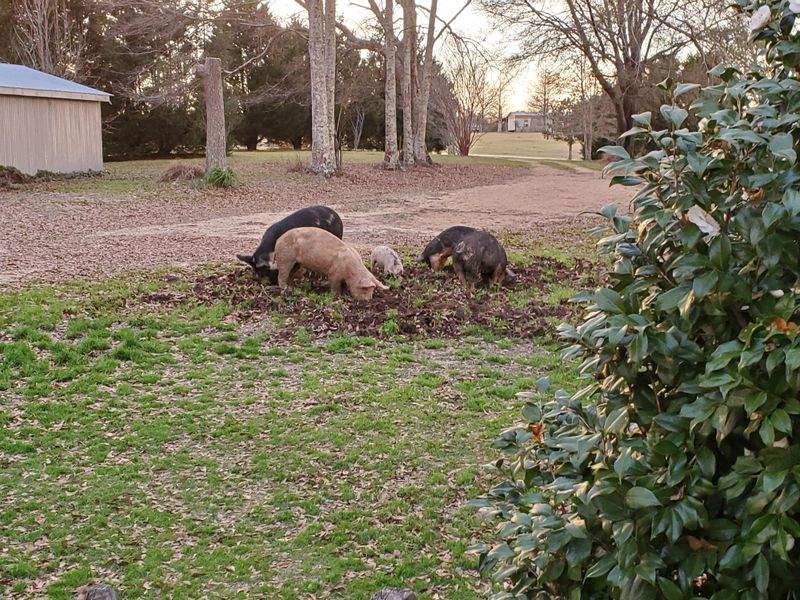
Finding immediate protection is essential if a feral hog shows signs of aggression or refuses to leave your Louisiana property right away.
Getting inside your home, garage, or vehicle provides a solid barrier that the animal cannot penetrate, ensuring your safety during the encounter.
Feral hogs are strong and persistent, but they typically lose interest once they can no longer see or smell their target nearby.
Climbing onto elevated surfaces like porches, decks, or sturdy outdoor furniture can also put you out of reach if shelter is far.
Louisiana residents who live in rural areas should always have a plan for reaching safety quickly when working or playing outdoors.
Fences and gates can slow a hog down, but they are not always reliable barriers since these animals can squeeze through gaps.
Once you are safely inside, observe the hog from a window to see if it leaves on its own or lingers around.
Calling local wildlife authorities in Louisiana is a smart next step if the animal remains on your property for an extended period.
4. Secure Pets Immediately To Prevent Accidents
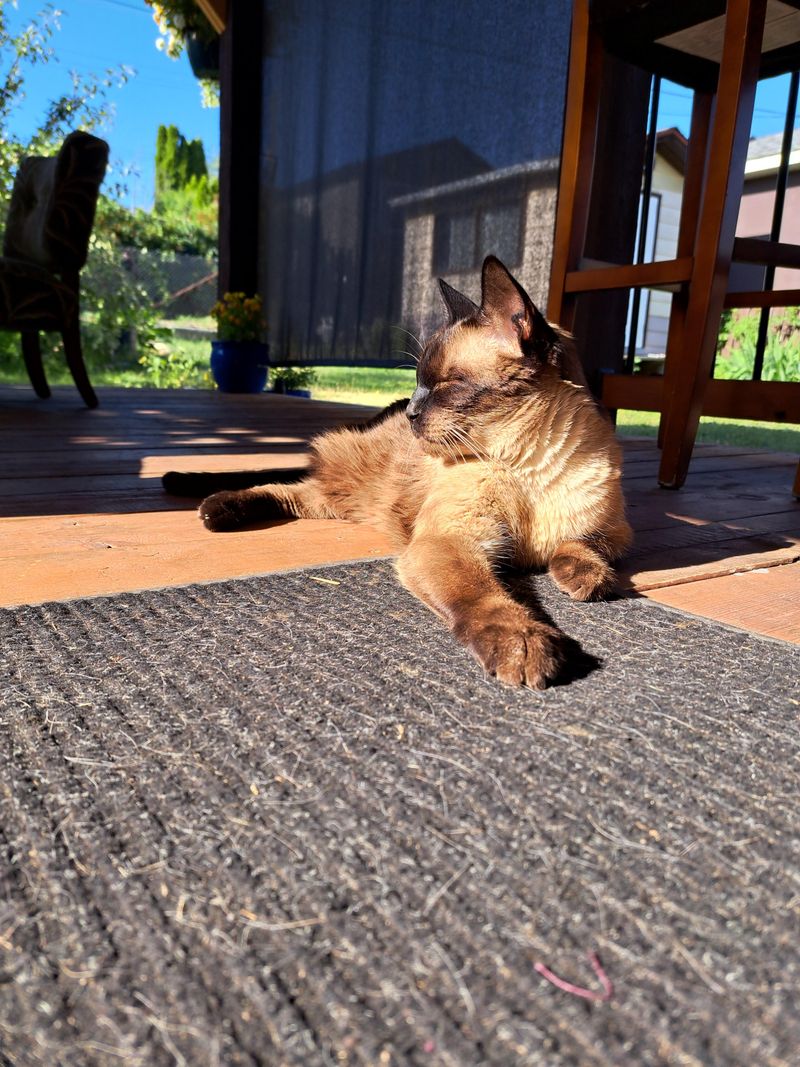
Dogs and cats often panic or behave territorially when a feral hog enters a Louisiana yard, which can provoke aggressive reactions from the animal and increase the danger for everyone involved.
Bringing pets indoors at the first sign of hog activity prevents them from barking, chasing, or blocking escape paths, which helps keep the situation calm and reduces unnecessary tension.
Veterinarians across Louisiana treat many injuries caused by unexpected backyard confrontations where pets approached hogs too closely, not realizing how quickly these animals can react defensively.
Fast action is essential because frightened or curious pets may dart unpredictably toward the hog, triggering sudden responses that escalate the encounter before you have time to intervene safely.
Keeping leashes, gates, or doors accessible helps you gain quick control when situations unfold without warning, especially in rural Louisiana areas where wildlife appears more frequently.
Even normally calm dogs can intimidate hogs unintentionally by standing too close or barking loudly, which increases the likelihood of defensive lunges or unpredictable movements.
Cats hiding under porches or vehicles remain vulnerable if the hog becomes startled or charges unexpectedly, creating risks you may not notice until it’s too late.
Removing pets from the area ensures their safety, reduces the overall stress of the encounter, and allows the hog to leave your Louisiana yard without any added provocation.
5. Call Local Wildlife Authorities For Assistance
Louisiana’s trained wildlife professionals are equipped to handle feral hog encounters safely, offering guidance and intervention that protects both residents and animals during unexpected situations.
Calling authorities shields you from unnecessary danger and ensures appropriate procedures are followed, allowing experts to assess the hog’s behavior and determine whether it poses an immediate threat.
Wildlife officers track hog activity across Louisiana communities and use these reports to monitor population trends, helping them predict which areas may face increased encounters during different seasons.
Some hogs behave unusually due to injury, illness, or boldness, and professional assessment is essential for understanding the risks and determining whether removal is necessary.
Louisiana officials provide tailored instructions based on your property layout, recent sightings, and the hog’s behavior, making their guidance especially valuable during stressful moments.
Their involvement reduces long-term issues by preventing repeat visits, particularly in areas where hogs have learned to rely on residential spaces for food or shelter.
Many Louisiana residents successfully eliminate recurring hog problems only after contacting wildlife authorities and following their long-term prevention strategies.
Expert assistance ensures the safest possible outcome, allowing the hog to be managed or removed without unnecessary conflict within residential neighborhoods.
6. Turn On Outdoor Lights To Disrupt The Hog’s Confidence
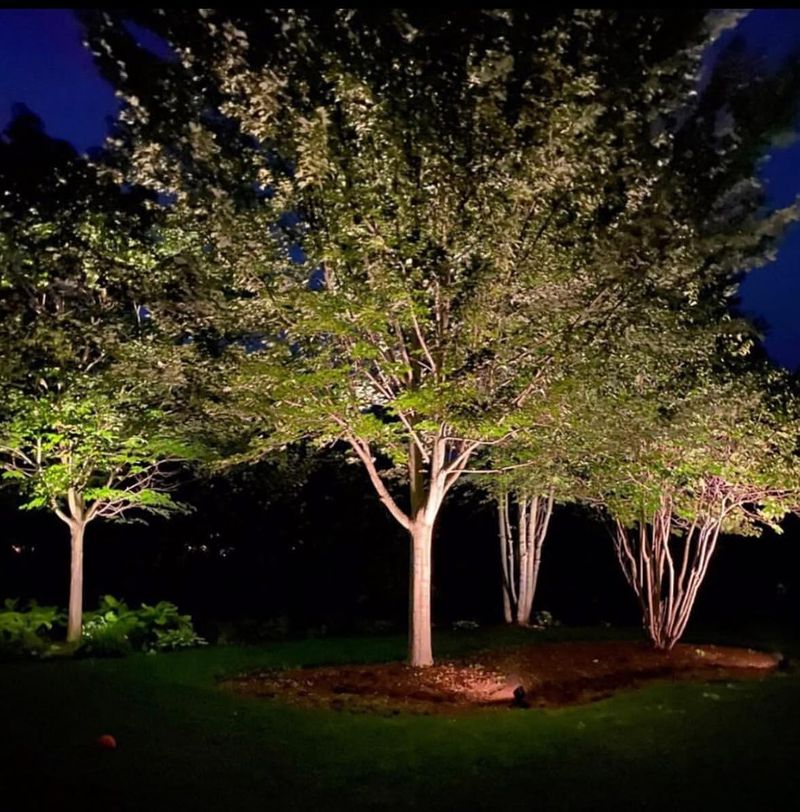
Bright lighting can startle feral hogs and disrupt their nighttime exploration patterns, making it easier for Louisiana homeowners to discourage them from lingering around yards and gardens.
Switching on porch lights or activating motion-sensor floodlights causes many hogs to hesitate, reconsider their path, and move toward wooded areas where they feel more concealed.
This method is most effective early in the encounter, before the hog becomes fully alert or aware of your presence, allowing the light to work as a gentle deterrent rather than a threat.
Because hogs rely heavily on darkness for movement and feeding, sudden illumination breaks their sense of cover and often encourages them to leave quickly.
Louisiana households commonly install strong outdoor lighting as a simple measure to reduce nighttime wildlife activity, especially in neighborhoods that experience frequent hog visits.
Improved visibility also helps you track the hog from a distance, preventing you from accidentally stepping too close or making surprising movements.
In many cases, a hog will turn away immediately once the lighting exposes it, reducing the time it spends near residential areas.
Outdoor lighting remains one of the easiest and most practical deterrents used by Louisiana residents to prevent repeated hog activity around their homes.
7. Remove Any Food Sources That Might Be Attracting Hogs
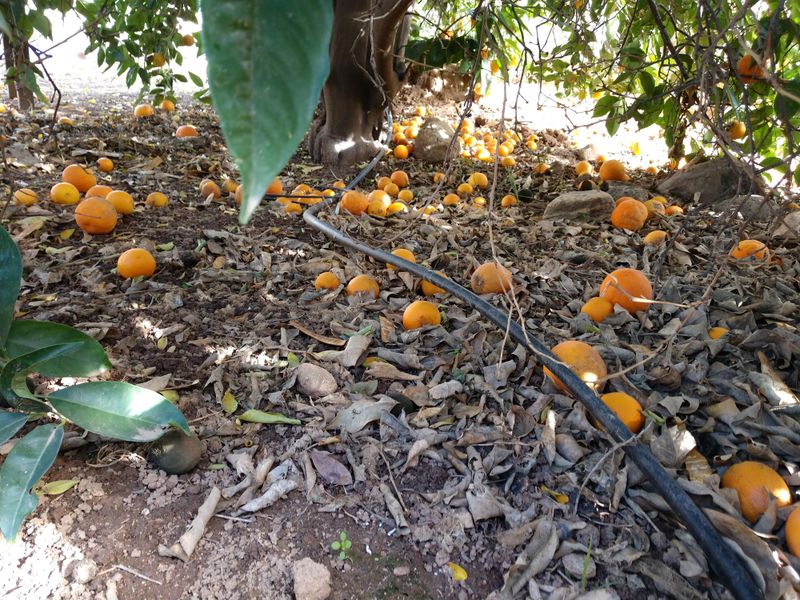
Easily accessible food is one of the primary reasons feral hogs return to Louisiana yards, especially in areas where residents unintentionally leave appealing smells or scraps outdoors.
Trash cans, compost piles, spilled birdseed, and outdoor pet food bowls often attract hogs searching for convenient meals when natural foraging becomes more difficult.
Securing lids, storing containers indoors, and cleaning patios or feeding areas help eliminate the scent trails that guide hogs toward residential properties throughout Louisiana.
Many households report fewer hog visits after removing old produce, food waste, or unsecured trash, which reduces temptation and encourages hogs to forage in their natural environments.
Because hogs have extremely strong senses of smell, even small amounts of food can draw them from considerable distances, especially during warmer Louisiana months.
Eliminating these attractants disrupts the hog’s learned behavior and makes your property less appealing compared to surrounding wooded areas.
This proactive approach prevents repeated visits and reduces the risk of confrontations, especially in neighborhoods where hog sightings have increased recently.
Cleaner yards and restricted food access help Louisiana communities manage wildlife activity more effectively and reduce unwanted property damage.
8. Avoid Blocking The Hog’s Escape Path
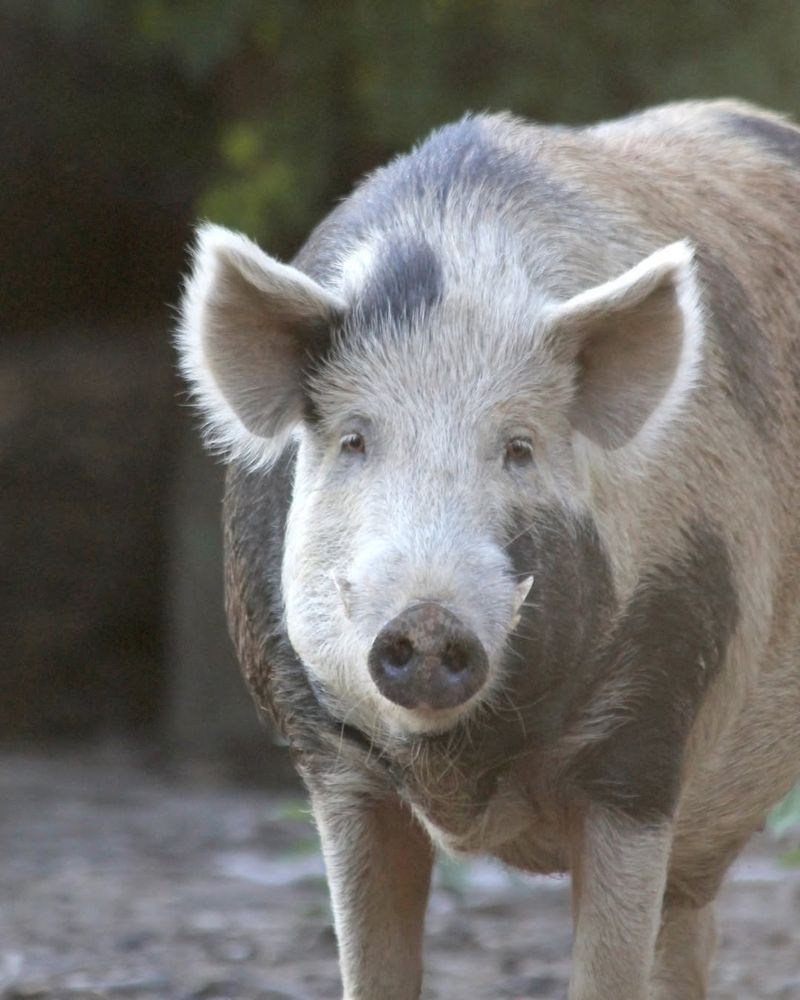
Feral hogs become significantly more defensive when they feel trapped, making it essential for Louisiana residents to allow clear escape routes during unexpected encounters.
Standing between the hog and its exit causes it to feel cornered, increasing the possibility of sudden charges or unpredictable movements that escalate the danger.
Backing away sideways gives the hog space to move without feeling threatened, which reduces its stress and encourages a quicker, calmer departure.
Louisiana wildlife officers emphasize that blocking escape routes is one of the fastest ways to trigger defensive behavior in hogs, especially near homes or fences.
Giving the hog room to retreat prevents panic responses that occur when animals feel pressured or confused about which direction to move.
Stepping aside signals that you are not trying to restrict its movement, helping resolve the situation more peacefully.
When hogs recognize an open path, they usually leave without further conflict or hesitation, reducing the overall risk for residents.
Many Louisiana homeowners avoid close encounters simply by remaining aware of the hog’s preferred escape direction and leaving that space unobstructed.
9. Never Attempt To Chase Or Corner The Hog
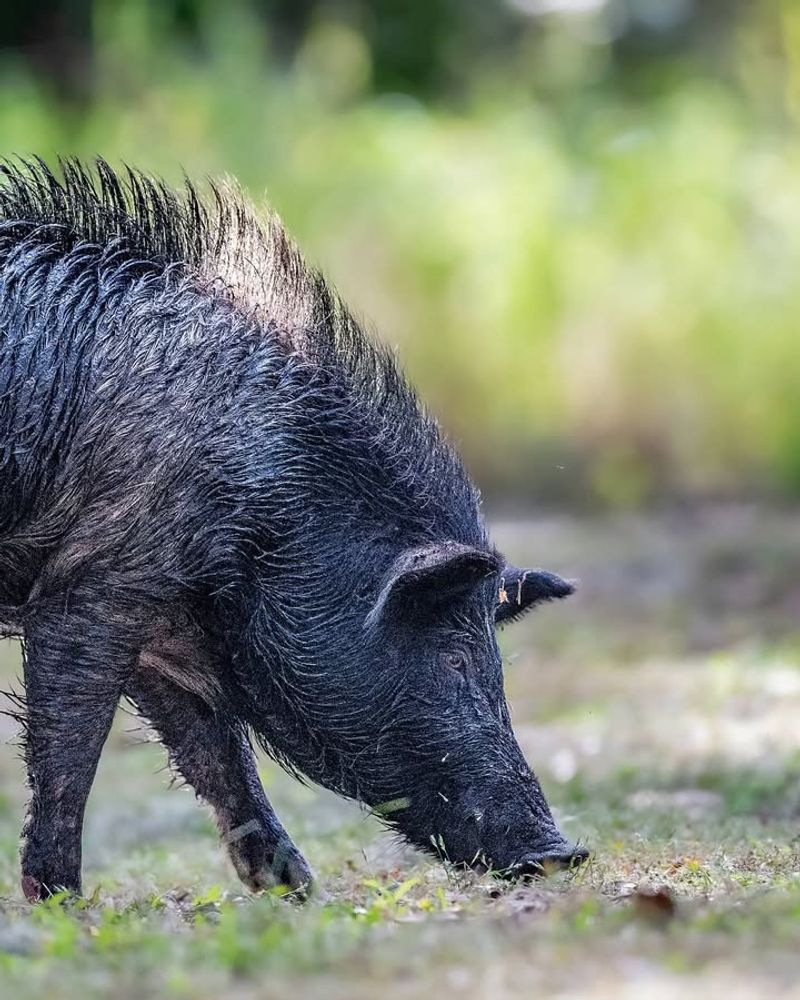
Chasing a feral hog dramatically increases the danger of an encounter, especially in tight Louisiana yards where obstacles limit escape routes and create stressful conditions for the animal.
Cornered hogs respond with sudden lunges or charges, relying on instinct rather than aggression, which can lead to serious injuries within seconds.
Louisiana wildlife experts warn that most injuries occur when homeowners try to trap, chase, or confront hogs instead of allowing them to leave naturally.
Running toward a hog triggers fear-based reactions that escalate the situation faster than most people expect, making it harder to regain control once panic begins.
These animals behave unpredictably under pressure, especially when they cannot see a clear escape route or feel overwhelmed by sudden movement.
Remaining calm and still prevents the hog from viewing you as a threat and reduces its urge to defend itself aggressively.
Attempting to box the hog in increases danger not only for you but also for pets and nearby property, especially in neighborhoods with limited space.
Allowing the hog to exit freely keeps the encounter short and significantly safer for everyone involved across Louisiana.
10. Do Not Try Feeding Or Approaching The Hog
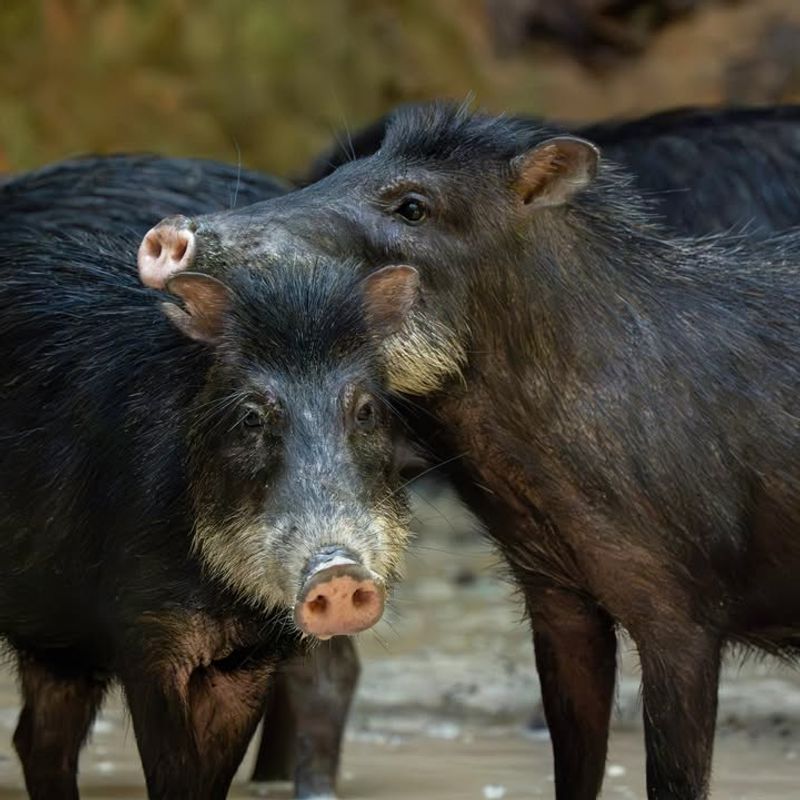
Feeding a feral hog in Louisiana teaches it to rely on residential areas for food, encouraging repeated visits and significantly increasing the risk of dangerous encounters for everyone nearby.
Approaching the animal can confuse or intimidate it, especially during hotter months when natural food sources are scarce, causing sudden defensive reactions that escalate a situation that would otherwise resolve peacefully.
Louisiana wildlife experts warn residents that feeding wild hogs disrupts their natural foraging patterns and leads to bolder behavior around homes, which often becomes harder to manage over time.
Many homeowners accidentally worsen issues by tossing scraps toward hogs, assuming it will distract them briefly, but this encourages long-term dependency and creates more confident animals that return frequently.
Hogs interpret sudden or close movements as potential threats, especially if they feel cornered or unsure, making intentional approaches extremely risky even for experienced Louisiana residents.
Closing the distance reduces the time you have to react if the hog charges toward you defensively, creating unnecessary danger in a moment that should remain calm and controlled.
Offering food convinces hogs that your yard is a reliable source of meals, making it far more likely they will appear again, especially during seasonal shortages across Louisiana.
Avoiding all feeding helps maintain clear boundaries and reduces the likelihood of future visits, supporting safer coexistence between residents and wildlife throughout communities in the state.