Add Early Color With These Native Oregon Plants Before Spring
Winter in Oregon can feel long, gray, and a little sleepy, but your garden does not have to wait for spring to party. Native plants know the local rhythm, popping up with playful color while the air is still crisp and the days start stretching.
Picture bright blooms winking through cool soil, feeding hungry pollinators and boosting your mood every time you step outside.
With the right picks, you can splash your yard with lively pinks, sunny yellows, and fresh greens while neighbors are still rubbing winter from their eyes.
These Oregon natives are tough, charming, and perfectly tuned to local soil and rain, so they thrive with less fuss and less water.
Get ready to jump start the season and give your outdoor space a cheerful glow that feels easy, natural, and full of personality. Your garden will buzz, sparkle, and smile weeks before spring officially arrives each year.
1. Oregon Sunshine (Eriophyllum lanatum)
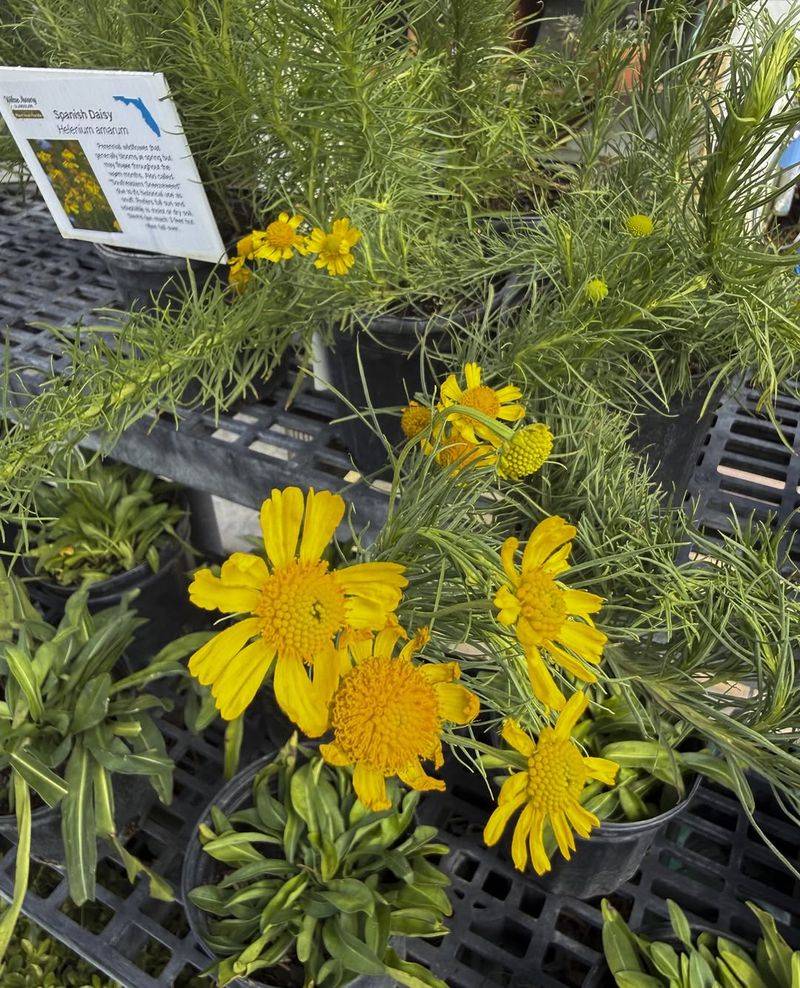
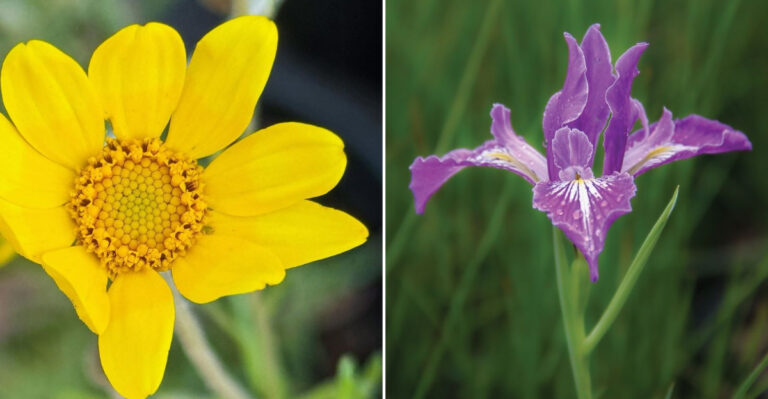
Bright yellow flowers appear as early as February in many Oregon gardens, making this cheerful plant one of the first to wake up after winter. The blooms look like small daisies and seem to glow against the plant’s silvery-gray leaves.
Birds and butterflies flock to these flowers, creating a lively scene in your yard when most other plants are still sleeping.
Oregon Sunshine thrives in full sun and rocky or sandy soil, which makes it perfect for those tricky dry spots where other plants struggle. The woolly gray-green foliage stays attractive even when the plant isn’t blooming.
It grows low to the ground, spreading to about 12 inches wide and 8 inches tall, making it ideal for rock gardens or as a groundcover along pathways.
This tough native requires almost no water once established, saving you time and money on irrigation. It handles Oregon’s wet winters and dry summers without complaint.
Plant it in fall or early winter so the roots can settle in before the spring show begins. You’ll be rewarded with months of sunny yellow blooms that brighten even the gloomiest Oregon mornings.
2. Henderson’s Shooting Star (Primula hendersonii)
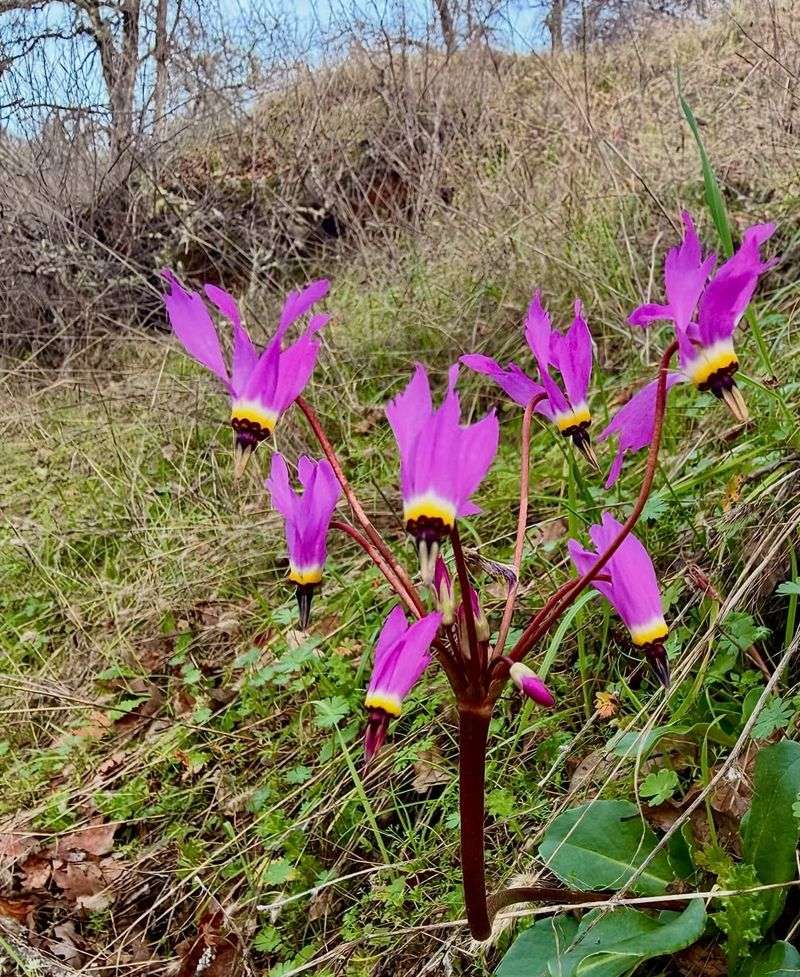
Imagine tiny pink rockets pointing toward the sky, and you’ll understand why this plant earned its whimsical name. Henderson’s Shooting Star produces clusters of magenta and pink flowers with petals that sweep backward dramatically.
These unusual blooms appear in March and April throughout Oregon’s woodlands, bringing a touch of magic to shady garden spots.
Each flower dangles from a slender stem above a rosette of smooth green leaves at the base. The blooms attract early bumblebees and other native pollinators who desperately need nectar sources in early spring.
After flowering, the plant goes dormant by summer, disappearing completely until the following spring.
This native thrives in partial shade with moist, well-draining soil rich in organic matter. It’s perfect for woodland gardens or beneath deciduous trees where it can enjoy spring moisture and summer shade.
Henderson’s Shooting Star grows wild in many Oregon locations, from the Willamette Valley to mountain foothills. Plant the bulbs in fall about 2 inches deep and 4 inches apart.
Water regularly during the growing season, but don’t worry when the foliage fades in summer. The plants are simply resting underground, storing energy for next year’s spectacular display.
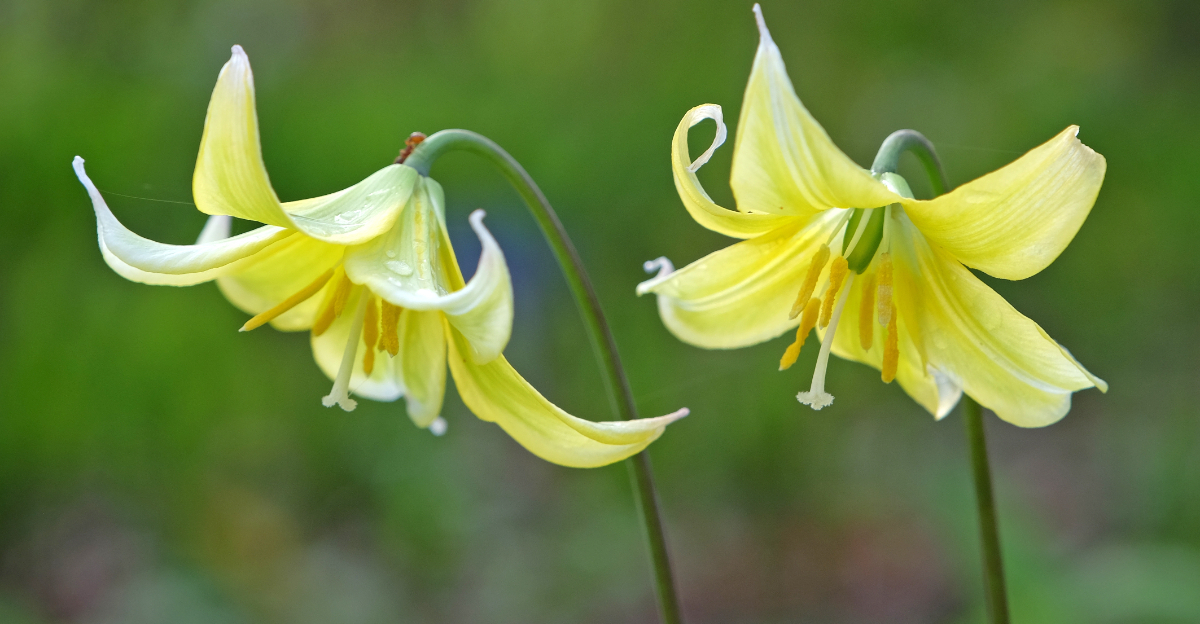
3. Yellow Fawn Lily (Erythronium oregonum)
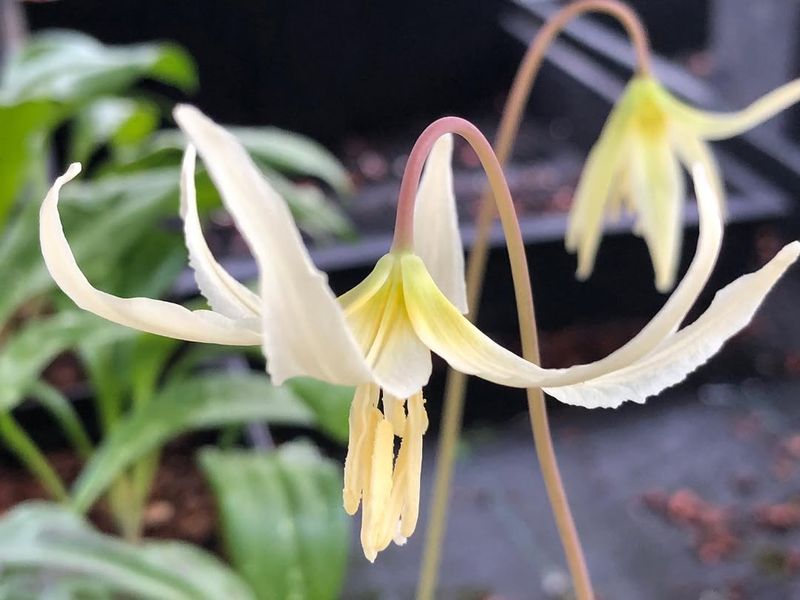
Dappled forest floors across Oregon light up with these elegant lilies each March. The creamy yellow blooms nod gracefully on stems rising 6 to 12 inches above beautifully mottled leaves.
Each flower has six swept-back petals surrounding bright yellow stamens, creating a look that’s both delicate and bold.
The leaves alone make this plant worth growing, featuring green backgrounds splashed with brown or bronze patterns that resemble fawn markings. These attractive leaves emerge in late winter and remain beautiful even before the flowers appear.
Like Henderson’s Shooting Star, this plant goes dormant by mid-summer, so pair it with ferns or other shade lovers that fill in later.
Yellow Fawn Lily prefers shady spots with rich, moist soil similar to Oregon’s native woodlands. It spreads slowly over time, forming charming colonies that naturalize beautifully under trees and shrubs.
Plant the small bulbs in fall about 3 inches deep in groups for the best effect. These lilies don’t transplant well from the wild, so always purchase nursery-grown bulbs.
Once established in the right conditions, they’ll return reliably each spring, multiplying gradually to create larger displays. Oregon gardeners treasure these native beauties for their early bloom time and low-maintenance nature.
4. Red-Flowering Currant (Ribes sanguineum)
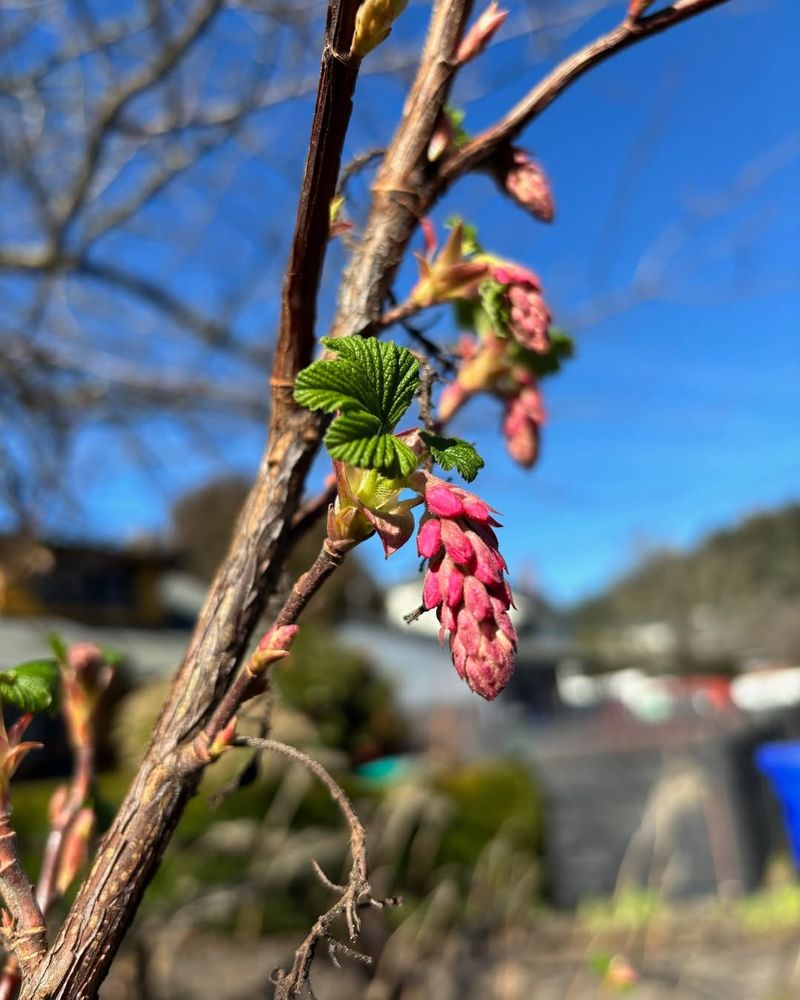
Few sights announce spring’s arrival in Oregon quite like this spectacular native shrub covered in hanging clusters of rosy-pink to deep red flowers. Blooms appear in February or March, often before the leaves fully emerge, creating a stunning display visible from across the yard.
Hummingbirds arrive within days of the first blooms opening, darting between flower clusters in their distinctive zigzag pattern.
Red-Flowering Currant grows 6 to 10 feet tall and wide, making it perfect as a specimen plant or informal hedge. The tubular flowers hang in drooping clusters called racemes, each containing dozens of individual blooms.
After flowering, small blue-black berries develop that birds devour enthusiastically. The lobed leaves appear fresh green in spring and turn attractive shades of yellow in fall.
This tough shrub handles Oregon’s climate beautifully, tolerating both wet winters and dry summers once established. It grows well in full sun to partial shade and adapts to various soil types.
Plant it in fall or early spring, water regularly the first year, then reduce watering as it becomes established. Prune after flowering if needed to control size or shape.
Oregon gardeners appreciate this native for its early color, wildlife value, and easy-going nature in the landscape.
5. Oregon Iris (Iris tenax)
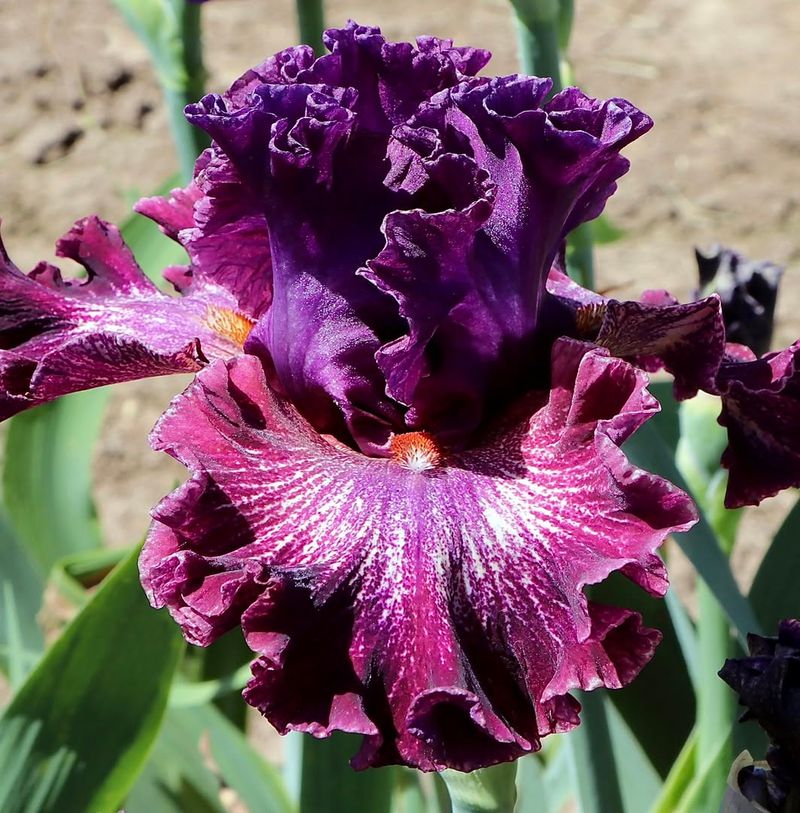
Slender grass-like leaves hide this iris during winter, but come April, gorgeous flowers emerge in shades ranging from deep purple to pale lavender and even white.
Oregon Iris grows wild in meadows and open woodlands throughout the state, bringing early color to sunny spots.
Each bloom features the classic iris shape with three upright petals and three drooping ones marked with yellow or white signals that guide pollinators to nectar.
Standing just 8 to 16 inches tall, this compact native fits perfectly in rock gardens, meadow plantings, or front-of-border locations. The flowers last several weeks, and the neat foliage remains attractive throughout the growing season.
Oregon Iris goes dormant in late summer, which makes it ideal for planting with drought-tolerant companions that take over the show later in the year.
Plant rhizomes in fall in well-draining soil where they’ll receive full sun to light shade. Space them about 12 inches apart and plant just below the soil surface.
Water regularly during spring growth and flowering, then reduce watering as summer approaches. Oregon Iris tolerates dry summers beautifully once established, making it perfect for water-wise Oregon gardens.
Divide clumps every few years to maintain vigor and spread these beauties to other areas of your landscape.
6. Broadleaf Stonecrop (Sedum spathulifolium)
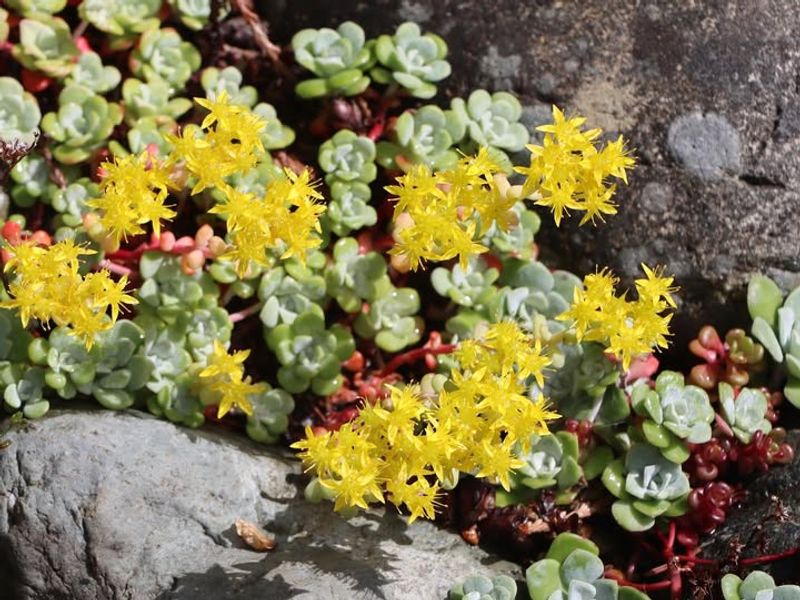
Fleshy rosettes of powder-blue leaves create living sculptures even before this succulent blooms. When bright yellow star-shaped flowers emerge in late spring, they rise above the foliage on reddish stems, creating a stunning contrast.
Broadleaf Stonecrop grows wild on rocky cliffs and outcrops throughout Oregon, proving its ability to thrive in tough conditions where most plants would struggle.
Each rosette grows 2 to 4 inches across, and plants spread slowly to form attractive mats about 4 inches tall. The succulent leaves often develop burgundy or purple tints in cool weather or bright sun, adding extra interest.
This native requires virtually no care once established and looks good year-round, making it one of the most valuable groundcovers for Oregon gardens.
Plant Broadleaf Stonecrop in full sun to partial shade in well-draining or even rocky soil. It’s perfect for rock gardens, green roofs, or any spot where drainage is excellent.
This tough native handles Oregon’s wet winters without rotting and thrives through dry summers without supplemental water. Space plants 6 to 12 inches apart and they’ll gradually fill in to create a living carpet.
Bees and other pollinators visit the flowers enthusiastically. Oregon gardeners love this plant for its beauty, toughness, and ability to thrive where almost nothing else will grow.
7. Western Buttercup (Ranunculus occidentalis)
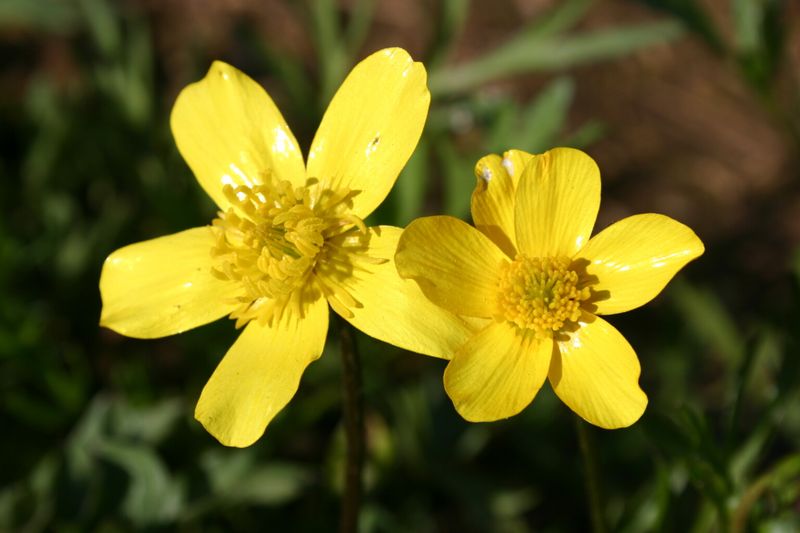
Shiny yellow petals that look almost polished catch the light beautifully when Western Buttercup blooms appear in March and April across Oregon. Each flower measures about an inch across with five to seven glossy petals surrounding a cluster of yellow stamens.
These cheerful natives grow wild in meadows, open woodlands, and along roadsides throughout the state, bringing bright color to landscapes just as winter loosens its grip.
Western Buttercup grows 6 to 18 inches tall with deeply divided leaves that form attractive clumps at the base. The flowers rise on slender stems above the foliage, swaying gently in spring breezes.
This native spreads gradually through underground rhizomes, forming lovely patches over time without becoming aggressive. It goes dormant in summer after setting seed, so combine it with plants that emerge later to fill the space.
Plant Western Buttercup in full sun to partial shade in moist, well-draining soil. It prefers locations that stay relatively moist in spring but can tolerate drier conditions once dormant.
This native works beautifully in meadow gardens, woodland edges, or naturalized areas throughout Oregon. Space plants 8 to 12 inches apart in fall or early spring.
Water regularly during the growing season, then allow the soil to dry as plants go dormant. Oregon gardeners appreciate this native for its early cheerful blooms and easy-care nature.