Add These 9 Soil Amendments Now For Better Growth In Oregon
If you’ve ever dug into your garden and felt like your plants just aren’t reaching their full potential, you’re not alone.
Oregon’s soils can be tricky, some areas are clay-heavy, others sandy, and many need a little extra help to give plants the nutrients they need.
That’s where soil amendments come in.
Adding the right amendments can make a huge difference in your garden’s health, from improving drainage to boosting fertility and helping roots establish more quickly.
It’s one of those simple steps that often gets overlooked, but it pays off throughout the growing season.
You don’t need a huge budget or fancy tools, just the right materials and a bit of planning.
Whether you’re planting vegetables, flowers, or shrubs, giving your soil a boost now sets your garden up for success in the months ahead.
The good news is, there are amendments that work particularly well in Oregon’s climate and soil conditions, making it easier to grow healthy, vigorous plants.
By adding these soil amendments, you can support healthier plants, fuller blooms, and a more productive garden all season long.
1. Compost: Nature’s Perfect Soil Booster
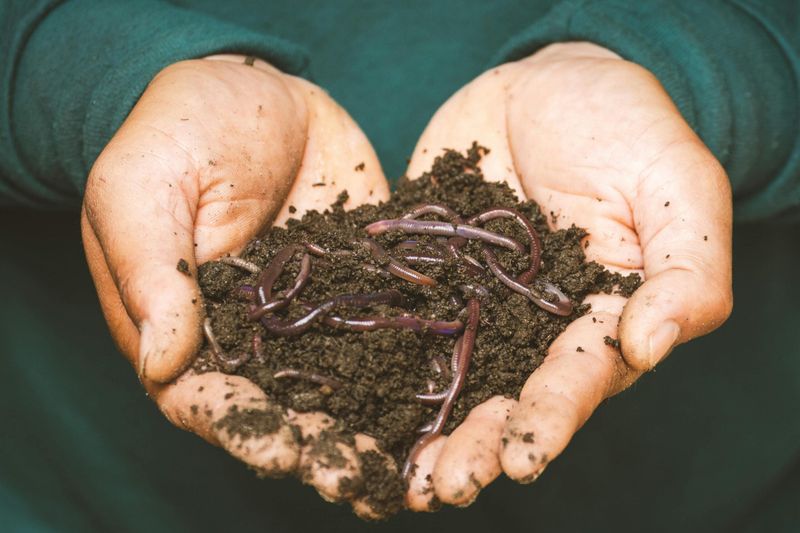
Compost transforms poor soil into a rich growing medium that plants absolutely love.
Made from decomposed organic matter like vegetable scraps, leaves, and grass clippings, it adds beneficial microorganisms that help plants absorb nutrients more effectively.
Oregon’s rainy climate can wash away nutrients, but compost helps hold them in place where roots can reach them.
You can make your own compost pile at home or buy it by the bag or truckload.
Spread a two to three inch layer over your garden beds and mix it into the top six inches of soil.
The dark, crumbly texture improves drainage in heavy clay soils while helping sandy soils retain more moisture.
Compost also feeds earthworms and other helpful creatures that keep your soil healthy.
Many Oregon gardeners consider it their secret weapon for growing prize-winning tomatoes, abundant squash, and beautiful flowers.
Apply it once or twice a year, and you will notice stronger stems, greener leaves, and better resistance to plant stress.
Local municipalities often offer free or low-cost compost made from yard waste collected around town.
This makes it an affordable option for gardeners on any budget.
Your plants will reward you with vigorous growth throughout the season.
2. Aged Manure Adds Essential Nutrients

Animal manure ranks among the oldest and most effective fertilizers known to gardeners.
Cow, horse, chicken, and sheep manure all provide nitrogen, phosphorus, and potassium that plants need for strong growth.
Fresh manure can burn plants, so always use aged or composted manure that has broken down for at least six months.
Chicken manure packs the most nutrients but needs careful handling because of its strength.
Horse and cow manure work well for most Oregon gardens and are easier to find from local farms and stables.
Mix aged manure into your soil in fall or early spring, using about two inches spread across your beds.
The organic matter in manure improves soil structure just like compost does.
It helps clay soils drain better and gives sandy soils more body.
Plants grown in manure-enriched soil often show deeper green color and produce more fruits and vegetables than those in untreated soil.
Many Oregon farms and riding stables will gladly give away aged manure for free if you haul it yourself.
Just make sure it comes from animals that were not treated with persistent herbicides, which can damage your garden.
A yearly application keeps your soil fertile and productive for seasons to come.
3. Lime Balances Acidic Oregon Soil
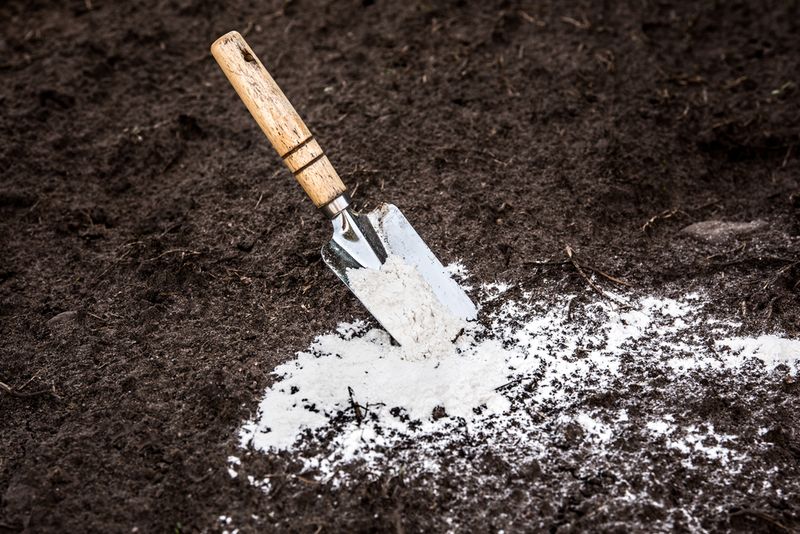
Oregon soil tends to be quite acidic because of all the rain we get throughout the year.
Most vegetables, flowers, and lawns prefer soil that is closer to neutral on the pH scale.
When soil becomes too acidic, plants cannot absorb nutrients properly even when plenty are available.
Garden lime, also called agricultural lime, raises pH levels and makes nutrients more accessible to plant roots.
A simple soil test from your county extension office will tell you exactly how much lime you need.
Most Oregon gardens benefit from an application every two to three years.
Dolomite lime offers an extra bonus because it contains both calcium and magnesium, two minerals that plants need for healthy growth.
Spread lime in fall or early spring and work it into the soil several inches deep.
It takes a few months to change pH levels, so patience pays off.
Vegetables like broccoli, cabbage, and lettuce grow much better in soil that has been limed.
You might also notice fewer problems with certain plant diseases that thrive in acidic conditions.
Apply lime according to soil test recommendations rather than guessing, because too much can create different problems.
Your county extension office can help you interpret test results and make the right choices.
4. Peat Moss For Better Water Retention
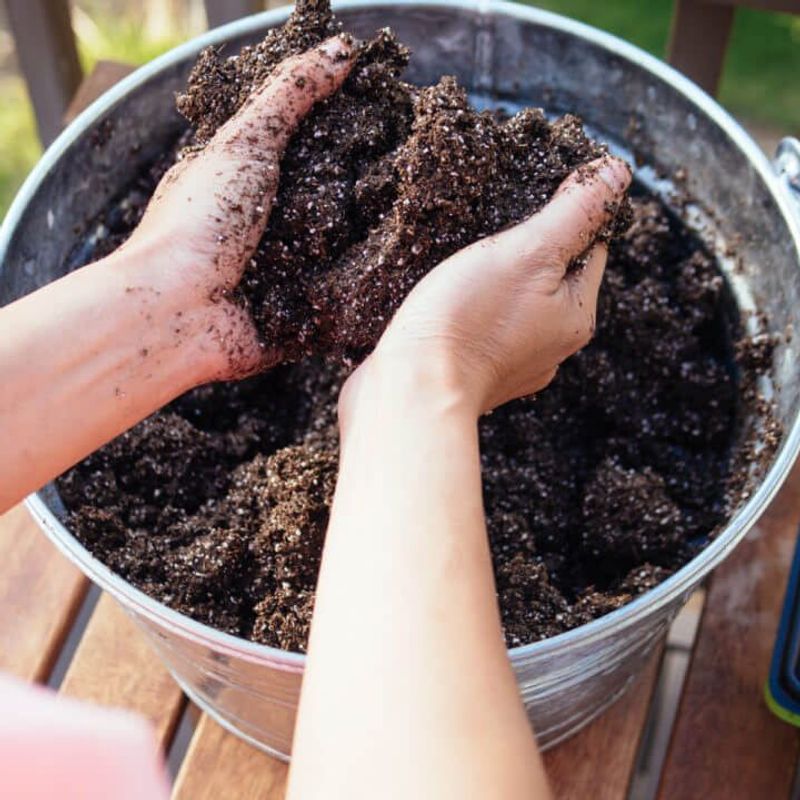
Peat moss comes from ancient bogs where plant material has decomposed very slowly over thousands of years.
Gardeners prize it for its amazing ability to hold water while still allowing air to reach plant roots.
Sandy Oregon soils that dry out quickly benefit most from peat moss additions.
This amendment is naturally acidic, which makes it perfect for growing blueberries, rhododendrons, azaleas, and other plants that love low pH.
Mix peat moss into planting holes or spread it across beds before tilling.
It lightens heavy clay soils and gives them a fluffier texture that roots can penetrate easily.
One bale of peat moss goes a long way because it expands significantly when you break it apart and moisten it.
Work it into the top six to eight inches of soil for best results.
Container gardens also benefit from peat moss mixed into potting soil.
Some gardeners prefer coconut coir as a more sustainable alternative to peat moss.
Both work similarly to improve soil structure and moisture retention.
Whichever you choose, your plants will develop stronger root systems and need watering less frequently during Oregon’s dry summer months.
Reapply every few years as the organic matter breaks down naturally.
5. Gypsum Breaks Up Heavy Clay
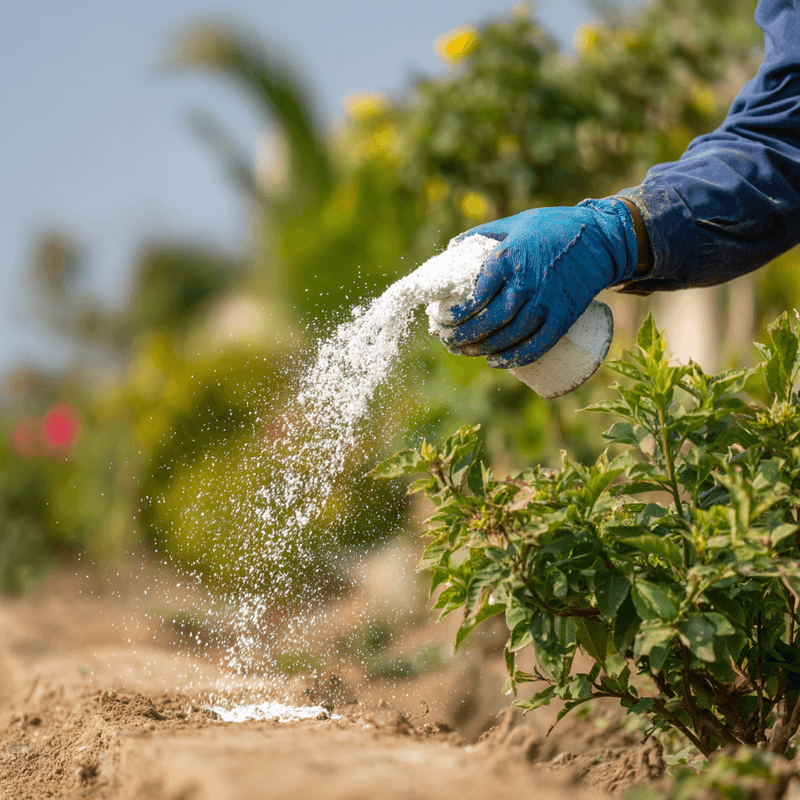
Clay soil causes headaches for many Oregon gardeners, especially in the Willamette Valley and other lowland areas.
When clay gets wet, it turns into sticky mud that suffocates plant roots.
When it dries out, it becomes hard as concrete and roots cannot push through it.
Gypsum works like magic on clay soil without changing pH levels.
It contains calcium and sulfur that help clay particles clump together into larger chunks, creating spaces for air and water to move through.
Apply gypsum in spring or fall, spreading it evenly and watering it in thoroughly.
Unlike lime, gypsum acts relatively quickly, often showing results within a few weeks.
You can walk on treated soil sooner after rain because it does not stay muddy as long.
Vegetables like carrots and potatoes grow straighter and larger in clay soil that has been treated with gypsum.
Most Oregon clay soils need about 20 to 40 pounds of gypsum per 1,000 square feet.
Repeat applications every two to three years maintain improvements.
Combining gypsum with compost gives even better results because the organic matter feeds soil life while gypsum improves structure.
Your garden will drain better and plants will establish faster in treated soil.
6. Bone Meal Strengthens Roots and Blooms

Bone meal comes from ground animal bones and provides a slow-release source of phosphorus that plants need for strong root development and flower production.
Phosphorus does not move through soil easily, so mixing bone meal into planting holes puts it right where roots can find it.
Spring-flowering bulbs like tulips and daffodils benefit greatly from bone meal added at planting time in fall.
Tomatoes, peppers, and other fruiting vegetables also appreciate the phosphorus boost.
Mix a handful into the soil before transplanting seedlings to give them a strong start.
Oregon’s acidic soils sometimes lock up phosphorus, making it unavailable to plants even when plenty is present.
Bone meal releases phosphorus gradually over several months, feeding plants throughout the growing season.
It also contains calcium, which helps prevent blossom end rot in tomatoes and peppers.
Apply bone meal once or twice per year, being careful not to overdo it because excess phosphorus can cause problems.
Follow package directions for application rates.
Organic gardeners especially appreciate bone meal because it comes from natural sources and breaks down slowly without burning plants.
Flowers will bloom more abundantly and vegetables will set more fruit when phosphorus levels are adequate.
7. Sulfur Lowers pH For Acid-Loving Plants

While most Oregon soil is already acidic, some areas have neutral or even alkaline soil that needs adjusting for certain plants.
Blueberries, cranberries, rhododendrons, and azaleas all require very acidic soil to thrive.
Sulfur lowers pH levels gradually and safely when applied correctly.
Elemental sulfur works slowly, taking several months to acidify soil as soil bacteria convert it into sulfuric acid.
Apply it in fall for spring planting, or in early spring for summer results.
A soil test tells you exactly how much sulfur you need based on your current pH and desired target.
Granular sulfur is easiest to spread and work into the soil.
Mix it thoroughly into the root zone of existing plants or across entire beds before planting.
Water helps activate the process, so Oregon’s rainy climate actually speeds up sulfur’s effectiveness compared to drier regions.
Blueberries grow poorly in soil that is not acidic enough, producing small berries and yellowing leaves.
Rhododendrons and azaleas show similar symptoms when pH is too high.
Sulfur applications every two to three years maintain the acidic conditions these plants need.
Always retest your soil before adding more sulfur to avoid making it too acidic, which creates different nutrient problems.
8. Worm Castings Boost Soil Biology
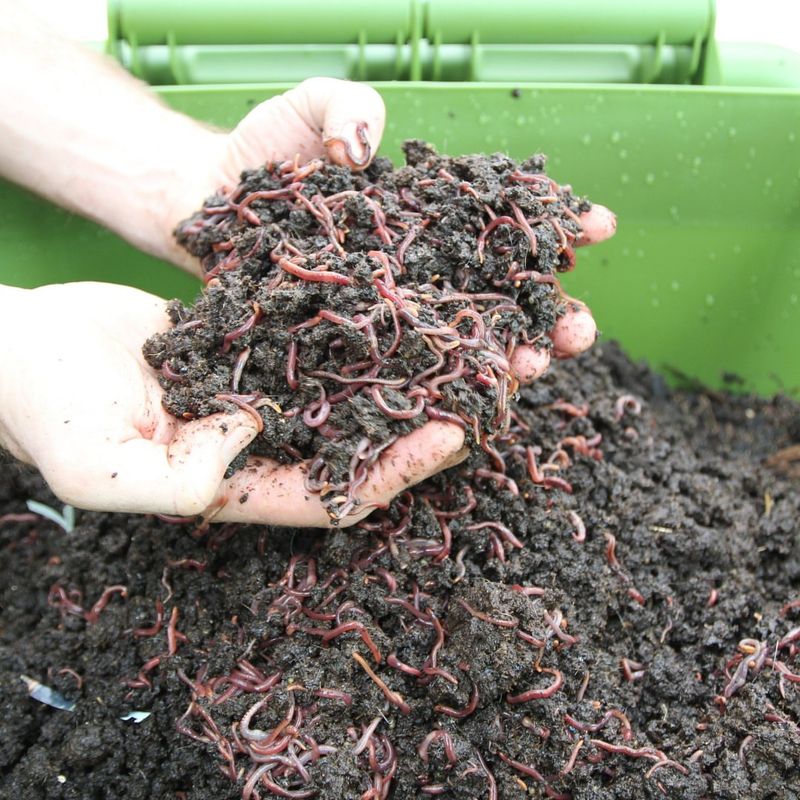
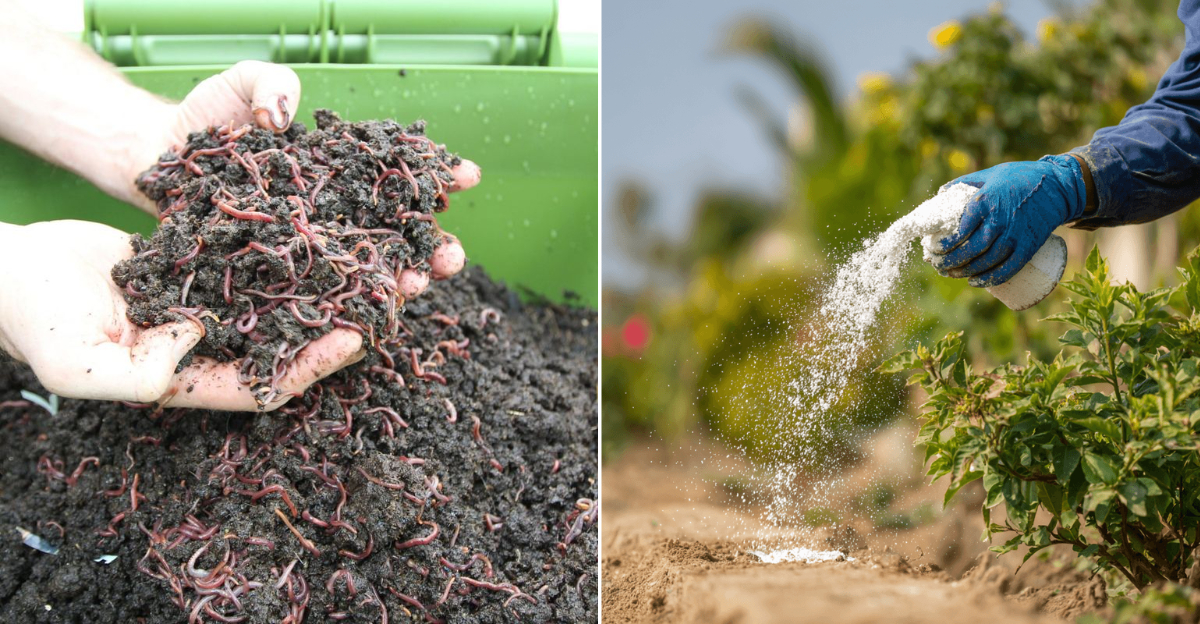
Worm castings are simply earthworm droppings, but they contain concentrated nutrients and beneficial microorganisms that supercharge plant growth.
Often called black gold by organic gardeners, castings improve soil structure while providing gentle, long-lasting fertility that will not burn even the most delicate seedlings.
Red wiggler worms produce the best castings, and many Oregon gardeners raise them in bins at home.
Commercial worm castings are also available at garden centers, though they cost more than other amendments.
A little goes a long way because castings are so nutrient-dense.
Mix worm castings into potting soil for containers, sprinkle them around transplants, or brew them into compost tea for foliar feeding.
Plants absorb nutrients from castings quickly, often showing improved growth within days.
The beneficial bacteria and fungi in castings help protect plants from diseases and improve overall soil health.
Seedlings started in soil mixed with worm castings develop stronger stems and more extensive root systems.
Vegetables grown with castings often taste better and store longer than those grown with chemical fertilizers alone.
You can apply worm castings as often as you want without worrying about overfertilizing.
Many Oregon gardeners consider them essential for starting seeds and growing healthy transplants.
9. Biochar Improves Soil For Decades

Biochar is charcoal made specifically for soil improvement, created by heating wood or other organic materials in a low-oxygen environment.
This ancient amendment was discovered in the Amazon rainforest, where indigenous people used it to create incredibly fertile soil that remains productive centuries later.
Biochar acts like a sponge in your soil, holding onto water and nutrients that would otherwise wash away in Oregon’s heavy rains.
It provides homes for beneficial microorganisms and improves soil structure in both clay and sandy soils.
Unlike other amendments that break down within a few years, biochar lasts for decades or even centuries.
Before adding biochar to your garden, charge it by soaking it in compost tea or mixing it with compost for a few weeks.
This loads the porous structure with nutrients and microbes.
Apply charged biochar at a rate of about 10 percent by volume, mixing it thoroughly into your soil.
Plants grown in biochar-amended soil often show improved drought tolerance and nutrient uptake.
The carbon in biochar also helps reduce greenhouse gases by locking carbon in the soil rather than releasing it into the atmosphere.
More Oregon gardeners are discovering biochar’s benefits for building long-term soil fertility and resilience.
One application can improve your garden for generations to come.