Add These 9 Soil Boosters Before Spring Growth Takes Off In Oregon
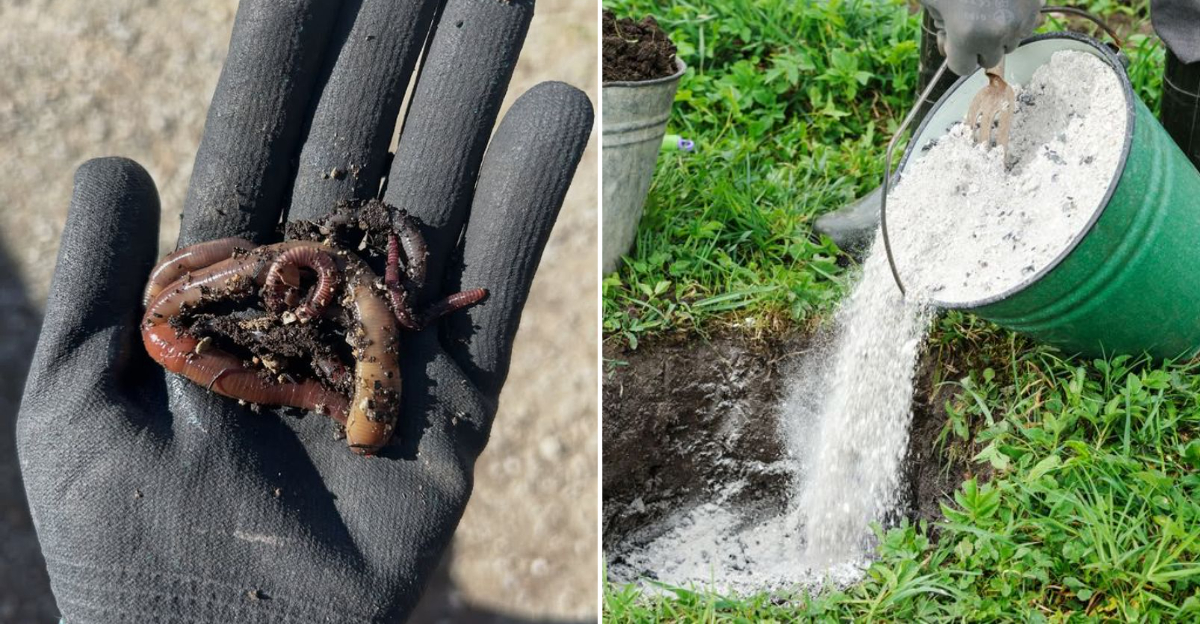
Oregon gardens have a short but powerful moment when plants shift into growth mode. After the long, wet winter, the soil begins to wake up and roots start searching for the nutrients they need to fuel fresh leaves, flowers, and strong stems.
Gardeners who prepare their soil before that burst of growth often see a big difference in how their plants perform.
Healthy soil acts like a support system underground, helping plants establish quickly and grow more vigorously as the season moves forward.
A few well chosen soil boosters can make that process even better. Some add nutrients plants are hungry for, others improve soil texture, and a few encourage the beneficial microbes that keep garden soil alive and productive.
Adding these simple boosters before growth kicks into high gear can help Oregon gardens start the season stronger and stay healthier for months to come.
1. Compost
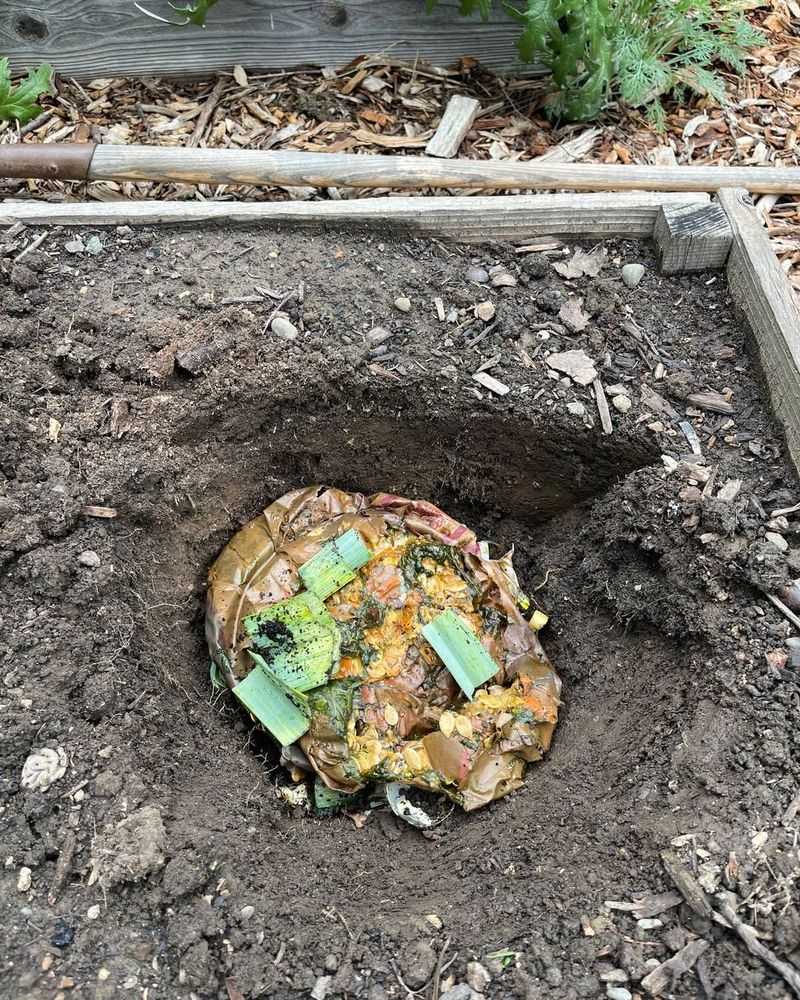
There is a reason gardeners call compost “black gold.” Few things transform tired, worn-out soil the way a good layer of finished compost can. In Oregon, where heavy rainfall can compact and deplete garden beds over the winter, compost is one of the best things you can add before spring planting begins.
Compost improves soil structure so roots can push through easily. It also helps soil hold onto water and nutrients longer, which means your plants get fed more steadily over time.
Beneficial microbes and earthworms love compost too, and they do a lot of the hard work of breaking nutrients down for your plants.
Spread a 2 to 3 inch layer over your garden beds and work it into the top 6 inches of soil. You can buy bagged compost from a local garden center, or make your own from kitchen scraps and yard waste.
Oregon State University Extension recommends adding organic matter like compost every year to keep soil healthy and productive. Starting this habit now will pay off season after season in your Oregon garden.
2. Aged Manure
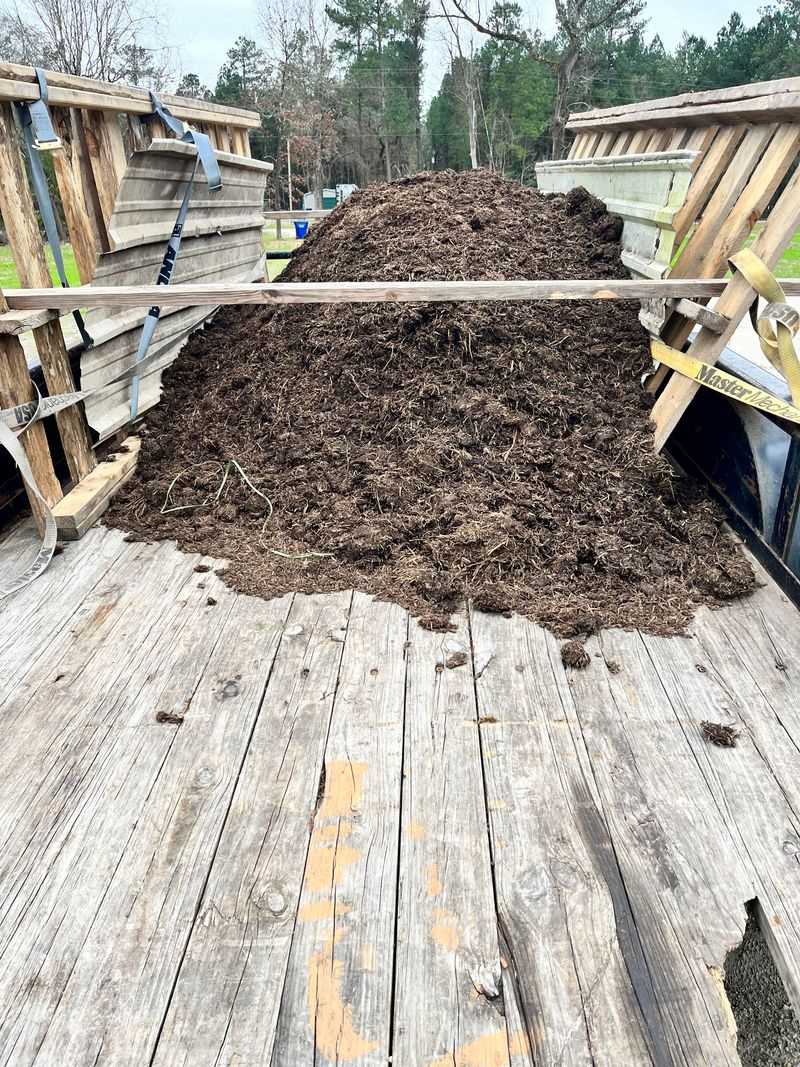
Walk into any feed store in rural Oregon and you will likely find bags of aged manure stacked near the door. Farmers have used it for centuries, and for good reason.
When manure has been properly composted and aged, it becomes one of the most effective and affordable ways to load your garden soil with nutrients and organic matter.
Fresh manure can burn plant roots and may carry harmful bacteria, so always use the aged or composted kind. Chicken, cow, and horse manure are all popular choices.
Each one brings a slightly different nutrient profile, but all of them improve soil texture and feed the microorganisms that keep your garden thriving.
Work aged manure into the top several inches of your beds a few weeks before planting. This gives it time to settle into the soil and blend with existing organic matter.
If you live near farms in the Willamette Valley or other rural parts of Oregon, you may even be able to source aged manure locally for free or at a low cost. It is a simple, old-school amendment that still delivers impressive results every spring.
3. Worm Castings
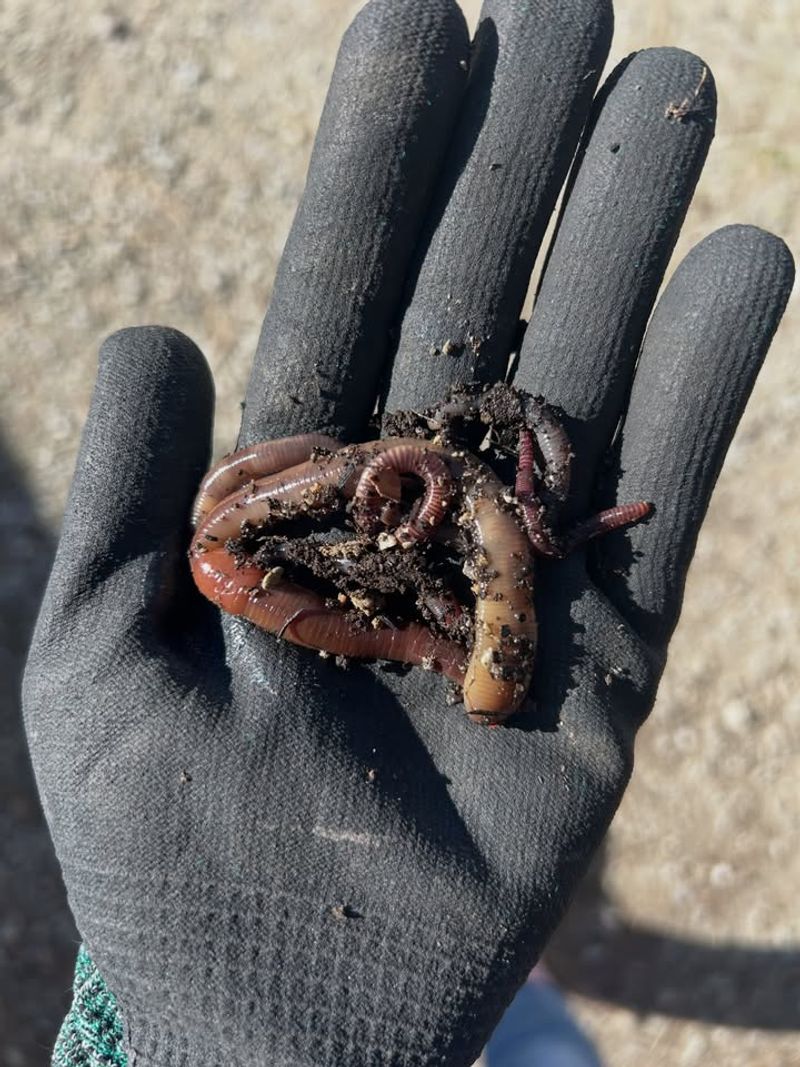
Worm castings might not look like much at first glance, but they are packed with slow-release nutrients and beneficial microbes that plants absolutely love. Sometimes called vermicompost, worm castings are the natural byproduct of earthworms processing organic material.
The result is a soft, earthy amendment that is gentle enough to use directly around seedlings without any risk of burning them.
What makes worm castings stand out is how they improve both soil nutrition and soil structure at the same time. They help sandy soils hold water better and help clay soils drain more efficiently.
Oregon gardens often deal with heavy clay soils, especially in the Willamette Valley, so this dual benefit is a real advantage.
Sprinkle worm castings into planting holes, mix them into potting soil, or spread them as a top dressing around existing plants. A little goes a long way.
Even a small amount mixed into your beds before spring can noticeably boost plant health and root development. You can find worm castings at most garden centers across Oregon, or try setting up a small worm bin at home to produce your own supply year-round.
4. Bone Meal
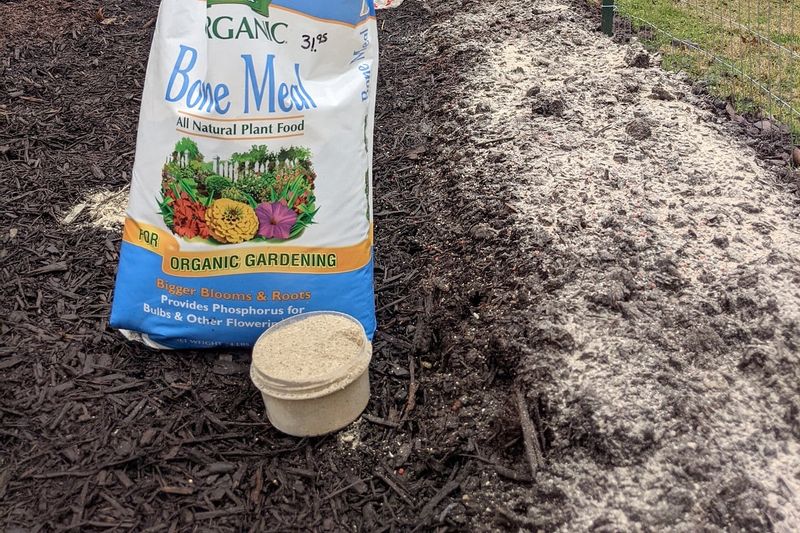
Phosphorus is one of the most important nutrients for strong root growth and flowering, and bone meal is one of the richest natural sources of it.
Made from ground animal bones, this slow-release fertilizer works its way through the soil gradually, feeding plants over several months.
It is a favorite among Oregon gardeners who grow bulbs, root vegetables, and flowering perennials.
Before you add bone meal, it helps to do a quick soil test. Oregon soils vary widely, and some areas already have enough phosphorus.
Adding too much can actually block plants from absorbing other nutrients. A simple test kit from a garden center or through Oregon State University Extension can tell you what your soil actually needs.
If your soil test shows low phosphorus levels, mix bone meal into the planting hole or work it into the top few inches of your beds before spring planting. Follow the package instructions for application rates, since a little goes a long way with this amendment.
Bone meal breaks down slowly, so applying it now means your plants will be drawing on those nutrients right when they need them most during early spring growth in Oregon.
5. Blood Meal
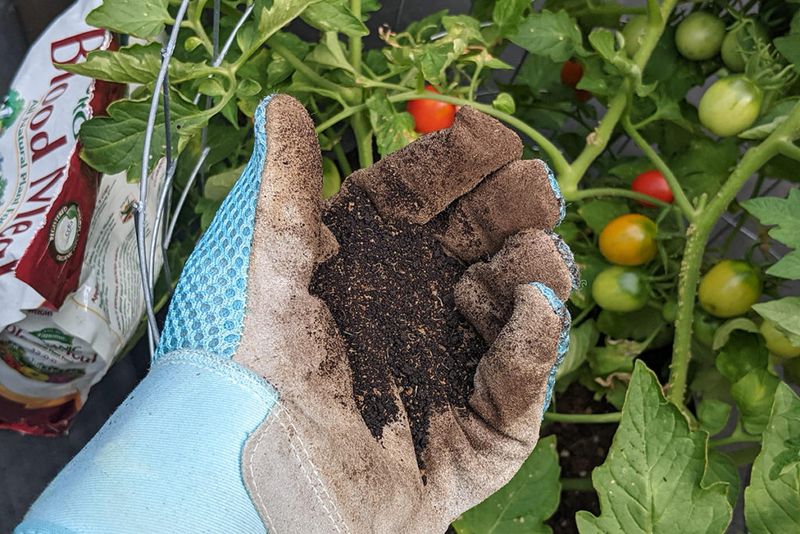
Nitrogen is what makes plants grow fast and green, and blood meal is one of the most concentrated natural sources of it available. Dried and powdered, blood meal releases nitrogen quickly into the soil, giving plants an almost immediate boost.
Oregon gardeners who grow heavy-feeding crops like corn, leafy greens, and brassicas often reach for blood meal early in the season.
One thing to keep in mind is that blood meal works fast, which also means it can burn plants if you use too much. Always follow the label directions carefully and avoid applying it directly against plant stems.
It is best mixed into the soil before planting rather than sprinkled around established plants.
Another cool benefit of blood meal is that it can help deter deer and rabbits from your garden. The scent signals to wildlife that a predator may be nearby, which can keep them from nibbling on your seedlings.
In rural parts of Oregon where deer pressure is high, this is a welcome bonus. Apply blood meal in early spring, water it in well, and watch your plants respond with lush, vigorous green growth through the season.
6. Fish Emulsion
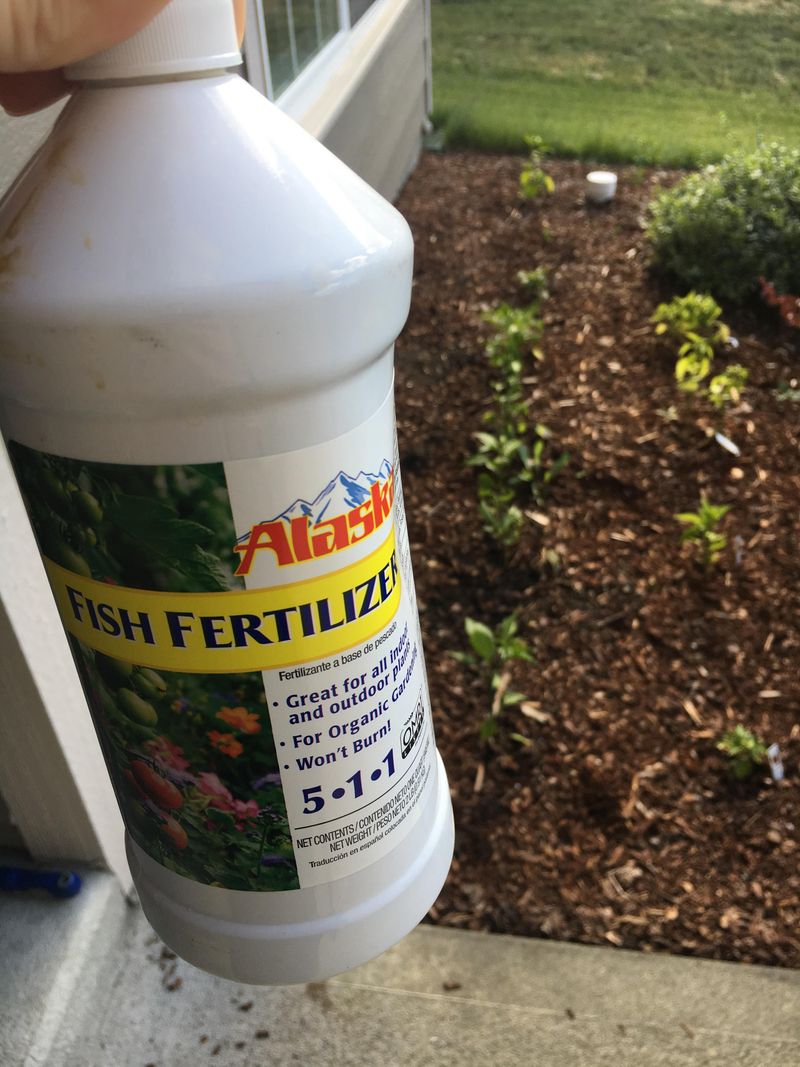
Yes, fish emulsion smells a bit funky. But once you see how your plants respond to it, you will get over that pretty quickly.
Made from processed fish byproducts, fish emulsion is a fast-acting liquid fertilizer that delivers nitrogen, phosphorus, and trace minerals directly to plant roots and leaves.
Oregon gardeners have relied on it for decades, especially in coastal communities where fish processing has long been a part of local culture.
Fish emulsion is especially useful early in the season when you want to give transplants and seedlings a quick nutrient boost. Mix it with water according to the label and apply it as a soil drench or a foliar spray.
It absorbs fast and starts working within days, which is perfect for Oregon springs when growth can take off quickly once the weather warms.
Because fish emulsion is organic and derived from natural materials, it also feeds the beneficial microbes in your soil rather than bypassing them the way synthetic fertilizers can. Over time, regular use builds a healthier, more active soil ecosystem.
Store the bottle tightly sealed between uses and keep it out of direct sunlight to preserve its potency throughout the growing season.
7. Kelp Meal
Living along the Oregon coast has its perks, and easy access to kelp-based products is one of them.
Kelp meal is made from dried and ground seaweed, and it is loaded with over 70 trace minerals, natural growth hormones, and vitamins that most other fertilizers simply do not contain.
It is one of those amendments that works quietly in the background, supporting overall plant health rather than targeting just one nutrient.
The natural plant hormones found in kelp, called cytokinins, help stimulate cell division and root development. This means plants treated with kelp meal tend to develop stronger root systems and show better resistance to stress, including Oregon’s unpredictable spring weather patterns.
Cold snaps, heavy rain, and sudden warmth are all easier for well-nourished plants to handle.
Kelp meal breaks down slowly, making it a long-term investment in your soil health. Work it into your beds before planting or mix it into compost to boost the nutrient profile of your finished product.
It pairs well with other amendments like compost and bone meal. You can find kelp meal at most Oregon garden centers and natural food co-ops, often at a reasonable price given how little you need to use per application.
8. Wood Ash
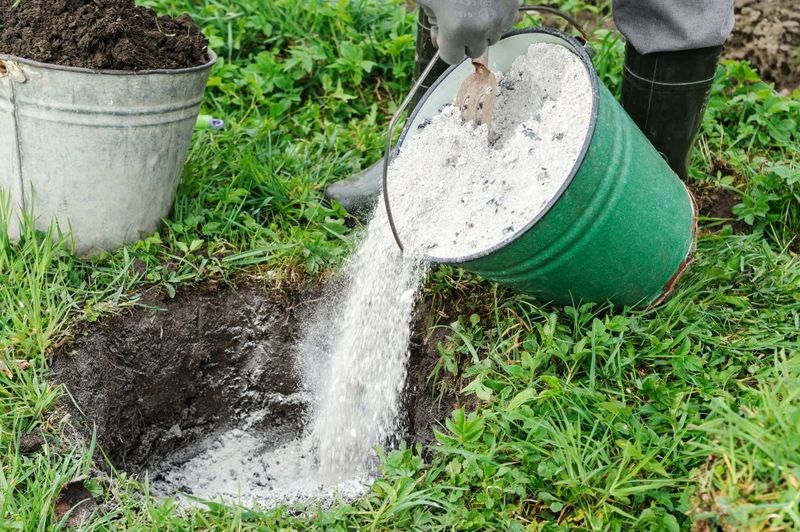
If you have a wood-burning fireplace or stove, you are already sitting on a free soil amendment. Wood ash is rich in calcium and potassium, and it also raises soil pH, which can be a real advantage in Oregon where soils tend to run acidic from all the rainfall.
Slightly alkaline soil helps certain vegetables like garlic, onions, and brassicas absorb nutrients more efficiently.
Before you scatter ash across all your beds, though, do a soil test first. Oregon soils vary quite a bit from region to region, and some areas may not need a pH boost at all.
Applying too much wood ash can make soil too alkaline, which then locks out nutrients like iron and manganese. A little goes a long way with this amendment.
Sprinkle a thin layer over your garden beds and rake it into the top few inches of soil several weeks before planting. Avoid using ash from treated or painted wood, since those can contain harmful chemicals.
Hardwood ash, like ash from oak or fruit trees, has the highest nutrient content. Stored in a dry container, wood ash keeps well all winter, so you can collect it throughout the cold months and be ready to apply it right as Oregon spring begins.
9. Biochar
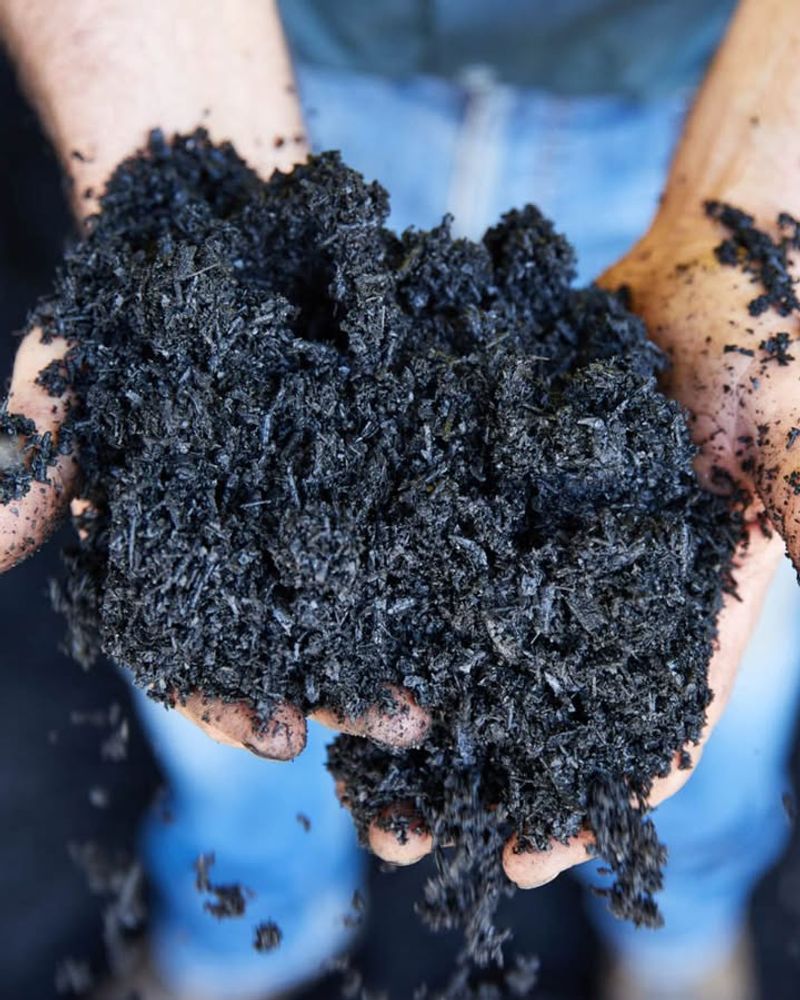
Biochar looks a lot like charcoal, and in many ways it is. Made by burning organic material at high temperatures with very little oxygen, biochar is a porous, carbon-rich amendment that has been used in farming for thousands of years.
Ancient Amazonian farmers used a similar material called terra preta to transform poor jungle soils into incredibly productive growing ground. Oregon gardeners are now catching on to what those farmers knew long ago.
The tiny pores in biochar act like little hotels for beneficial soil microbes. Once those microbes move in, they help break down nutrients and make them available to plant roots.
Biochar also holds onto water and nutrients, which reduces how often you need to water and fertilize. In Oregon’s rainy winters, it can even help prevent nutrient runoff by keeping amendments in the root zone where they belong.
Mix biochar into your beds at a rate of about 5 to 10 percent of total soil volume. Charge it first by soaking it in compost tea or mixing it with compost before adding it to the soil.
This gives the microbes something to feed on right away. Biochar is a long-term investment since it can improve soil for decades, making it one of the smartest amendments you can add to your Oregon garden this spring.