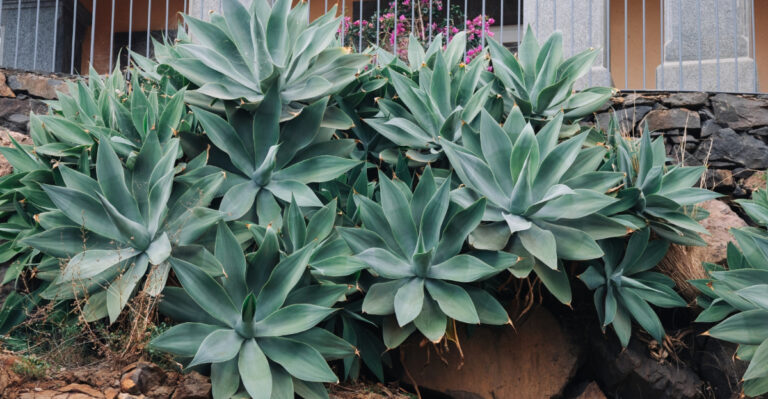
Add These To Your California Soil Before Spring Growth Takes Off
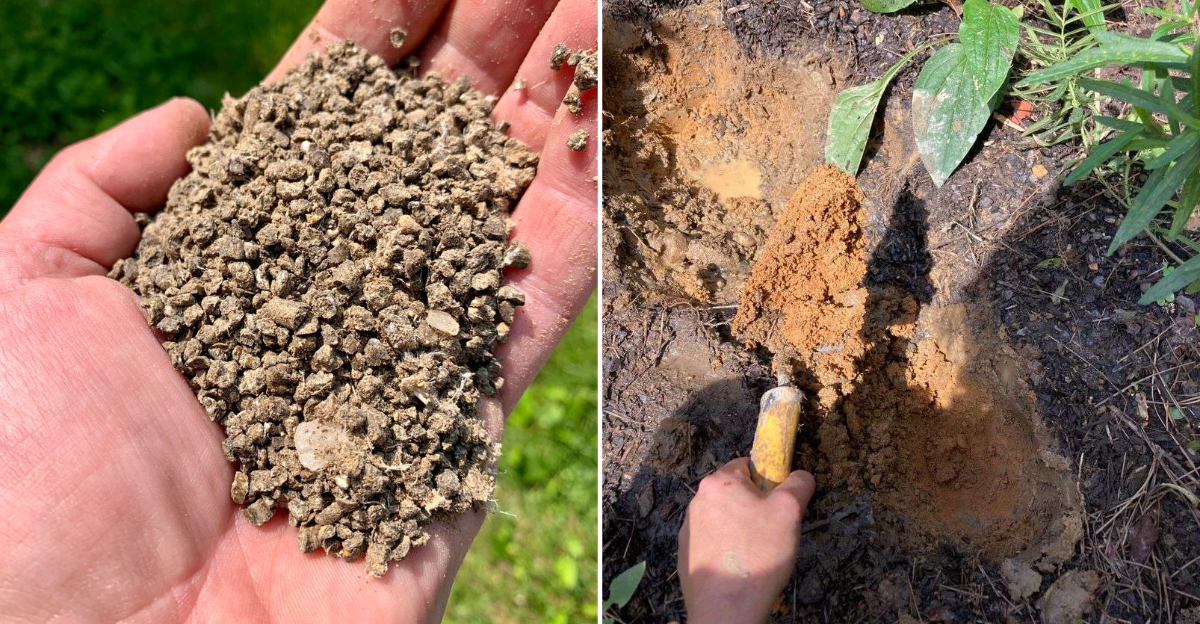
Spring growth doesn’t wait, and neither should your soil prep. Right now is the window when small upgrades can create massive results.
What you add to your California soil before the growing season kicks into high gear can decide how strong your plants grow, how well they bloom, and how big your harvests become.
Rich, balanced soil acts like fuel for roots, sending nutrients exactly where plants need them most.
Skip this step and even the best plants can struggle. Do it right and everything grows faster, fuller, and healthier.
This is your chance to wake up tired garden beds and turn them into high-performance growing zones. A few simple additions can improve drainage, boost microbes, and lock in moisture for warmer days ahead.
If you want a powerful spring start, it begins beneath the surface.
1. Compost
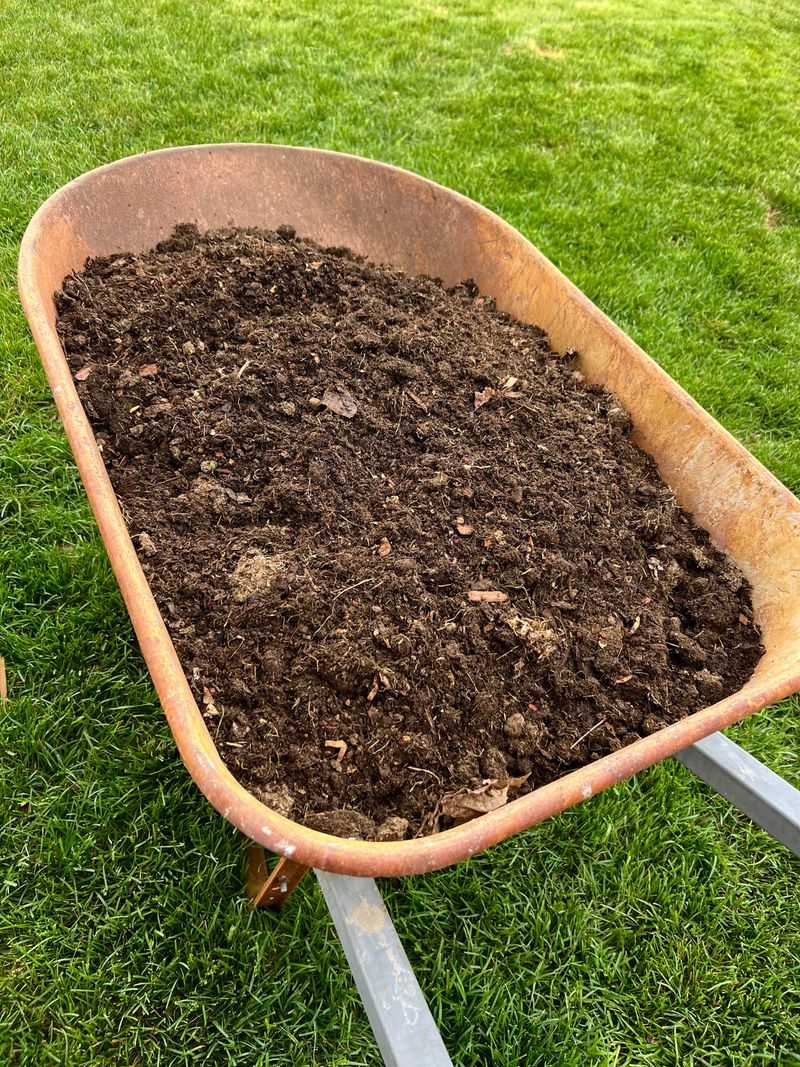
Nothing beats compost when it comes to improving California soil structure and fertility. This black gold transforms lifeless dirt into living ecosystem that supports beneficial microorganisms, earthworms, and healthy root development.
Compost adds essential nutrients while improving water retention in sandy soils and drainage in heavy clay.
For California gardens, this dual action is particularly valuable since our soils vary so dramatically from region to region.
You can make your own compost from kitchen scraps and yard waste, or purchase it from local suppliers. Either way, aim to add a two to three inch layer across your garden beds before spring planting begins.
Work the compost into the top six to eight inches of soil using a garden fork or tiller. This ensures the organic matter gets distributed where roots can access it most easily.
The microorganisms in compost also help break down other amendments you add, making nutrients more available to plants.
Plus, compost improves soil structure over time, creating better air pockets and pathways for roots to explore.
California’s warm spring temperatures activate the beneficial bacteria in compost quickly, giving your plants an immediate boost. Apply compost annually for continued soil improvement and sustained plant health throughout the growing season.
2. Worm Castings
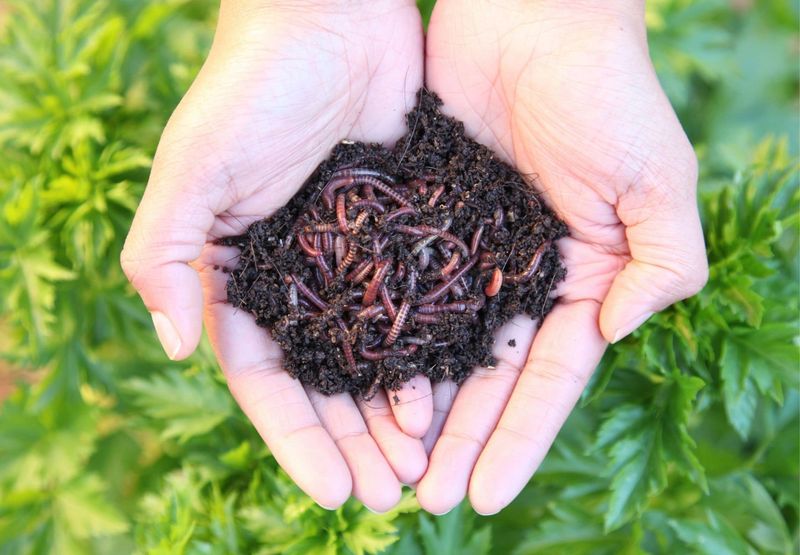
Worm castings represent nature’s most perfect fertilizer, packed with nutrients in forms that plants can absorb immediately.
These tiny pellets from red wiggler worms contain beneficial microbes that enhance soil biology in remarkable ways.
Unlike synthetic fertilizers that can burn plants, worm castings are gentle yet powerful. They release nutrients slowly while improving soil structure, making them ideal for California’s extended growing seasons.
The castings contain five times more nitrogen, seven times more phosphorus, and eleven times more potassium than average topsoil.
They also include enzymes and growth hormones that stimulate plant development naturally.
Spread worm castings across your California garden beds at a rate of about ten pounds per hundred square feet. You can also brew them into tea for liquid application or side-dress around established plants.
The microbial activity in worm castings helps suppress soil-borne diseases while improving nutrient uptake. This makes them especially valuable for vegetable gardens where you want maximum production without chemical inputs.
Many California gardeners start their own worm bins to produce castings year-round. However, quality castings are also available at garden centers and through online suppliers for immediate use.
3. Aged Manure
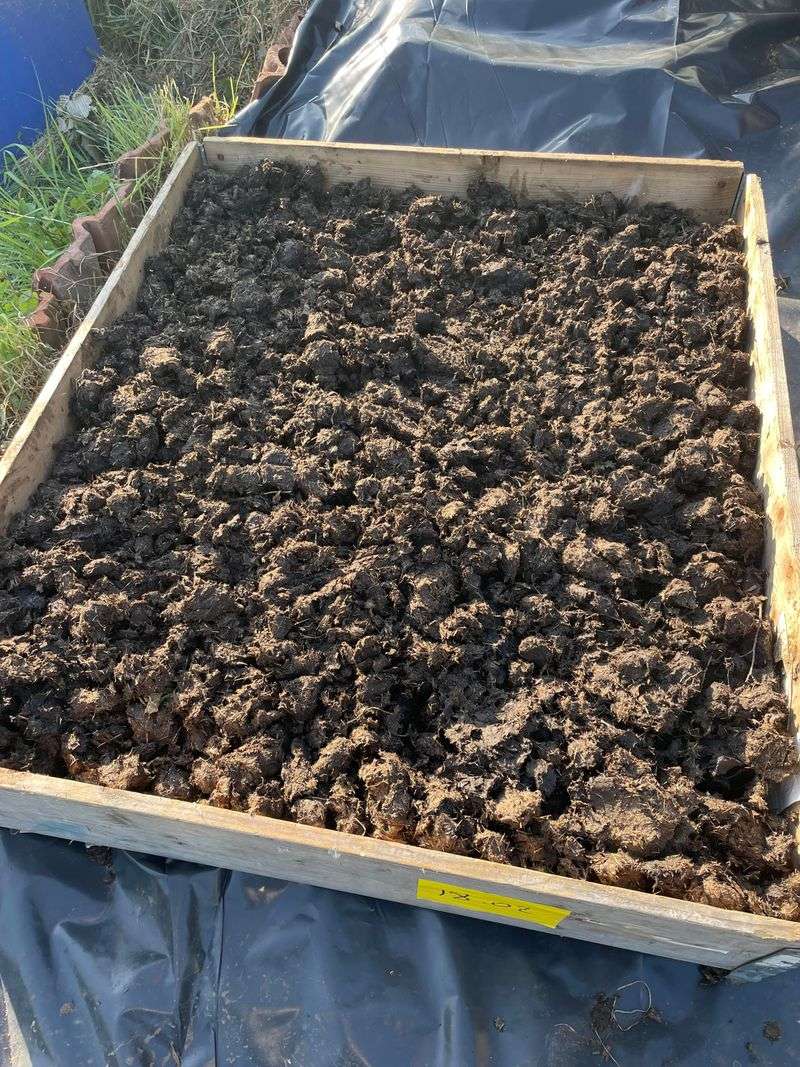
Aged manure brings concentrated nutrients and organic matter that California soils desperately need after our long, dry summers. The key word here is aged, because fresh manure can actually harm plants and introduce unwanted pathogens.
Properly aged manure has been composted for at least six months, eliminating weed seeds and breaking down into stable organic matter.
It provides nitrogen for leafy growth, phosphorus for strong roots, and potassium for overall plant health.
Chicken manure offers the highest nitrogen content, while steer and horse manure provide more balanced nutrition.
For California gardens, steer manure works particularly well because it’s widely available and suits our climate conditions.
Apply aged manure at a rate of about forty pounds per hundred square feet, working it into the soil several weeks before planting. This gives it time to integrate fully and prevents any potential burning of tender seedlings.
The organic matter in aged manure improves water retention, which is crucial for California gardens facing periodic droughts. It also feeds beneficial soil organisms that help plants access nutrients more efficiently.
Avoid using manure from carnivorous animals or any manure that smells strongly of ammonia. Quality aged manure should have an earthy, pleasant aroma and crumble easily in your hands.
4. Organic Slow-Release Fertilizer
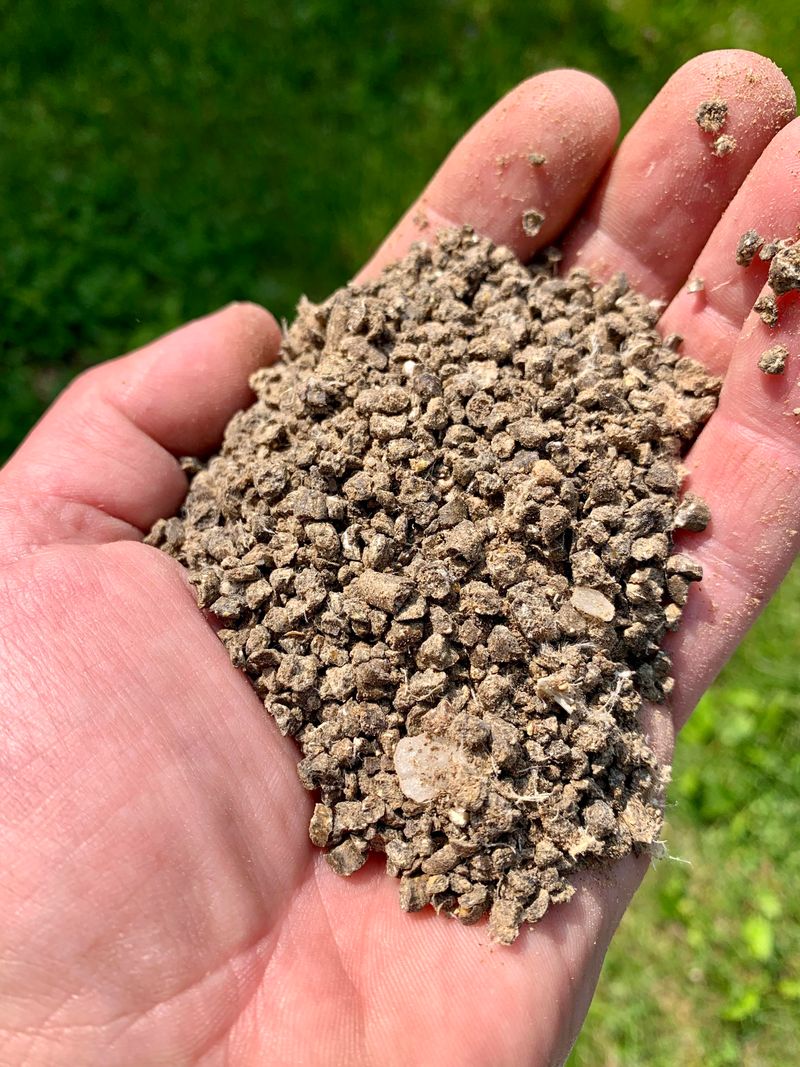
Organic slow-release fertilizers provide steady nutrition throughout California’s long growing season without the boom-and-bust cycle of synthetic products. These fertilizers break down gradually, feeding plants as they need nutrients rather than all at once.
Look for products containing ingredients like feather meal, blood meal, bone meal, and kelp.
These natural components release nutrients as soil microbes break them down, creating a sustainable feeding system.
The gradual release pattern matches how plants actually grow, providing more nitrogen during active growth periods and maintaining steady nutrition during slower times. This prevents the excessive leafy growth that synthetic fertilizers often cause.
Apply organic slow-release fertilizer according to package directions, typically two to three pounds per hundred square feet. Work it into the top few inches of soil before planting or side-dress around existing plants.
These fertilizers also improve soil health over time by feeding beneficial microorganisms. As microbes break down the organic materials, they create humus that improves soil structure and water retention.
For California gardens, choose fertilizers with NPK ratios suited to your specific plants. Vegetables generally prefer higher nitrogen, while flowering plants benefit from more phosphorus.
The slow-release nature prevents nutrient runoff, protecting our watersheds and making every application count.
5. Bone Meal
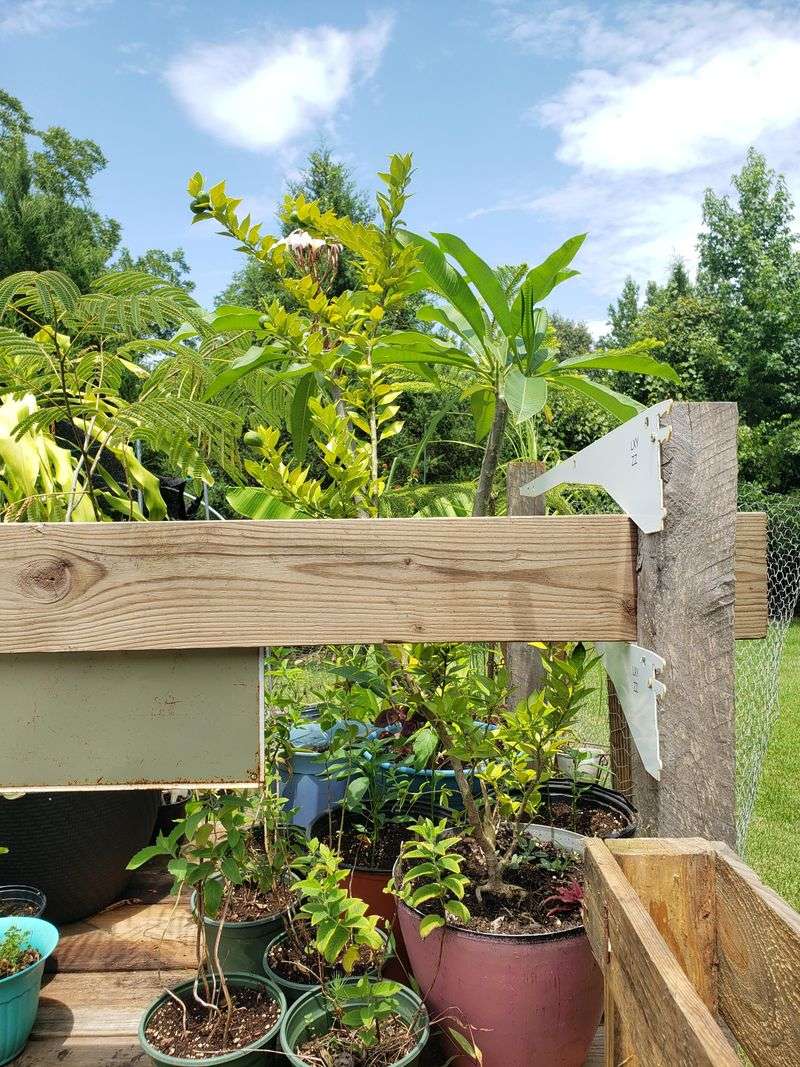
Bone meal delivers concentrated phosphorus that encourages robust root development and spectacular flowering throughout the California growing season.
This finely ground animal bone product breaks down slowly, providing long-lasting nutrition exactly when plants need it most.
Phosphorus is essential for energy transfer within plants, helping them convert sunlight into growth. It’s particularly important for root crops, bulbs, and flowering plants that California gardeners love to grow.
Many California soils are naturally low in phosphorus, especially in coastal areas and regions with heavy rainfall.
Adding bone meal before spring growth begins ensures plants have adequate phosphorus for strong establishment.
Apply bone meal at planting time, mixing it into the soil at the bottom of planting holes for maximum root contact. You can also broadcast it across beds at a rate of about ten pounds per hundred square feet.
The calcium in bone meal provides an additional benefit, helping prevent blossom end rot in tomatoes and strengthening cell walls throughout the plant. This makes vegetables crunchier and flowers more resilient to wind and weather.
Bone meal works best in slightly acidic to neutral soils, which describes most California garden conditions perfectly.
It takes several weeks to become available, so early spring application gives it time to break down before peak growing season arrives.
6. Gypsum
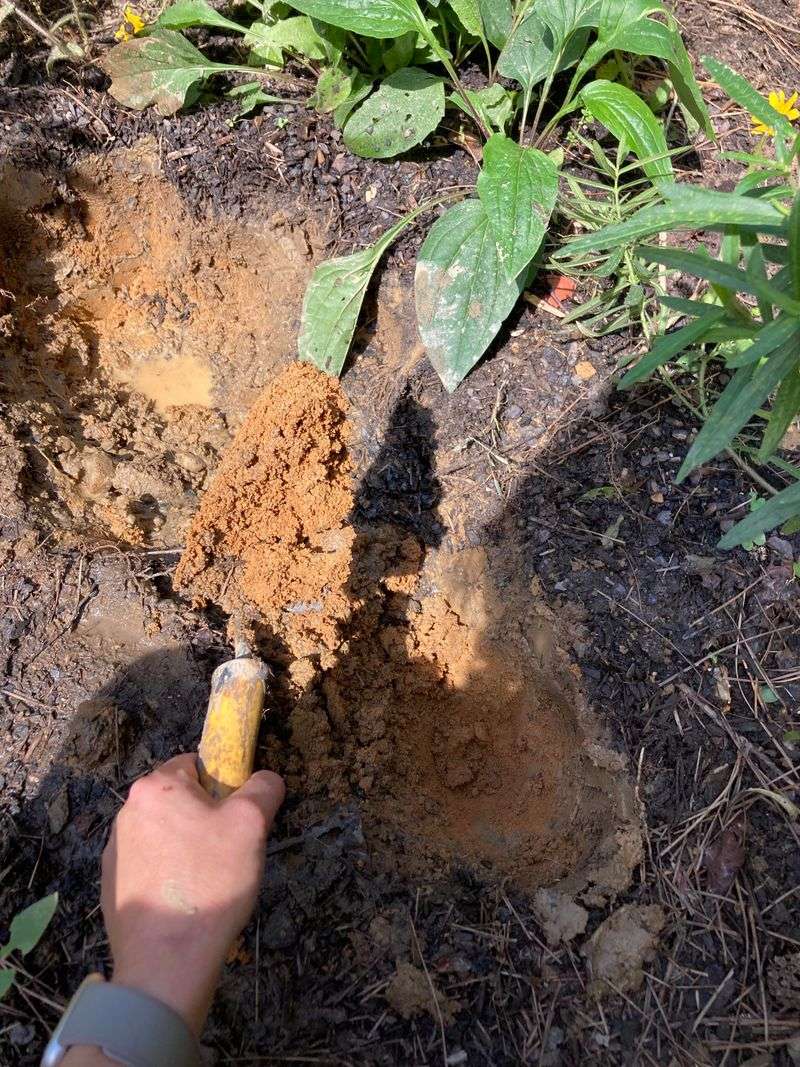
Gypsum works magic on California’s notoriously difficult clay soils, breaking up compacted particles without changing soil pH. This calcium sulfate mineral improves drainage and aeration, creating conditions where roots can actually penetrate and thrive.
Clay soil is common throughout California’s inland valleys and foothill regions, causing water to pool on the surface and roots to suffocate.
Gypsum loosens these tight particles by replacing sodium with calcium, allowing water and air to move freely.
Unlike lime, which raises pH, gypsum provides calcium without making soil more alkaline. This is crucial for California gardens since many of our native soils are already alkaline, and most vegetables prefer neutral to slightly acidic conditions.
Spread gypsum across problem areas at a rate of about forty pounds per thousand square feet, then work it into the top six inches of soil. You’ll notice improved drainage within a few weeks as the gypsum begins restructuring soil particles.
Gypsum also helps leach excess sodium from soils, which is particularly valuable in coastal California areas where salt spray affects gardens.
The calcium it provides strengthens plant cell walls, making vegetables crisper and plants more resistant to disease.
For best results, apply gypsum in fall or early spring before planting. The improvement in soil structure becomes more pronounced with each application, gradually transforming stubborn clay into workable garden soil.
7. Mulch
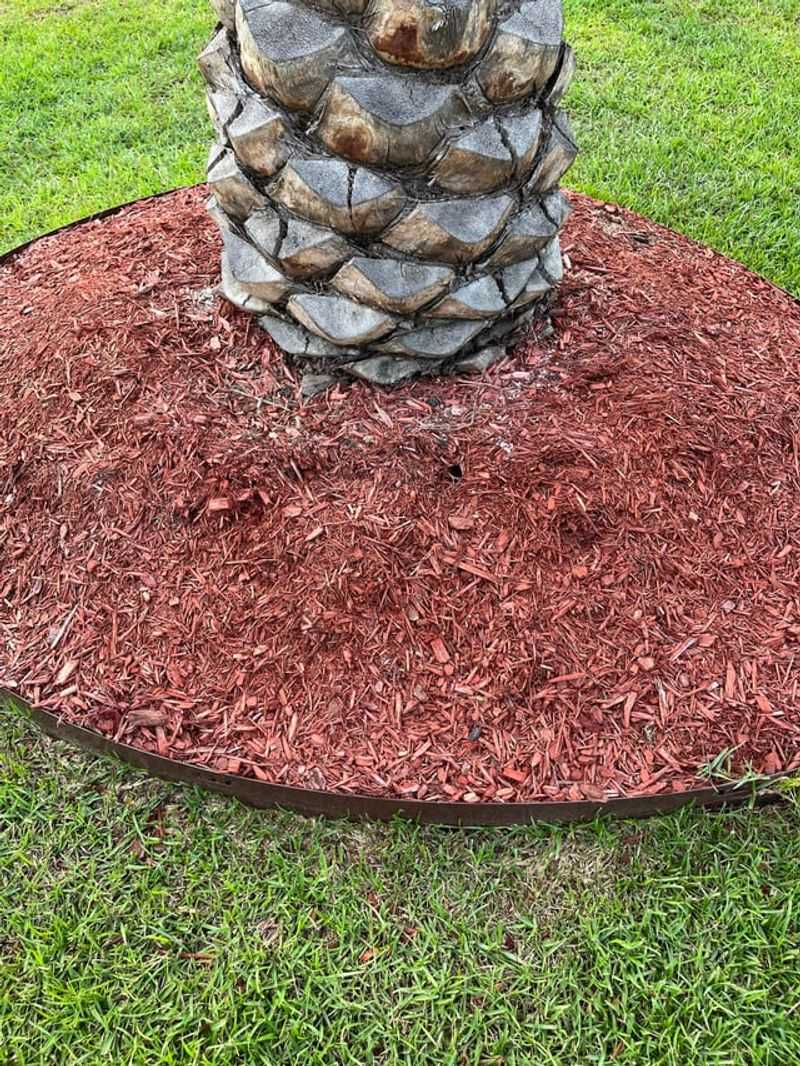
Mulch protects California soil from our intense sun while conserving precious water and suppressing weeds that compete with your plants. This protective layer moderates soil temperature, keeping roots cool during hot spells and warm during unexpected cold snaps.
Organic mulches like wood chips, straw, or shredded leaves break down gradually, adding organic matter to soil over time.
This slow decomposition feeds beneficial organisms while improving soil structure season after season.
Apply a two to four inch layer of mulch around plants, keeping it pulled back slightly from stems to prevent rot.
This thickness blocks sunlight from reaching weed seeds while allowing water to penetrate easily.
In California’s Mediterranean climate, mulch reduces water needs by up to fifty percent by slowing evaporation from soil surfaces. This conservation benefit becomes increasingly important during our frequent drought periods.
Mulch also prevents soil erosion during winter rains and reduces soil compaction from heavy downpours. The cushioning effect protects soil structure and prevents nutrients from washing away during California’s occasional intense storms.
Choose mulch materials suited to your specific garden needs. Wood chips work well for perennial beds, while straw is perfect for vegetable gardens.
Refresh mulch layers annually as the material breaks down, maintaining that protective barrier year-round for healthiest soil conditions.