Add This Native Tree To Your Michigan Garden To Attract More Cardinals
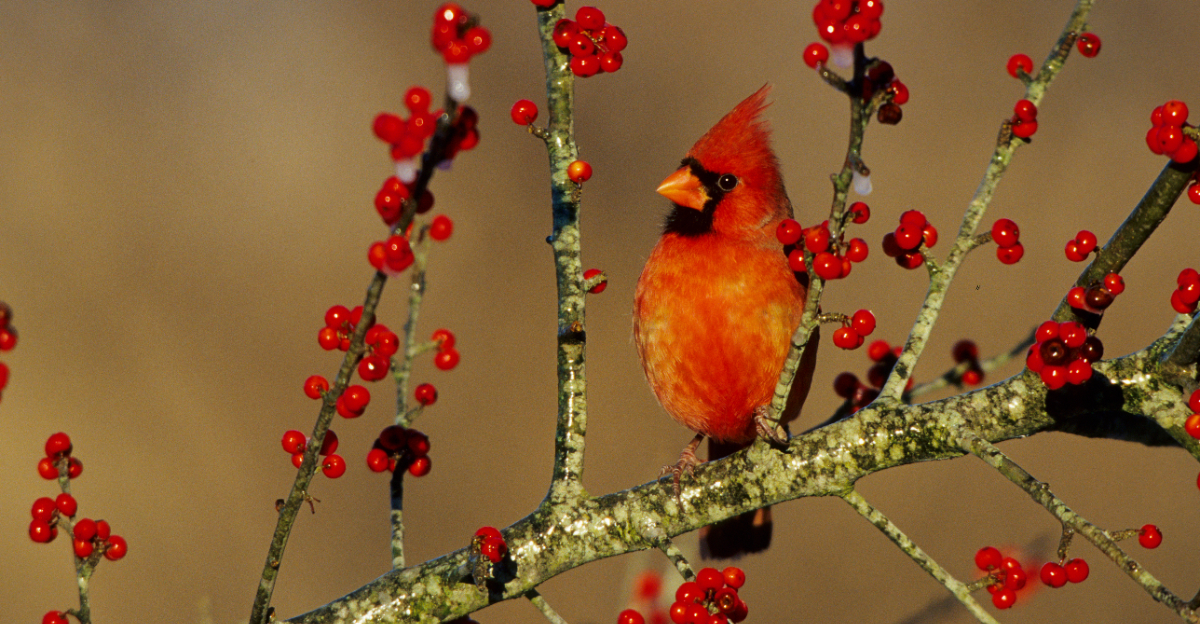
A flash of vivid red against green branches can instantly transform an ordinary backyard into a lively, welcoming space. In Michigan, cardinals remain year round favorites, bringing color, movement, and cheerful song to gardens in every season.
While feeders may attract brief visits, creating a natural habitat is what truly encourages these striking birds to stay.
Native hawthorn trees offer exactly what cardinals seek, providing dense shelter, safe nesting spots, and clusters of berries that serve as a dependable food source.
These hardy trees grow well in Michigan’s climate and support a balanced garden environment that benefits many forms of local wildlife. With the right planting choices, your yard can become more than decorative.
It can turn into a thriving refuge where cardinals return again and again. A single well placed hawthorn tree can fill your Michigan landscape with lasting color, gentle activity, and the comforting presence of nature throughout the year.
Native Hawthorn Brings Food And Shelter For Cardinals
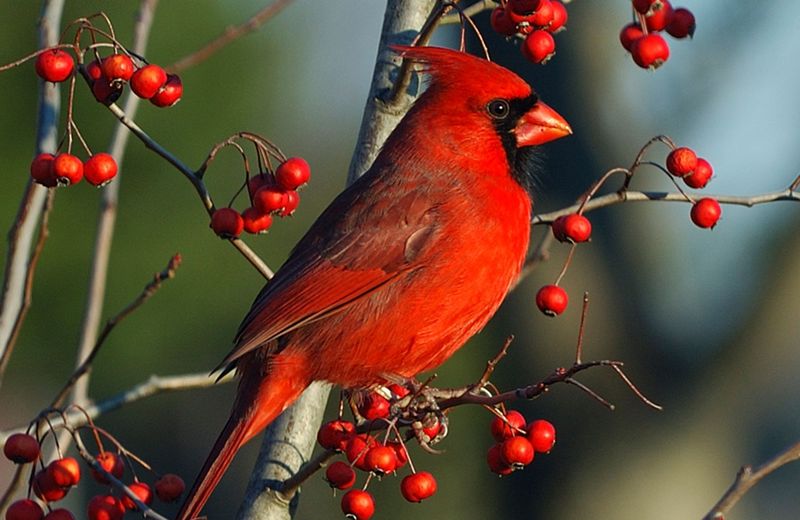
Hawthorn trees like Crataegus mollis have grown wild across Michigan for thousands of years. Cardinals recognize these native plants as reliable food sources and safe places to raise their families.
The relationship between these birds and trees goes back generations in our region. Michigan hawthorns develop thick branching patterns that cardinals prefer over many other trees. The sturdy limbs hold nests securely while thorns keep predators at bay.
Berries ripen just when birds need extra nutrition for migration and winter survival.
Native species adapt perfectly to local weather patterns and soil conditions without requiring extra care. Your hawthorn will thrive through hot summers and freezing winters just like it does in natural woodlands.
This resilience makes it an excellent choice for busy gardeners who want results. Cardinals visit hawthorn trees throughout the year for different reasons each season. Spring brings nesting opportunities while summer offers dense leaf cover for protection.
Fall and winter provide crucial berry crops when other food becomes scarce across the landscape.
Choosing native hawthorn over non-native ornamentals supports the entire ecosystem in your yard. Local insects recognize the tree and use it for food and reproduction.
These insects then become protein sources for baby cardinals and other songbirds raising their young nearby.
Bright Red Berries Provide A Natural Food Source
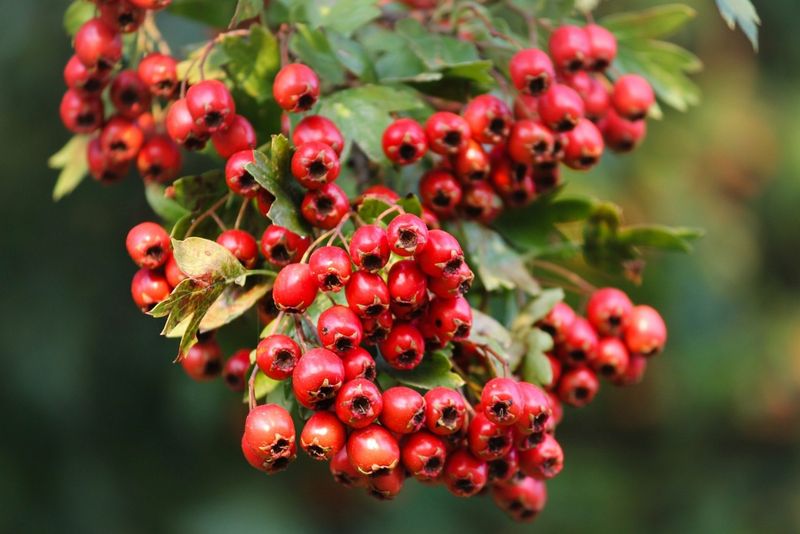
Small red fruits called haws develop on hawthorn branches by late summer and persist well into winter. Cardinals eat these nutritious berries when insects become harder to find in colder months.
Each fruit contains seeds surrounded by flesh that provides energy and vitamins birds need.
Hawthorn berries ripen gradually over several weeks rather than all at once. This extended harvest period means cardinals can return to the same tree multiple times throughout fall.
The staggered ripening ensures food availability even during early snowfalls when other sources disappear.
These fruits contain natural compounds that help birds maintain their vibrant plumage and overall health. Cardinals need specific nutrients to keep their red feathers bright and their bodies strong.
Hawthorn berries deliver exactly what nature intended for wild birds in our region. Other songbirds also enjoy hawthorn fruits which creates a lively feeding area in your garden.
Watching multiple bird species visit the same tree adds interest and activity to your outdoor space. Cardinals often feed alongside robins, waxwings, and thrushes during peak berry season.
The berries soften after freezing which makes them easier for birds to digest in late winter. This natural process ensures the fruit remains available even during the harshest months.
Cardinals remember productive trees and return year after year to reliable food sources like hawthorn.
Dense Branching Creates Safe Nesting Spots
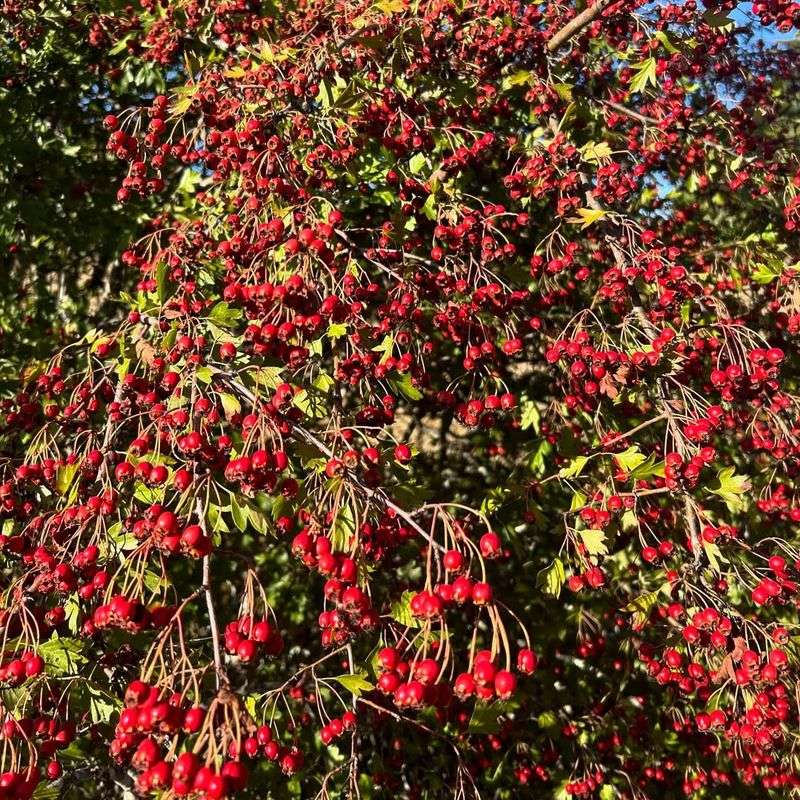
Hawthorn branches grow in tight patterns that form natural fortresses for nesting birds. Sharp thorns extending from the limbs discourage predators like cats, raccoons, and snakes from reaching nests.
Cardinals choose these protected spots to build their cup-shaped nests and raise their chicks. The branching structure provides multiple levels where birds can build at different heights.
Some cardinals prefer nesting closer to the trunk while others choose outer branches. This flexibility allows several pairs to nest in the same tree without competing for prime real estate.
Thorns ranging from half an inch to two inches long create effective barriers around nesting areas. Predators attempting to climb toward nests encounter painful obstacles that turn them away.
This natural defense system works better than many human-made bird houses or nesting platforms.
Dense foliage that develops in spring conceals nests from aerial predators like hawks and owls. Cardinals feel secure raising their young when surrounded by layers of protective leaves.
The combination of thorns and thick growth makes hawthorn one of the safest nesting trees available.
Parent birds can easily fly in and out through the branches to feed their nestlings. The structure allows quick access while still maintaining security around the nest.
Cardinals typically raise two or three broods per season when they find ideal nesting locations like hawthorn trees.
A Native Tree Well Adapted To Michigan Conditions
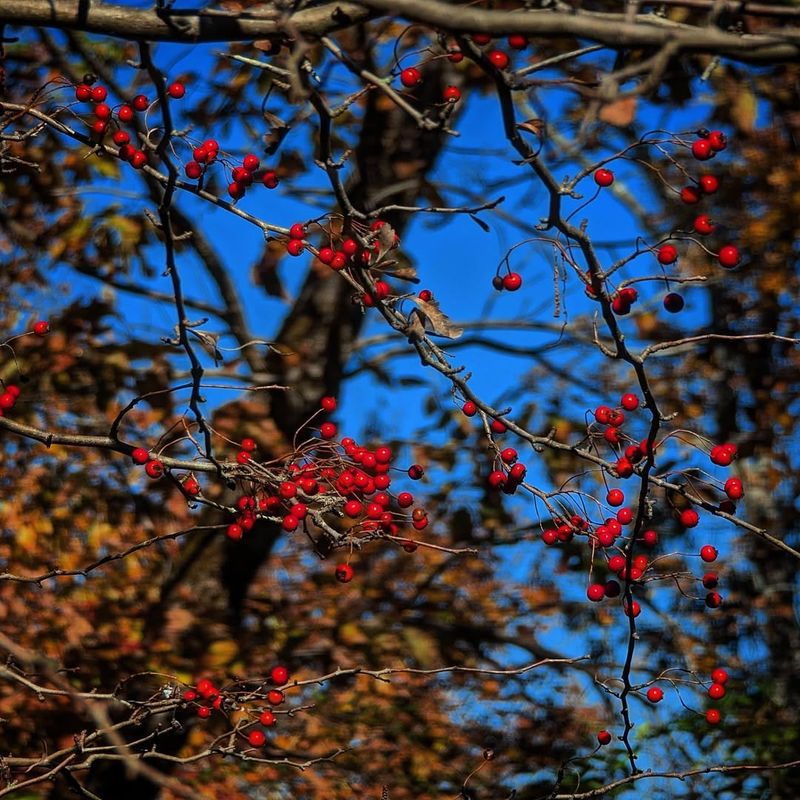
Michigan native hawthorns evolved to handle our unique climate challenges without human intervention. These trees withstand temperature swings from below zero in winter to over ninety degrees in summer.
Root systems dig deep into Michigan soils whether clay-heavy or sandy in composition.
Native hawthorns resist common diseases and pests that plague non-native ornamental trees in our region. Their natural defenses developed over millennia of growing alongside local insects and pathogens.
You spend less time treating problems and more time enjoying the benefits these trees provide.
Rainfall patterns in Michigan provide exactly what hawthorn trees need throughout the growing season. Established trees rarely require supplemental watering even during typical summer dry spells.
This drought tolerance saves water and reduces maintenance compared to thirstier landscape choices.
Winter hardiness ratings for native hawthorns match perfectly with Michigan gardening zones. Trees survive harsh freezes without suffering branch damage or losing their vigor.
Spring growth emerges reliably each year without setbacks from late frosts or temperature fluctuations.
Soil pH levels common in Michigan yards suit hawthorn requirements without amendments or adjustments. The trees grow successfully in slightly acidic to neutral conditions found naturally across the state.
This compatibility means you can plant with confidence knowing the tree will establish quickly and thrive long-term in your specific location.
Supports Insects That Young Cardinals Depend On
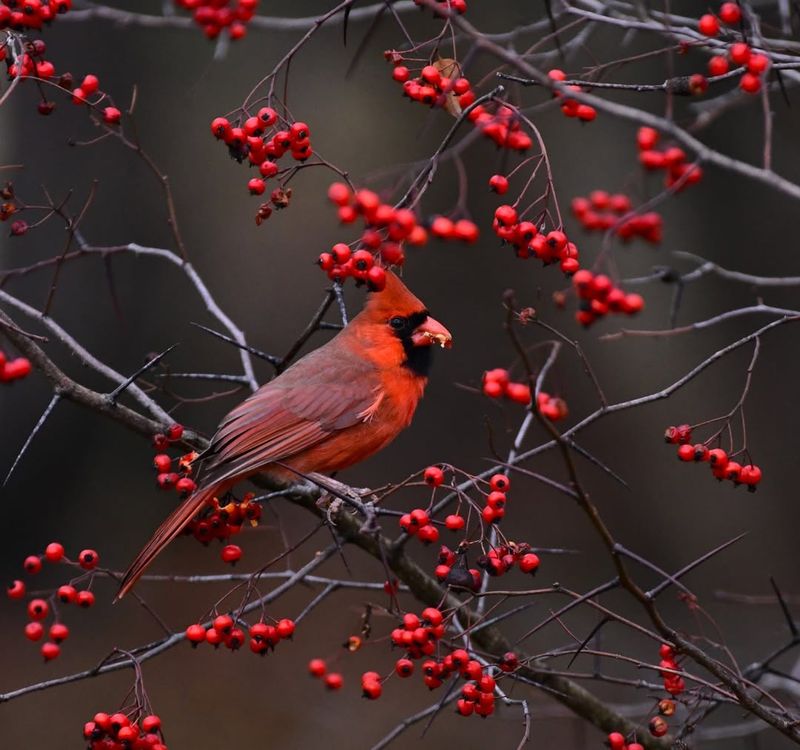
Native hawthorn trees host hundreds of insect species that evolved alongside them in Michigan ecosystems. Caterpillars, beetles, and other bugs live on the leaves and bark throughout the growing season.
Parent cardinals hunt these protein-rich insects to feed their rapidly growing nestlings. Baby birds need insects rather than seeds or berries for proper development during their first weeks.
Young cardinals require enormous amounts of protein to build muscles, feathers, and strong bones. A single nest of cardinal chicks can consume thousands of small insects before they fledge.
Non-native ornamental trees often fail to support meaningful insect populations that birds can use. Native plants like hawthorn create a complete food web that sustains wildlife at every level.
Your tree becomes a living cafeteria where cardinals find exactly what they need to raise healthy families.
Different insect species emerge at various times throughout spring and summer on hawthorn trees. This continuous supply matches perfectly with cardinal nesting cycles that extend from April through August.
Parent birds always find fresh food sources right in their nesting territory.
Beneficial insects that live on hawthorn also help control garden pests in surrounding landscape areas. Predatory beetles and parasitic wasps reduce populations of harmful bugs without chemical sprays.
This natural balance creates a healthier garden environment for plants, birds, and people alike throughout the entire growing season.
Provides Shelter During Cold And Harsh Weather
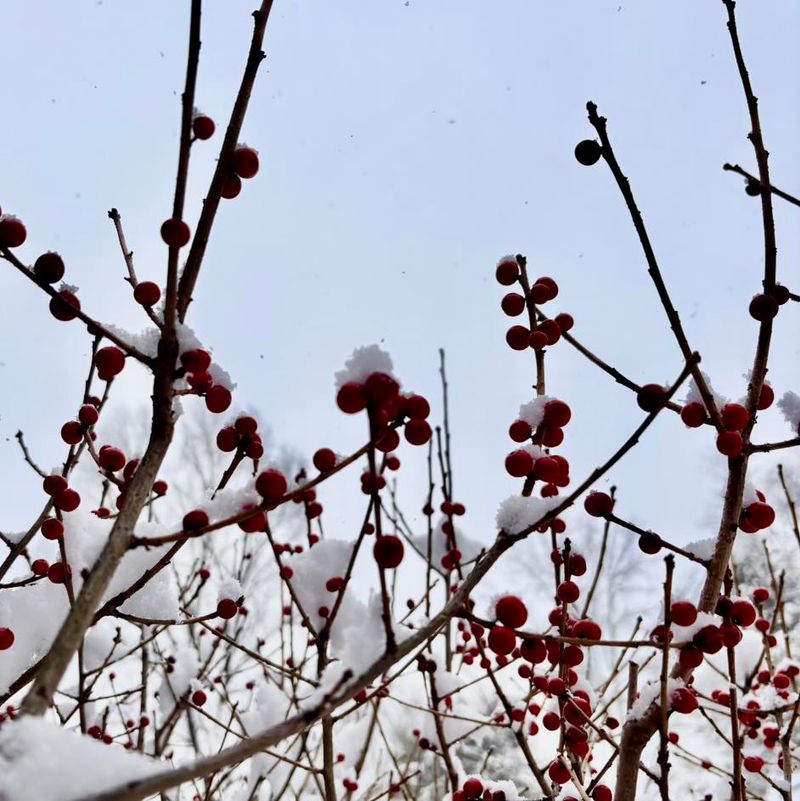
Winter winds sweep across Michigan landscapes with brutal force that can chill birds quickly. Hawthorn trees break the wind and create calm pockets where cardinals huddle during storms.
The dense branching pattern blocks gusts that would otherwise rob body heat from roosting birds.
Snow accumulation on hawthorn branches forms natural umbrellas that keep birds dry underneath. Cardinals perch on interior branches where they stay protected from falling snow and sleet.
This overhead cover proves essential during multi-day winter storms when birds need to conserve energy.
Multiple cardinals often roost together in the same hawthorn tree on extremely cold nights. The collective body heat combined with wind protection helps them survive subzero temperatures.
Trees with the densest branching patterns attract the most birds seeking overnight shelter.
Evergreen trees get attention for winter bird shelter but deciduous hawthorns work surprisingly well too. The tangled branch structure remains effective even without leaves to block wind and precipitation.
Cardinals use these trees throughout winter months for both daytime refuge and nighttime roosting.
Ice storms coat branches but hawthorn wood remains strong and flexible under the weight. Birds continue using the tree for shelter even when ice accumulates on every surface.
The reliable structure gives cardinals a safe haven during the most challenging weather conditions Michigan winters deliver to our region.
Spring Blossoms Support Pollinators And Garden Life
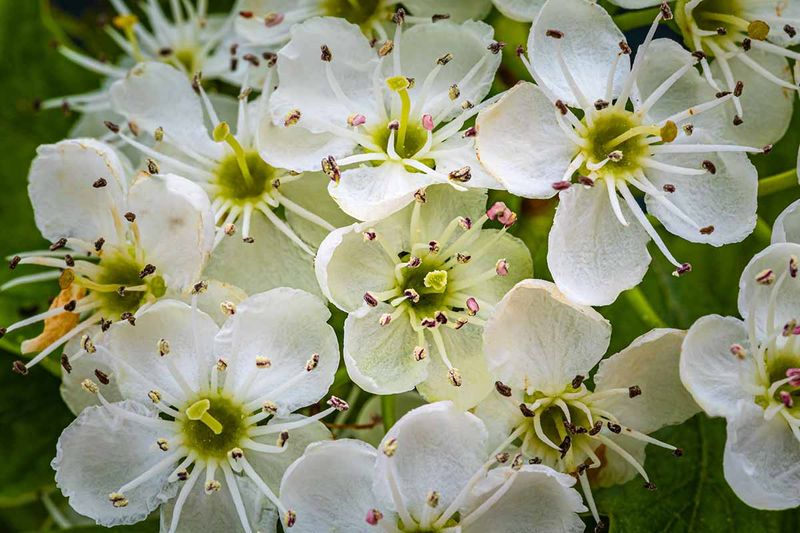
White or pink flowers blanket hawthorn branches in late spring creating spectacular displays. Each blossom produces nectar that attracts bees, butterflies, and other pollinators to your yard.
This flowering period typically lasts two to three weeks depending on weather conditions.
Pollinators visiting hawthorn blossoms also service your vegetable garden and fruit trees nearby. The increased pollinator activity improves yields on tomatoes, peppers, squash, and berry bushes.
One hawthorn tree can boost productivity across your entire edible landscape through improved pollination.
Native bees especially favor hawthorn flowers because they evolved together in Michigan ecosystems. These efficient pollinators work earlier in the morning and later in the evening than honeybees.
Their extended activity period ensures better pollination even during cool or cloudy spring days.
Cardinals often perch in flowering hawthorn trees hunting insects attracted to the blossoms. Flying bugs congregate around flowers providing easy meals for birds feeding nestlings.
The connection between flowers, insects, and birds demonstrates how native plants support complete ecosystems.
Hawthorn flowers develop into the berries that cardinals will eat later in the year. Each spring bloom represents future bird food if properly pollinated by visiting insects.
This cycle reinforces why supporting pollinators benefits birds and creates a thriving garden environment where all elements work together naturally throughout every season.
A Compact Tree Suitable For Many Yard Sizes
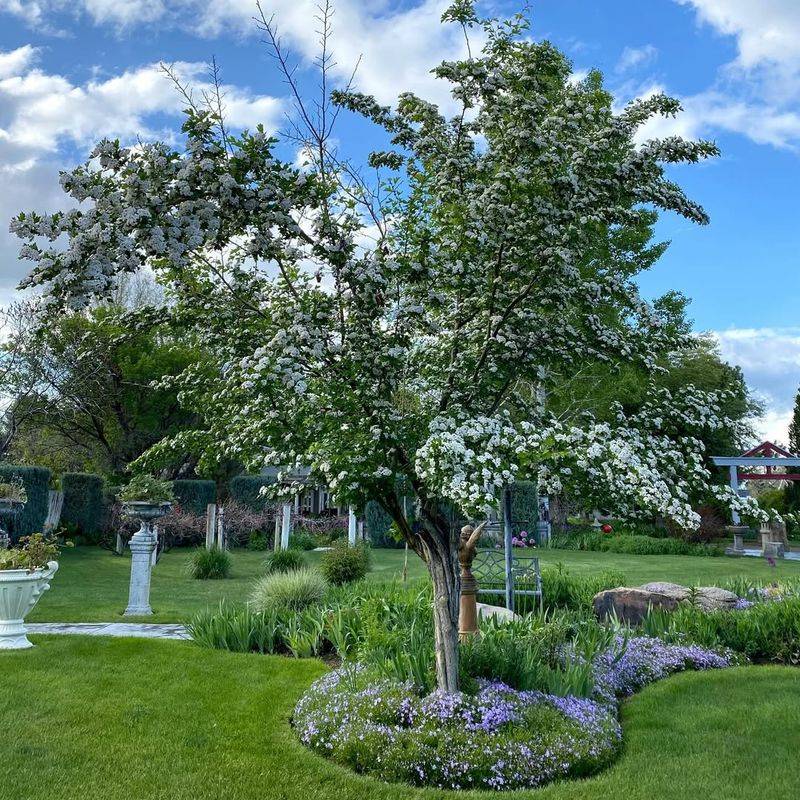
Most hawthorn species reach heights between fifteen and twenty-five feet at maturity. This moderate size fits comfortably in typical suburban yards without overwhelming the space.
You gain all the benefits of a shade tree without sacrificing your entire lawn area. Hawthorn canopies spread roughly equal to their height creating rounded or vase-shaped forms.
The predictable growth pattern makes placement planning straightforward during landscape design. You can confidently plant near property lines, patios, or other features knowing the mature dimensions.
Smaller yards benefit tremendously from trees that provide habitat without blocking sunlight from entire gardens. Hawthorns cast dappled shade that allows grass and perennials to grow underneath.
This light filtering creates comfortable outdoor spaces while maintaining plant diversity below the canopy.
Dwarf hawthorn varieties stay even smaller for truly compact landscapes and urban gardens. These selections maintain all the wildlife benefits in forms suitable for narrow side yards.
Cardinals use smaller trees just as readily as larger specimens for feeding and nesting.
Pruning hawthorn trees remains optional since their natural shape looks attractive without intervention. You can trim for specific purposes like clearance or shape refinement if desired.
The manageable size means any necessary pruning stays within reach of standard tools without requiring professional equipment or services for routine maintenance tasks.
Seasonal Interest From Flowers Fruit And Fall Color
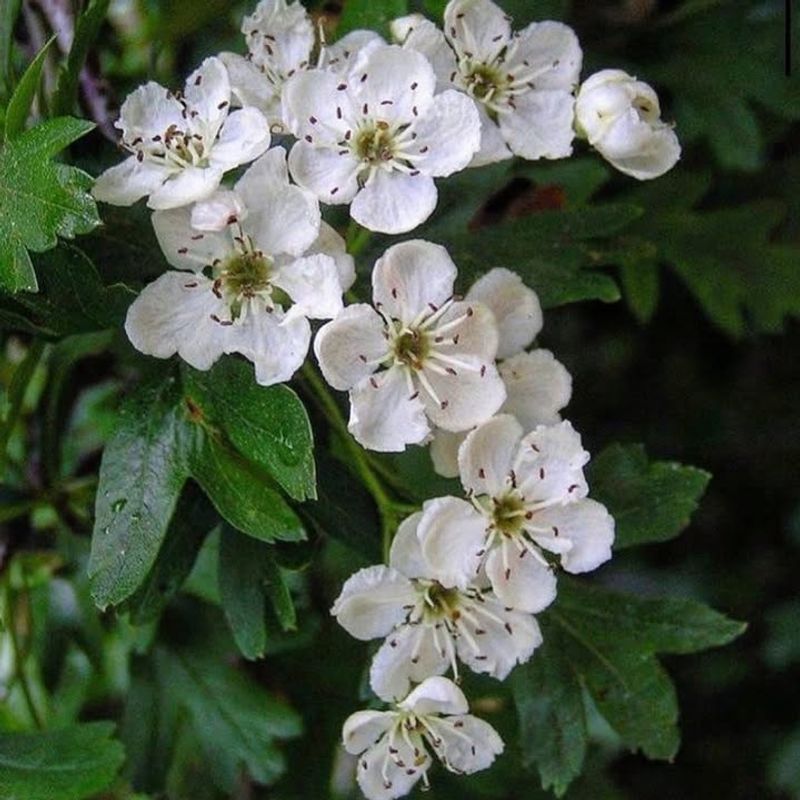
Spring arrives with clusters of fragrant white blossoms that transform hawthorn into a flowering showpiece. The blooms appear after leaves emerge creating a beautiful backdrop of fresh green foliage.
This two-week spectacle marks the beginning of the growing season in your garden.
Summer brings dense green canopy that provides shade and visual interest throughout the warmest months. The distinctive lobed leaves create texture that contrasts nicely with other landscape plants.
Cardinals raise their families hidden within this lush summer growth. Autumn transforms hawthorn leaves into shades of orange, red, and purple before they fall. The color display rivals many trees specifically planted for fall interest.
Bright berries develop simultaneously creating stunning combinations of colorful fruit and foliage.
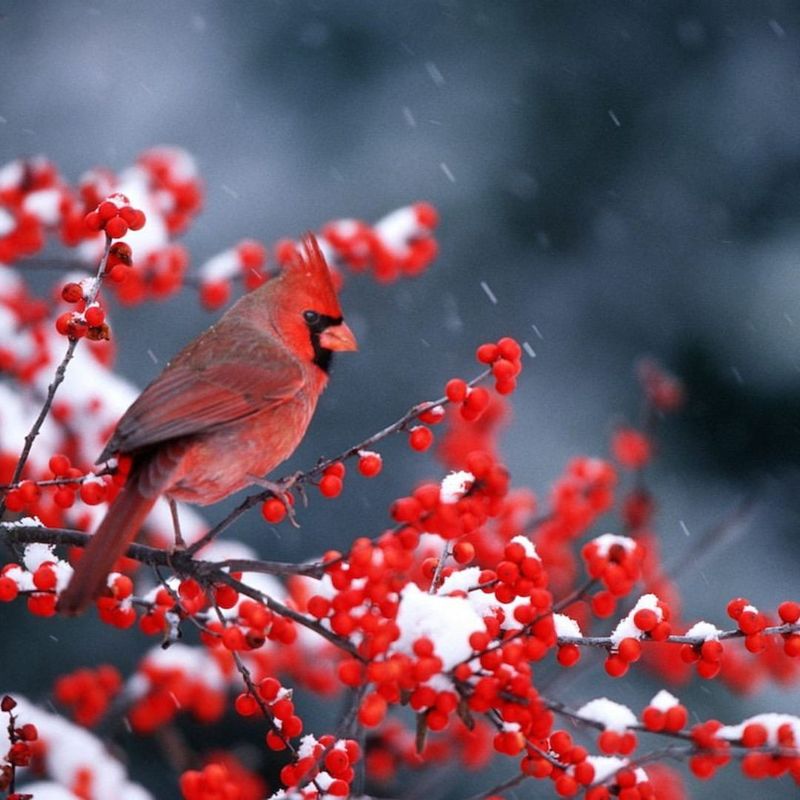
Winter reveals the interesting branching architecture and persistent fruit clusters against snowy backgrounds. The structural beauty of bare branches adds visual appeal to dormant gardens.
Cardinals visiting for berries provide moving splashes of red that complement the tree perfectly.
Four-season interest from a single tree maximizes your landscaping investment and garden enjoyment. Each visit outdoors reveals something different depending on the time of year.
Hawthorn delivers continuous value while supporting cardinals and other wildlife throughout every season without requiring special care or attention beyond basic establishment watering during the first year after planting in your Michigan yard.
A Simple Way To Create A Bird Friendly Michigan Garden
Planting one native hawthorn tree starts a chain reaction that improves your entire yard for wildlife. Birds like cardinals need food, water, shelter, and nesting sites all within their territory.
A single tree provides multiple elements of this essential habitat formula. Native plants form the foundation of sustainable gardens that support local ecosystems without constant inputs.
Hawthorn requires minimal maintenance once established yet delivers maximum benefits for decades. This efficiency appeals to gardeners who want results without dedicating excessive time to upkeep.
Cardinals breeding successfully in your yard will return each spring to familiar territory. Their offspring may also settle nearby creating a neighborhood population of these beautiful birds.
Your hawthorn tree becomes a legacy that supports generations of cardinals over its fifty-year lifespan.
Adding native trees improves property values while creating personal enjoyment from watching wildlife. Gardens designed with nature in mind feel more alive and dynamic than purely ornamental landscapes.
The sounds and sights of cardinals add immeasurable quality to your outdoor living spaces.
Starting with hawthorn often inspires gardeners to add more native plants throughout their yards. Each addition strengthens the habitat value and attracts more bird species and beneficial insects.
Your simple decision to plant one tree begins a transformation that makes your property a haven for Michigan wildlife while creating a beautiful landscape you enjoy every single day of the year.