Add This Native Tree To Your North Carolina Garden To Attract More Cardinals
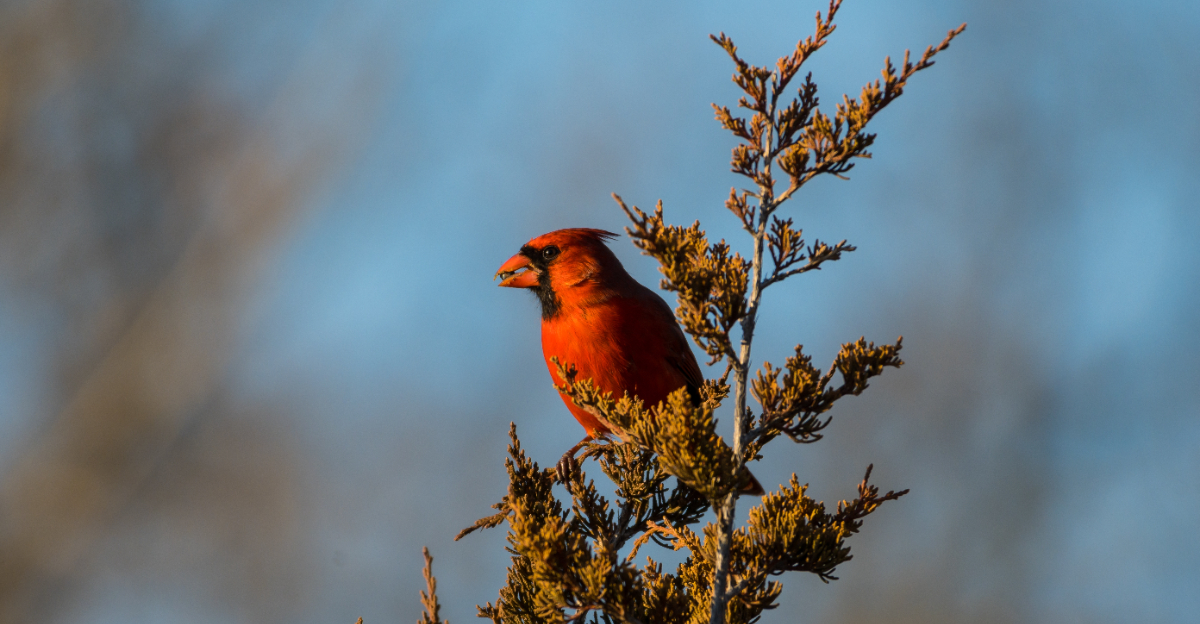
A flash of brilliant red among green branches and a clear, whistling song can instantly bring a sense of joy to any backyard. In North Carolina, cardinals are cherished garden visitors, adding color, movement, and lively energy throughout the year.
One of the most effective ways to welcome these striking birds into your outdoor space is by planting native trees that provide the food, shelter, and nesting spots they naturally seek.
Among the best choices, Eastern Red Cedar shines as a favorite, offering dense cover, nourishing berries, and year round beauty that supports both cardinals and other local wildlife.
This hardy native tree thrives in North Carolina’s climate while helping create a balanced, bird friendly environment that feels vibrant in every season.
By choosing the right tree, your garden can become a lively haven where cardinals return again and again, filling the landscape with color, song, and natural charm.
Plant Eastern Red Cedar To Turn Your Garden Into A Cardinal Haven
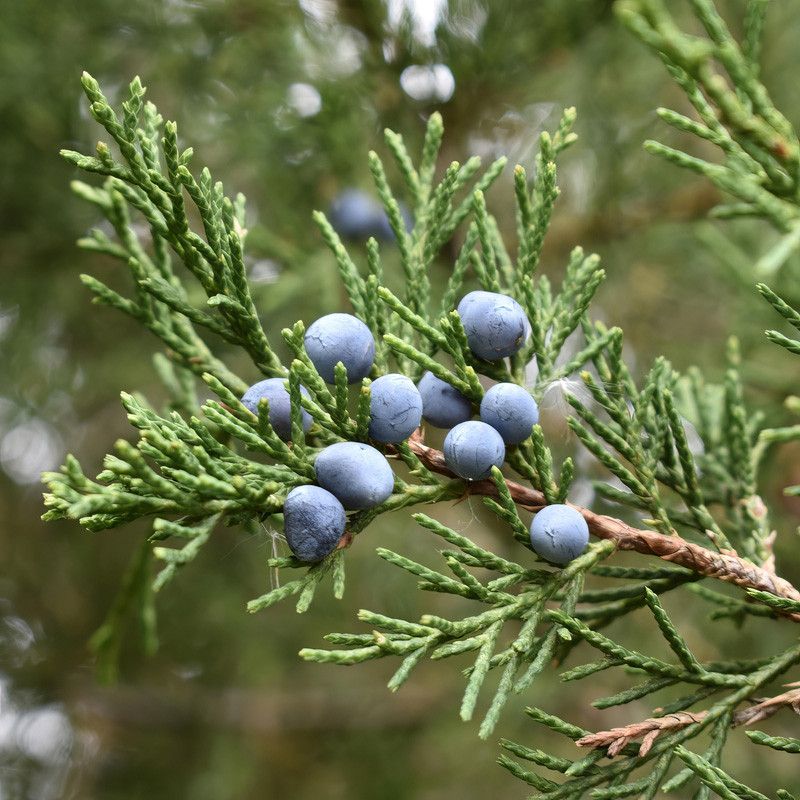
Eastern Red Cedar, scientifically known as Juniperus virginiana, grows naturally throughout North Carolina and much of the eastern United States.
This native evergreen conifer reaches heights between 40 and 50 feet at maturity, though many specimens remain smaller in garden settings.
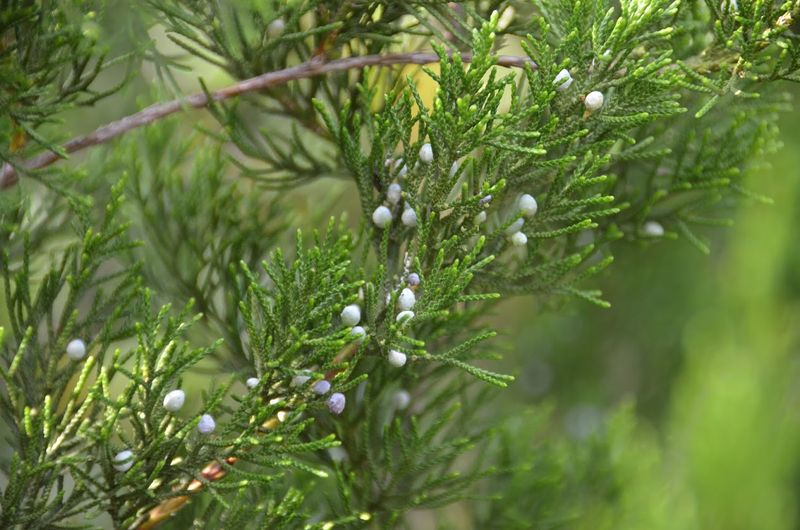
The tree features dense, scale-like foliage that stays green throughout all seasons, providing consistent visual appeal.
Its growth habit varies from narrow and columnar to broadly pyramidal depending on growing conditions and genetics. Young trees display a more upright form, while older specimens often develop irregular, character-filled shapes.
The bark peels in thin, shredding strips, revealing reddish-brown inner bark that adds textural interest.
This conifer thrives in a wide range of elevations across North Carolina, from coastal plains to mountain foothills. Its adaptability to different soil types and moisture levels makes it a reliable choice for various landscape situations.
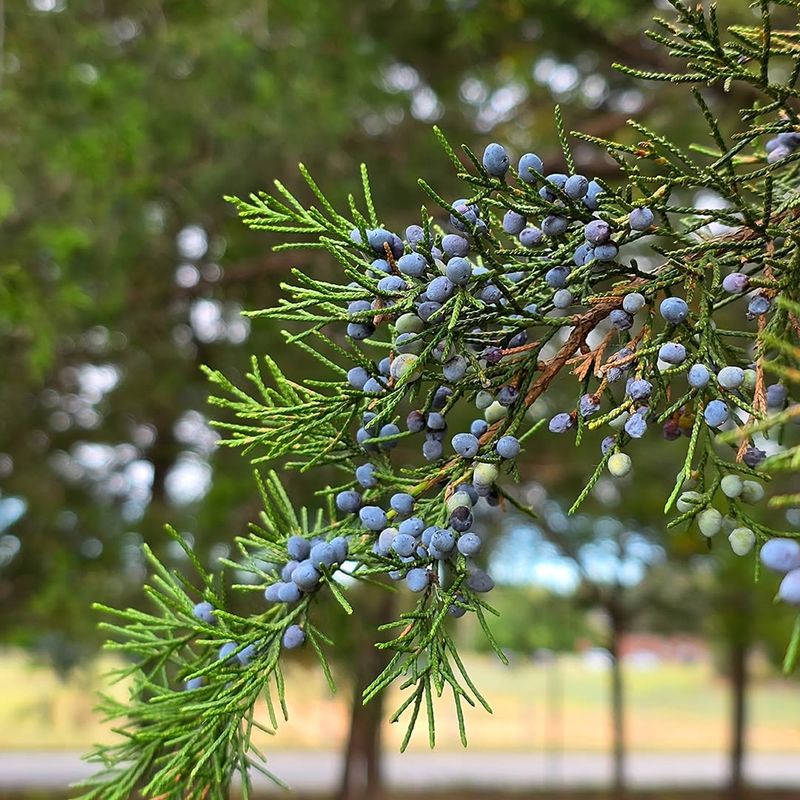
The tree produces small, berry-like cones that turn bluish-gray when mature, typically appearing on female trees during late summer and fall.
Eastern Red Cedar belongs to the cypress family despite its common name suggesting it’s a true cedar. Its aromatic wood contains natural oils that resist decay and insect damage.
The species plays an important ecological role in North Carolina’s native plant communities.
A Native Tree That Thrives In North Carolina
Native plants naturally adapt to local climate patterns, soil conditions, and seasonal changes without requiring extensive intervention.
Eastern Red Cedar evolved over thousands of years in North Carolina’s varied environments, from coastal areas to piedmont regions.
This long adaptation period means the tree handles local weather extremes with remarkable resilience.
The species tolerates North Carolina’s hot, humid summers and occasional cold snaps during winter months. It grows successfully in the state’s characteristic red clay soils as well as sandier coastal soils.
Once established, these trees require minimal supplemental watering even during dry periods, making them practical for homeowners seeking lower-maintenance landscapes.
Choosing native species like Eastern Red Cedar supports regional ecosystems by providing familiar resources for local wildlife. Native trees develop alongside native insects, birds, and other organisms, creating balanced relationships that benefit the entire garden.
These trees also resist many pests and diseases that affect non-native species because they co-evolved with local challenges.
Gardeners who plant native trees contribute to preserving North Carolina’s natural heritage and biodiversity. Eastern Red Cedar specifically helps maintain the character of traditional southern landscapes while requiring fewer inputs than exotic alternatives.
The tree’s natural occurrence throughout the state demonstrates its proven ability to thrive without special amendments or treatments.
Why Cardinals Are Attracted To This Tree
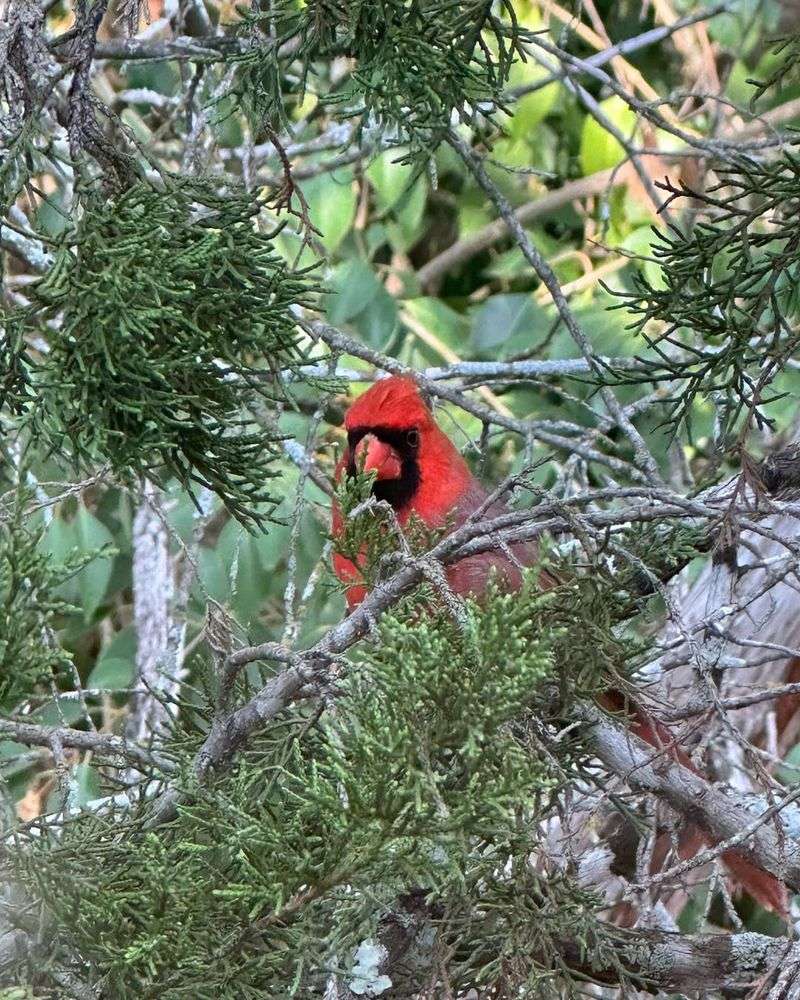
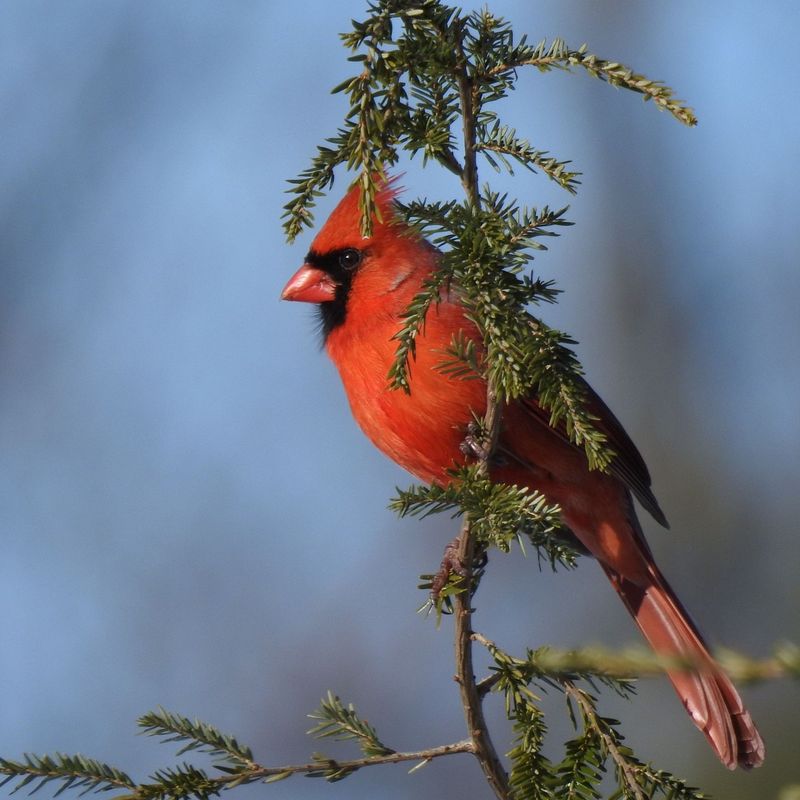
Northern Cardinals seek out Eastern Red Cedar for multiple reasons that directly support their survival and breeding success. The tree’s dense evergreen structure provides exceptional cover from aerial predators like hawks and owls.
Cardinals feel secure moving through the thick branches, which offer protection while they forage and rest throughout the day.
The tree’s year-round foliage creates reliable shelter during harsh winter weather when deciduous trees lose their leaves. Cardinals often roost within the protected interior branches during cold nights and storms.
This consistent cover availability makes Eastern Red Cedar particularly valuable compared to seasonal shelter options.
Food availability also draws cardinals to these trees, especially during fall and winter when other food sources become scarce. The bluish berry-like cones provide nutritious calories when insects and seeds from other plants diminish.
Cardinals have strong beaks capable of handling the somewhat firm texture of these cones.
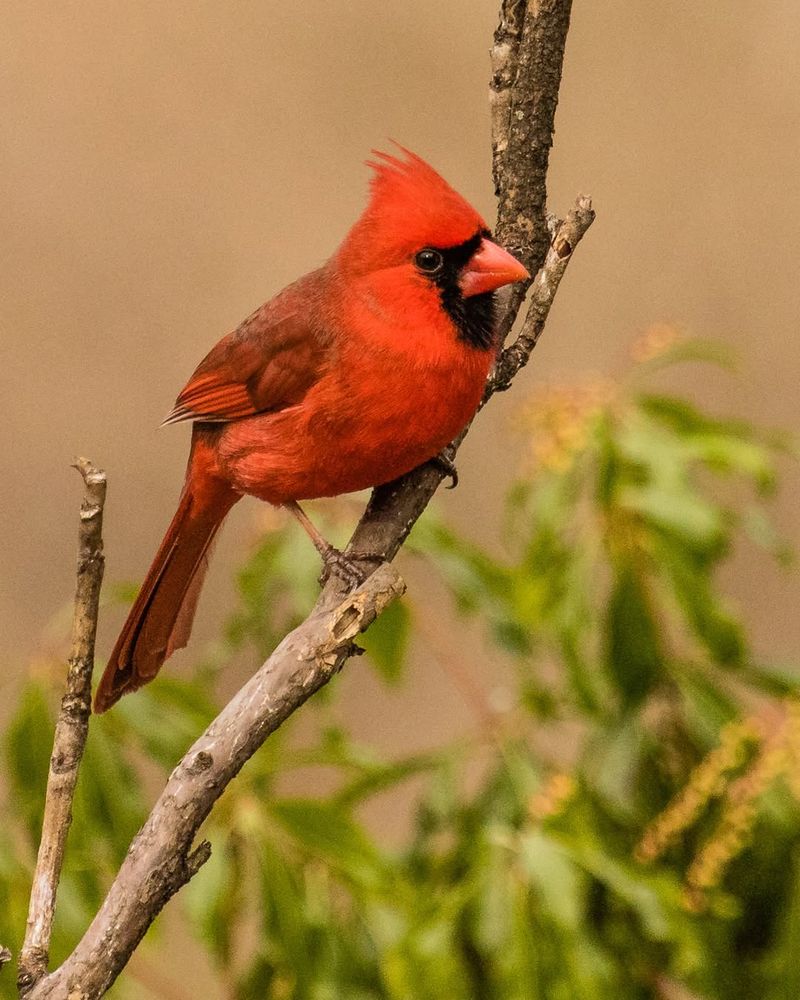
The tree’s branching structure suits cardinal behavior patterns, offering perching spots at various heights where they can survey surroundings while remaining partially concealed. Male cardinals often choose prominent perches in Eastern Red Cedar to sing their territorial songs.
Female cardinals appreciate the secure nesting locations hidden within the dense foliage, where they can raise young away from predator detection.
A Natural Food Source For Cardinals
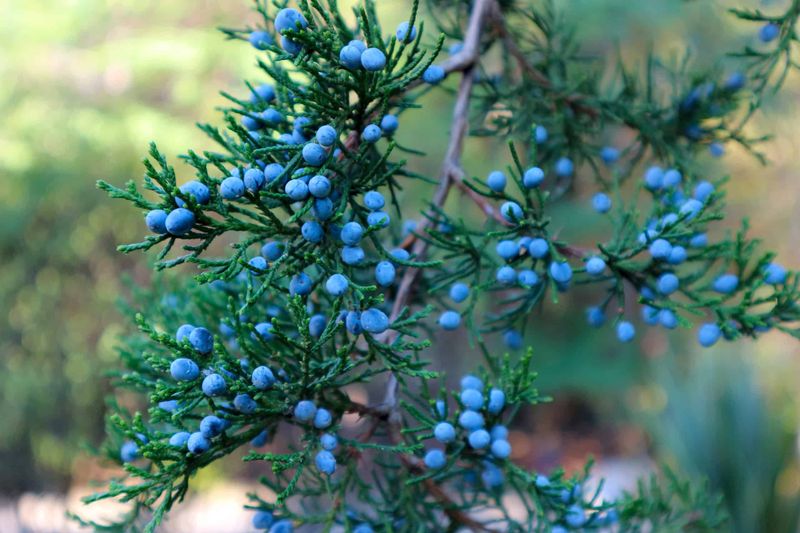
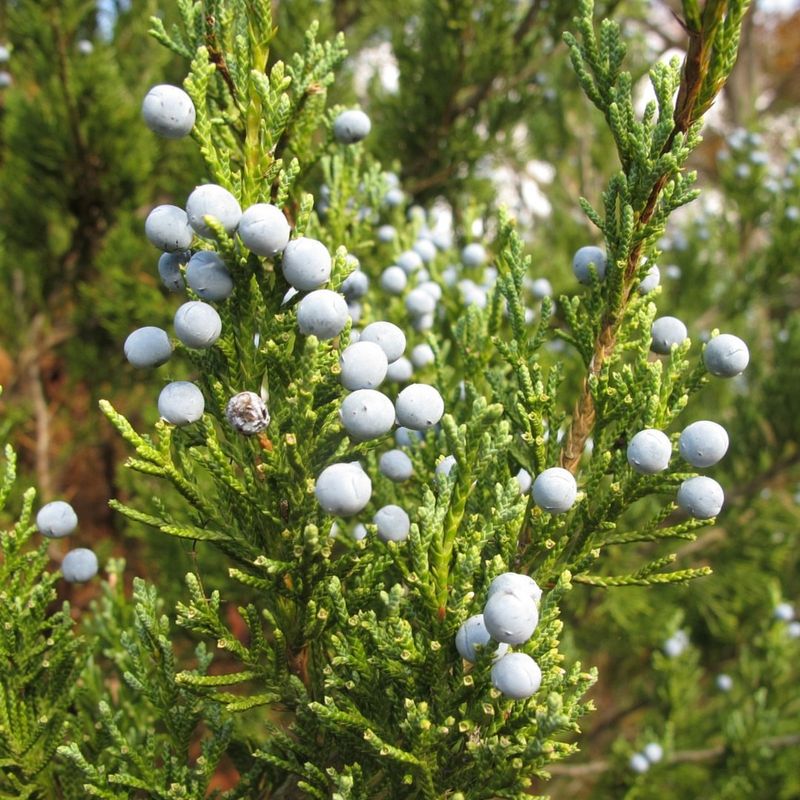
Eastern Red Cedar produces small, round, berry-like cones that mature to a dusty blue color covered with a waxy coating. These structures are actually modified cones rather than true berries, though they resemble berries in appearance and function.
Each cone contains one to three seeds surrounded by sweet, resinous flesh that many bird species find appealing.
Cardinals consume these cones primarily during fall and winter months when their preferred seeds and insects become less abundant. The cones provide essential fats and calories that help birds maintain body temperature during cold weather.
Female trees produce the cone crop, typically beginning when the tree reaches maturity around ten years of age.
The cones ripen gradually from late summer through fall, providing an extended feeding period rather than a single brief harvest. This extended availability helps support bird populations throughout the challenging winter season.
Cardinals often visit Eastern Red Cedars repeatedly as new cones ripen and become palatable.
More than 50 bird species consume Eastern Red Cedar cones, creating a bustling wildlife hub when the crop is abundant. Cardinals share these trees with waxwings, robins, mockingbirds, and various other species.
The social feeding opportunities may actually attract more cardinals, as these birds sometimes feed in loose groups during winter.
Dense Evergreen Shelter Year-Round
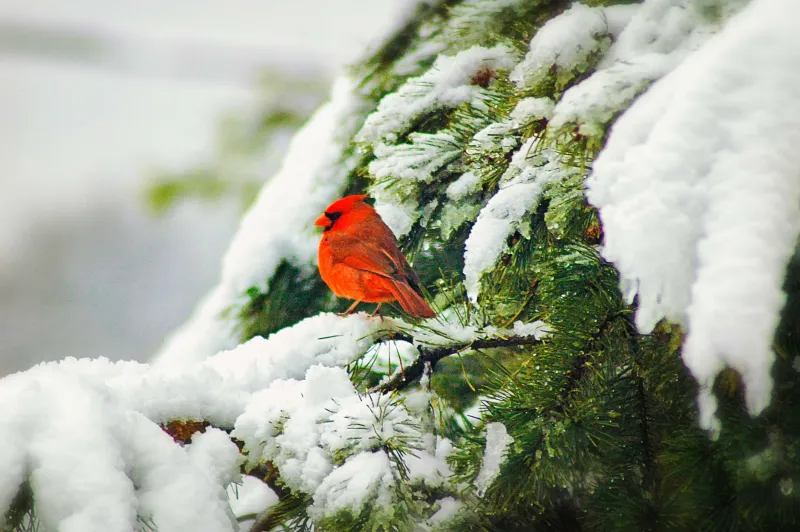
The persistent foliage of Eastern Red Cedar creates a protective microclimate within its canopy that moderates temperature extremes and wind exposure.
Cardinals and other birds utilize this shelter during severe weather events, finding refuge from rain, snow, and ice storms.
The overlapping scale-like leaves create a dense barrier that sheds precipitation while maintaining relatively dry spaces within the interior branches.
During winter, the evergreen canopy reduces heat loss by blocking cold winds and providing insulation around roosting birds. Cardinals often select roosting spots deep within the foliage where multiple branch layers offer maximum protection.
Nighttime temperatures within the tree canopy can be several degrees warmer than exposed locations, which significantly impacts bird survival during extreme cold.
Summer shelter proves equally important, as the dense foliage provides shade and cooler microclimates during hot afternoons. Cardinals retreat to shaded branches during midday heat, conserving energy and reducing water loss.
The tree’s structure also offers escape routes and hiding places when predators approach, with multiple pathways through the dense branches.
Year-round shelter availability makes Eastern Red Cedar especially valuable compared to deciduous trees that offer protection only seasonally. This consistent refuge supports resident cardinal populations that remain in North Carolina throughout the entire year.
The reliable shelter allows cardinals to maintain territories and survive challenging conditions.
Safe Nesting Habitat For Cardinals
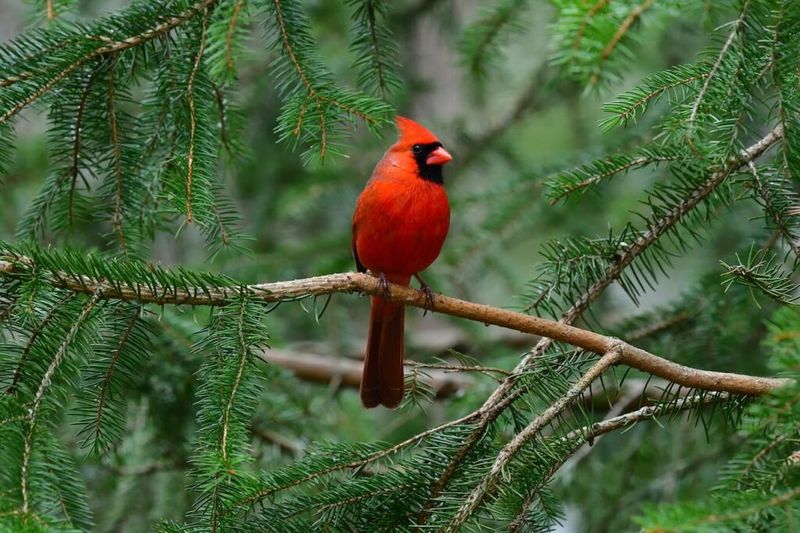
Female cardinals build cup-shaped nests using twigs, bark strips, grasses, and rootlets, typically placing them in dense shrubs or small trees between three and ten feet above ground.
Eastern Red Cedar’s thick branching structure provides ideal concealment for these nests, hiding them from predators like snakes, cats, and larger birds.
The evergreen foliage offers visual screening from all angles, making nests difficult to detect.
The tree’s branch architecture creates natural forks and platforms where nest construction becomes easier and more stable. Cardinals prefer nesting sites with overhead cover that protects eggs and nestlings from sun, rain, and predator detection from above.
Eastern Red Cedar’s layered branching provides multiple suitable nesting locations within a single tree.
Nesting typically occurs from March through August in North Carolina, with pairs often raising two or three broods during this period.
The persistent foliage ensures consistent cover throughout the entire nesting season, unlike deciduous plants that leaf out gradually in spring.
Cardinals may reuse the same tree for multiple nesting attempts if initial efforts succeed.
The aromatic oils in Eastern Red Cedar foliage may help deter some insects and parasites that could harm nestlings. While not a complete deterrent, the natural compounds contribute to a healthier nesting environment.
The dense structure also reduces nest parasitism by cowbirds, which prefer more open nesting situations.
Supports Insects Cardinals Feed On
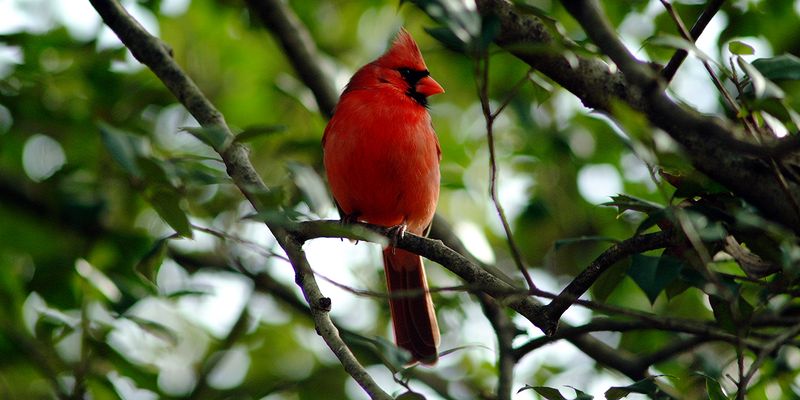
Native trees support significantly more native insect species than non-native ornamental plants because local insects evolved to feed on specific native plant chemistry.
Eastern Red Cedar hosts various moth caterpillars, beetles, and other insects that form essential links in the food web.
These insects provide crucial protein for cardinal nestlings, which require high-protein diets for rapid growth and development.
Adult cardinals consume seeds and fruits for much of the year, but they switch to feeding insects to their young during breeding season. Parent cardinals hunt caterpillars, beetles, grasshoppers, and other soft-bodied insects to deliver to nestlings multiple times per hour.
Trees that support abundant insect populations make feeding young birds easier and more successful.
The insects living on Eastern Red Cedar attract cardinals actively hunting throughout the foliage and nearby areas. Even insects that don’t directly feed on the tree benefit from the habitat structure and microclimate it creates.
The tree becomes a focal point for insect activity, which in turn attracts insect-eating birds. A healthy native tree can support thousands of caterpillars during peak growing season, providing ample food for multiple bird families.
Research shows that native plants support 35 times more caterpillar biomass than non-native plants.
By planting Eastern Red Cedar, gardeners create productive feeding grounds that help cardinal populations thrive and successfully raise more young birds.
Easy To Grow And Adaptable
Eastern Red Cedar demonstrates remarkable tolerance for challenging growing conditions that would stress many other tree species. The tree grows successfully in acidic to slightly alkaline soils, accommodating pH ranges from 4.5 to 7.5 without requiring amendments.
It handles both clay and sandy soil textures, though it prefers well-drained sites over constantly wet locations.
Once established after the first growing season, Eastern Red Cedar withstands drought periods without supplemental irrigation. Its deep root system accesses moisture unavailable to shallow-rooted plants, allowing survival during extended dry spells.
This drought tolerance makes it practical for areas where regular watering isn’t feasible or desirable.
The tree thrives in full sun exposure, requiring at least six hours of direct sunlight daily for best growth and form. It tolerates partial shade but may develop a more open, less dense habit in lower light conditions.
Full sun promotes the compact, dense branching that provides optimal wildlife value. Eastern Red Cedar tolerates urban conditions better than many native trees, handling air pollution, compacted soils, and reflected heat from pavement.
It grows successfully in exposed, windy sites where more delicate species struggle. The tree’s adaptability means gardeners can plant it confidently in various landscape situations without extensive site preparation or ongoing maintenance requirements.
Provides Winter Interest In The Garden
Winter landscapes often lack color and texture after deciduous plants lose their leaves and herbaceous perennials retreat underground.
Eastern Red Cedar maintains its rich green foliage throughout winter, providing continuous structure and color when gardens need it most.
The evergreen presence creates visual anchors and focal points that prevent winter landscapes from appearing barren.
The tree’s blue-gray cones become particularly noticeable during winter months when they contrast beautifully against the green foliage and white snow.
These cones add subtle color variation and textural interest that changes as light conditions shift throughout the day.
The waxy coating on the cones creates a frosted appearance that enhances winter aesthetics.
Snow and ice accumulation on Eastern Red Cedar branches creates striking visual displays that highlight the tree’s architectural form. The dense branching catches and holds snow, transforming the tree into a sculptural element.
Frost coating the foliage adds sparkling beauty during cold mornings. Wildlife activity around Eastern Red Cedar increases during winter as birds seek food and shelter, adding movement and life to the garden.
Watching cardinals, waxwings, and other birds visit the tree provides entertainment and connection to nature during cold months.
The tree becomes a hub of activity that draws attention and appreciation throughout the winter season when many gardens appear dormant and lifeless.
Helps Create A Wildlife-Friendly Garden
Creating wildlife-friendly gardens requires providing food, shelter, water, and nesting sites that support native species throughout their life cycles.
Eastern Red Cedar contributes multiple essential resources that benefit not just cardinals but dozens of other wildlife species.
The tree functions as a keystone species in garden ecosystems, supporting disproportionately large numbers of organisms relative to its abundance.
Native plant choices form the foundation of successful wildlife gardens because they provide resources that native animals recognize and utilize effectively.
Eastern Red Cedar’s long evolutionary history in North Carolina means local wildlife developed relationships with this tree over thousands of generations.
These established relationships ensure the tree attracts and supports intended wildlife targets.
The tree benefits mammals as well as birds, with white-tailed deer browsing foliage during winter and rabbits sheltering beneath low branches. Small mammals use the dense cover for protection from predators while moving through the landscape.
The complex habitat structure supports diverse wildlife communities rather than single species.
Gardeners who incorporate native trees like Eastern Red Cedar contribute to landscape-scale conservation efforts that extend beyond individual property boundaries.
Connected networks of native plants create corridors and stepping stones that allow wildlife to move safely through developed areas.
Each native tree planted strengthens the regional ecosystem and supports biodiversity conservation in meaningful ways.
A Long-Term Tree For Birds And Nature
Eastern Red Cedar can live for several hundred years under favorable conditions, with many specimens reaching 100 to 150 years in typical landscape settings.
This longevity means a single tree planted today will provide wildlife benefits for multiple human generations.
The long-term investment creates lasting ecological value that compounds over decades as the tree matures and increases its wildlife support capacity.
Older trees develop more complex branching structures, increased cone production, and larger canopies that support greater numbers of birds and other wildlife.
Mature trees become increasingly valuable to ecosystems as they age, unlike many landscape features that depreciate over time.
The accumulated benefits of long-lived native trees justify their prominent placement in gardens and landscapes.
As Eastern Red Cedar grows, it continues adapting to changing conditions while maintaining its essential wildlife support functions.
The tree provides consistent resources that cardinal populations depend on year after year, supporting stable breeding populations.
This reliability helps sustain local bird communities through environmental fluctuations and challenges.
Planting native trees represents an investment in future ecosystem health and biodiversity conservation. Eastern Red Cedar specifically offers proven performance supporting cardinals and numerous other species throughout North Carolina.
The tree’s combination of adaptability, wildlife value, and longevity makes it an excellent choice for gardeners seeking meaningful environmental contributions.
When And How To Plant In North Carolina
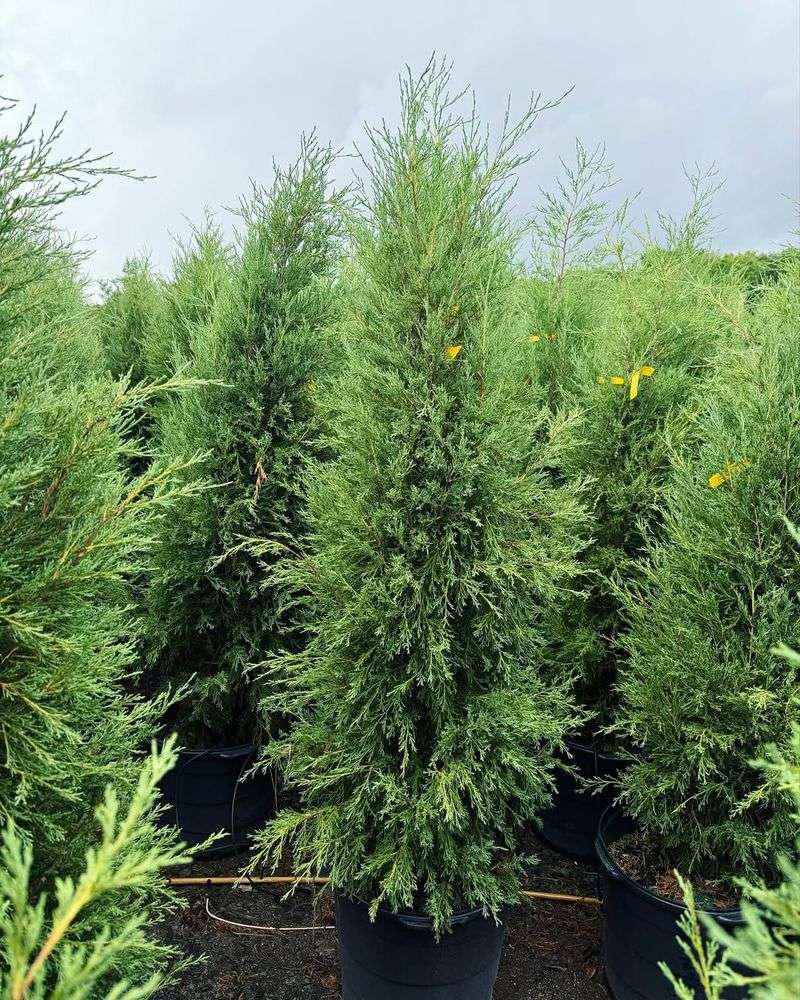
Fall planting from September through November allows trees to establish root systems before winter dormancy and the following summer’s heat. Cooler temperatures and typically higher rainfall during fall reduce transplant stress and watering requirements.
Trees planted in fall develop stronger root systems that support better growth during the first full growing season.
Late winter to early spring planting from February through April also works well in North Carolina, taking advantage of spring rainfall and moderate temperatures.
Avoid planting during the hottest summer months when heat stress and watering demands become challenging.
Container-grown trees transplant successfully throughout the growing season if adequate watering is maintained.
Select a planting site with full sun exposure and well-drained soil for best results. Dig a planting hole two to three times wider than the root ball but no deeper than the container height.
The top of the root ball should sit level with or slightly above the surrounding soil grade to prevent water pooling around the trunk.
Remove the container carefully and loosen any circling roots before placing the tree in the hole. Backfill with the original soil without amendments, firming gently to eliminate air pockets.
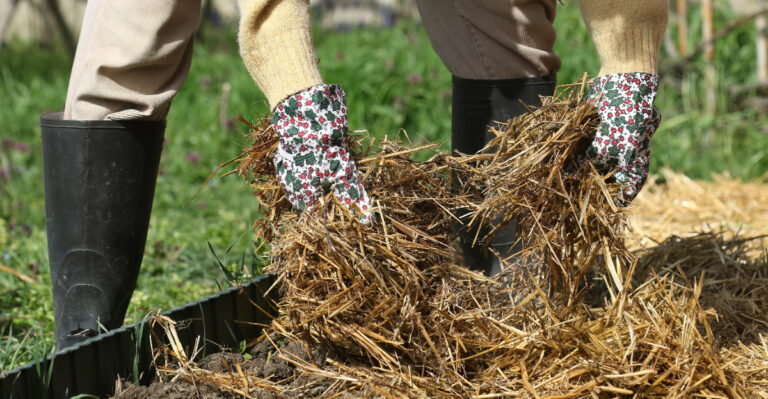
Water thoroughly after planting and apply a two to three inch layer of mulch around the base, keeping mulch away from direct trunk contact. Water regularly during the first growing season until the tree establishes.