Add This Native Tree To Your Pennsylvania Garden To Attract More Cardinals
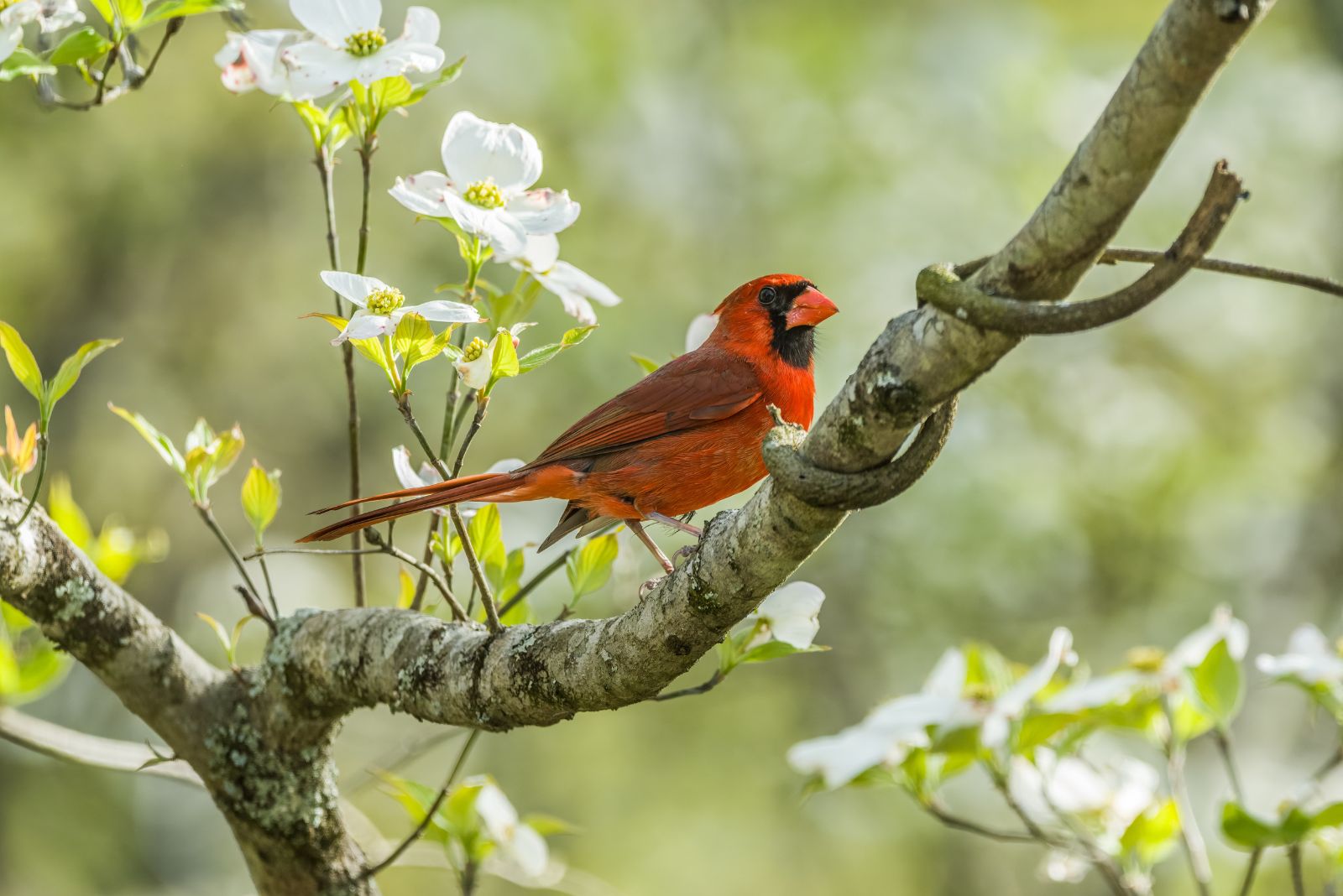
Few birds make a yard feel as lively and cheerful as cardinals. Their bright red color stands out instantly, and once they decide a garden is worth visiting, they bring a little extra life to the whole space.
If you have been hoping to see more of them around your Pennsylvania home, the answer may be simpler than you think. Sometimes it comes down to planting the right tree.
A good garden tree does more than fill space or offer spring color. It can provide shelter, food, and the kind of safe, welcoming setting birds look for when choosing where to stop, feed, and nest.
That is exactly why one native favorite deserves a closer look from Pennsylvania gardeners who want a yard that feels more connected to local wildlife.
Flowering dogwood brings beauty in every season, but its appeal goes far beyond looks. It fits naturally into the Pennsylvania landscape and offers the kind of value that can turn an ordinary garden into a place cardinals are much more likely to visit and stay awhile.
Flowering Dogwood Is The Tree Cardinals Love
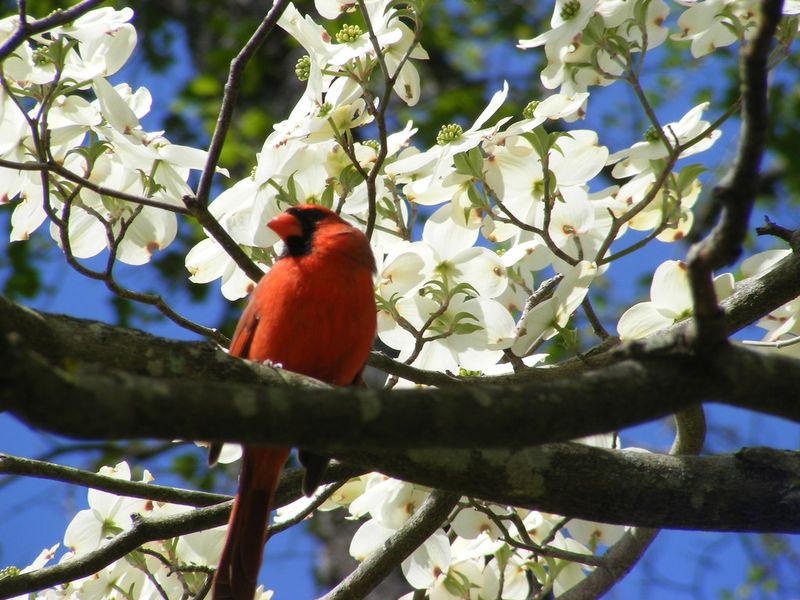
Few trees stop people in their tracks quite like a flowering dogwood in full bloom. Cornus florida, commonly called flowering dogwood, is a native Pennsylvania tree that has been growing in the state’s woodlands for centuries.
It is not just a pretty face in the yard. Cardinals genuinely love it, and once you understand why, you will want one in your garden right away.
Cardinals are year-round residents in Pennsylvania, and they need reliable trees that offer food and cover through every season. Flowering dogwood delivers on both fronts.
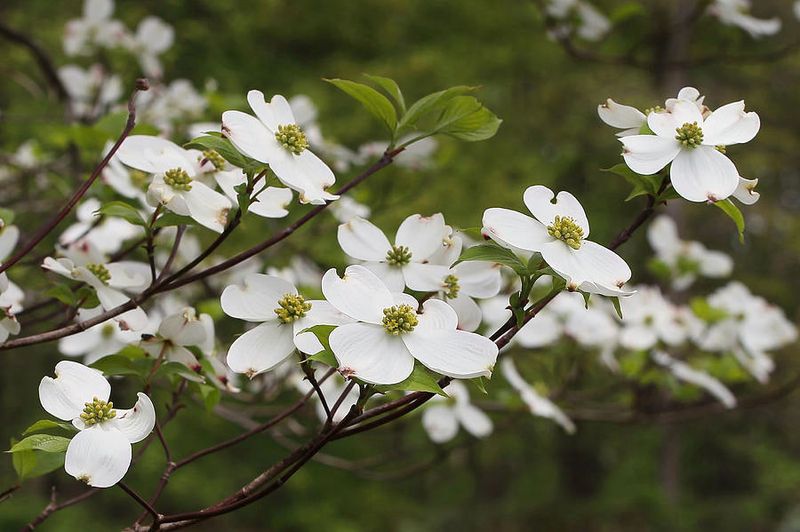
In late spring, it bursts into bloom with showy white or pink flower bracts that catch the eye. By late summer and into fall, those blooms give way to clusters of small, bright red berries that cardinals actively seek out.
The tree grows naturally in the understory of Pennsylvania’s forests, which means it is already adapted to the local climate and soil. It does not need a lot of extra care once it gets settled in.
Gardeners who want a tree that works with nature instead of against it will find dogwood to be a reliable and rewarding choice.
Beyond the birds, flowering dogwood has a graceful, layered shape that makes it look beautiful in any yard. Its horizontal branches spread out in a way that looks natural and relaxed.
Whether you have a small suburban lot or a larger property, this tree fits in without overwhelming the space. Pennsylvania gardeners who plant one often say it quickly becomes the favorite feature of the whole yard.
Why Cardinals Are Drawn To Flowering Dogwood
Cardinals are picky about where they spend their time. They gravitate toward spots that offer food, safe shelter, and a feeling of security.
Flowering dogwood checks every one of those boxes, which is exactly why Pennsylvania gardeners who plant one tend to notice more cardinals visiting their yards almost immediately.
The berries are a big reason. Flowering dogwood produces clusters of glossy red fruit that ripen in late summer and stay on the tree well into fall.
Cardinals have a strong preference for these berries. The fruit is high in fat, which gives the birds the energy they need heading into cooler Pennsylvania weather.
When other food sources start to thin out, dogwood berries become even more valuable to local cardinals.
Shelter matters just as much as food. Cardinals are not fans of wide-open spaces where they feel exposed.
The branching structure of flowering dogwood gives them a place to perch, rest, and watch for predators without feeling vulnerable. The tree’s dense canopy during summer months offers shade and cover that cardinals appreciate.
Nesting is another benefit. Female cardinals look for spots with good concealment when raising their young.
The layered branches of a dogwood tree provide exactly that kind of protective structure. Planting one near shrubs or other native plants gives cardinals an even more appealing habitat.
Attracting cardinals is really about creating the right environment. Flowering dogwood does that naturally.
It fits into the Pennsylvania landscape in a way that feels genuine, and the birds respond to that. Adding one to your yard is one of the most effective steps you can take.
What Makes Flowering Dogwood So Special In The Garden
Plenty of trees are good for birds, but not all of them are also beautiful enough to anchor a garden design. Flowering dogwood manages to be both.
Pennsylvania gardeners get a tree that pulls its weight visually in every single season, and that is a rare quality in any landscape plant.
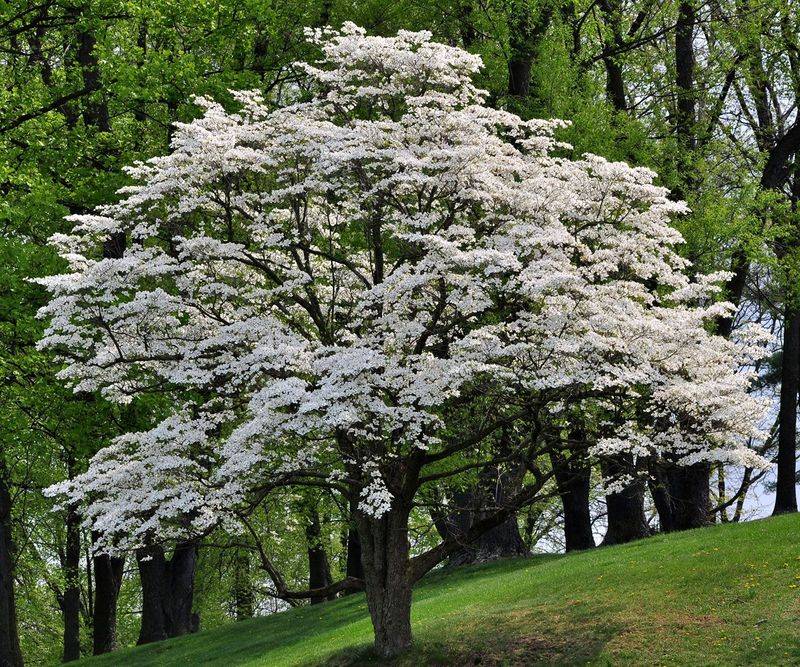
Spring is when the dogwood really steals the show. The tree covers itself in large, showy bracts that look like petals but are actually modified leaves surrounding the tiny true flowers at the center.
White is the most common color, but pink varieties exist too. The display usually lasts a few weeks in April and May, right when Pennsylvania yards are waking up from winter.
Summer brings a full canopy of deep green leaves that shade the area below and give the yard a lush, established look. Then fall arrives and the dogwood transforms again.
The leaves turn rich shades of red and burgundy, and the bright red berry clusters pop against that colorful backdrop. It is genuinely one of the best fall-color trees you can grow in Pennsylvania.
Even in winter, the tree has appeal. The branching pattern is elegant and sculptural, and the remaining berries sometimes attract cardinals on cold gray days when the yard feels quiet.
The horizontal layers of the branches give the tree a distinctive silhouette that stands out even without leaves.
For Pennsylvania gardeners who want a landscape that looks intentional and well-planned, flowering dogwood brings that polished look without requiring a lot of complicated maintenance or constant attention throughout the year.
Where To Plant Flowering Dogwood For The Best Results
Getting the placement right is one of the most important decisions you will make when adding flowering dogwood to your Pennsylvania yard.
This tree has preferences, and when you match the right spot to its needs, it rewards you with healthy growth and a steady stream of cardinal visitors.
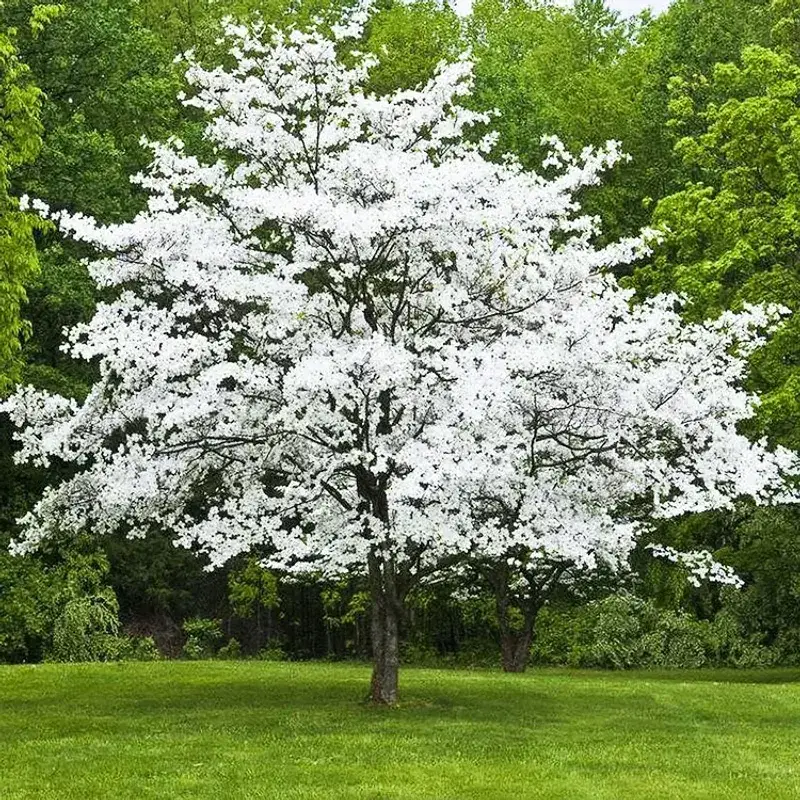
Flowering dogwood grows naturally at the edges of Pennsylvania’s woodlands, which tells you a lot about where it wants to be. It prefers partial shade, especially protection from the intense afternoon sun.
A spot that gets morning sunlight and dappled shade in the afternoon is close to ideal. Under the canopy of larger trees, or along the edge of a tree line, works beautifully.
Soil matters a great deal too. Dogwood prefers well-drained, slightly acidic soil that stays moist but never waterlogged.
Heavy clay soils that hold standing water after rain are not a good match. If your Pennsylvania yard has compacted or poorly draining soil, amending the planting area with organic matter before you plant will make a meaningful difference in how well the tree establishes.
Think about placement from a bird’s perspective as well. Cardinals like to have a clear flight path in and out of a tree, but they also want nearby shrubs or plants where they can quickly retreat if needed.
Planting your dogwood near native shrubs like viburnums or hollies creates a layered habitat that cardinals find very appealing.
Keep the tree away from paved surfaces and areas that collect heat. A naturalistic corner of the yard, away from foot traffic, gives flowering dogwood the calm, comfortable setting where it truly thrives and attracts the most birds.
How To Help Your Dogwood Thrive
Flowering dogwood is a tough native tree, but giving it a strong start makes a real difference in how quickly it settles in and begins attracting cardinals to your Pennsylvania yard. A little attention during the first couple of years goes a long way toward setting the tree up for long-term success.
Watering is the most important task when the tree is young. During its first growing season, flowering dogwood needs consistent moisture to help its roots spread into the surrounding soil.
Water deeply once or twice a week during dry stretches, especially through Pennsylvania’s hot summer months. Once the tree is established after a couple of seasons, it becomes much more self-sufficient and handles dry spells better on its own.
Mulching around the base of the tree is one of the best things you can do. A layer of organic mulch two to three inches deep helps hold moisture in the soil, keeps the root zone cool, and slowly improves the soil as it breaks down.
Keep the mulch a few inches away from the trunk itself to prevent moisture buildup against the bark.
Give the tree room to grow into its natural shape. Flowering dogwood has a beautiful spreading form that develops over time, and it does not need heavy pruning to look good.
Remove any crossed or damaged branches in late winter if needed, but otherwise let it grow freely.
Avoid planting grass right up to the trunk. Lawn mowers and string trimmers can injure the bark, which weakens the tree.
A mulched ring around the base protects it and keeps it healthier over the long run in your Pennsylvania garden.
Why It’s A Smart Choice For Bird-Loving Pennsylvania Gardeners
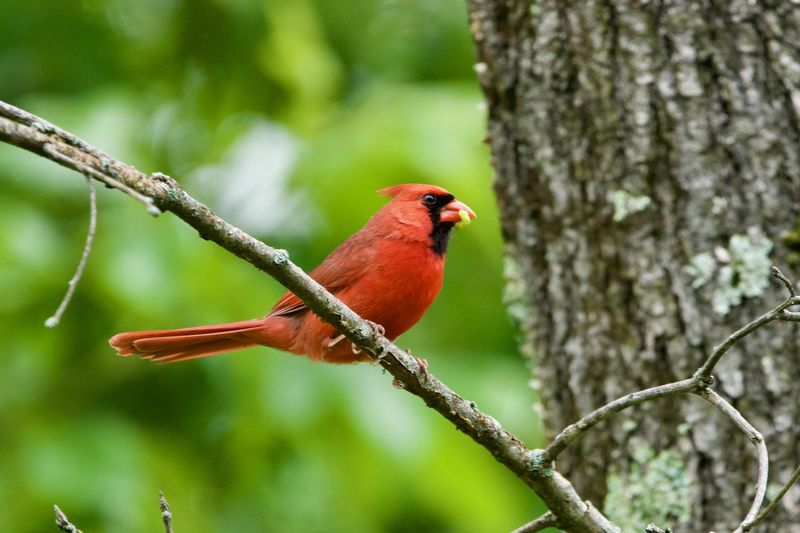
When you step back and look at the full picture, flowering dogwood is one of the most well-rounded trees a Pennsylvania gardener can choose.
It is native, beautiful, wildlife-friendly, and surprisingly low-maintenance once it gets going. For anyone who wants to see more cardinals in the yard, it is hard to beat.
Native plants support local wildlife in ways that non-native species simply cannot match. Flowering dogwood has evolved alongside Pennsylvania’s birds and insects over thousands of years.
Cardinals recognize it as part of their natural habitat. When you plant one, you are essentially sending an open invitation to the local cardinal population to make your yard part of their daily routine.
The tree also supports a wider web of backyard wildlife. Insects are attracted to the spring blossoms, which in turn attract other songbirds.
The berries feed not just cardinals but also bluebirds, robins, and cedar waxwings. A single dogwood tree can quietly transform a plain Pennsylvania backyard into a lively little habitat that buzzes and flutters with activity.
From a purely practical standpoint, native trees like flowering dogwood tend to need fewer inputs than exotic ornamentals.
They are already adapted to Pennsylvania’s rainfall patterns, soil conditions, and seasonal temperatures. That means less watering, less fertilizing, and fewer headaches overall for the gardener.
Planting a flowering dogwood is a decision you will feel good about every time you look out the window and spot a brilliant red cardinal perched in its branches.
It adds lasting beauty, supports local wildlife, and makes your Pennsylvania garden a place that birds genuinely want to call home.